Architectural Styles

Xia Dynasty

Alt names / subperiods 

Timeline

Distinguishing Features

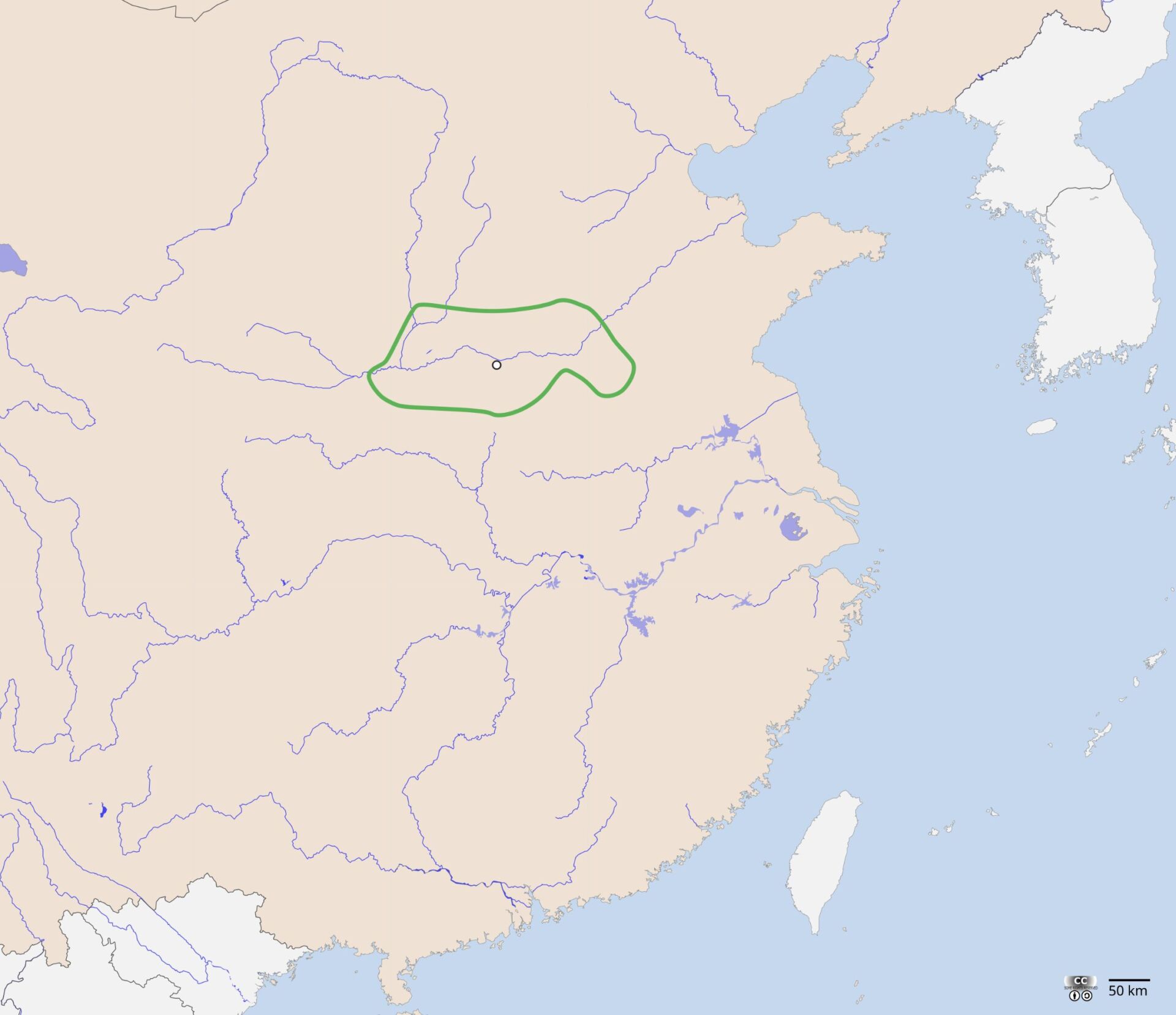
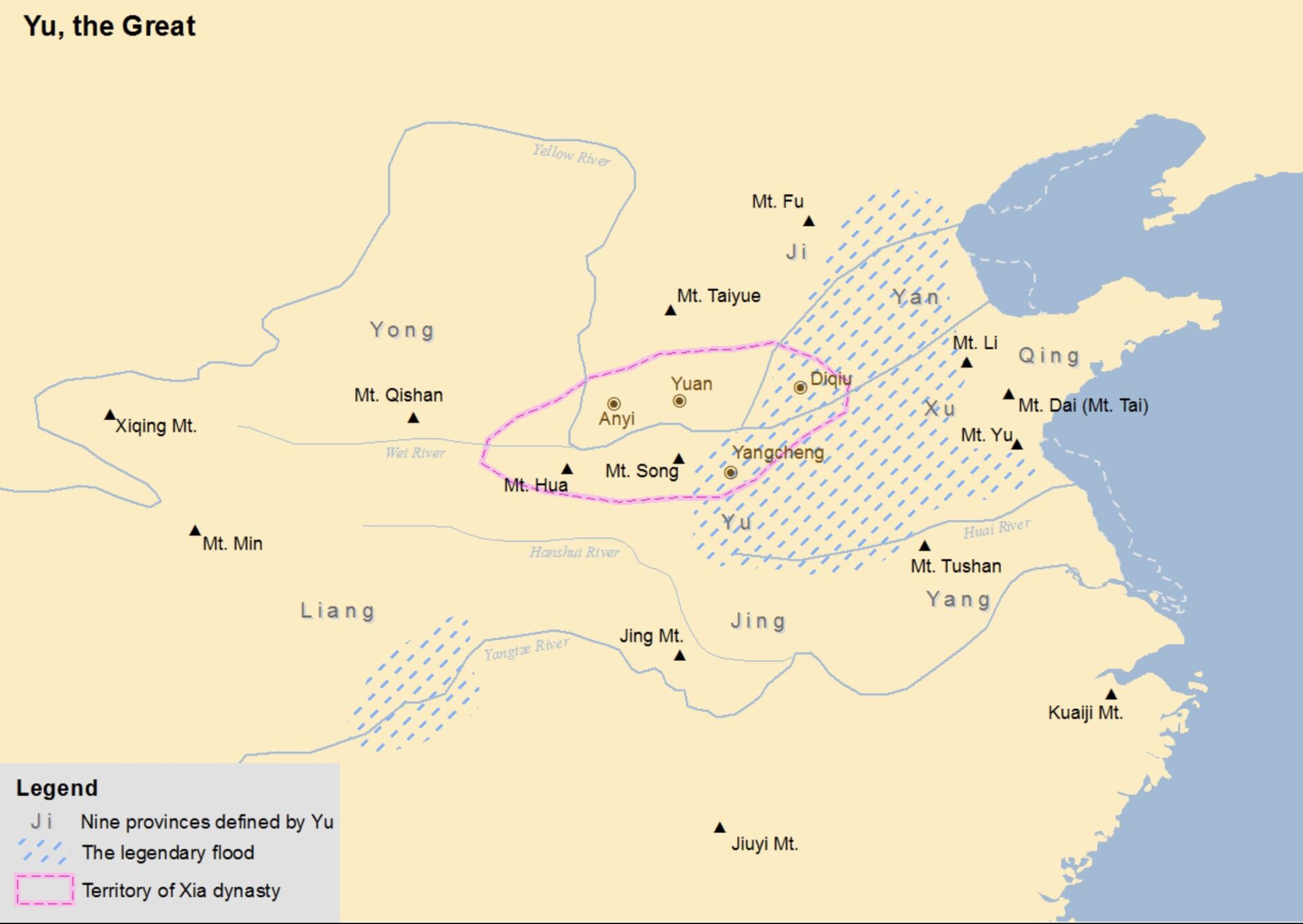
Geographic Presence

2070-1600 BCE

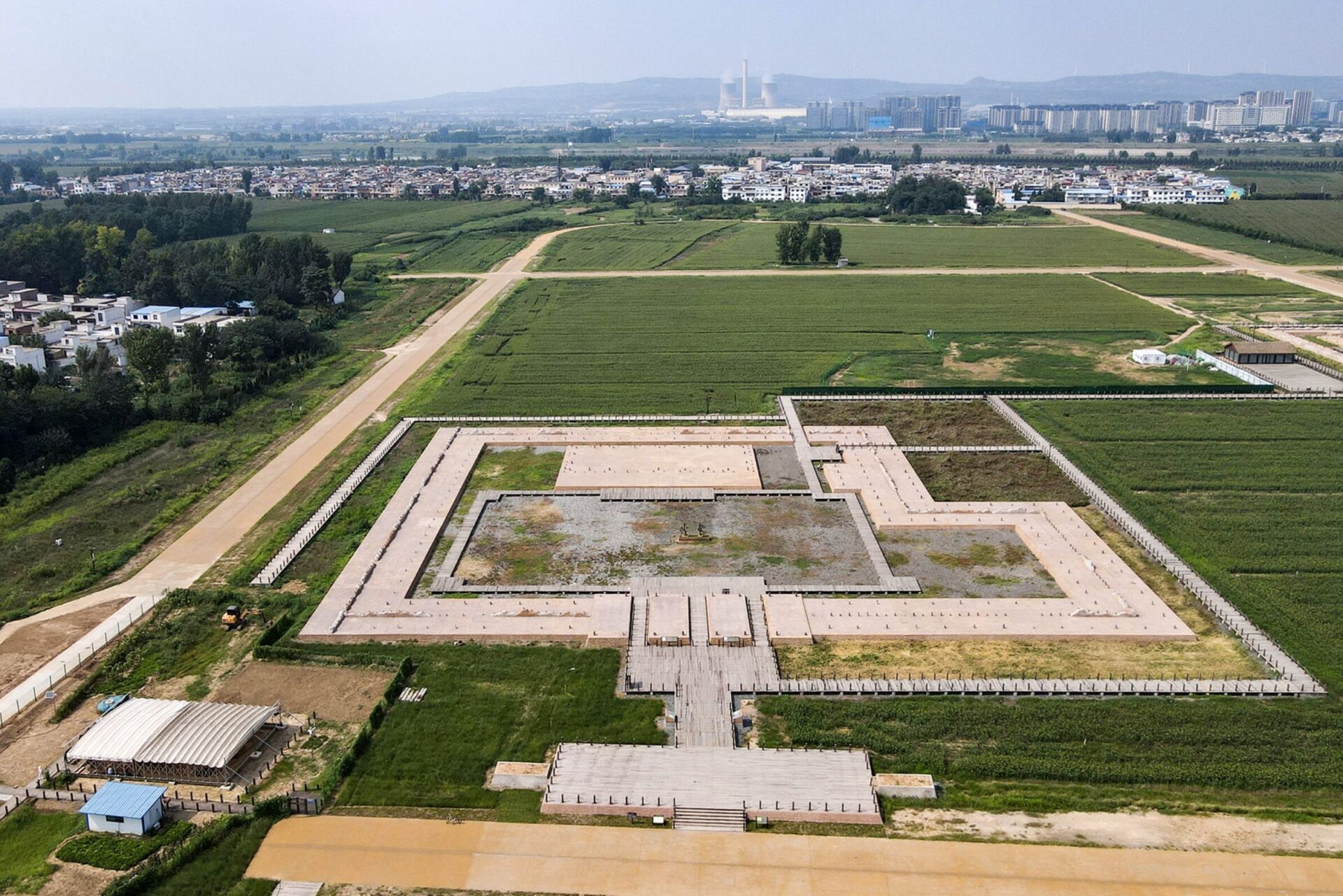
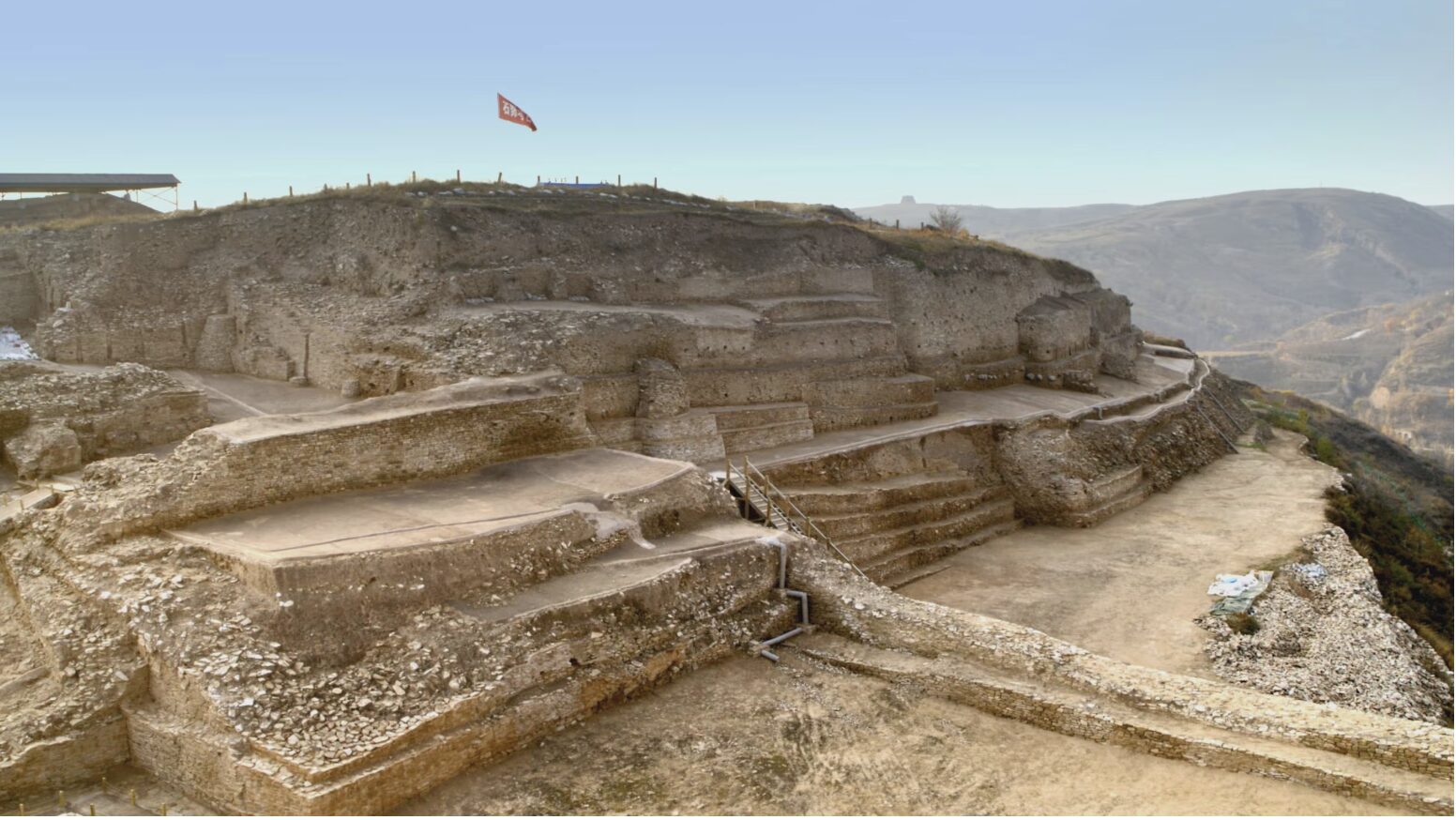
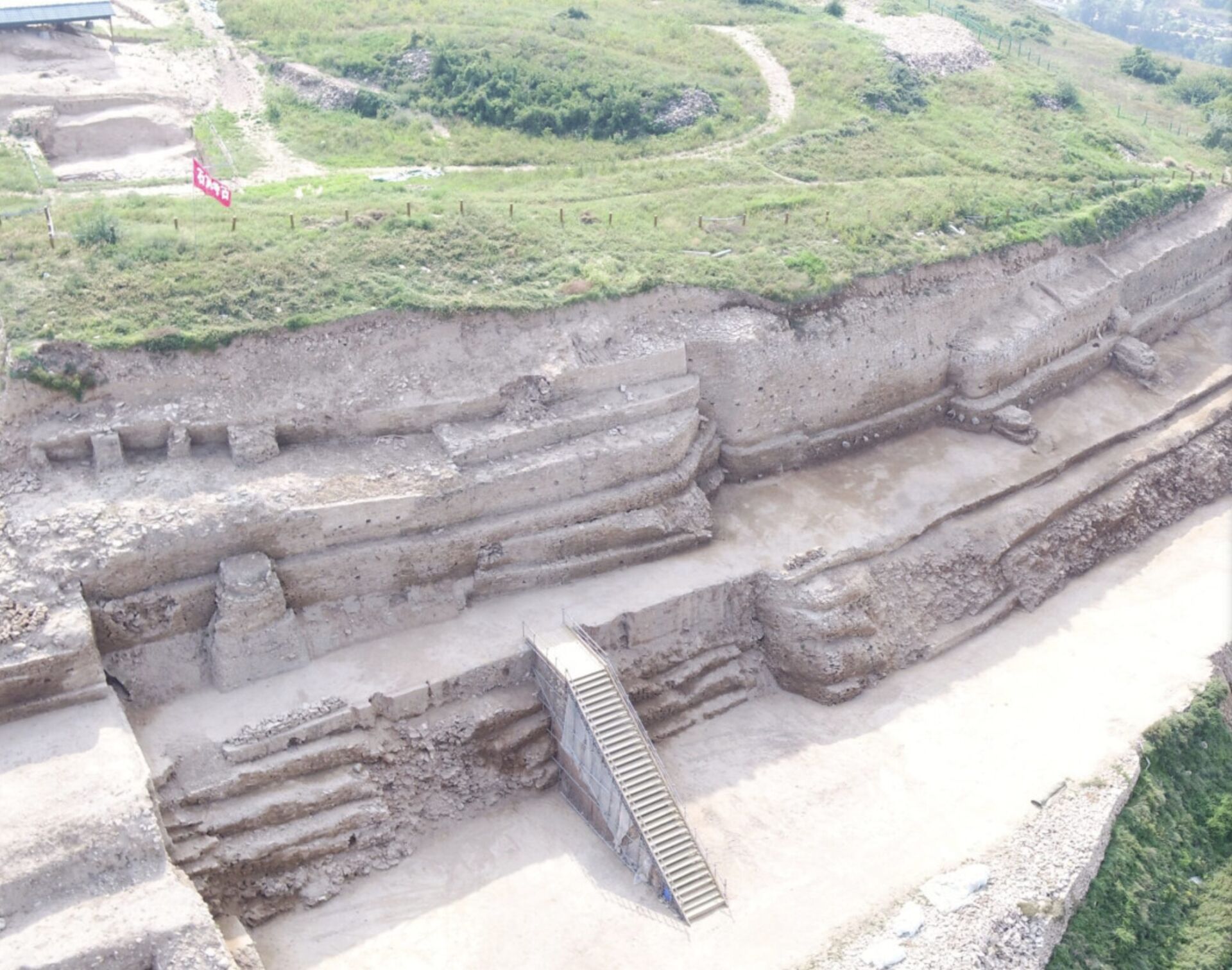
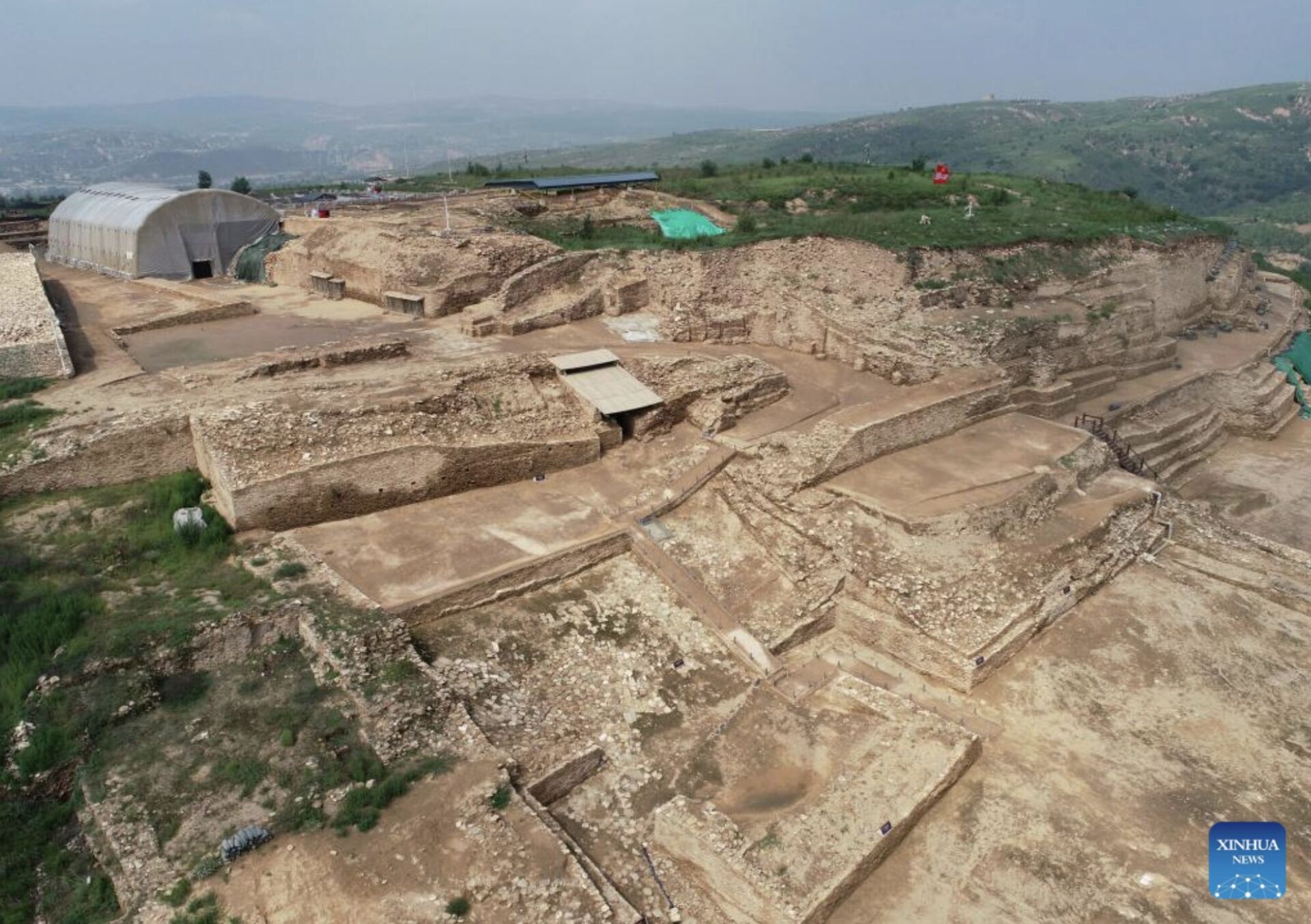
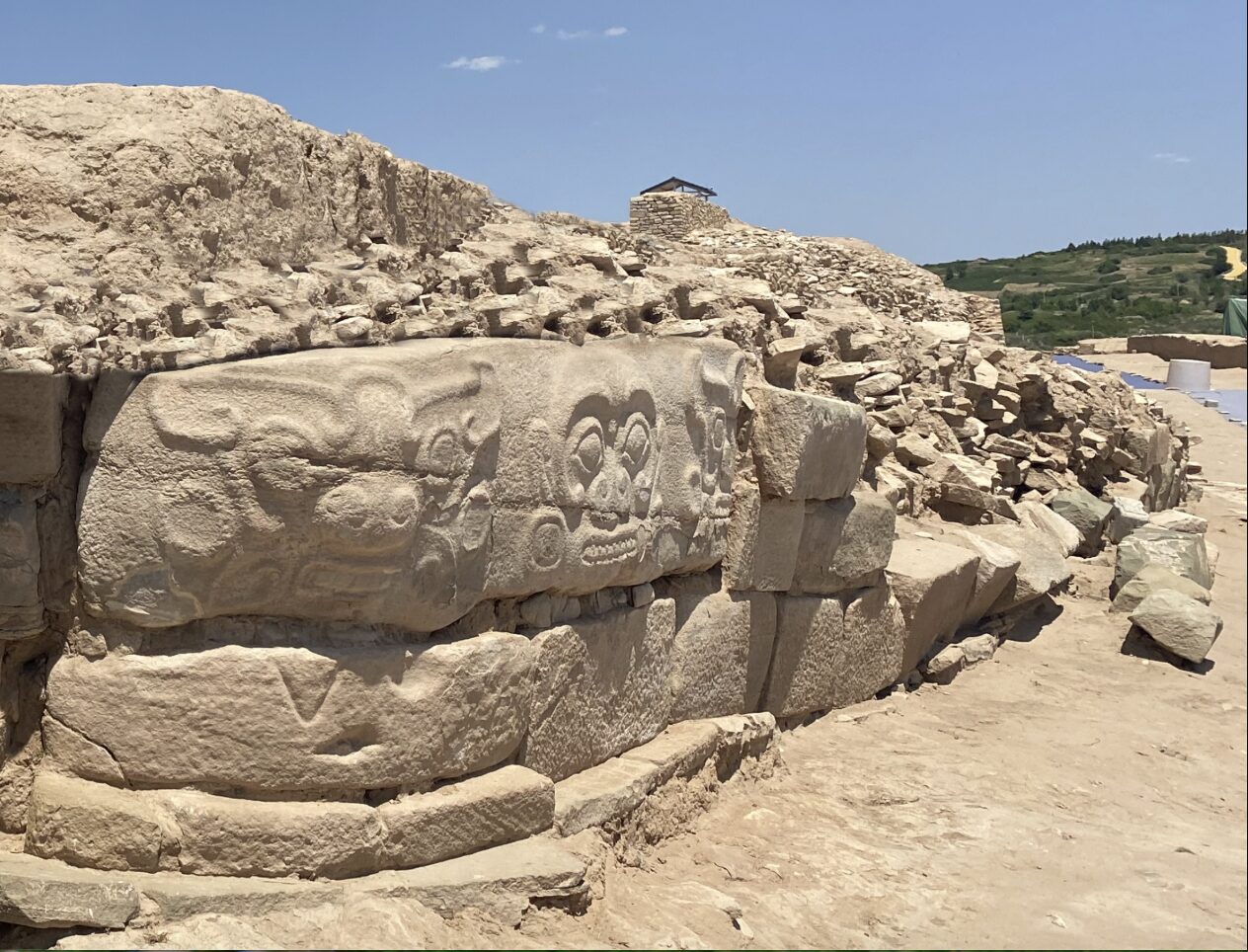
  • Rammed earth (hangtu) for walls, platforms & foundations
  • timber posts and beams
  • Palatial compounds on elevated platforms
  • Residential and storage structures
  • Ceremonial or proto-temple enclosures
  • Axial symmetry
  • hierarchical spatial order
  • Likely hipped or gabled roofs with thatch or clay tiles
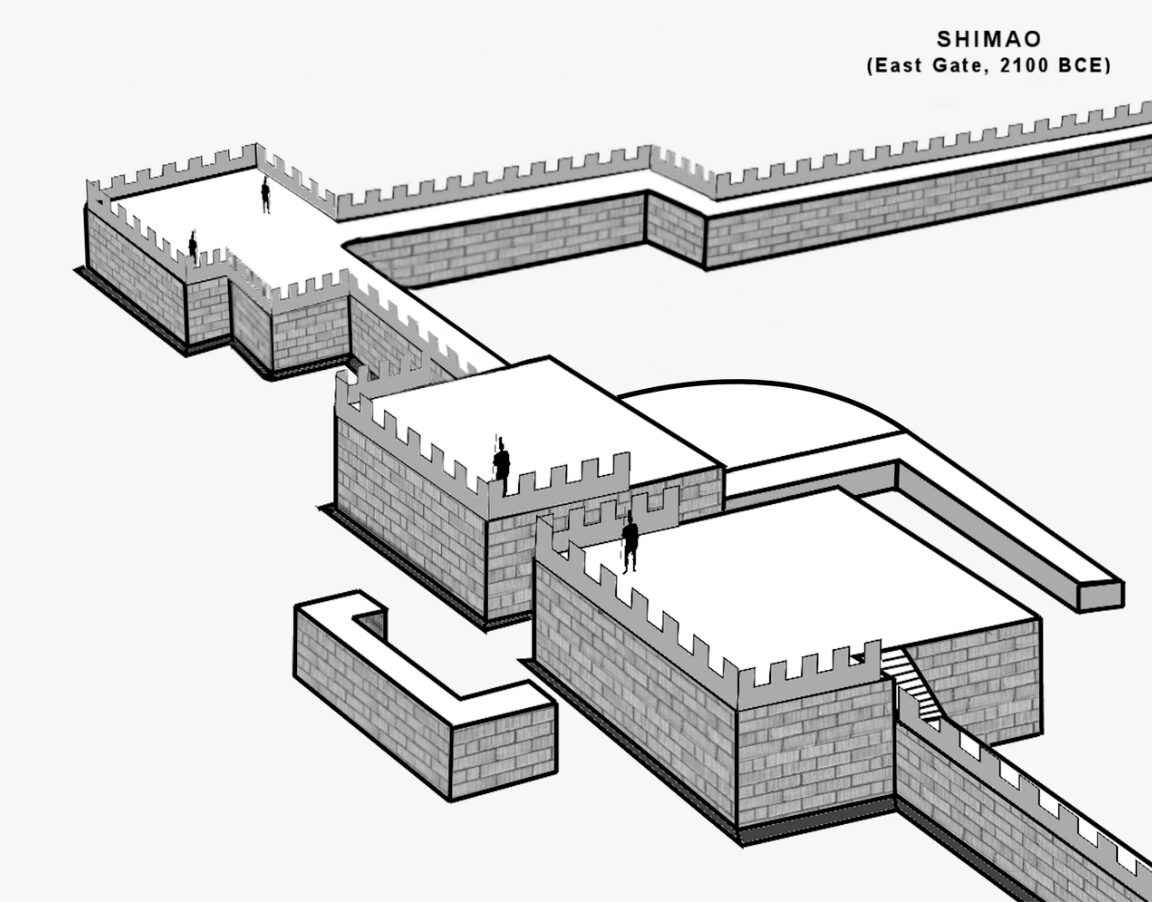
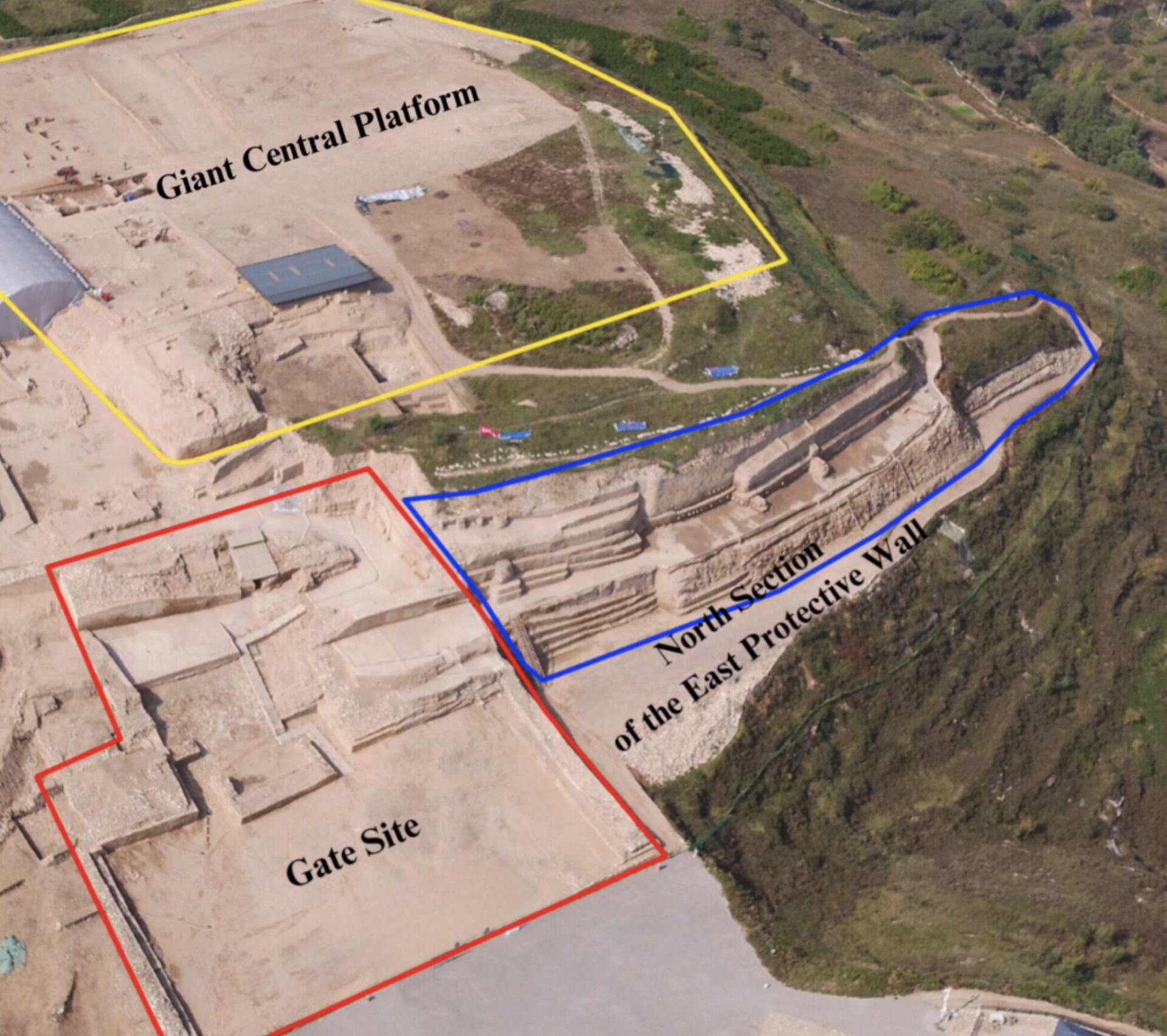
  • Walled cities with gates and moats
  • ritualized spatial hierarchies and aesthetic order
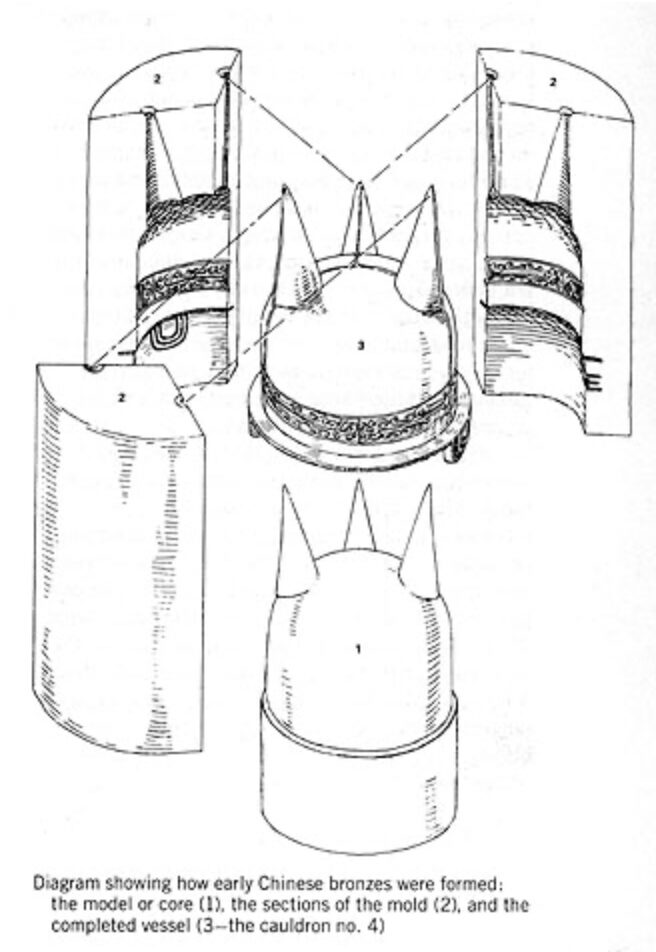
  • Bronze foundries & workshops
  • Gridded roadways
  • China

Common Building Types

Landmark buildings

Historic Accommodation Types

Custom Hotel Examples

  • Palatial Halls (Gong / Palace complexes)
  • Residential Houses
  • Workshops / Industrial Buildings
  • ‘Storage Buildings / Granaries
  • Ritual Buildings / Temples (proto-temples)
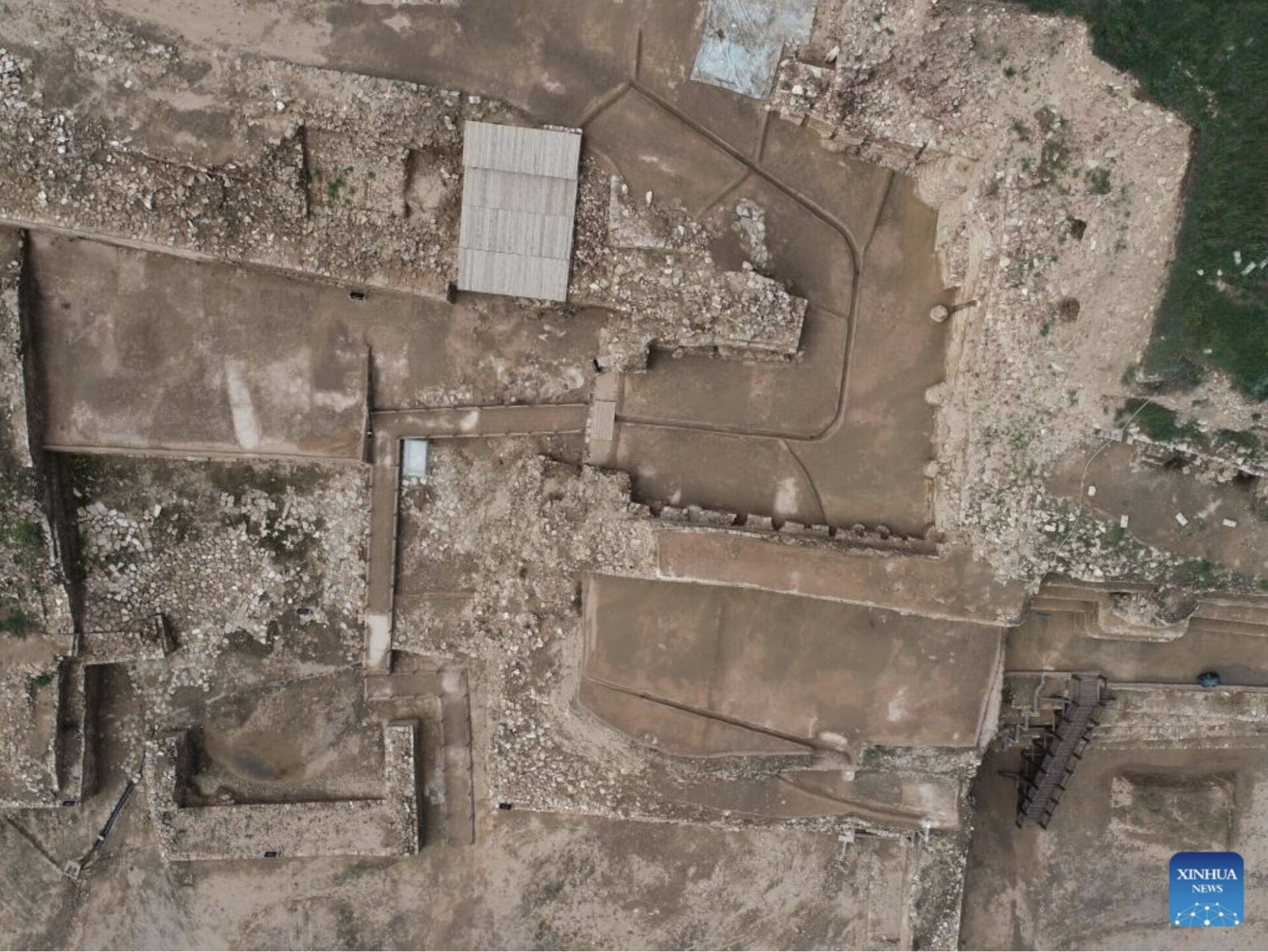
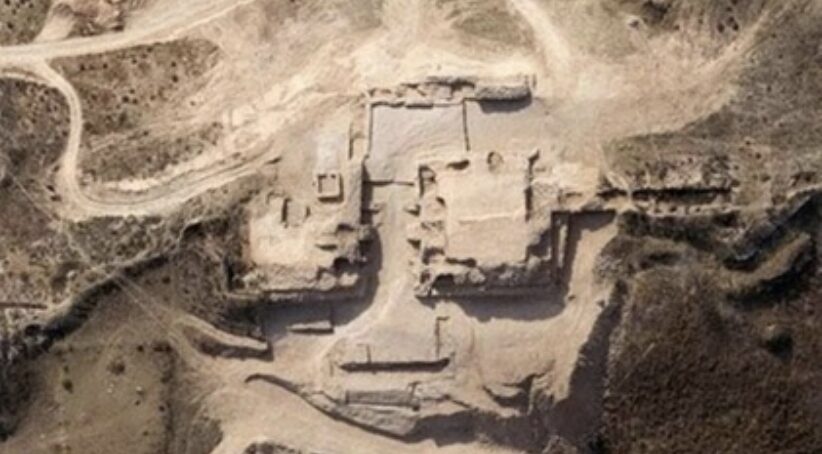
  • City Walls and Gates
  • Burial Structures / Tombs
  • Roads and Courtyards
  • Defensive Towers / Watch Platforms 
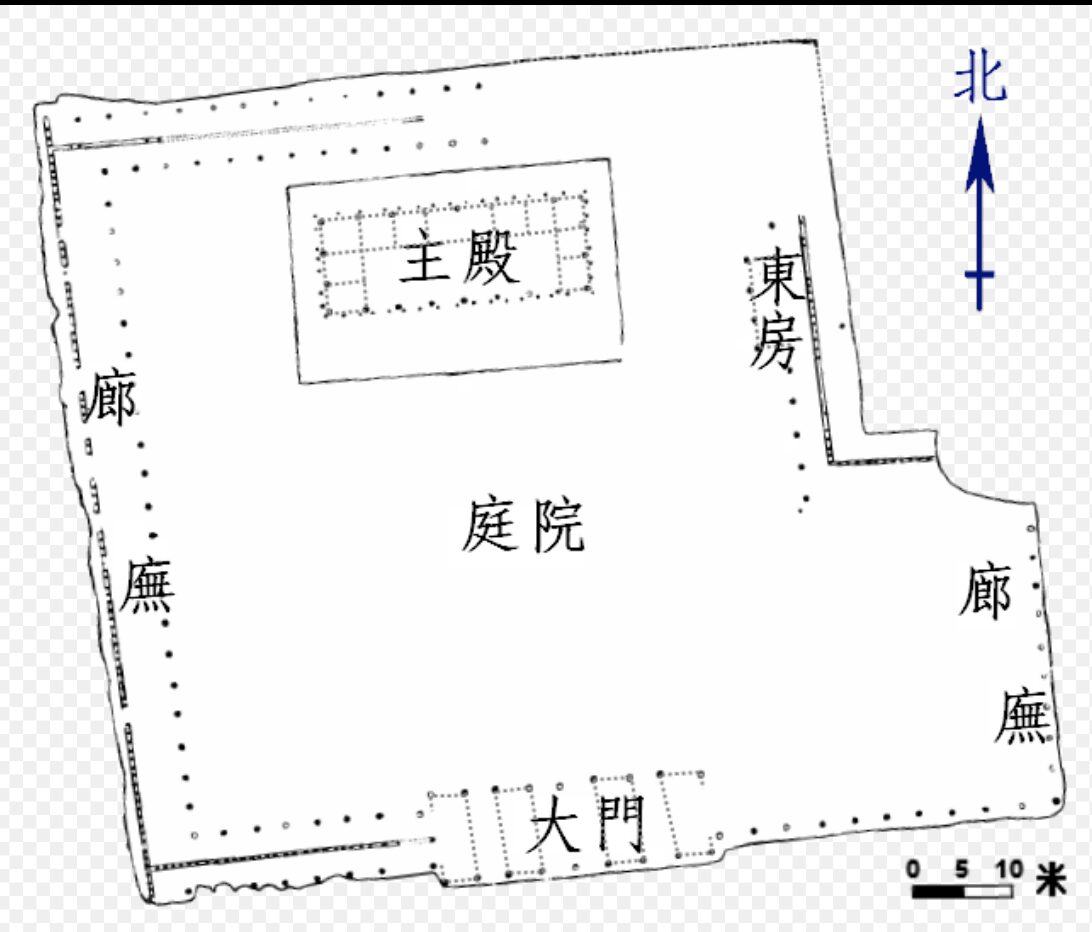
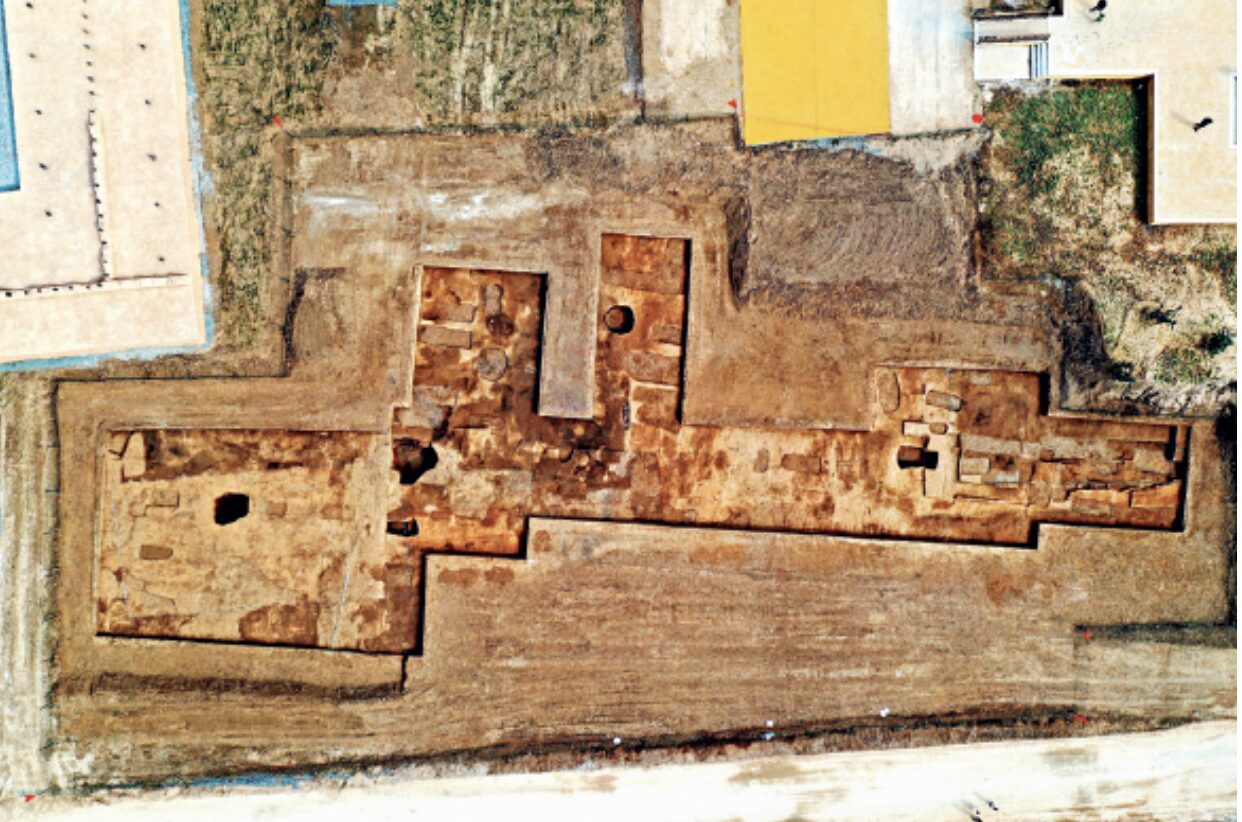
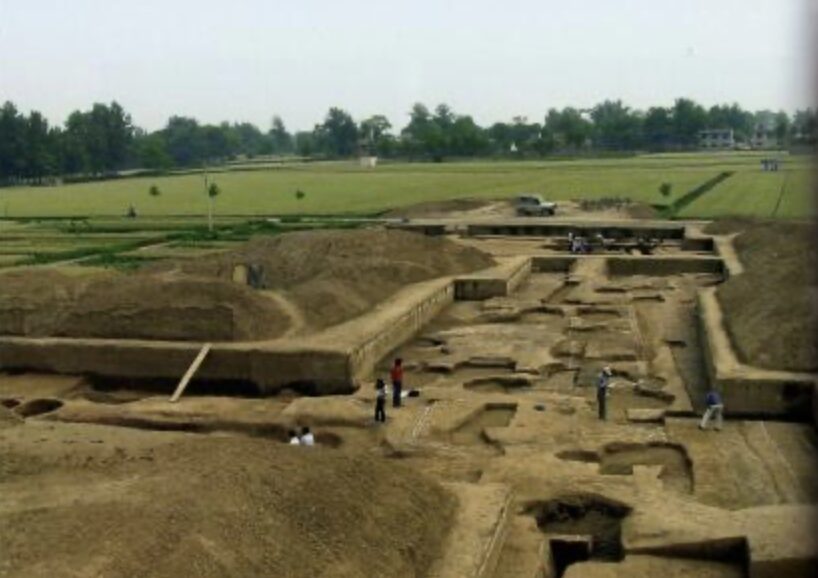
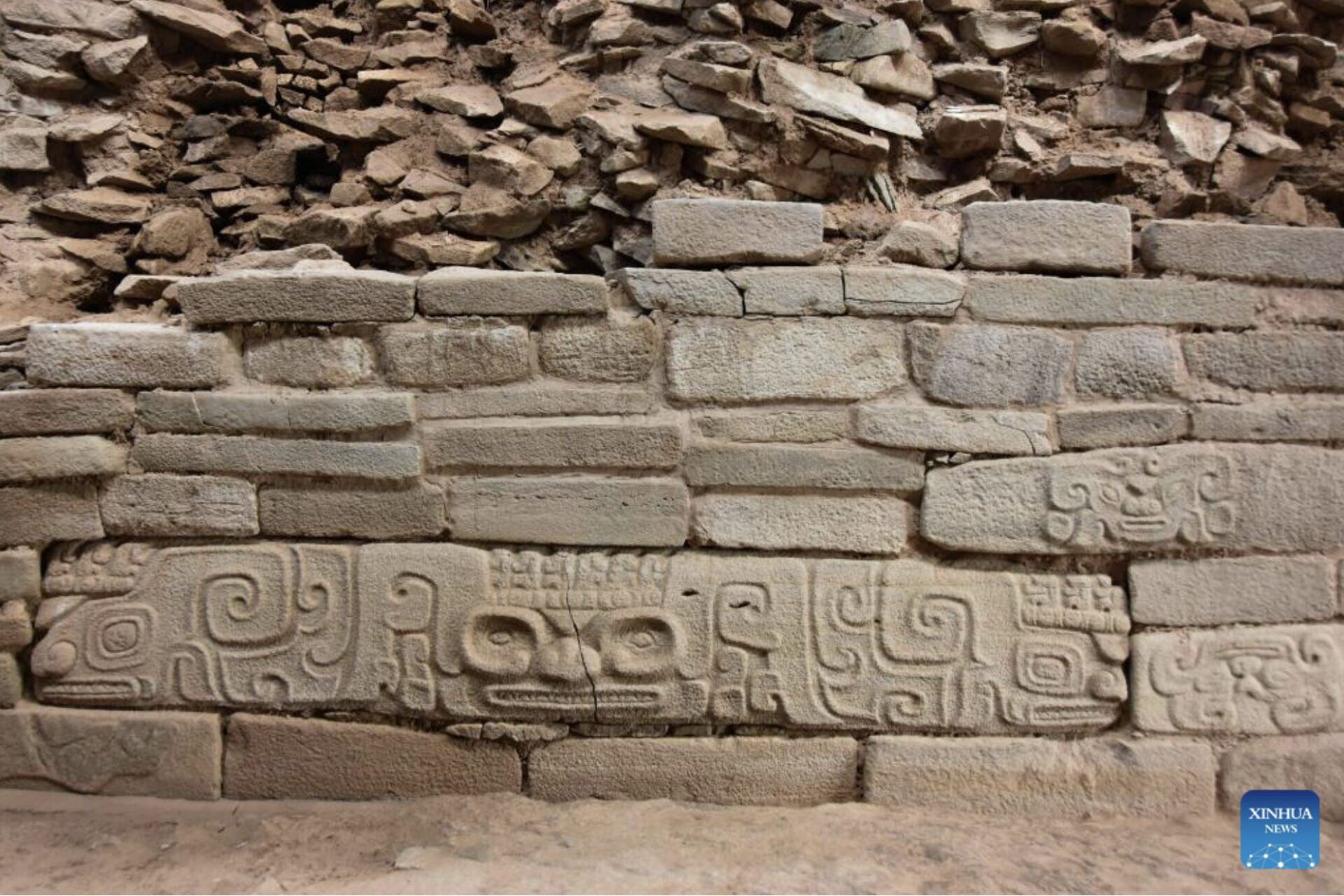
  • Erlitou Palace Complex (Palace No. 3 & No. 5)
  • Erlitou Urban Layout (City of Erlitou)
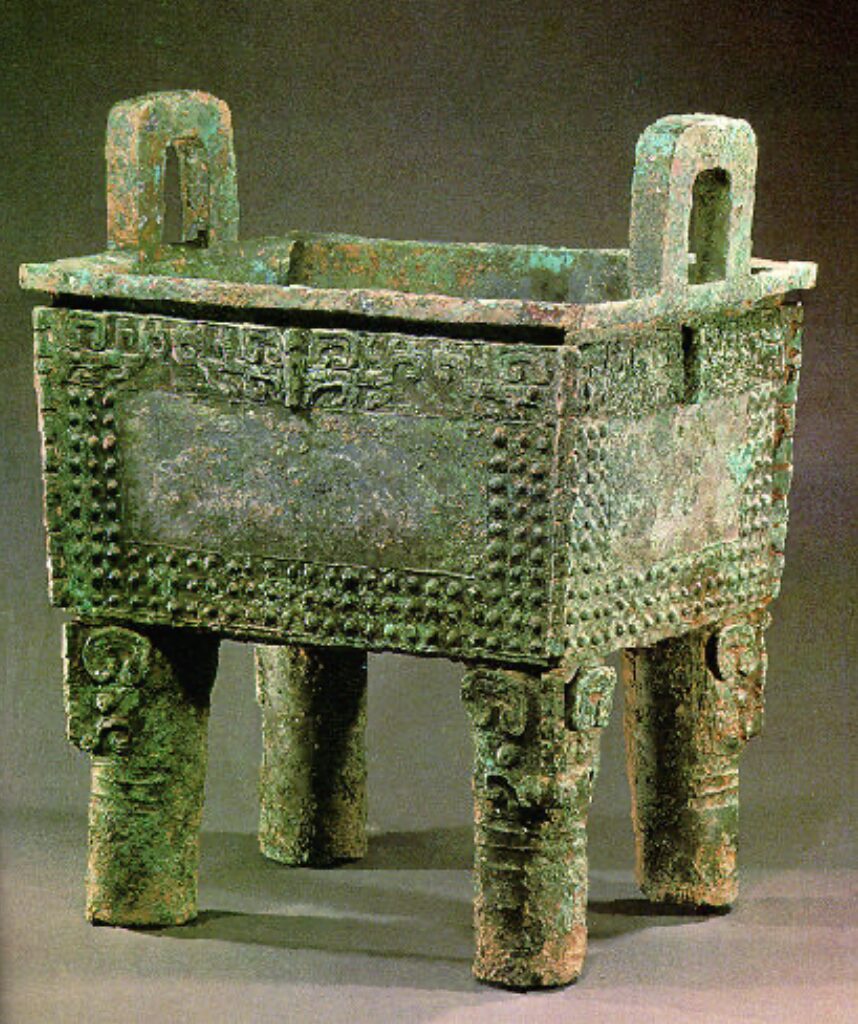
  • Erlitou Bronze Foundry
  • Erlitou Ceremonial Platform / Altar
  • Wangchenggang Walled Settlement
  • Yanshi Site (Erlitou Culture Phase)
  • Xia Elite Tombs (Erlitou Necropolis)
  • Xia Capital cities – Daxia, Chong, Gaomi, Yangcheng, Yangzhai, Jinyang, Pingyang, Anyi, Zhenxun, Diqui, Shangqui, Lun, Xiayi, Yuan, Laoqui, Xihe
  • Guest Halls within Palatial Compounds
  • ‘Clan or Tribal Host Residences (Communal Hospitality)
  • Way-Stations near City Gates or Roads (Proto-Post Stations)
  • Religious or Ritual Hospitality
  • Caravan or Trade Stopovers (Market Compounds)
  • yizhan network
  • No evidence remaining

Gallery

Adapted Visitor Accommodation

in Adam Style Building 

xxxx

Address

Property Website

Wikipedia

xxxxxxx

xxxx

Address


Property Website

Wikipedia

xxx

xxx

Address 


Property Website

Wikipedia


xxxxxx