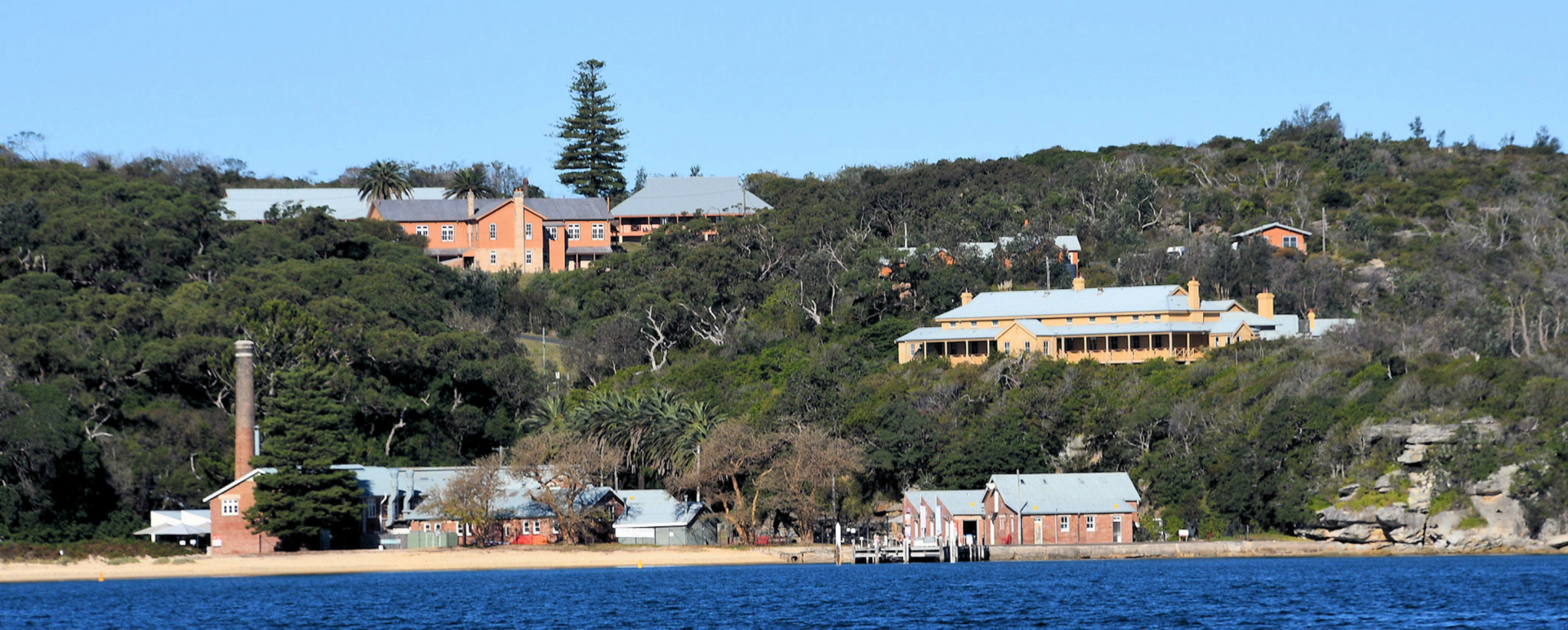
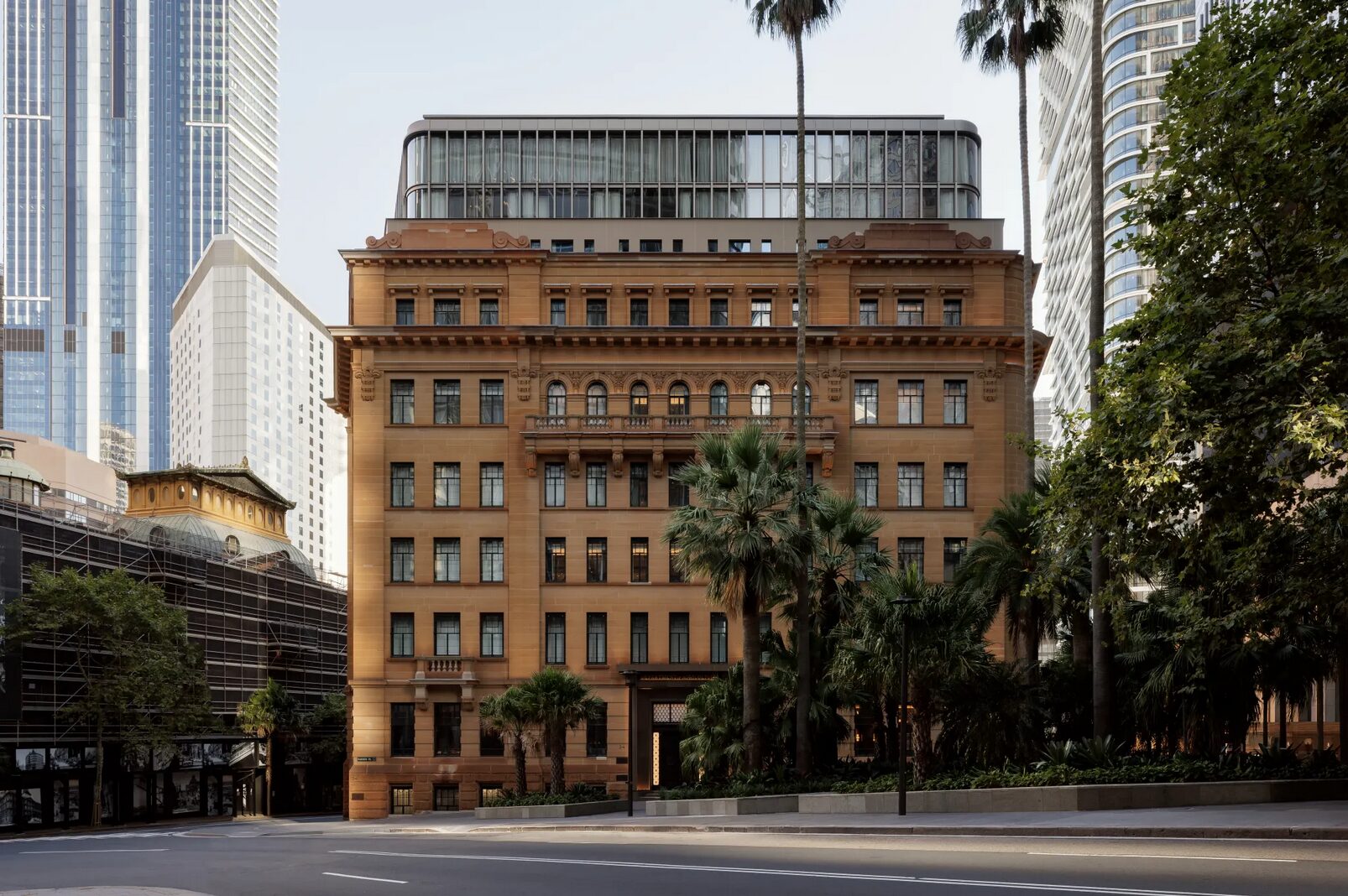
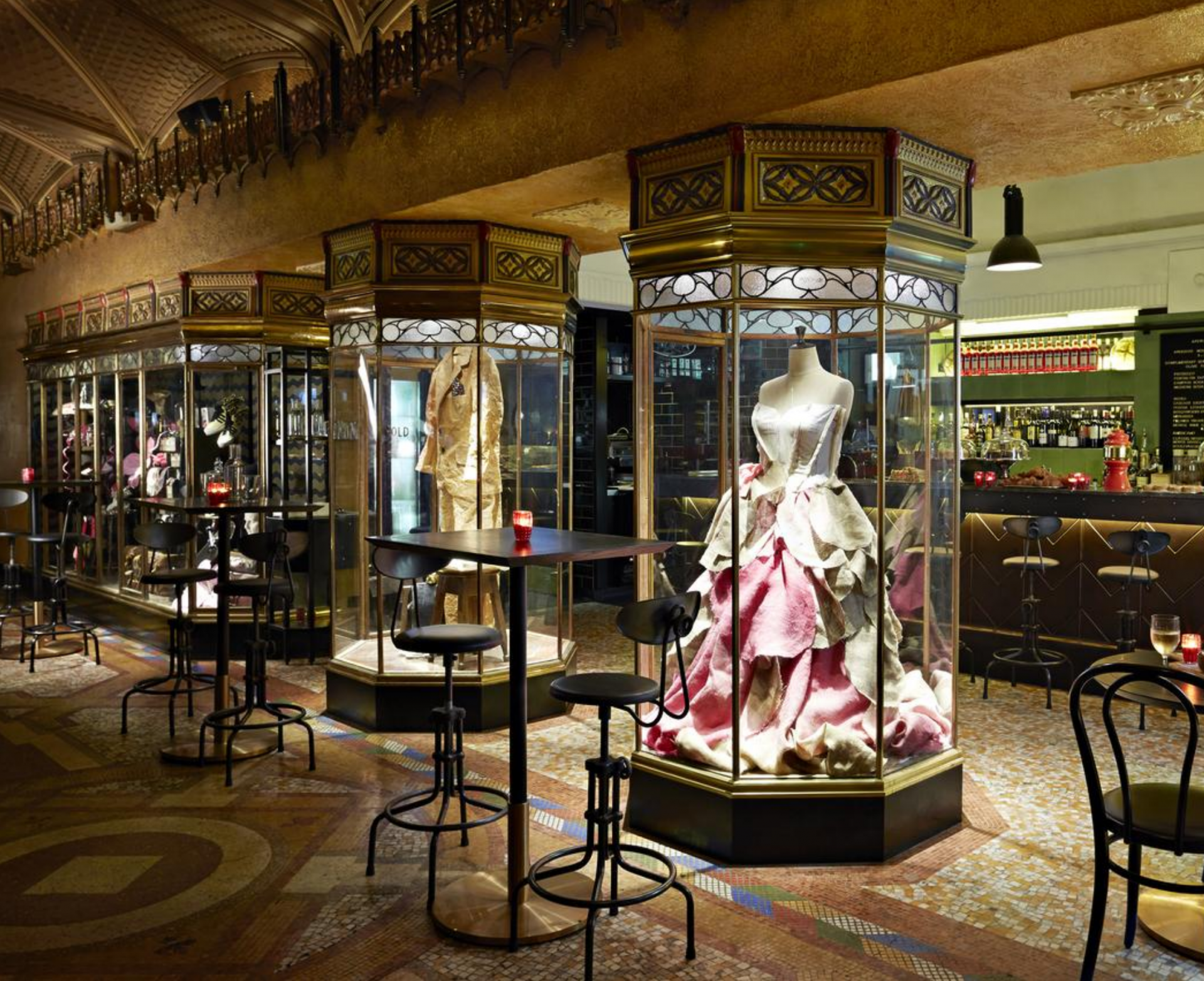
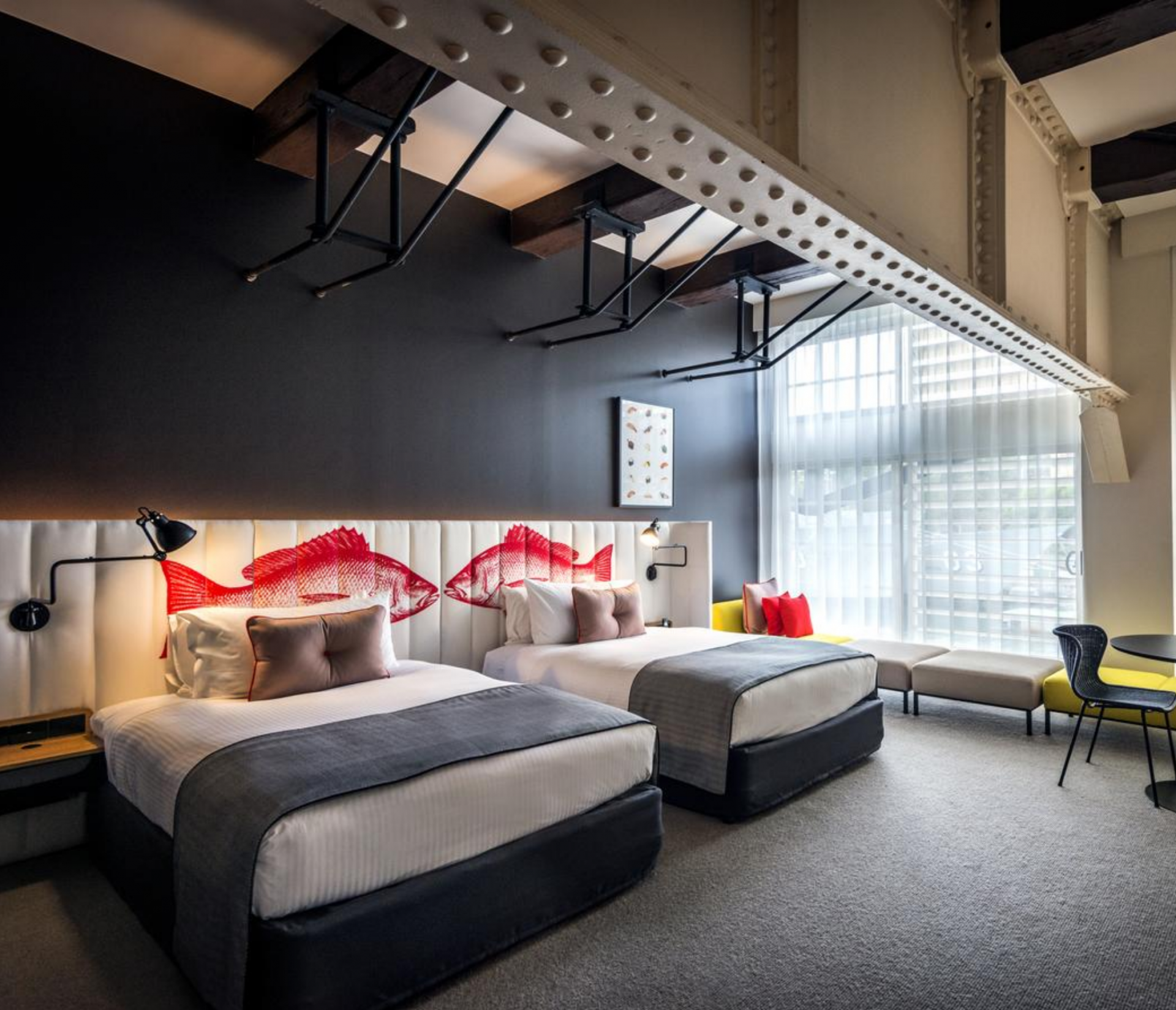
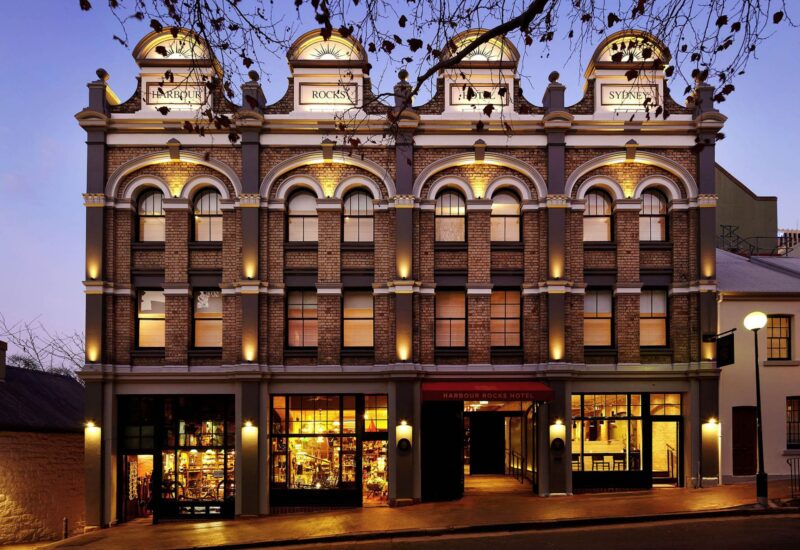
- Boutique lifestyle hotel in 1890s Department Store & Warehouses
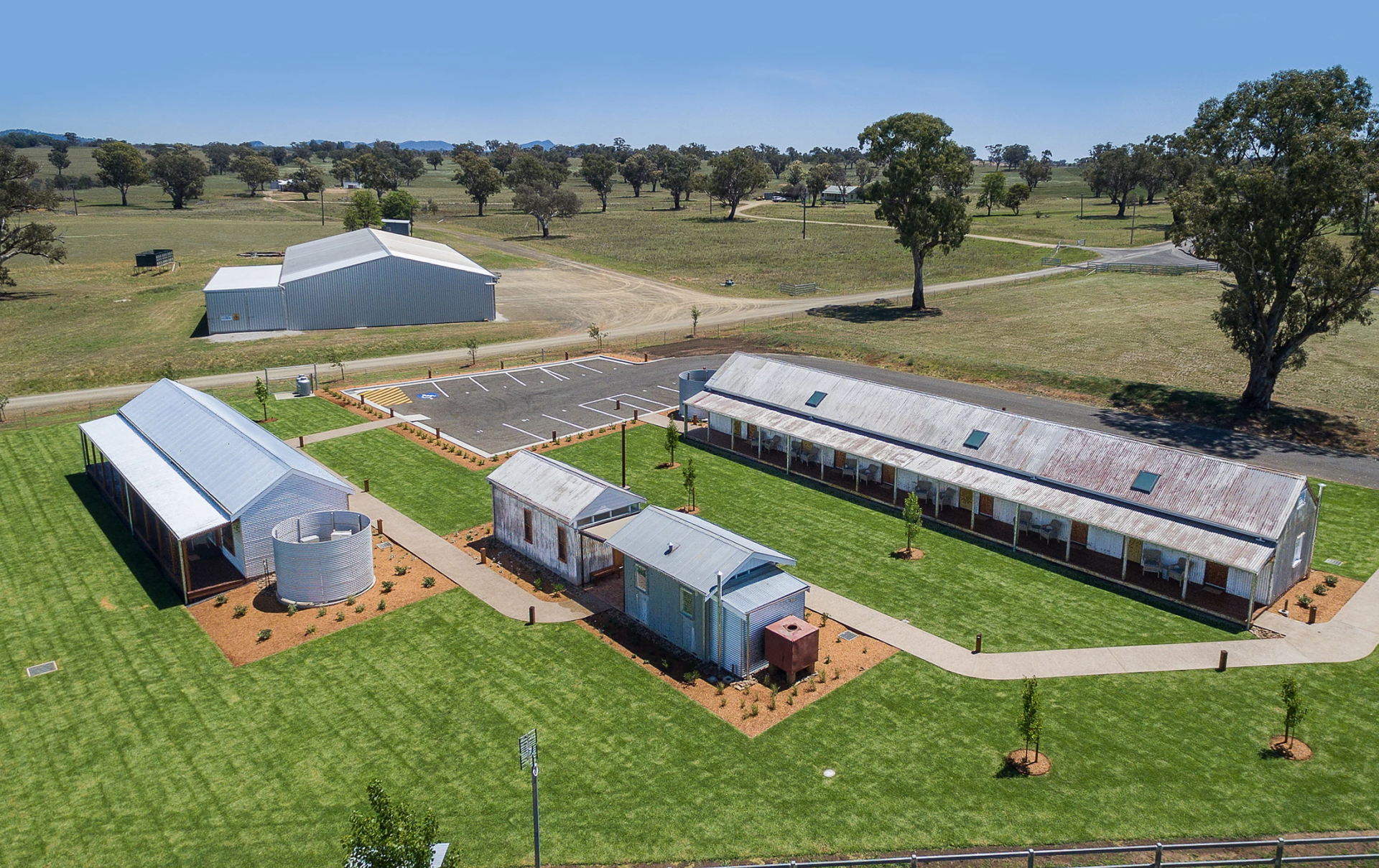
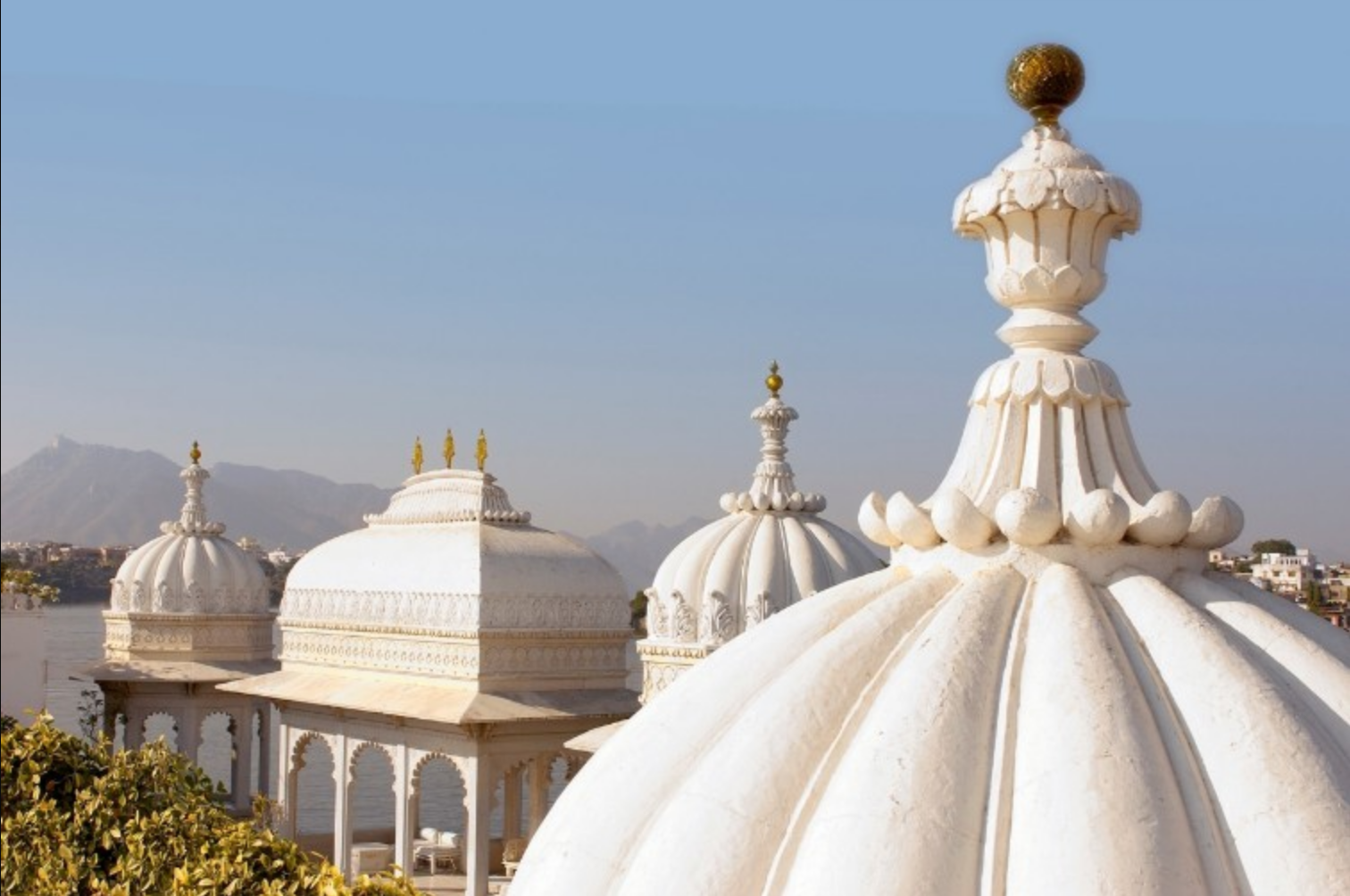
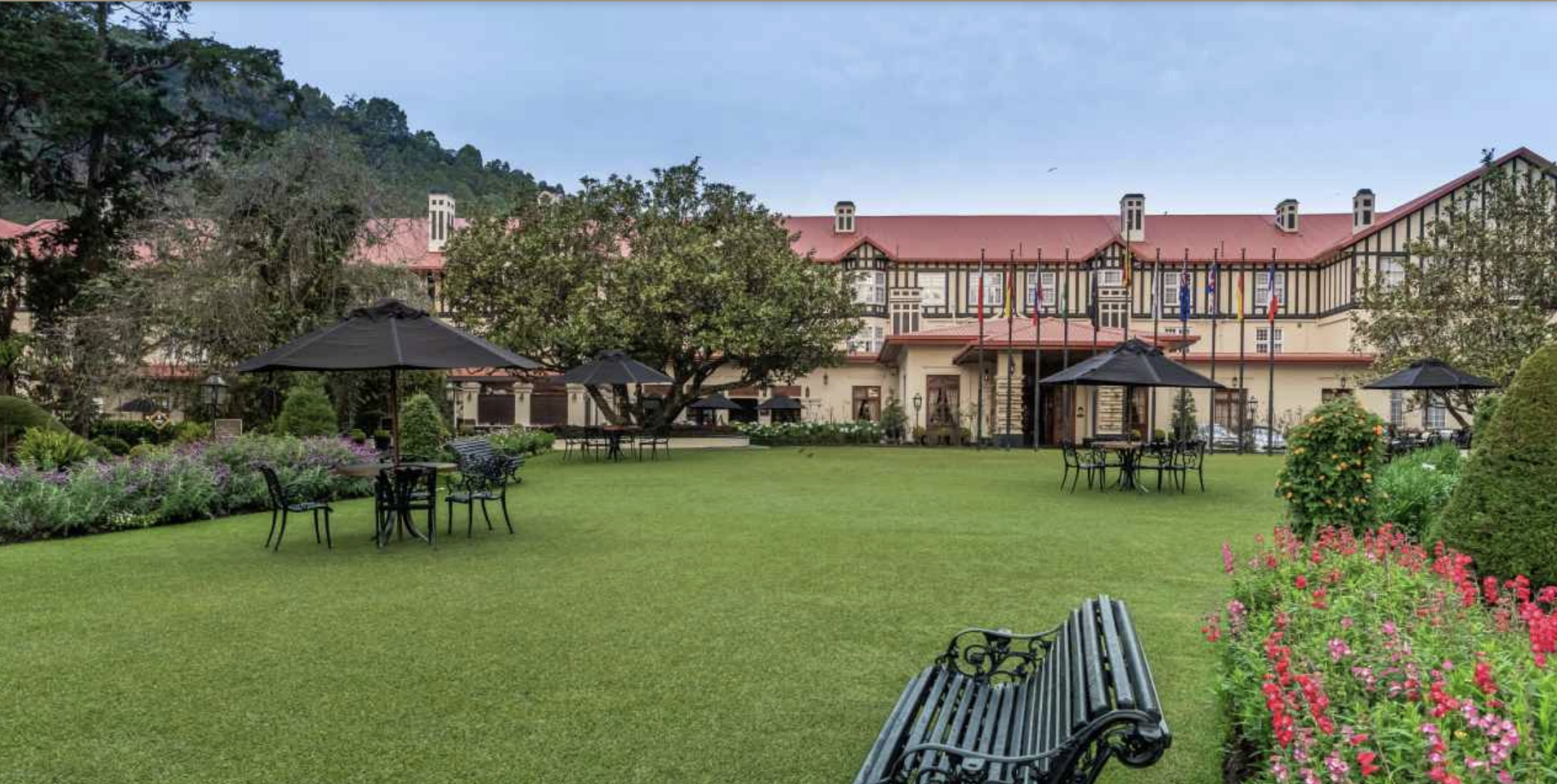
- Luxury mountain resort in Queen Anne homestead
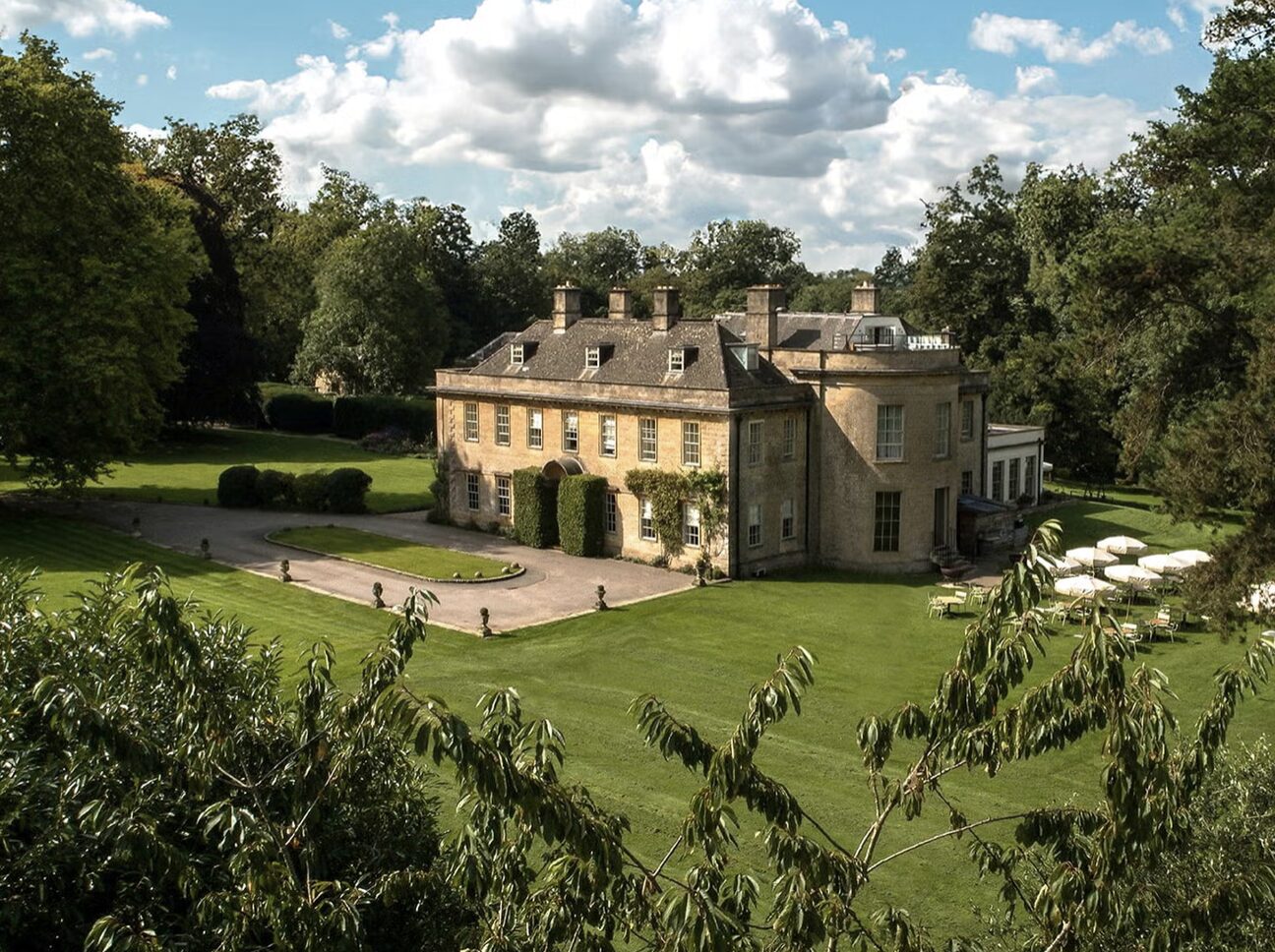
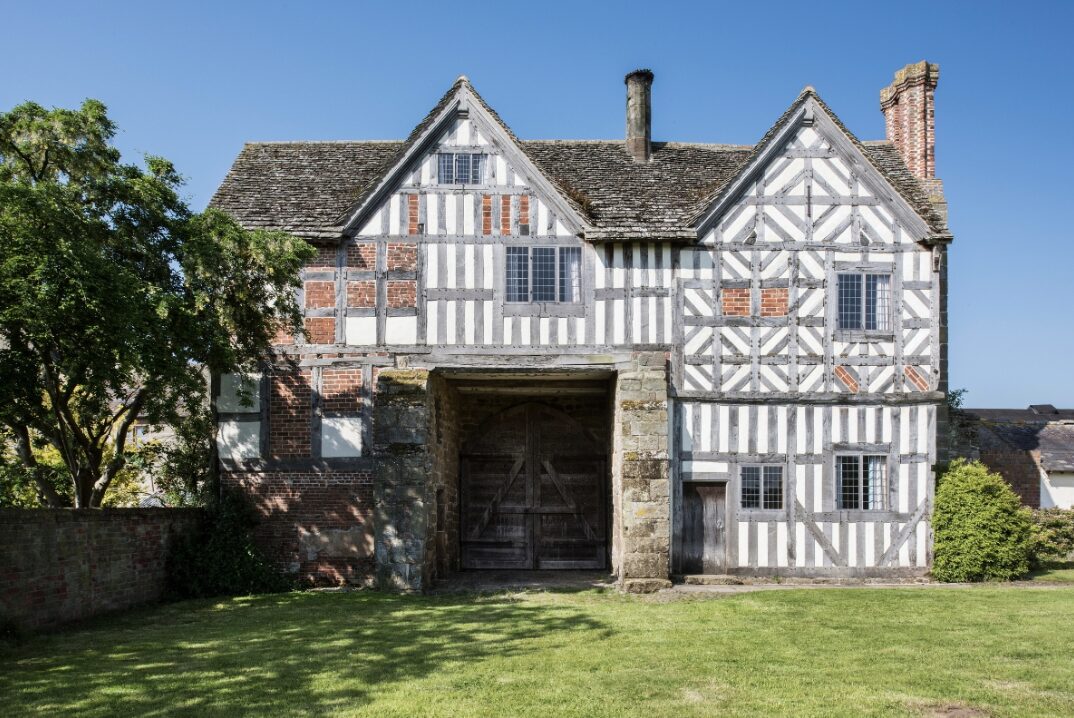
- B&B and self-contained rooms in converted lightkeepers cottages
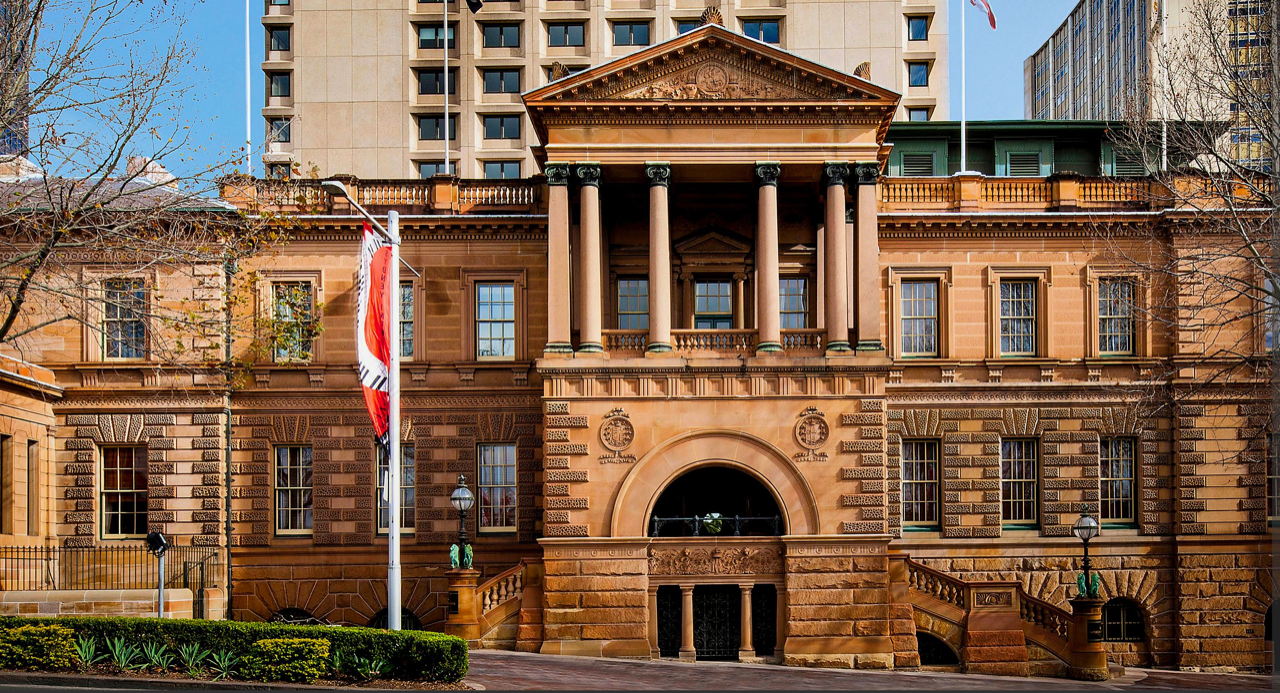
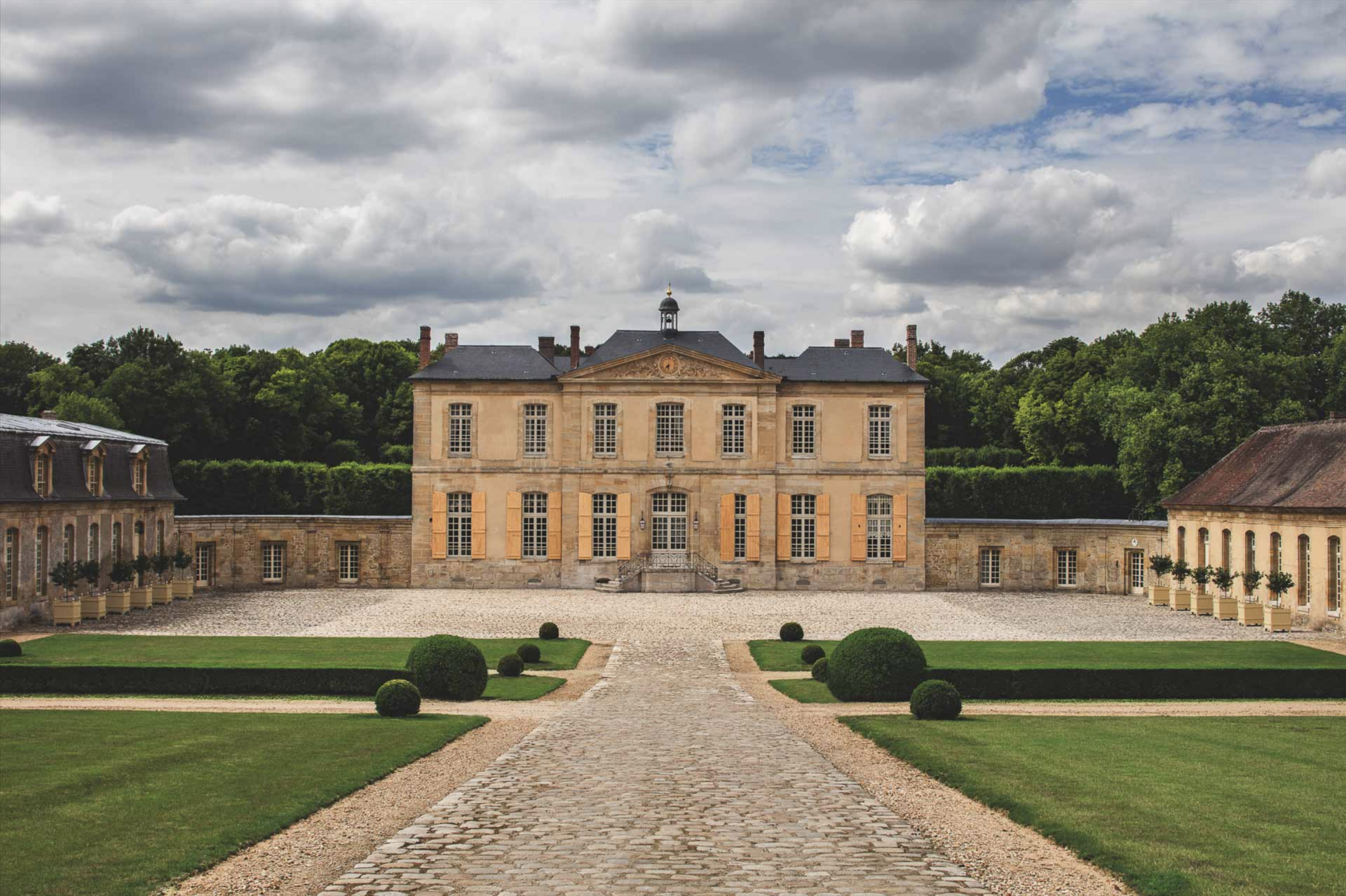
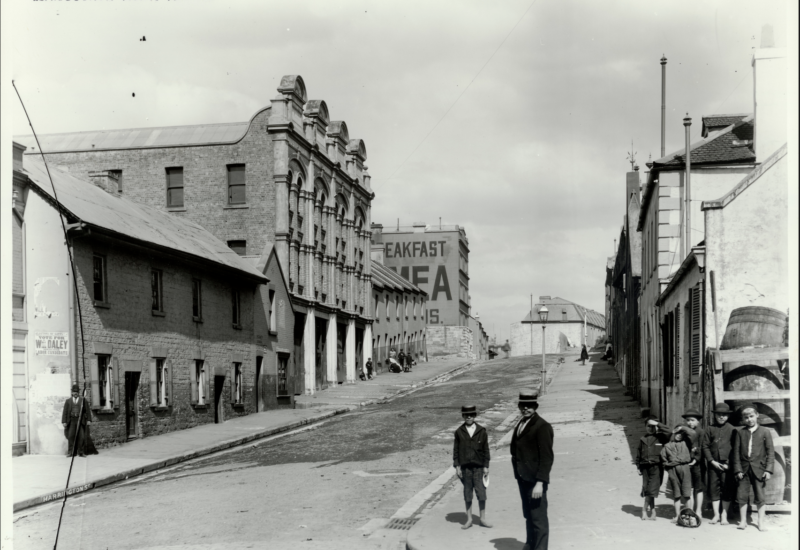
- Majestic luxury heritage hotel in the 1870s Sydney GPO


Free Member Registration
Explore the fabulous richness & diversity of Accommodari ® properties.
Indulge your sense of discovery at one of Accommodari’s ® featured properties
Be entertained & informed with our regular feature blogs ………..
Blog Topic
Blog Topic
Blog Topic
Blog Topic
Accommodari ® Property Listings
Link to website for direct bookings
We are NOT a booking site and do not provide
any guarantees regarding performance of properties
Wikipedia, History, Architecture & Tourism Links
Property
Name
Property description
Address, phone, email
Location description
Google Map
Property Gallery
Size & No of keys
Quality category
Facilities
Experiences
People stories
History & Sustainability
Original date built
Original Building type
Original Building uses or names
Other building uses
Architectural Style
Date of adaptation
Adaptation story
Historic images Gallery
Heritage Status
Sustainability profile
Sustainability Status
Accommodari embraces
Historic Continuity
Sustaining the environment is one of the 3 pillars of sustainability. Reusing existing buildings is inherently sustainable as it minimises waste, the loss of stored energy, and the manufacture and transportation of new materials.
Adaptive reuse of buildings often includes the upgrade of services & systems to contemporary environmental standards.

Sustaining the economy is one of the 3 pillars of sustainability.
Retaining & reusing existing buildings is inherently more cost effective & value adding than demolition and new construction due to time and material costs related to manufacture, transport and installation.
Earlier completion reduces holding costs, finance costs and lost revenues.

Buildings have a massive impact on a sustainable world. Retaining existing buildings contributes to all 3 attributes of sustainability – nature, economy and society.

Places to stay adapted from heritage buildings contribute positively to sustainable tourism which is vital for a sustainable world.
The growing size, spread, depth and diversification of tourism is perfectly catered to by the spectacular range & prevalence of adapted accommodation.
They have the ability to both respond to & create tourism demand in all corners of the globe.

The awareness, appreciation, value & reinvigoration of heritage is critical to a sustainable world.
Heritage embraces not just the built environment but also cultural, social & environmental heritage, so vital to tourism.
Many Accomodari properties have formal heritage listings in their national, regional or local communities, whilst ALL of them have heritage qualities due to their survival.
Heritage properties are well suited for adaptation to accommodation, with Government owned or operated heritage properties particularly well suited due the fundamentally public nature of hospitality welcoming anyone & everyone.

Sustaining people’s lives and society is also one of the 3 pillars of sustainability.
Retaining existing buildings has positive emotional, social & communal qualities as they are symbols of history, identity, continuity & cohesion.
The patina & craftsmanship of old materials is not possible to replicate authentically in modern times.
Accommodari supports a
Sustainable future