Architectural Styles

Tang Dynasty

Alt names / subperiods 

Timeline

Distinguishing Features

Geographic Presence

Sancai 


Wikipedia

618–907

  • Blend of influences
  • Buddhist, Daoist, and Confucian
  • Symmetrical Layouts
  • lofty tiered roofs
  • upward-curving eaves
  • Exquisite Carvings & Decorations
  • Brick and Stone construction
  • Religious and Secular Structures
  • Northwest
  • central regions of China

Common Building Types

Landmark buildings

Historic Accommodation Types

Accommodation Examples

  • Imperial Palaces
  • Buddhist Temples a
  • Pagodas
  • City Walls a
  • City Gates
  • Residential Buildings
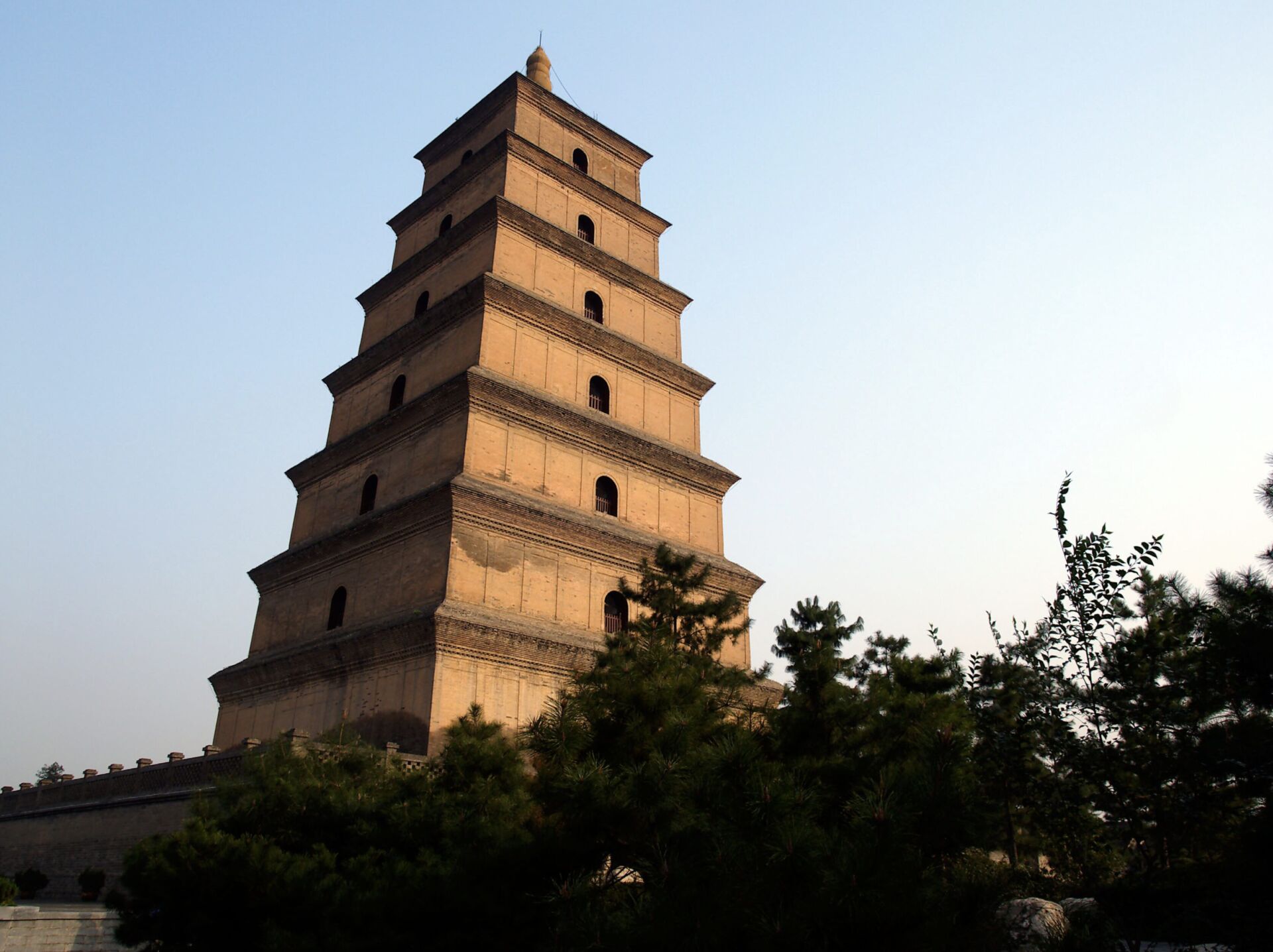
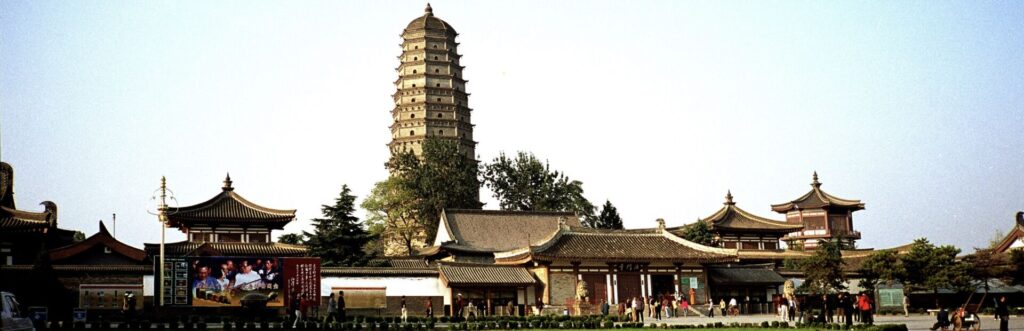
  • Giant Wild Goose Pagoda Xian
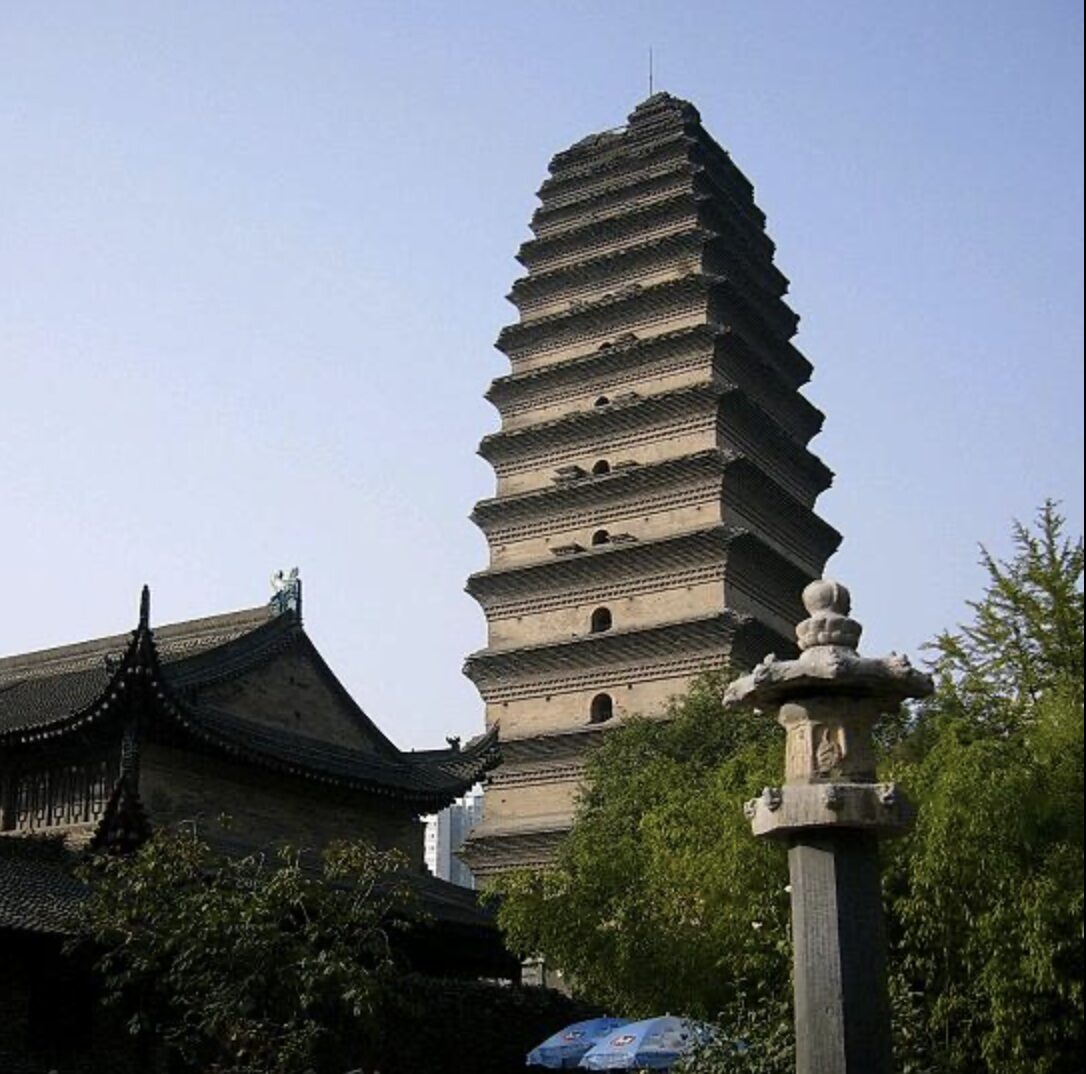
  • Small Wild Goose Pagoda Xian
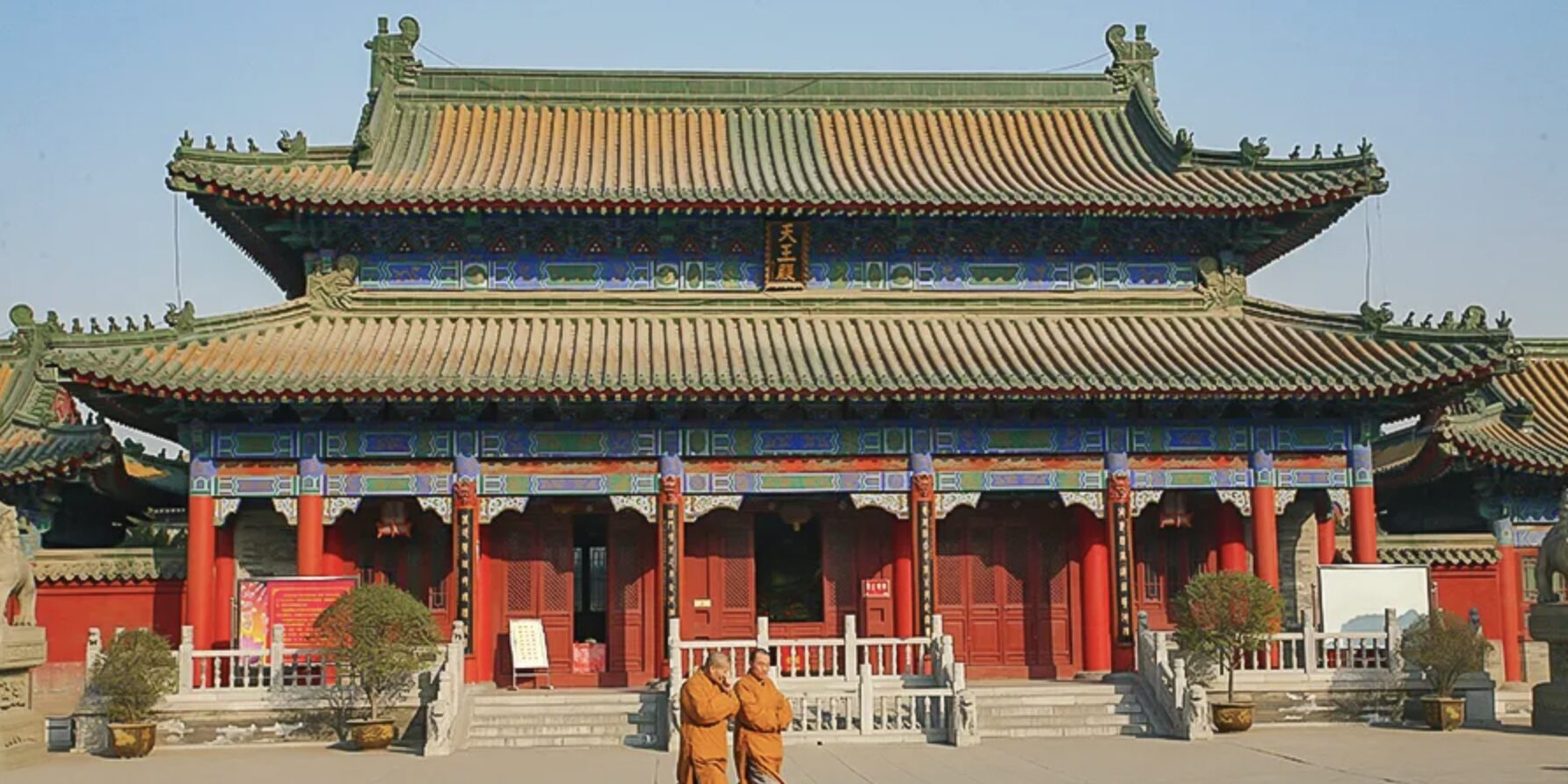
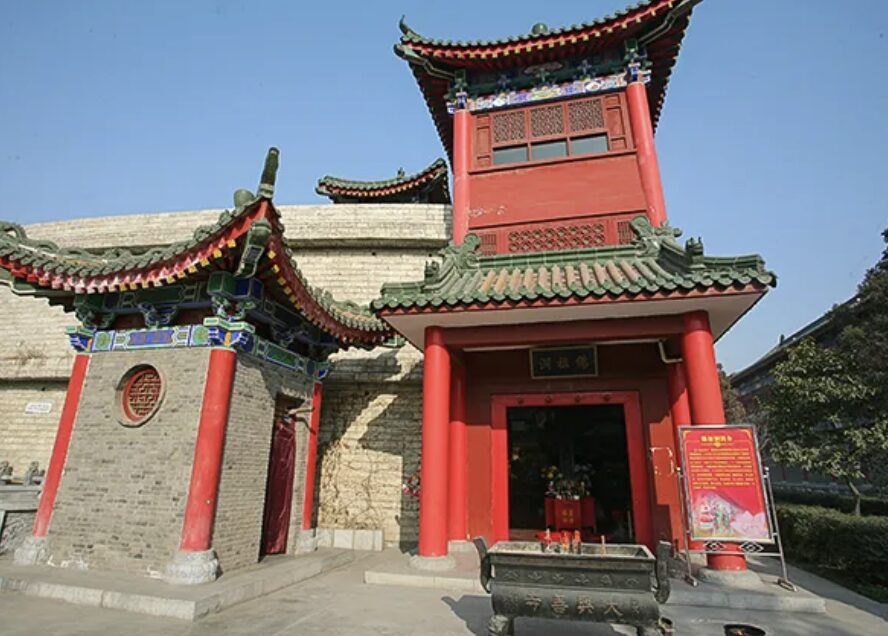
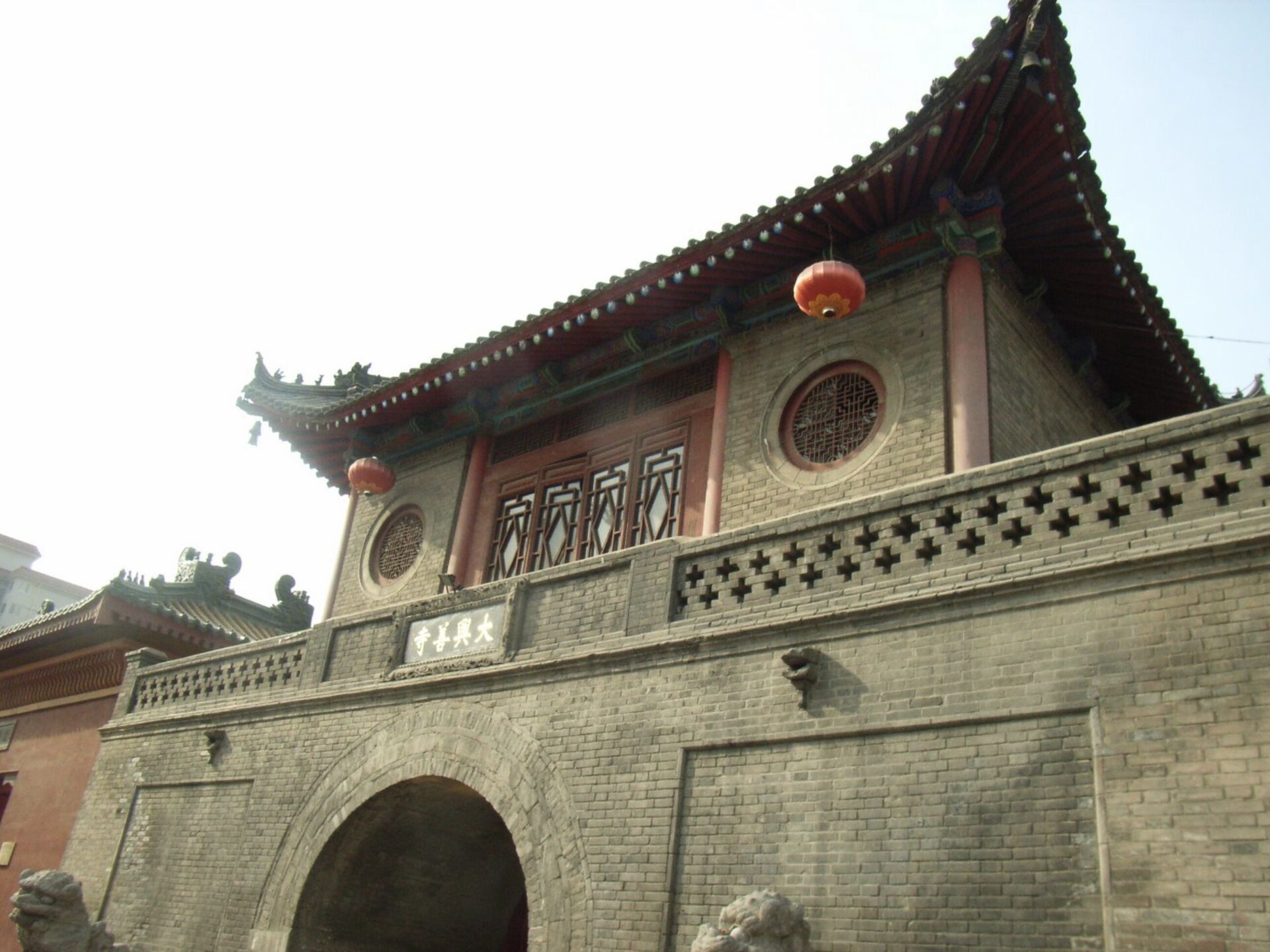
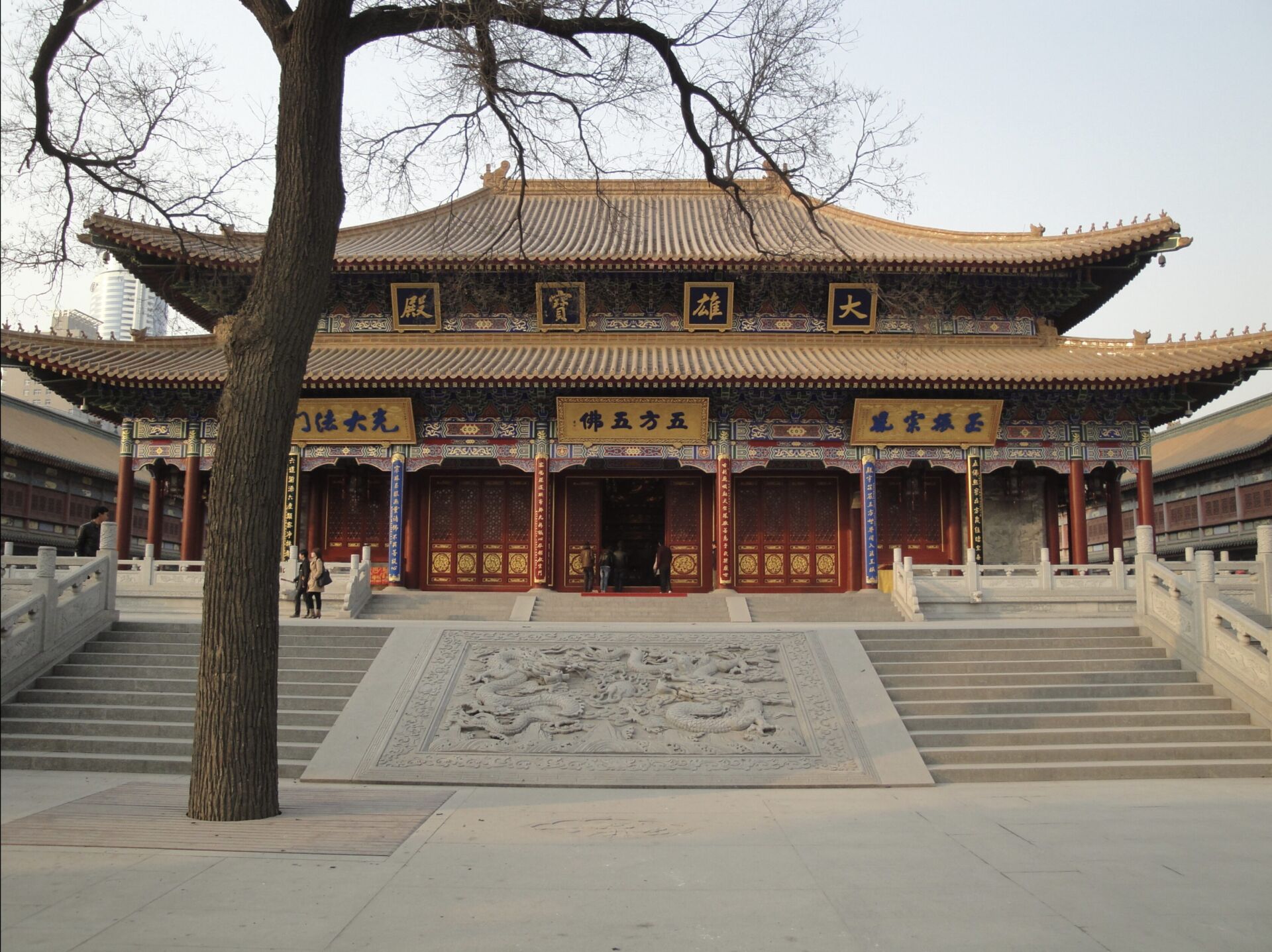
  • Daxingshan Temple Xian
  • Famen Temple
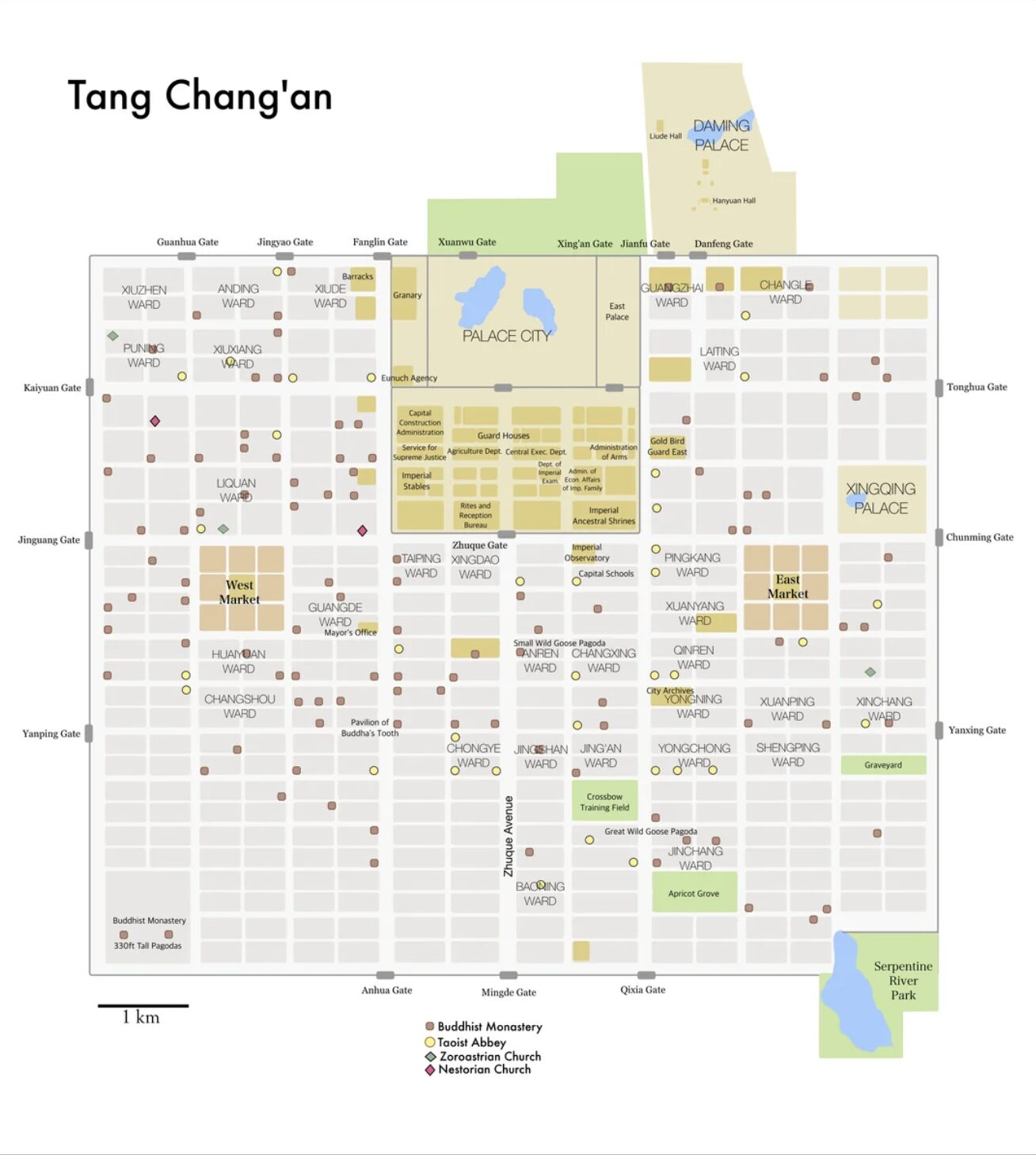
  • Chang’an [Xian] City Layout
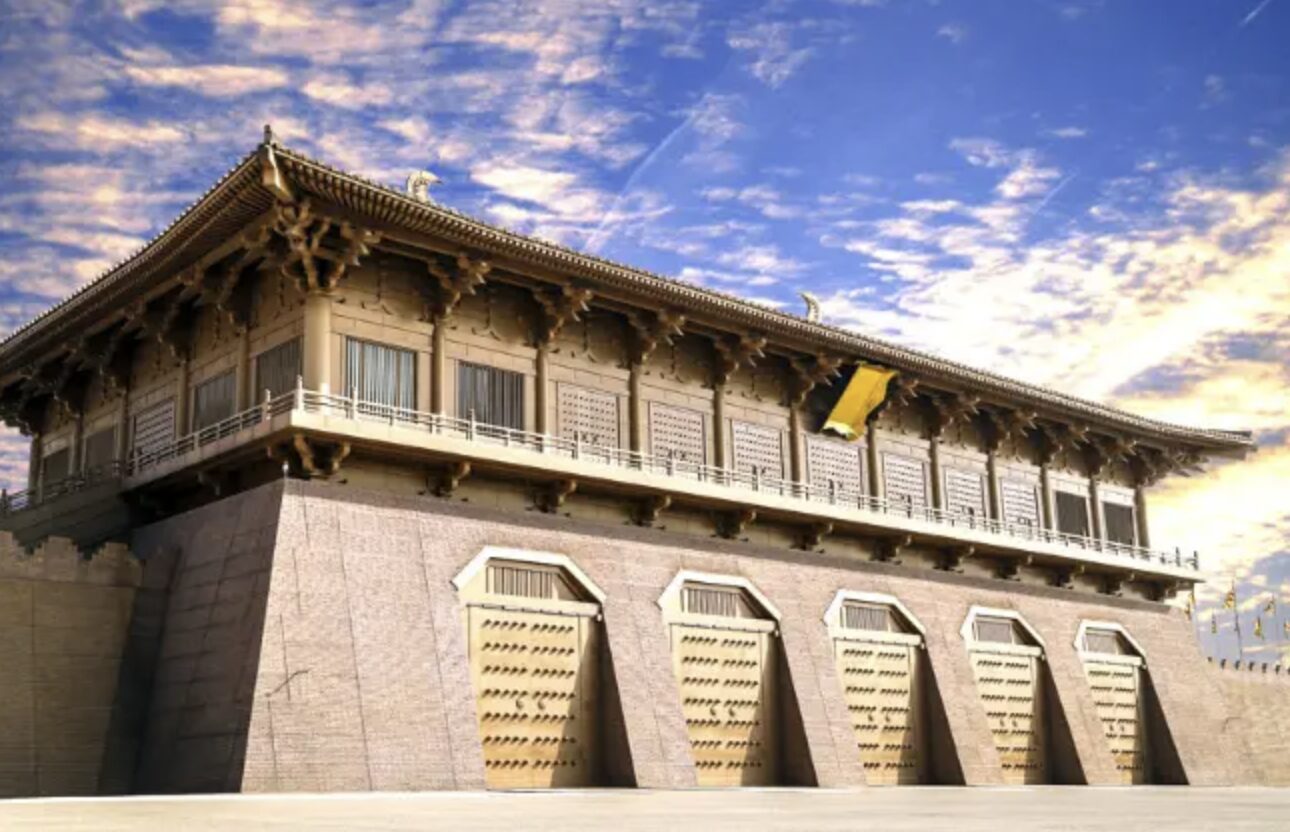
  • Imperial Palace (Daming Palace) Xian
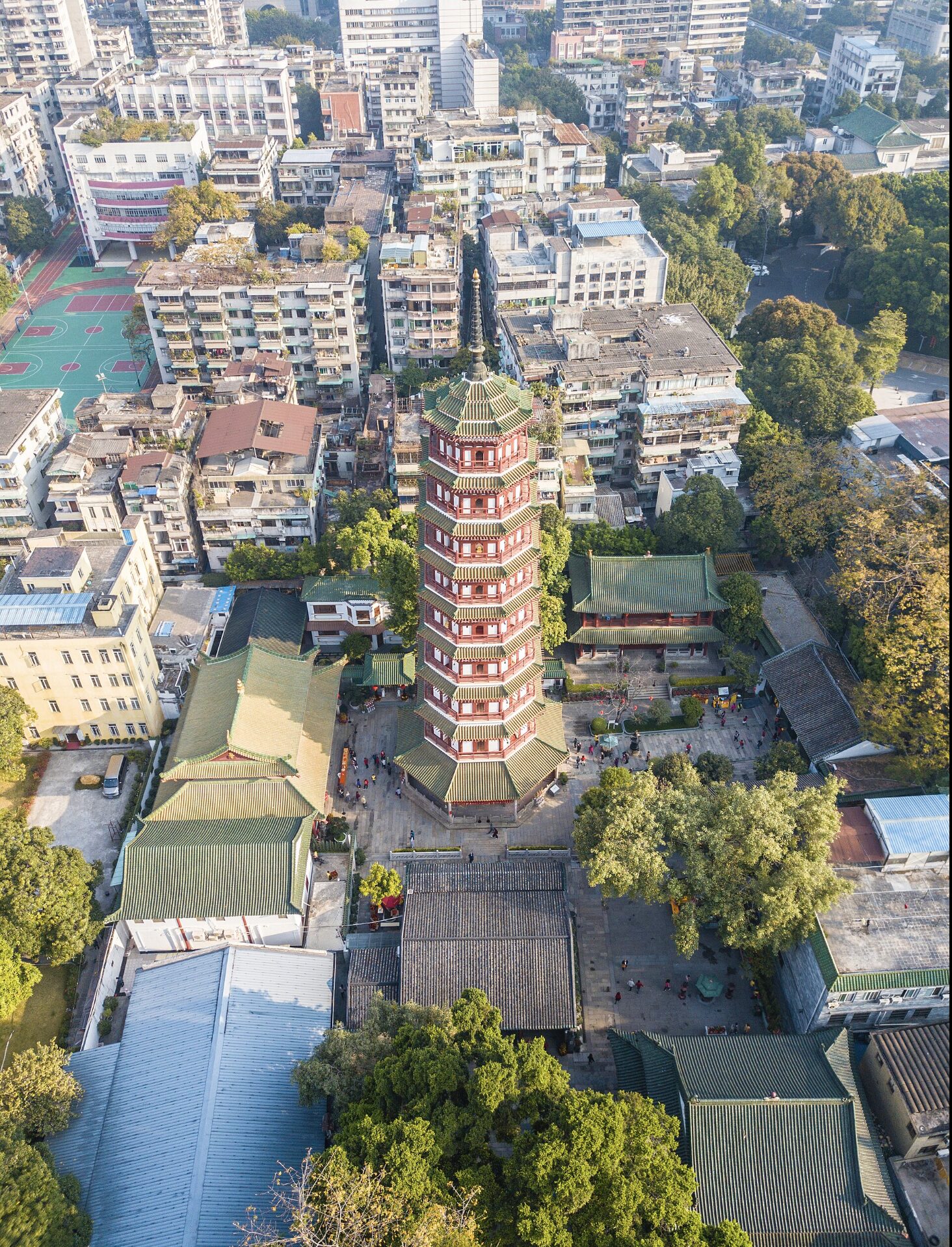
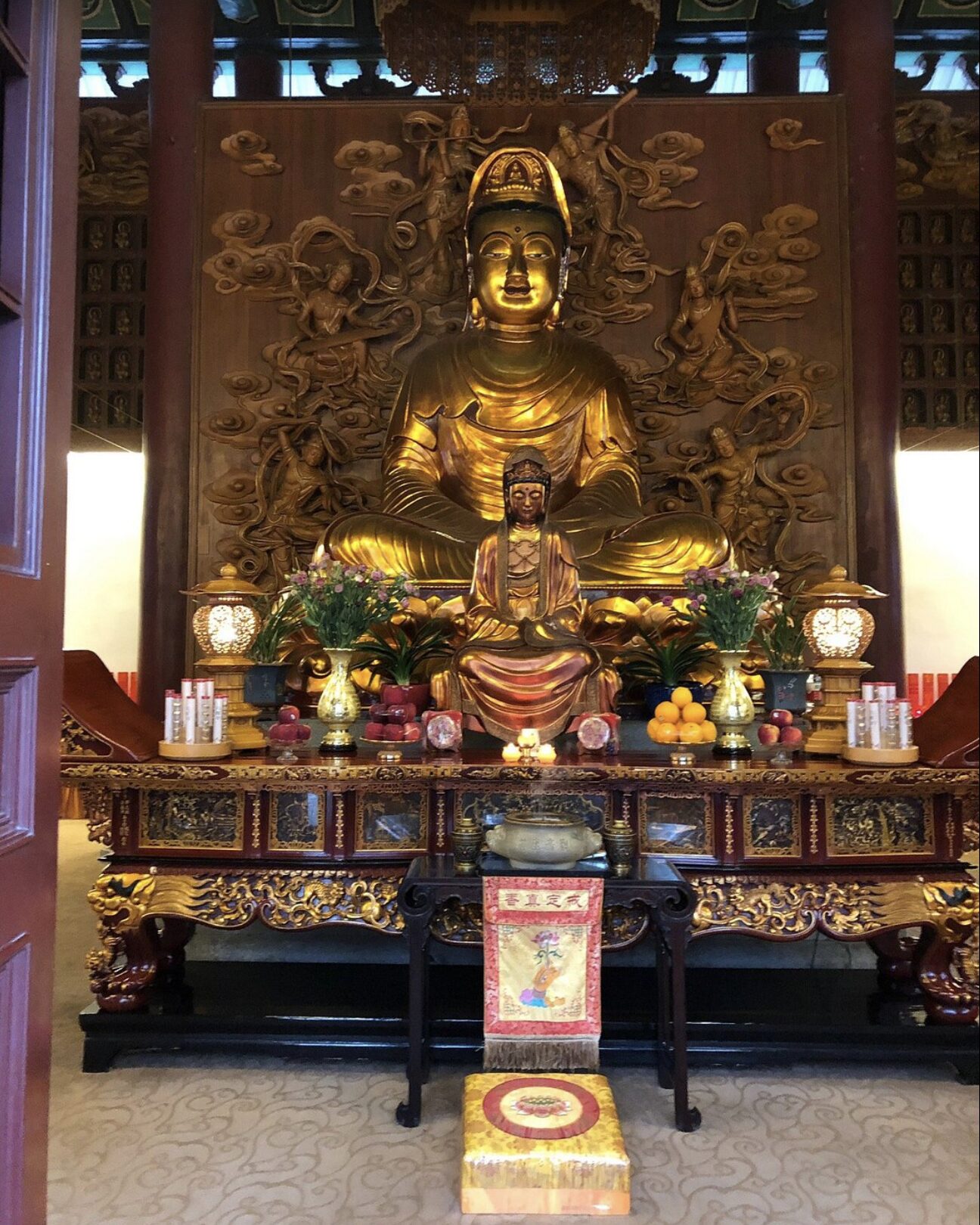
  • Temple of the Six Banyan Trees Guangzhou
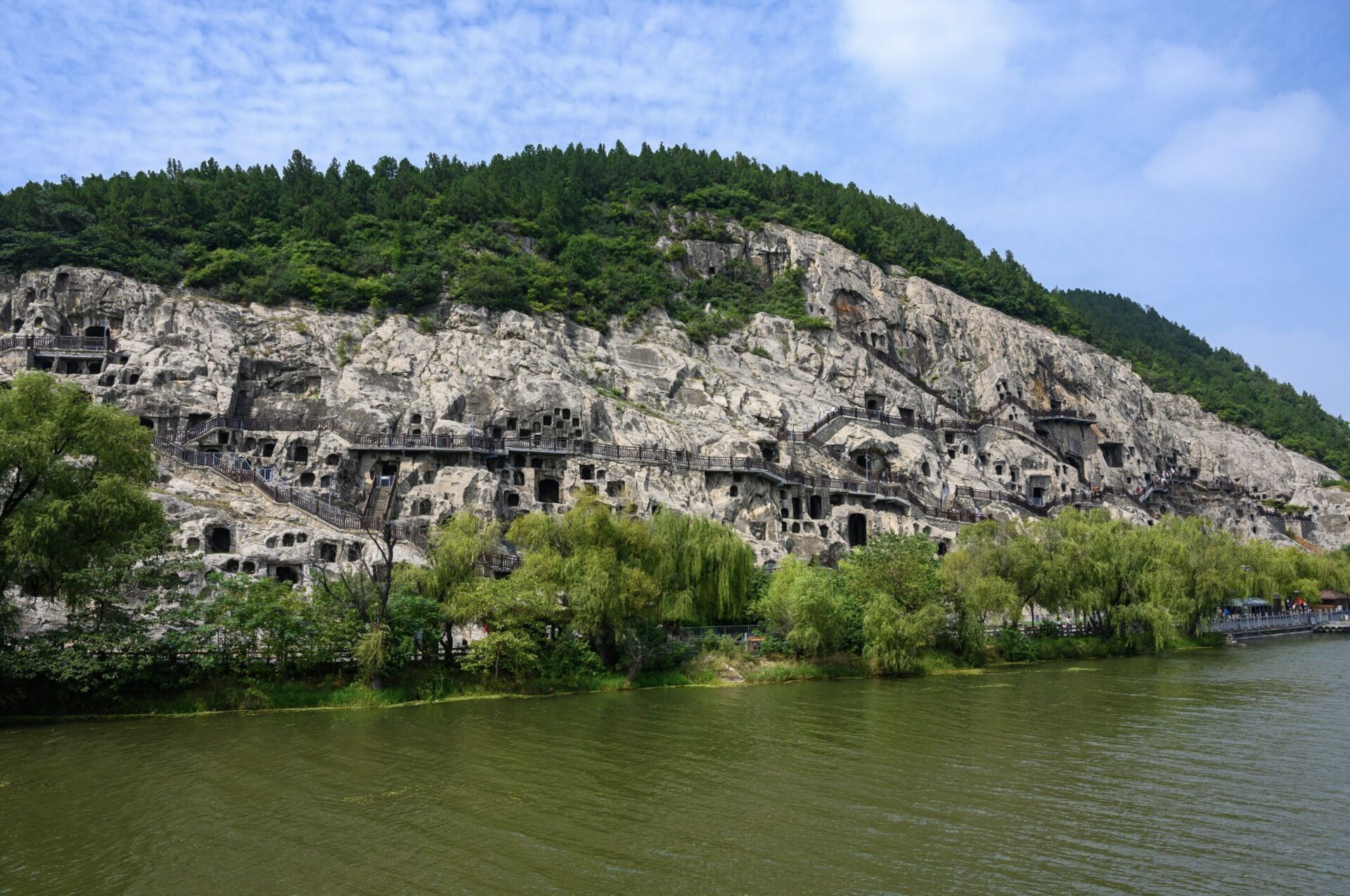
  • Longmen Grottoes
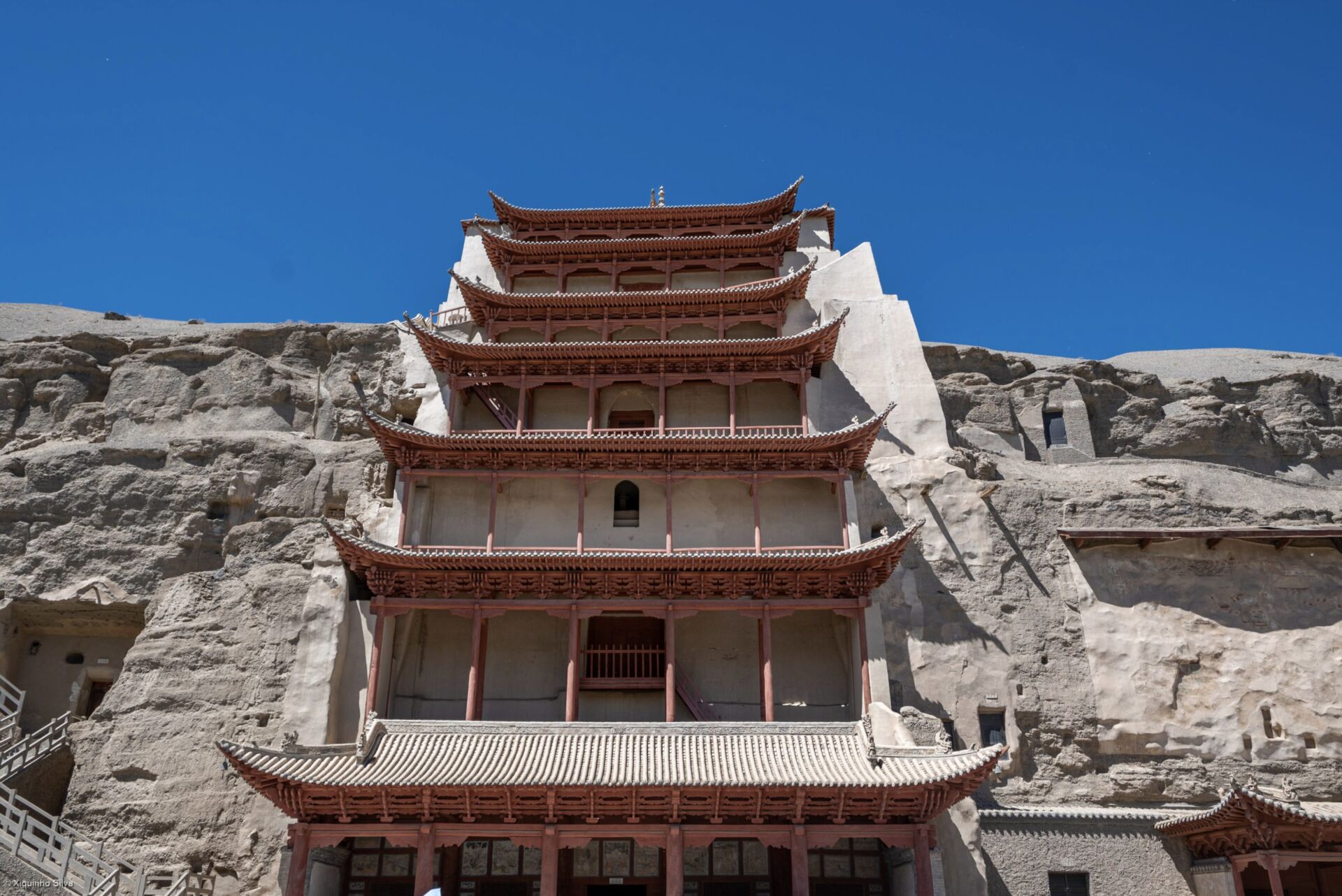
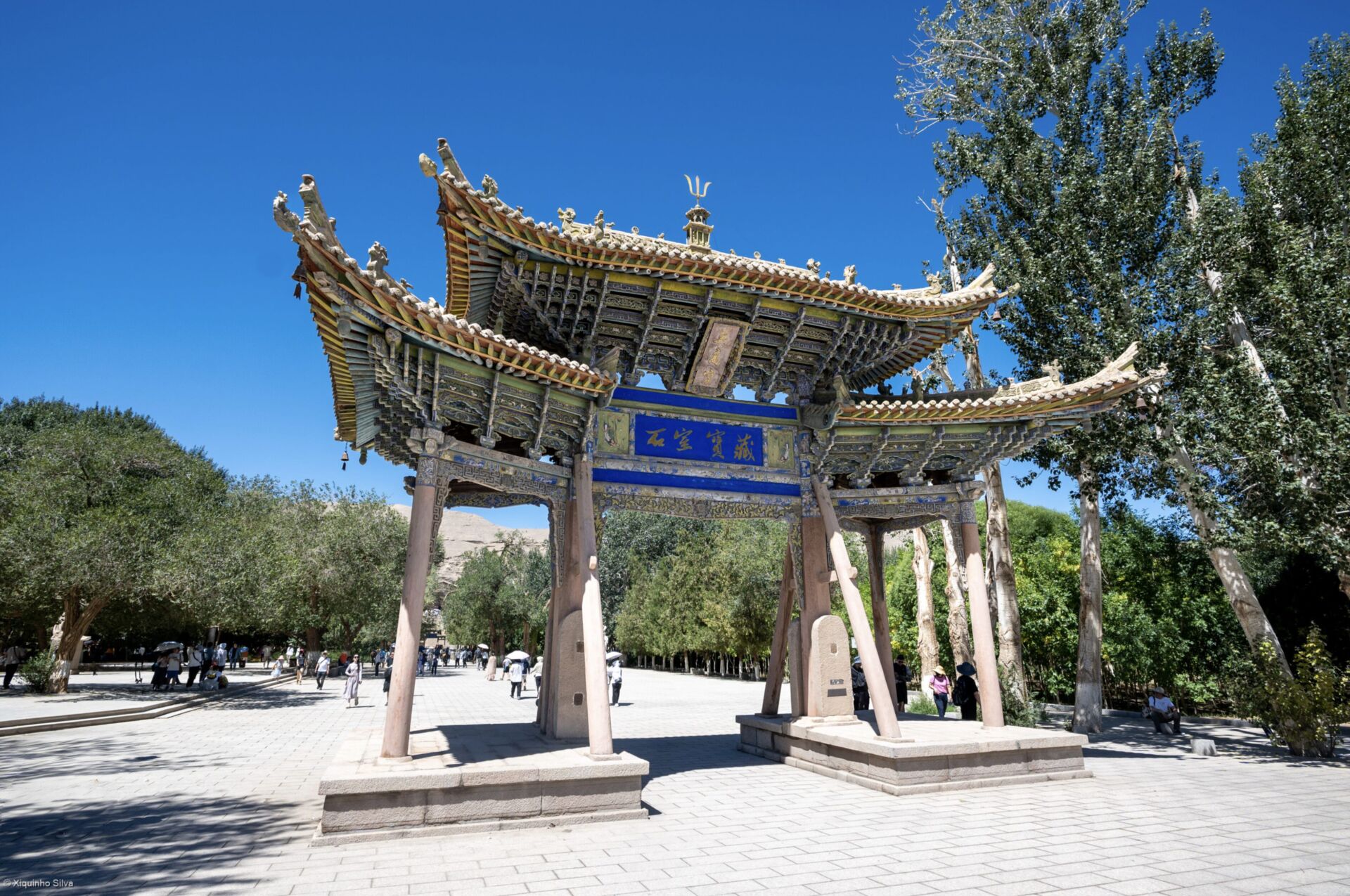
  • Mogao Caves
  • Government relay / postal stations (驿, yì)
  • Official guest residences (馆 / 馆舍)
  • ‘Commercial inns / guesthouses (旅店 / 客店 / 客舍)
  • Temple and monastery lodging (寺院)
  • Hostels for merchants on trade routes (Silk Road corridor)
  • Canal and river travel lodging
  • Tea houses and entertainment quarter lodging (informal)
  • Private hosting networks
  • Government relay / postal stations on the Chang’an ↔ Luoyang trunk routes or western corridors toward the Hexi Corridor / Silk Road; Official guest residences attached to Chang’an and Luoyang administrative districts; Temple and monastery lodging – Nanchan Temple (Mount Wutai, Shanxi), Foguang Temple (Mount Wutai, Shanxi); Giant Wild Goose Pagoda / Da Ci’en Temple (Xi’an); Trade-route merchant lodging – in oasis towns such as Dunhuang and along the Hexi Corridor

Landmarks

Original Accommodation

Adapted Visitor Accommodation


Name

Address


Website