Architectural Styles

Shang Dynasty

Alt names / subperiods 

Timeline

Distinguishing Features

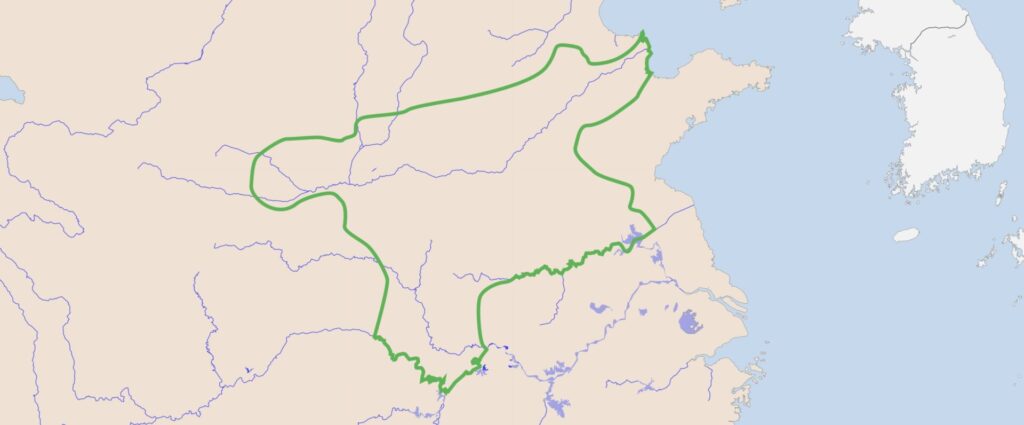
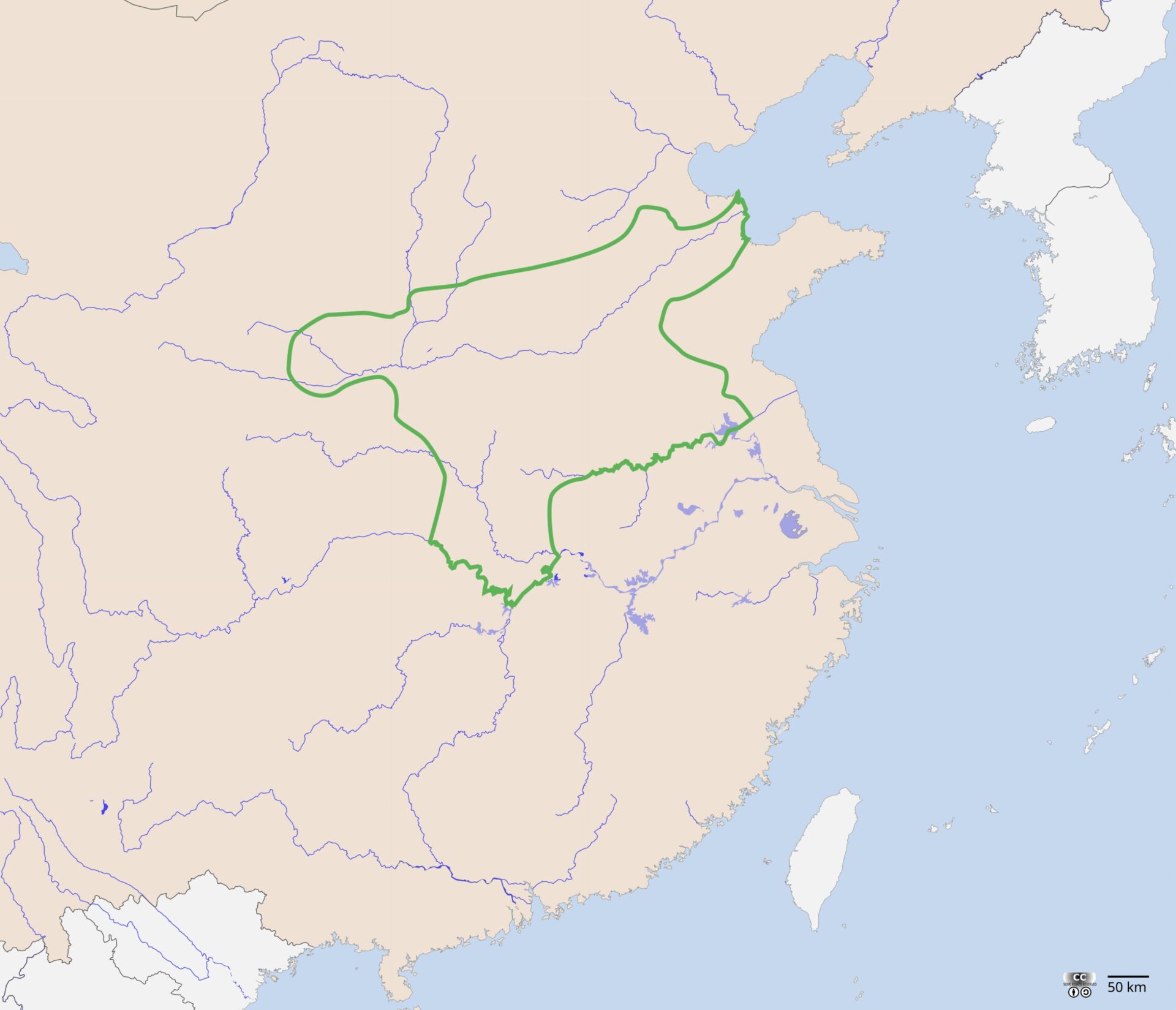
Geographic Presence


Monarch Divinations

Wu Ding

Zu Jia

Geng Ding

Wu Yi & Wen Wu Ding 

Di Yi & Di Xin 


Wikipedia


1600–1046 BCE


1254-1197

1206-1177

1187-1135

1157-1110

1121-1041

  • Rammed earth (hangtu) for foundations, walls, platforms
  • timber post-and-beam frames
  • wattle-and-daub walls
  • thatch or tile roofing.
  • Buildings on elevated rammed-earth terraces with wooden halls on top
  • paved with stone  
  • plastered
  • Timber post-and-lintel framework organized in modular bays (jian);
  • load-bearing columns around open halls
  • roofs supported by bracket systems.
  • Axial symmetry
  • hierarchical spatial order
  • major buildings oriented north–south
  • compounds enclosed by walls.
  • Walled rectangular cities with moats, gates, and planned roads.
  • sacrificial pits and oracle-bone divination platforms near palatial areas
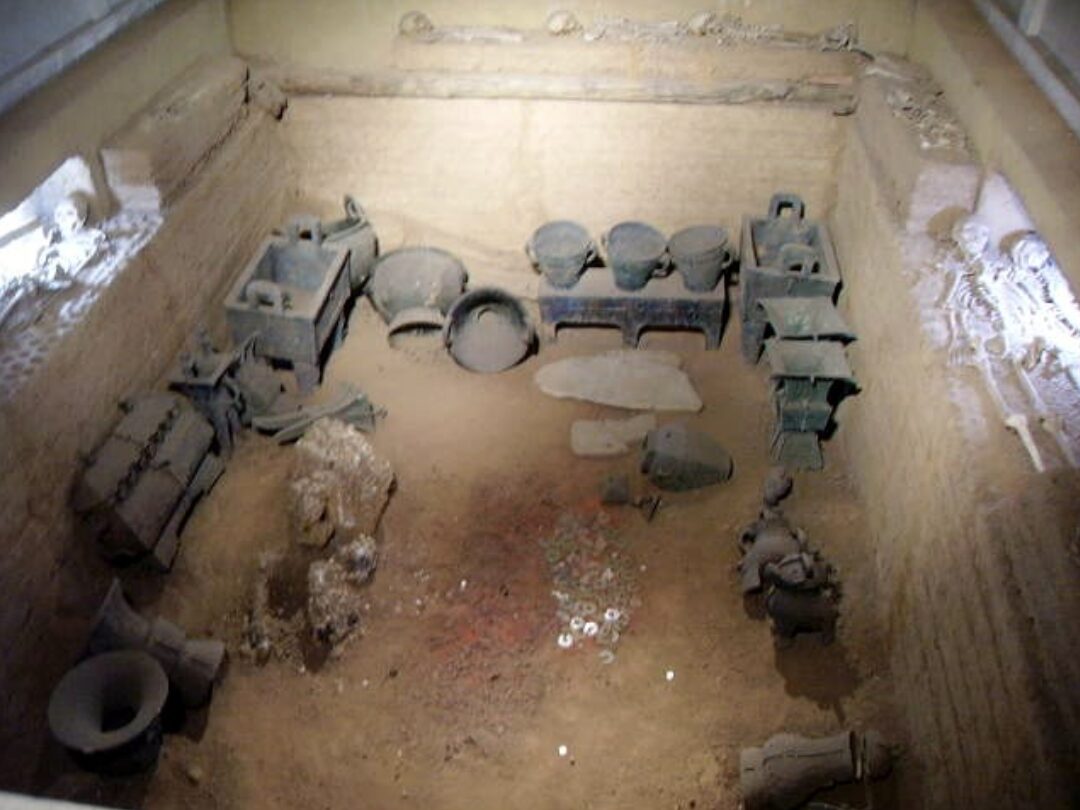
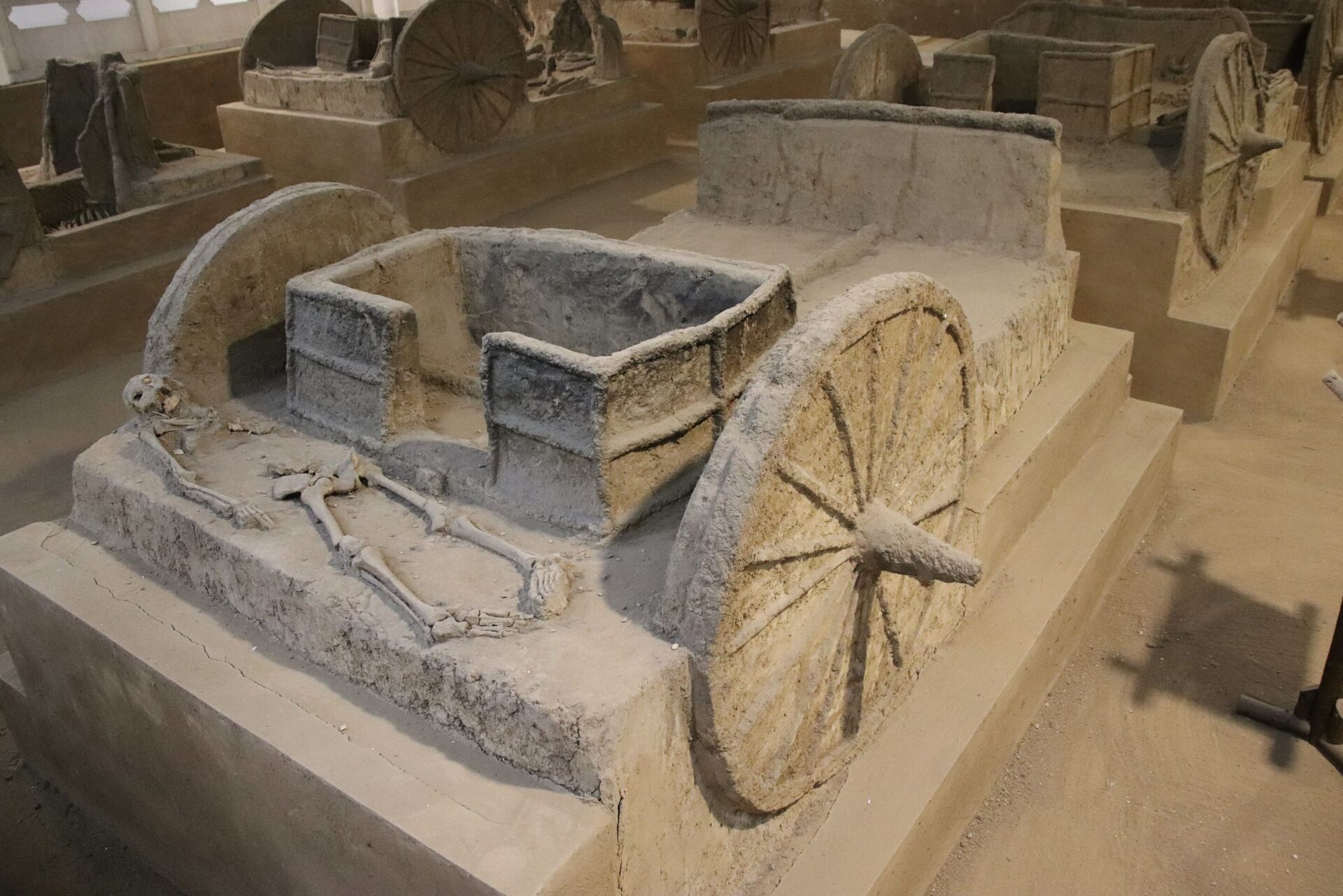
  • Large pit tombs with ramps, timber chambers, and bronze/jade grave goods
  • sometimes containing chariots and human sacrifices.
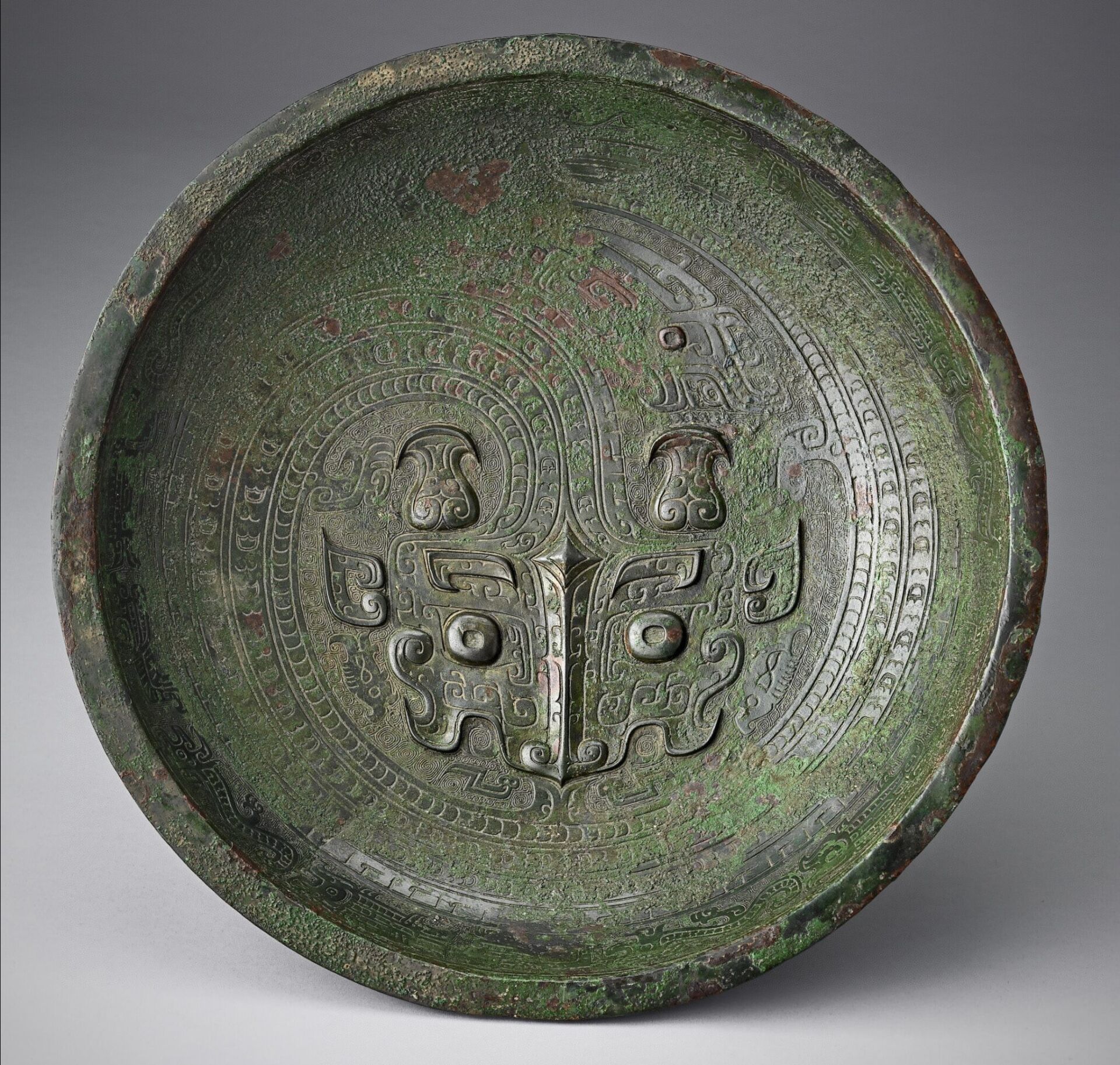
  • Painted or carved taotie motifs
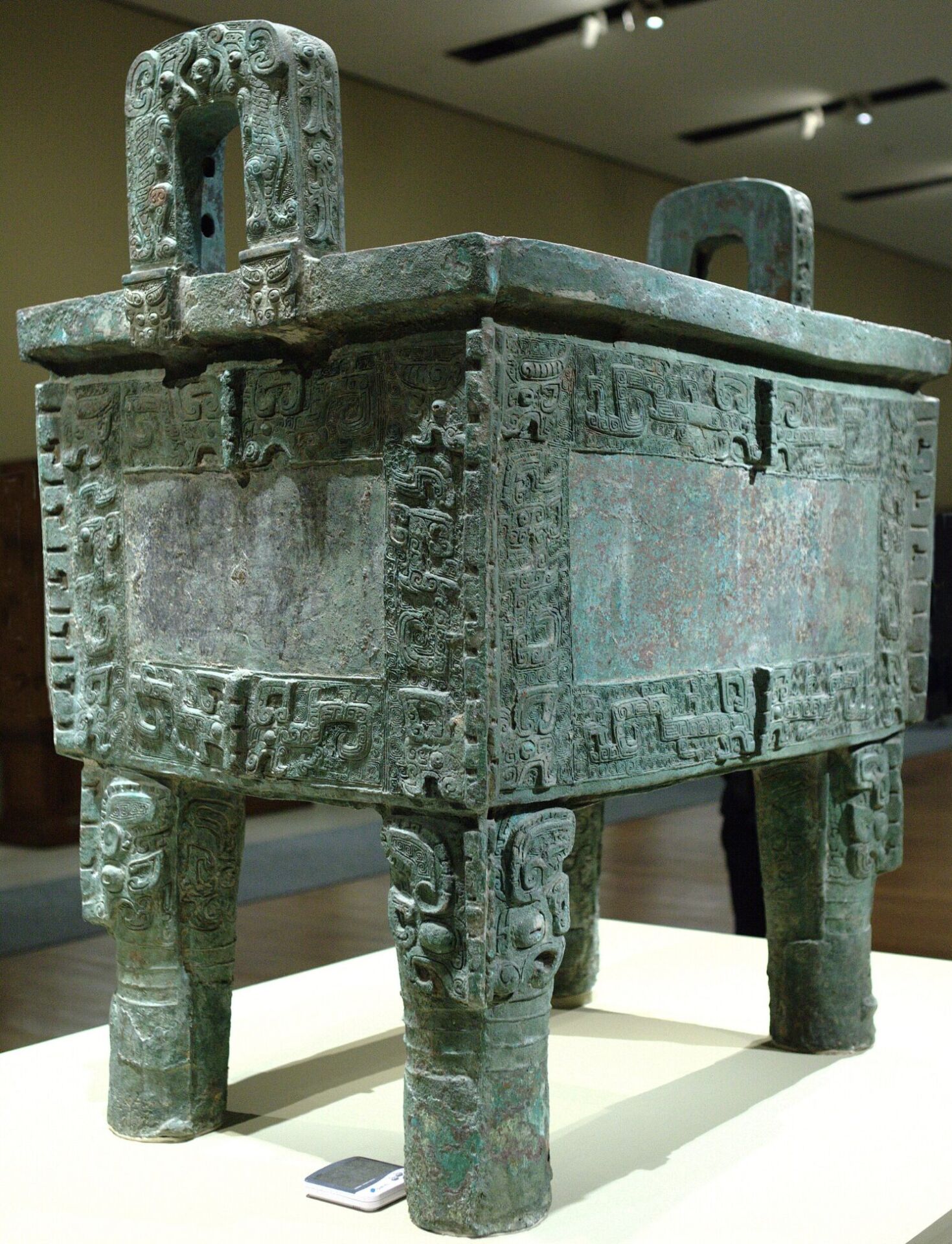
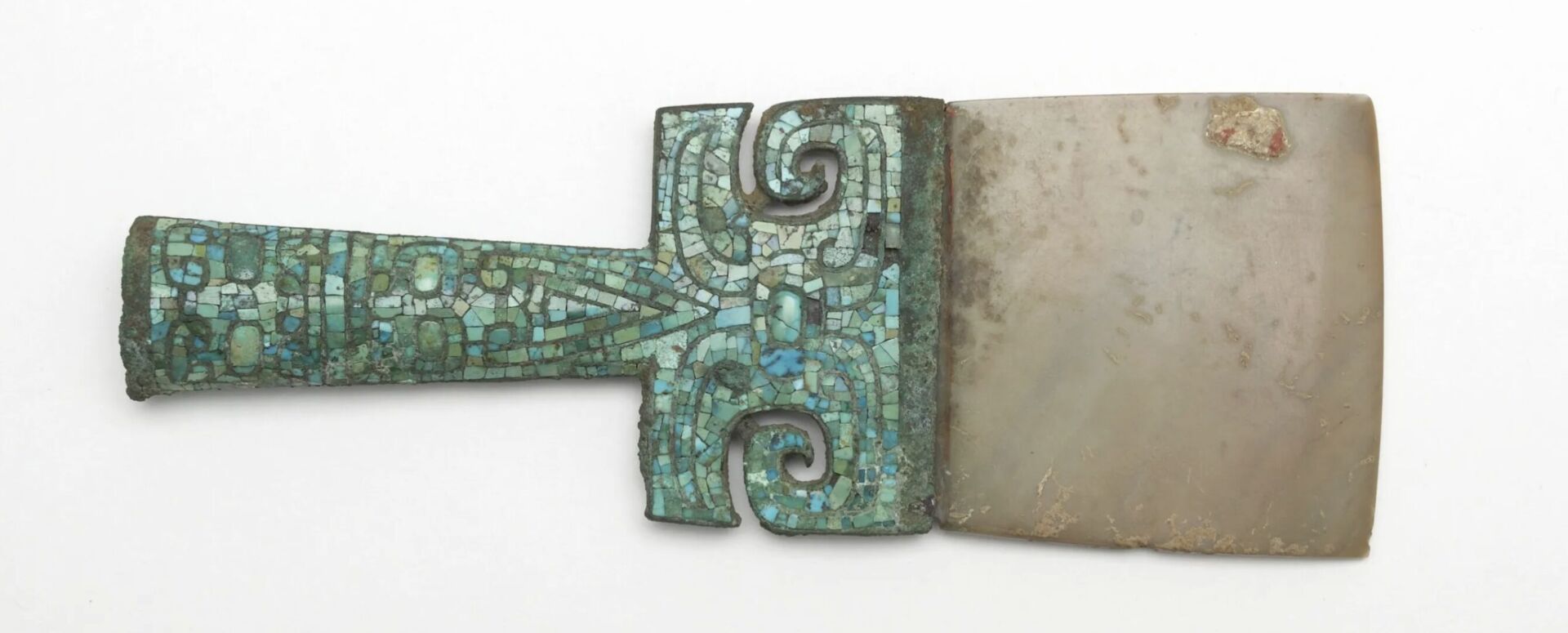
  • bronze ritual vessels, and ceremonial objects embedded in architecture
  • use of color
  • ritual symmetry
  • physical manifestation of divine kingship, ancestral worship & hierarchical control
  • China

Common Building Types

Landmark buildings

Historic Accommodation Types

Custom Hotel Examples

  • Palaces (Gong 宮)
  • Temples / Ancestral Shrines (Miao 廟)
  • Residential Houses (Zhai 宅)
  • Workshops / Foundries
  • Granaries / Storehouses (Cang 倉)
  • City Walls & Gates
  • Tombs / Burial Chambers (Mu 墓
  • Altars & Sacrificial Pits
  • Defensive / Watch Towers
  • Roads & Courtyards
  • Tomb of Fu Hao
  • Yinxu
  • Zhengzhou
  • Erligang
  • Anyang/Yin
  • Panlongcheng;
  • Shang Dynasty capitals
    • Bo (modern Yanshou or Zhangzhou)
    • Ao (Zhangzhou)
    • Fan,
    • Dishi
    • Shang,
    • Shangqui
    • Foot of Mount Tai
    • Yin
    • Yinxu (Anyang)
    • Xiao,
    • Xiang (Anyang)
    • Xing
    • Bi
    • Yan (Qufu)
    • Zhaoge (Hebi)
  • Royal or Official Guest Houses (Reception Halls / Binfu 賓府)
  • Regional Administrative Lodgings (Local Halls / Ting 廳)
  • Clan or Tribal Hospitality (Kinship Lodging)
  • Market or Craft Lodgings (Artisan / Trader Quarters)
  • Caravan or Envoy Camps (Temporary Encampments)
  • Religious or Ritual Lodging (Temple Residences)
  • No remaining evidence

Landmarks

Adapted Visitor Accommodation

in Adam Style Building 

xxxx

Address

Property Website

Wikipedia

xxxxxxx

xxxx

Address


Property Website

Wikipedia

xxx

xxx

Address 


Property Website

Wikipedia


xxxxxx