Architectural Styles

Ottoman [< 1453]

Alt names / subperiods 

Timeline

Distinguishing Features

Geographic Presence

Islamic

Turkish

Byzantine-Ottoman


Wikipedia

1320-1453

  • Monumental scale
  • fusion of Byzantine, Arabic, Persian, Islamic & European influences
  • grandeur
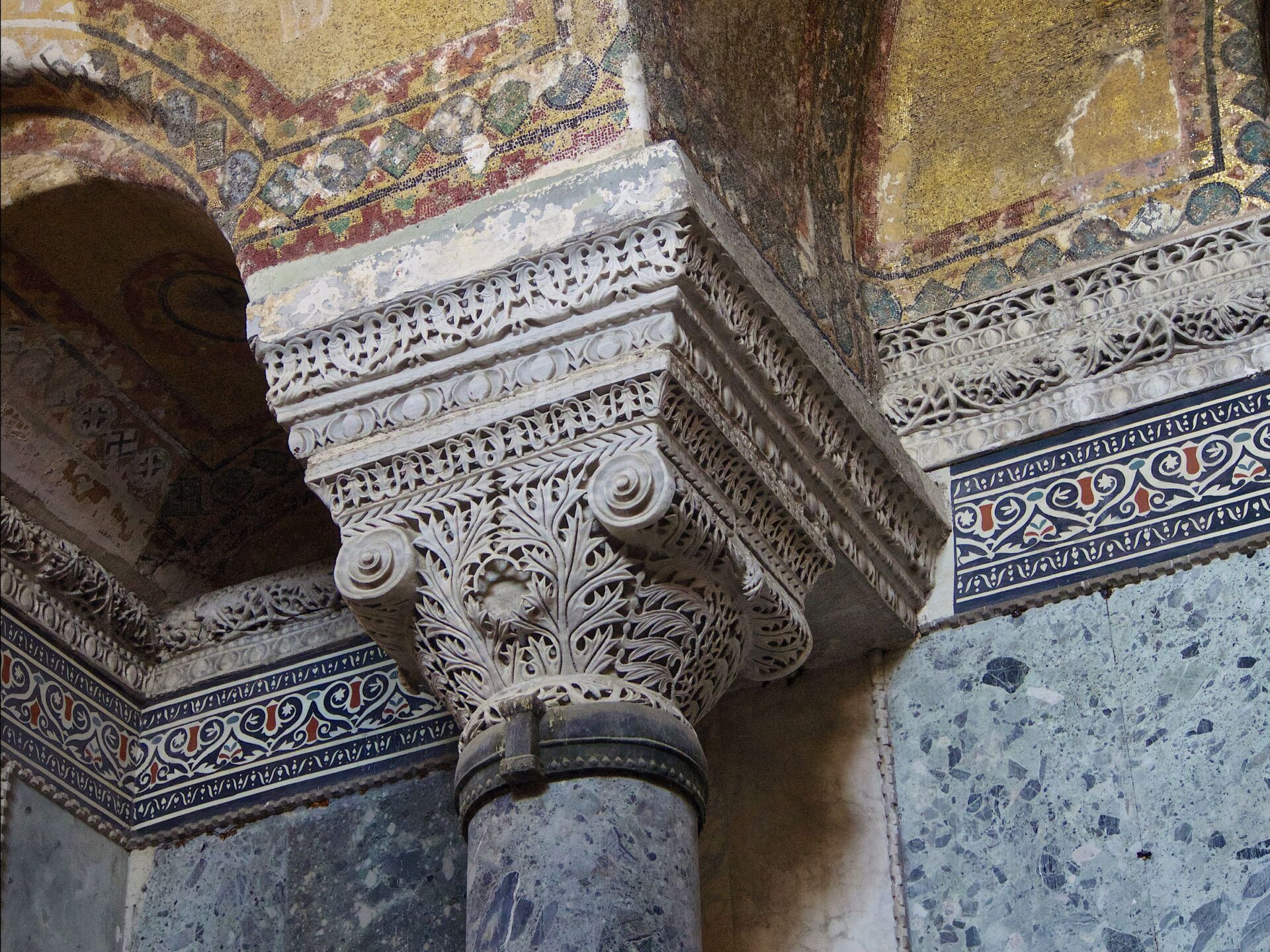
  • intricate details
  • innovative structural techniques
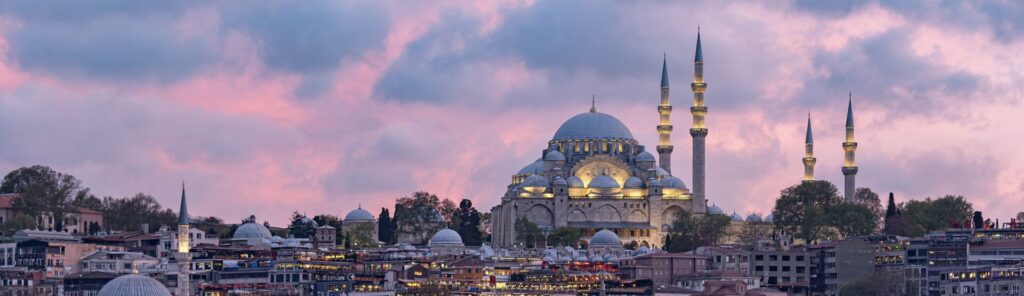
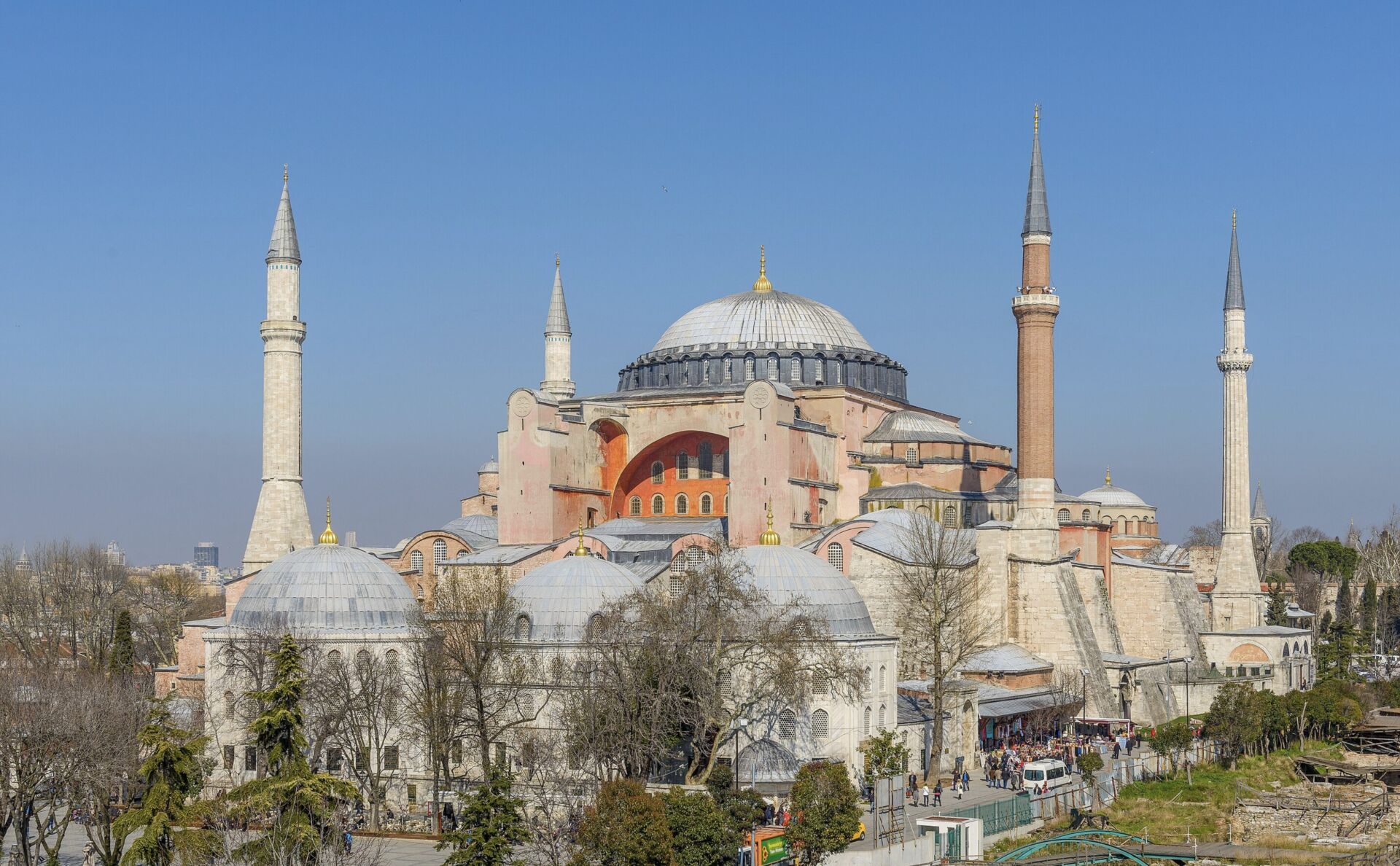
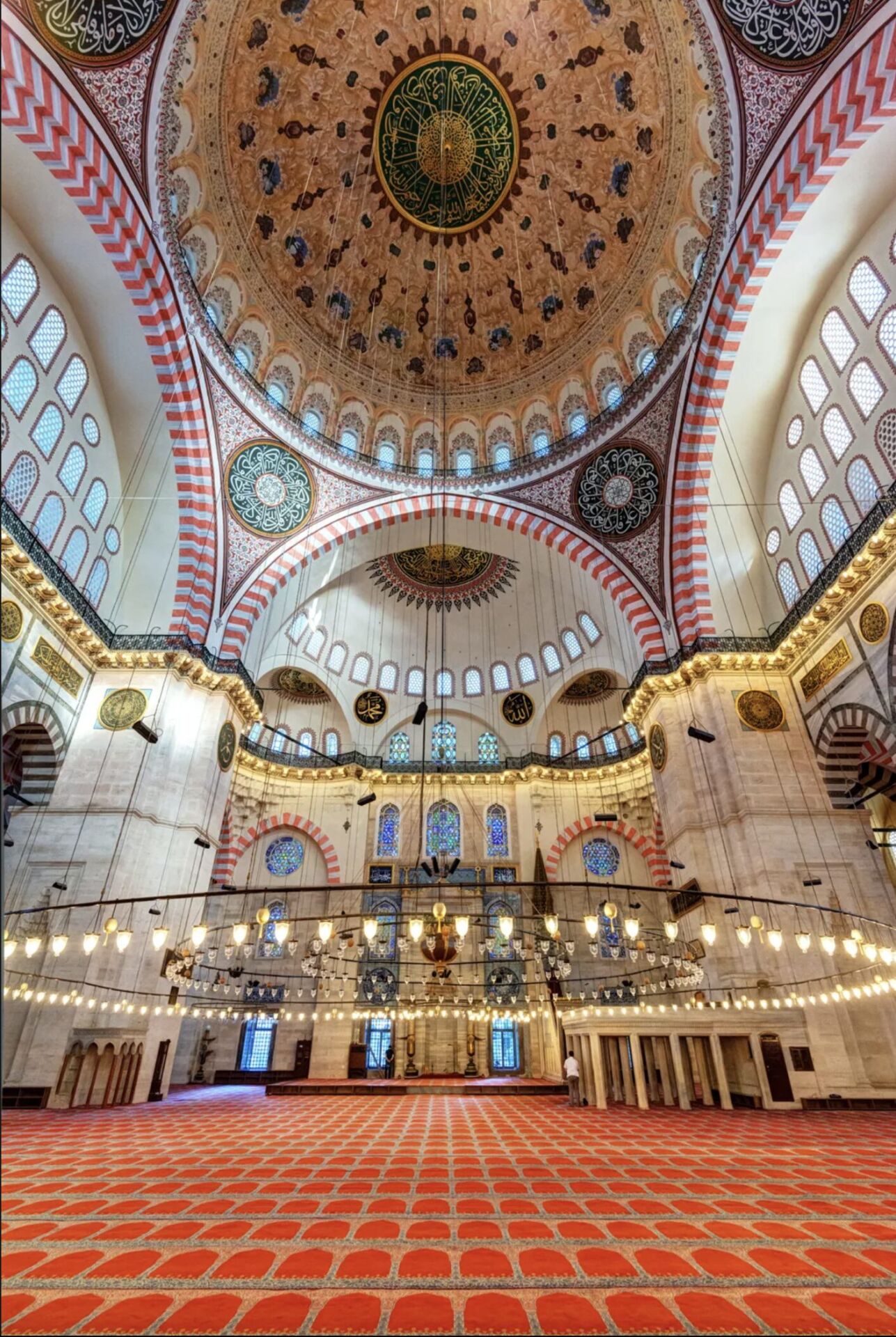
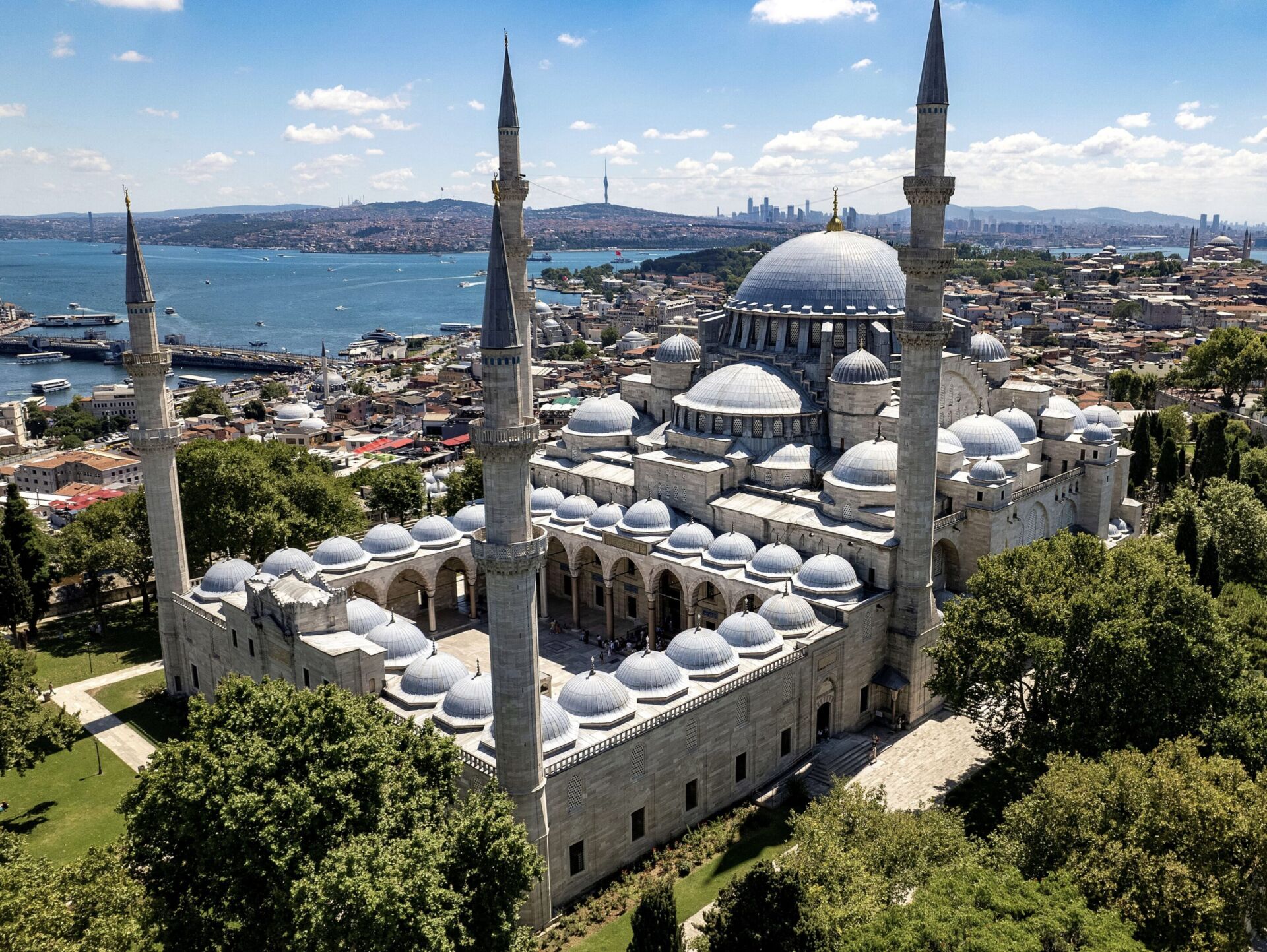
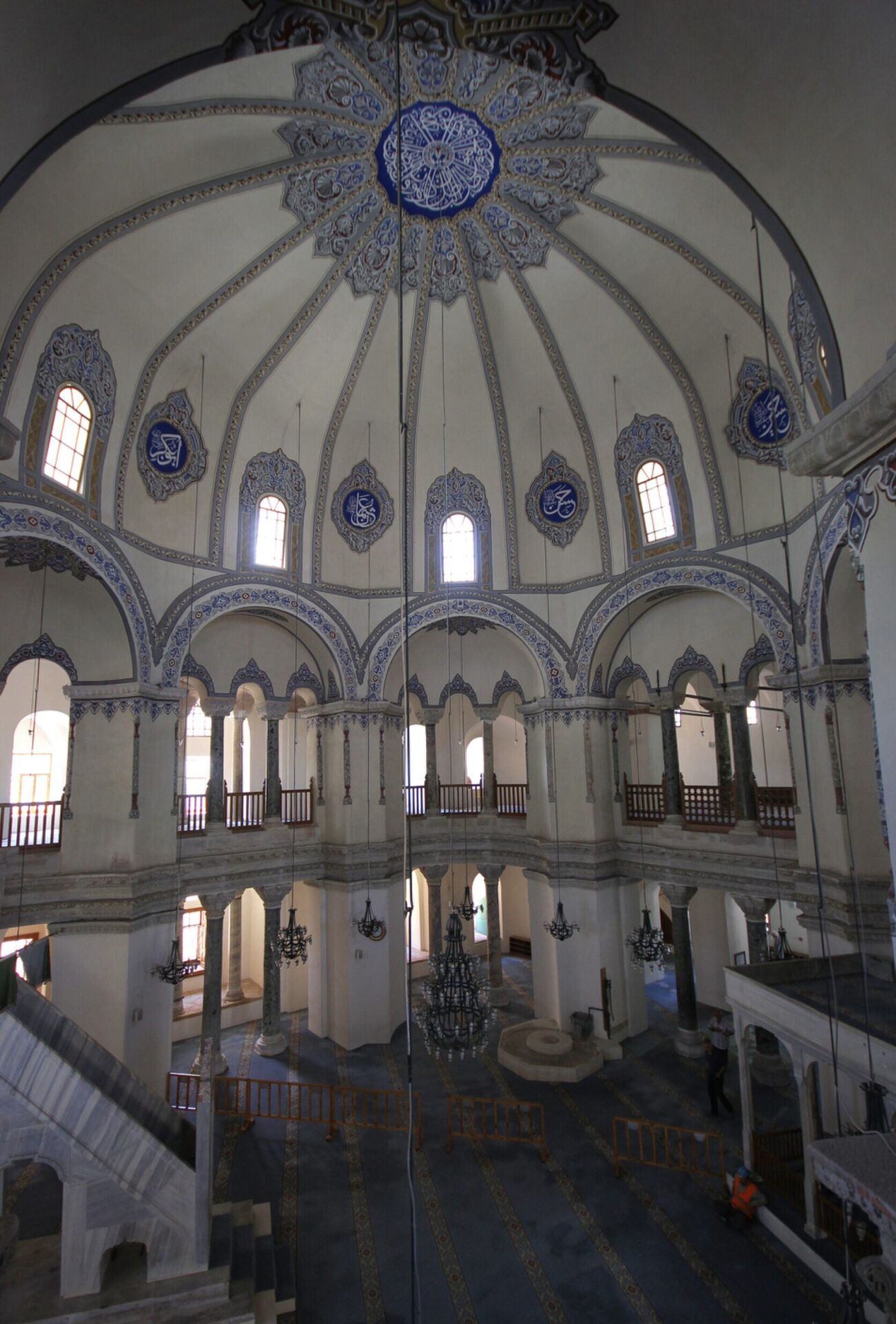
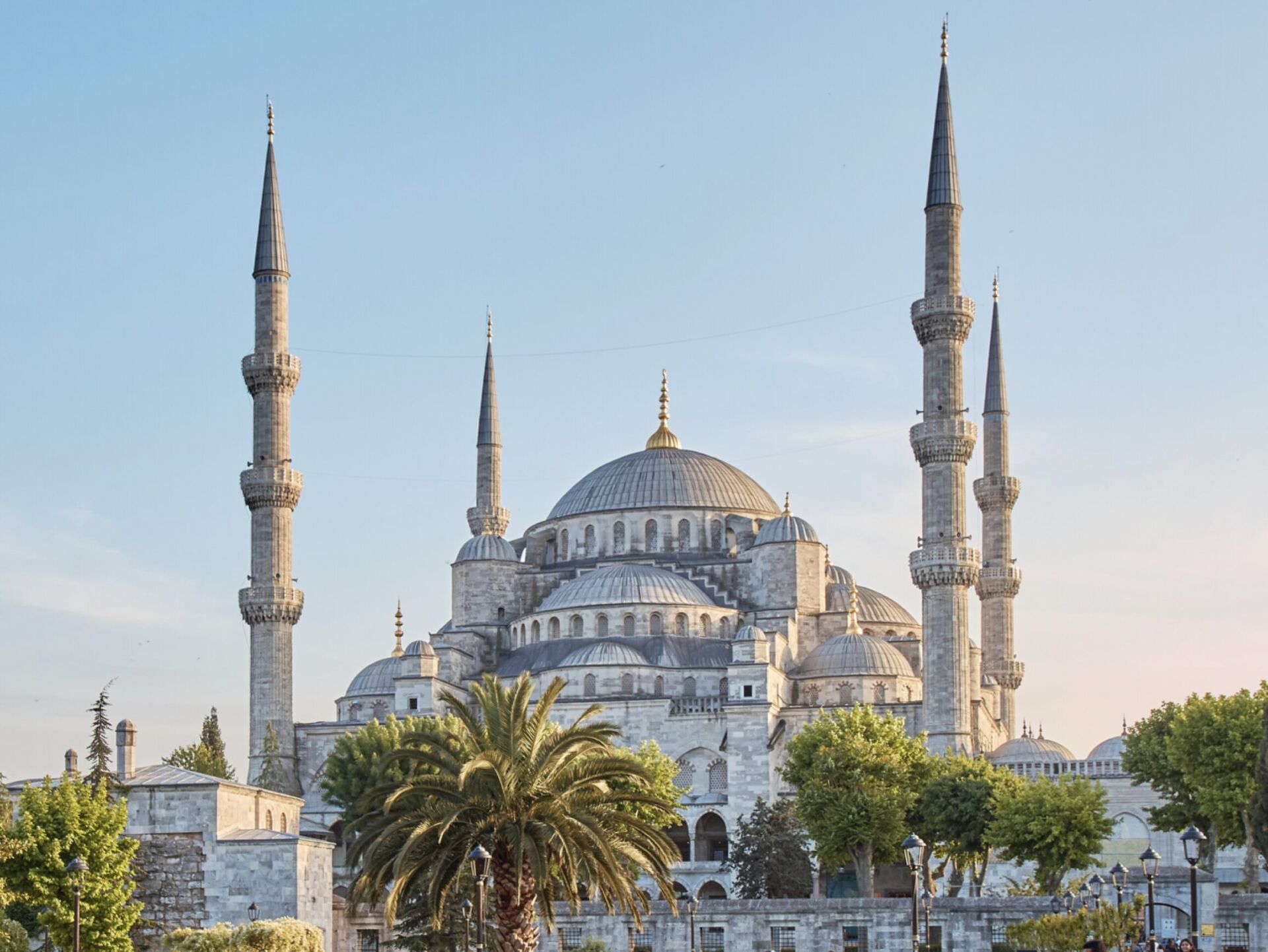
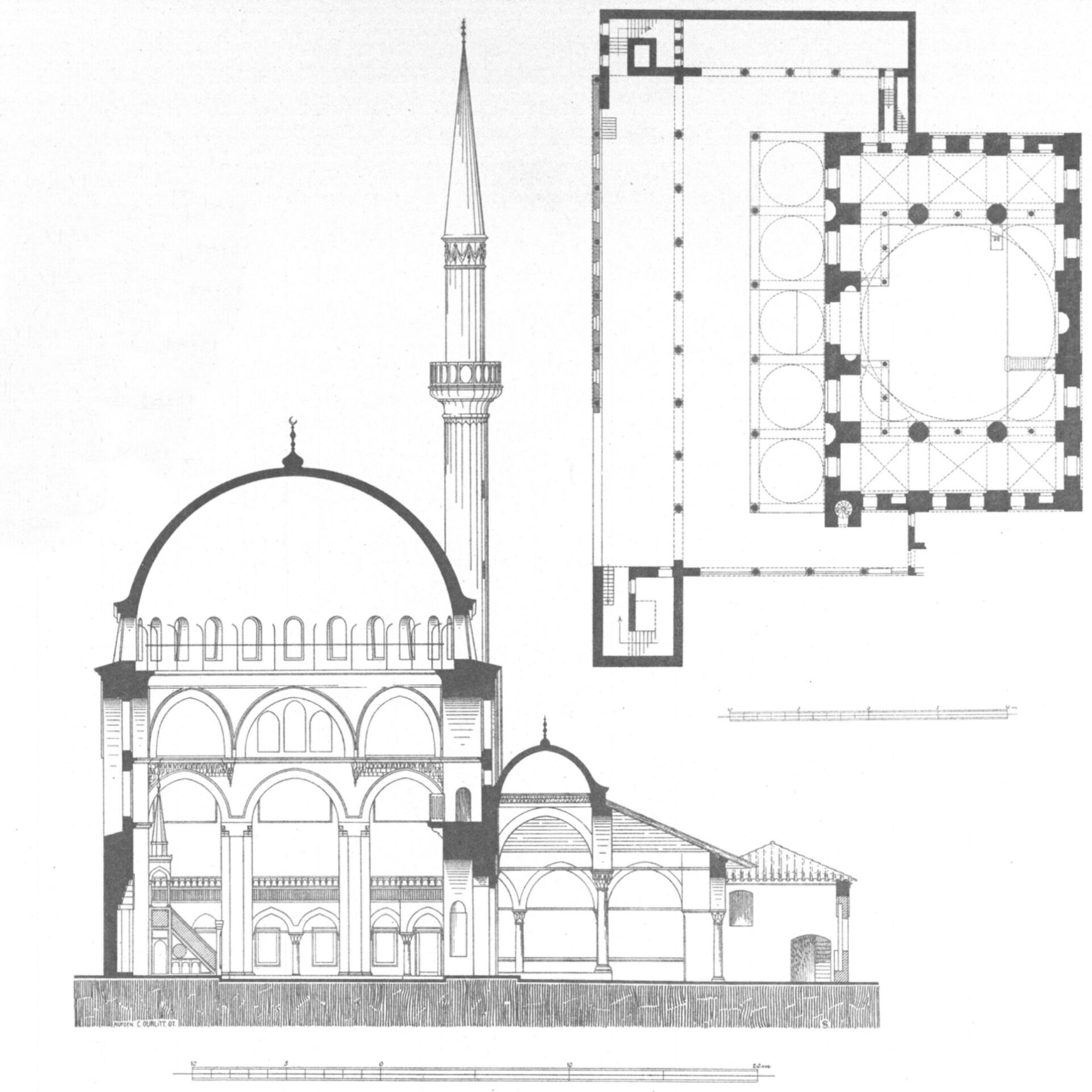
  • large central domes with side semi-domes
  • tall/slim towers (minarets)
  • spacious courtyards
  • sections for worship, education, and community activities
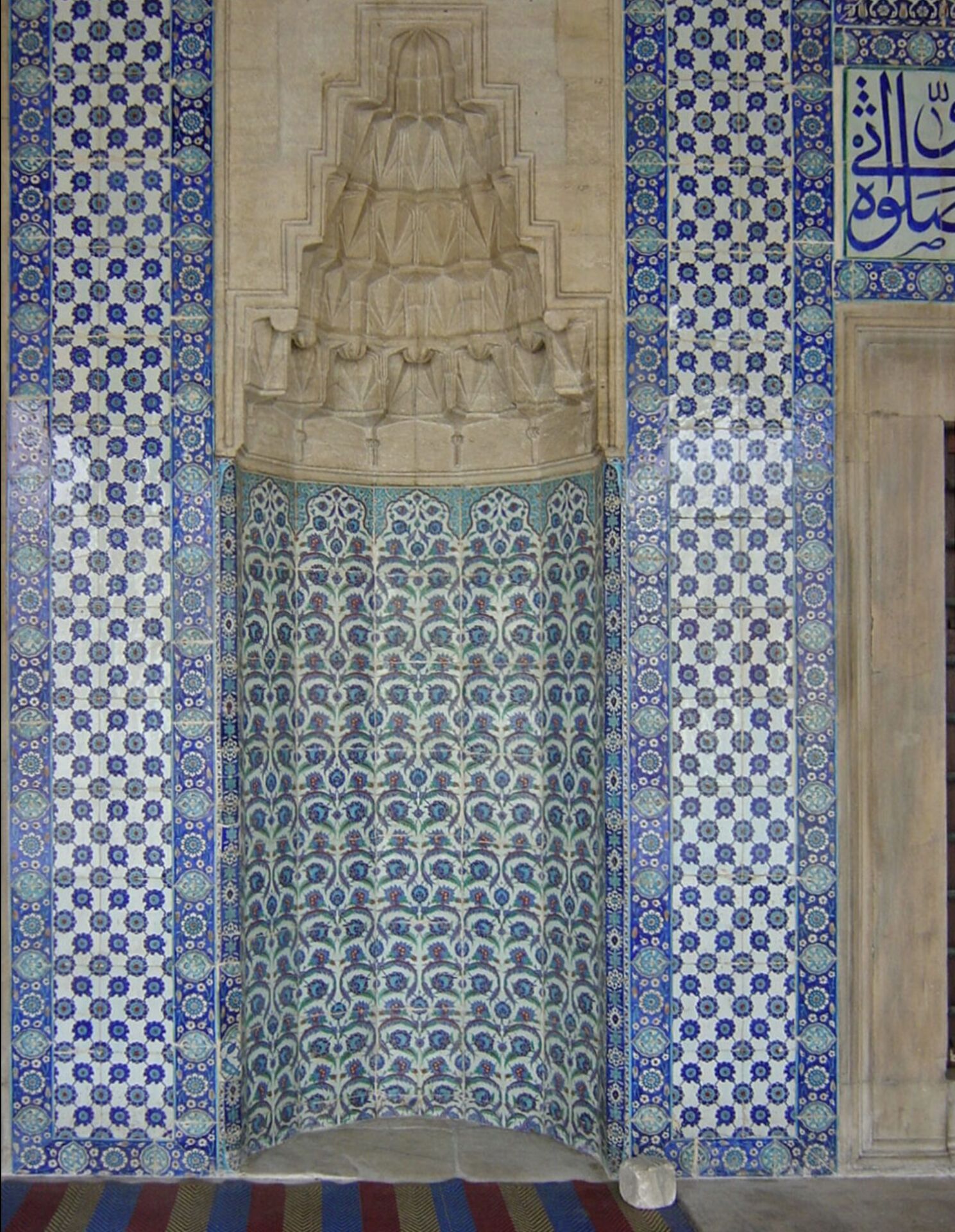
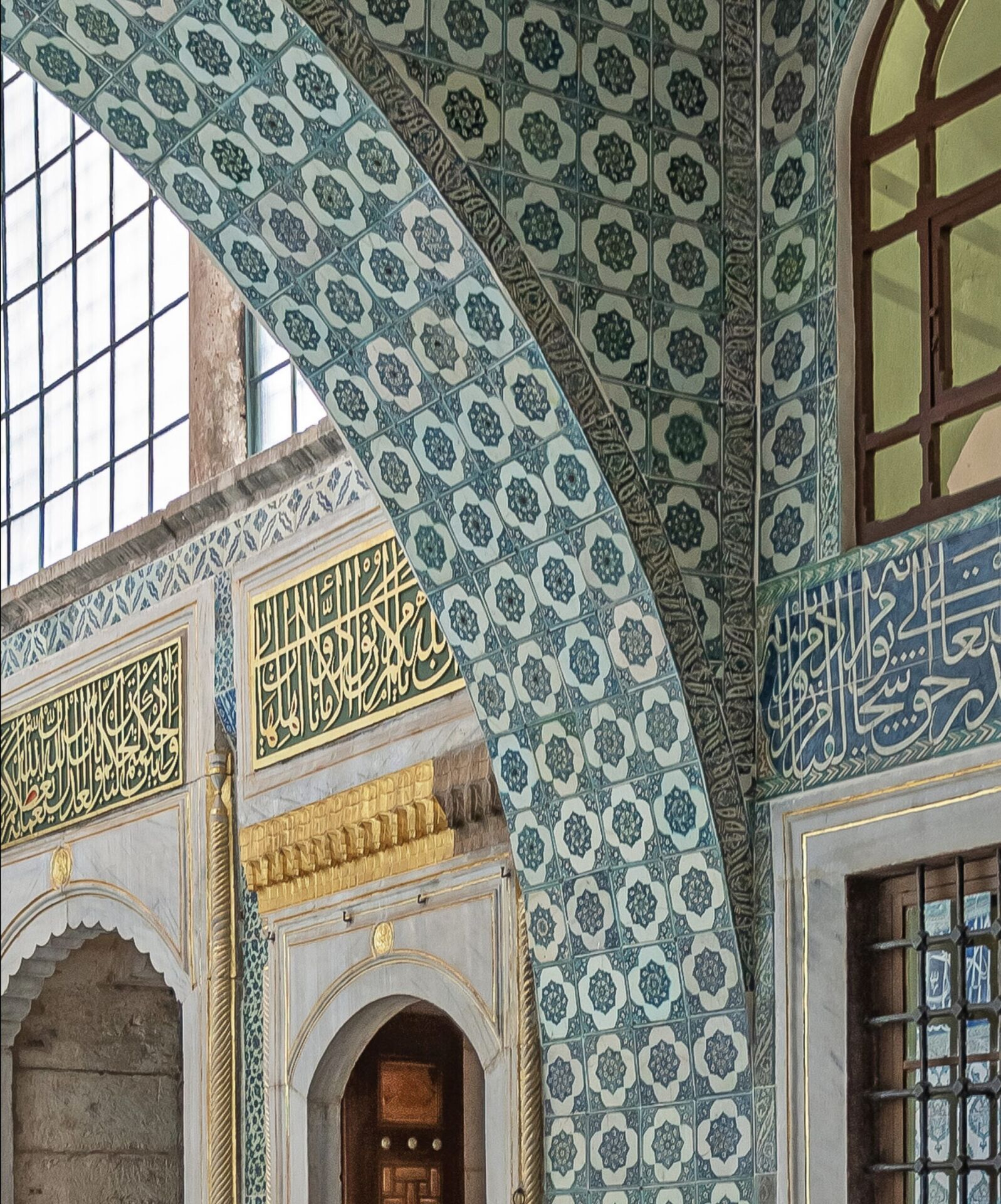
  • colourful İznik tiles featuring intricate floral/geometric patterns
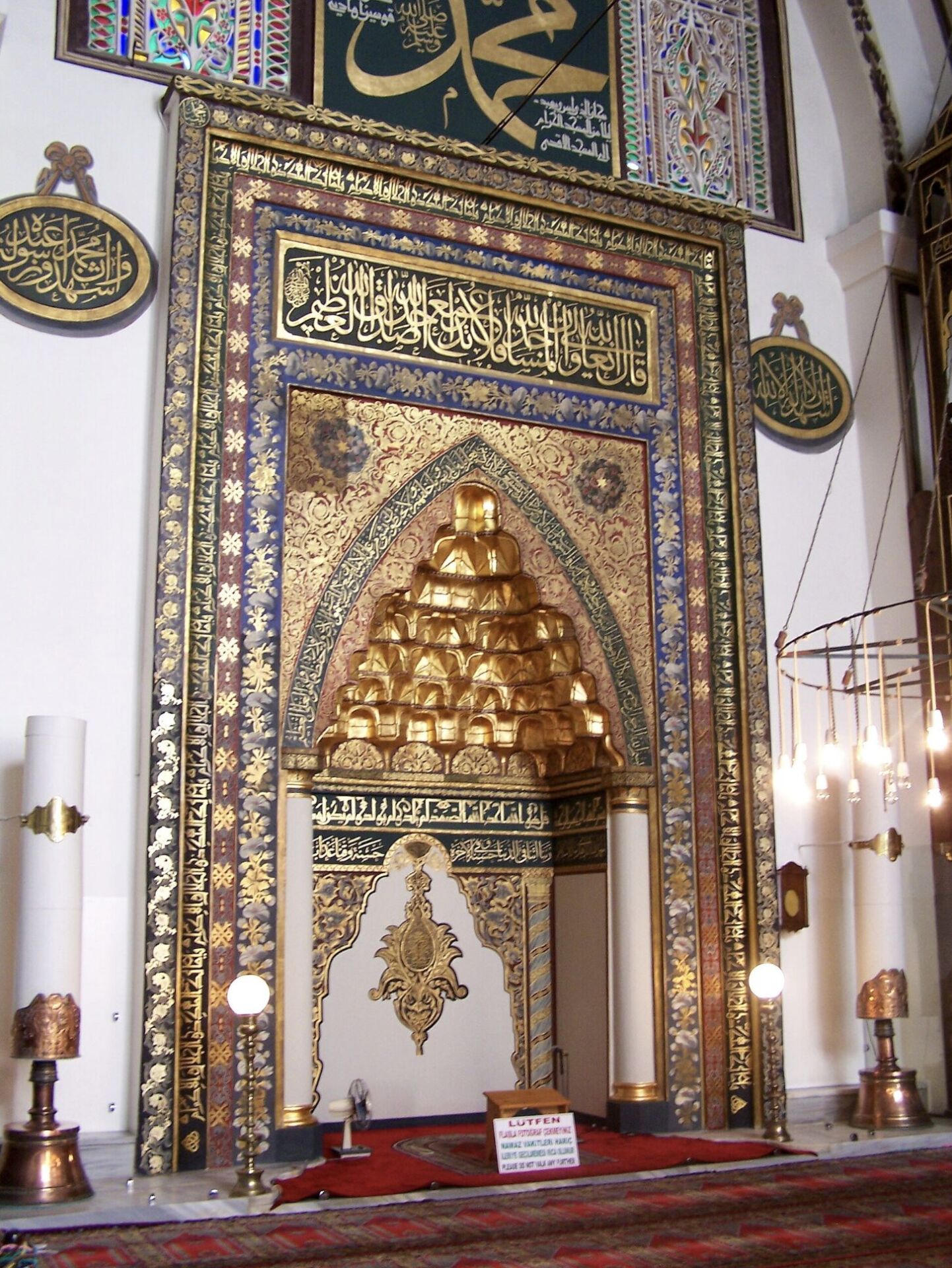
  • arabic calligraphy
  • prayer niche (mihrab)
  • pulpit (minbar)
  • ‘pointed and horseshoe arches
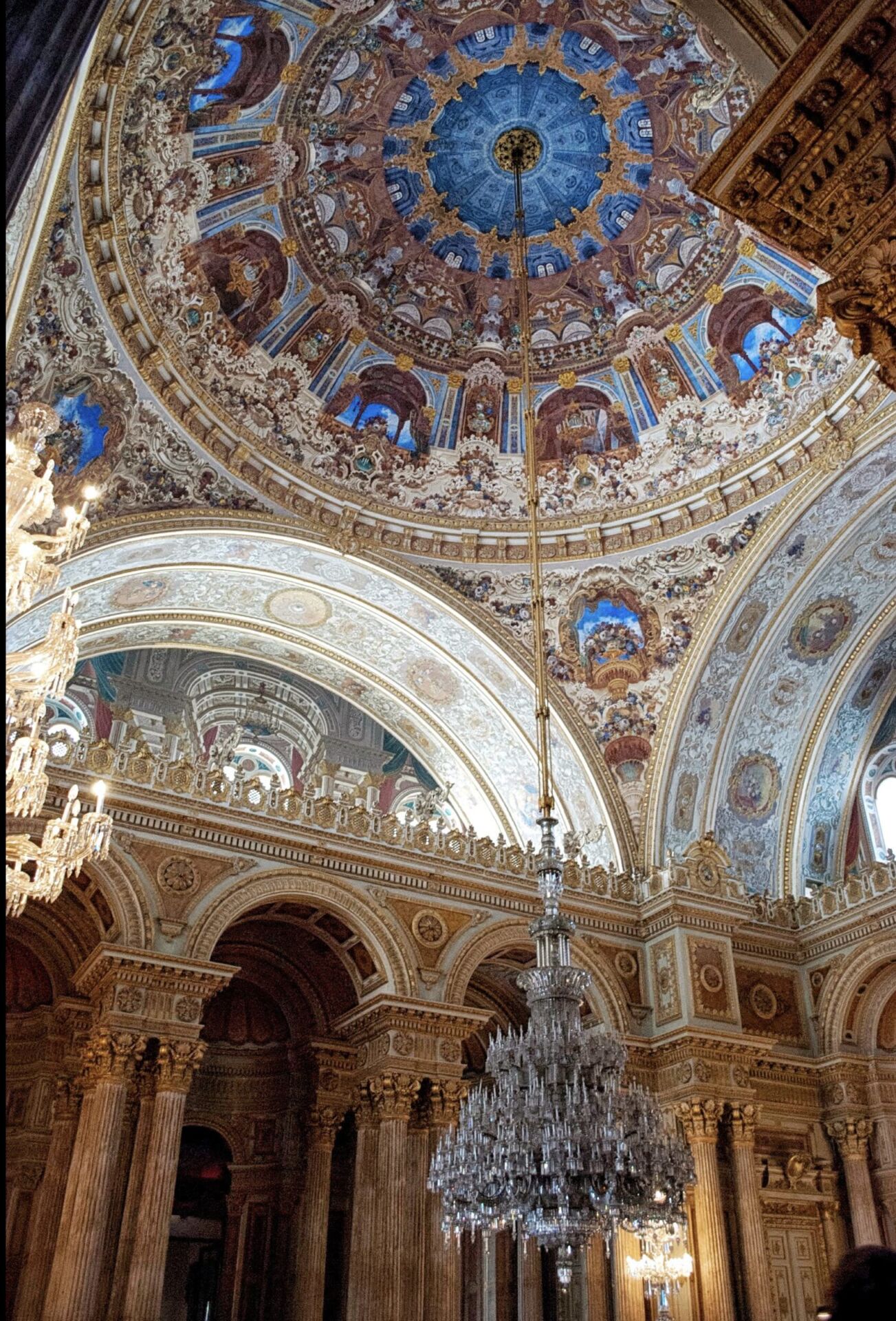
  • elaborately painted vaulted ceilings
  • fountains & pools,
  • Turkey
  • Balkans
  • Middle East
  • North Africa

Common Building Types

Landmark buildings

Historic Accommodation Types

Custom Hotel Examples

  • Mosques
  • palaces
  • madrasses
  • Bazaars
  • Fountains
  • Public Baths
  • Hagia Sophia Istanbul
  • Süleymaniye Mosque
  • Blue Mosque (Sultan Ahmed Mosque)
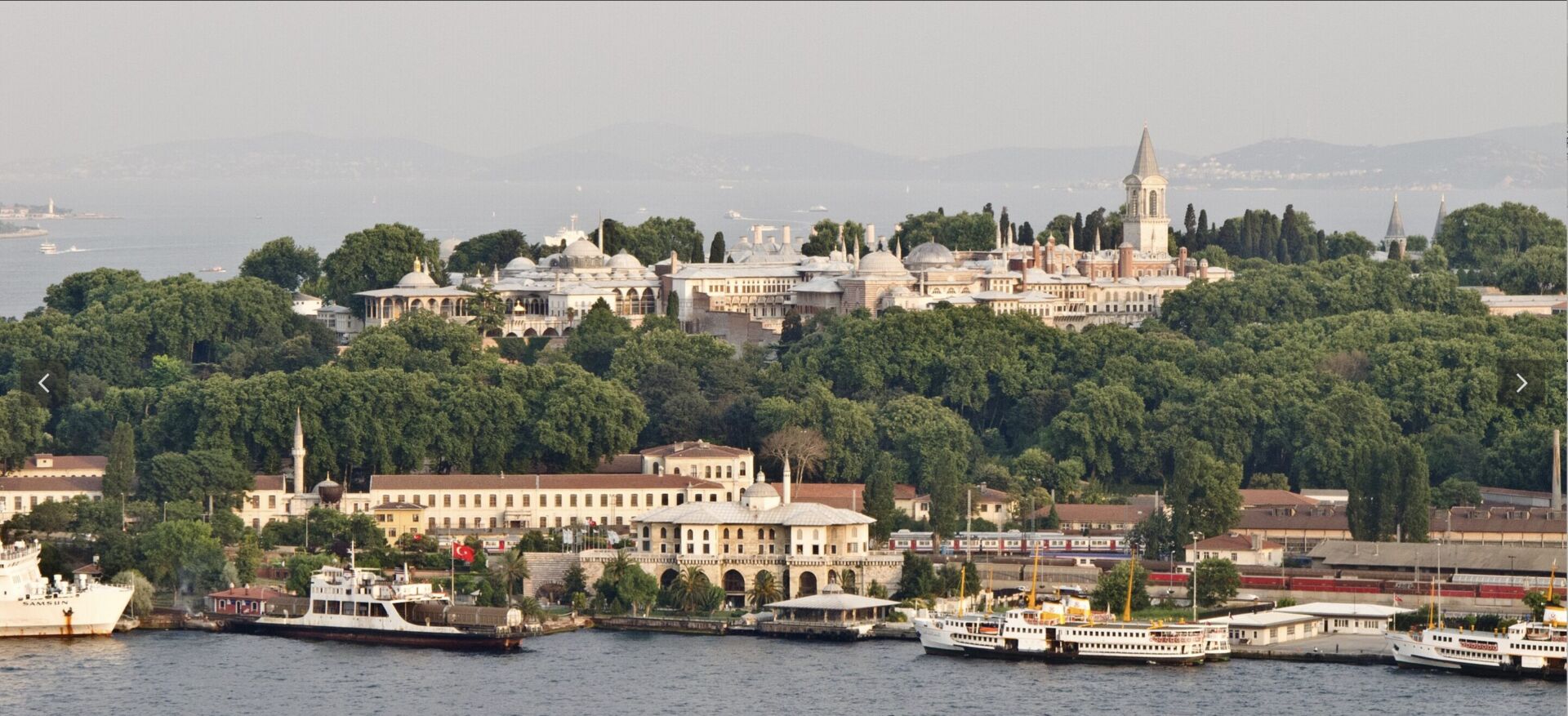
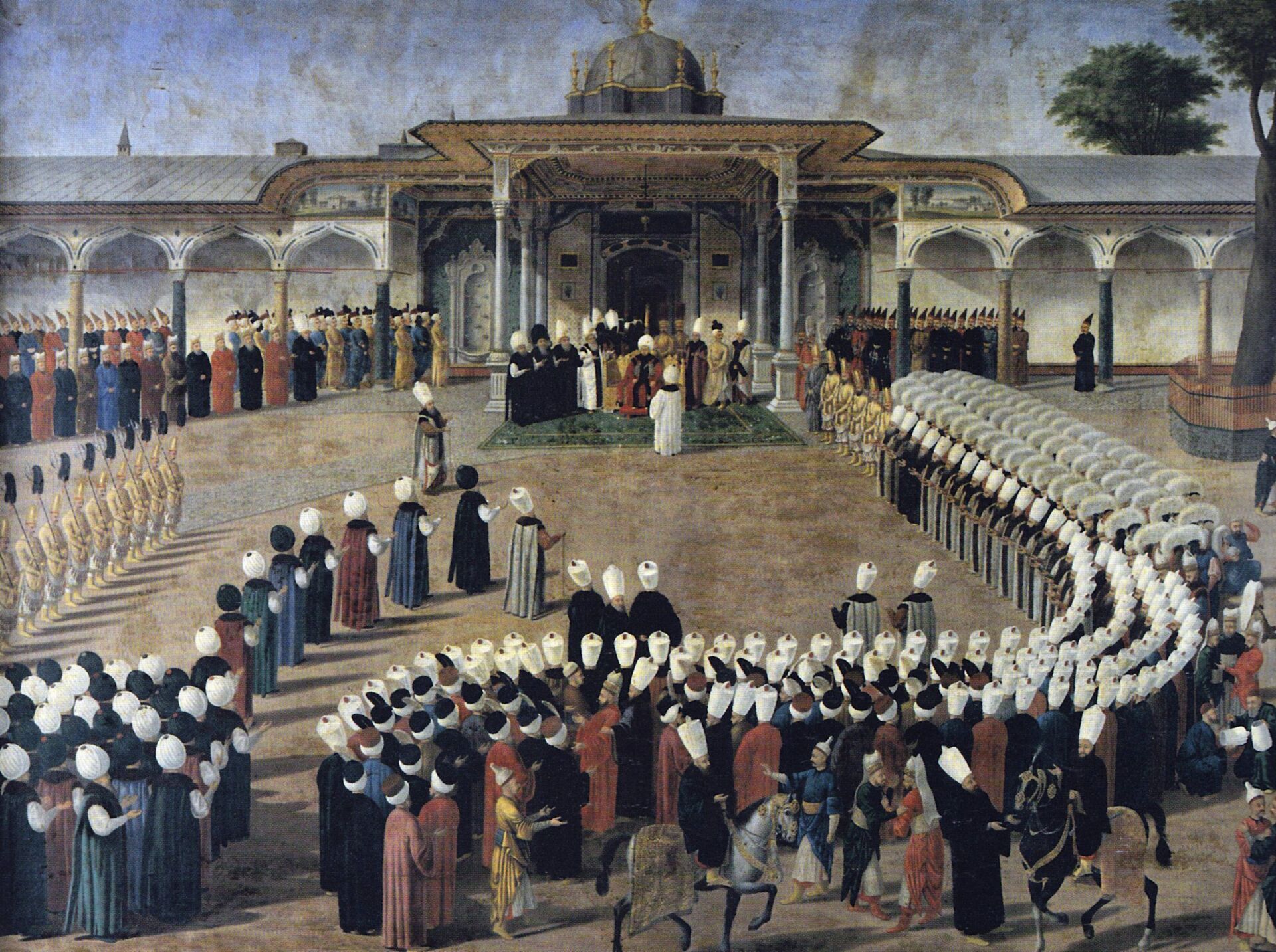
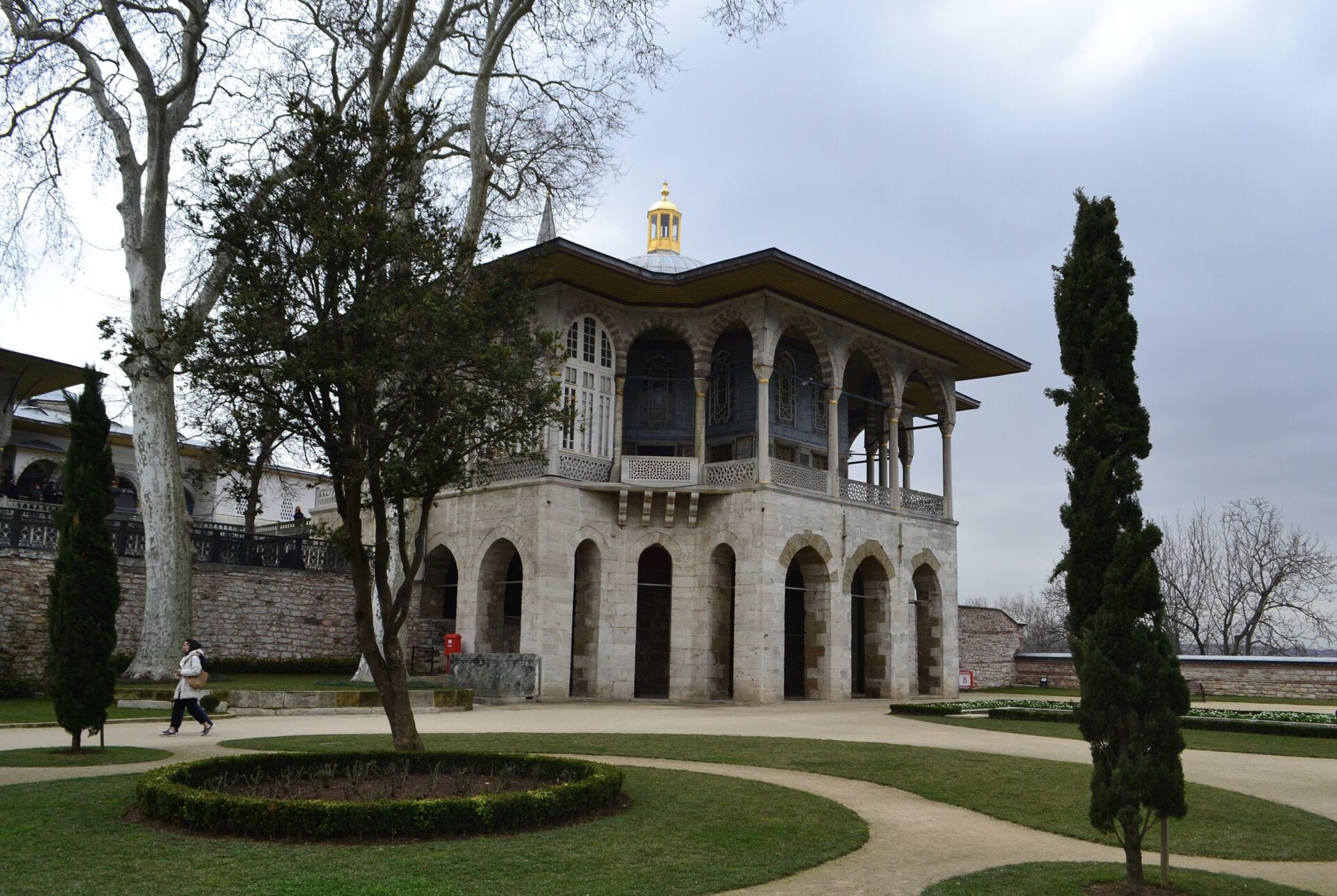
  • Topkapi Palace
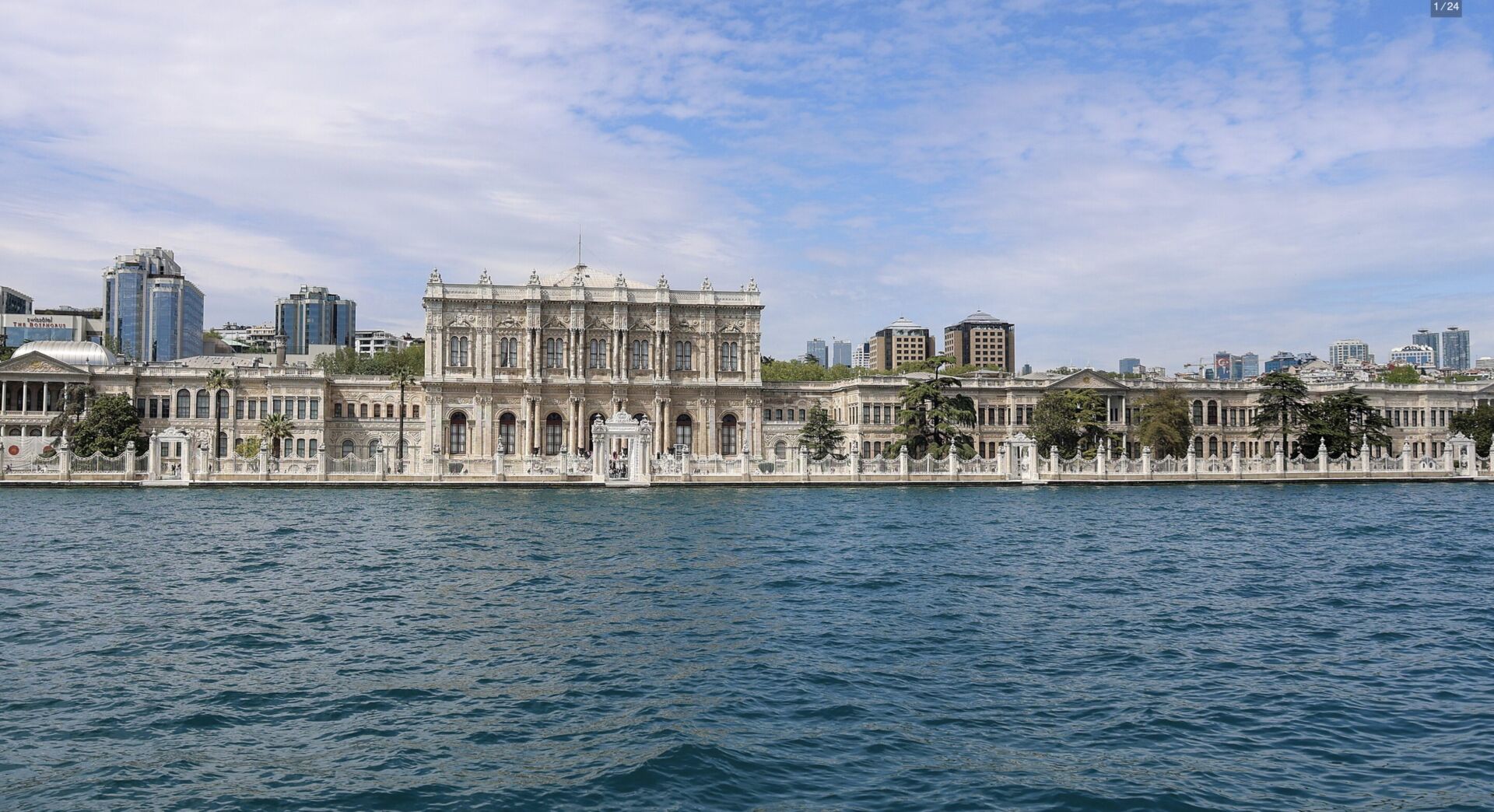
  • Dolmabahçe Palace
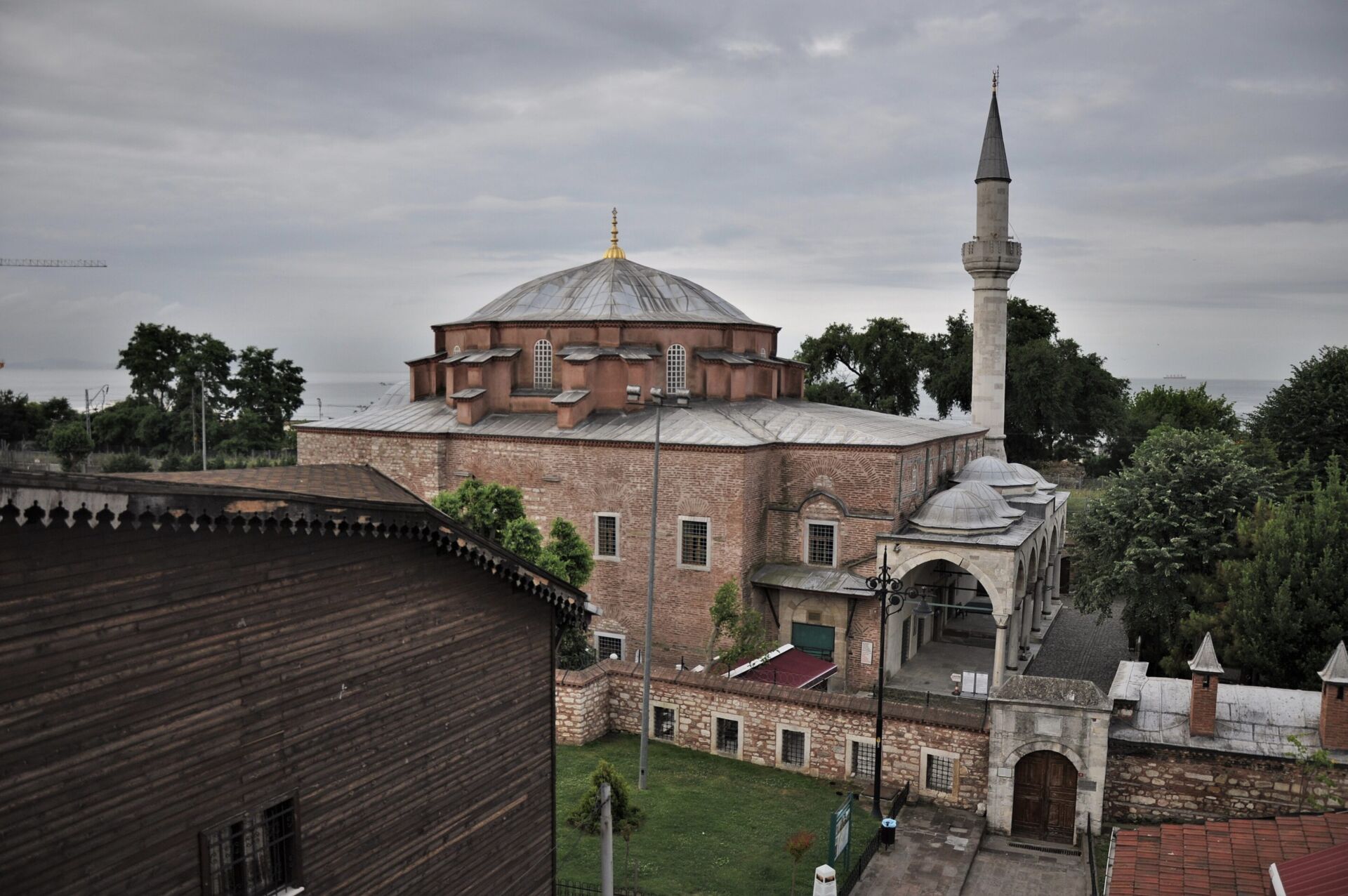
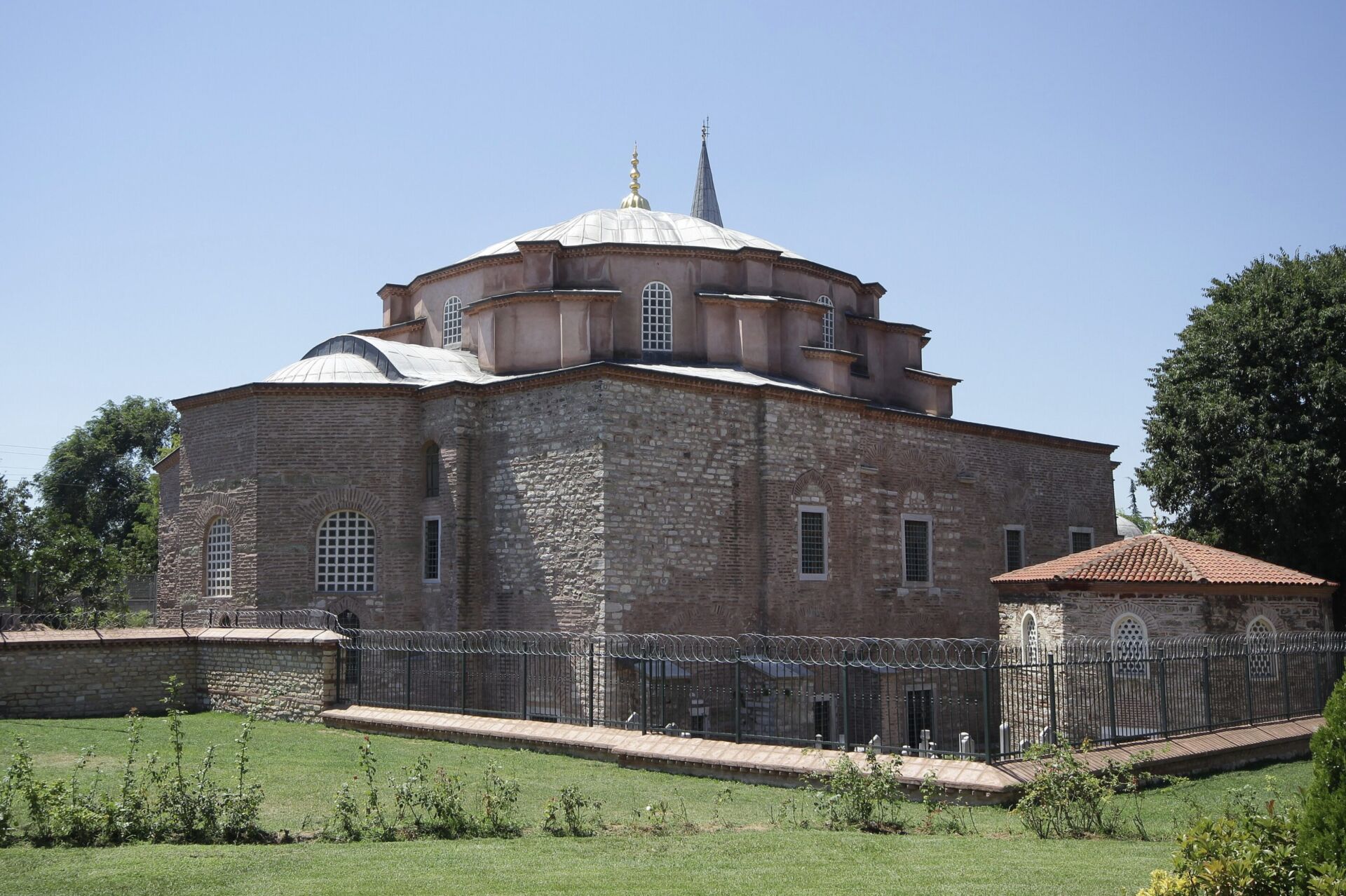
  • Küçük Ayasofya Mosque
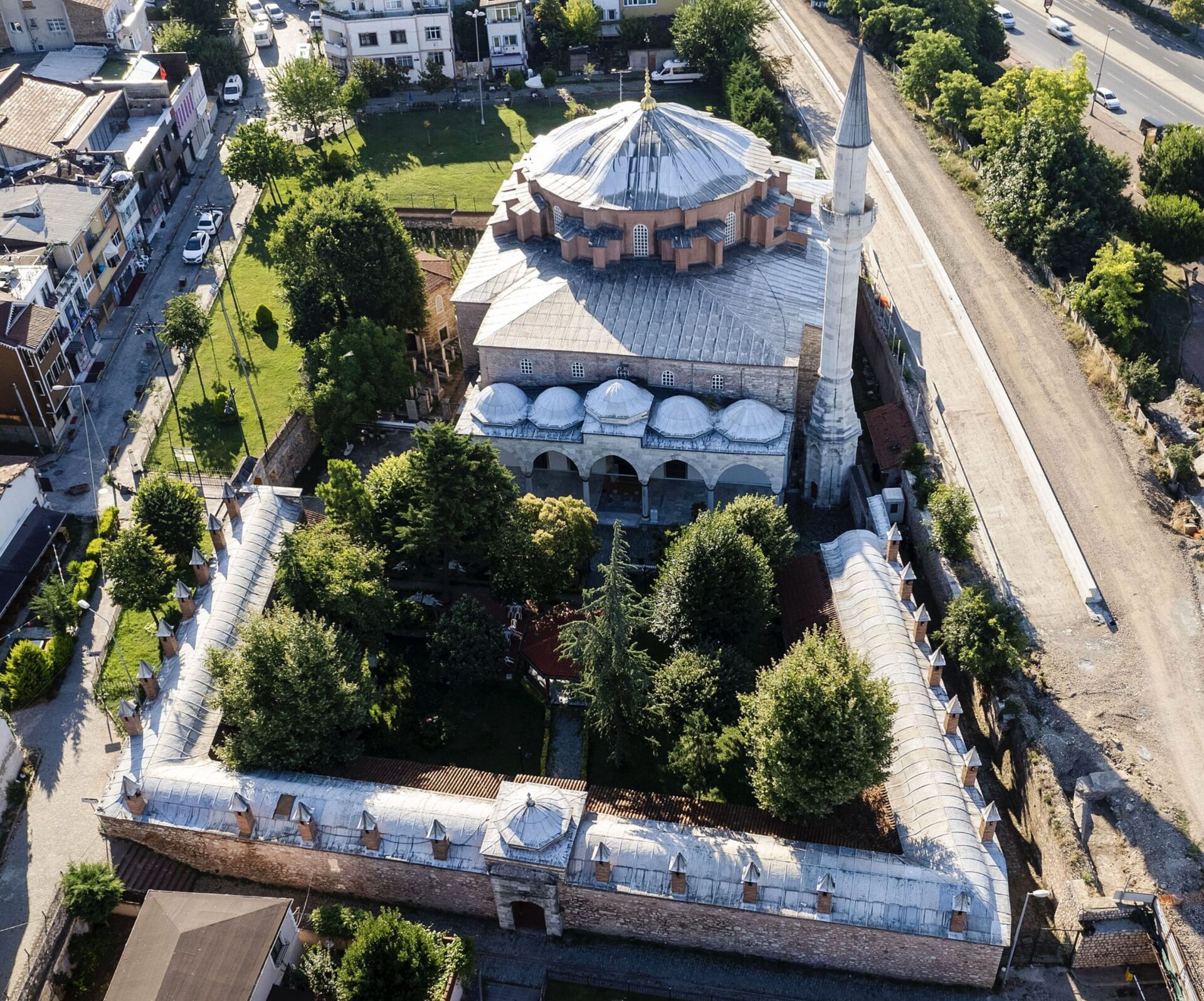
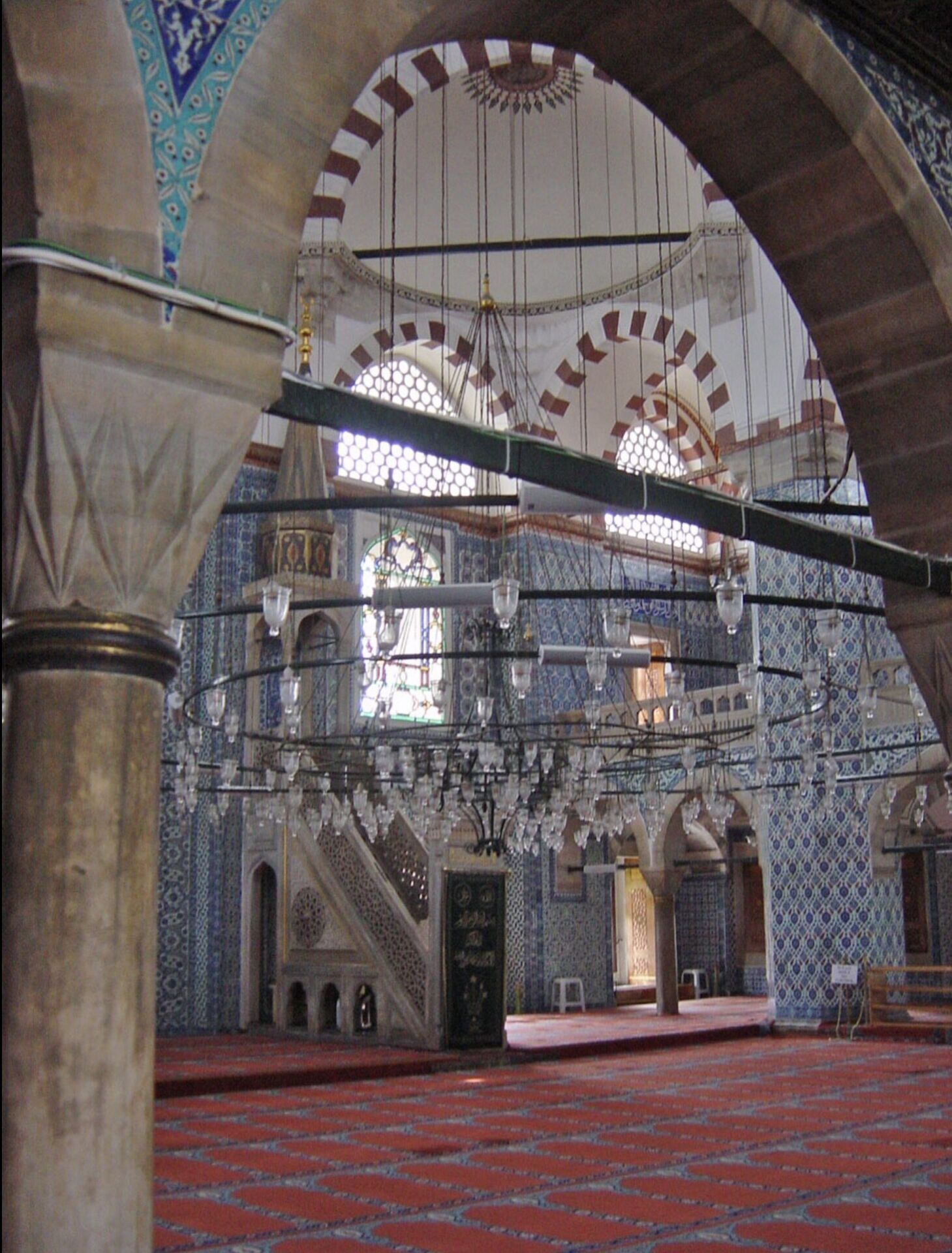
  • Rüstem Pasha Mosque
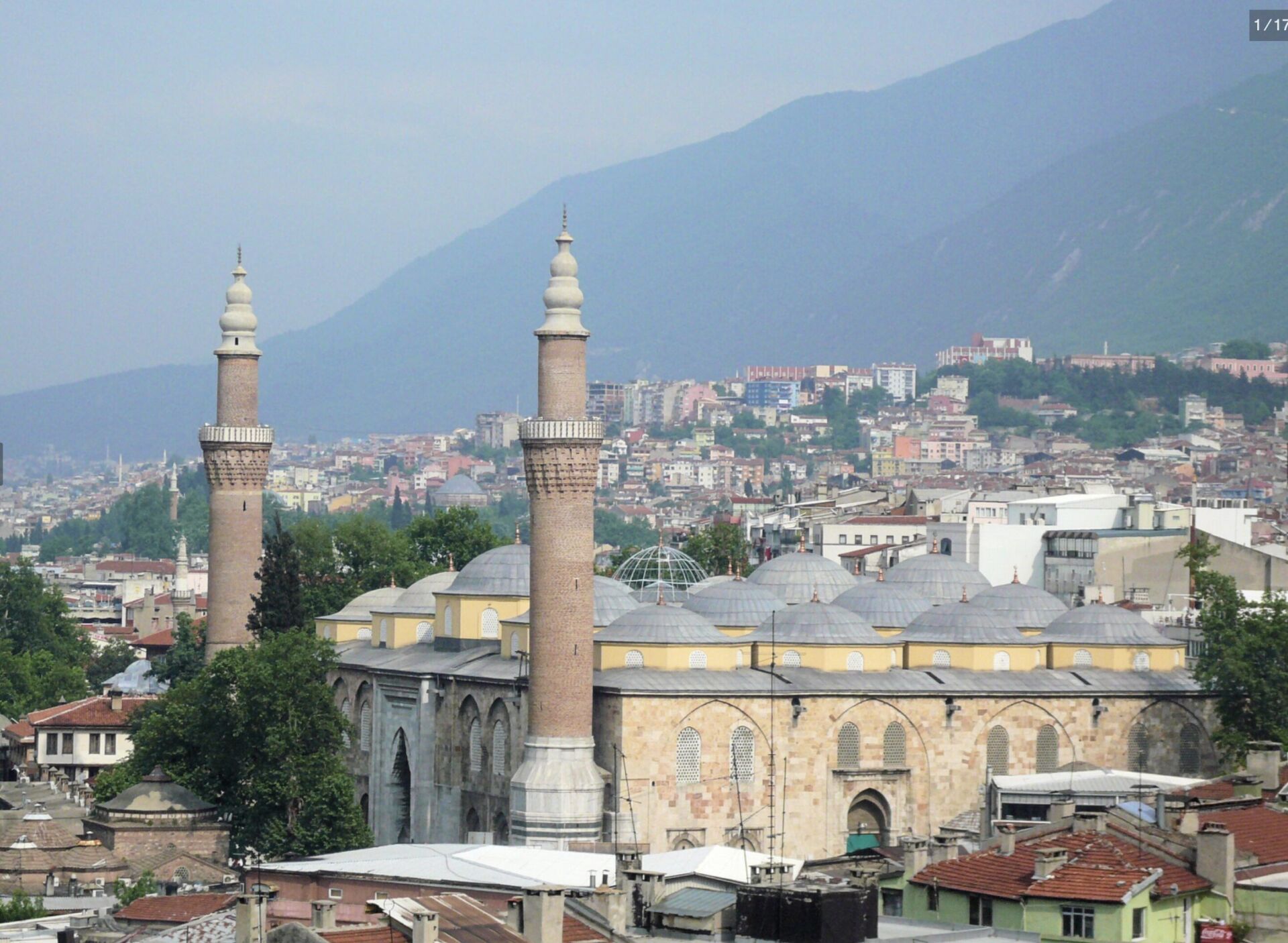
  • Great Mosque of Bursa
  • Mosque of Suleiman the Magnificent
  • Caravanserai (kervansaray / han)
  • Urban hans (city merchant inns)
  • Imaret complexes (charitable lodging + soup kitchen)
  • Tekke / zaviye (dervish/Sufi lodge) Communal sleeping
  • Medrese-linked lodging (student/visitor rooms)
  • Mosque-adjacent guest facilities
  • Byzantine-inherited urban lodging
  • Private hospitality networks
  • Külliye (mosque + support buildings)
  • Koza Han (Bursa) Urban “han” (merchant inns)— built 1491
  • Orhan Gazi Complex külliye (Bursa) — early 14th c.
  • Muradiye Complex külliye (Bursa) — 15th c
  • Caravanserais on the Bursa–Edirne–Balkans corridors
  • Zaviye/tekke lodges (Anatolia & Balkans)

Landmarks

Original Accommodation

Adapted Visitor Accommodation


Name

Address

Website