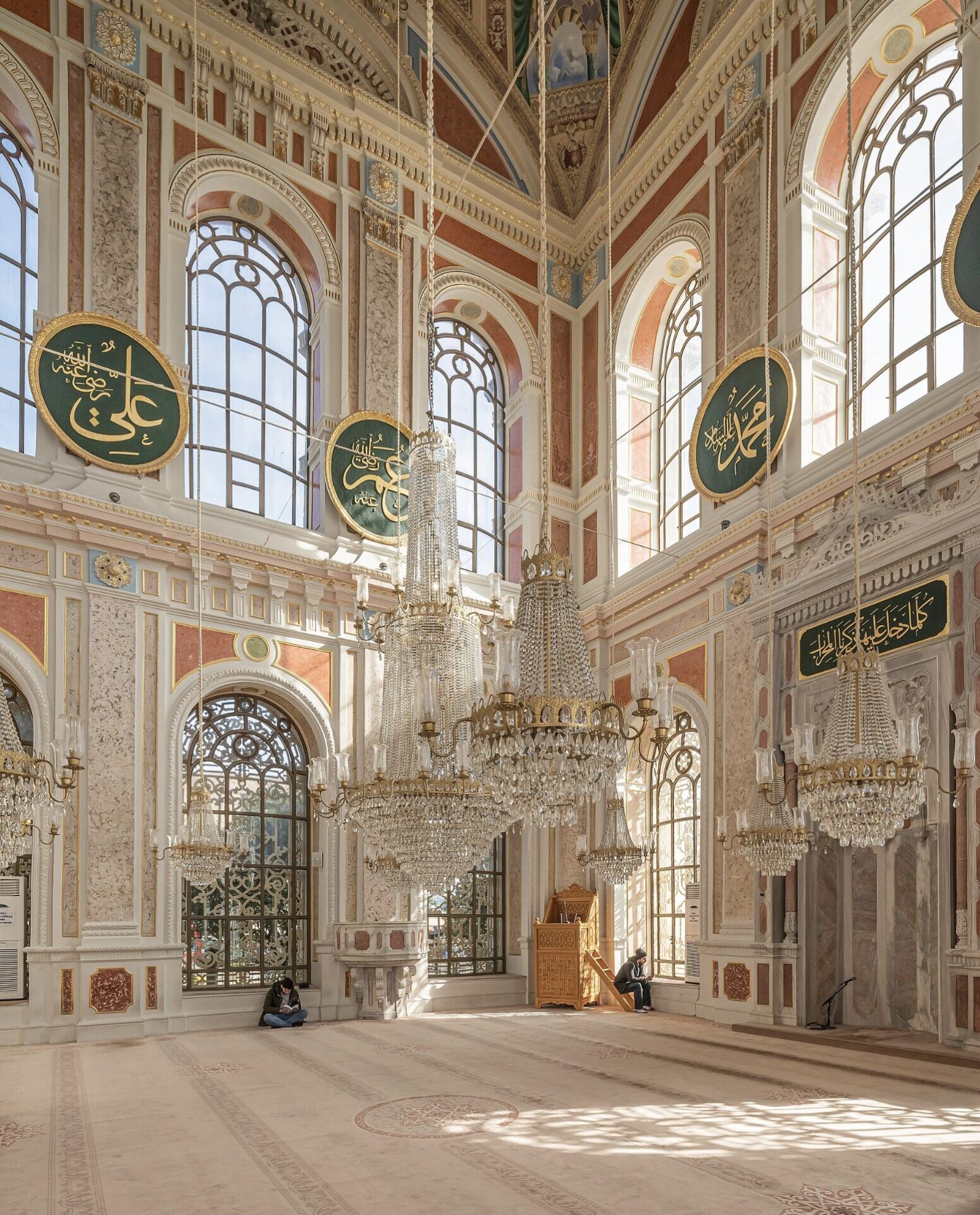
Architectural Styles

Ottoman Baroque

Alt names / subperiods 

Timeline

Distinguishing Features

Geographic Presence

Late Ottoman

Baroque revival


Wikipedia

1740s-1820s

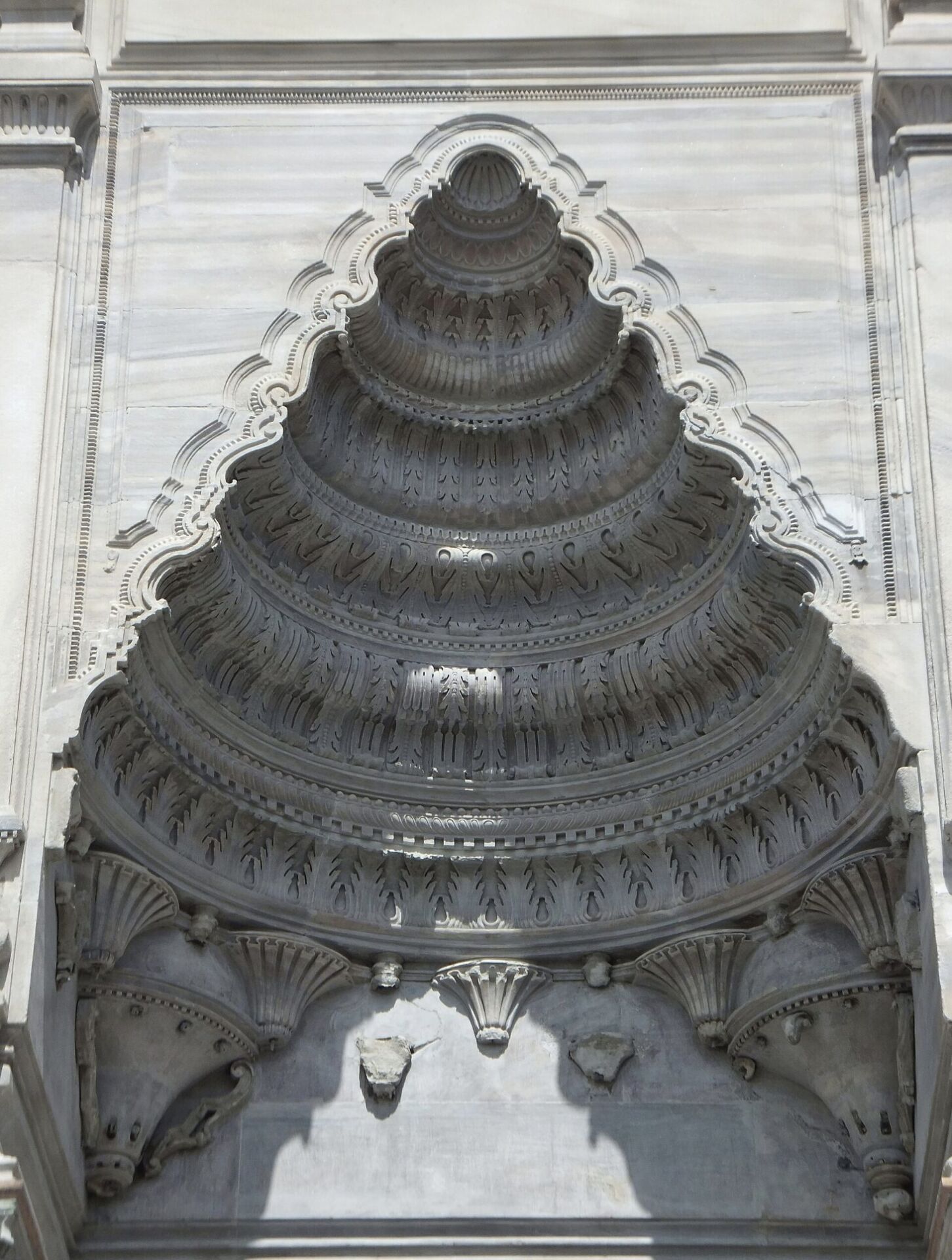
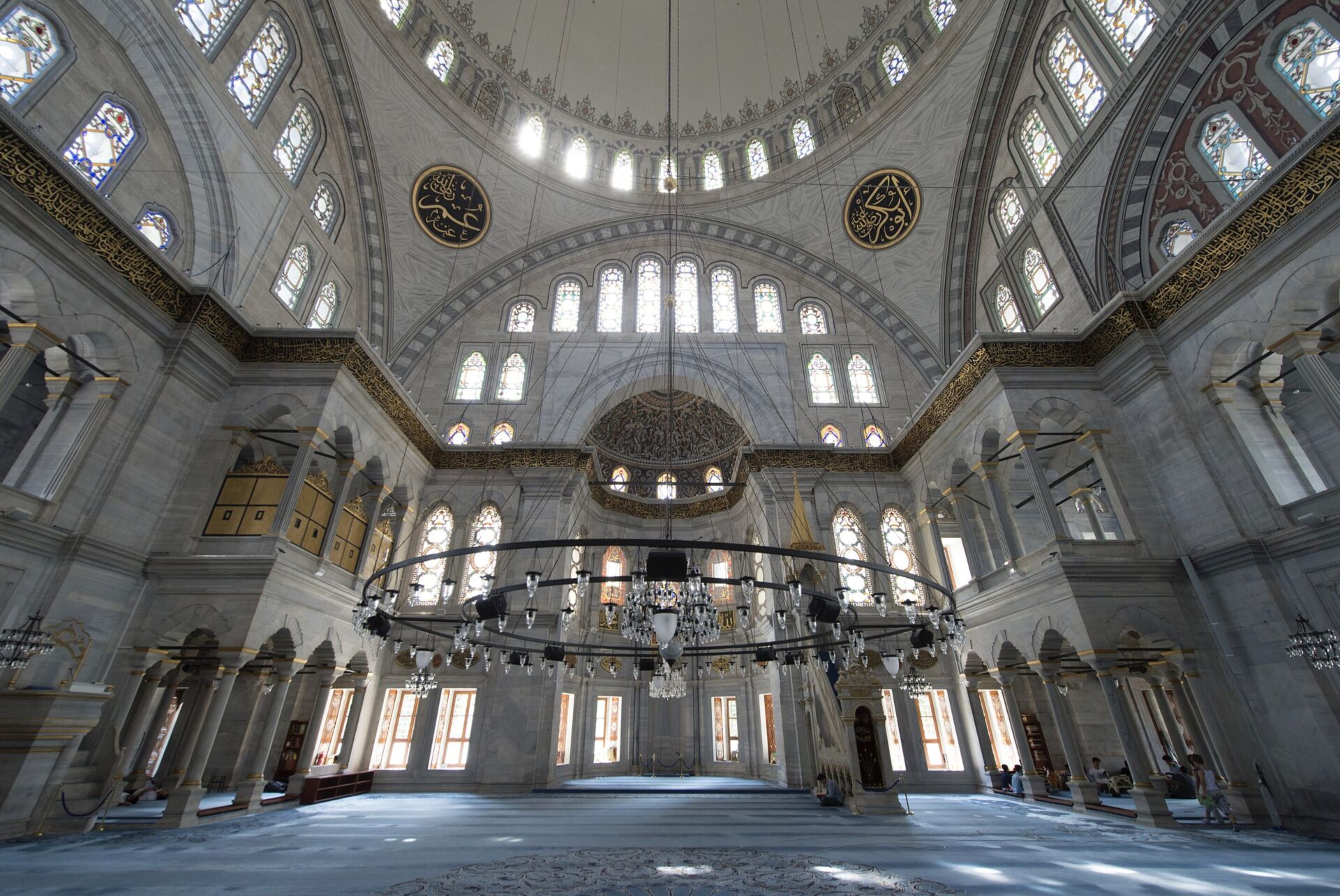
  • Intricate decorations
  • floral motifs
  • geometric patterns
  • calligraphy
  • large bulbous domes
  • vaults
  • decorative lanterns
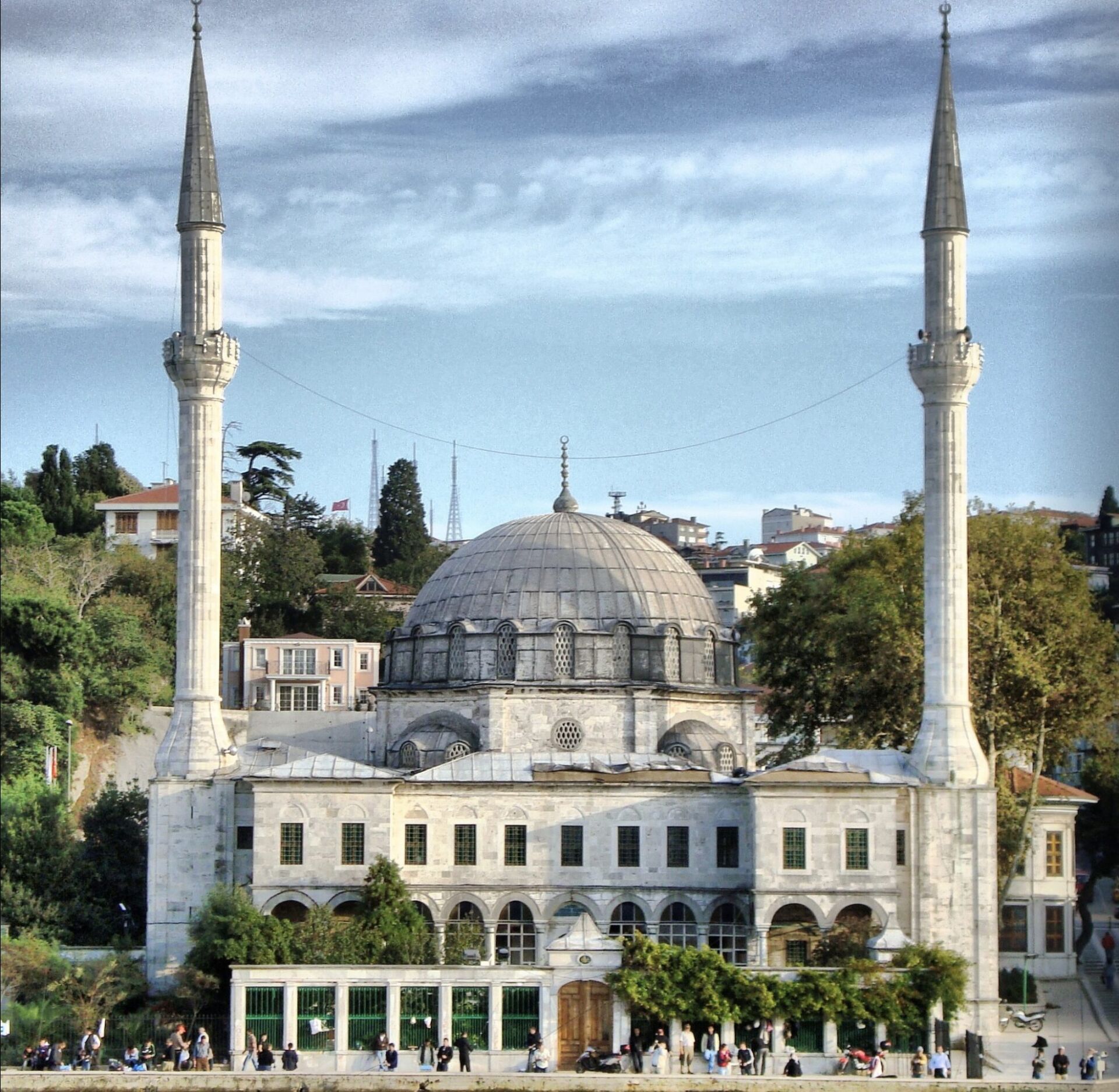
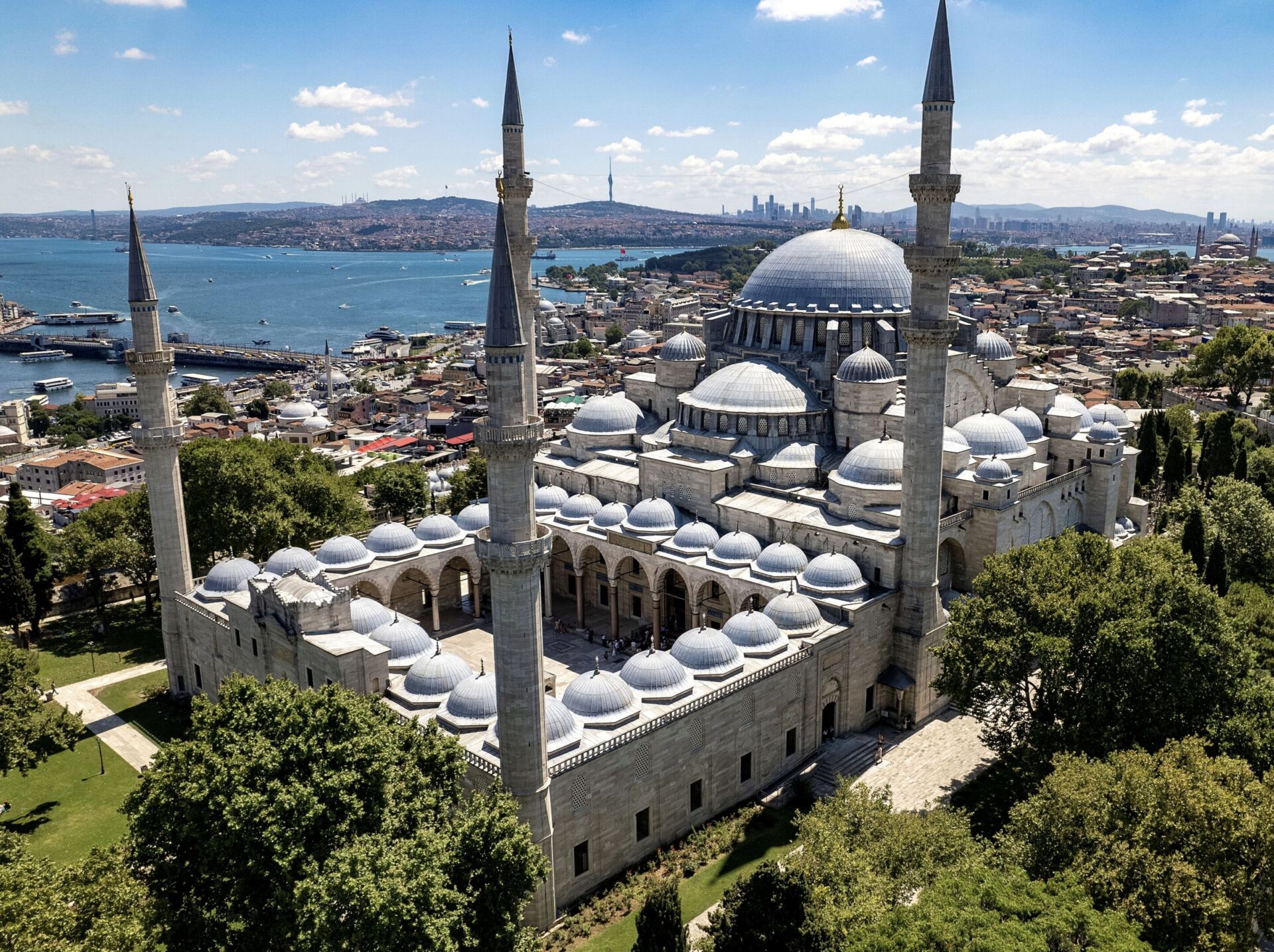
  • minarets
  • asymmetrical
  • complex spatial arrangements,
  • grand halls 
  • courtyards
  • luxurious materials,
  • marble, precious woods
  • intricate tile work,
  • Turkey
  • Ottoman Empire

Common Building Types

Landmark buildings

Historic Accommodation Types

Accommodation Examples

  • Mosques
  • palaces
  • bridges
  • bazaars
  • Govt buildings
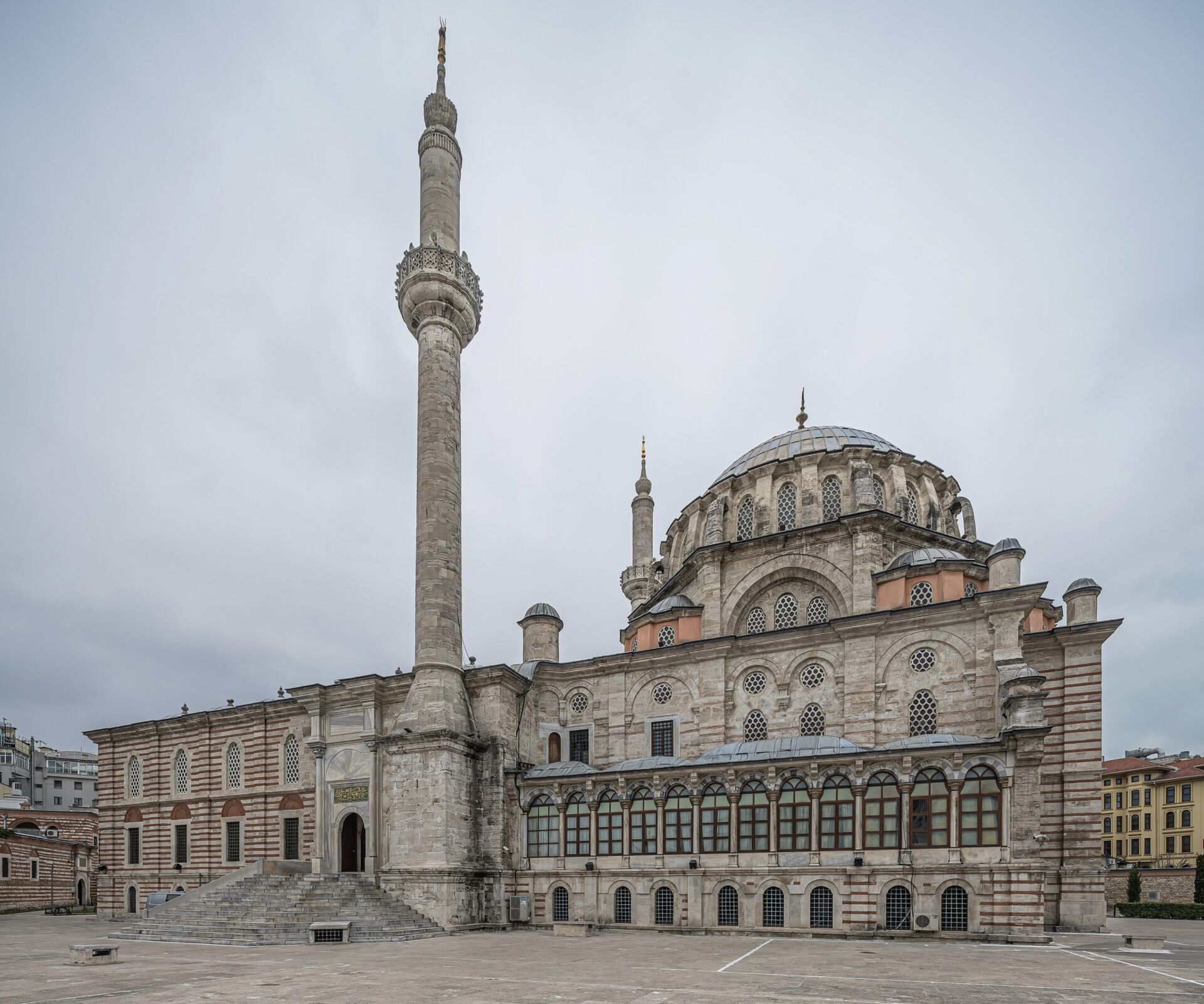
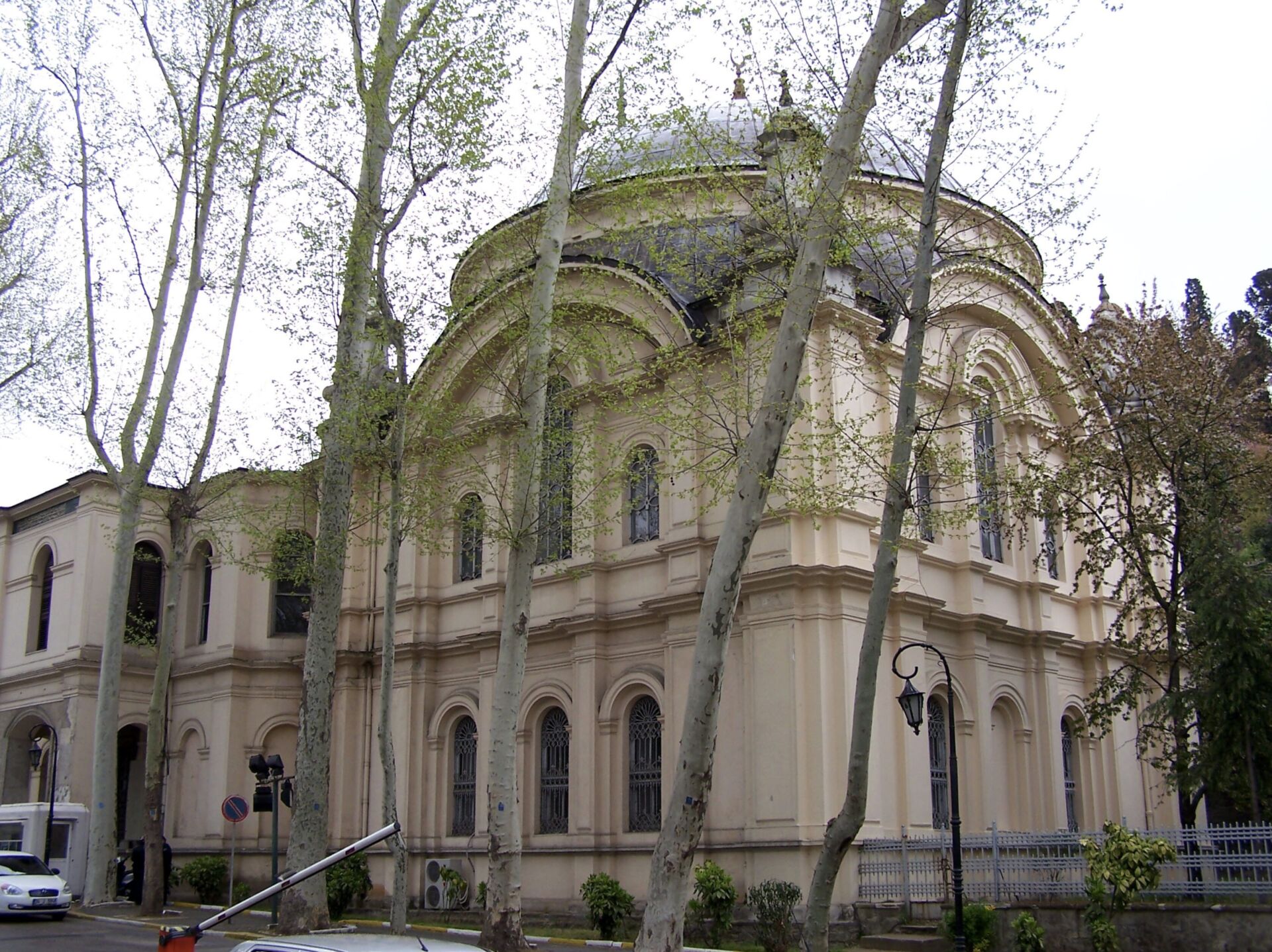
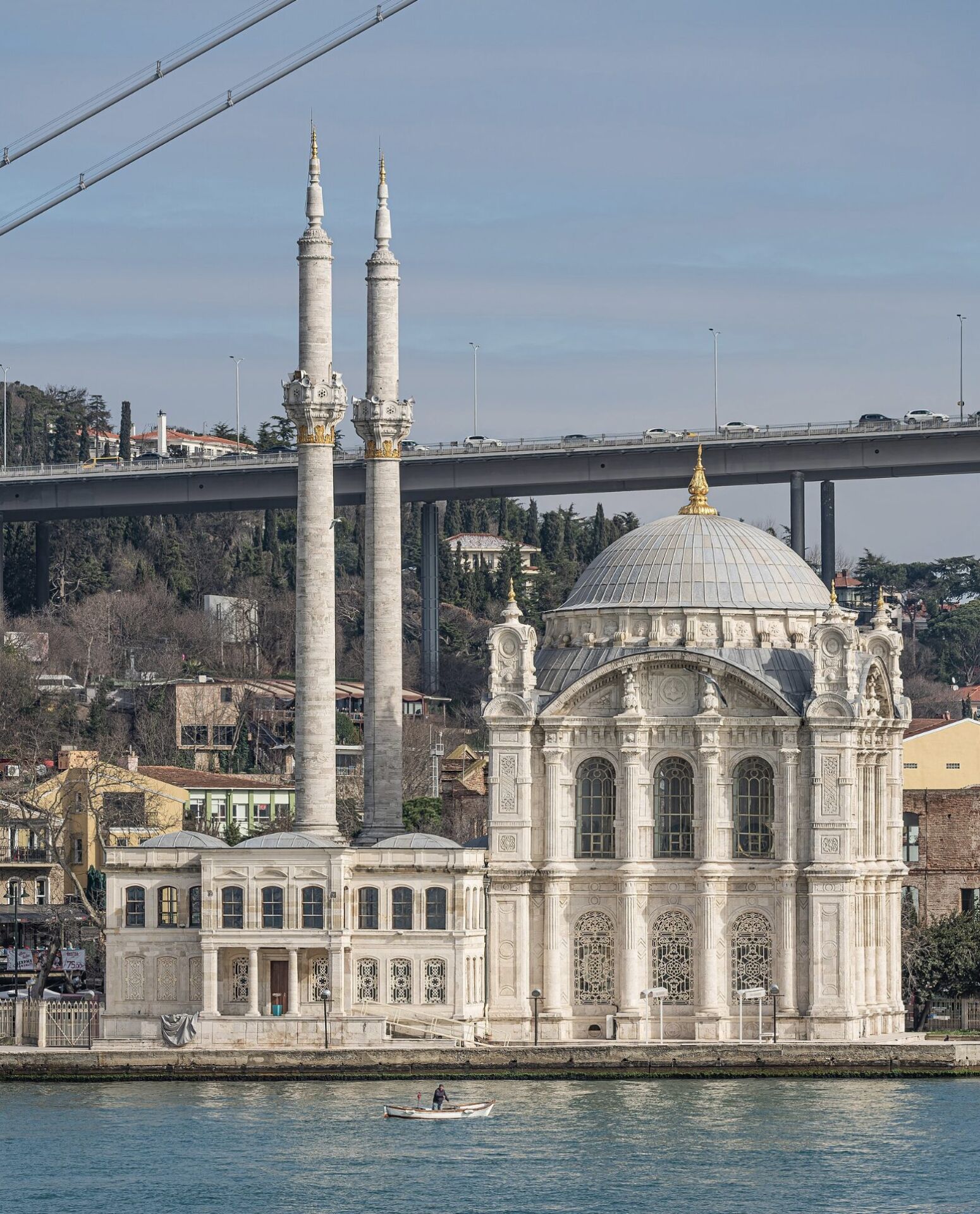
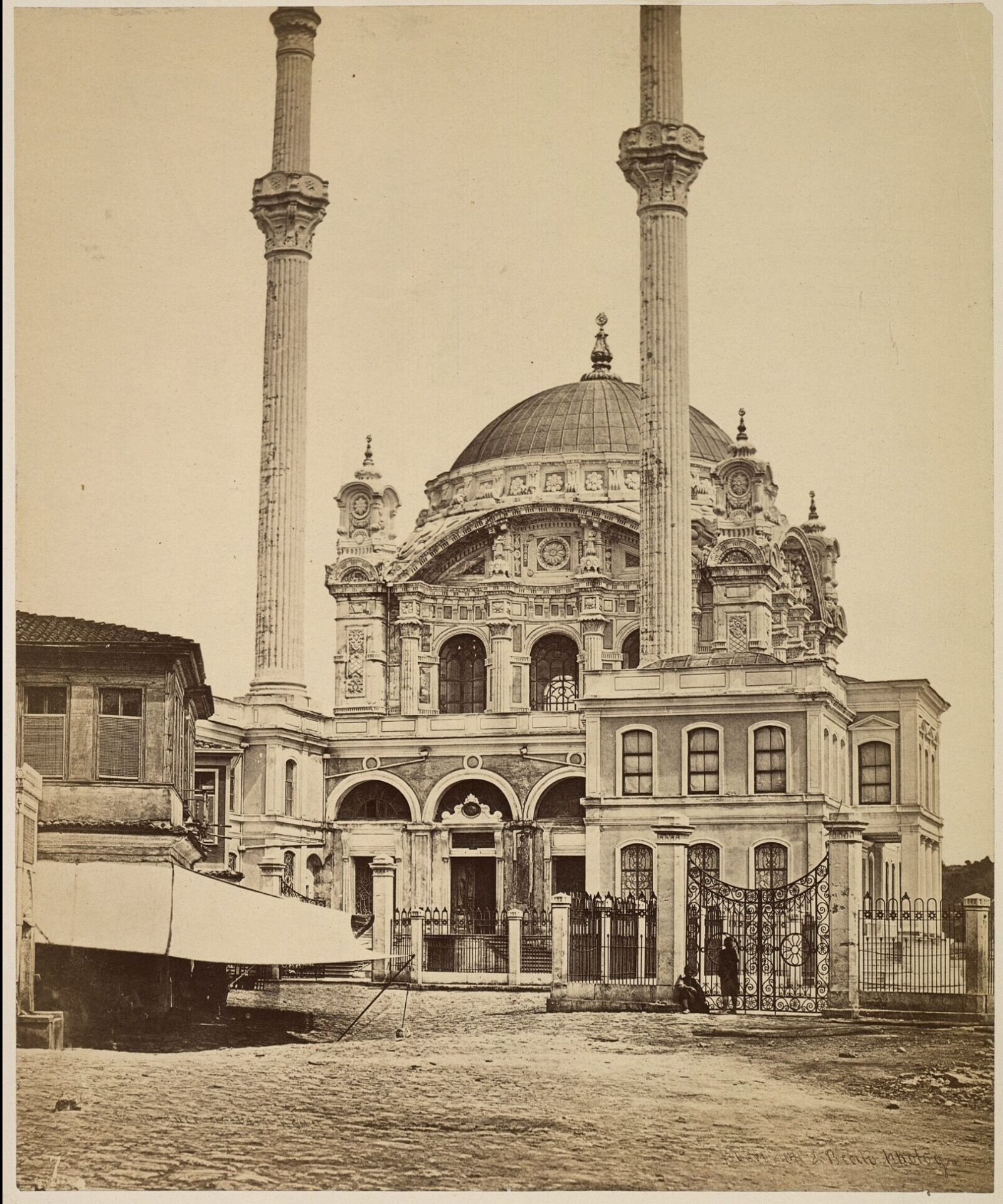
  • Istanbul Mosques  
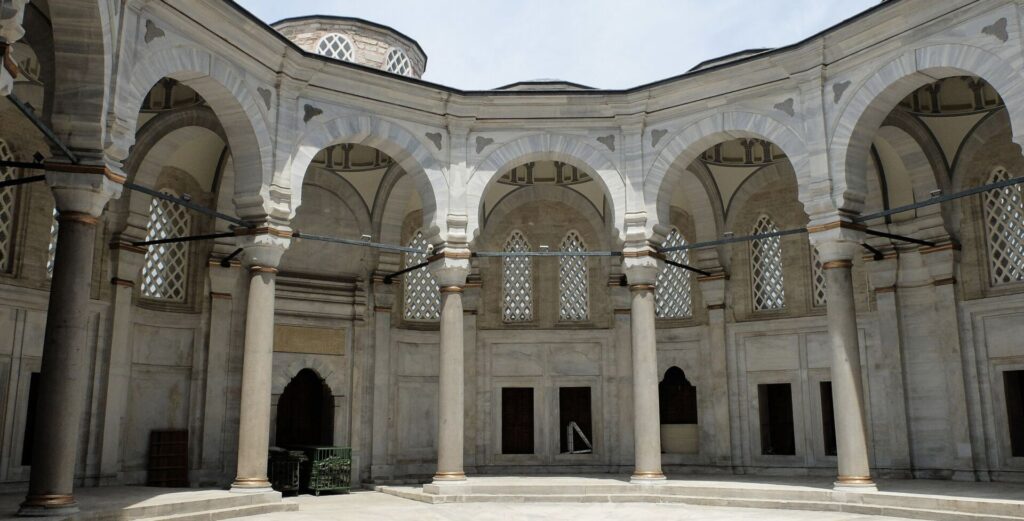
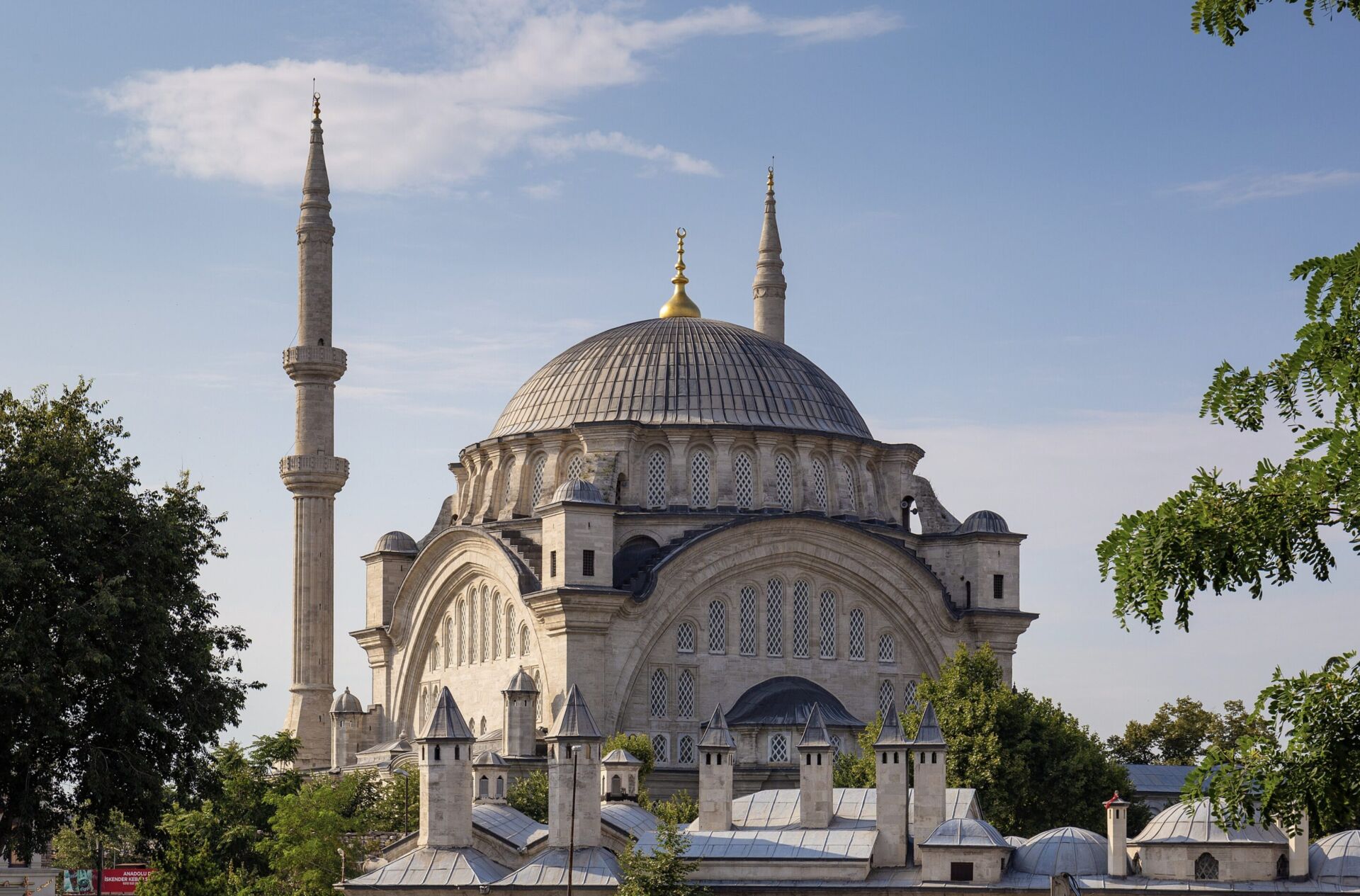
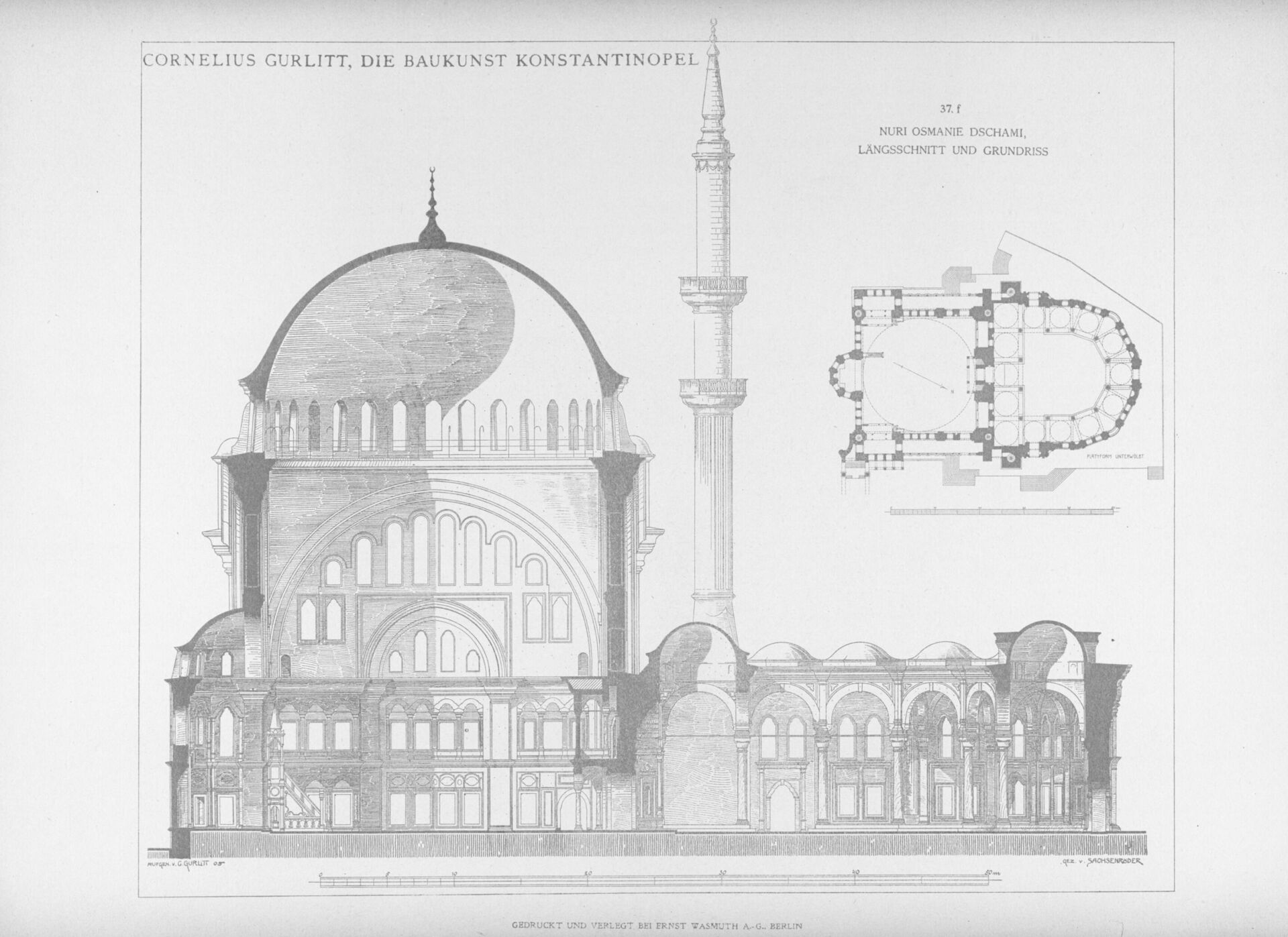
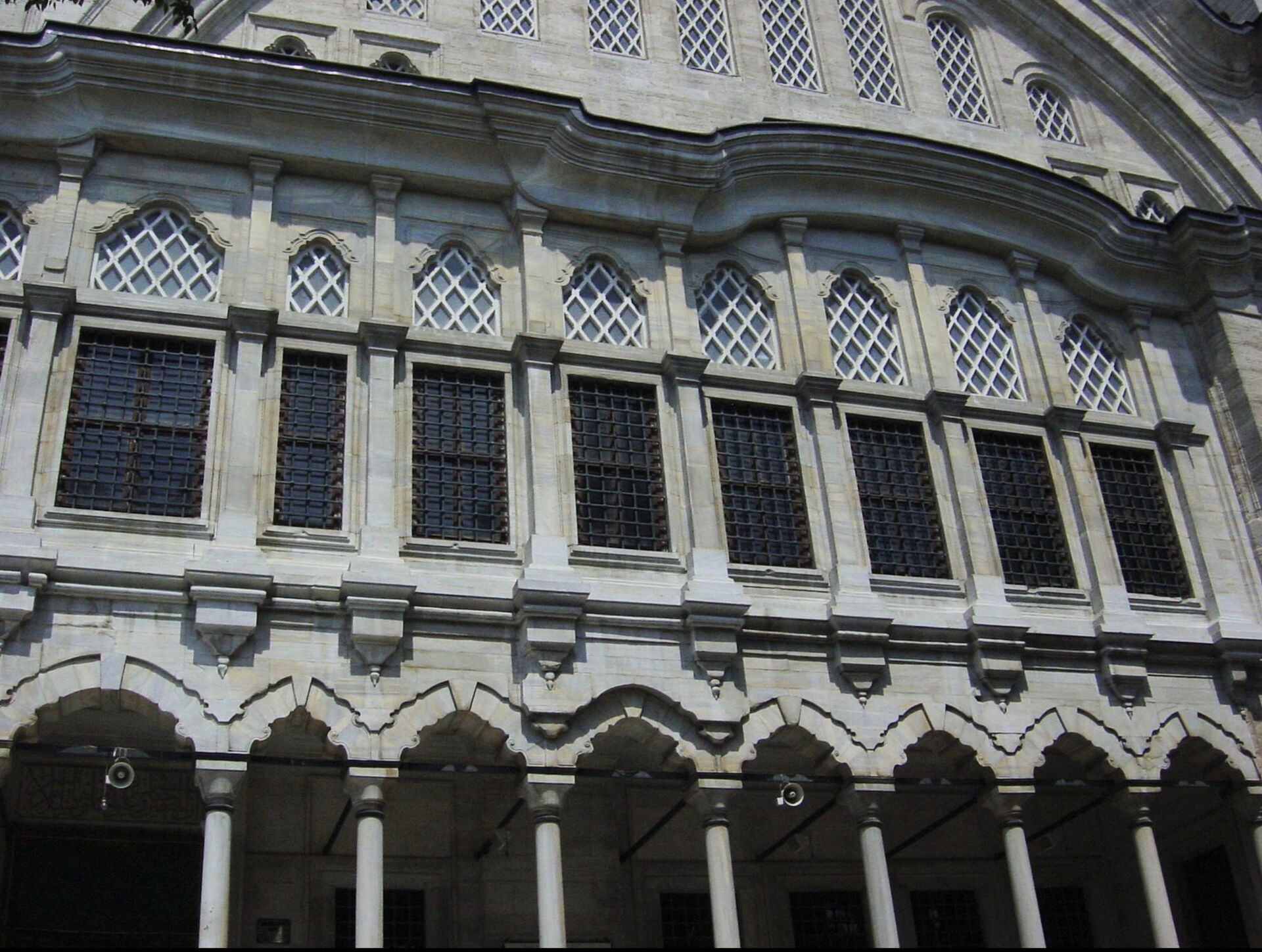
  • Nuruosmaniye
  • Süleymaniye (Renovations)
  • Laleli
  • Küçük Mecidiye
  • Beşiktaş,
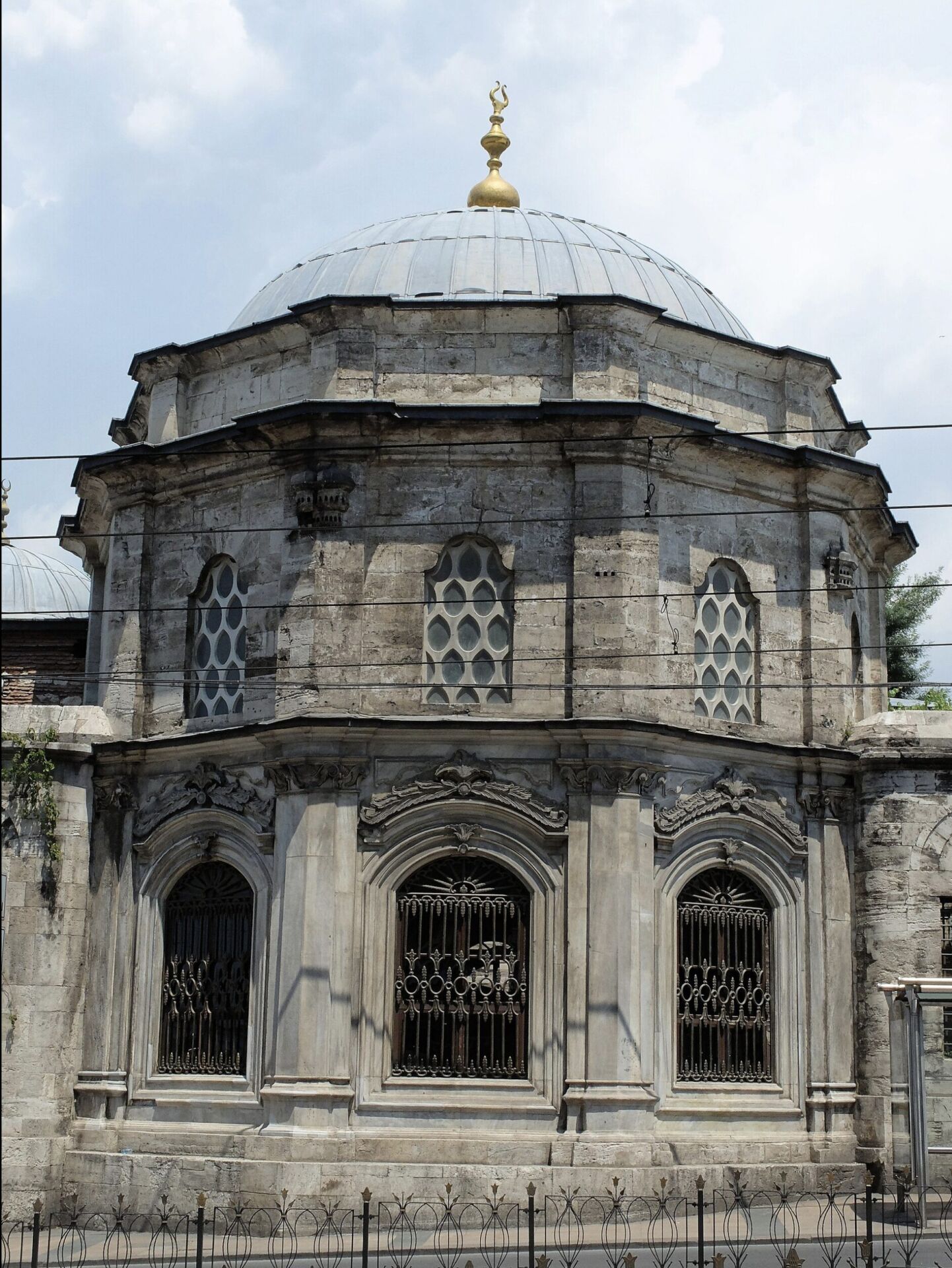
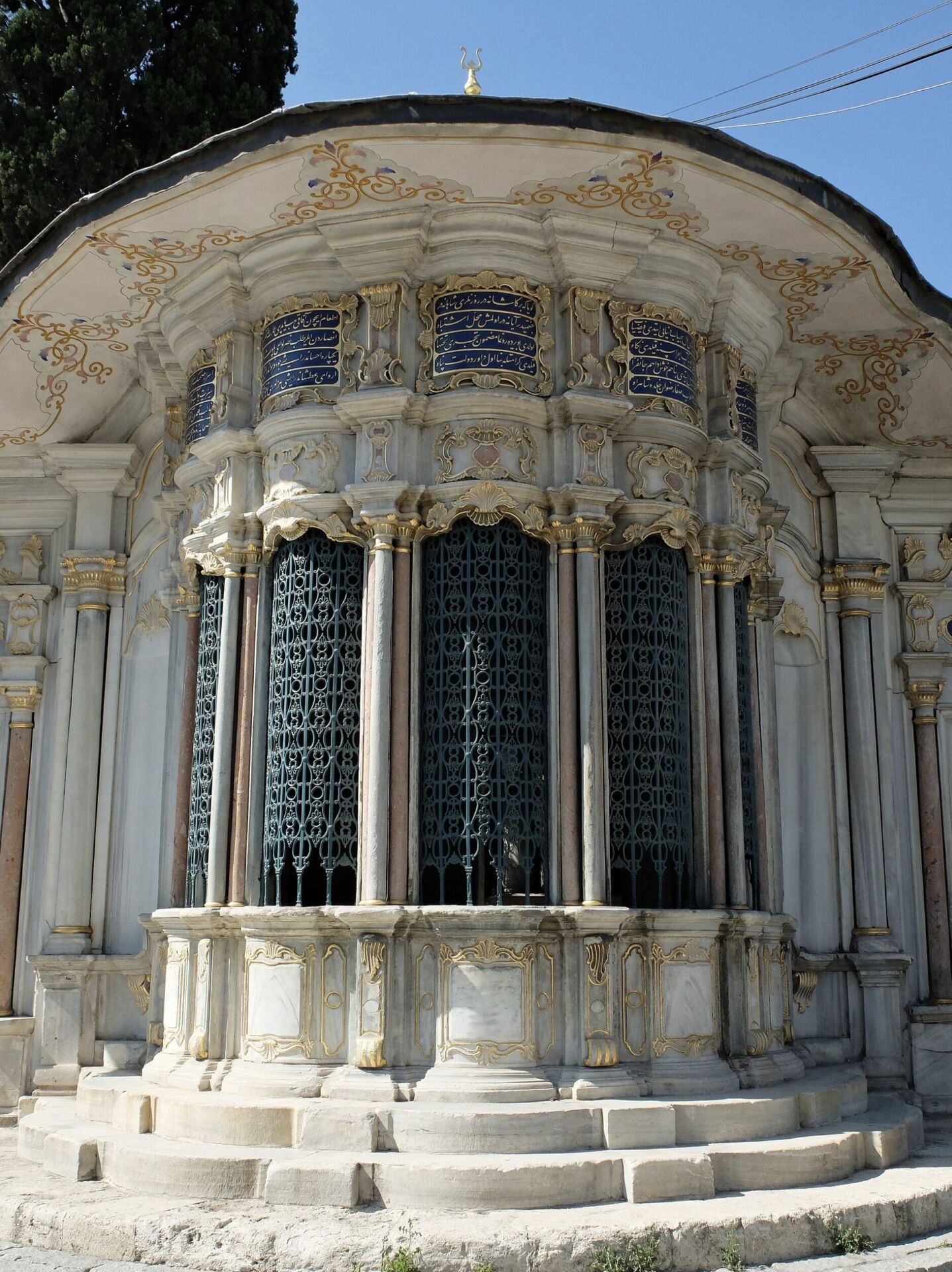
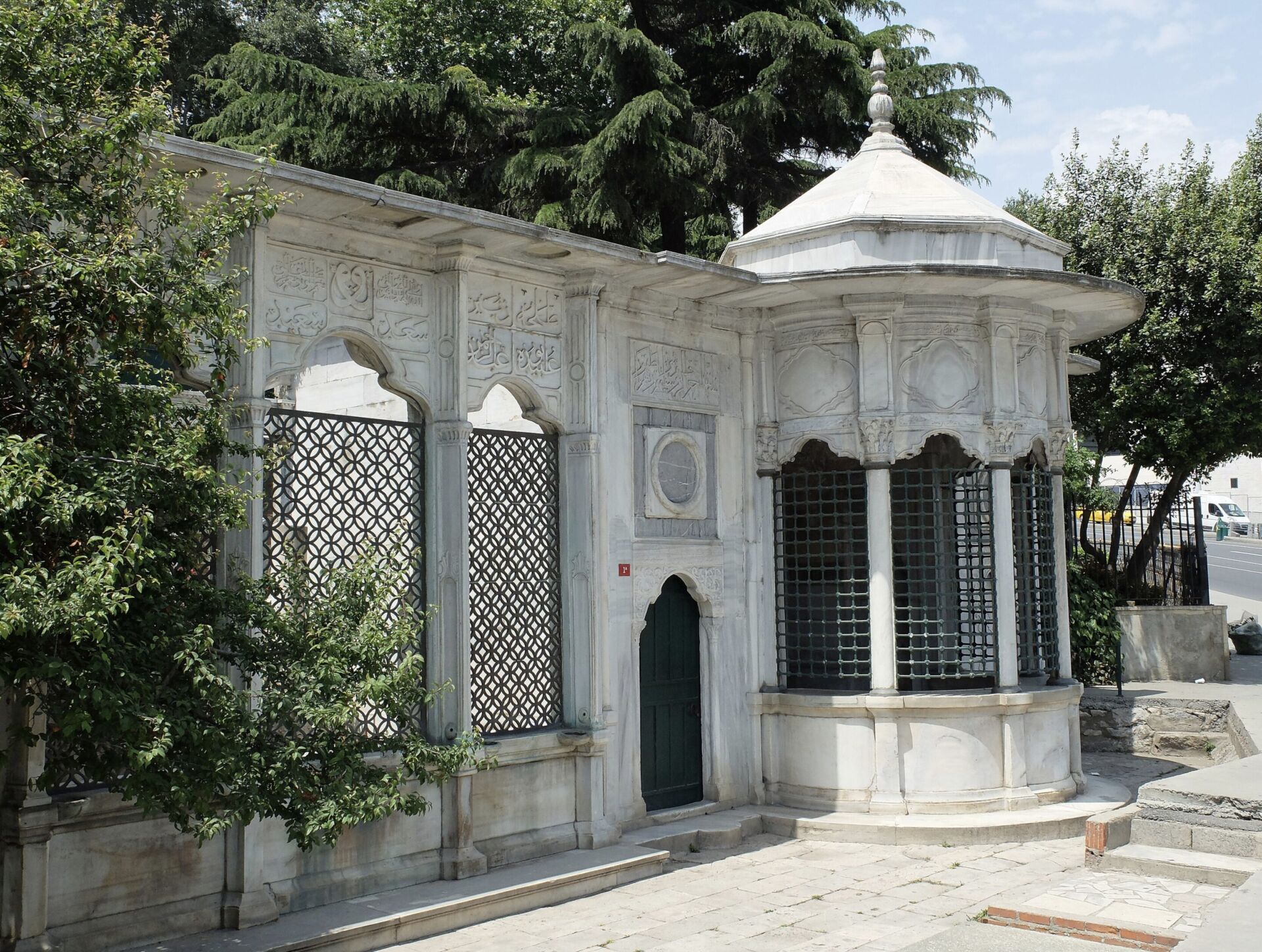
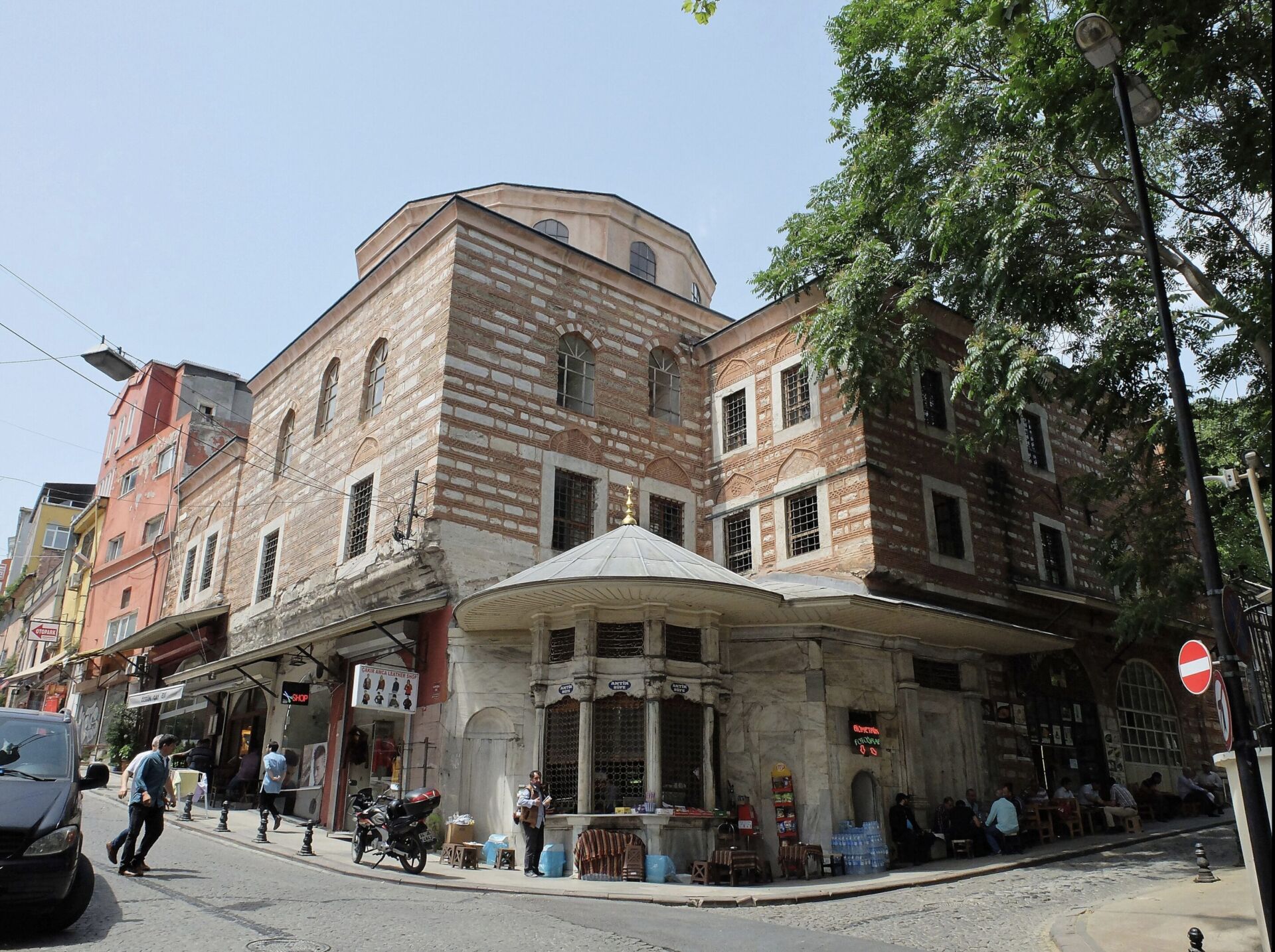
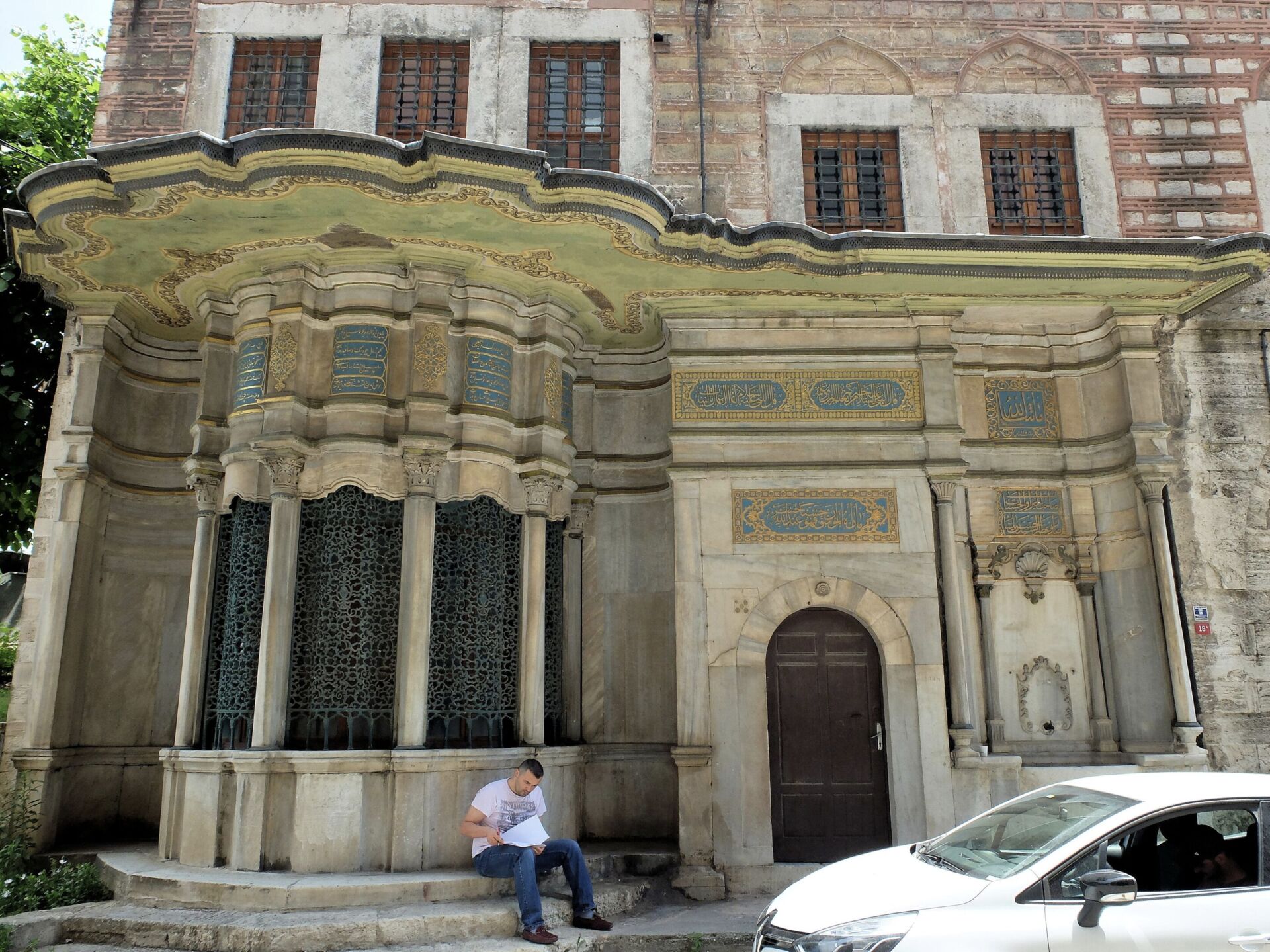
  • Sebil of the Mihrişah Sultan Complex
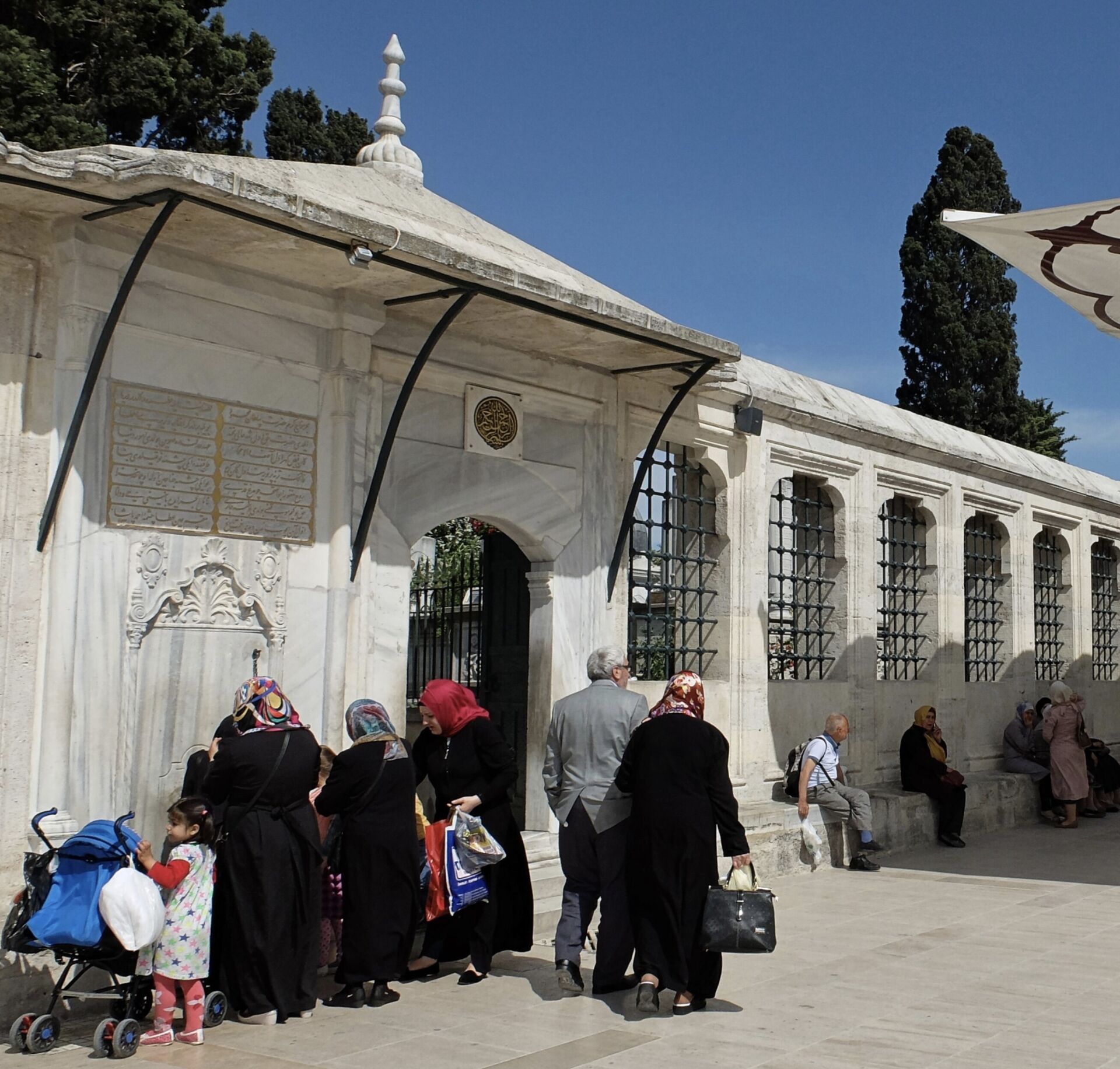
  • Hacı Mehmet Emin Ağa Sebil, 
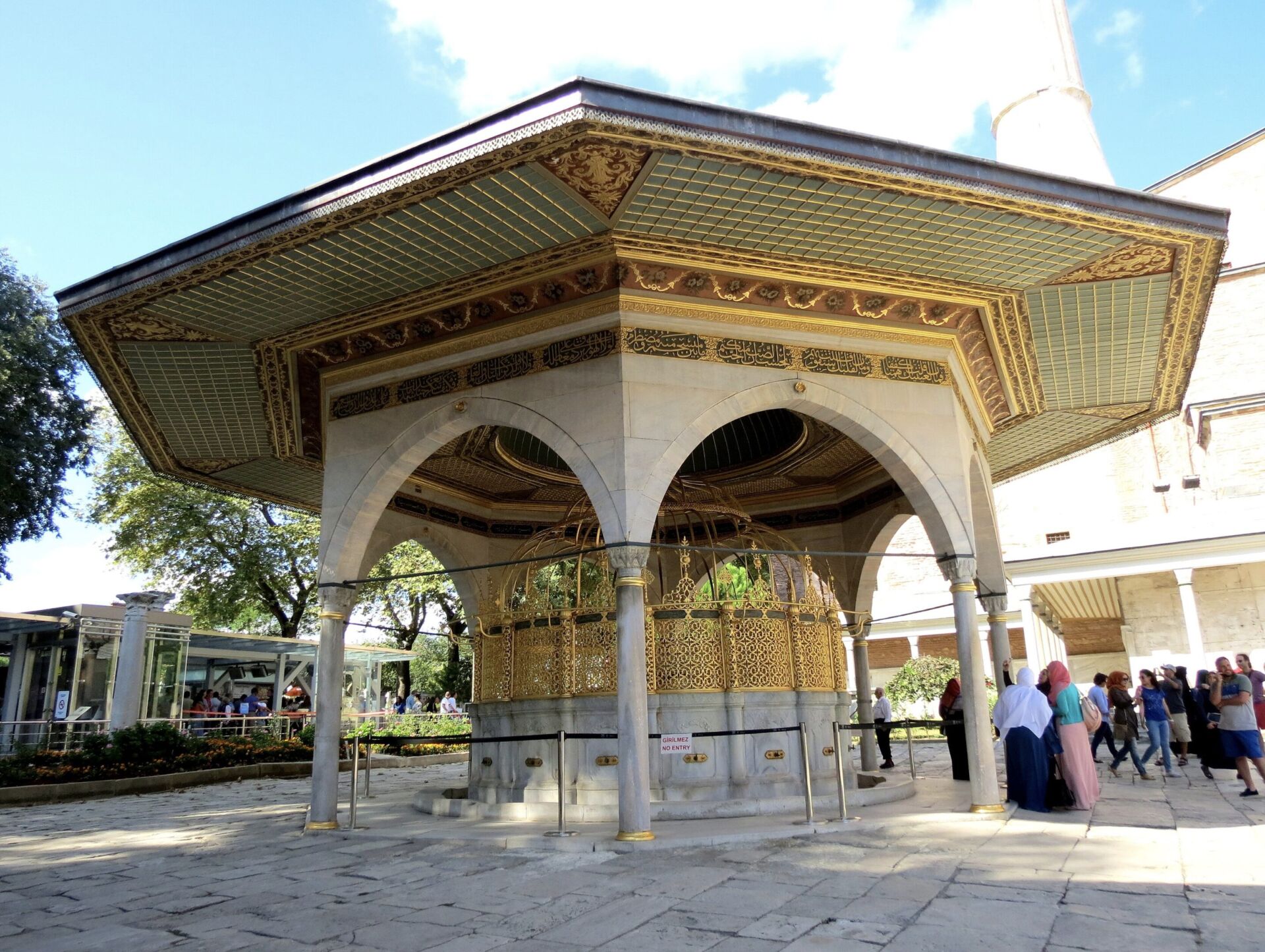
  • Fountain of Mahmud I at Hagia Sophia
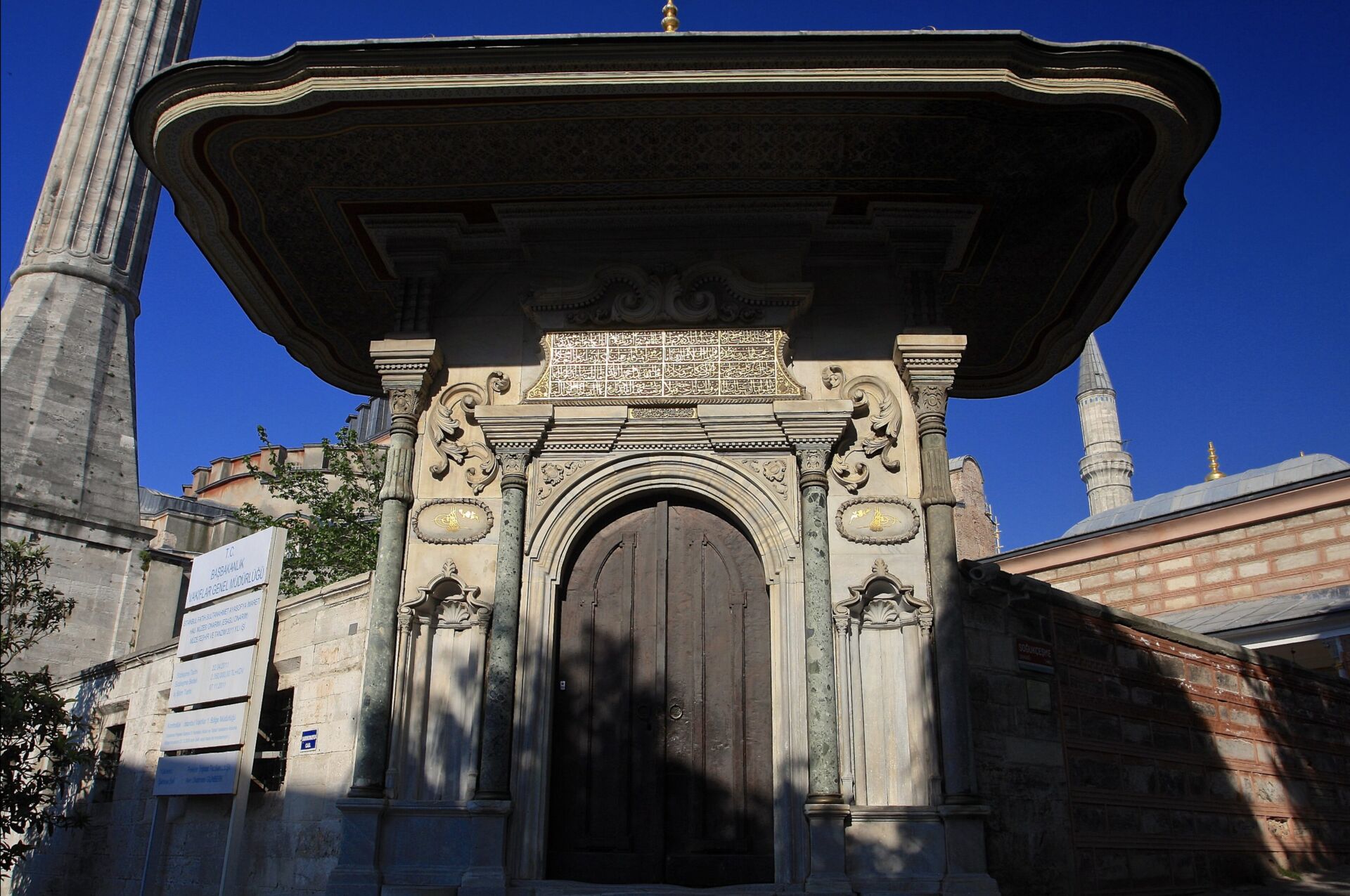
  • Gate to the imaret of Hagia Sophia
  • Beşir Ağa Mosque and sebil,
  • Sebil of the Seyyid Hasan Pasha complex
  • Beylerbeyi Mosque 
  • Palace / imperial residence hotels
  • Bosphorus yalı (waterfront mansion) hotels
  • Ottoman konak (mansion) boutique hotels
  • Ottoman konak (mansion) boutique hotels
  • Ottoman waterfront / embassy residence conversions
  • Serviced apartments in late Ottoman classical buildings

Adaptive Reuse

  • Çırağan Palace Kempinski Istanbul
  • smaller historic “Ottoman mansion” (konak / yalı) Boutique hotels
  • “Istanbul mansion” hotels — Istanbul – Hotel Miniature, Celine Hotel Istanbul
  • Bosphorus Yalı Mansionsinclude converted waterfront mansions operating as boutique stays or luxury guesthouses
  • Converted late Ottoman era konak (urban mansions) and wealthy elite residences Sultanahmet, Beyoğlu, and along the Bosphorus

Landmarks

Original Accommodation

Adapted Visitor Accommodation