Architectural Styles

Norman

Alt names / subperiods 

Timeline

Distinguishing Features

Geographic Presence

Romanesque


Wikipedia

1066-12th C

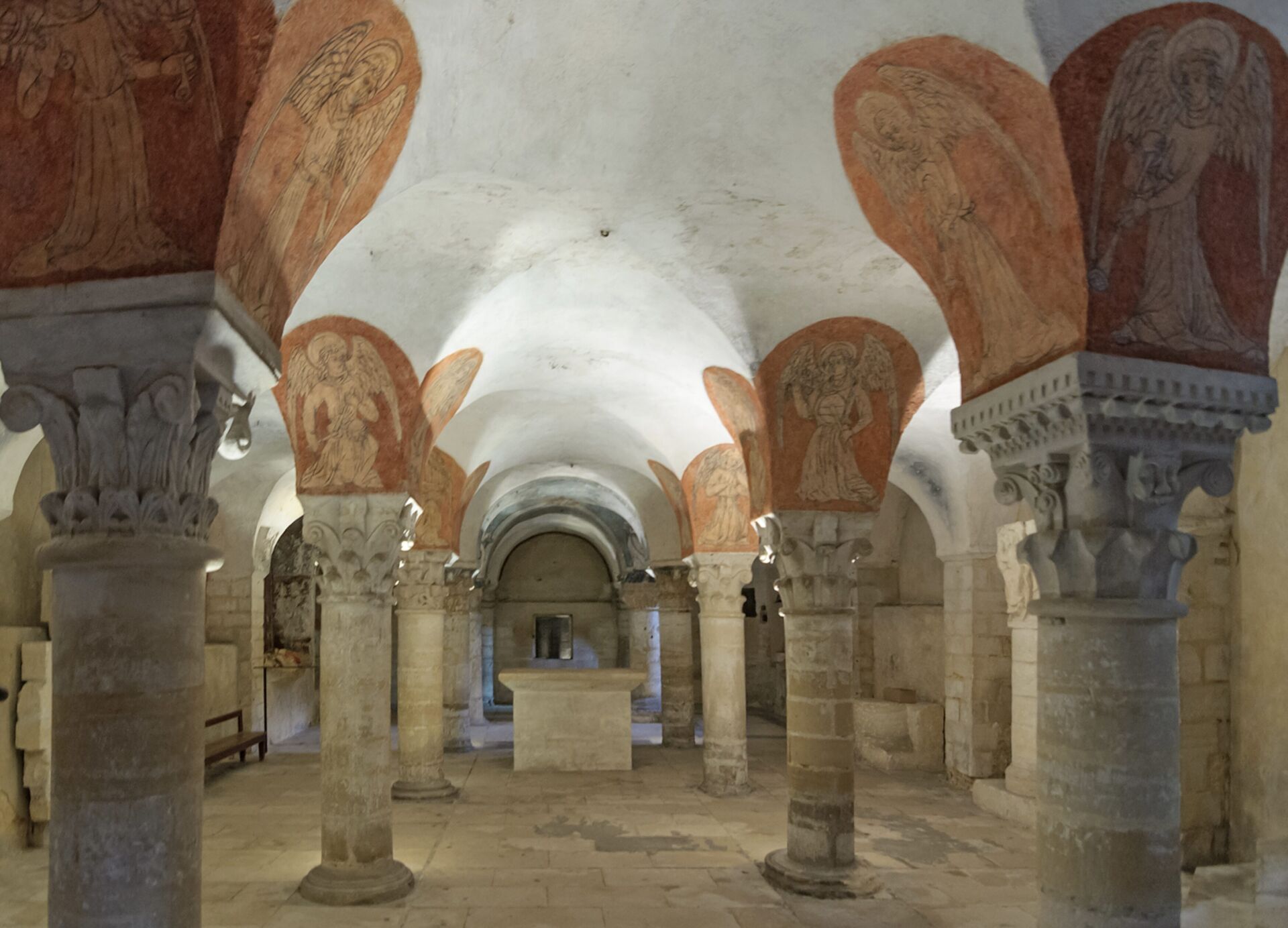
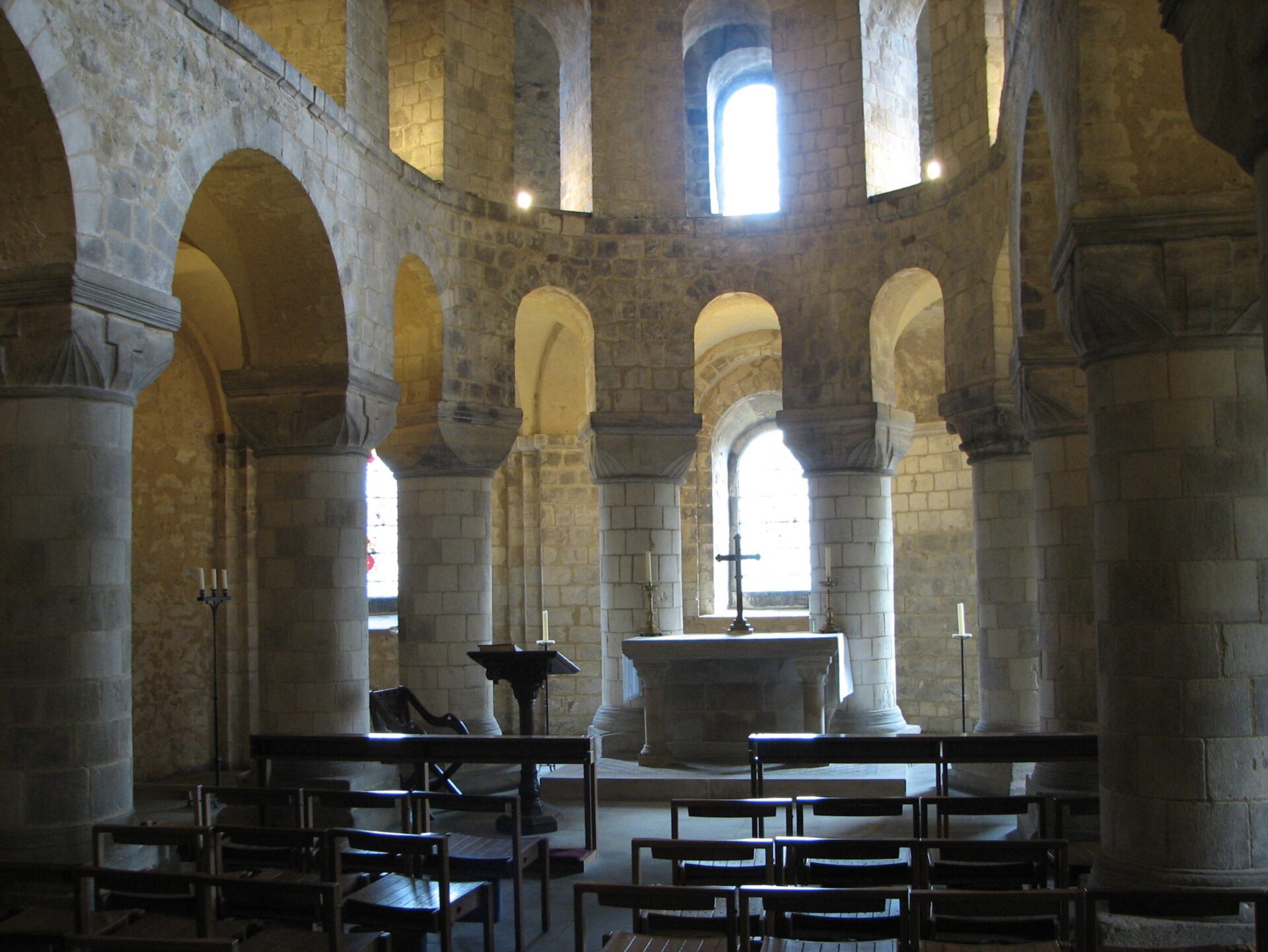
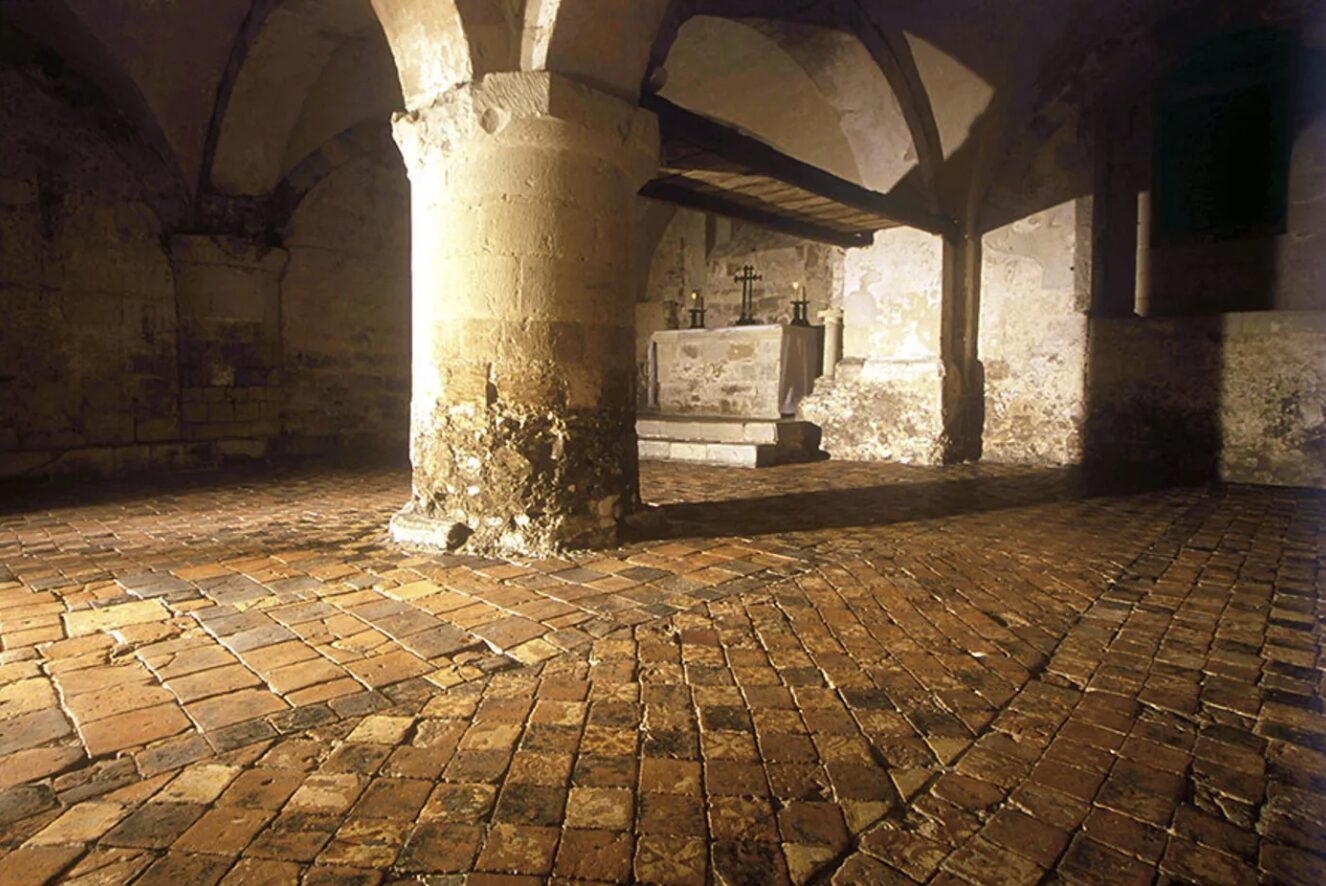
  • Solid & robust forms
  • massive stone construction
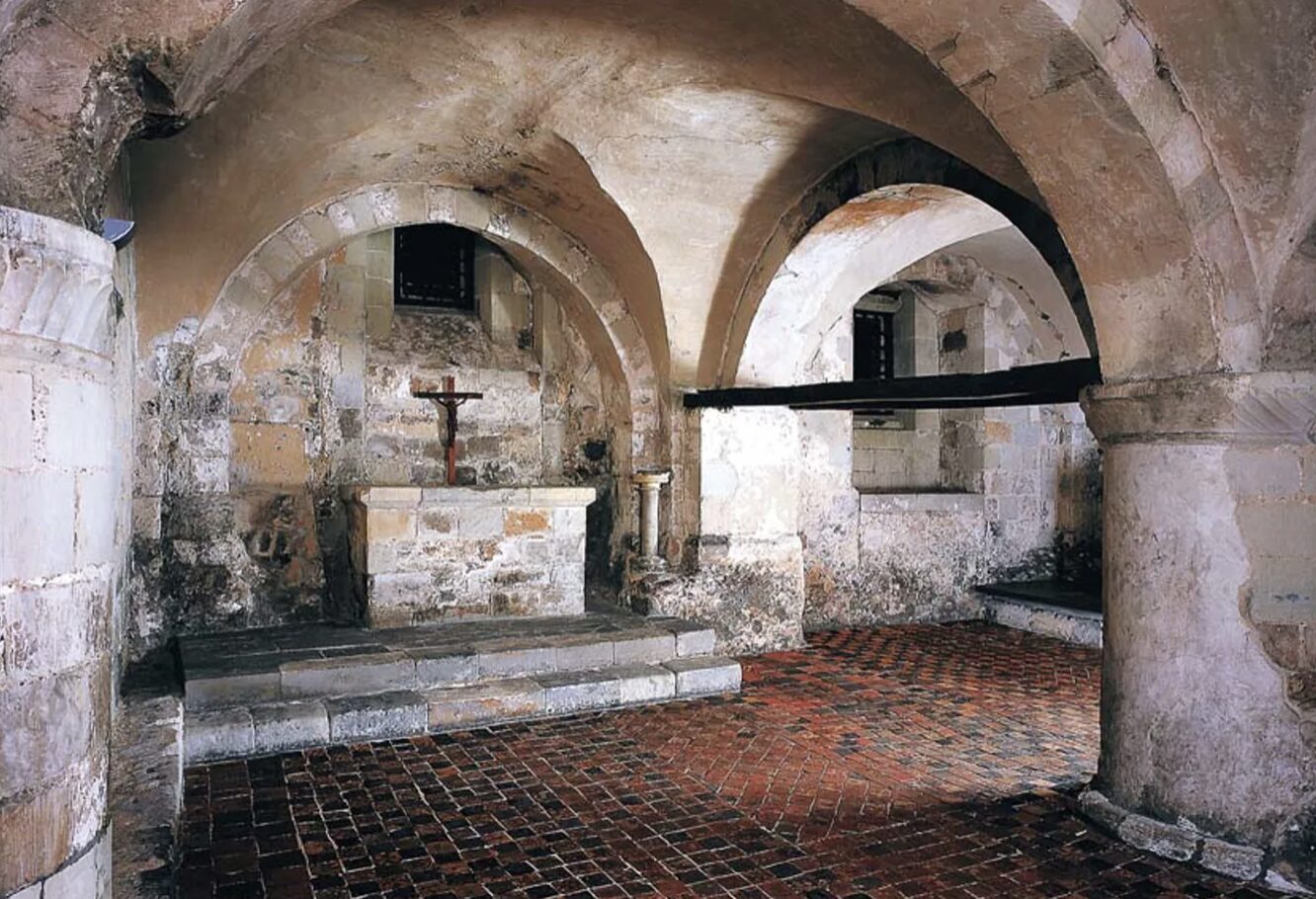
  • wide semi-circular arches
  • thick stone walls
  • barrel vaults
  • groin (intersecting barrel) vaults
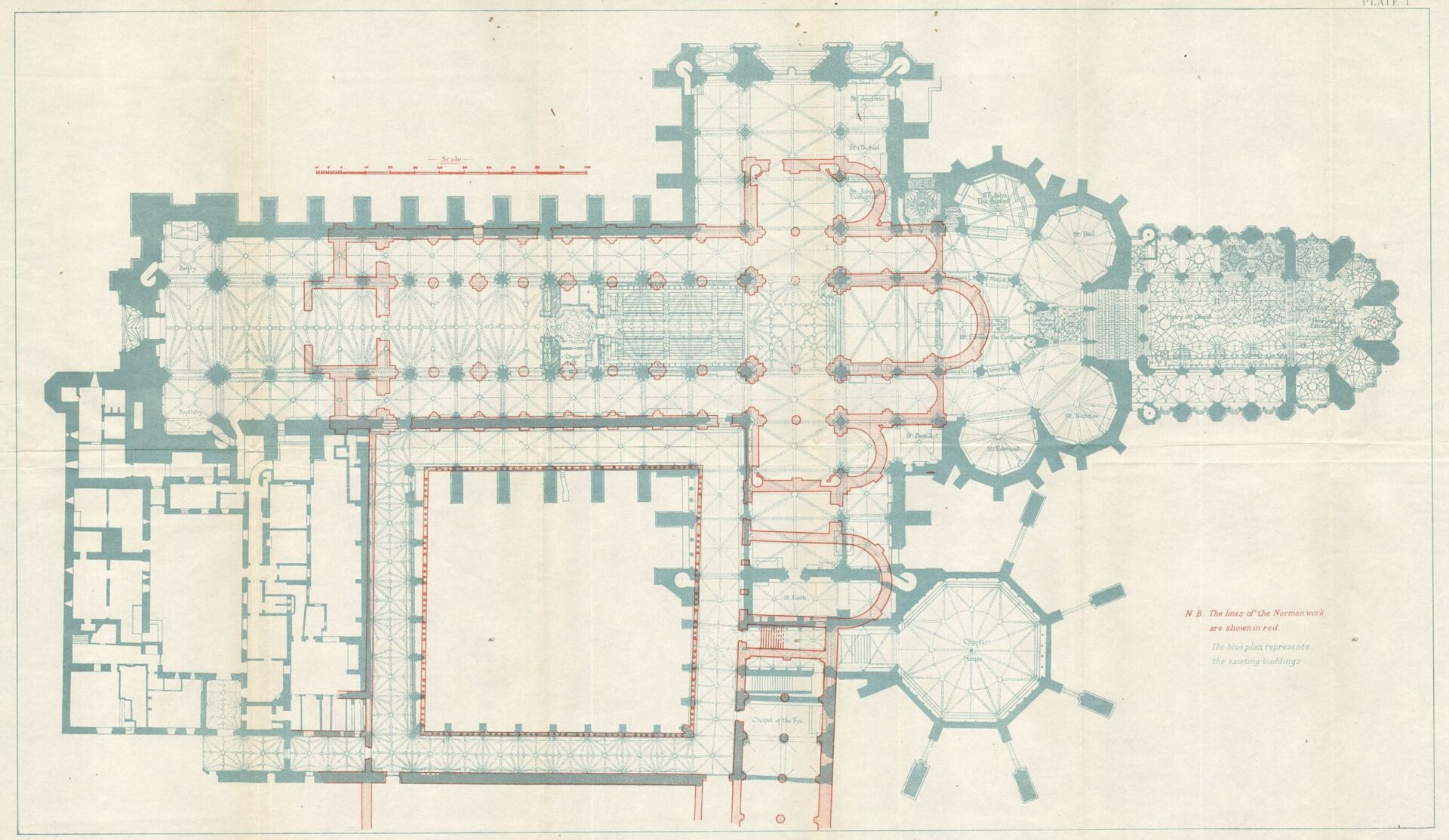
  • cruciform (cross-shaped) layout,
  • long nave, transepts, and an apse
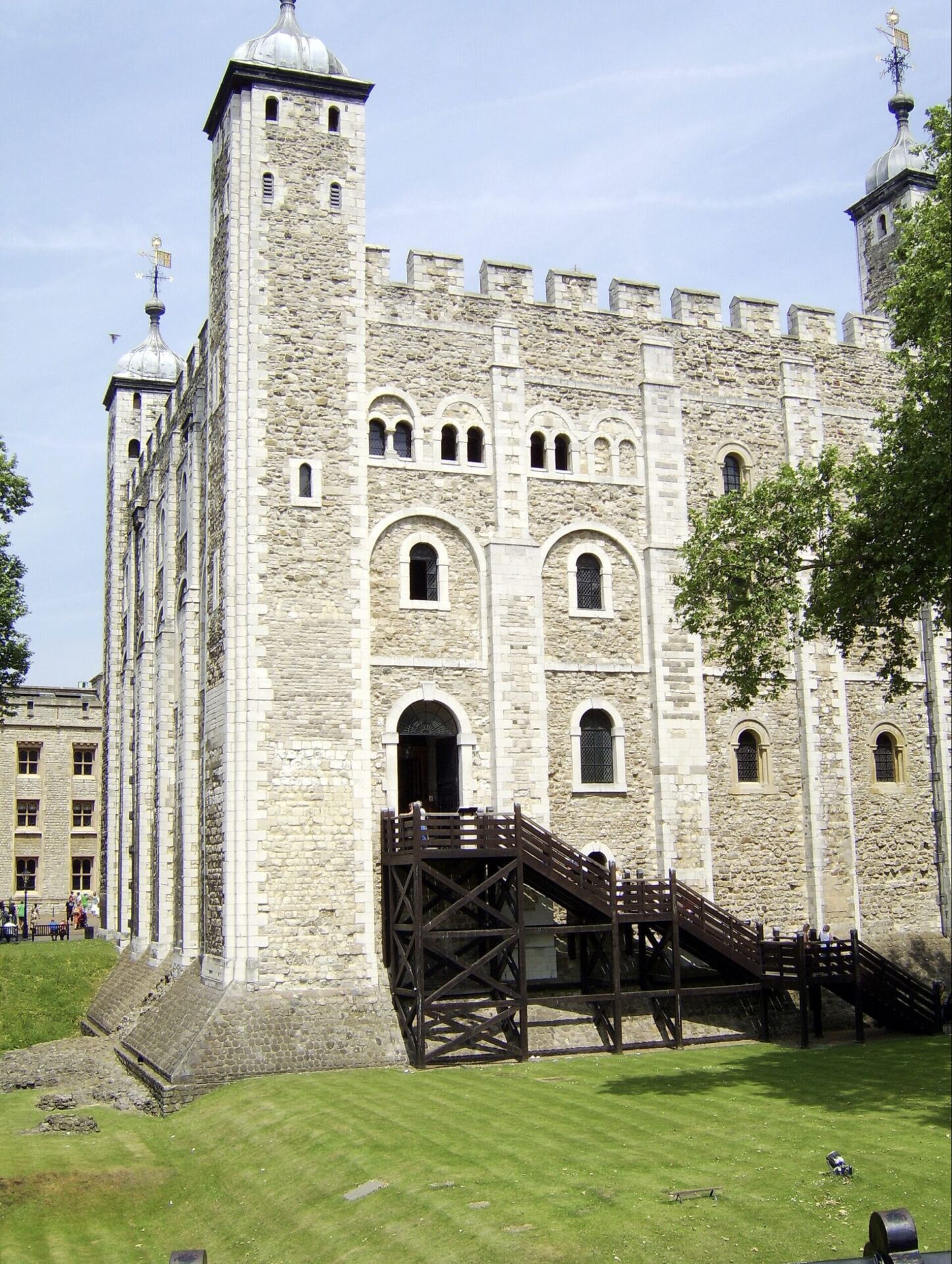
  • round towers & keeps
  • relief carvings on doorways, capitals, and tympanums depicting biblical scenes, animals, and foliage
  • narrow windows
  • imposing facades with elaborate doorways
  • simple ornamentation
  • classical Roman influence
  • England
  • Normandy
  • Ireland

Common Building Types

Landmark buildings

Historic Accommodation Types

Custom Hotel Examples

  • Cathedrals
  • Churches
  • castles
  • Abbeys
  • Monasteries
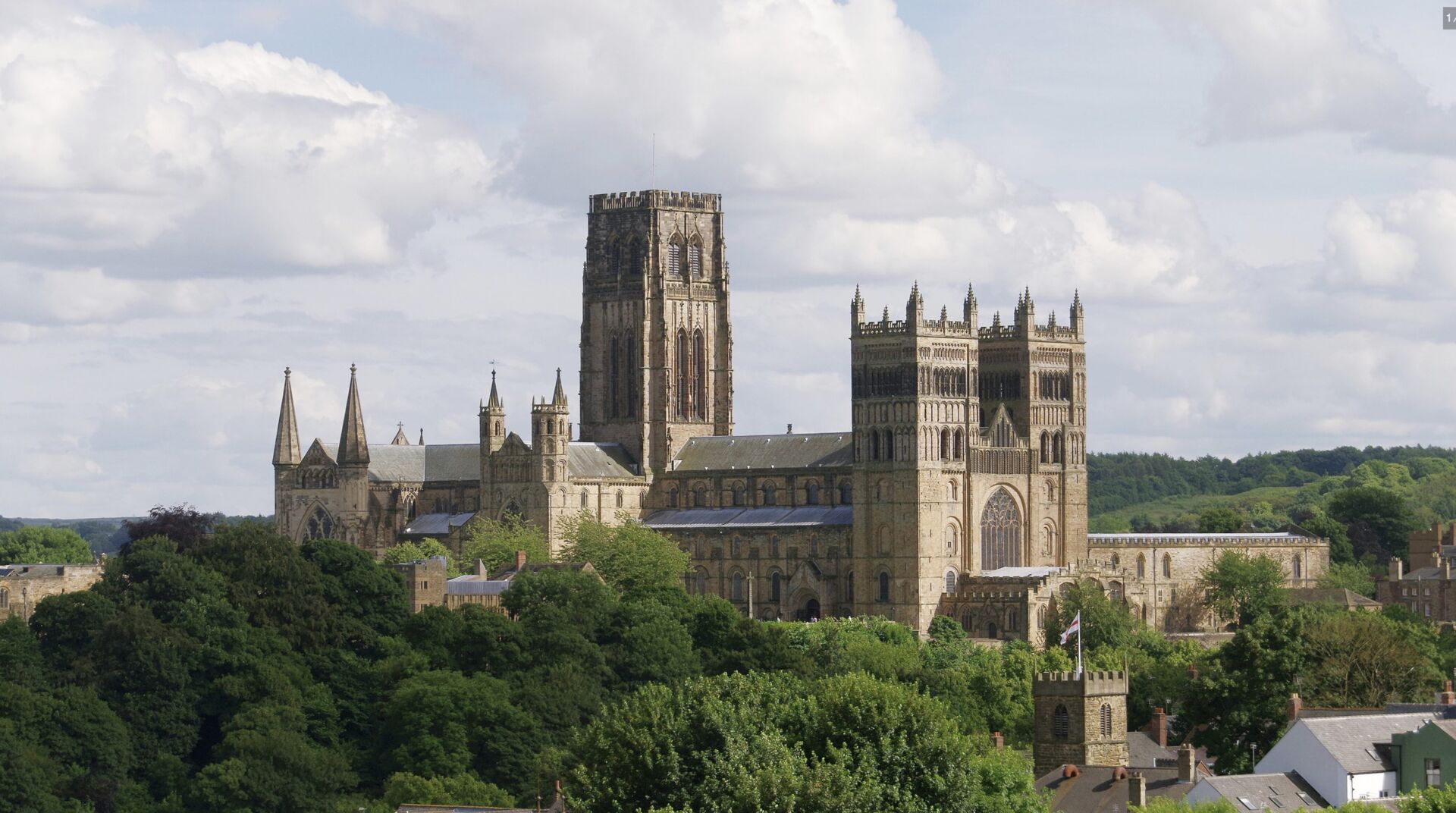
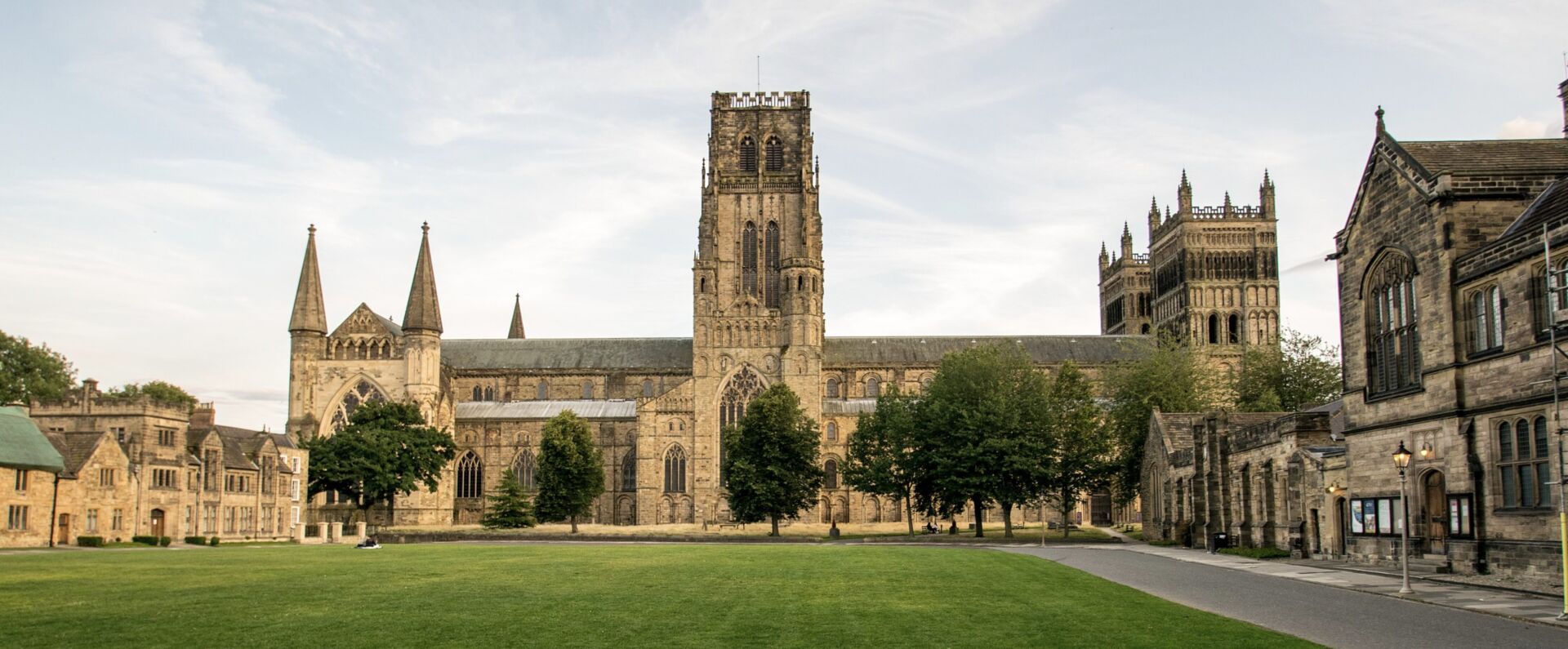
  • Durham Cathedral
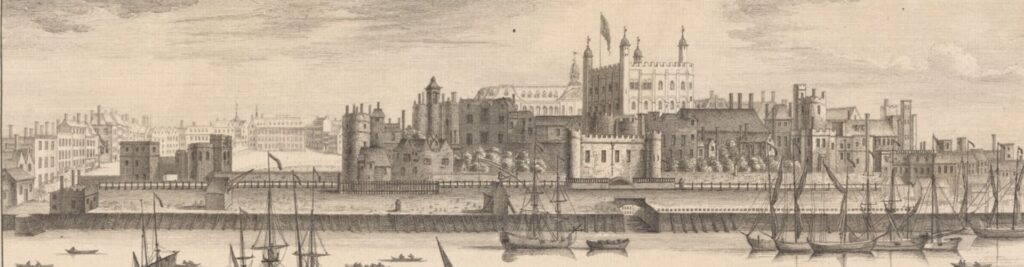
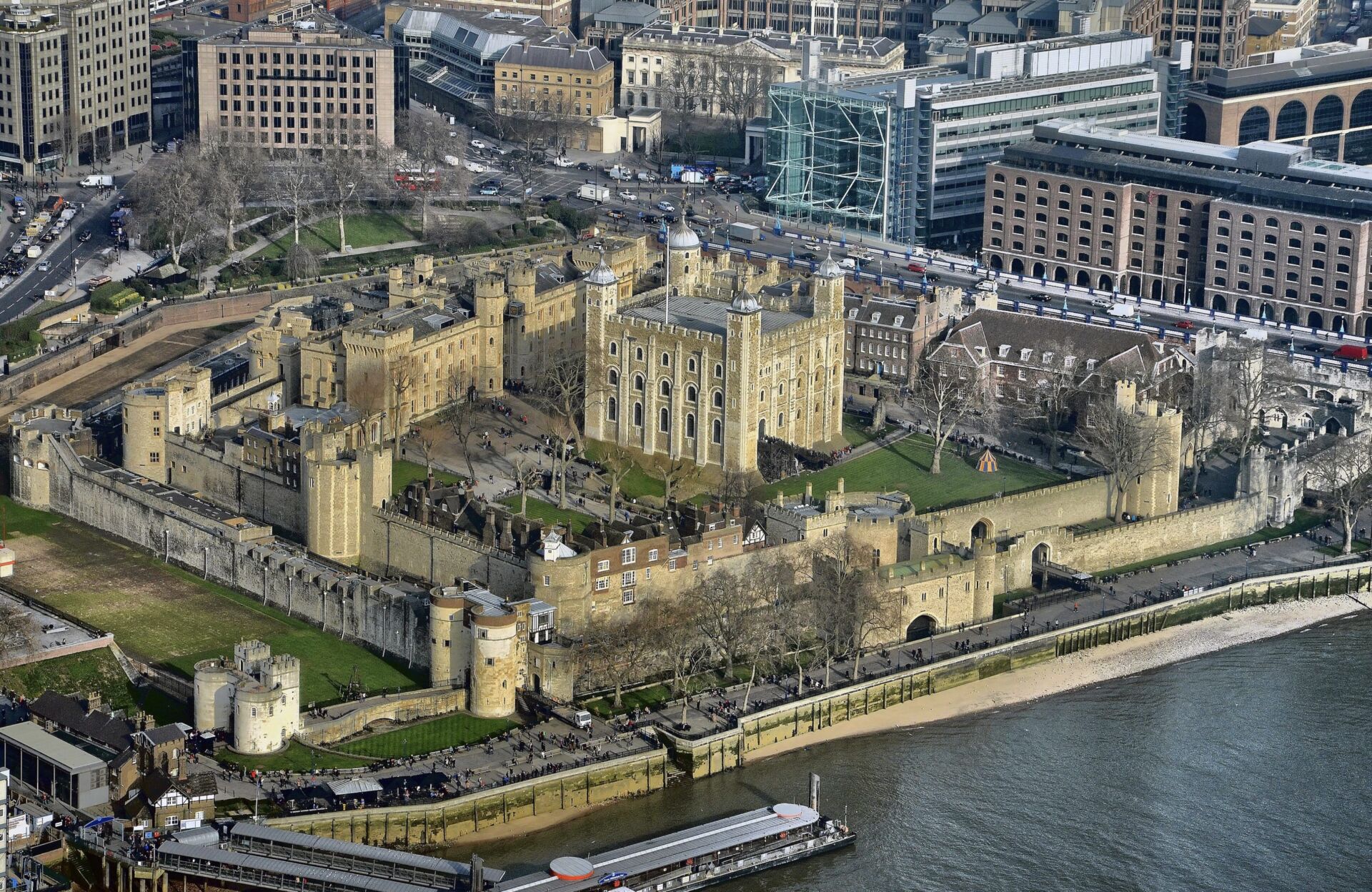
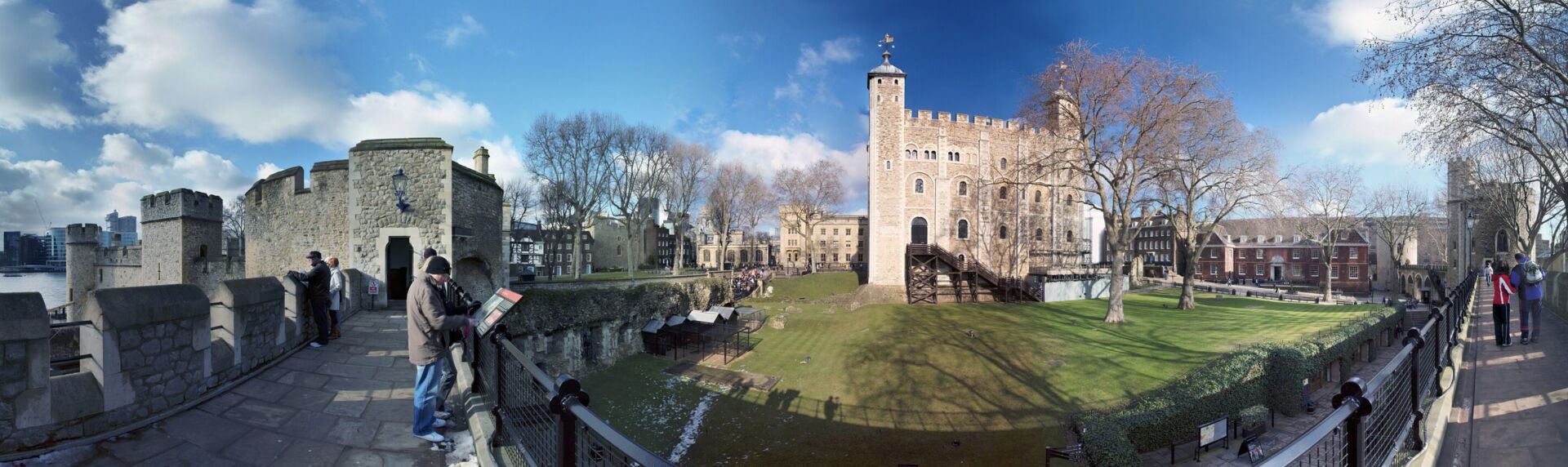
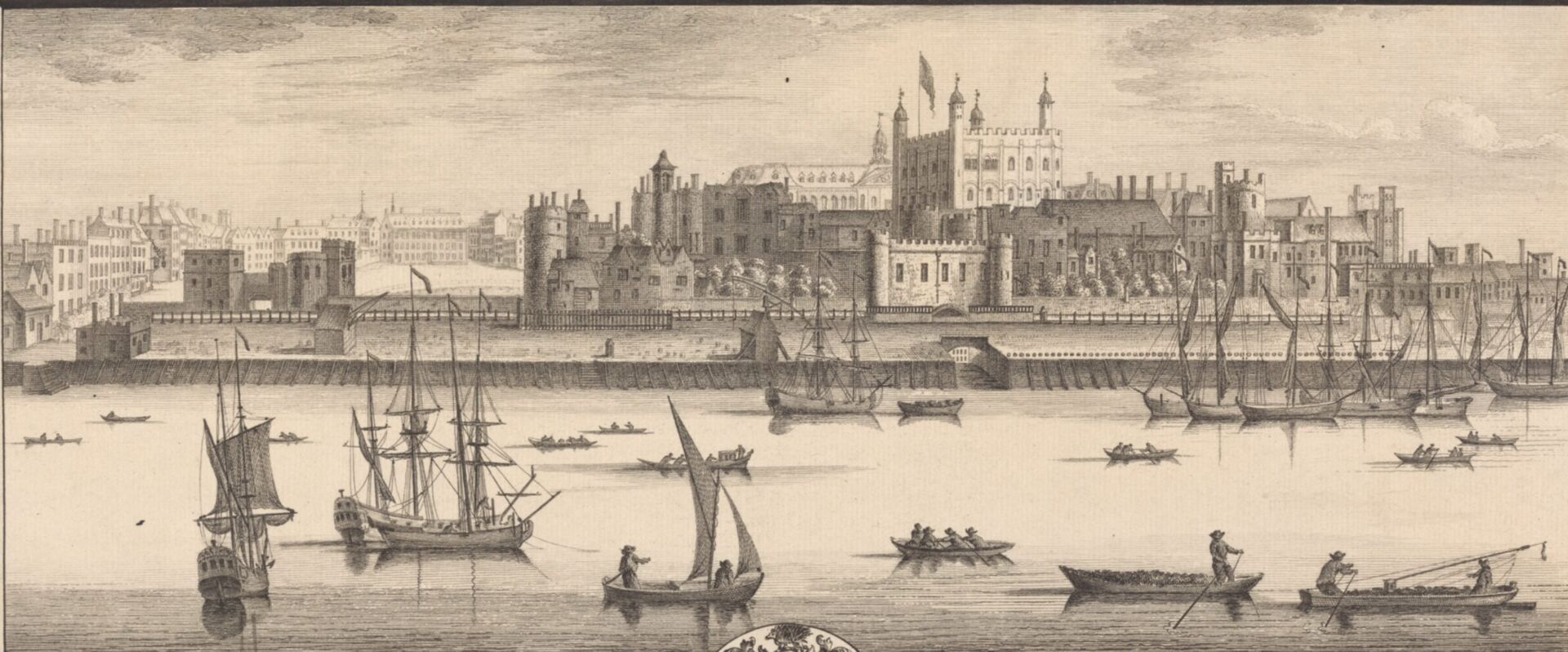
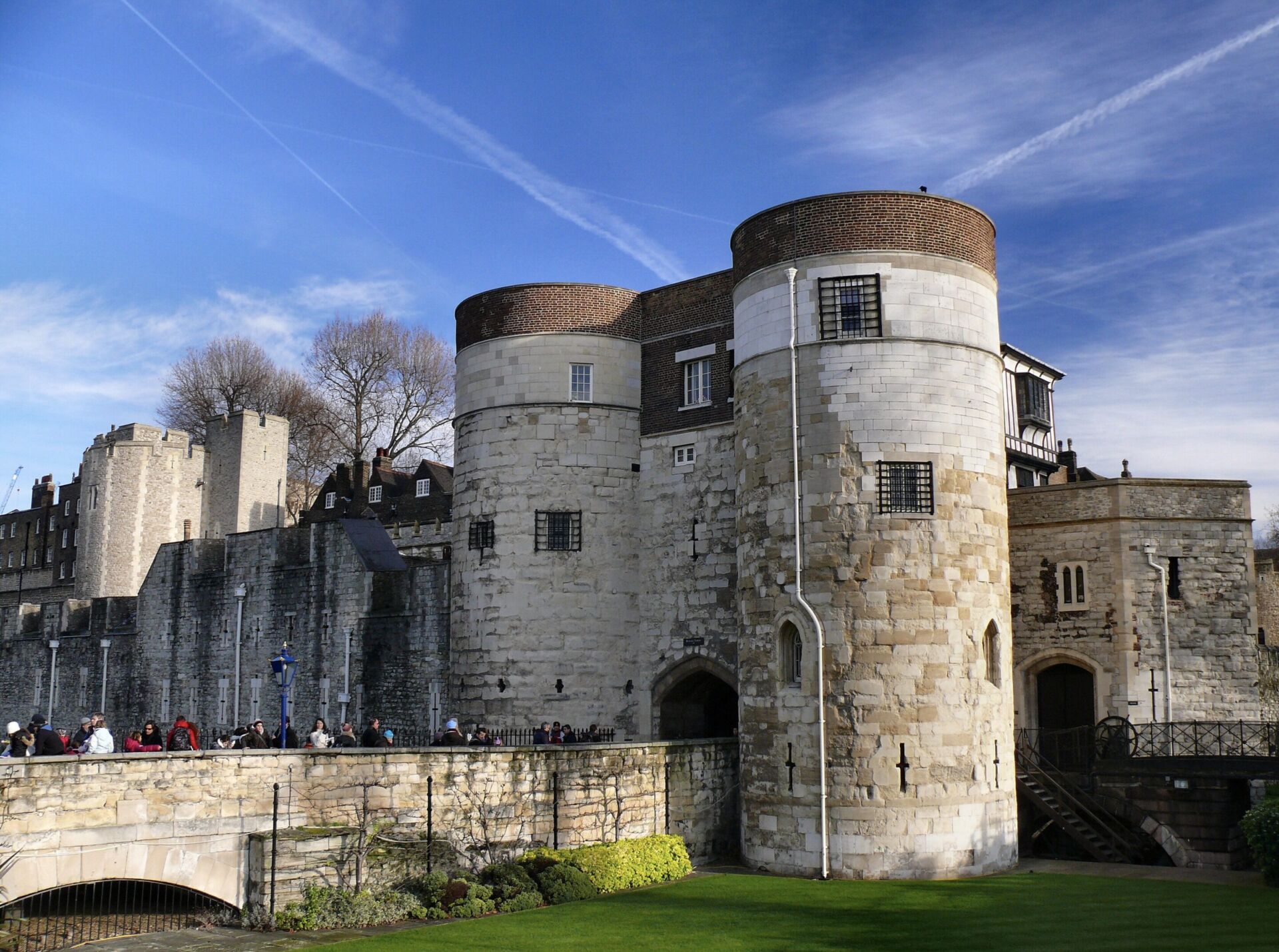
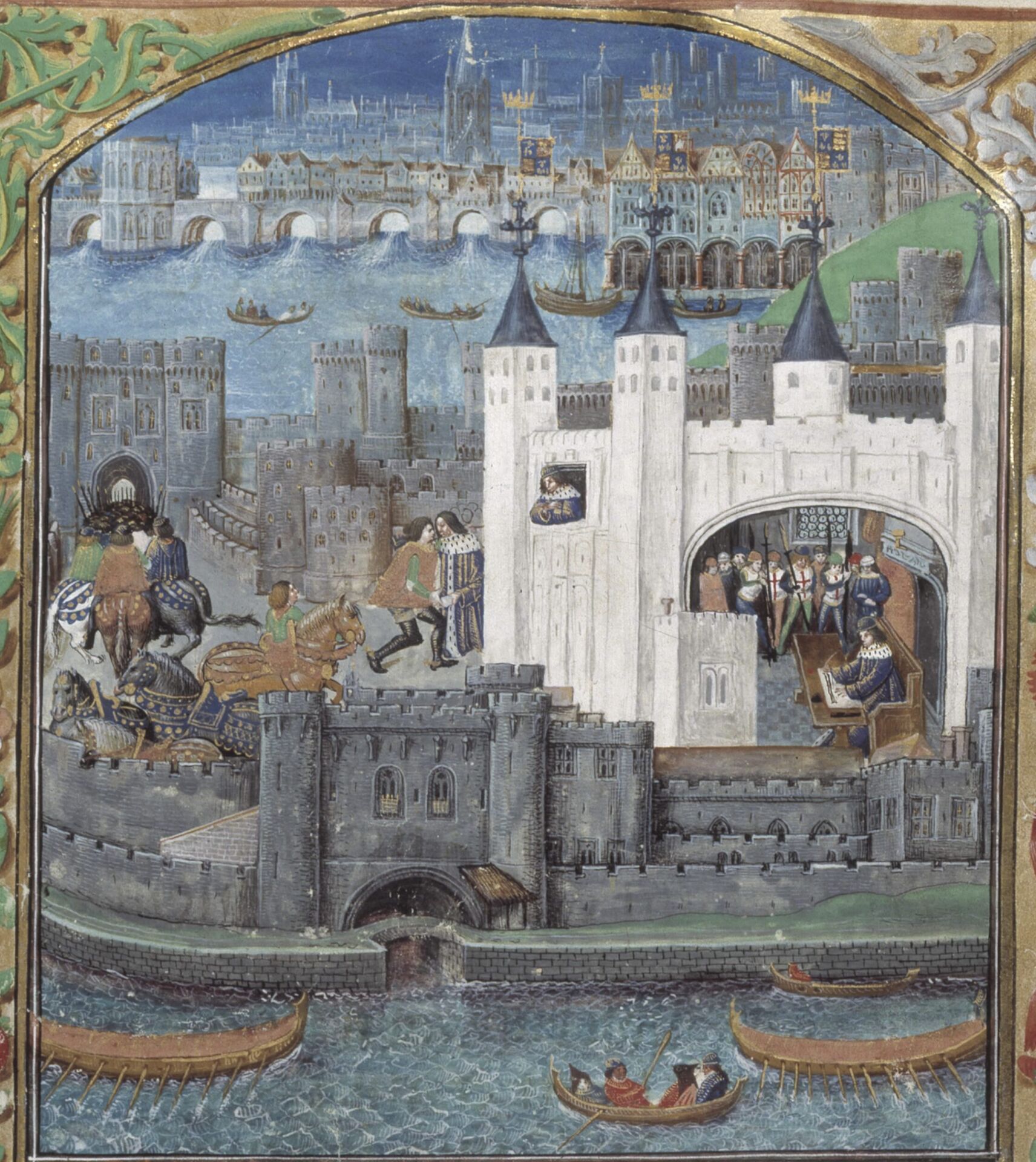
  • Tower of London
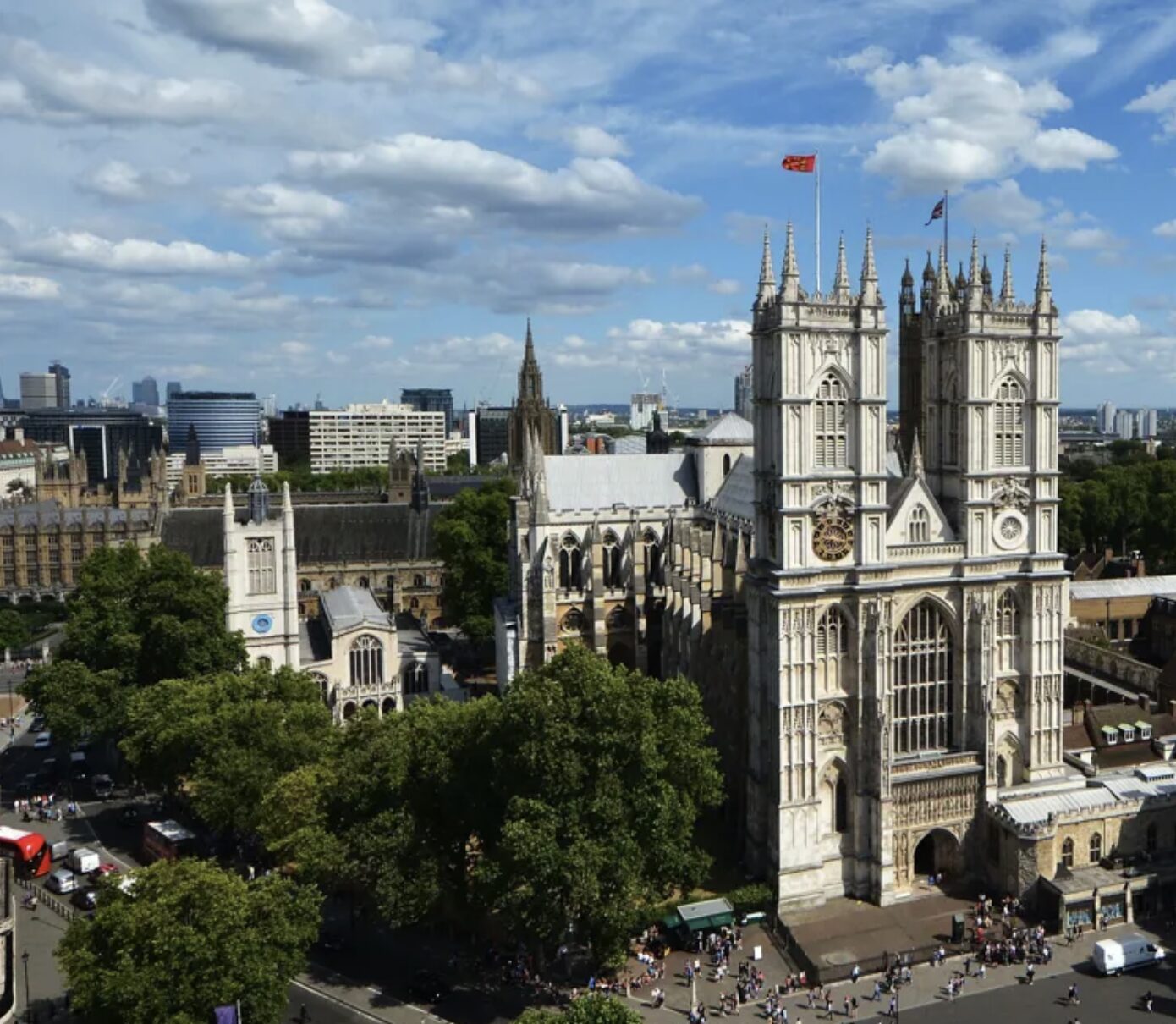
  • Westminster Abbey
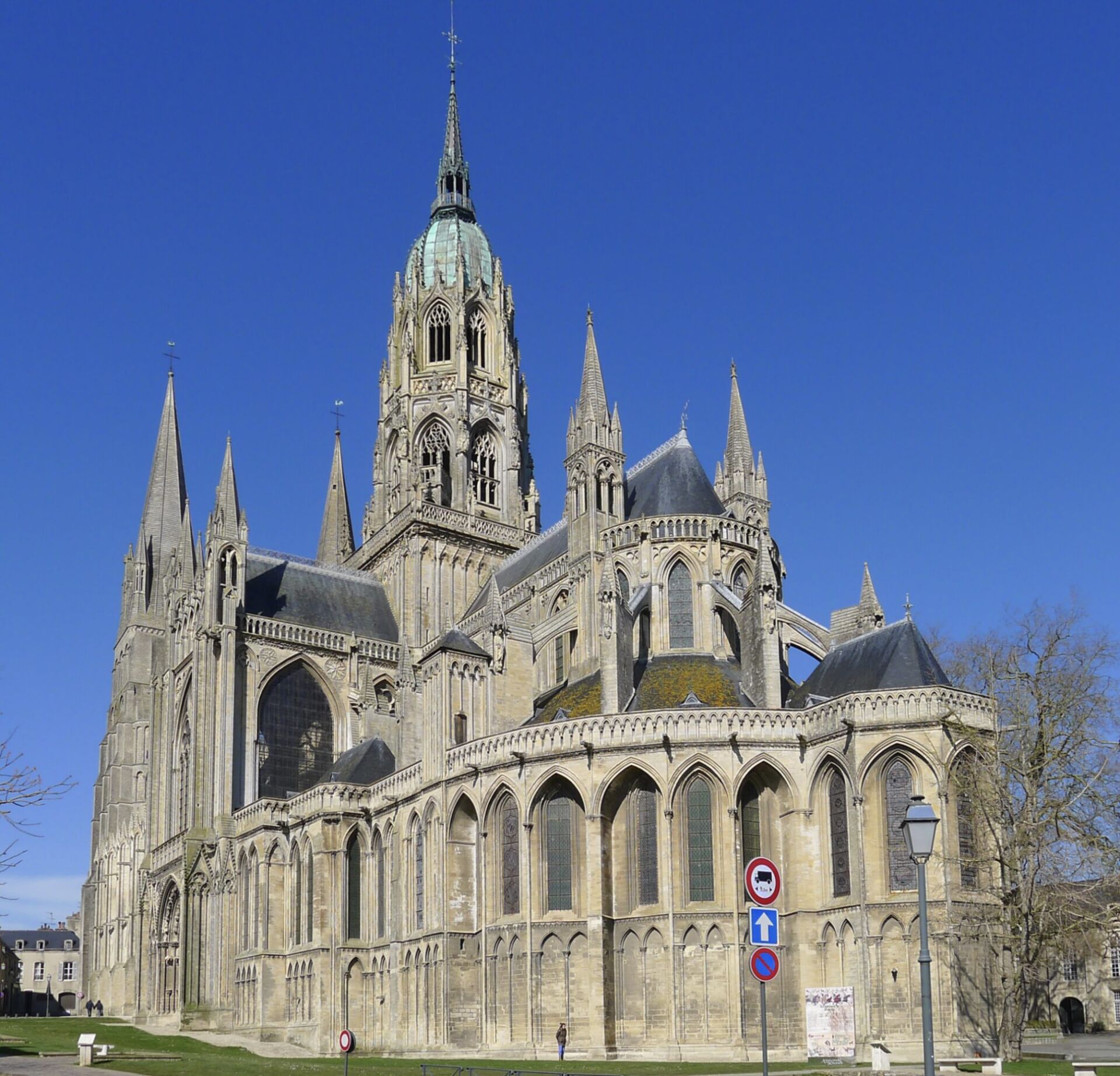
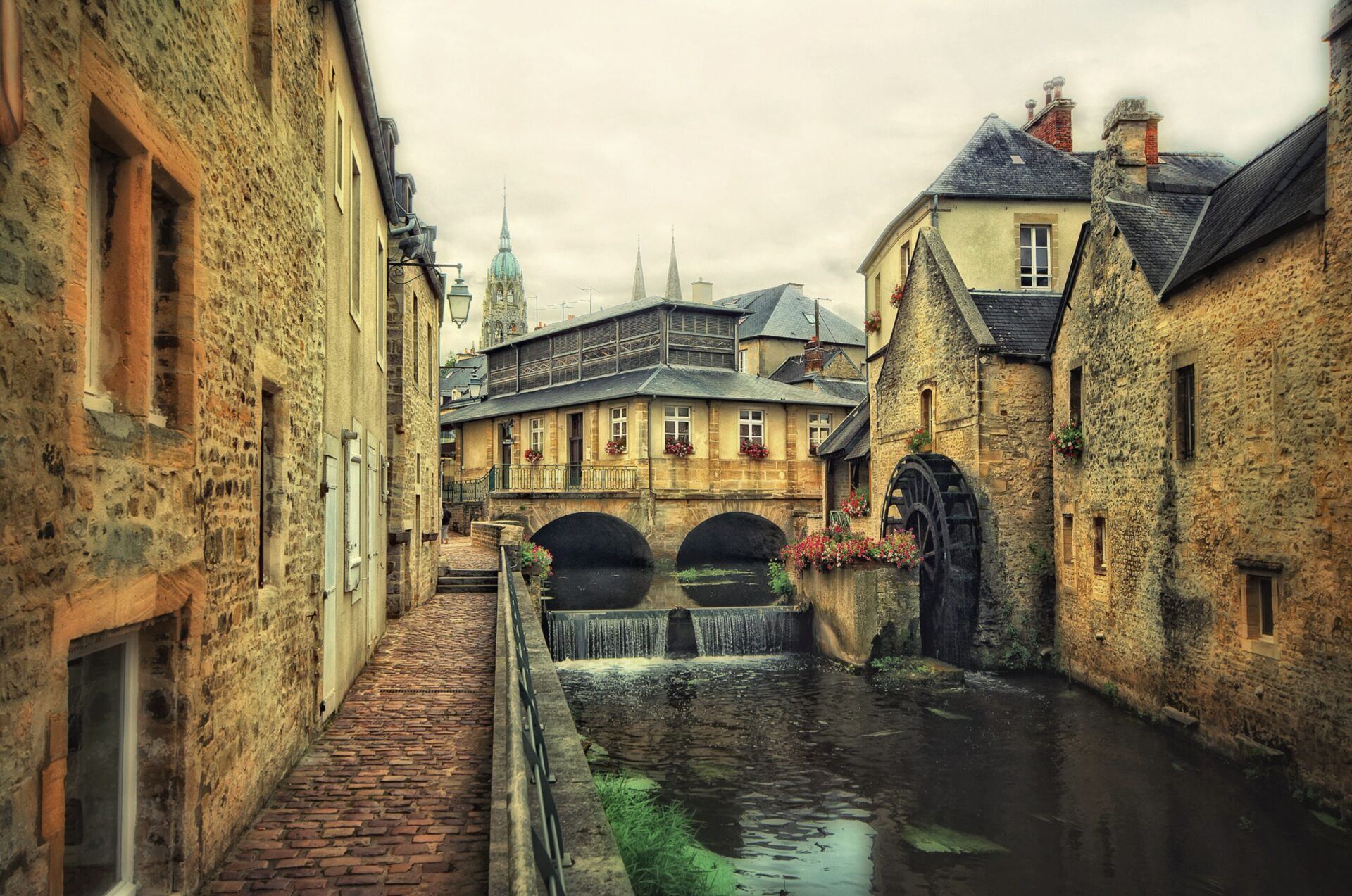
  • Bayeux Cathedral
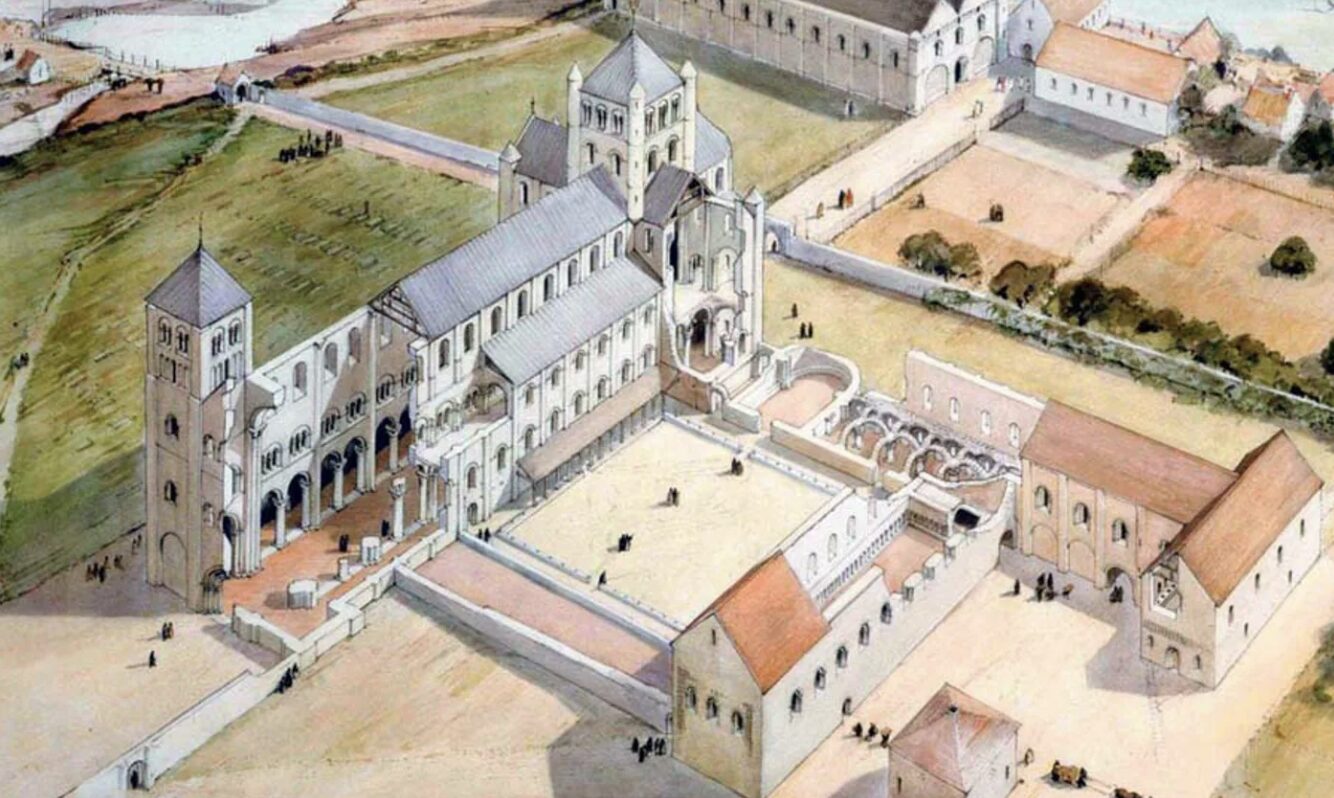
  • Jumièges Abbey
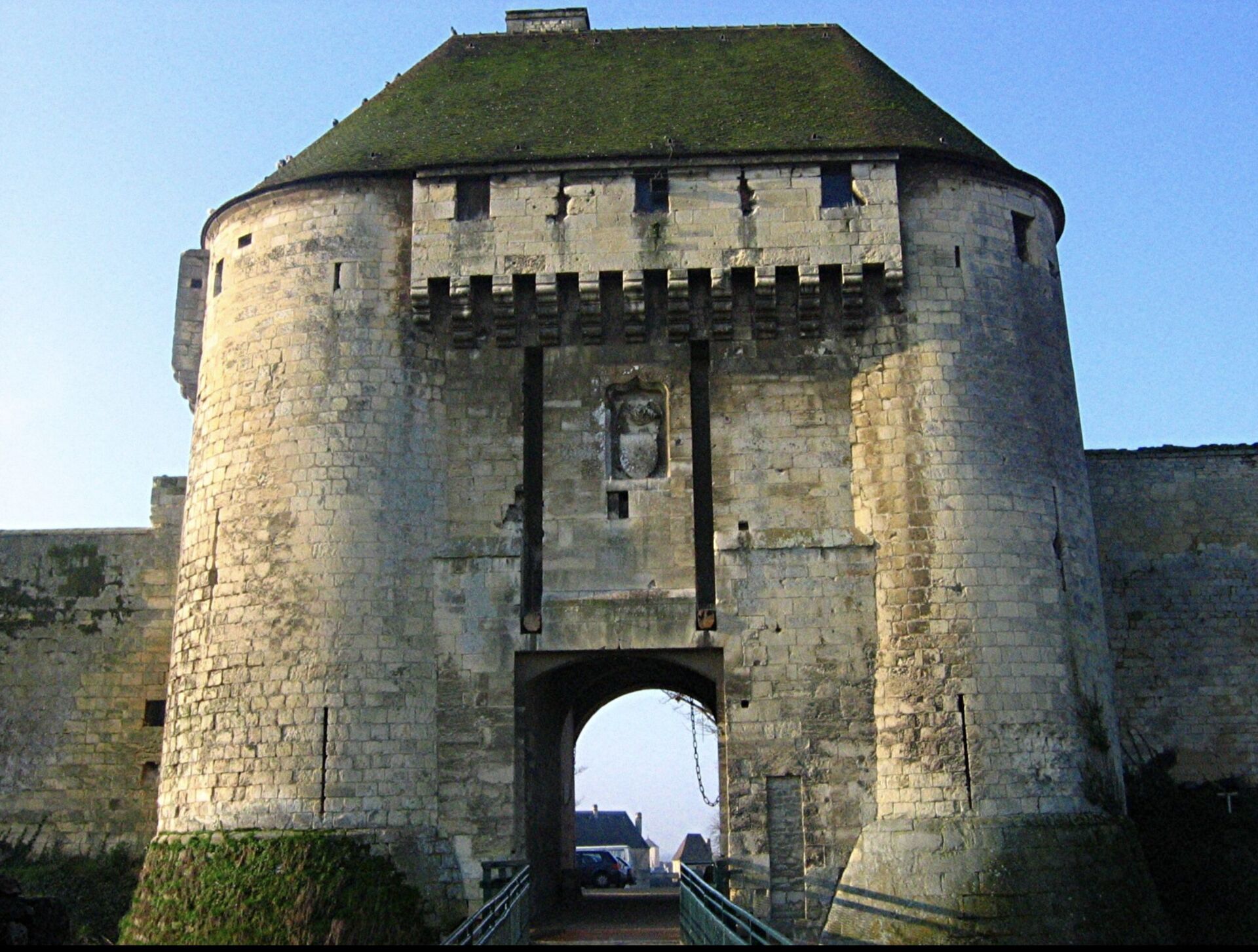
  • Caen Castle
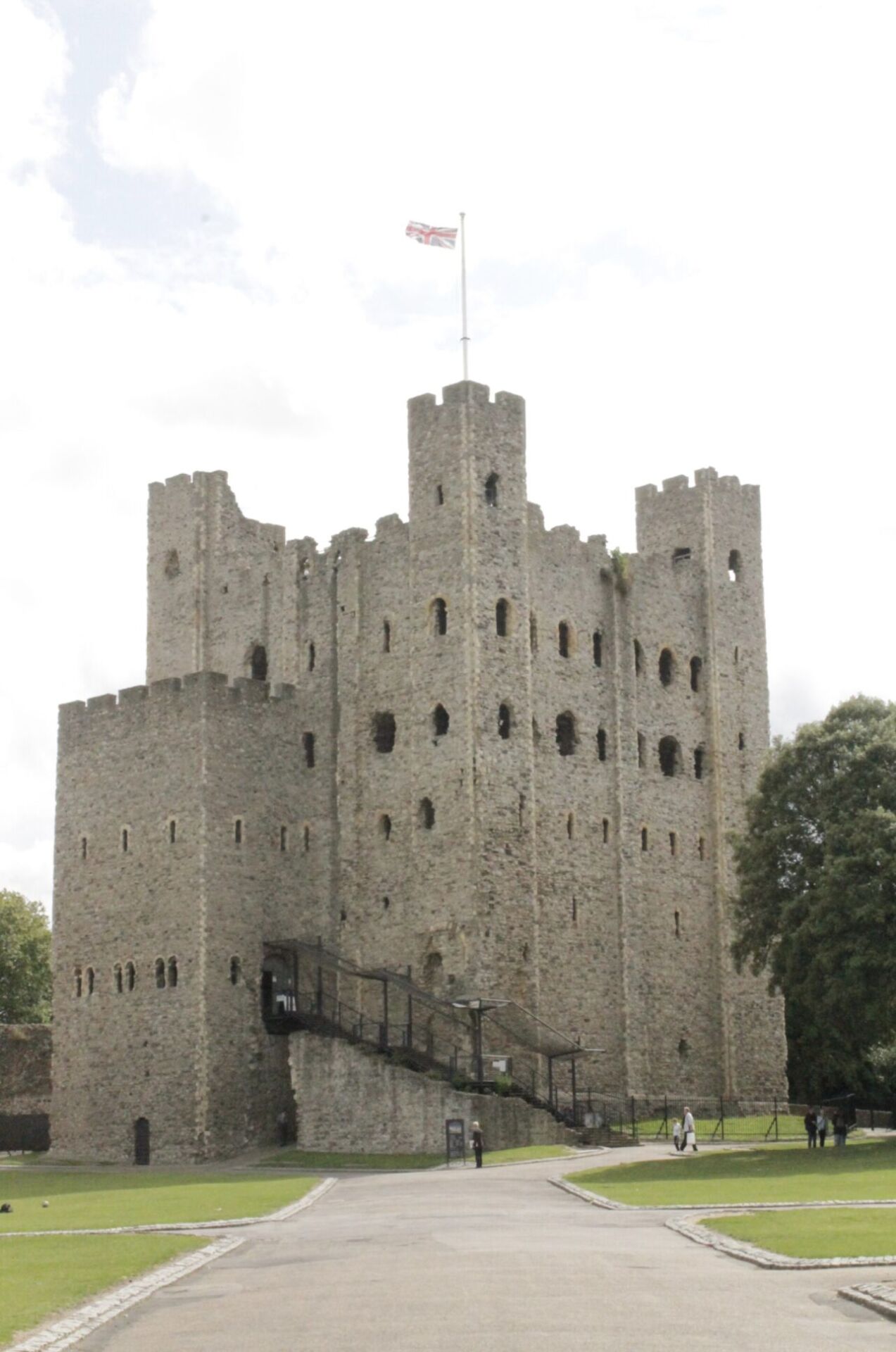
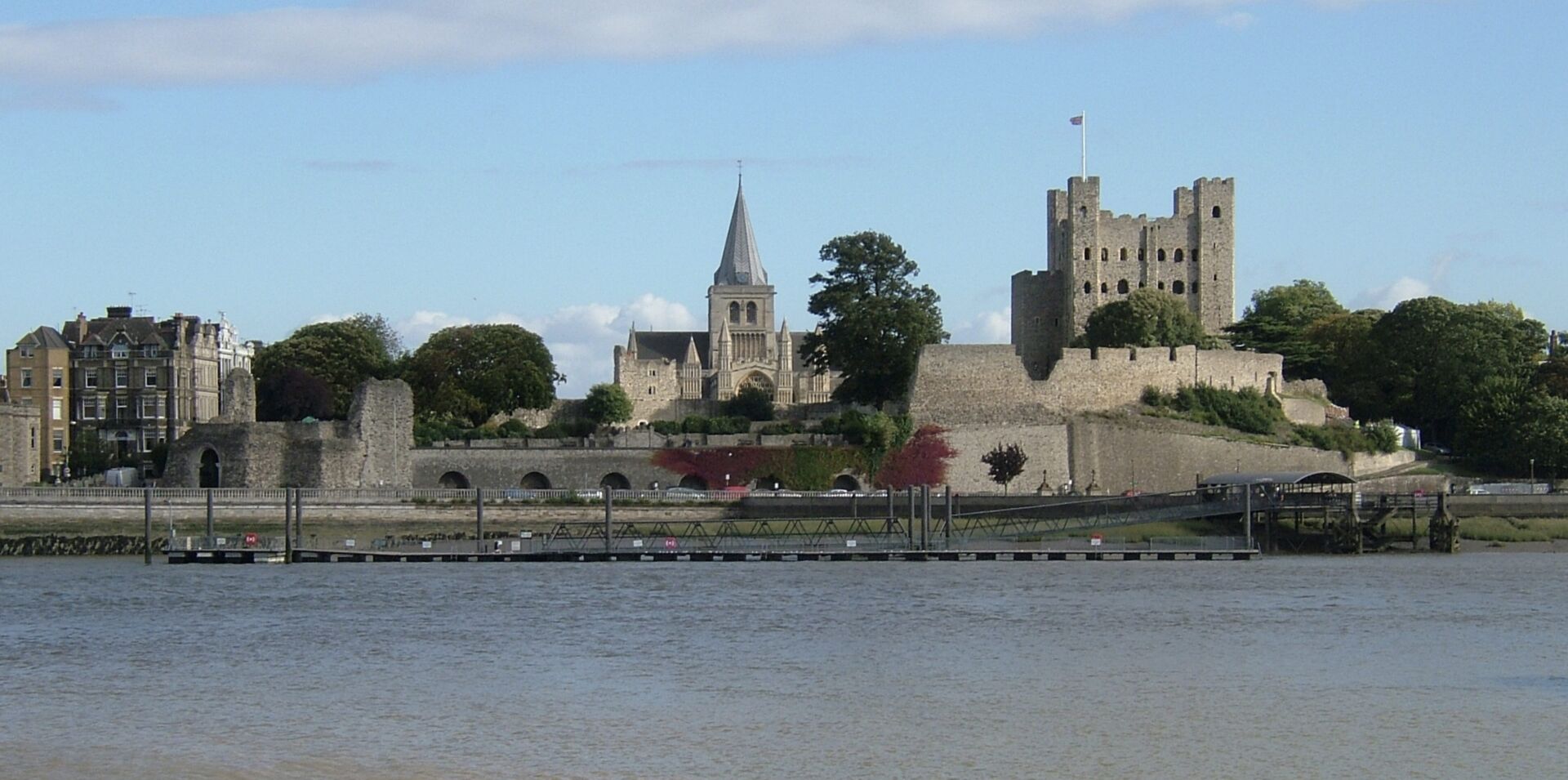
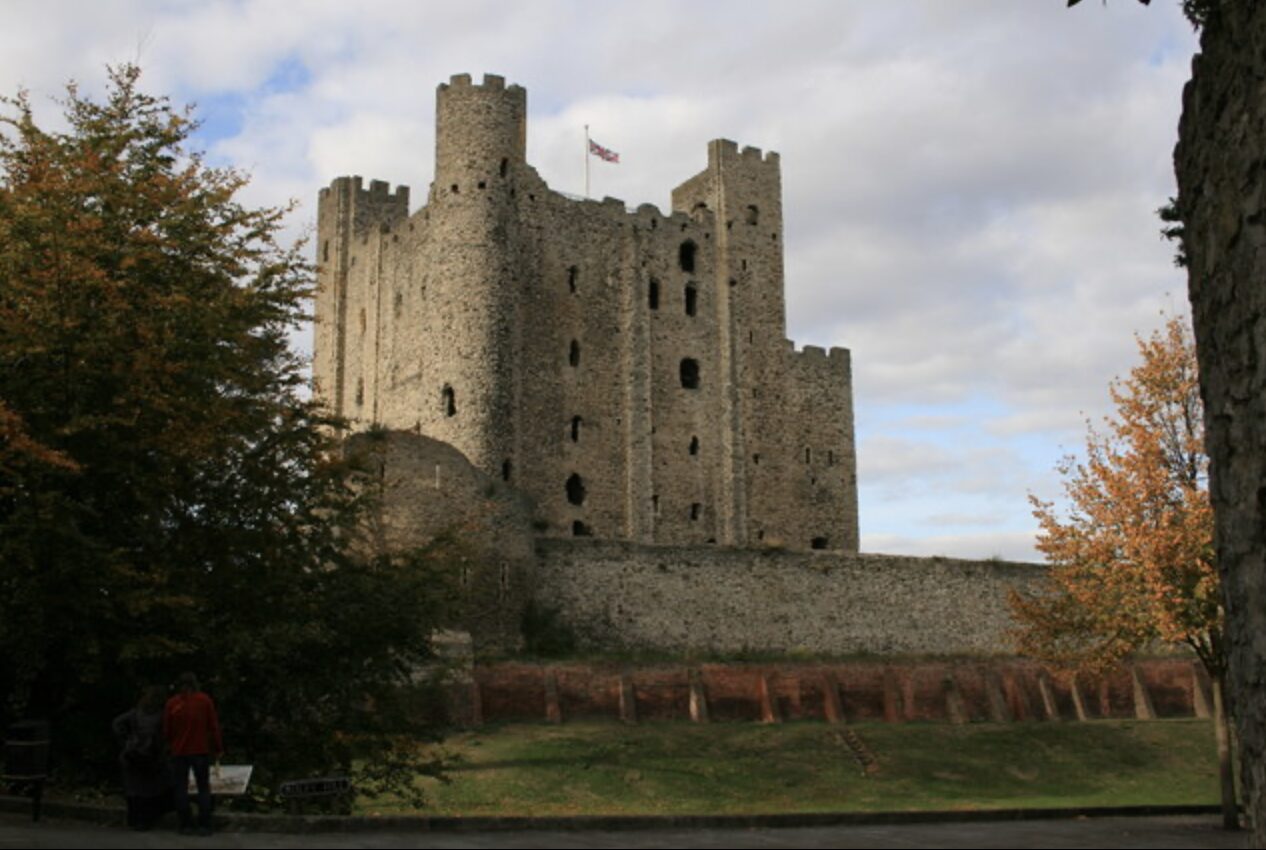
  • Keep of Rochester Castle
  • Monastery and abbey guesthouses
  • Cathedral / bishop’s hospitality
  • Pilgrim hospitals / hospices (dormitories)
  • Commercial inns and taverns in towns, ports, market centres
  • Castle / manorial hospitality (guest chambers or sleeping halls)
  • ‘Roadside shelters and bridge/passage lodges
  • Urban lodging via networks

Hospital of St Cross (Winchester, England) — founded c. 1132


Norman abbeys with guesthouse accommodation typically outside the cloister –

  • Bec Abbey (Normandy, France) — founded 1034
  • Jumièges Abbey (Normandy, France)
  • Fécamp Abbey (Normandy, France)
  • Battle Abbey (England) — founded 1070s
  • Reading Abbey (England) — founded 1121

Durham Cathedral and Priory precinct (England)


Castle/manorial hospitality (elite travellers) – Tower of London, Rochester Castle, Caernarfon
Landmarks

Original Accommodation

Adapted Visitor Accommodation


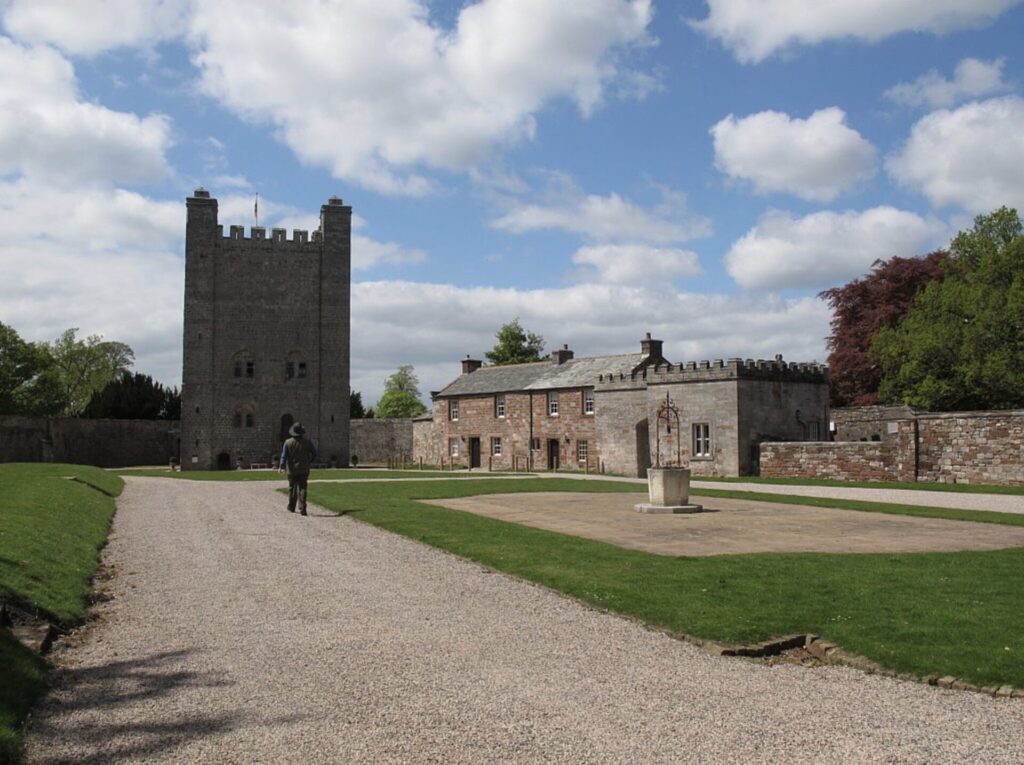
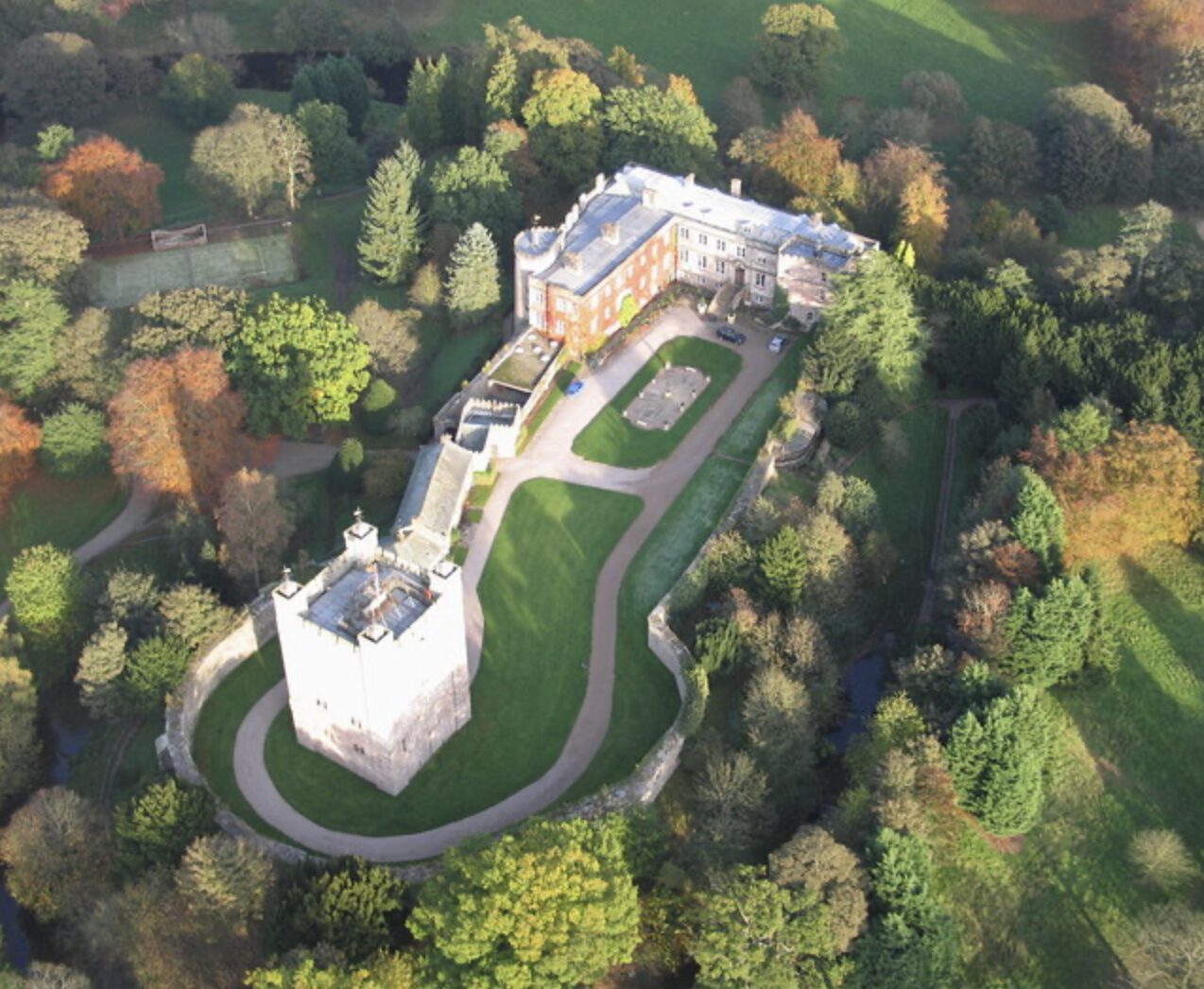
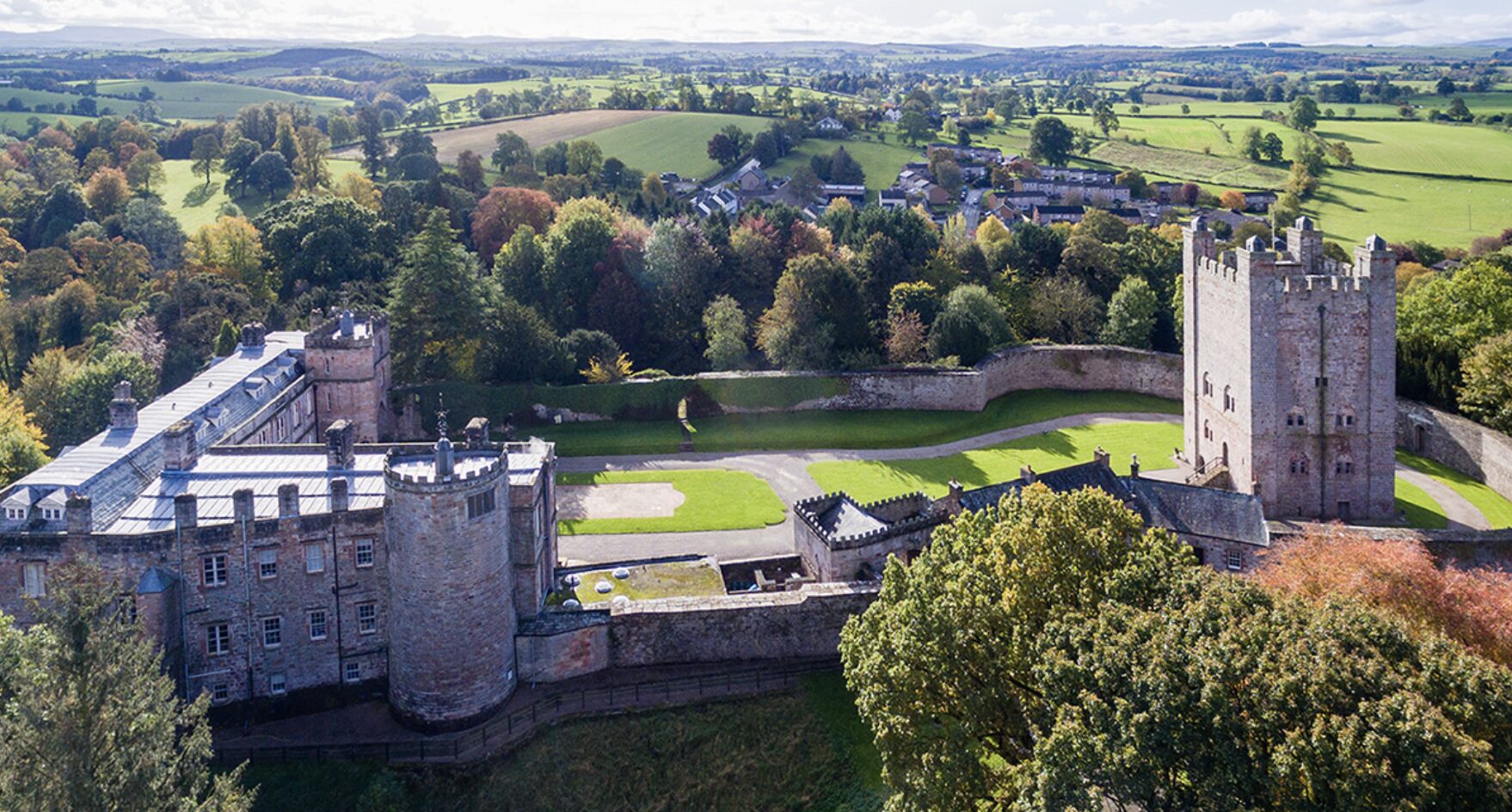
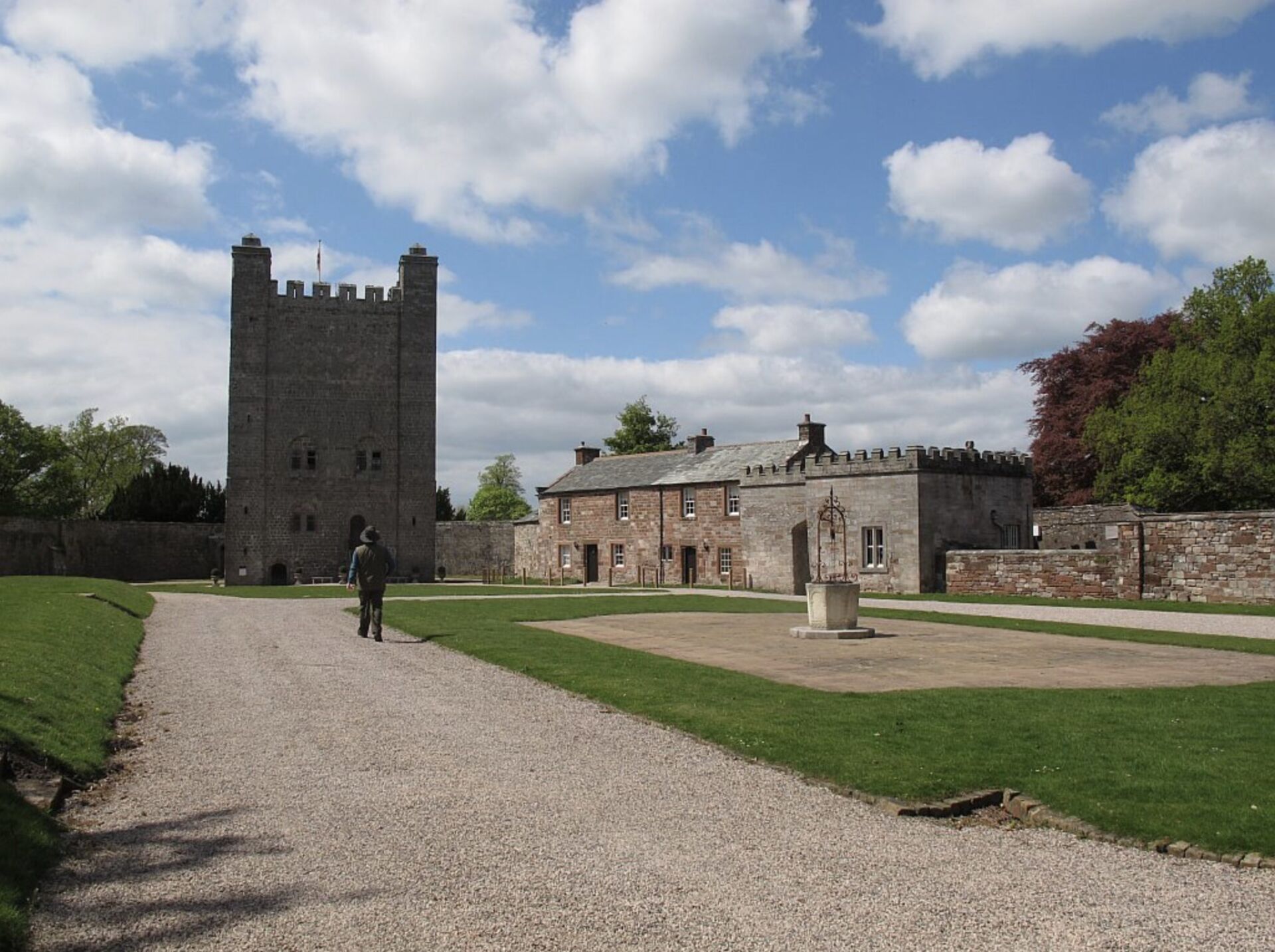
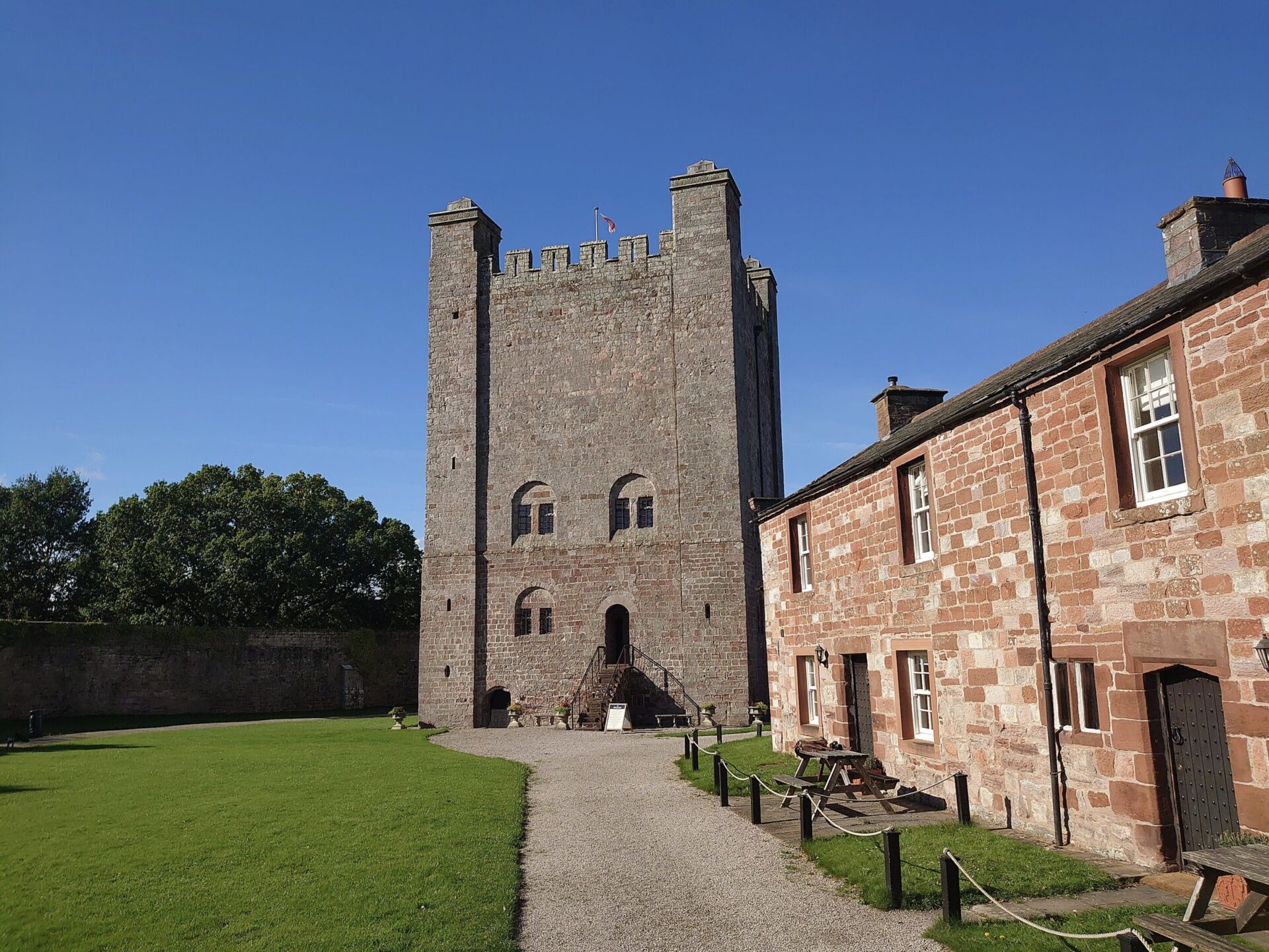
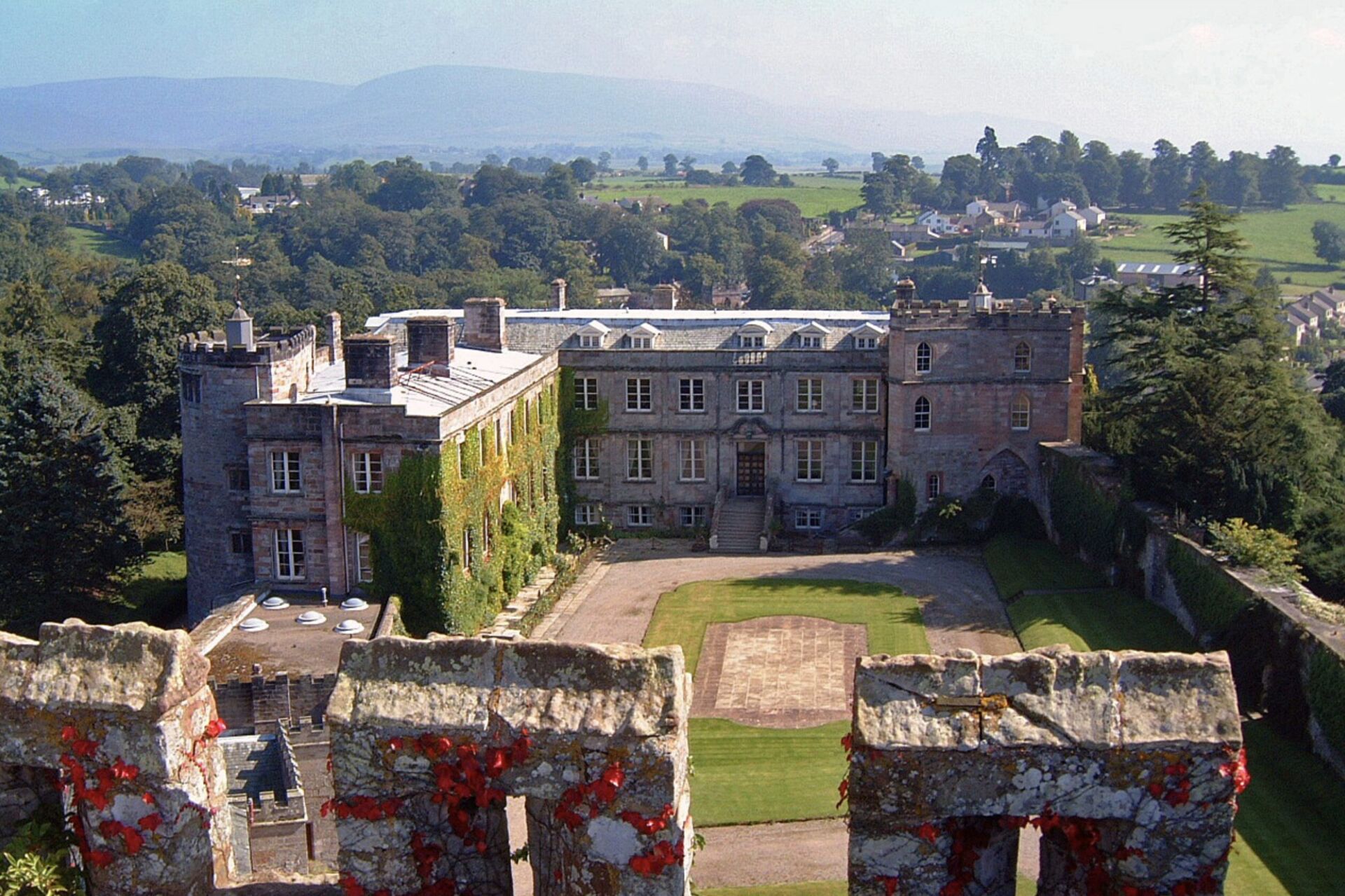
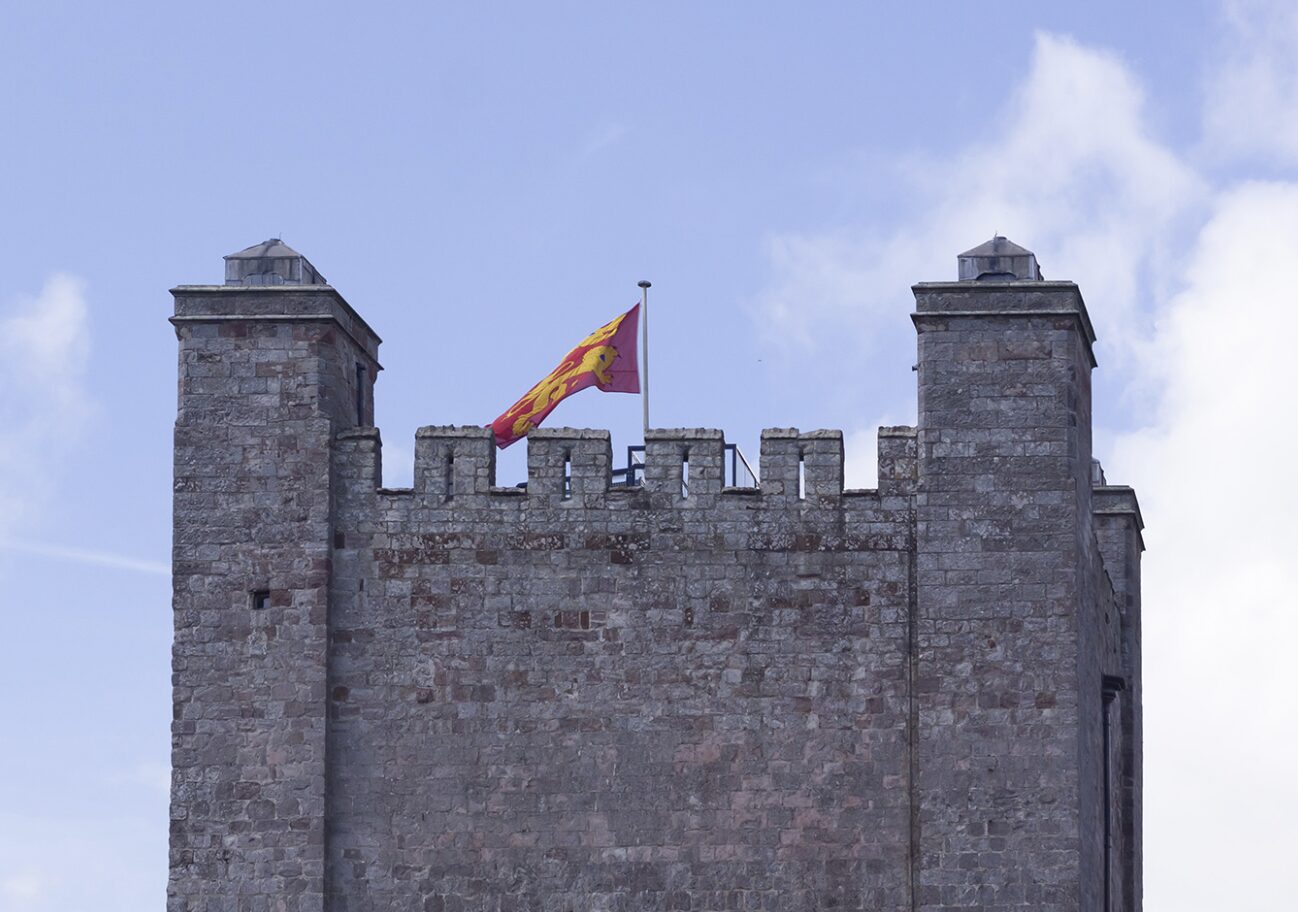
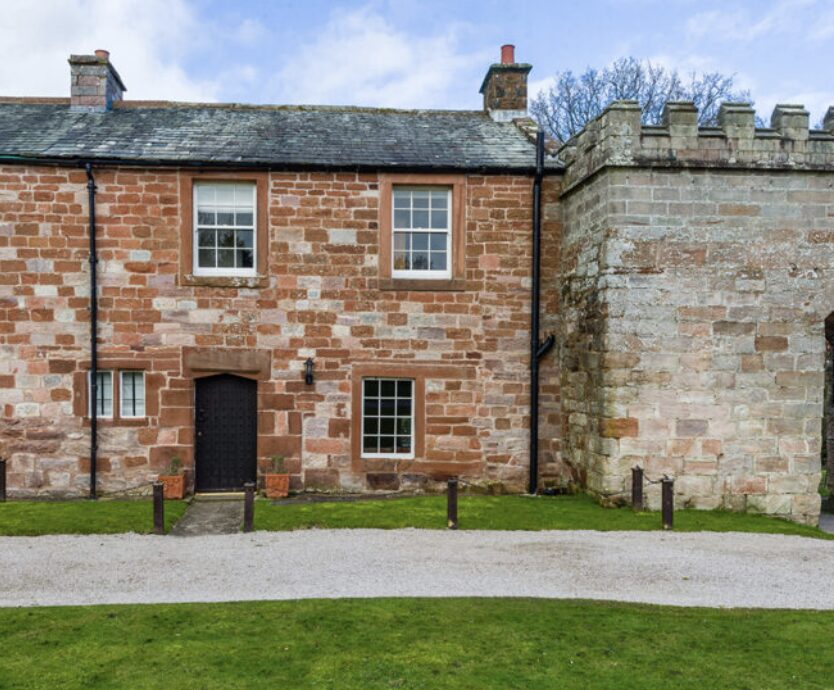
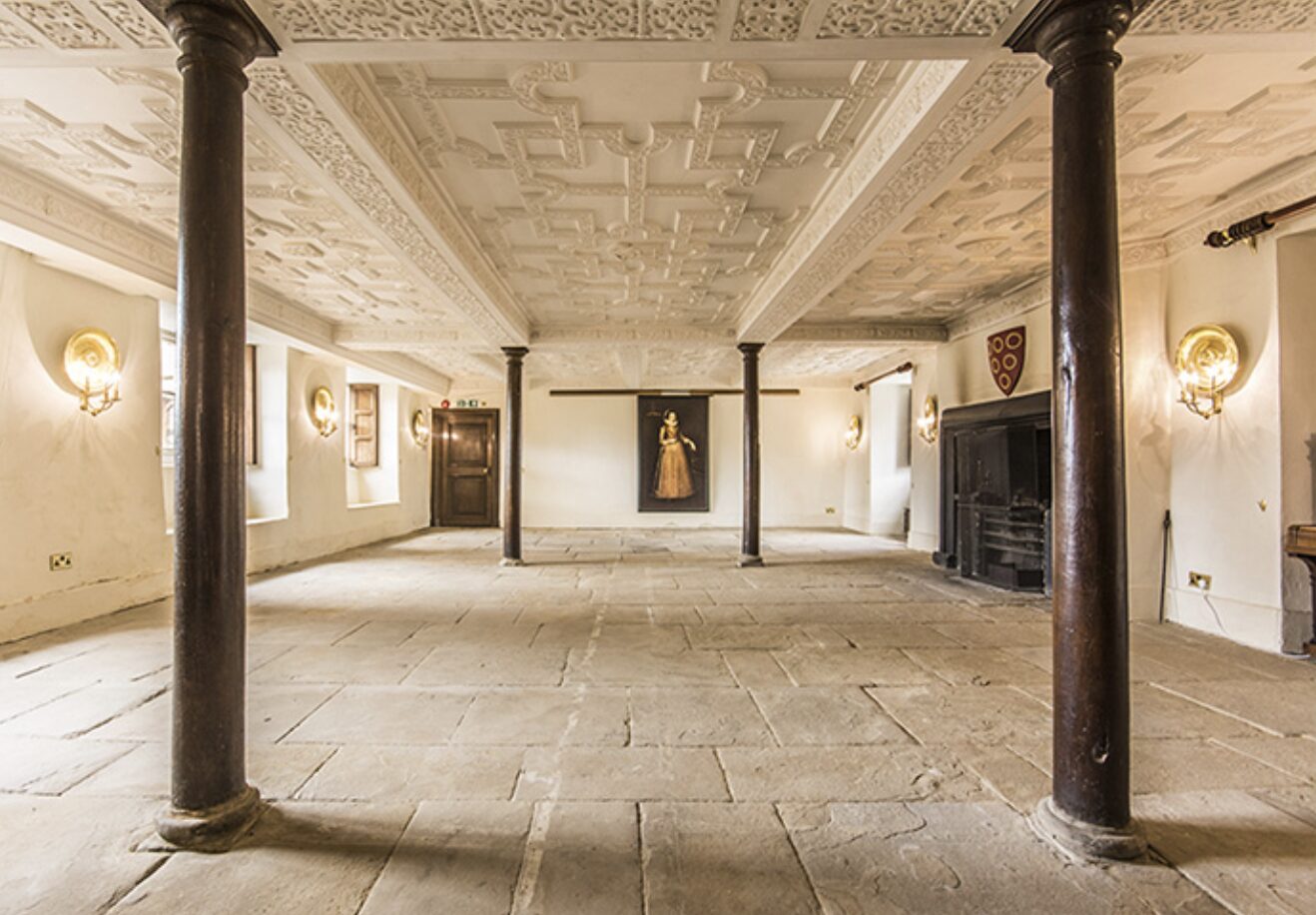
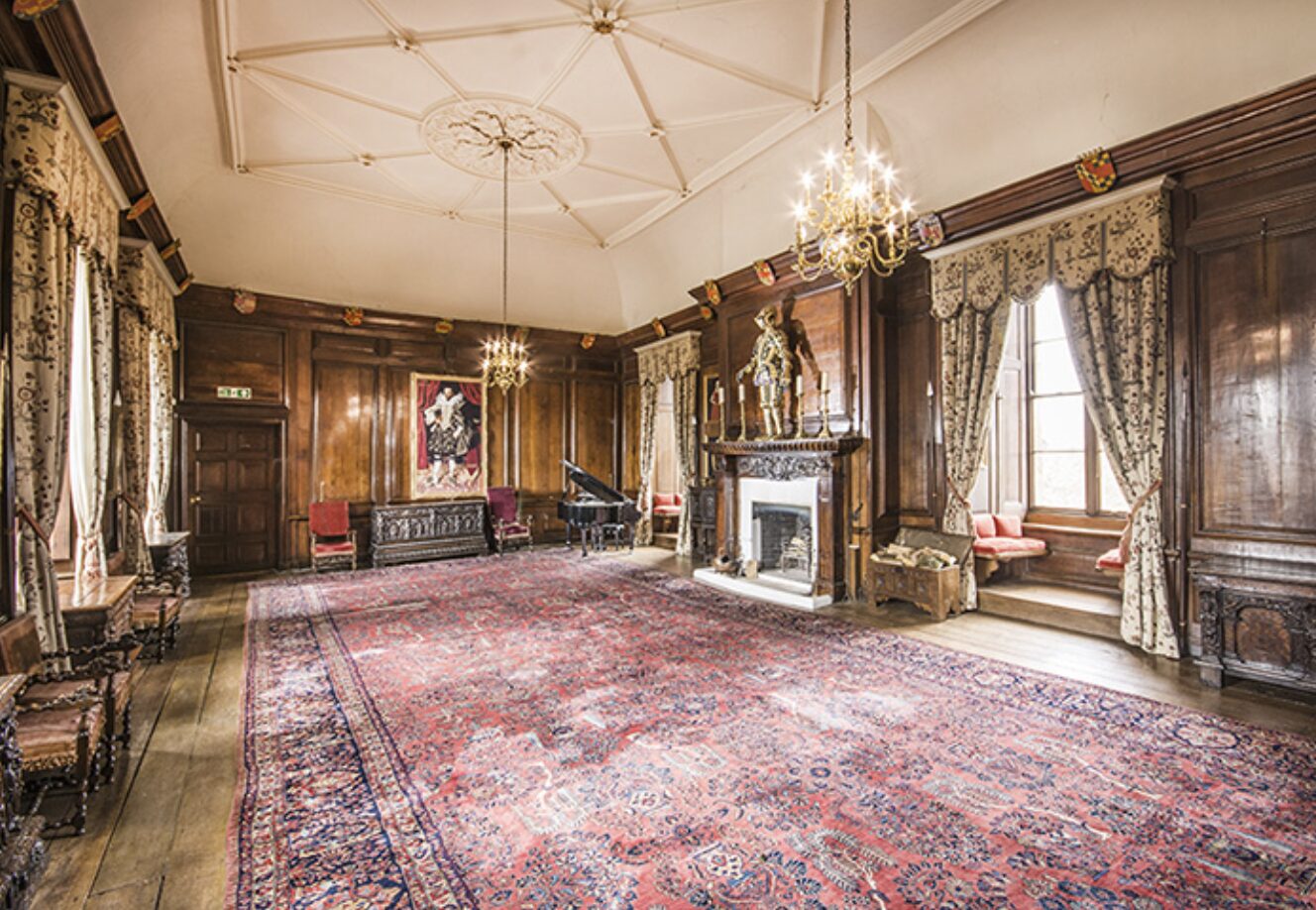
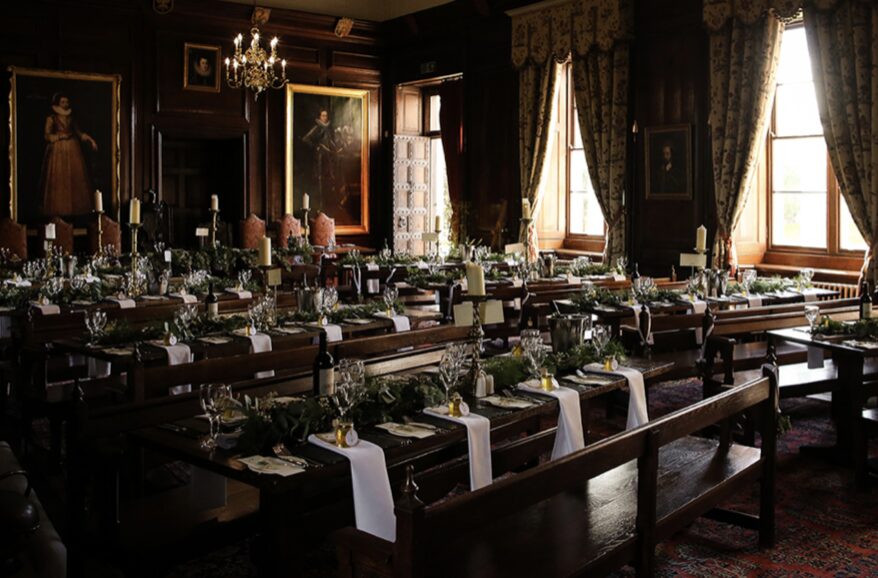
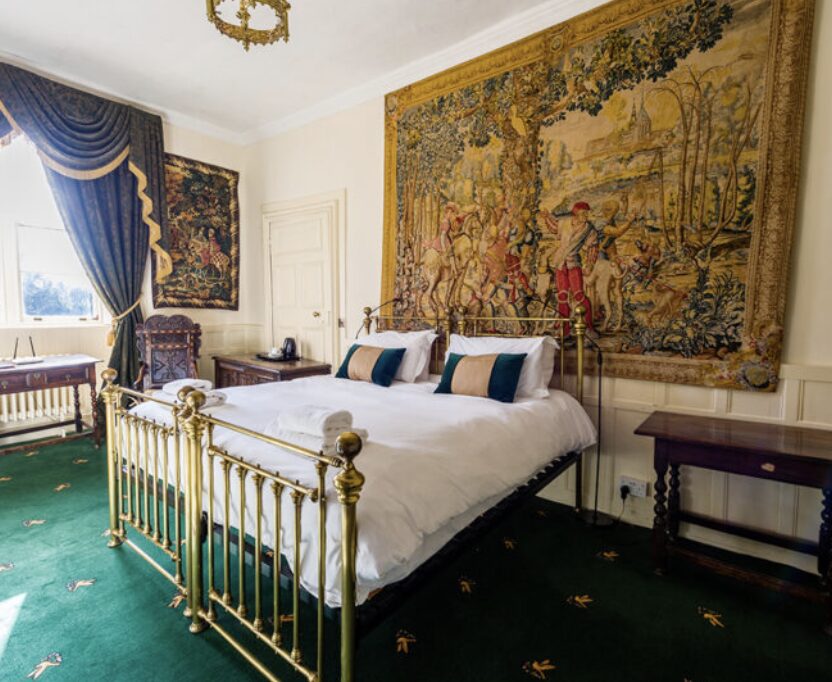
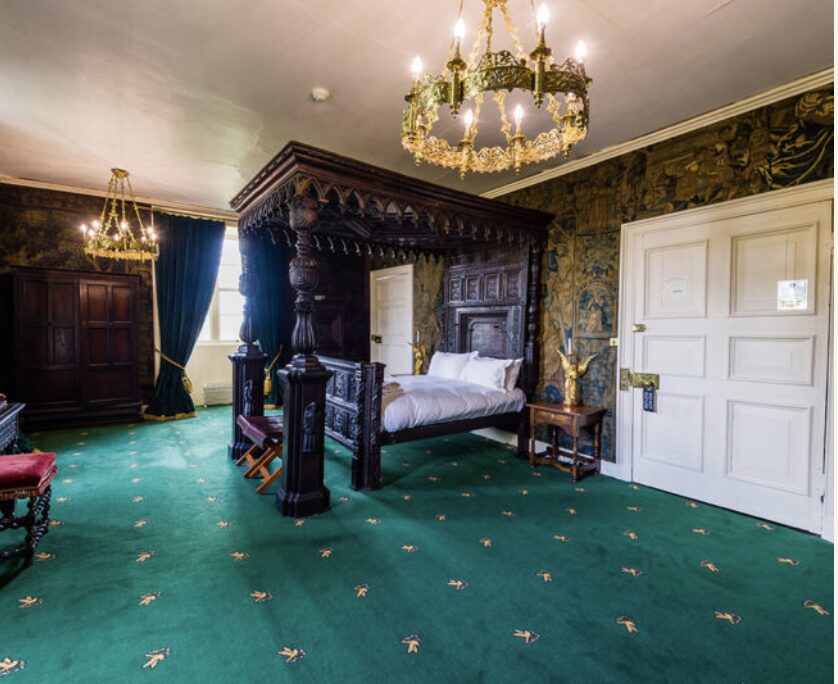
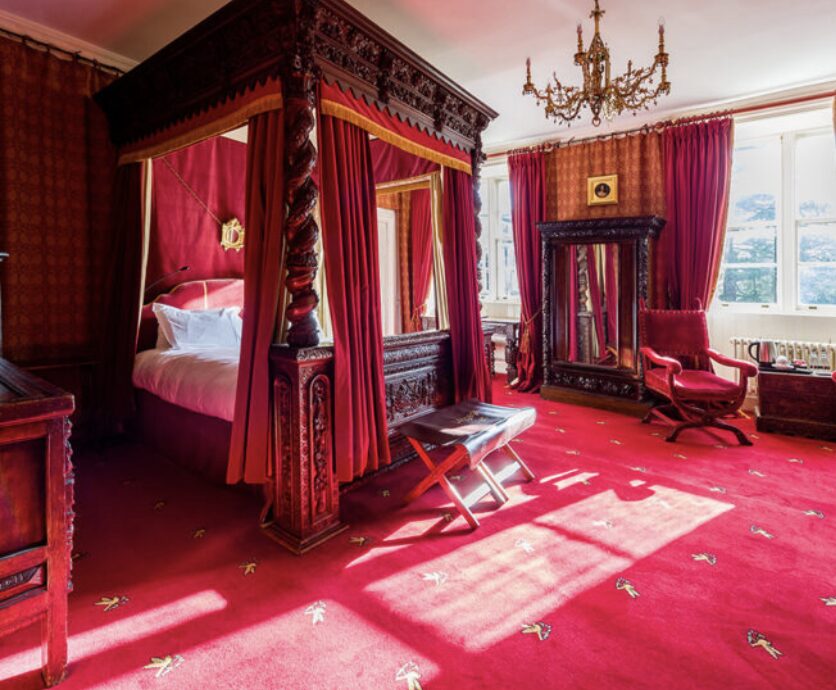
Appleby Castle, Cumbria 

Appleby-in-Westmorland, Cumbria UK


Website