Architectural Styles

Ming Dynasty

Alt names / subperiods 

Timeline

Distinguishing Features

Geographic Presence

Chinese Classical

Imperial Architecture


Wikipedia


1368–1644

  • Symmetry and Balance
  • Brilliant Colors
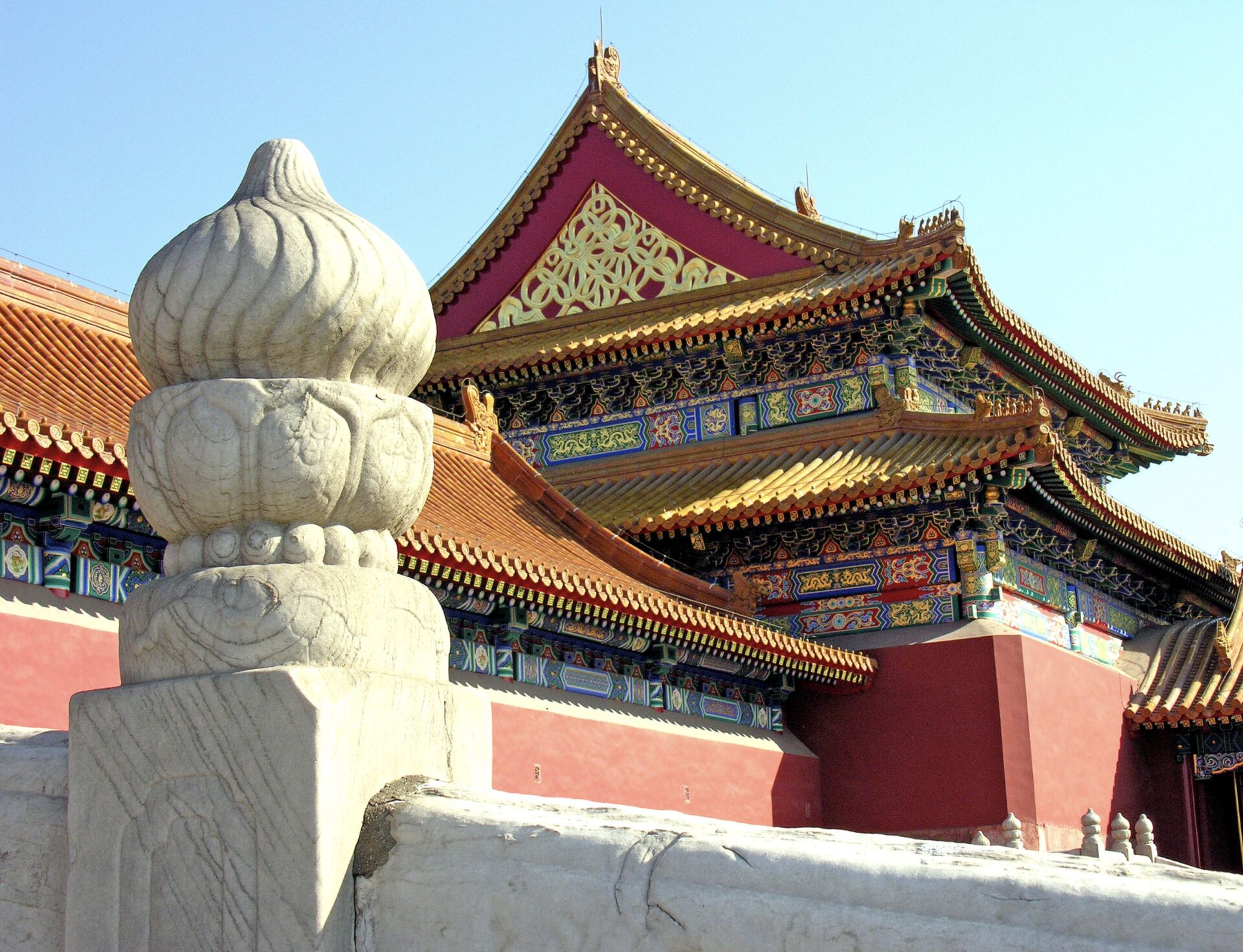
  • Decorative Elements
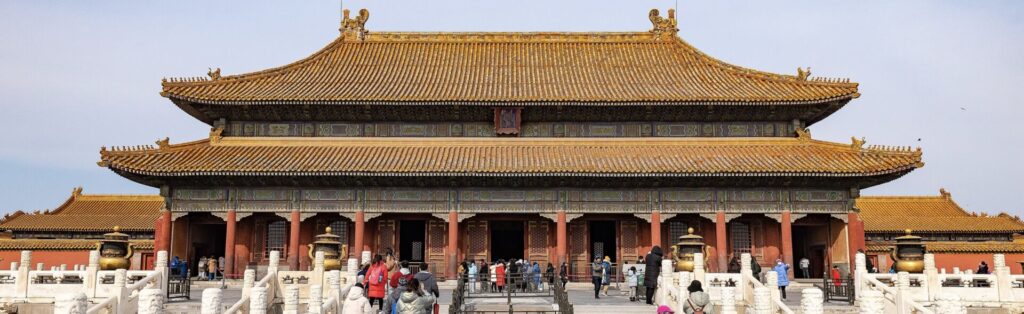
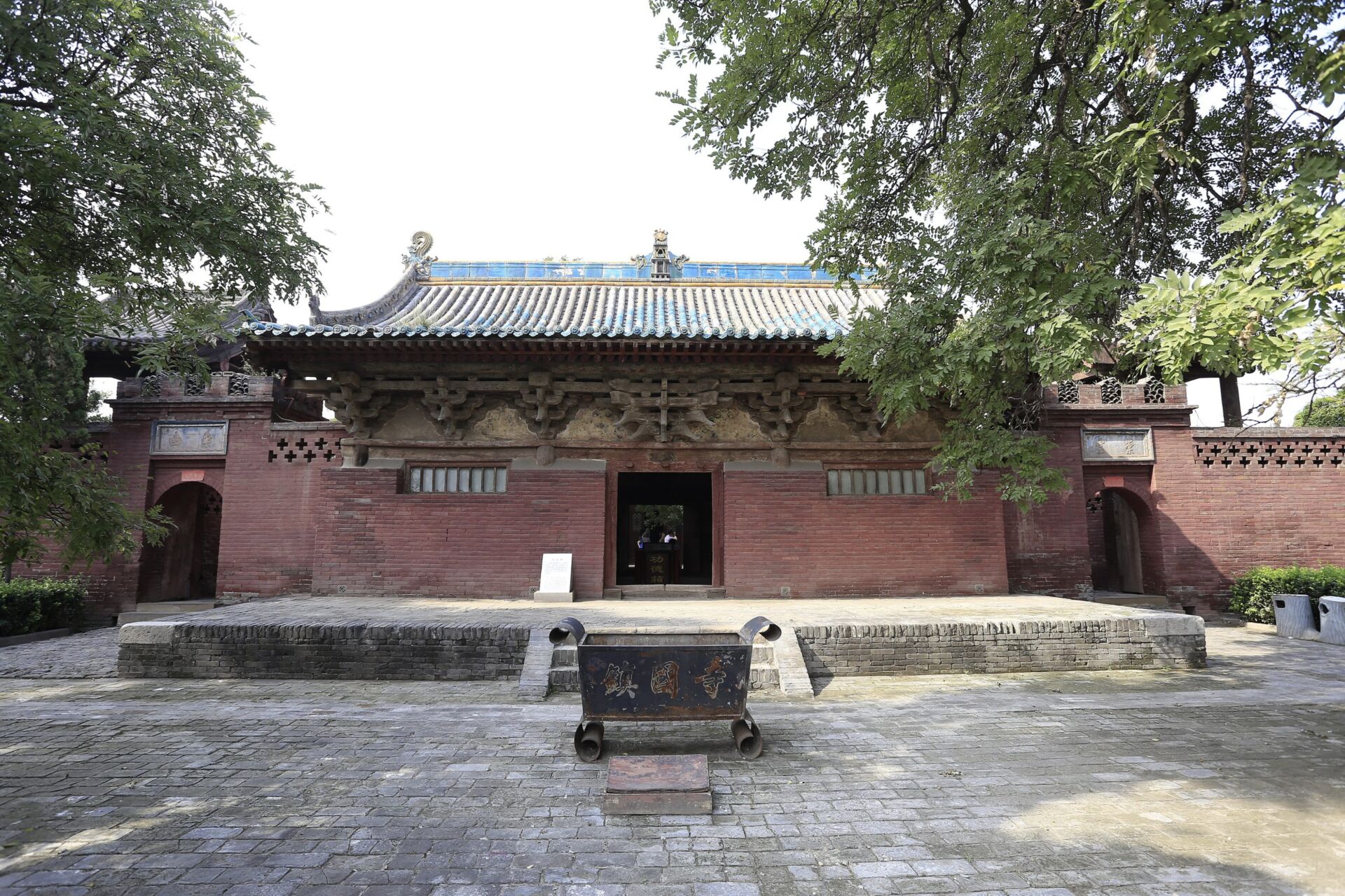
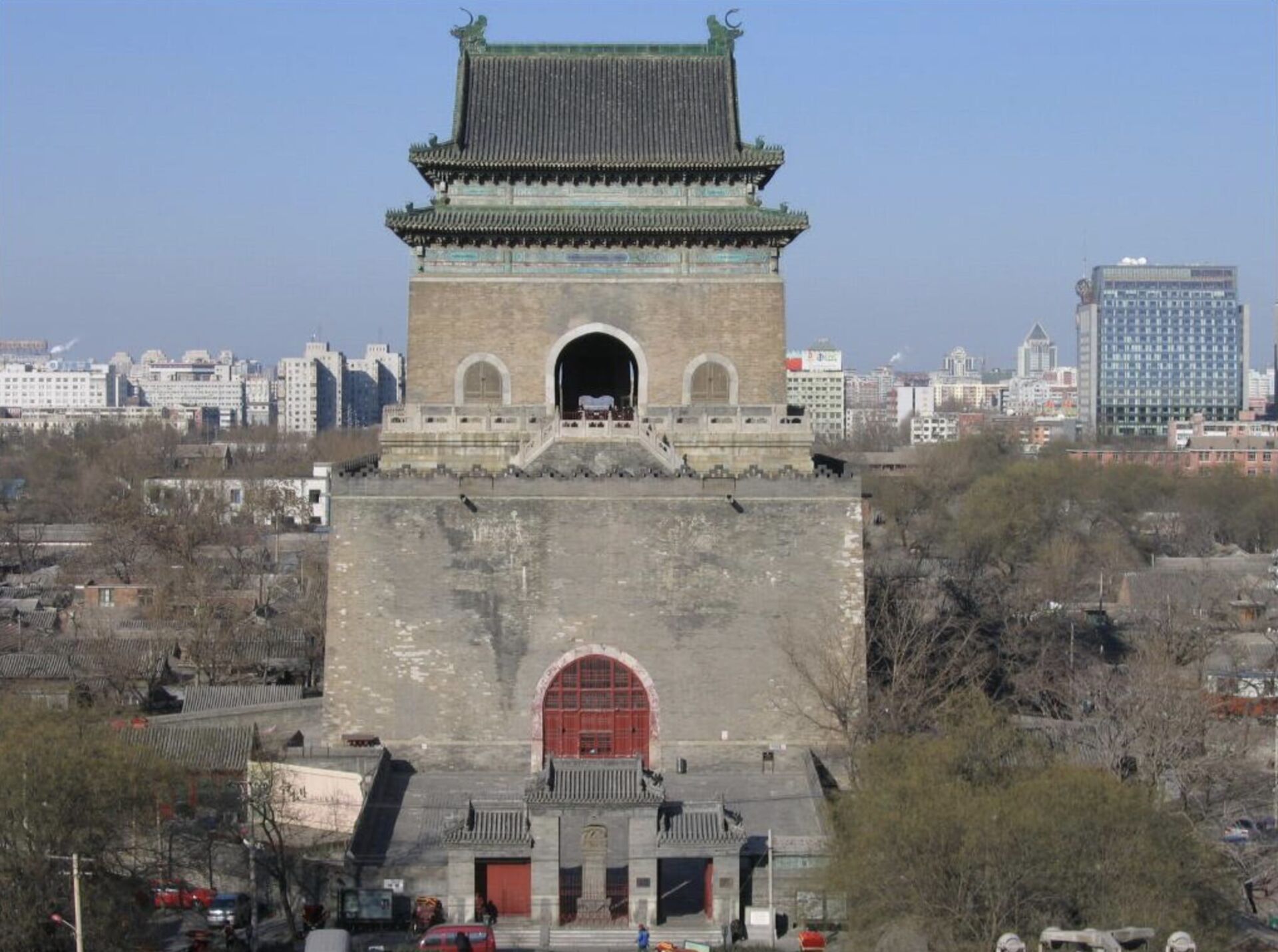
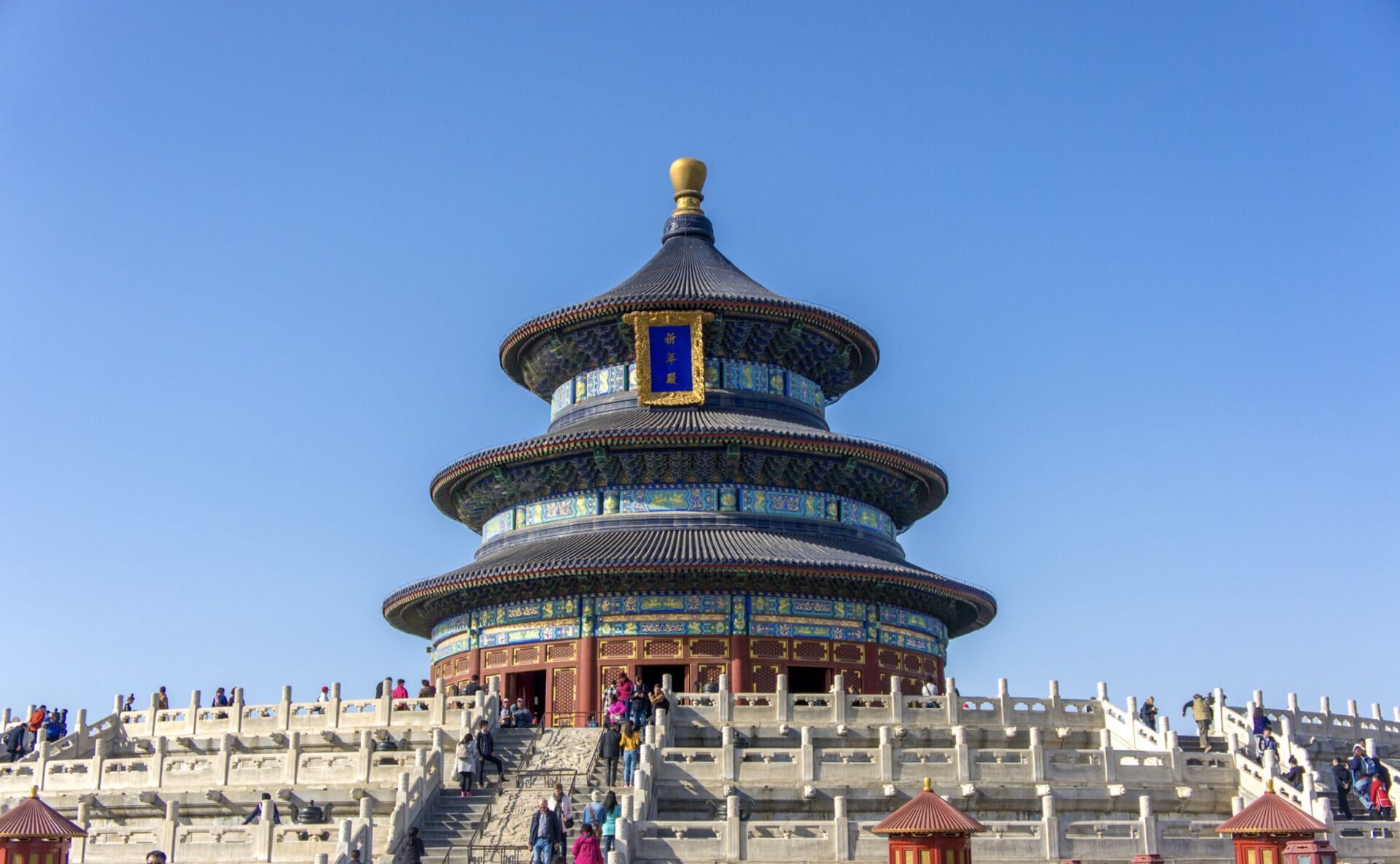
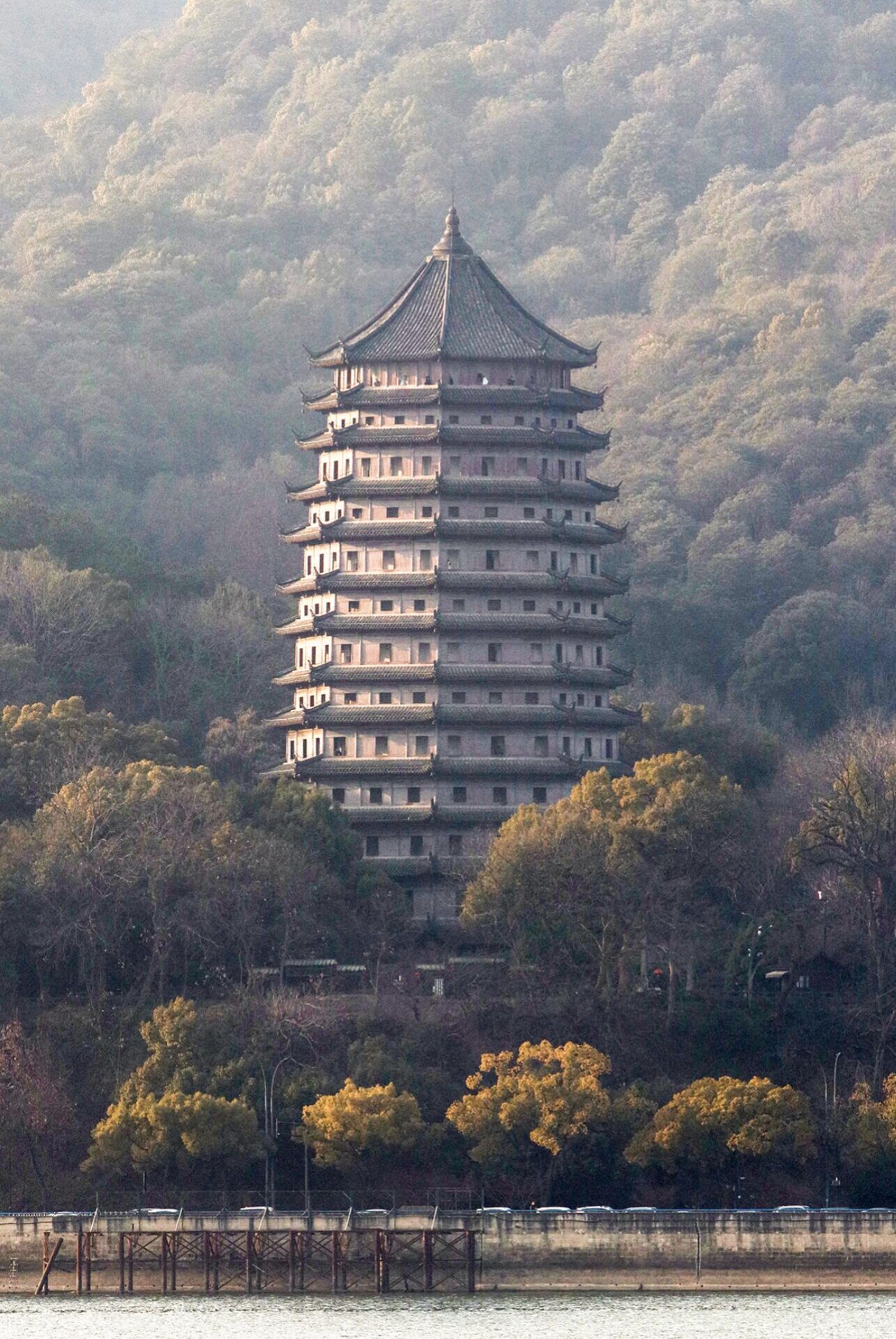
  • curved and overhanging roofs
  • covered with glazed tiles
  • decorated with ridge beasts
  • ornamental eaves
  • courtyards
  • wooden structures
  • advanced joinery techniques without the use of nails.
  • China. Influence on
  • Korea
  • Japan
  • Vietnam

Common Building Types

Landmark buildings

Historic Accommodation Types

Accommodation Examples

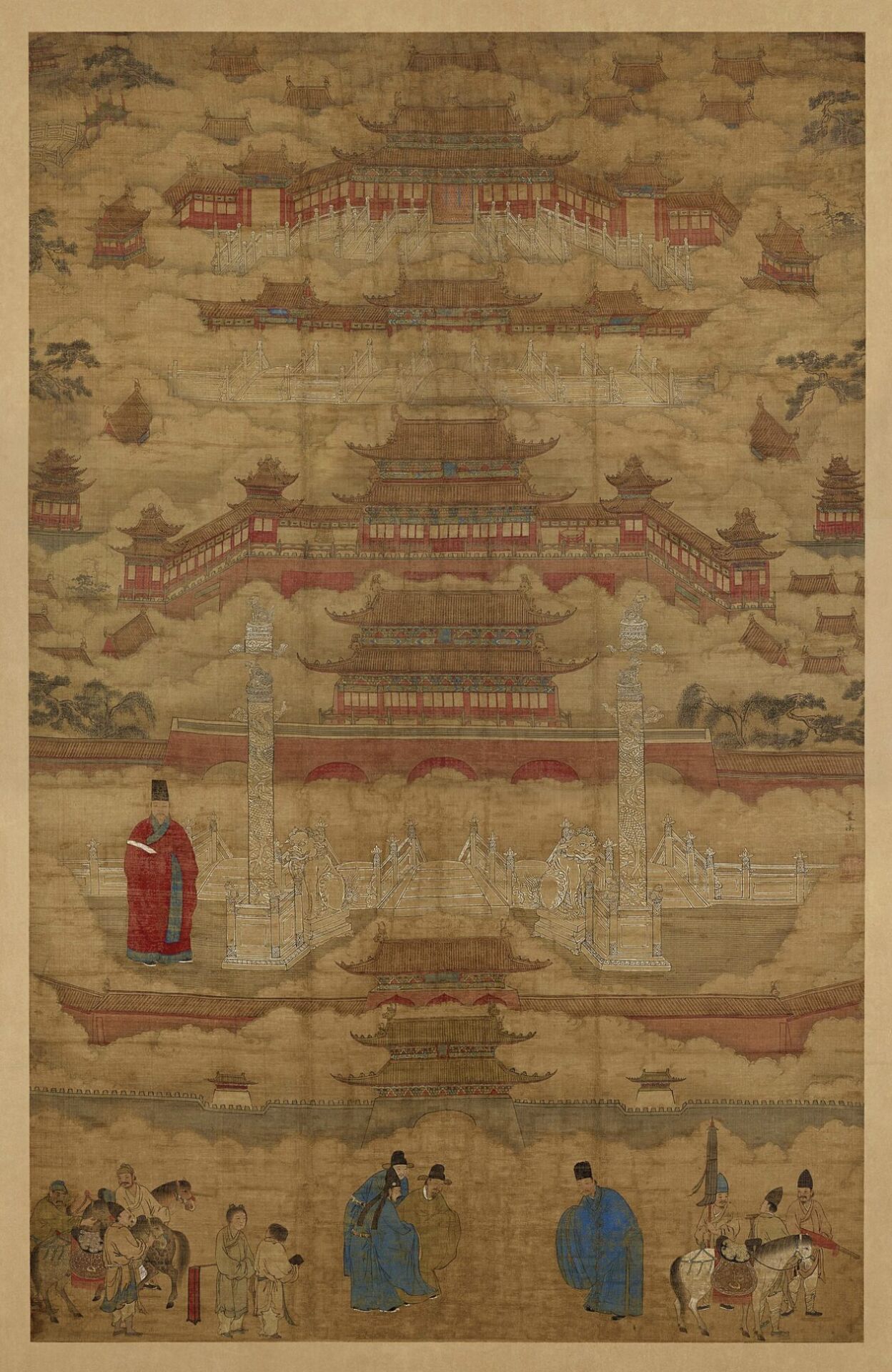
  • Imperial Palaces
  • temples
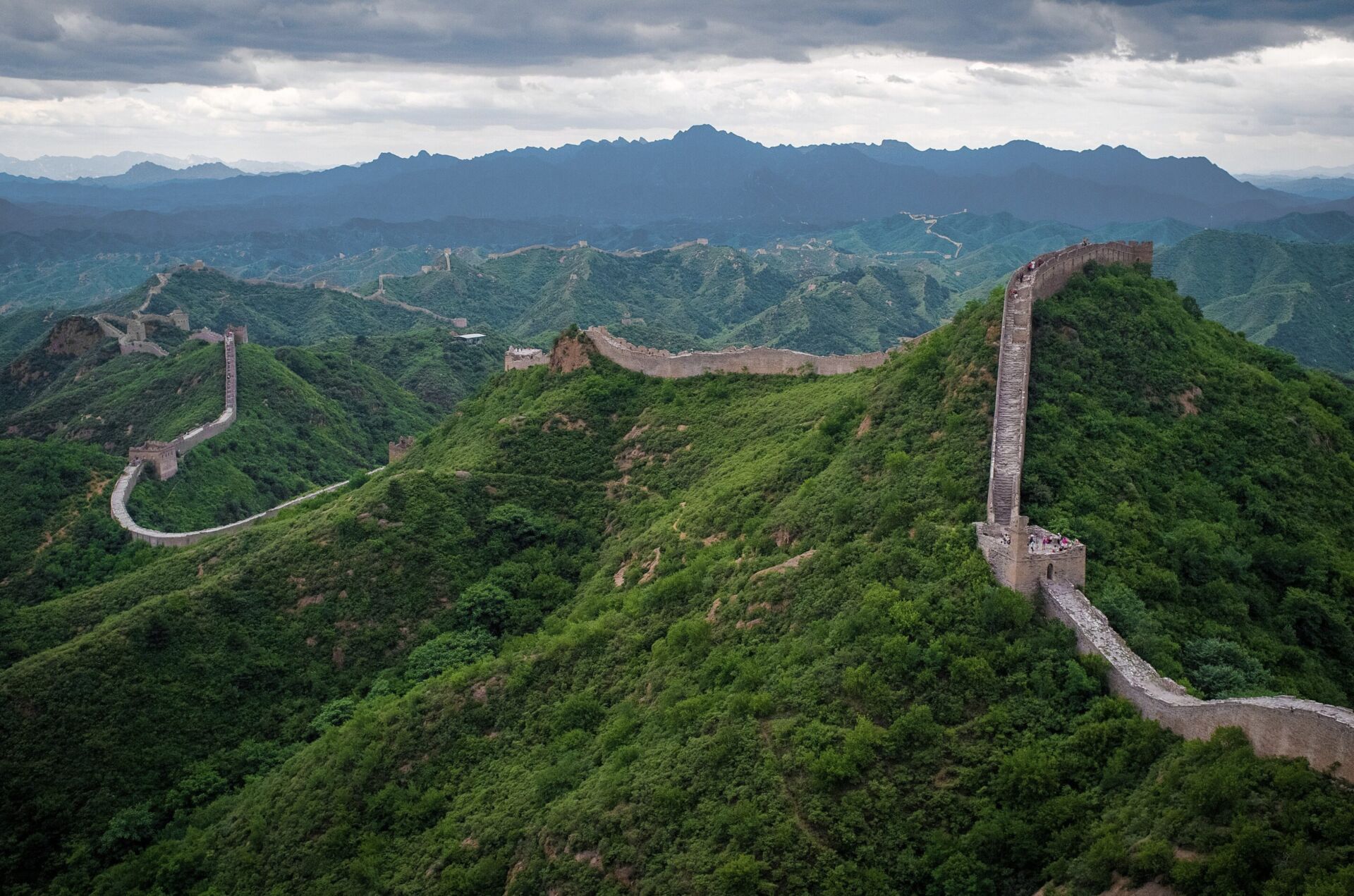
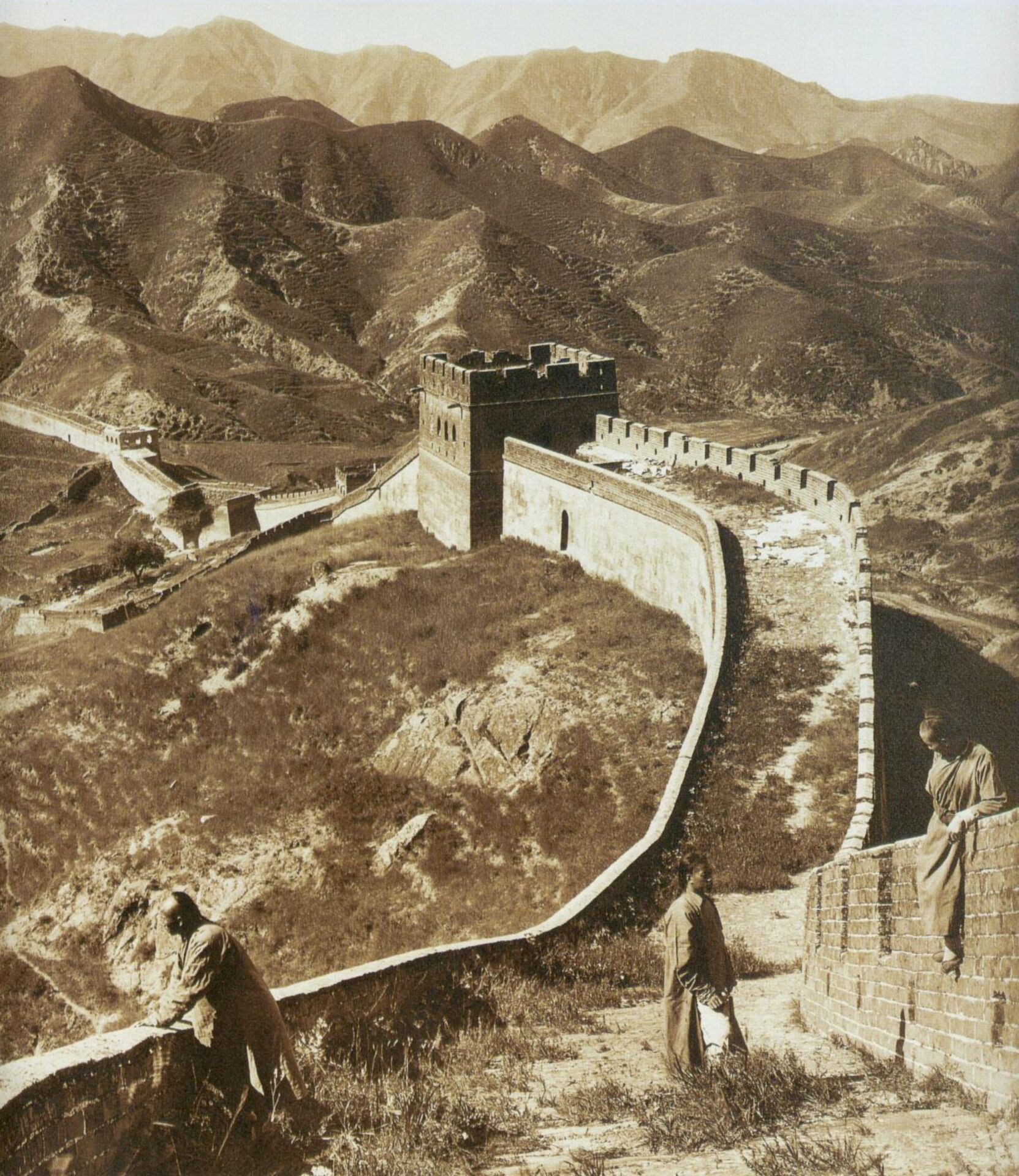
  • city walls
  • gates
  • residential
  • pagodas
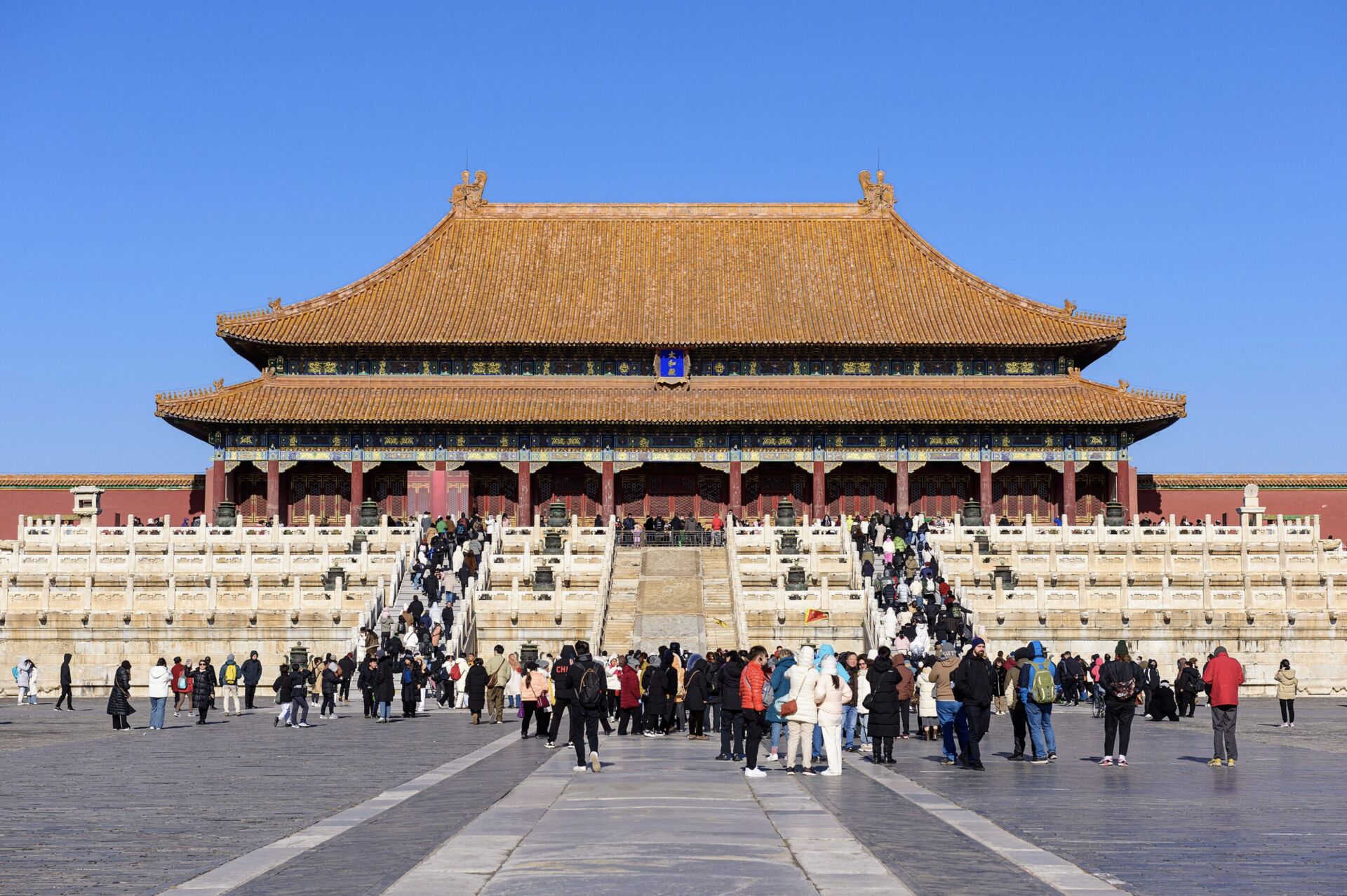
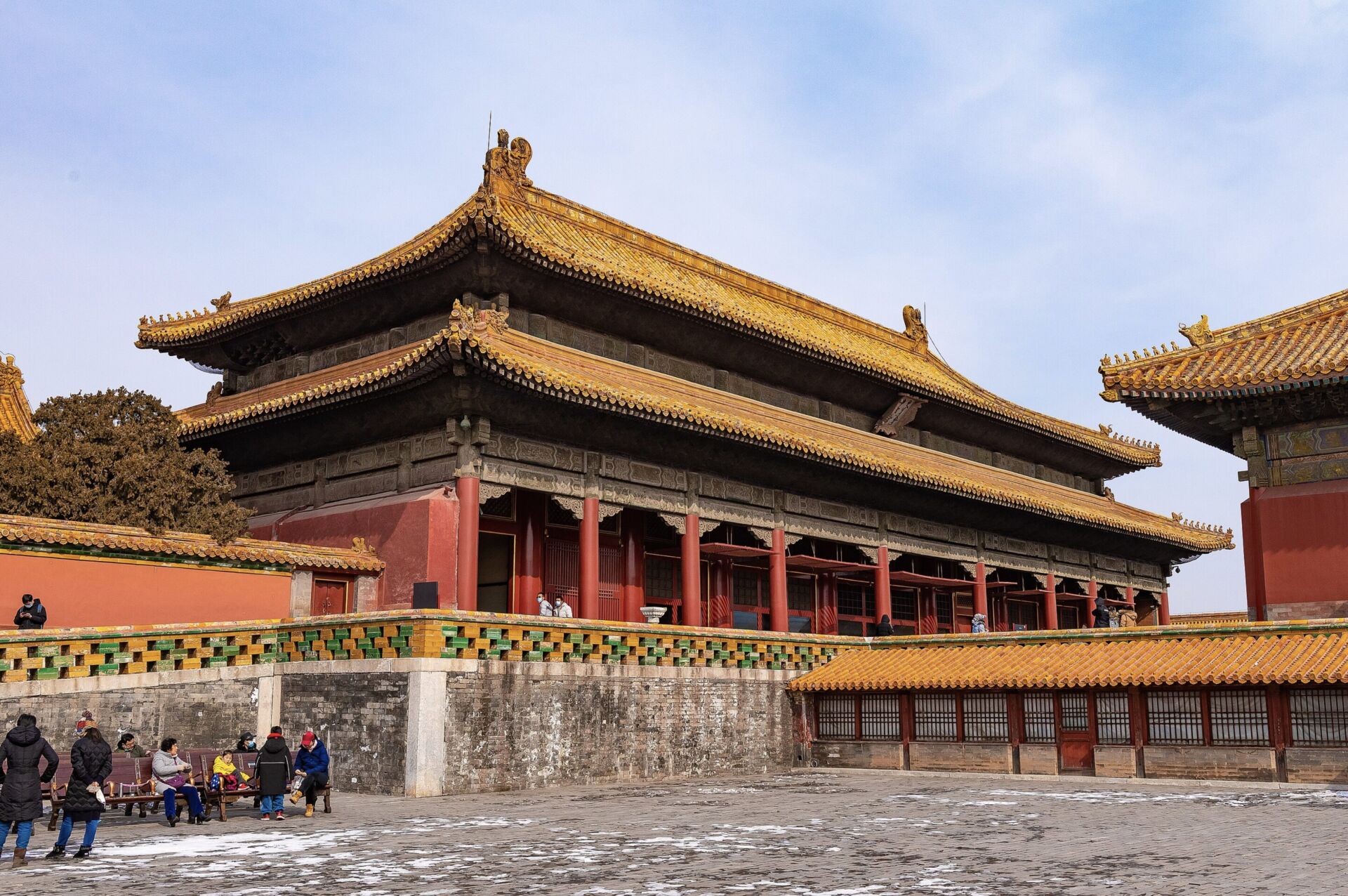
  • The Forbidden City Beijing
  • Temple of Heaven Beijing
  • Great Wall of China,
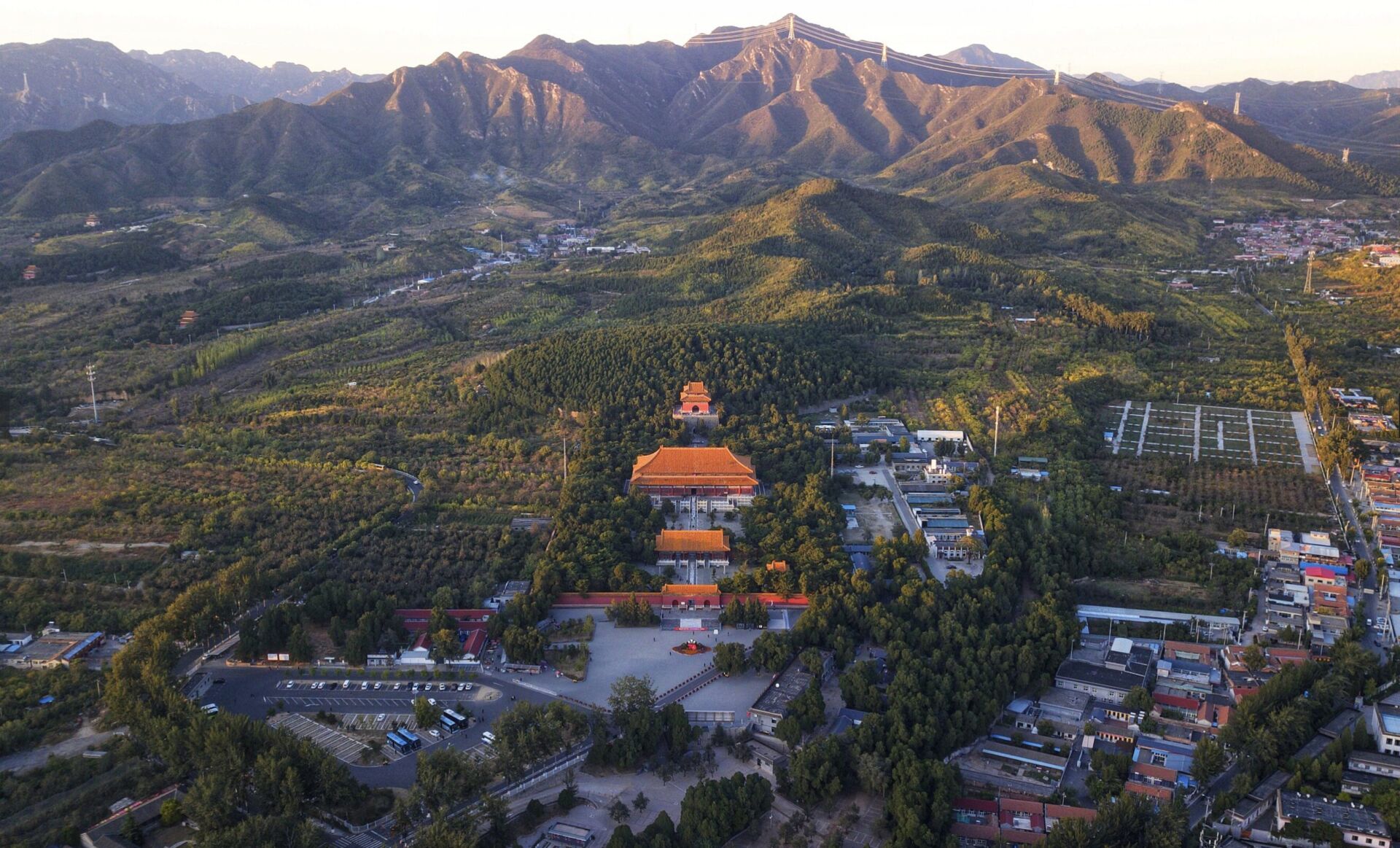
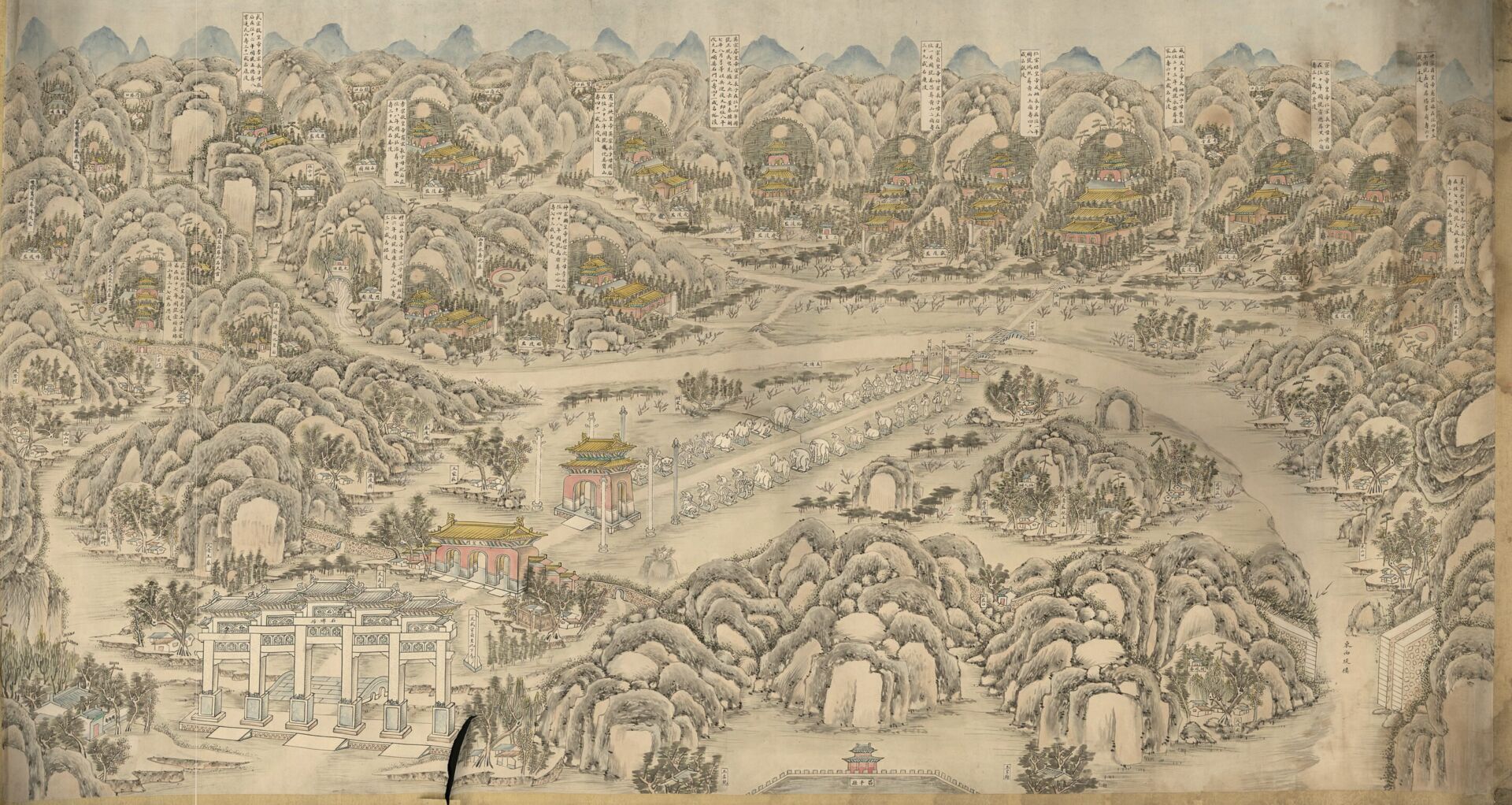
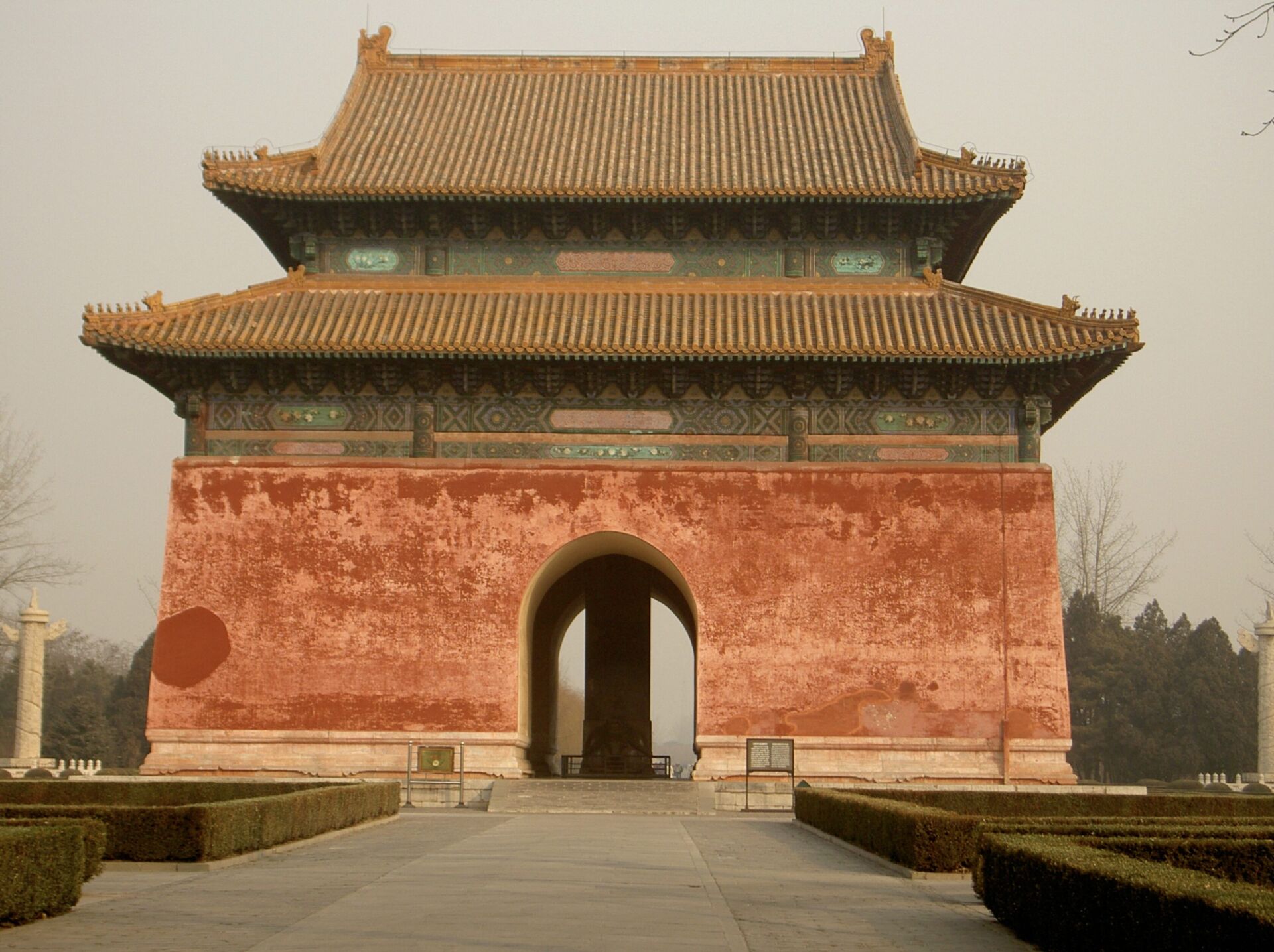
  • Ming Tombs
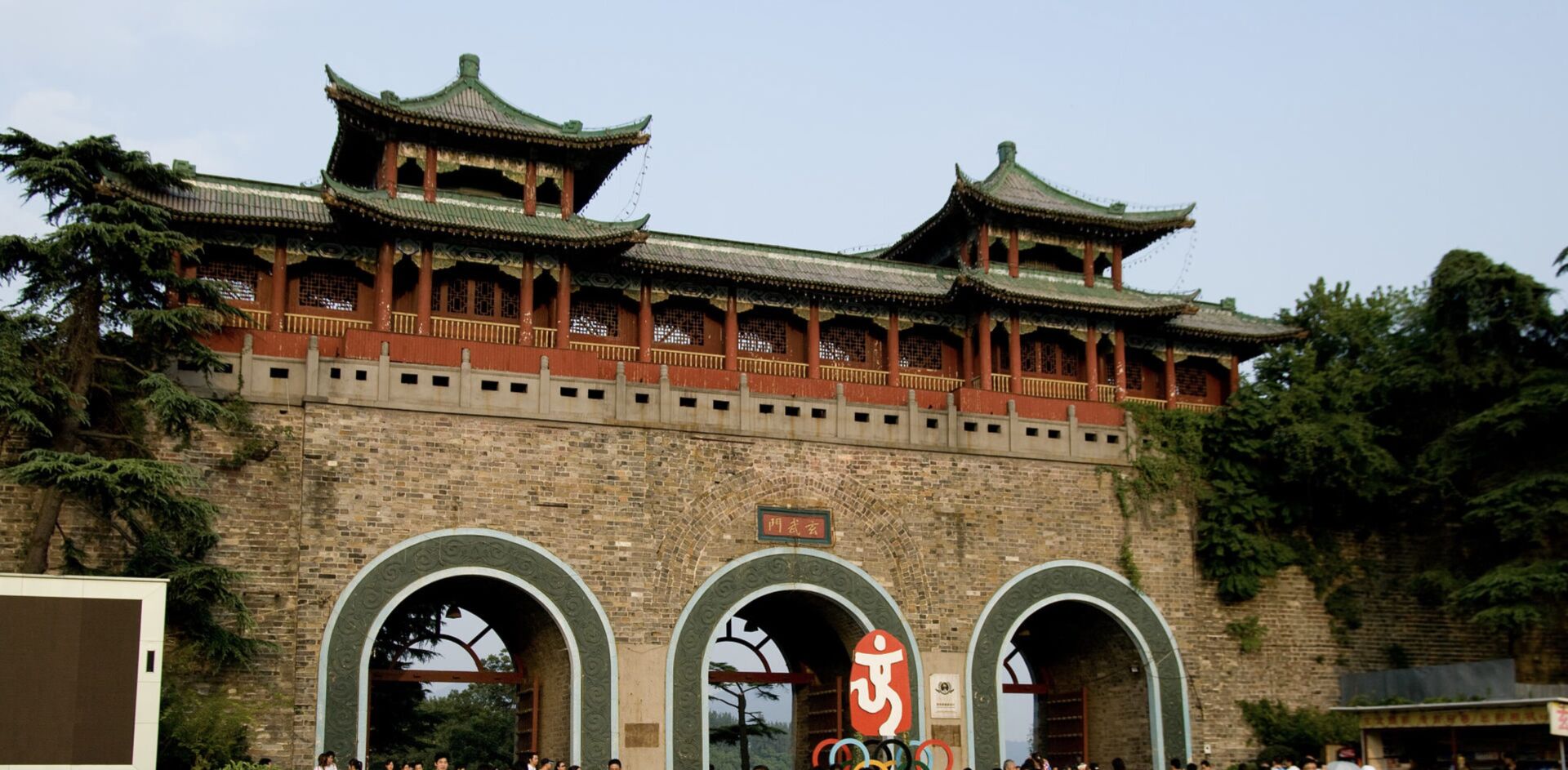
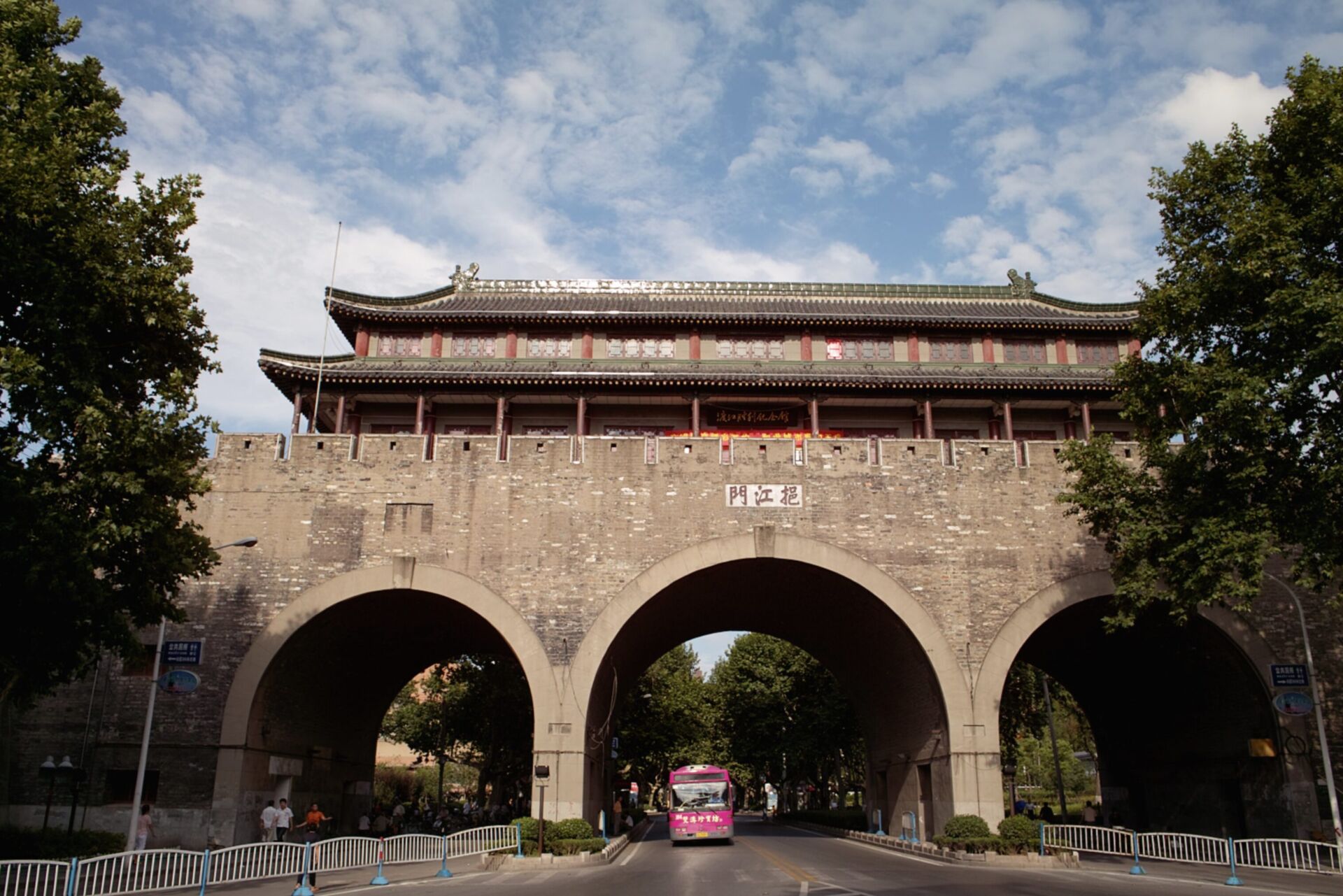
  • City Walls of Nanjing,
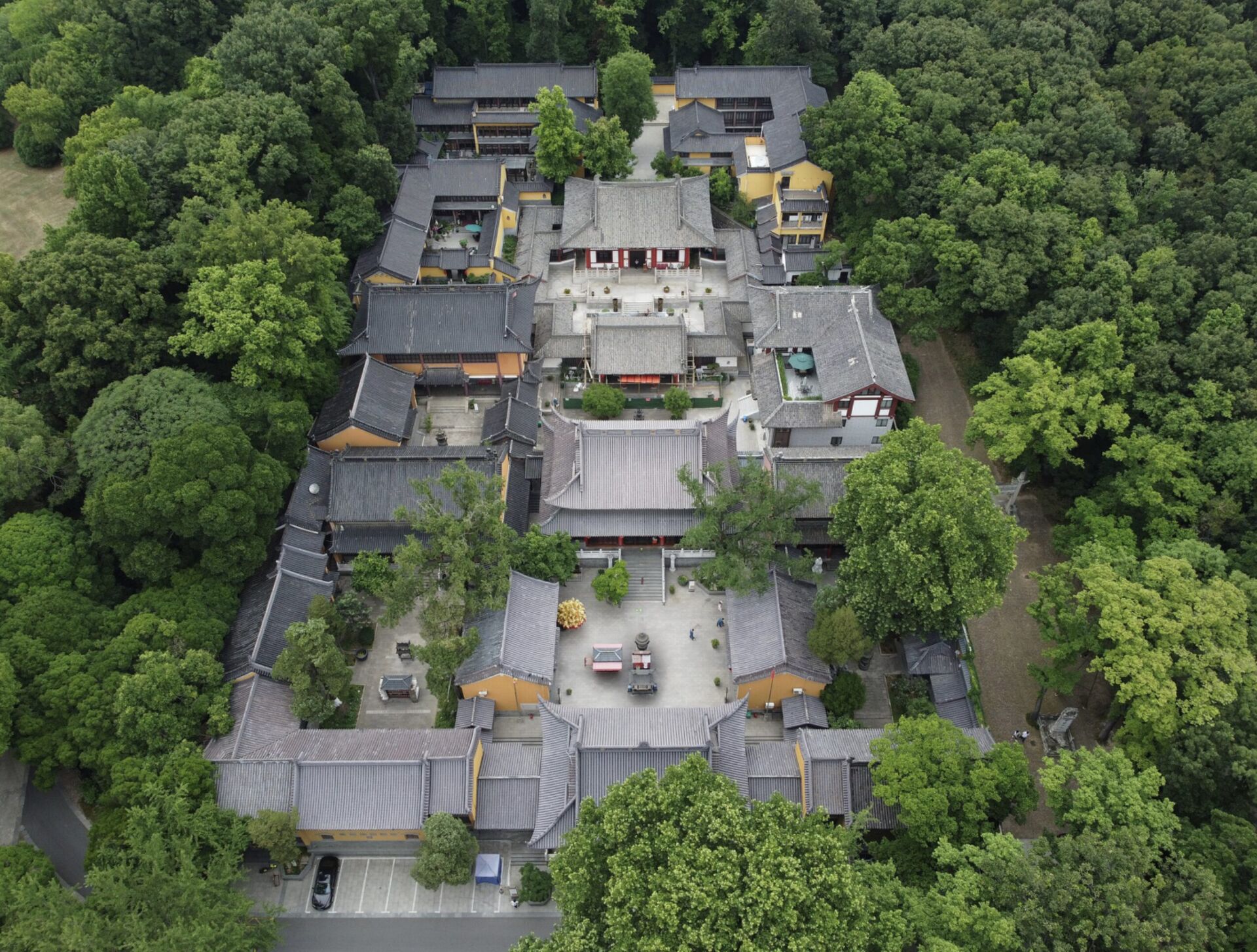
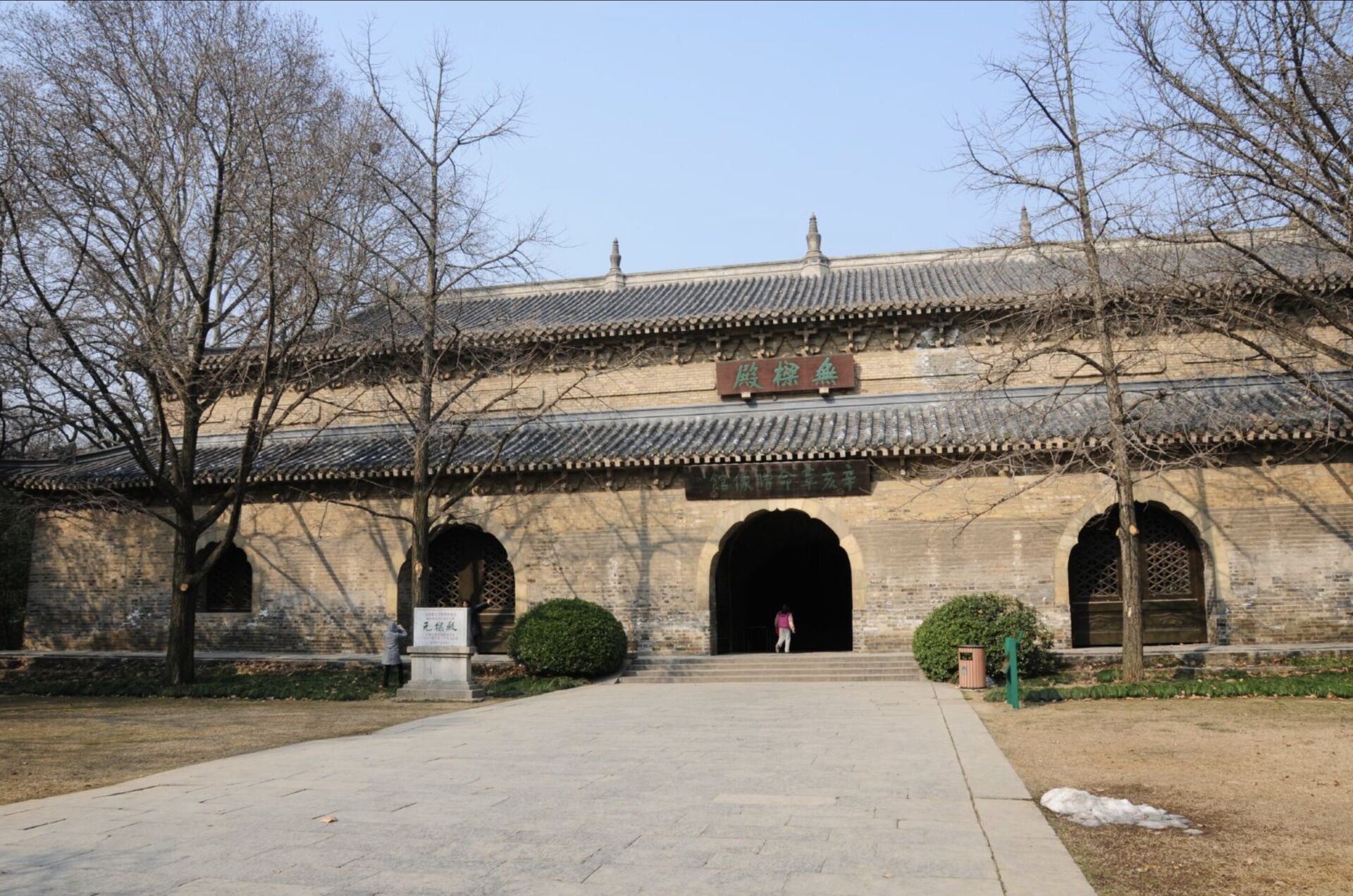
  • Linggu Temple Nanjing,
  • Liuhe (Six Harmonies) Pagoda Hangzhou
  • Official guest residences (馆 / 会馆-type official lodging)
  • Commercial inns / guesthouses (客栈 / 旅店)
  • Merchant guild halls with lodging (会馆, huìguǎn)
  • Guesthouses (Zhaodaisuo) basic family-run lodgings
  • Imperial Government relay / postal stations (驿站, yìzhàn) for govt officials
  • Canal and river-route lodging
  • Temple and monastery lodging for pilgrims
  • Charitable lodging / relief shelters
  • Private lodging in merchant houses / rented rooms
  • Pingyao Ancient City (Shanxi) — 客栈 (kezhan) style courtyard inns/ guesthouses
  • Merchant guild halls (会馆) and huiguan /trade lodging networks canal/trade cities (Suzhou/Yangzhou/Hankou

Adaptive Reuse –

  • Ancient villages of southern Anhui (Hongcun / Xidi) — merchant houses adapted as guesthouses
  • Hongcun / Xidi Hui-style Ming houses converted to guesthouses

Landmarks

Original Accommodation

Adapted Visitor Accommodation


Name

Address

Website