Architectural Styles

Etruscan

Alt names / subperiods 

Timeline

Distinguishing Features

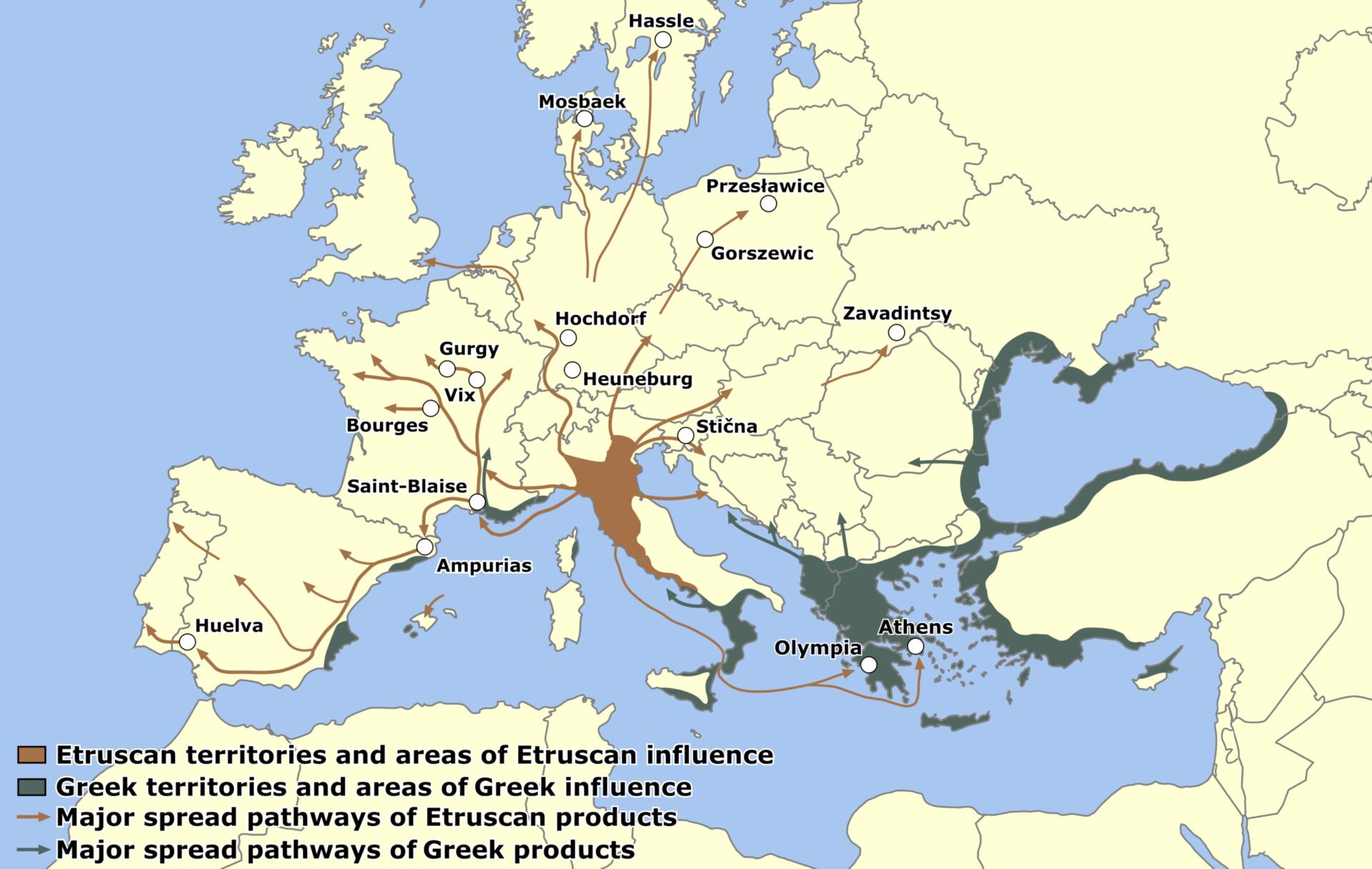
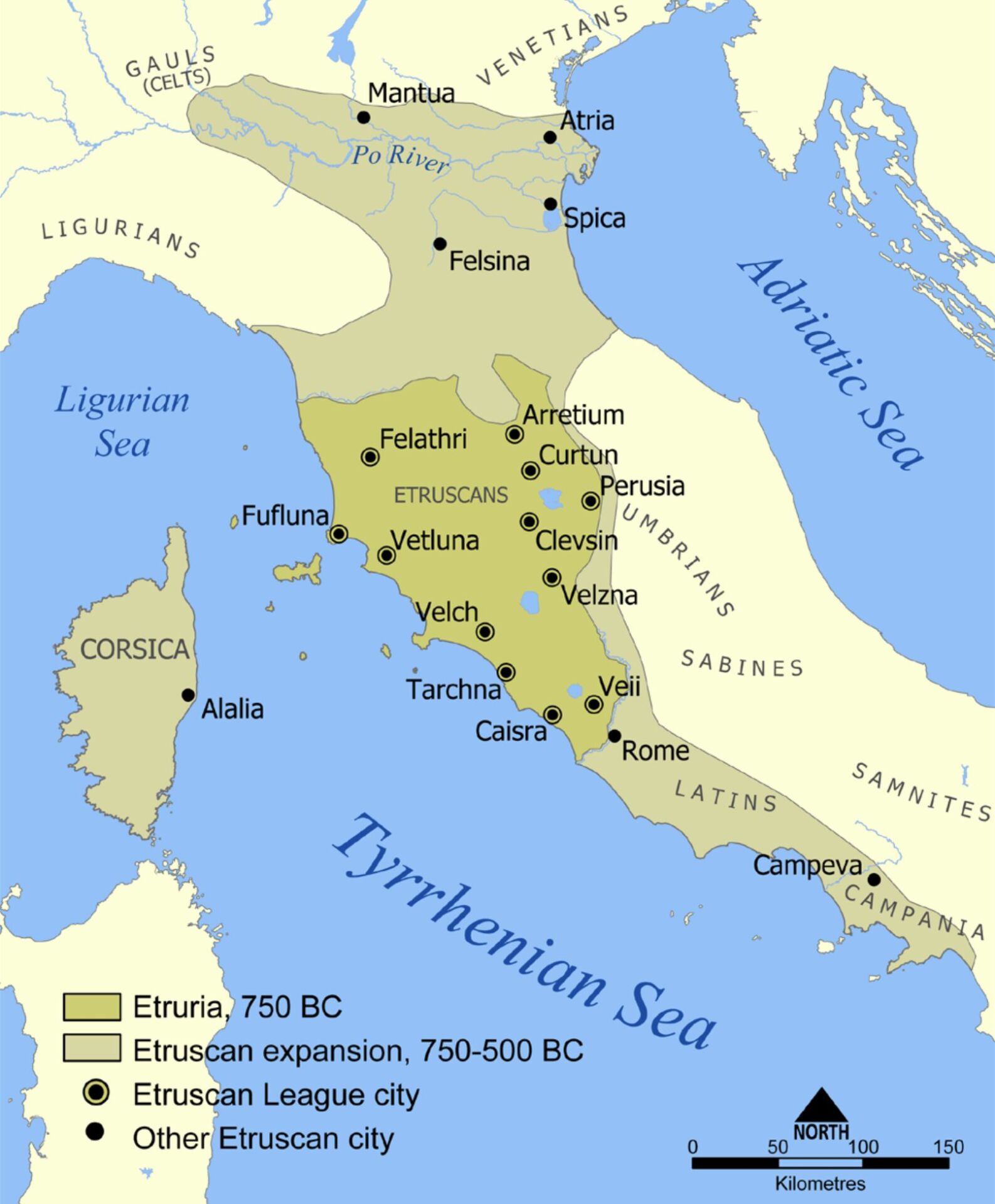
Geographic Presence

800-100 BCE

  • Terracotta & stone
  • fired bricks
  • rectangular temples often with 3 long/narrow cella (inner chambers)
  • high podium
  • deep front porch
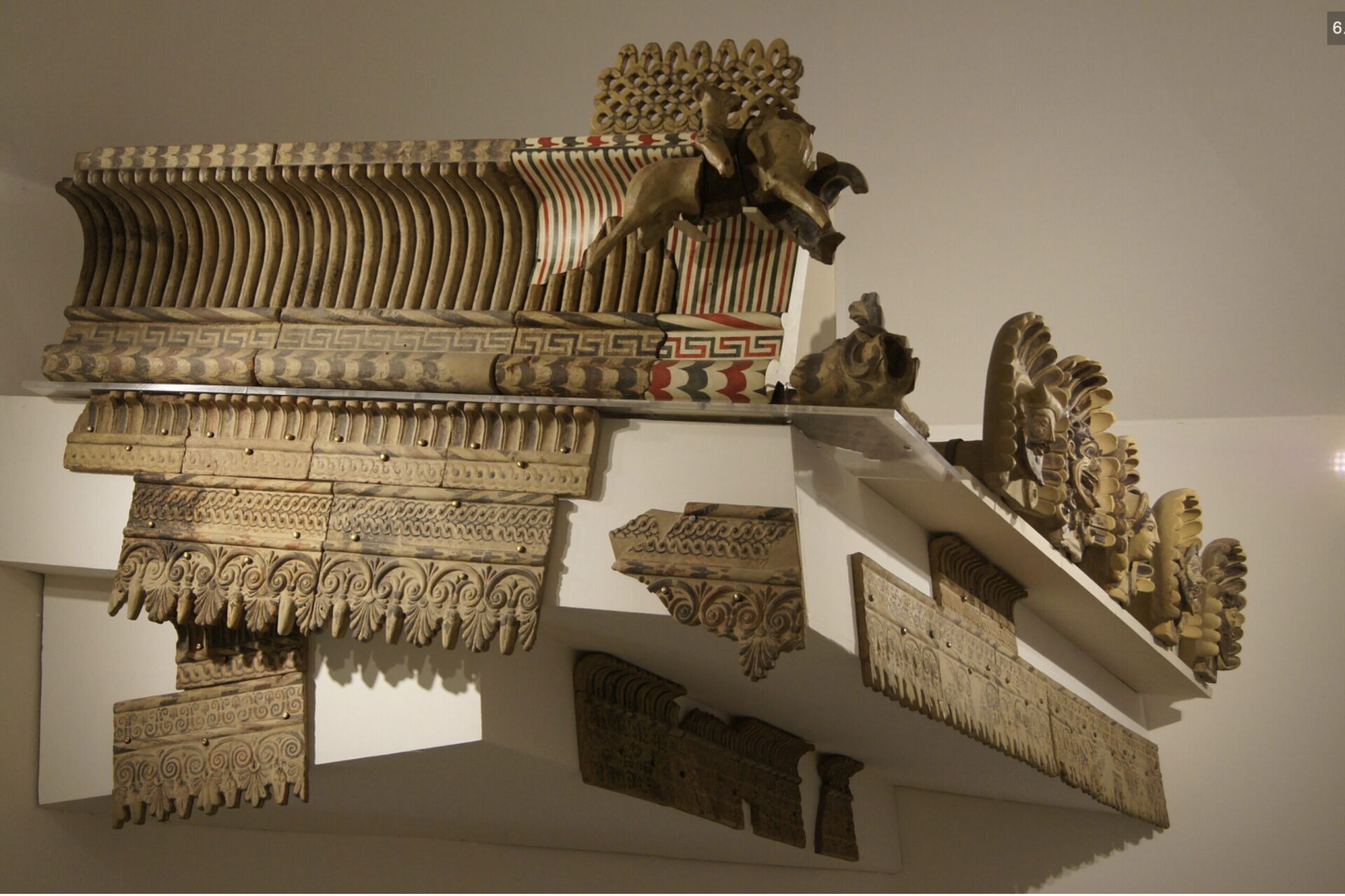
  • roof decorated with terracotta statues (acroteria)
  • widely-spaced Doric columns often in wood
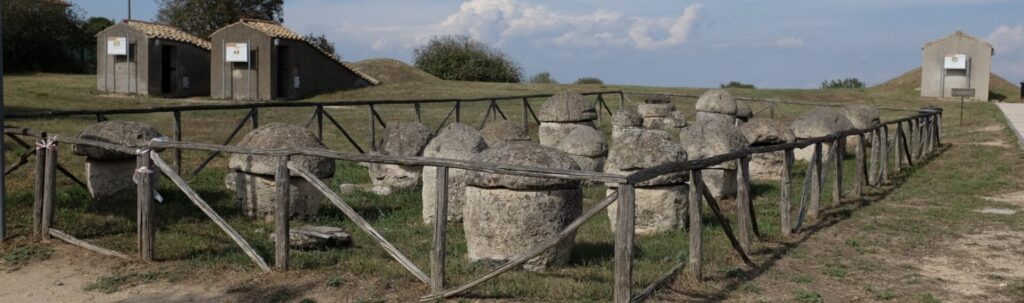
  • “house tombs”
  • rock-cut “chamber tombs”
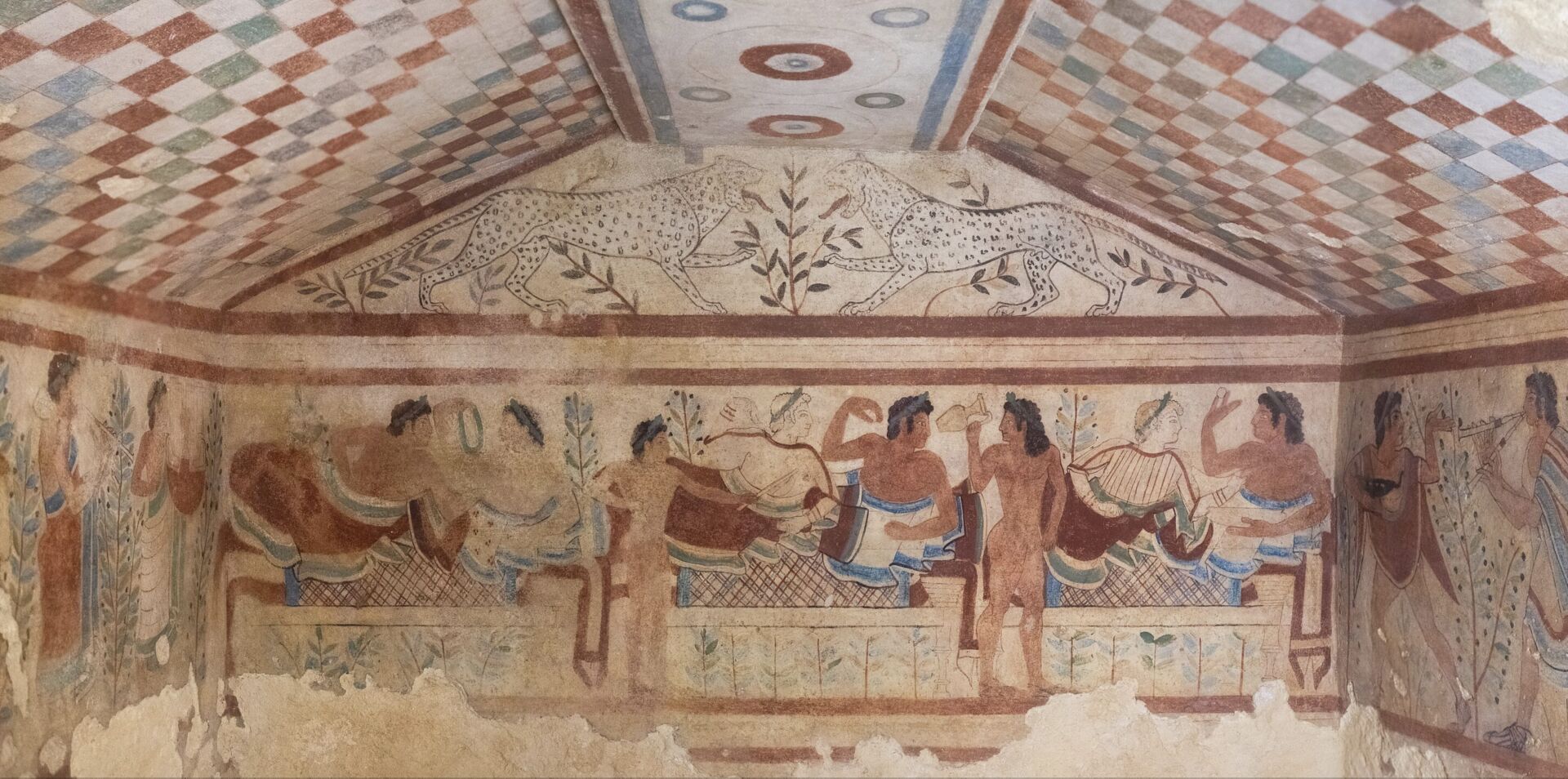
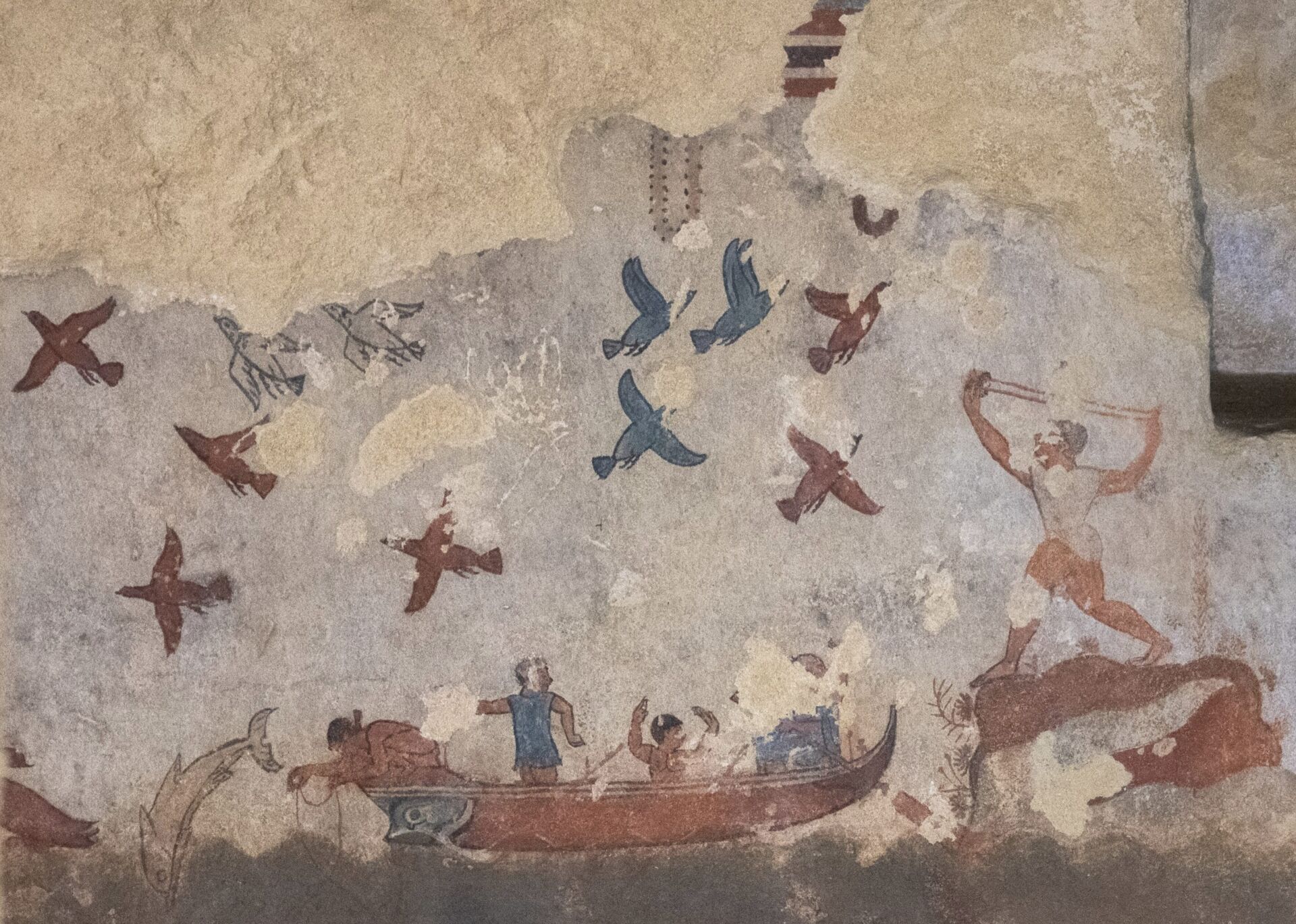
  • rich decorations with frescoes and sculptures
  • showcasing the artistry and cultural beliefs
  • city layout with central forum/market
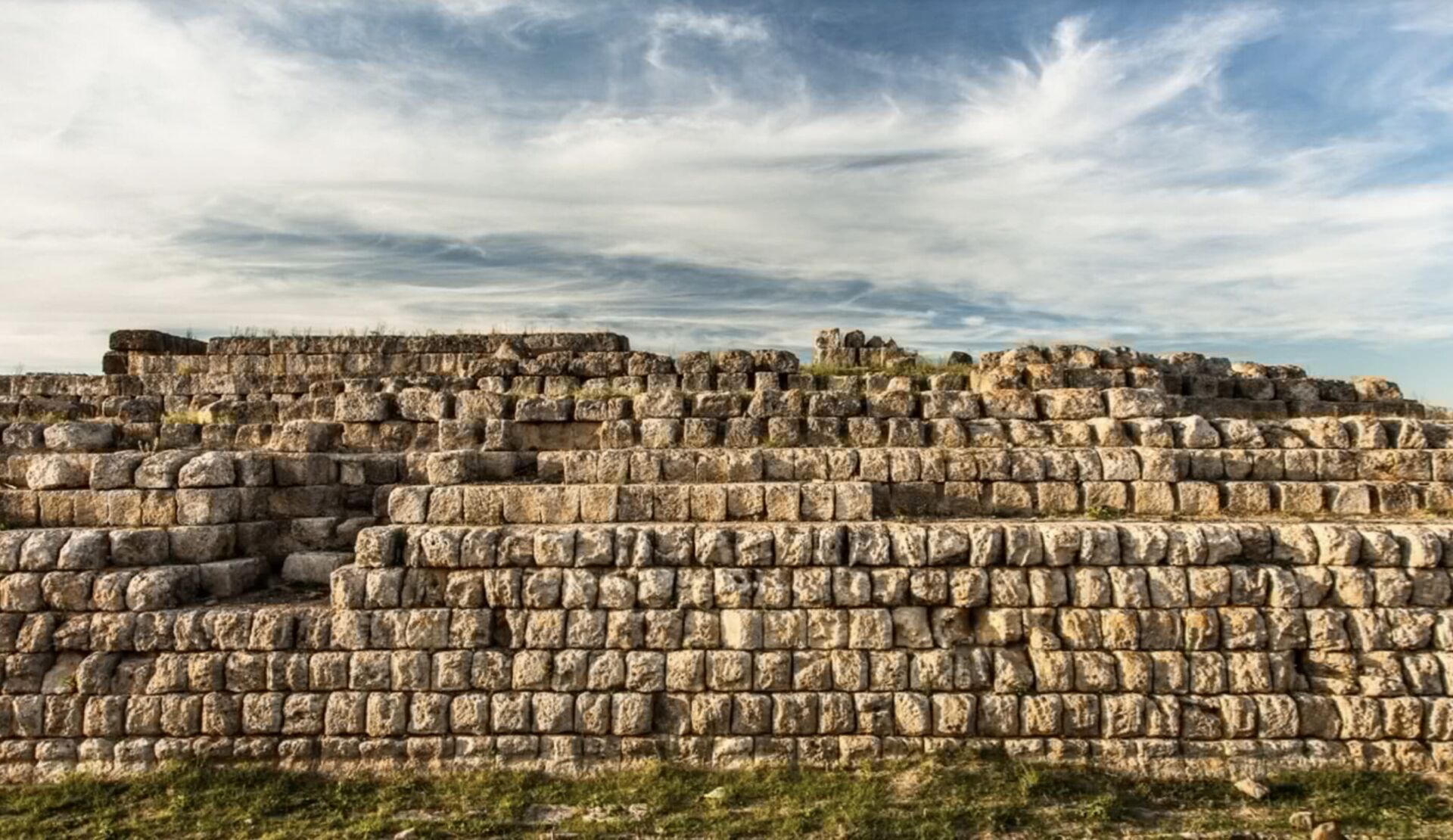
  • monumental stone blocks
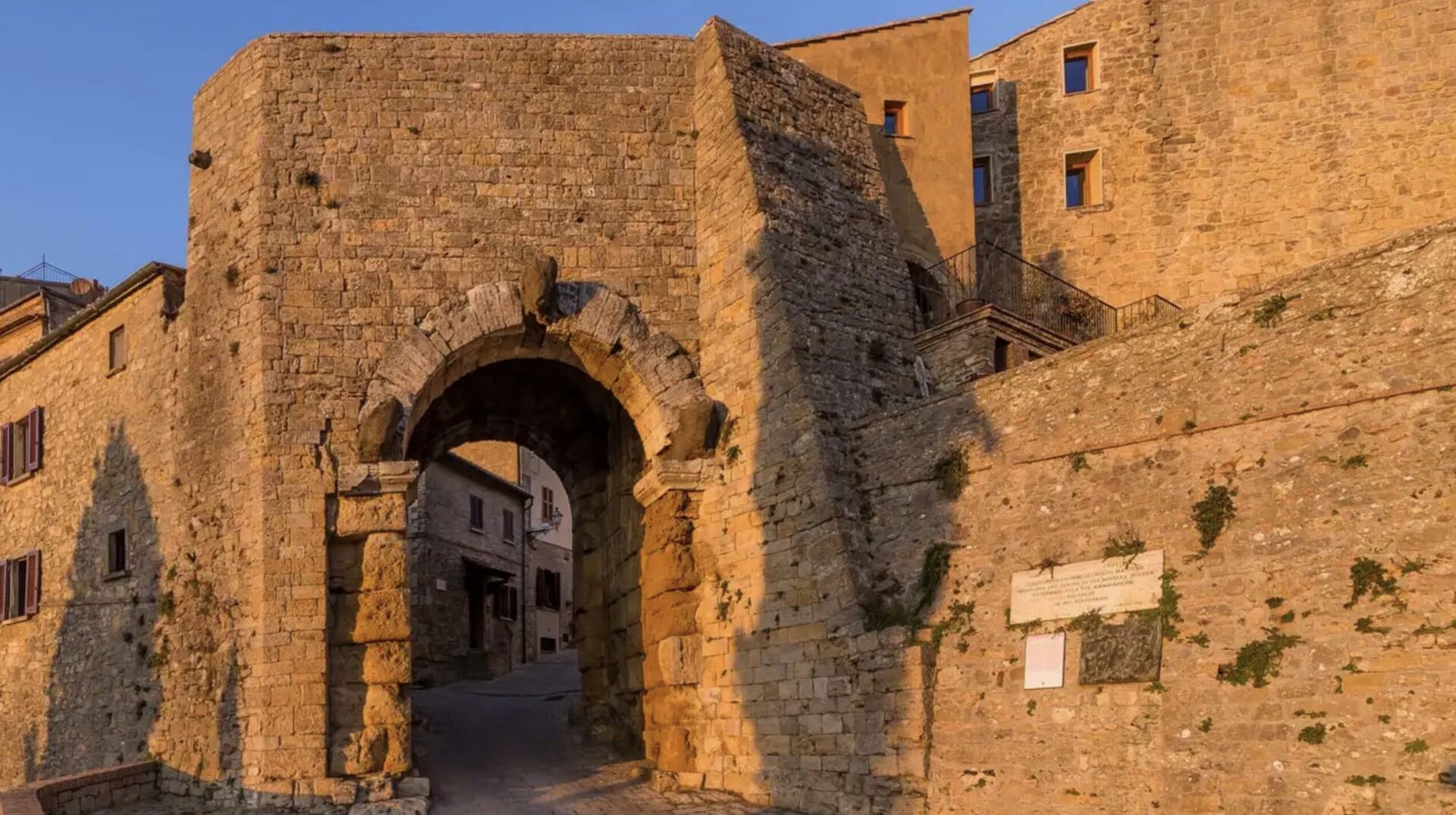
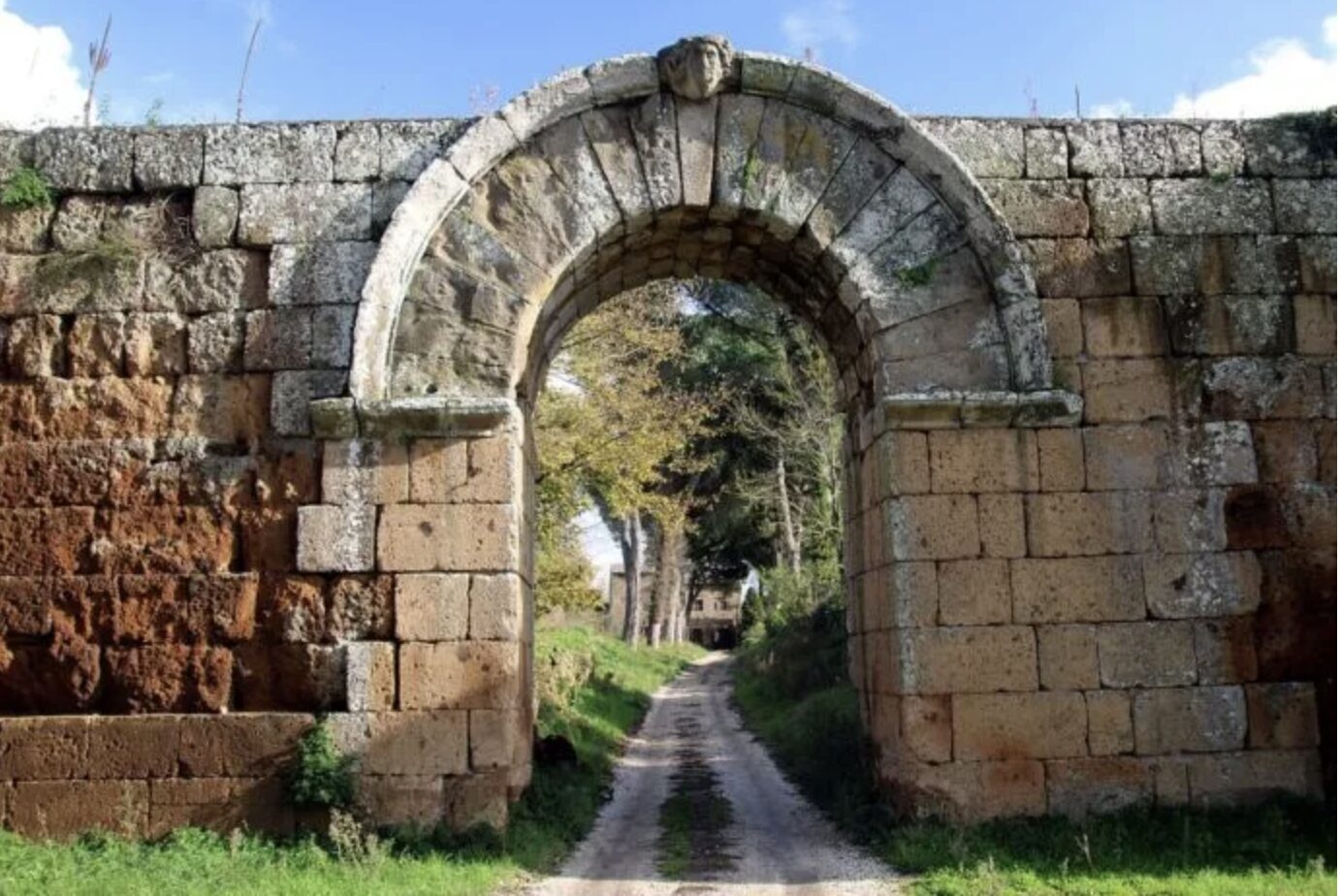
  • arches
  • barrel vaults
  • blend of influences from the Near East, Greek, and Italic traditions
  • Italy

Common Building Types

Landmark buildings

Historic Accommodation Types

Custom Hotel Examples

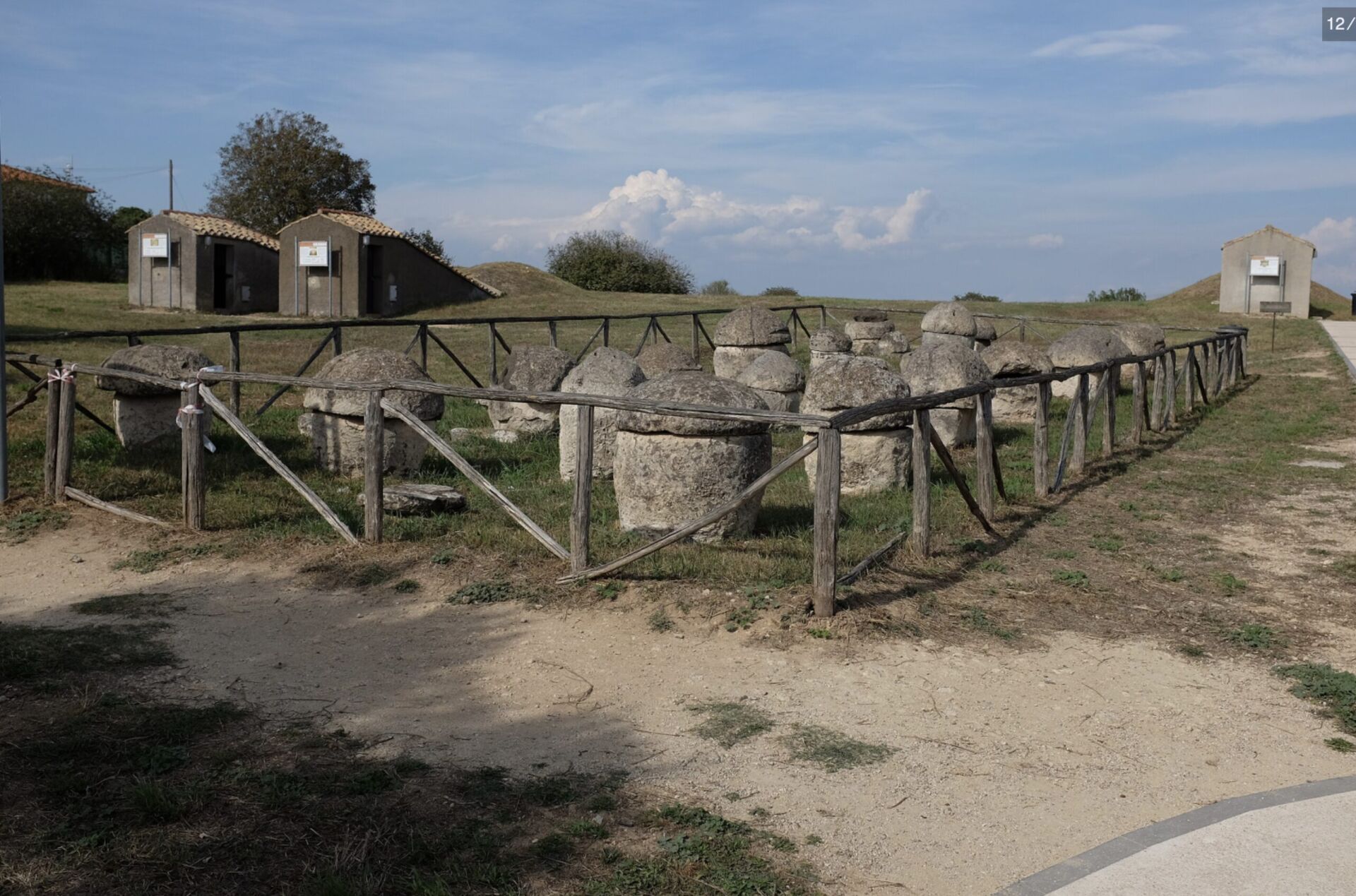
  • Necropolises
  • defensive structures
  • public buildings
  • theatres
  • ampitheatres
  • funerary structures
  • Tombs of Tarquinia
  • Etruscan Temple (Capitolium)
  • Etruscan Arches (Tuscany)
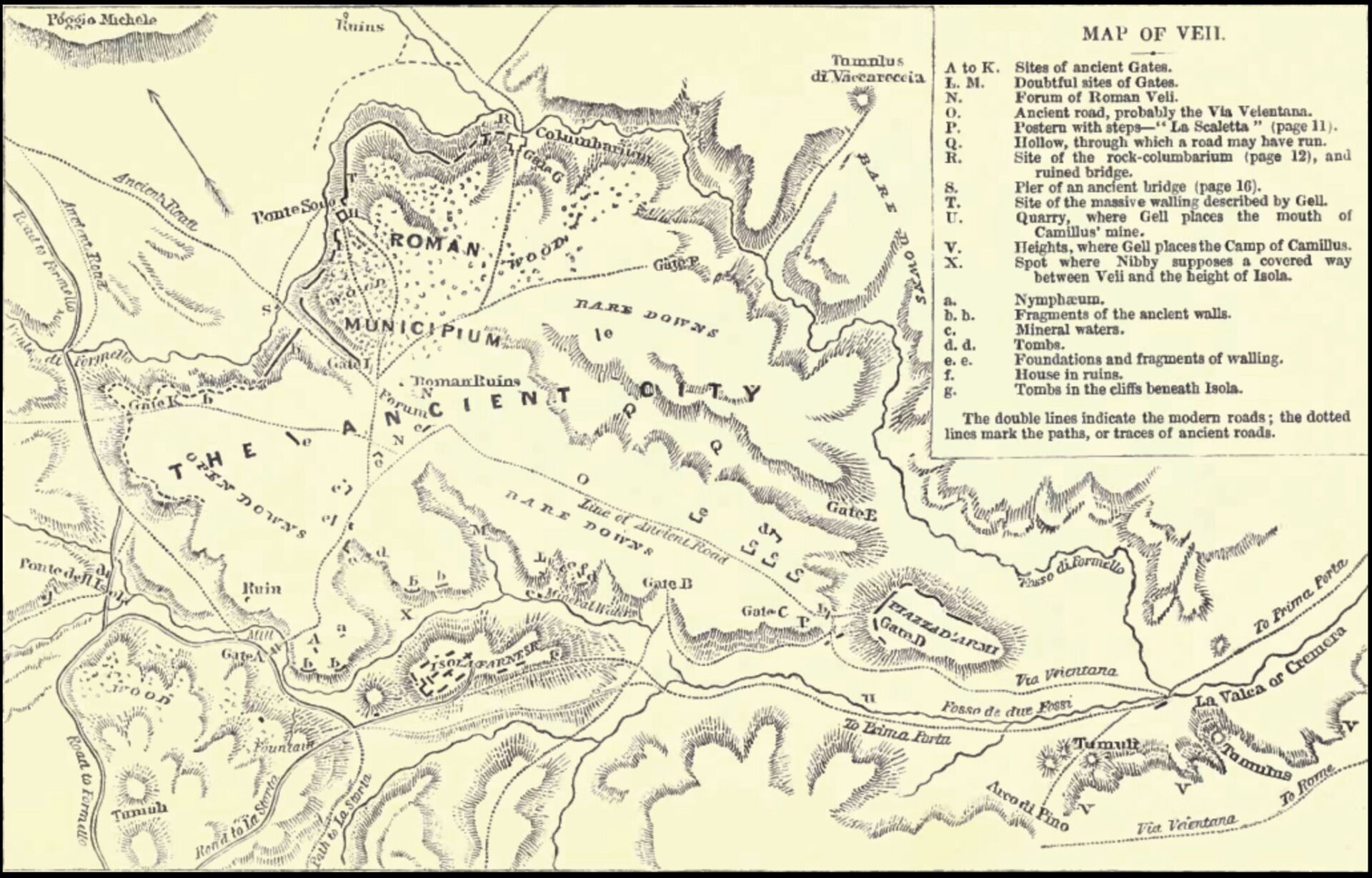
  • City of Veii
  • Portonaccio Temple
  • Acropolis of Falerii
  • Sanctuary of Porto
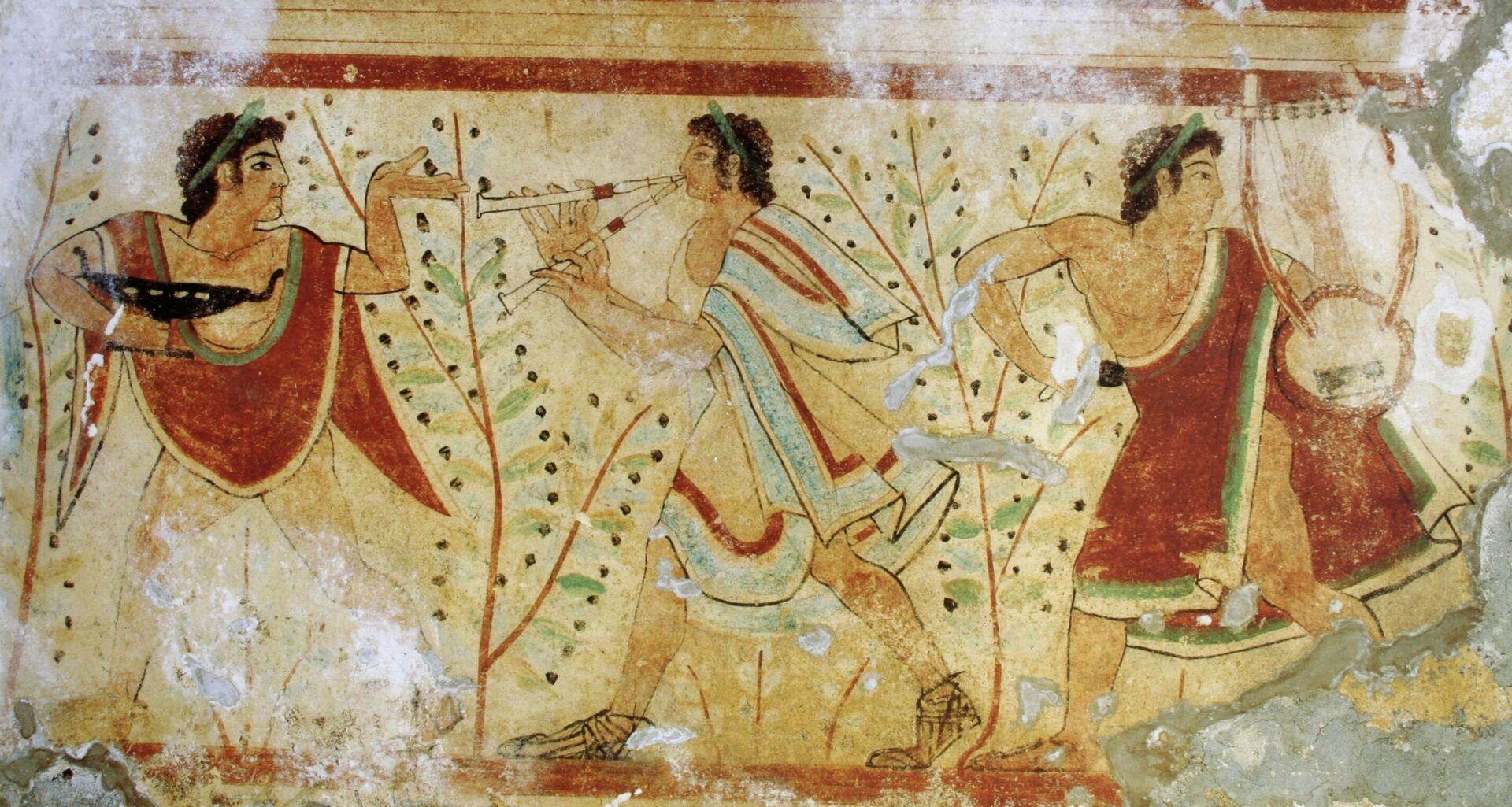
  • Tomb of the Leopards
  • Tomb of hunting & fishing
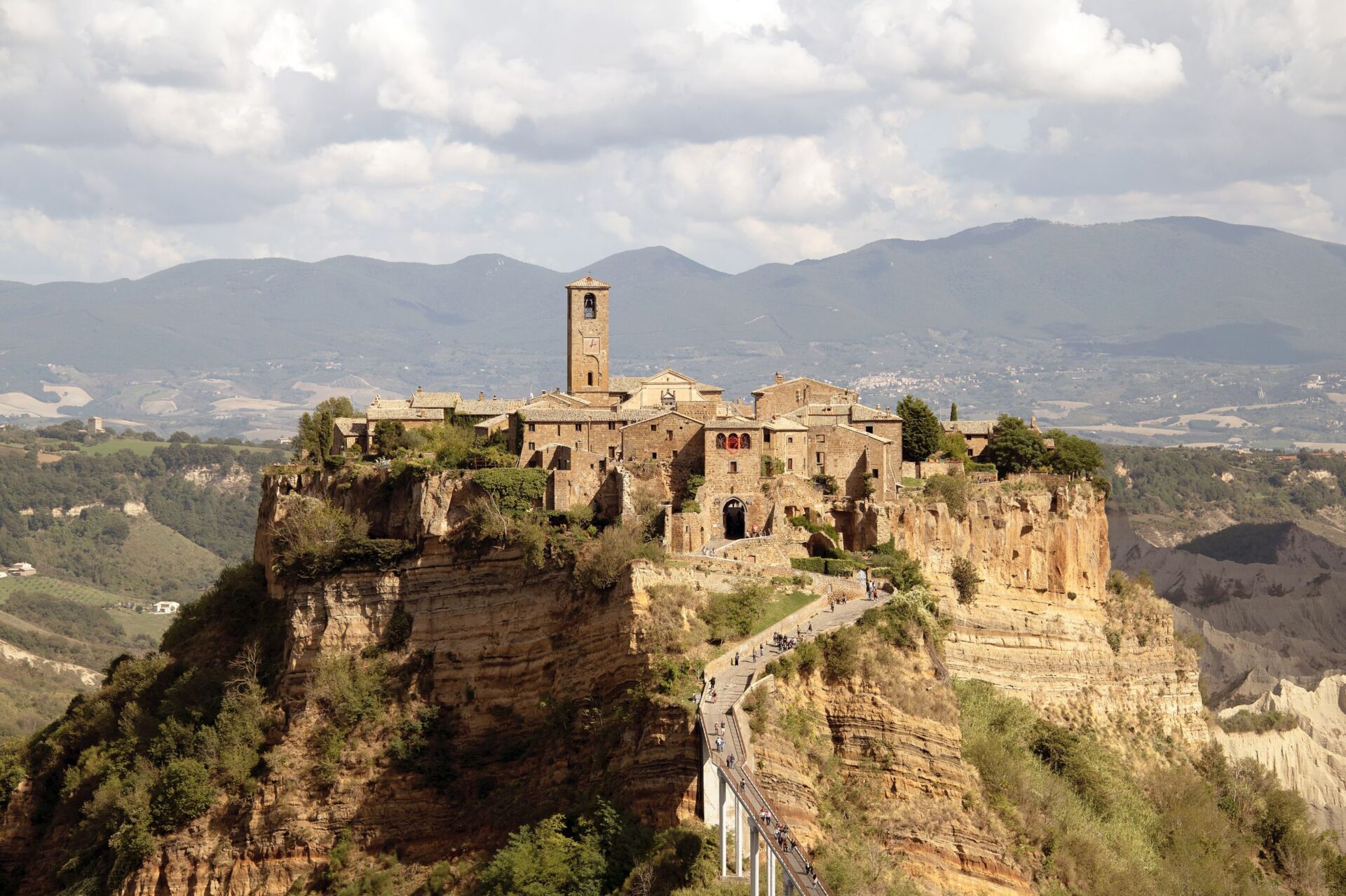
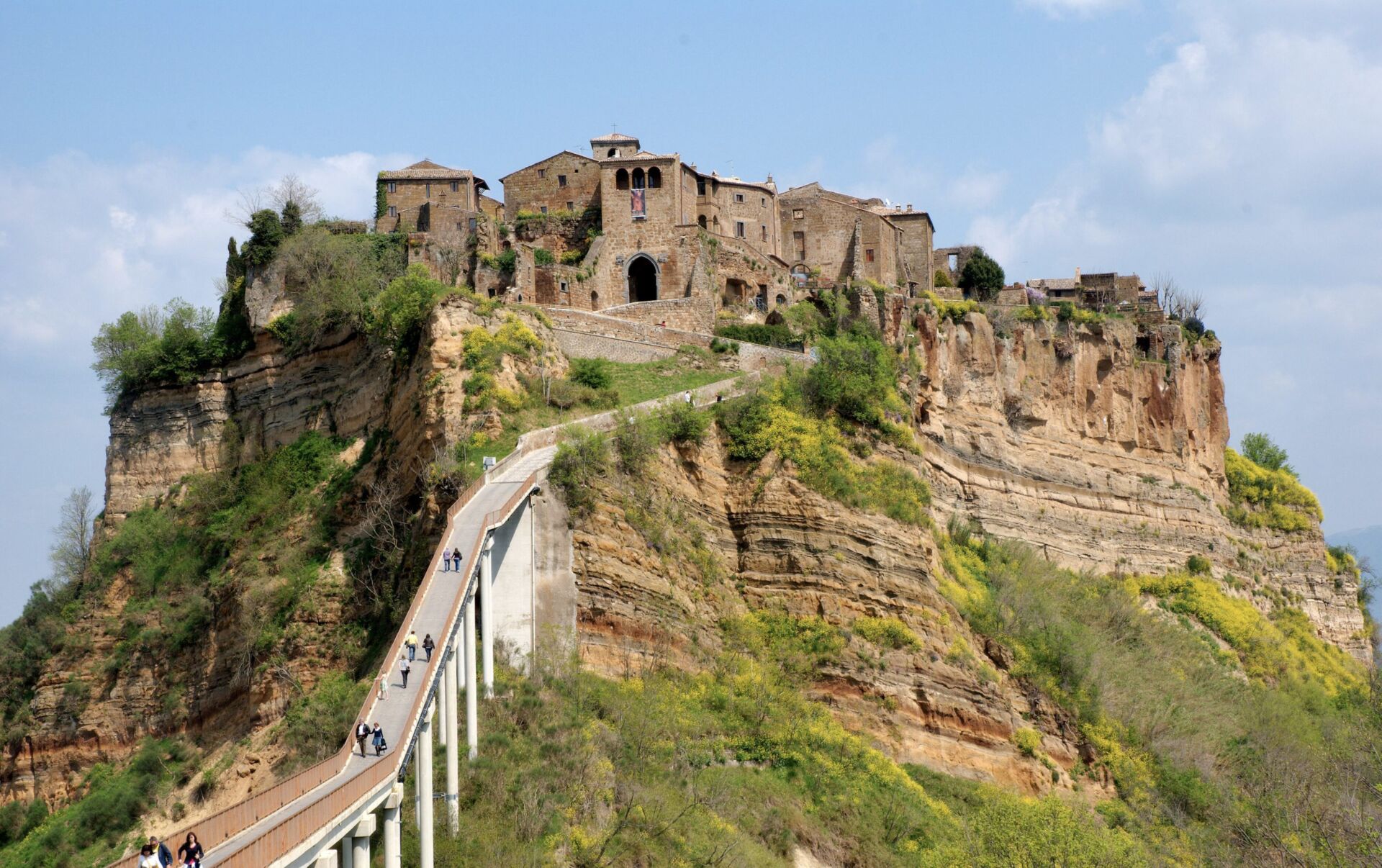
  • Civita di Bagnoregio
  • Depictions in tombs & villas of hospitality
  • public places in cities (Tarquinia and Veii)
  • religious festivals
  • grand banquets for visitors
  • later Greek/Roman authors (Livy & Pliny the Elder) noted Etruscan hospitality practices
  • merchant trade routes between Italy & Mediterranean
  • TBC

Gallery

Adapted Visitor Accommodation