Architectural Styles

Anglo-Saxon

Alt names / subperiods 

Timeline

Distinguishing Features

Geographic Presence

Saxon

Early Medieval


Wikipedia


410-1066

  • Local materials (wood, flint & increasingly stone)
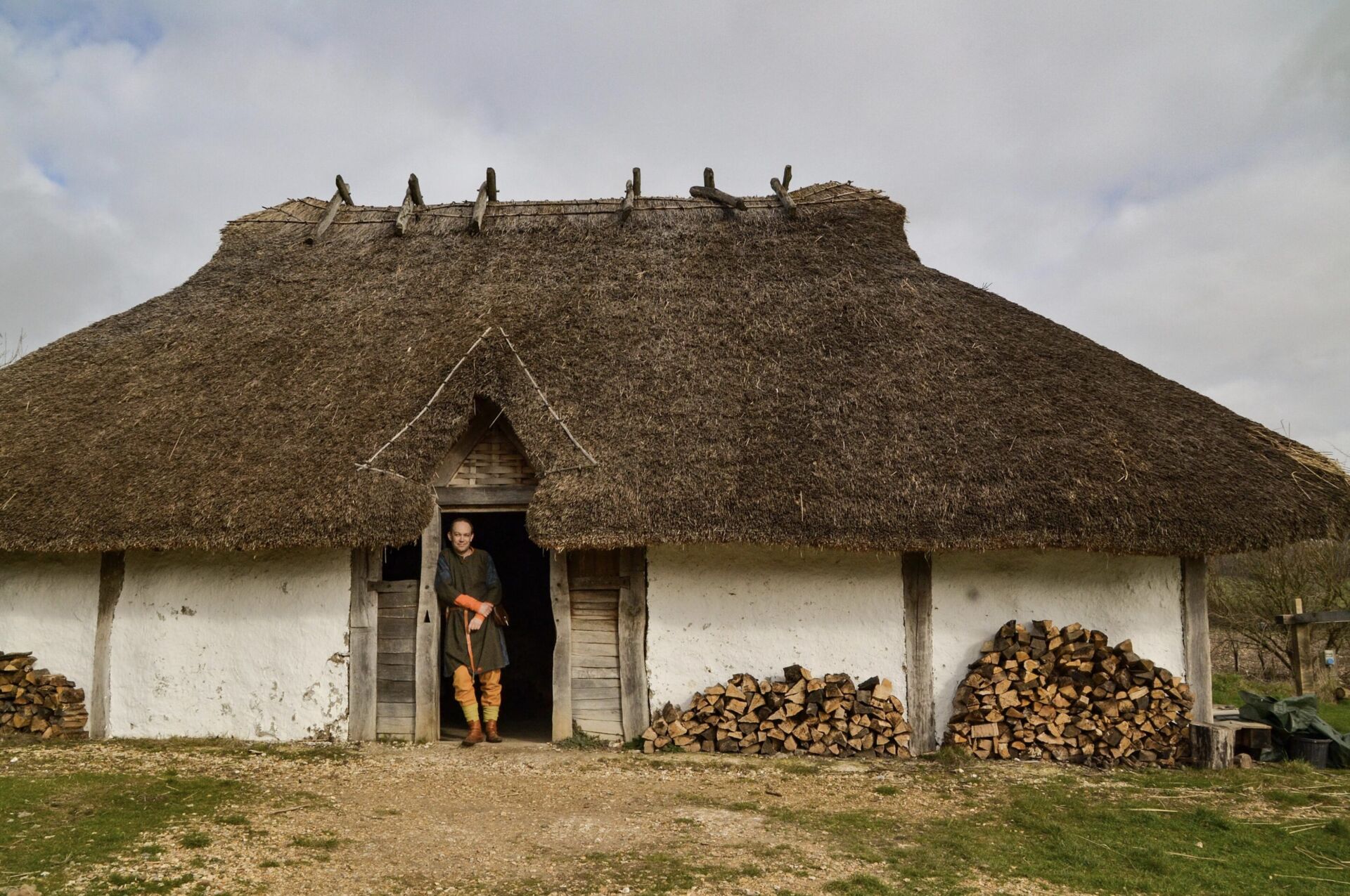
  • residential wattle & daub walls
  • post-and-beam construction
  • thatch roofing
  • early Christian influence
  • simple rectangular churches with nave
  • aisles & apse
  • rubble stone walls with larger stones for corners & foundations
  • decorative stone carvings on doorways and capitals
  • some mosaics & wall paintings
  • churches with E-W orientation
  • often part of monasteries with cemetries & cloisters
  • fortified structures with thick walls
  • fireplaces & hearths,
  • England
  • Wales
  • Scottish borders

Common Building Types

Landmark buildings

Accommodation Types

Accommodation Examples

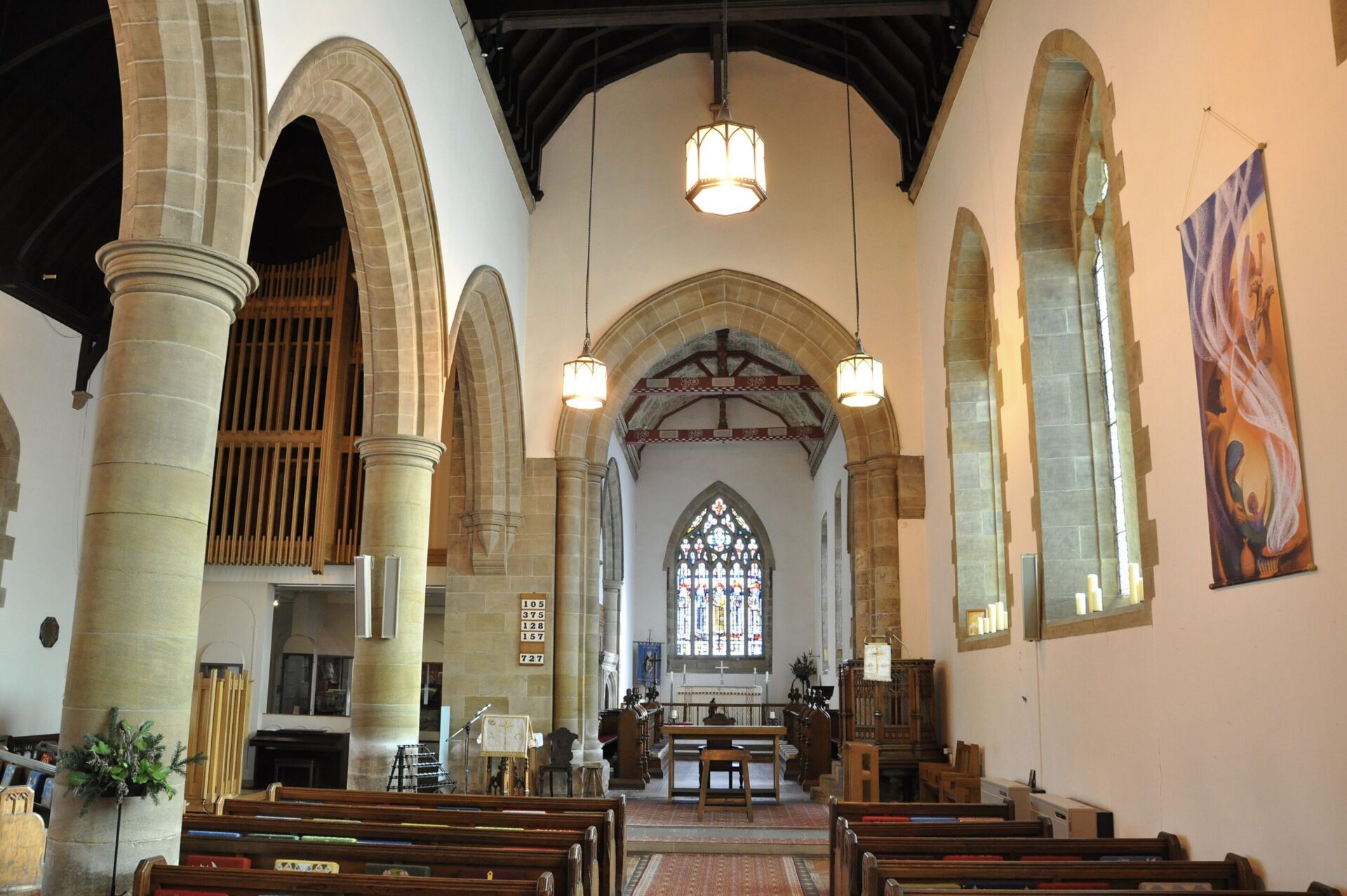
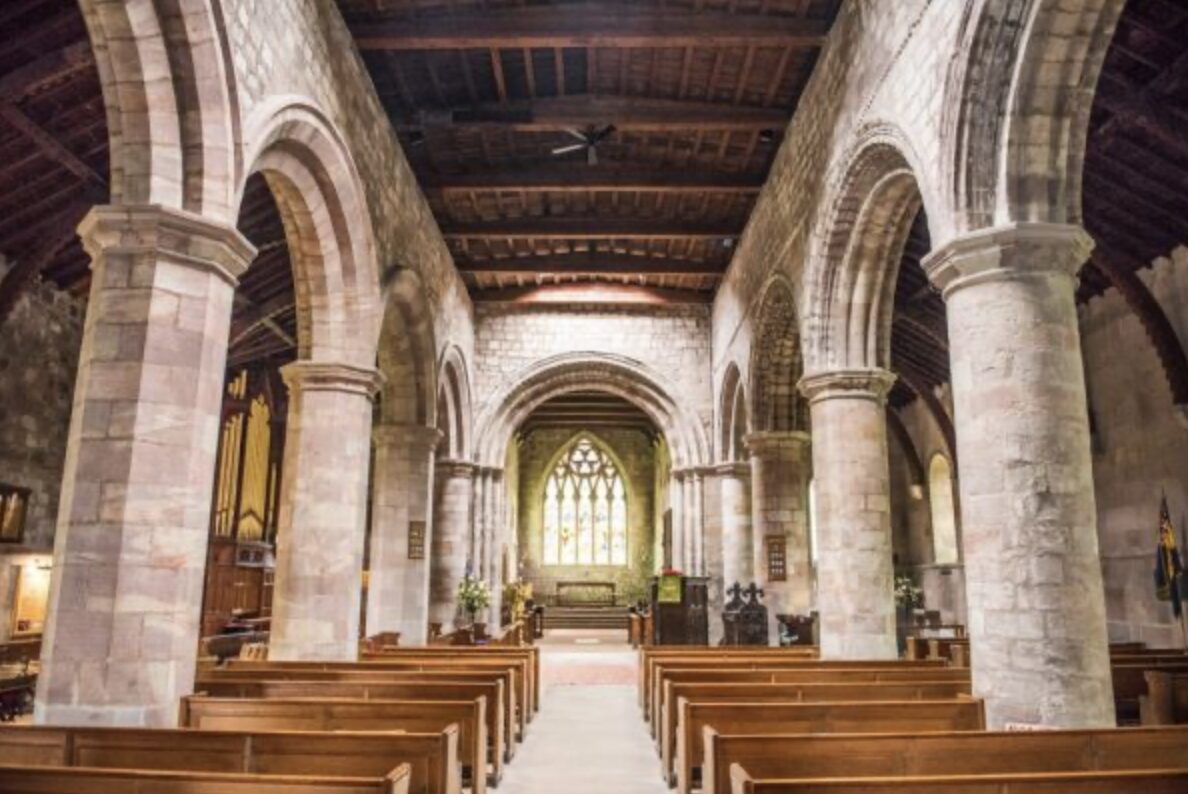
  • Churches
  • royal residences
  • fortified towns (burhs)
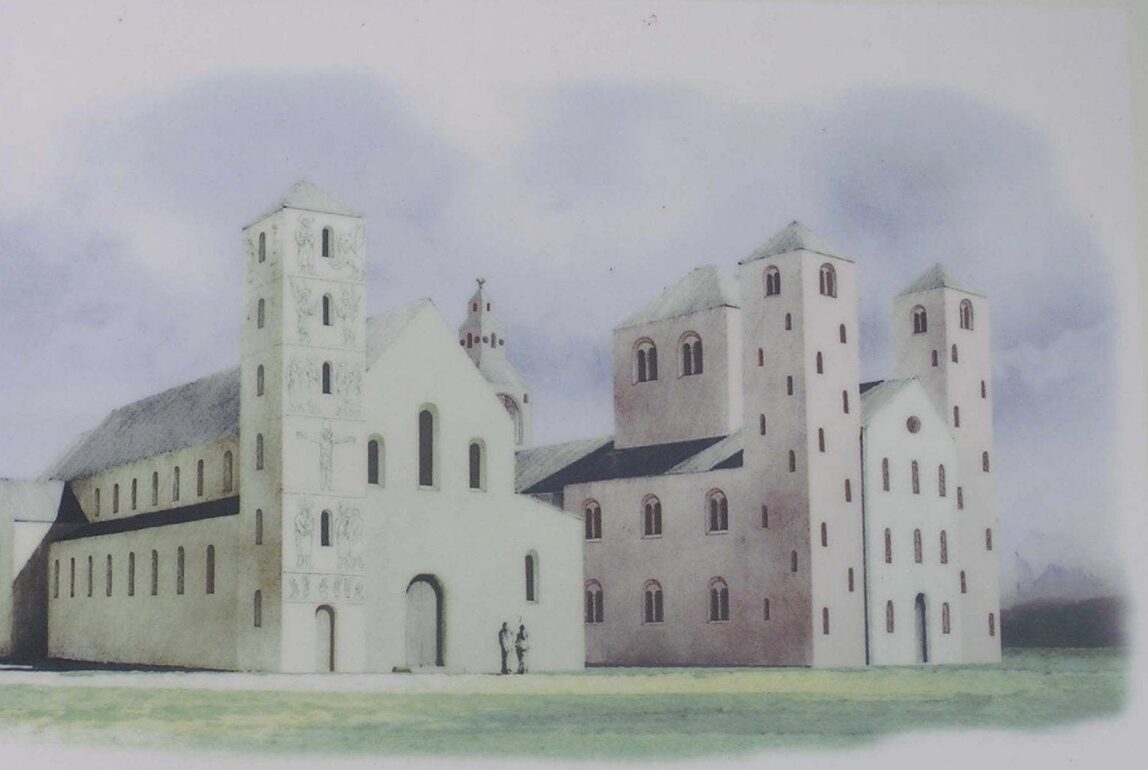
  • monasteries with cloisters
  • Great Halls
  • Community centres
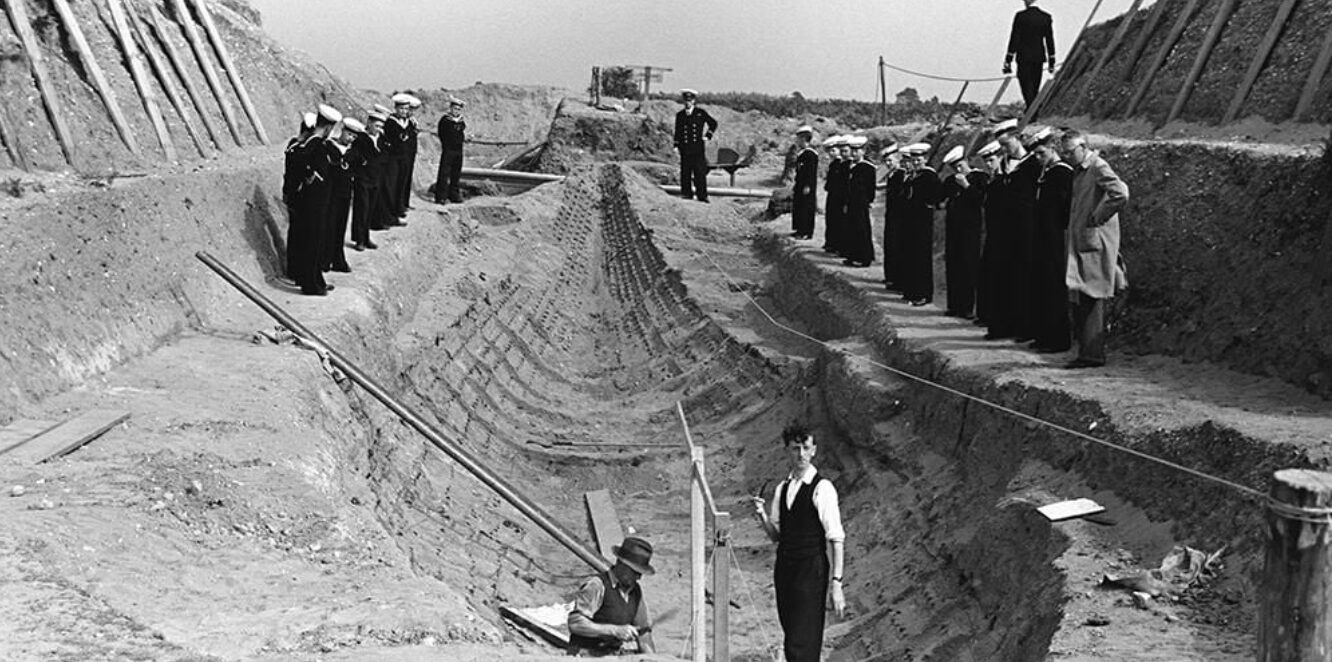
  • burial mounds
  • later castles
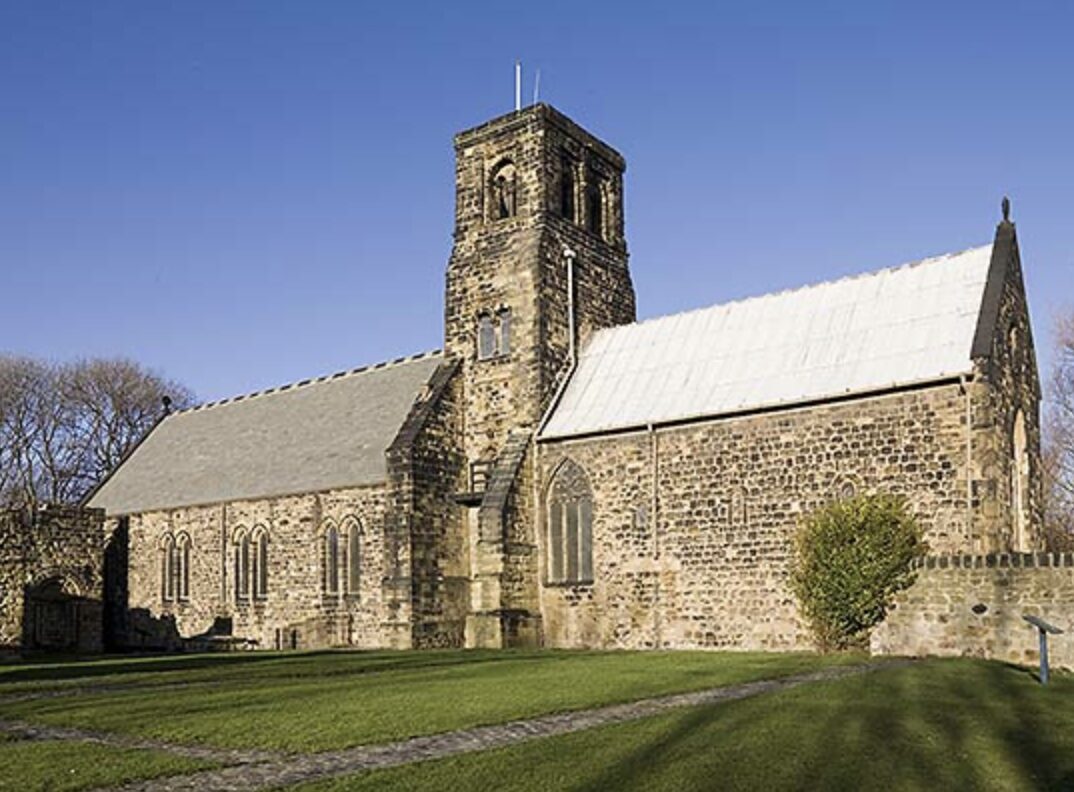
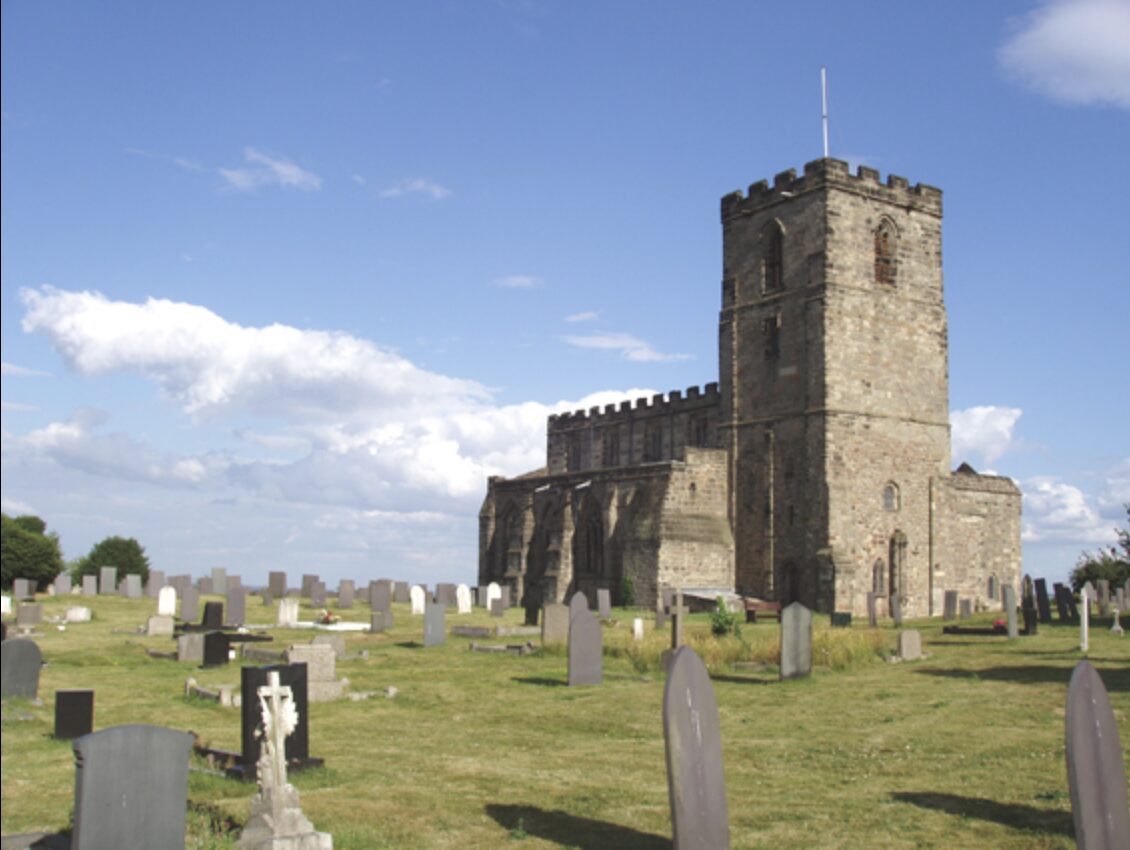
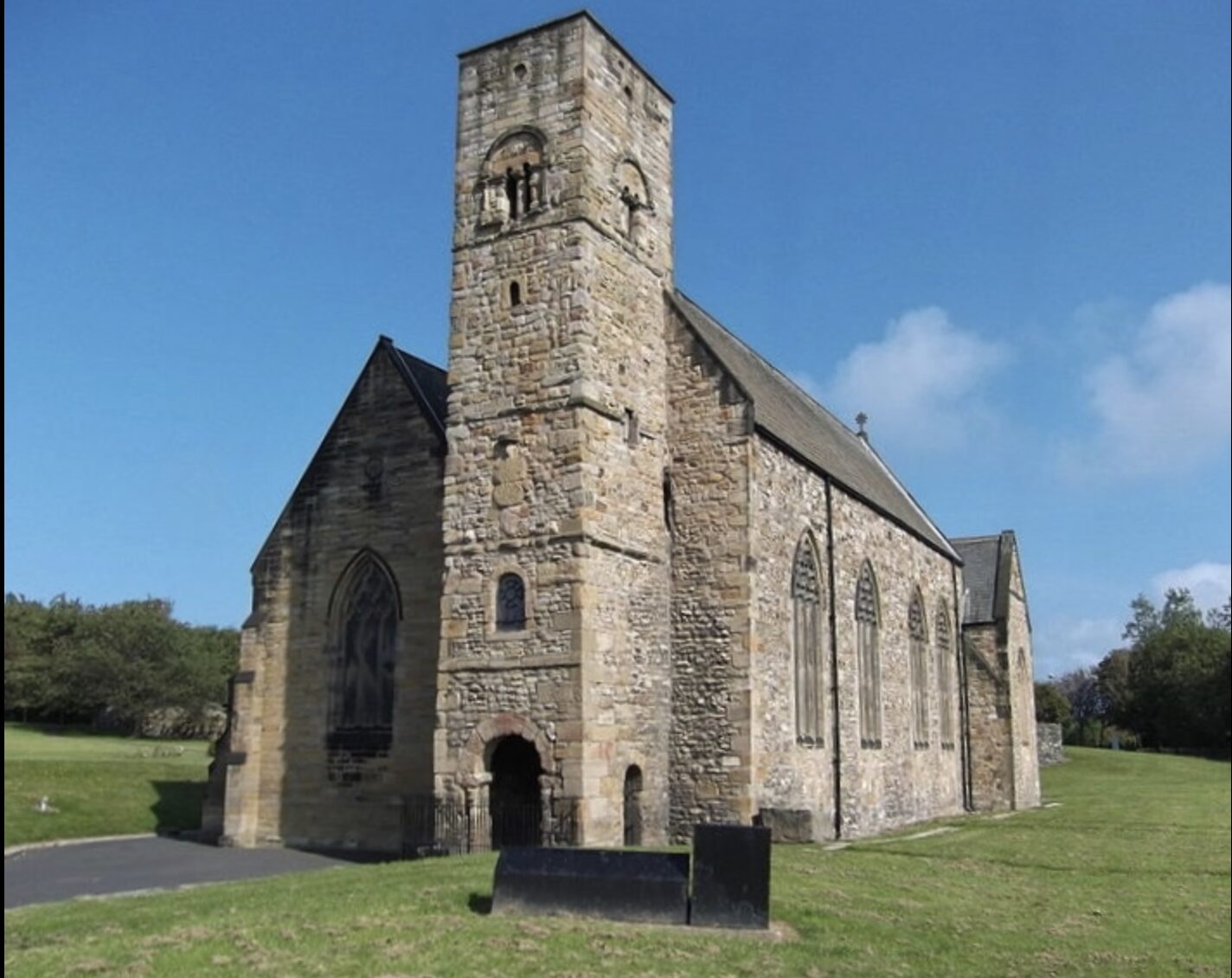
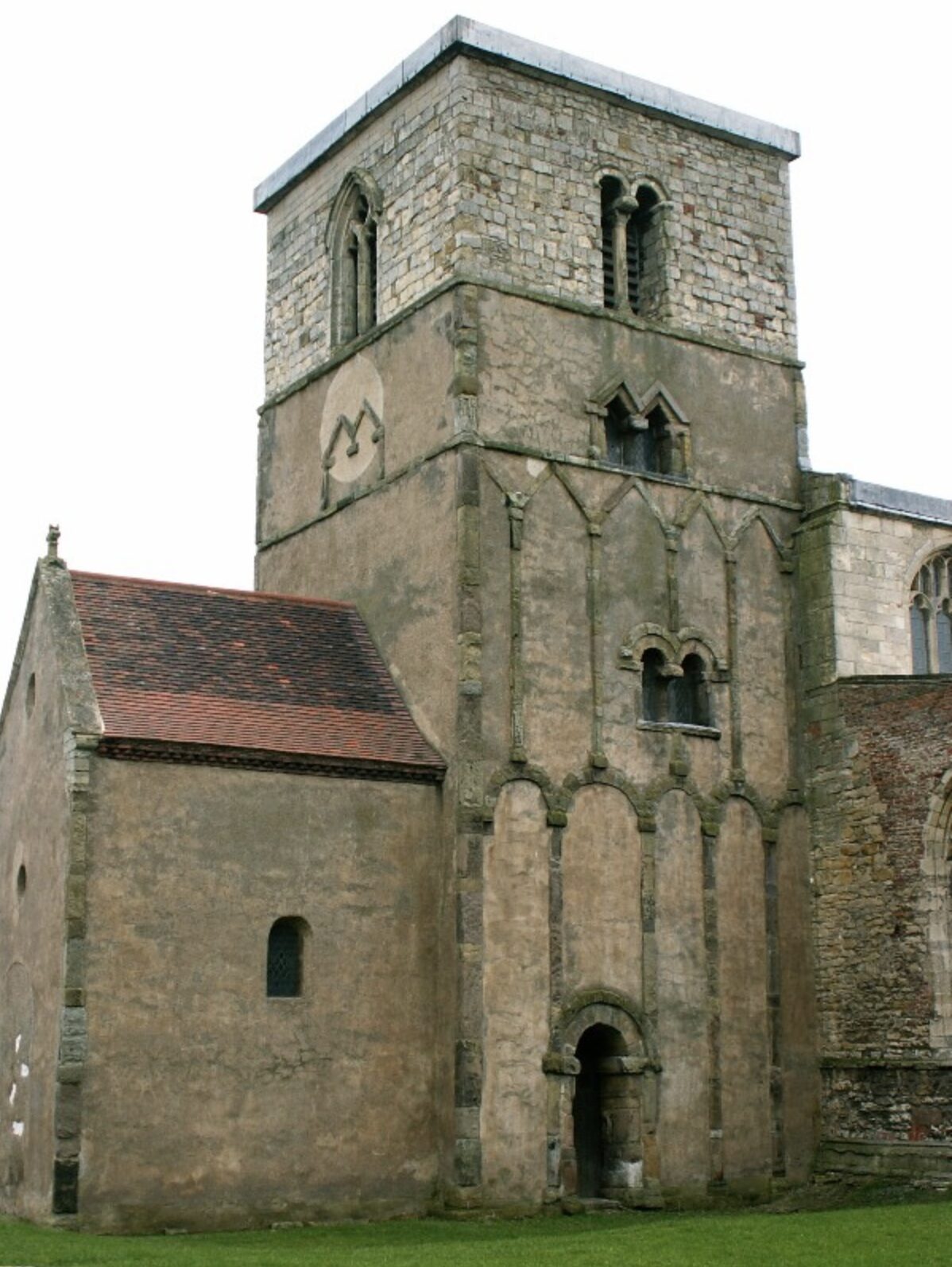
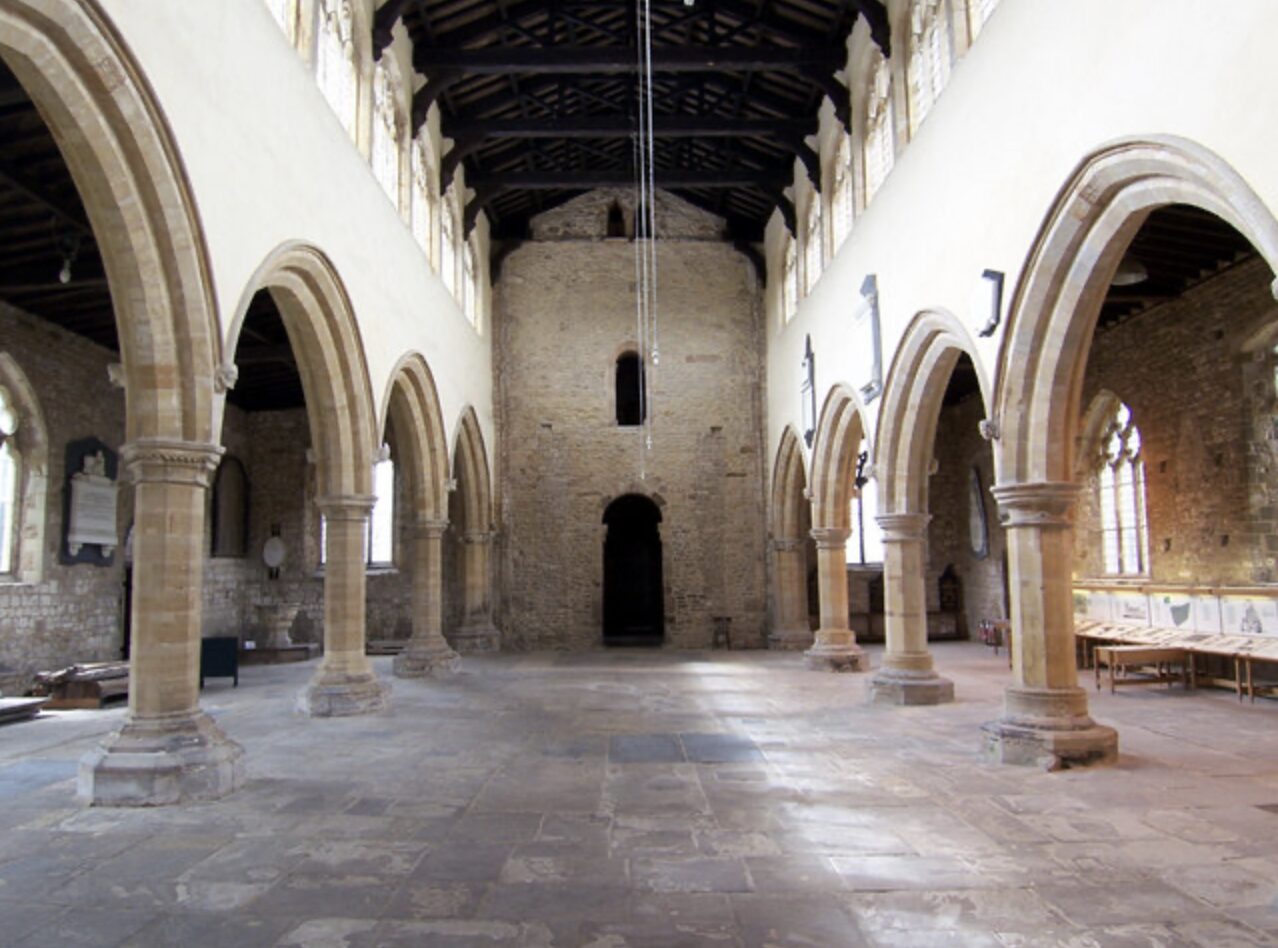
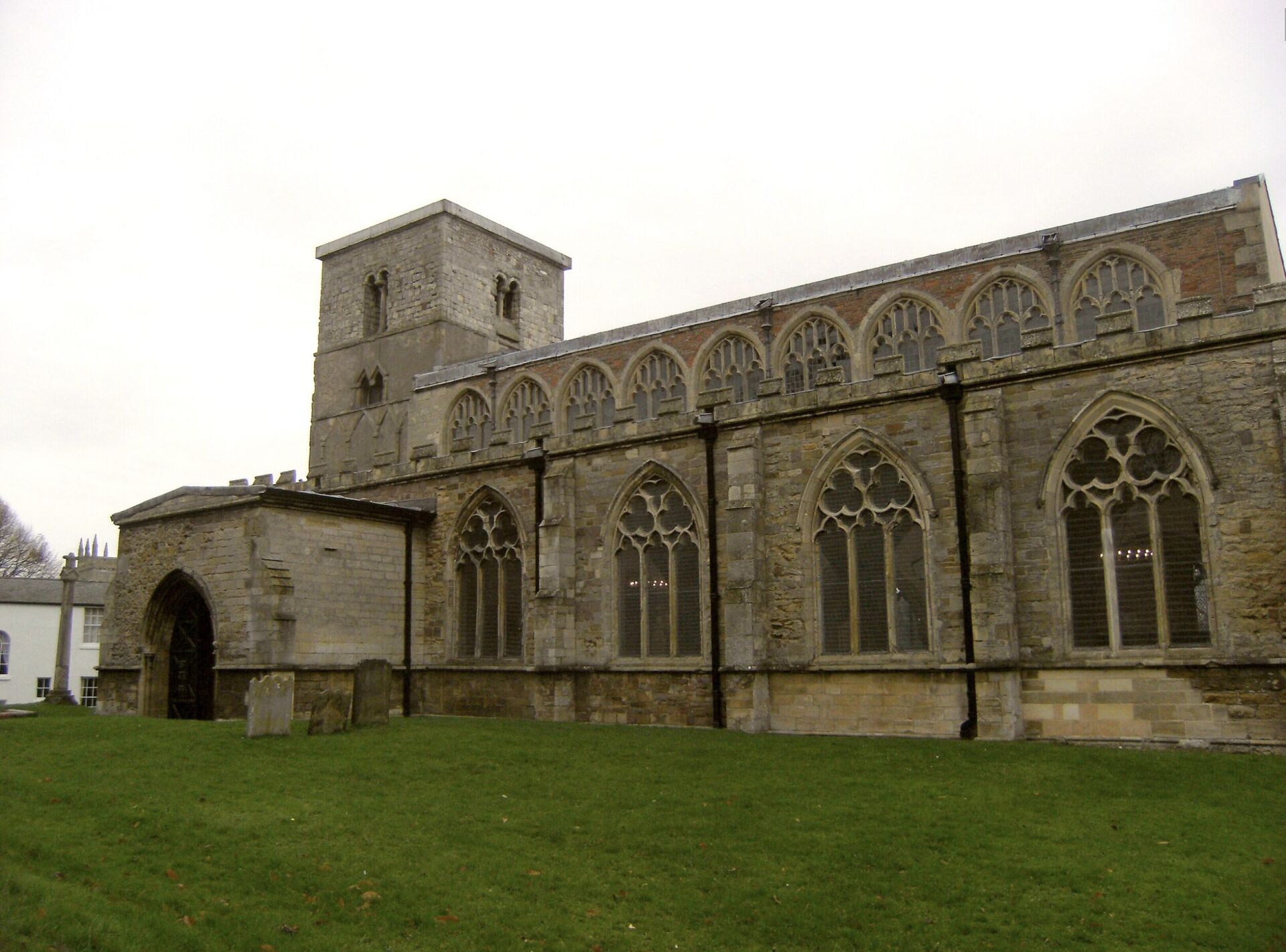
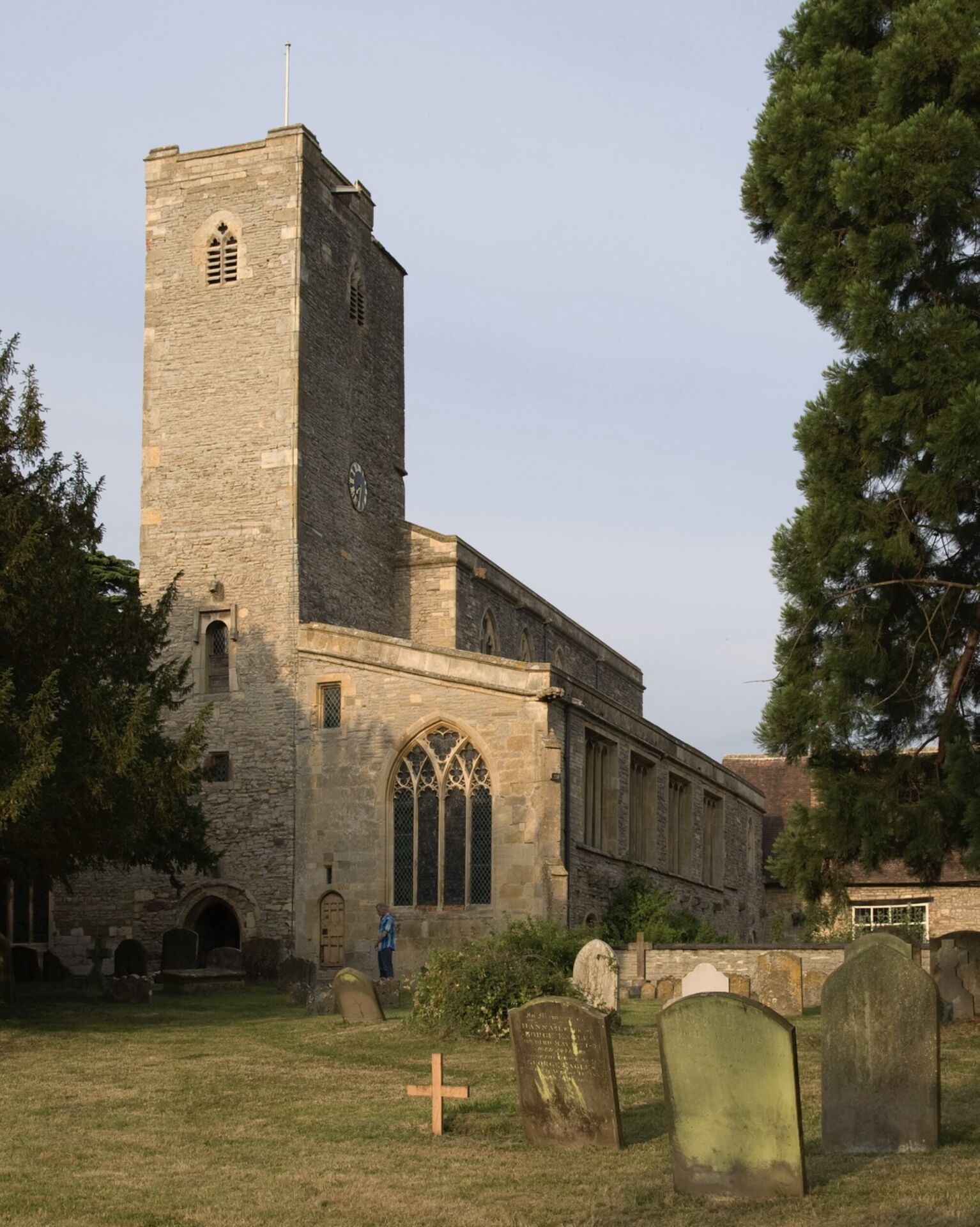
  • St. Peter’s Church Barton-upon-Humber
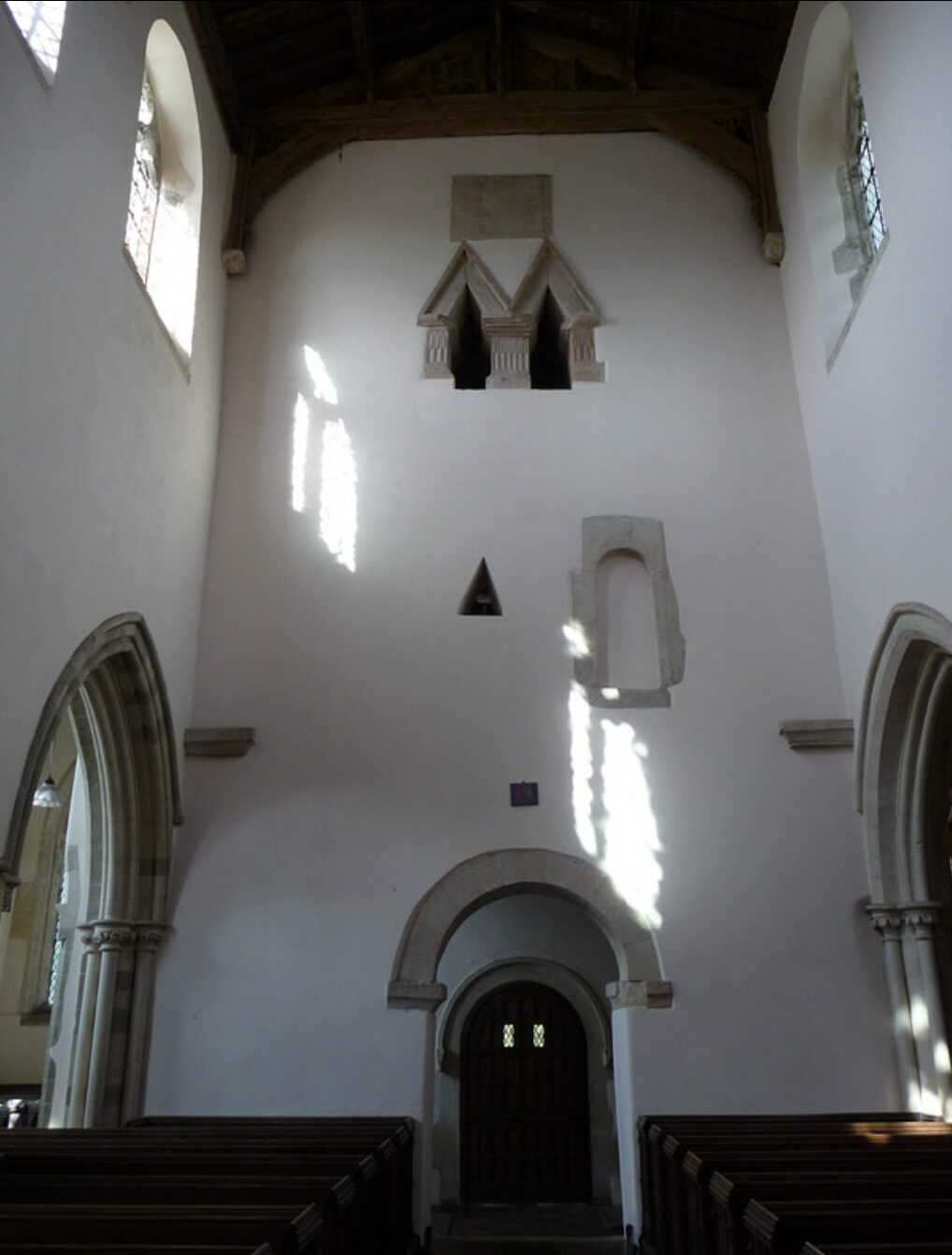
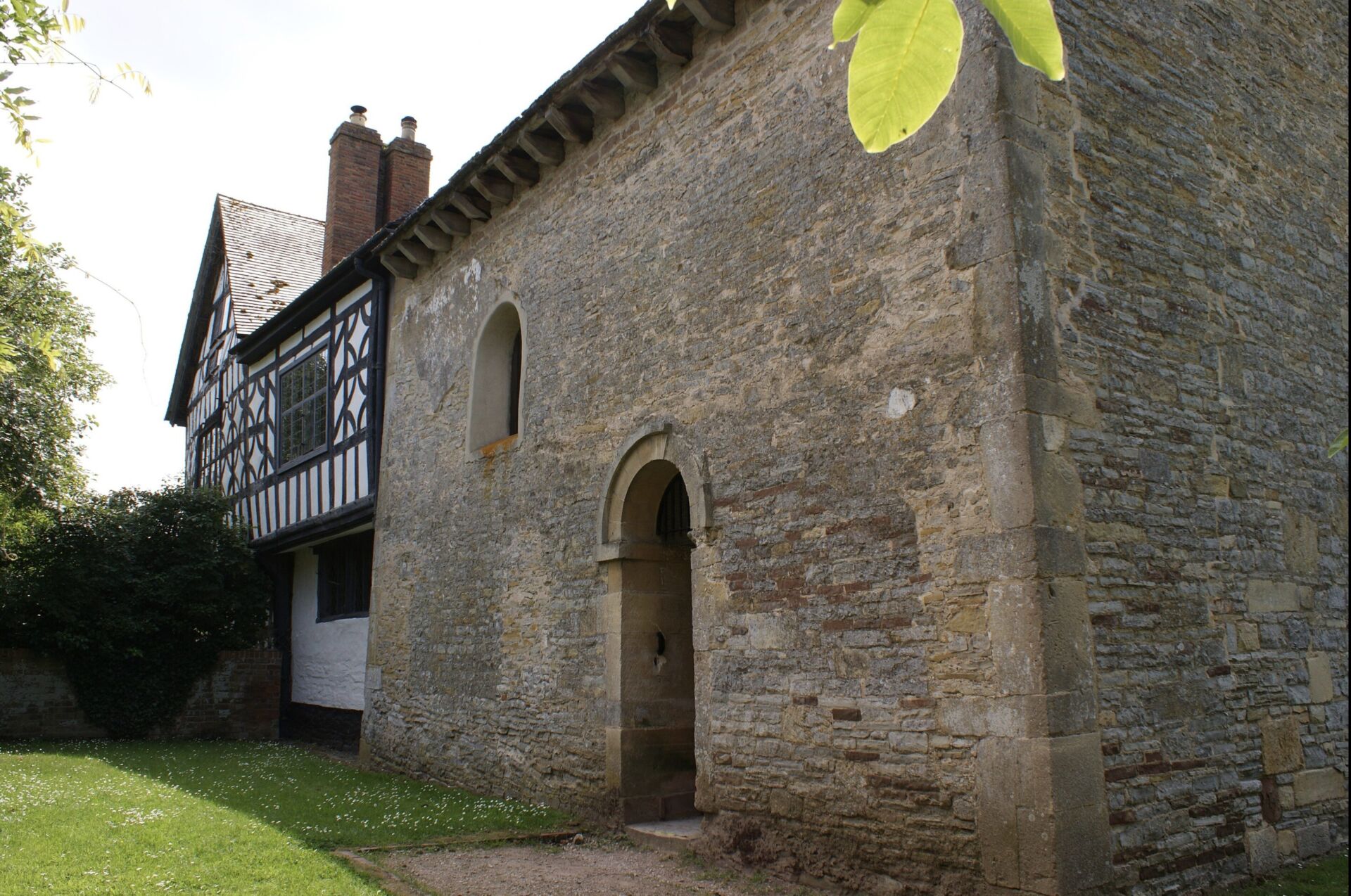
  • Church of St. Mary, Deerhurst,
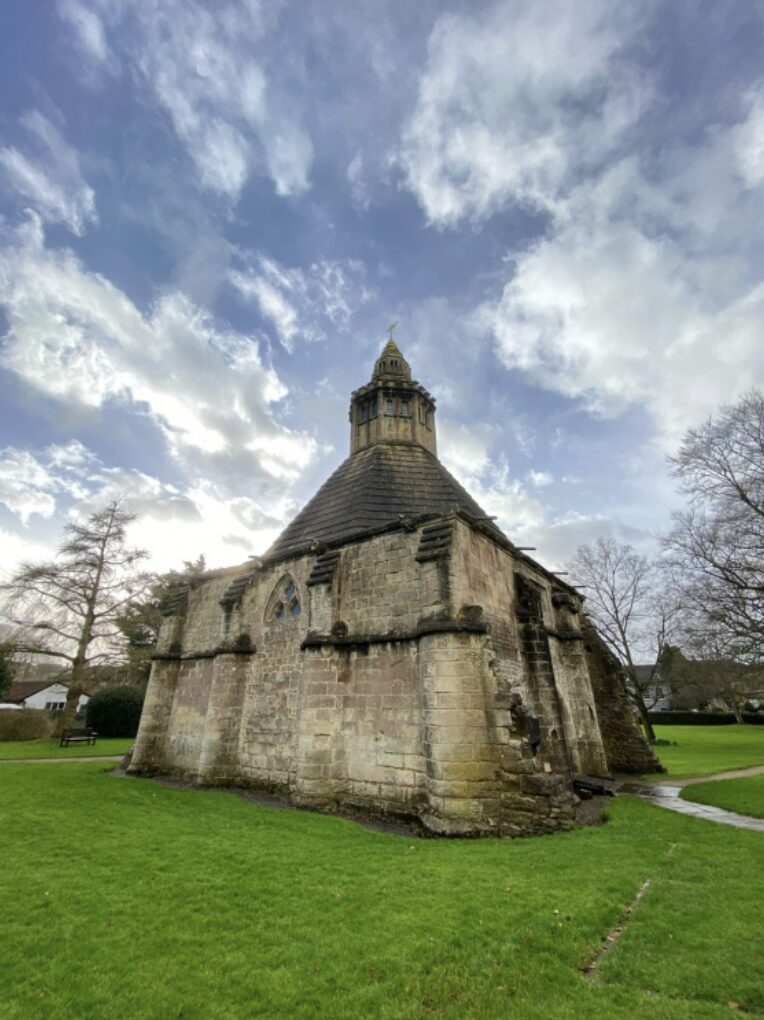
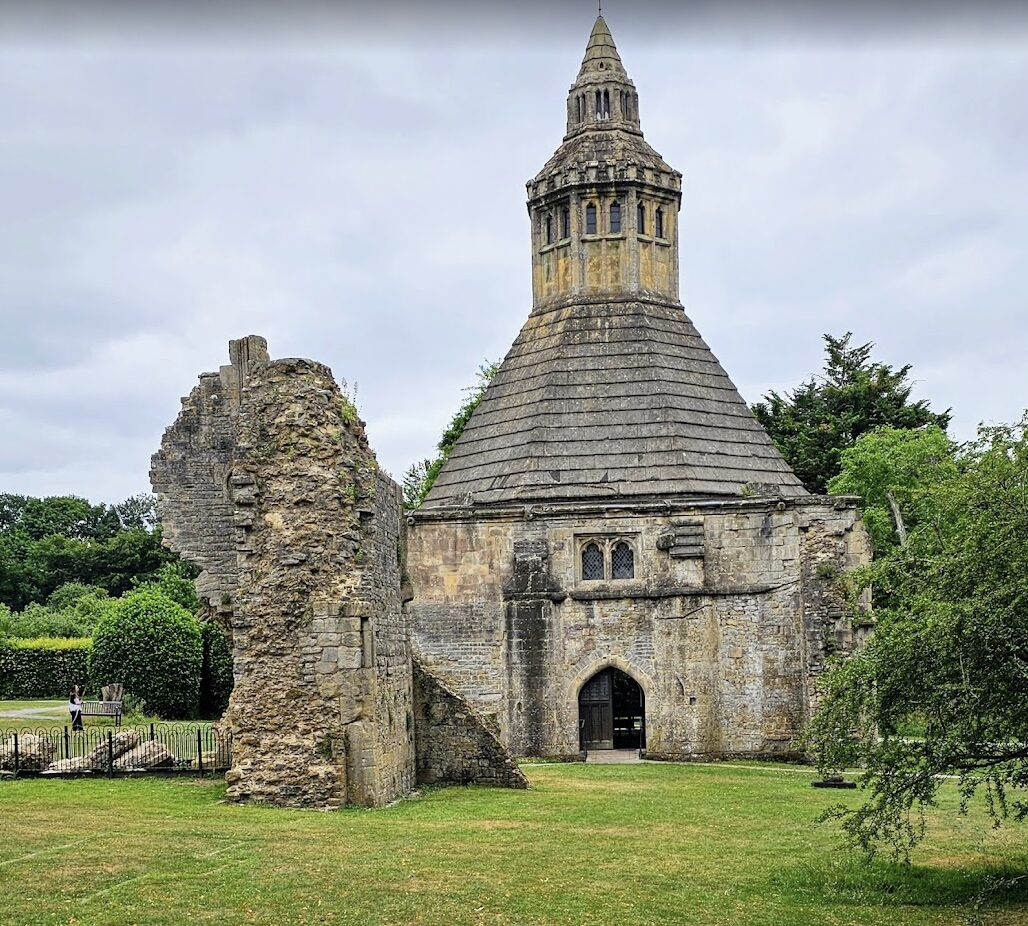
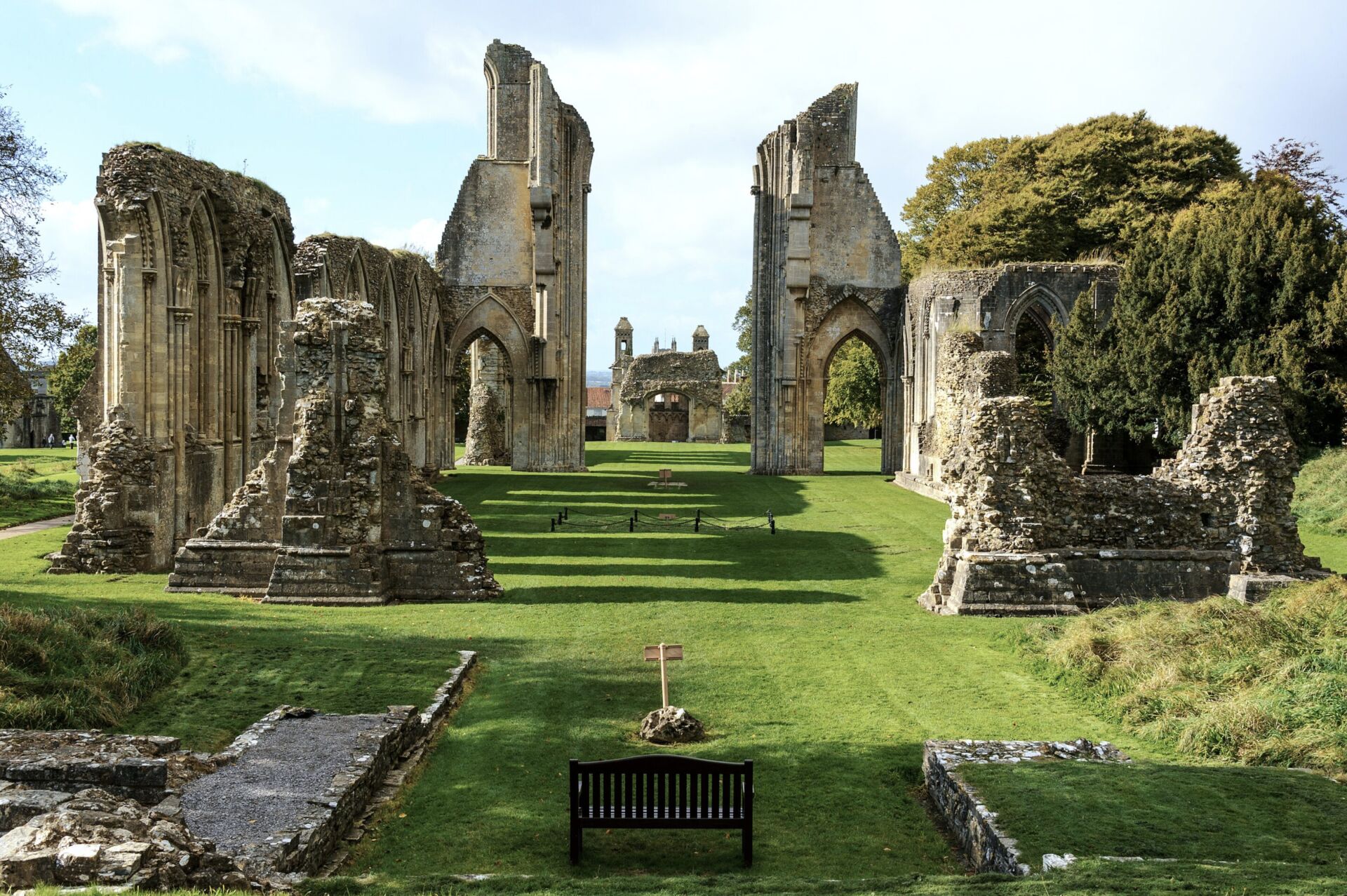
  • Glastonbury Abbey
  • Old Minster, Winchester
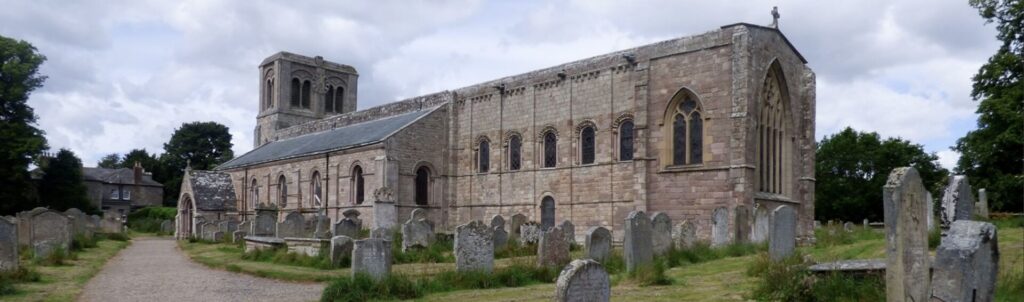
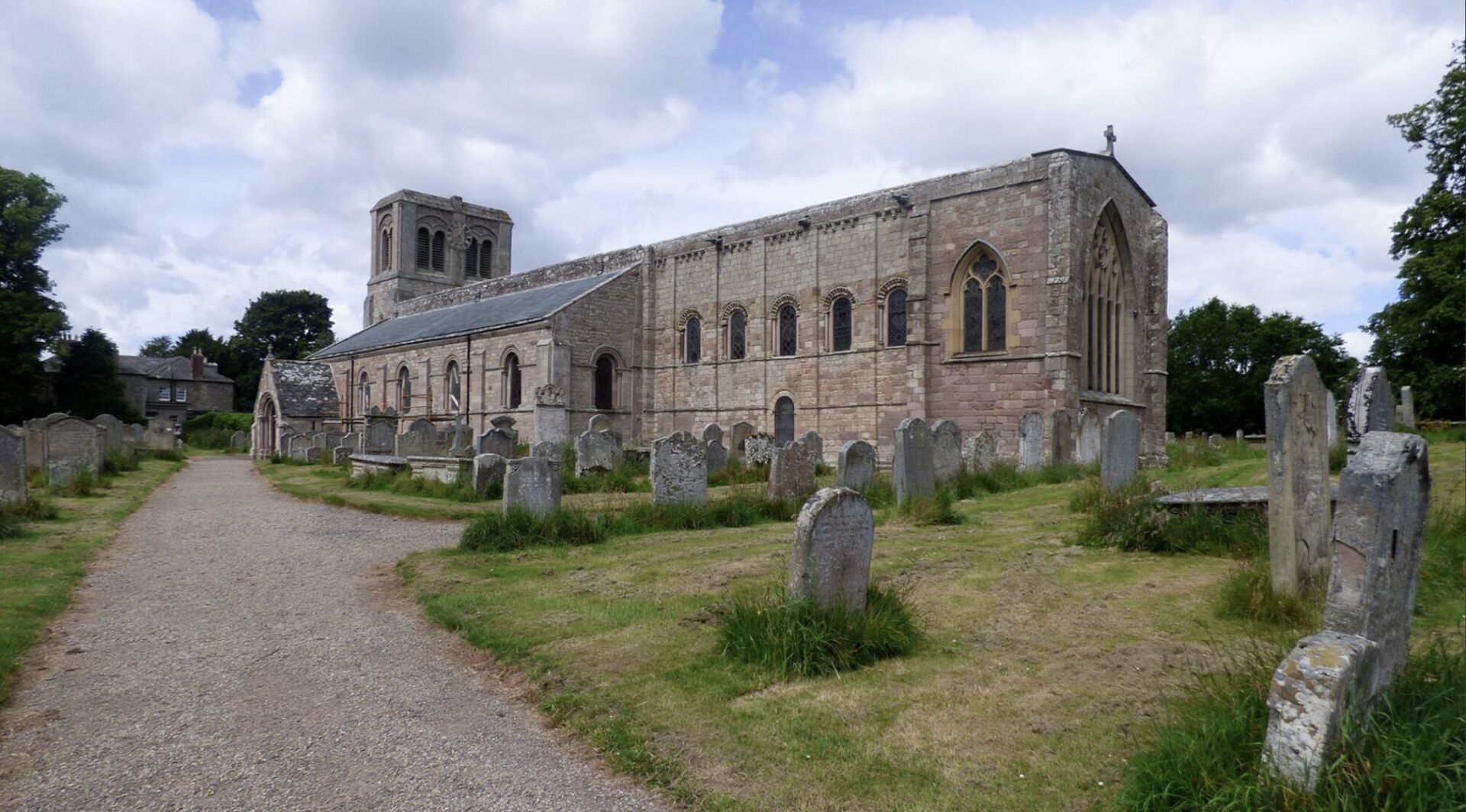
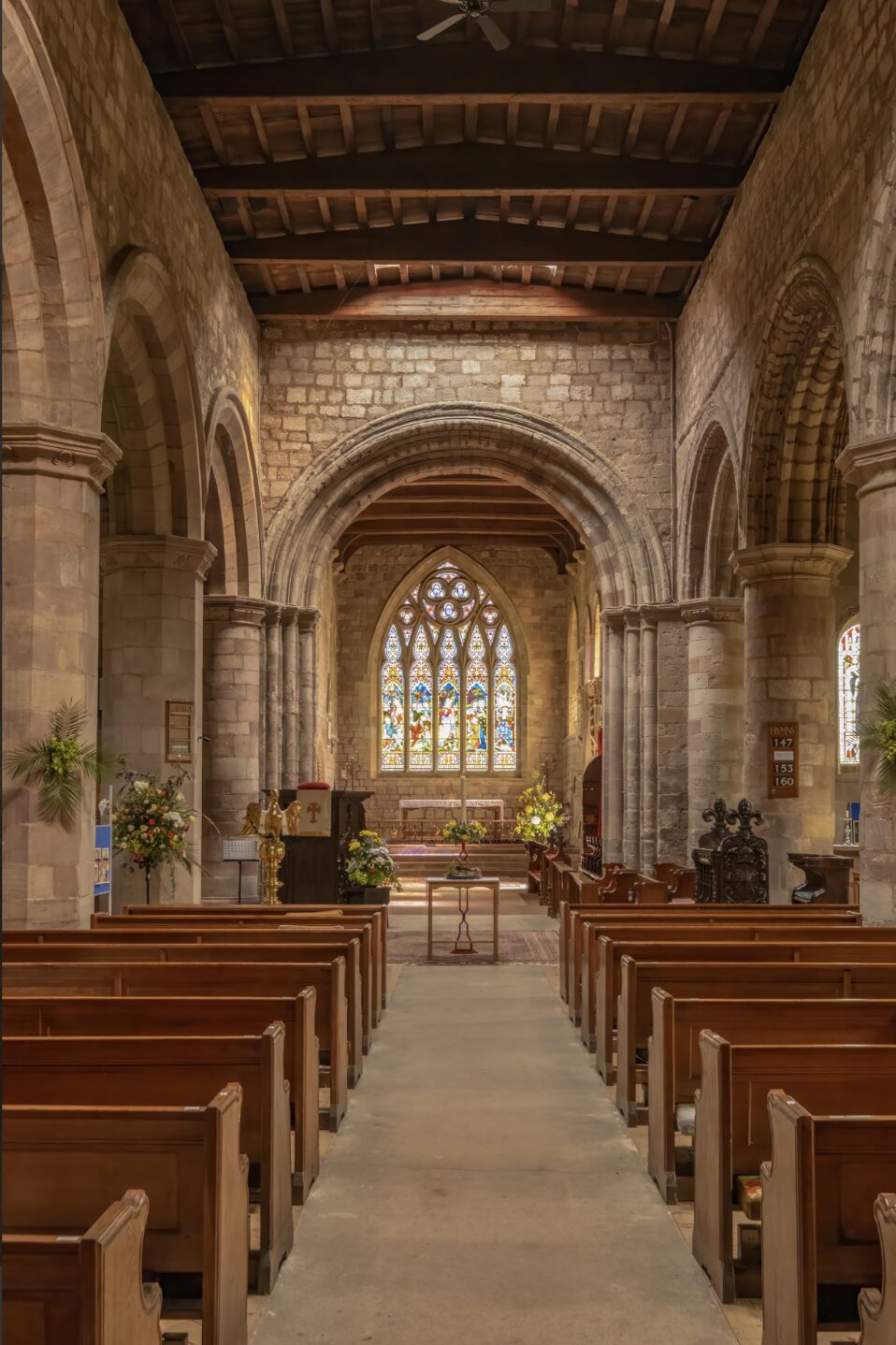
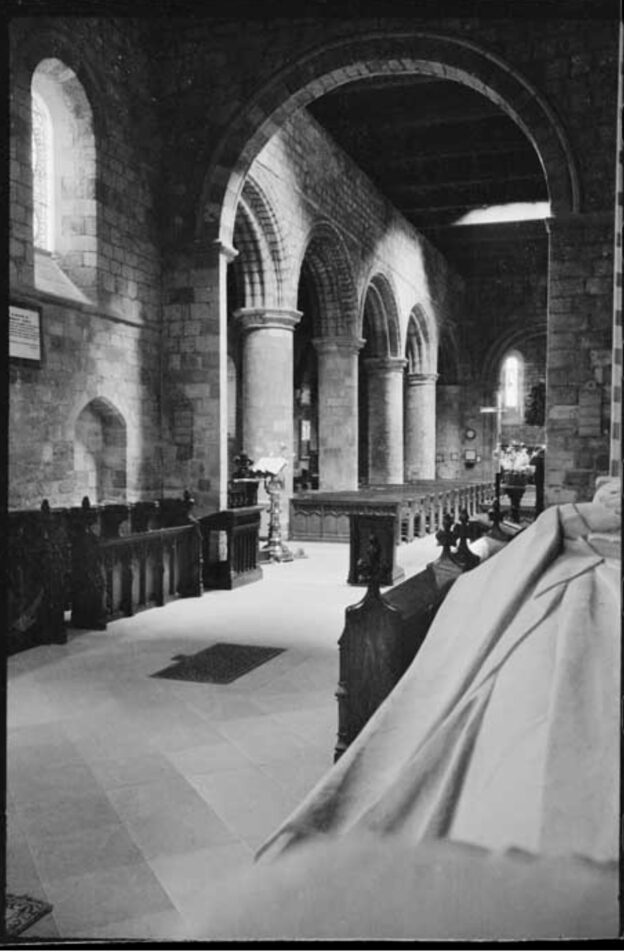
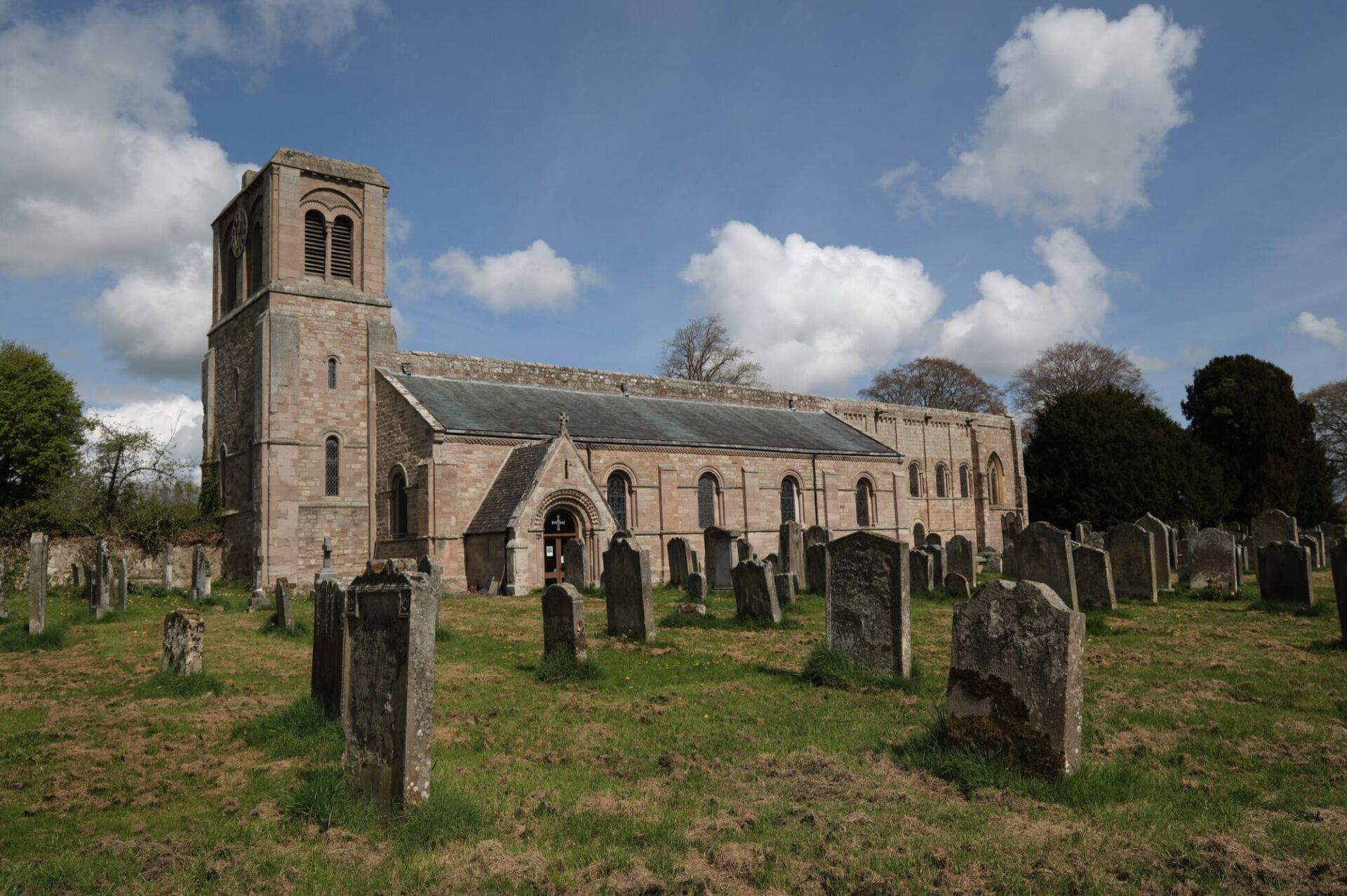
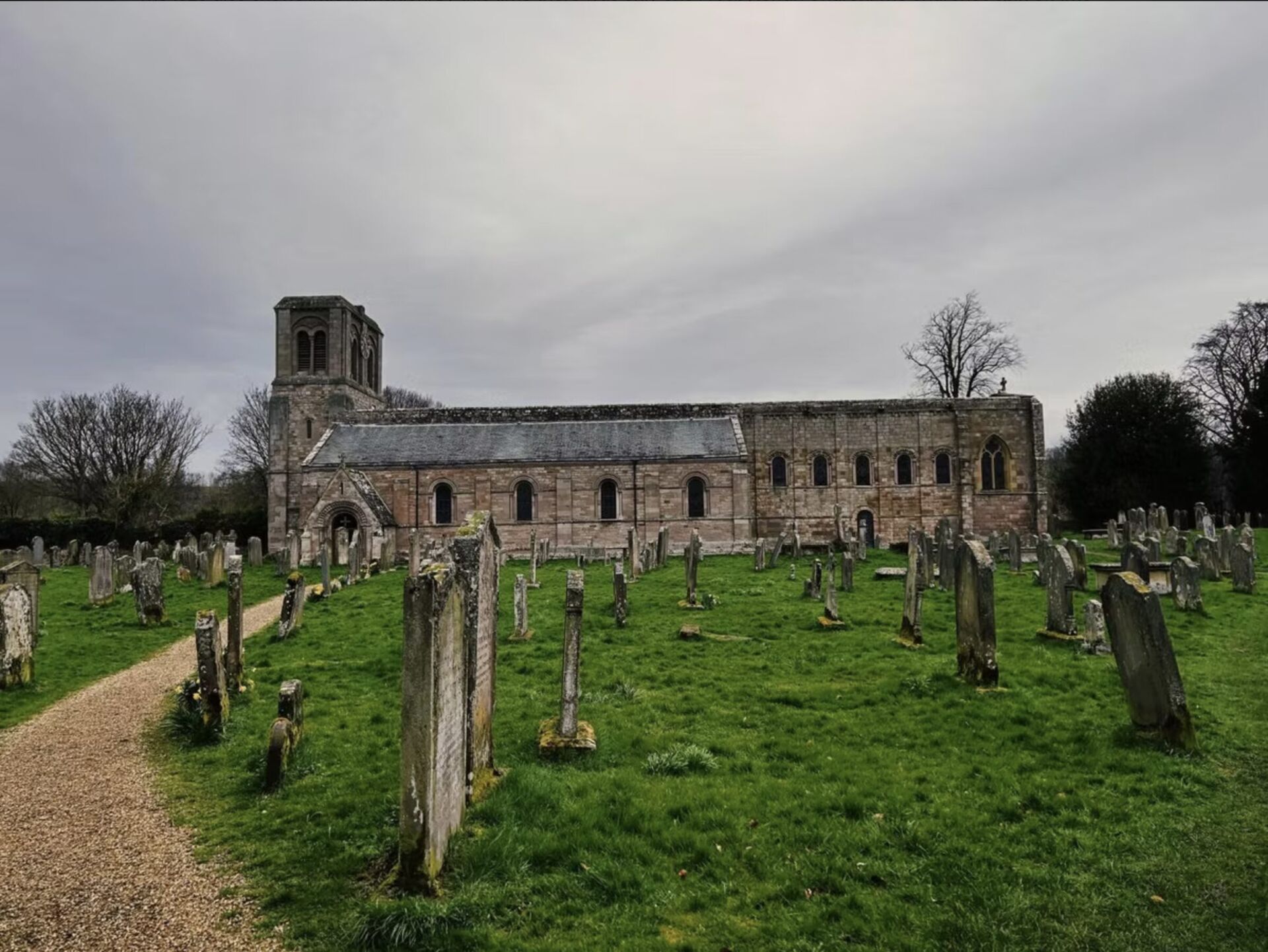
  • St. Cuthbert’s Church, Norham
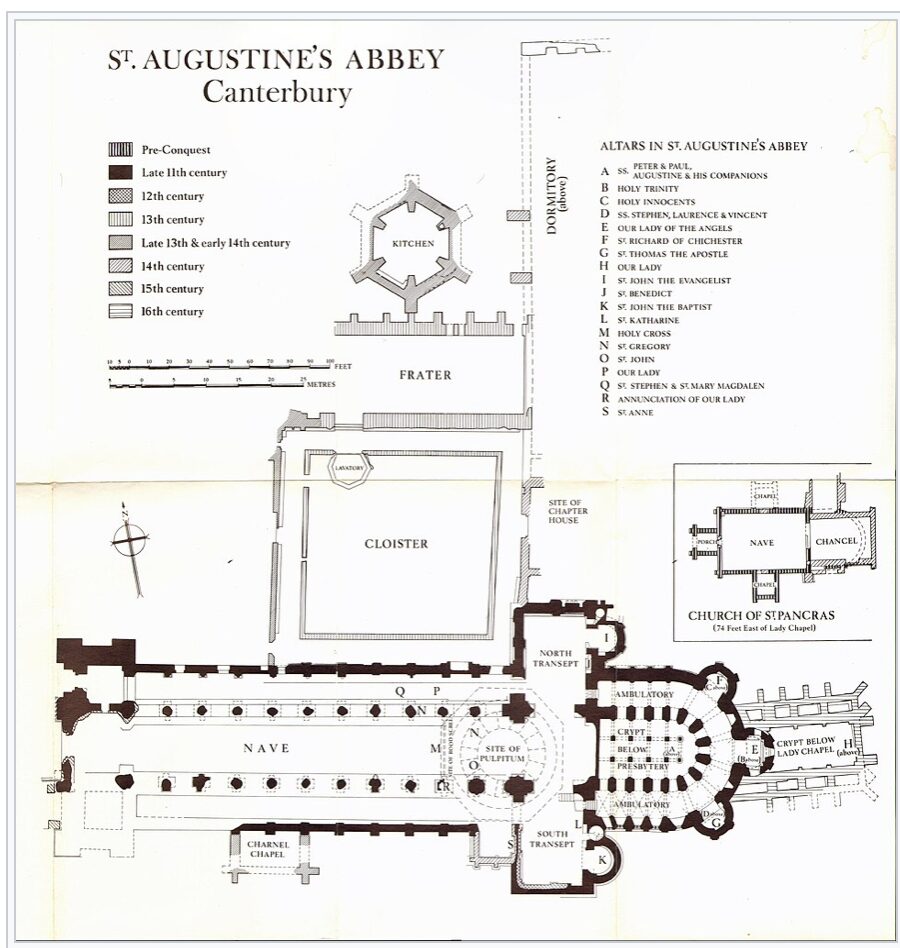
  • St. Augustine’s Abbey, Canterbury
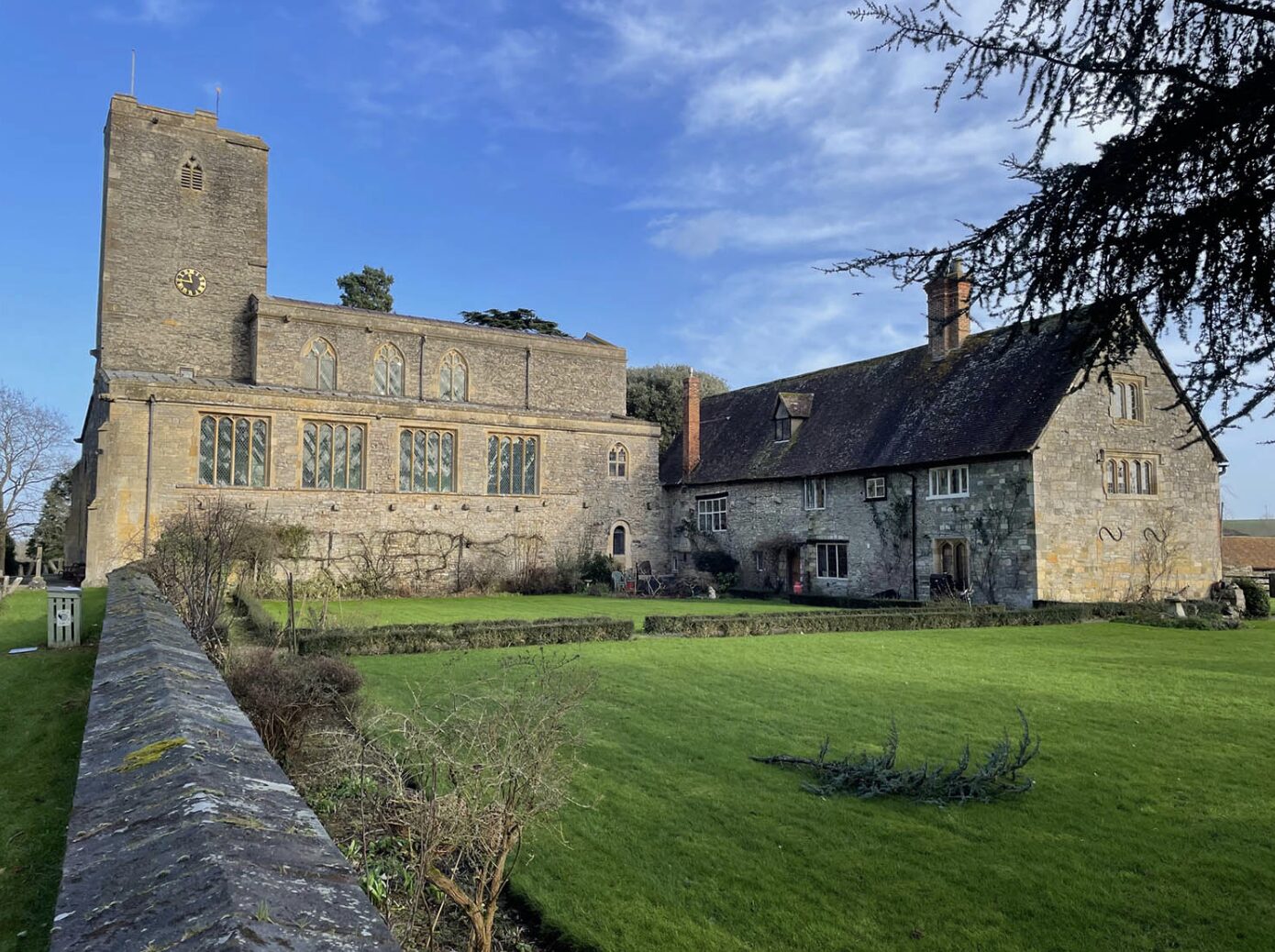
  • Church of St. Mary, Bredon
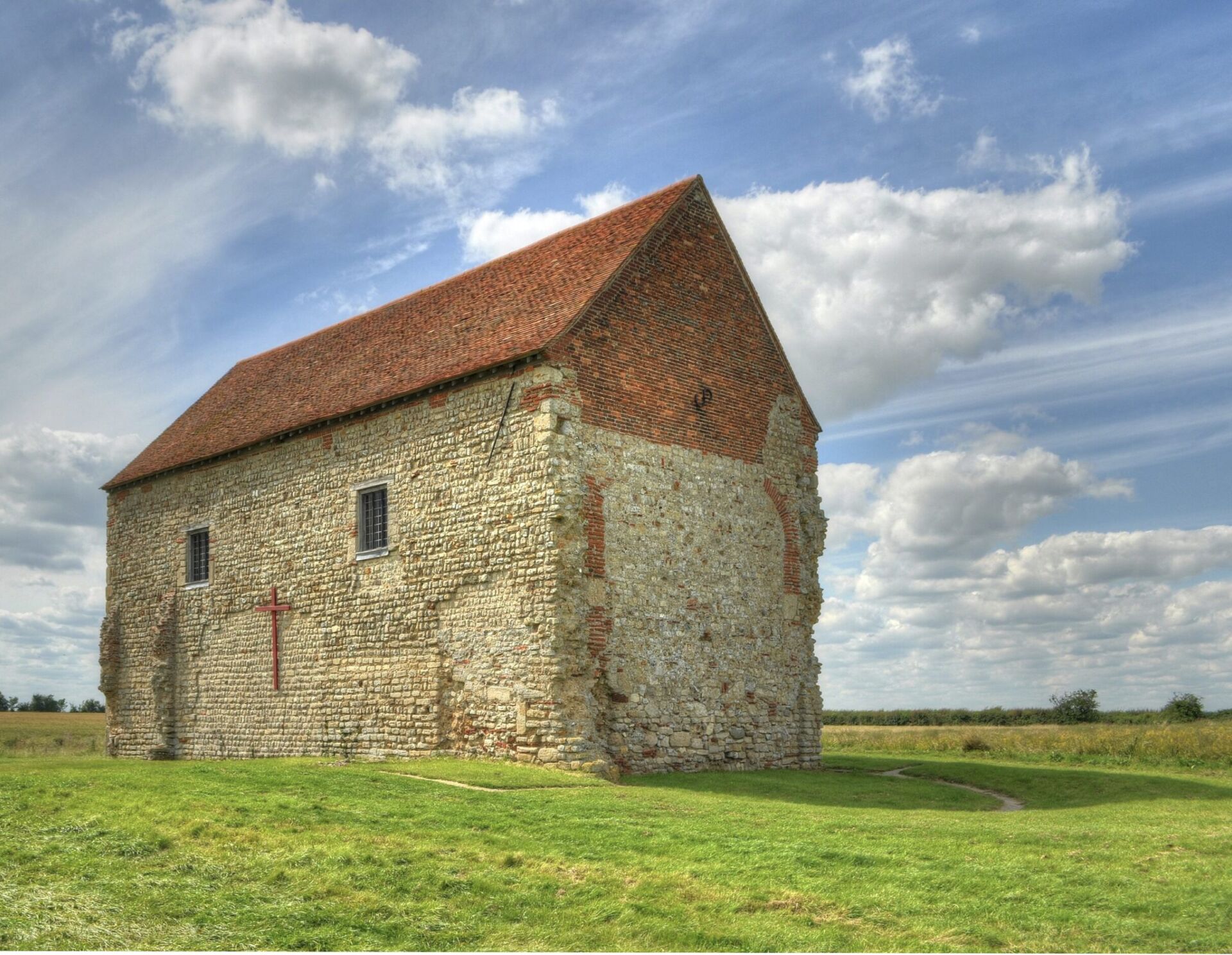
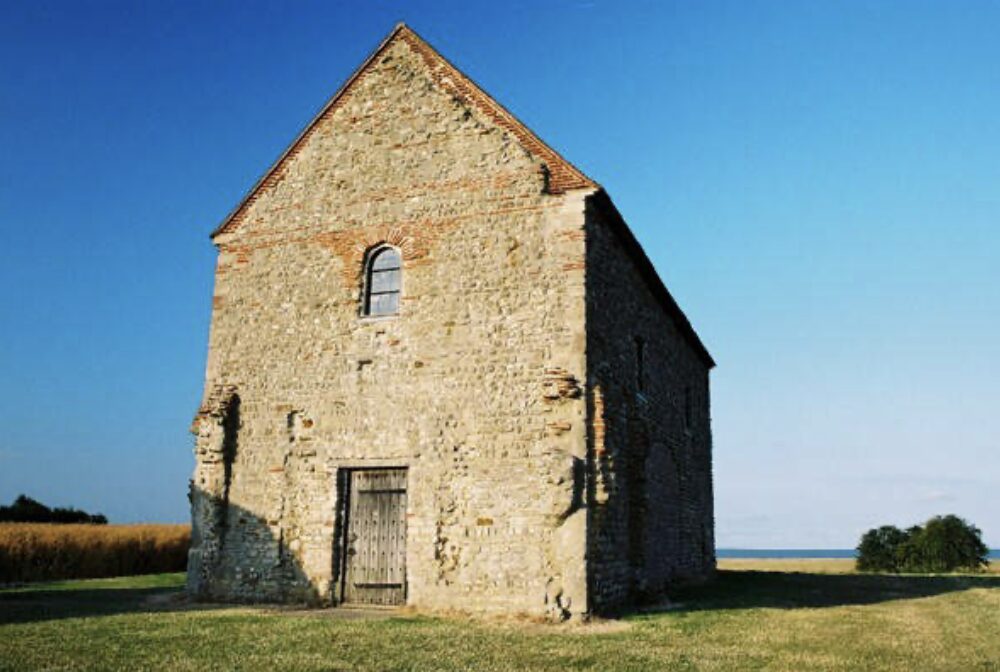
  • St Peter’s Church, Bradwell-on-Sea (Essex)
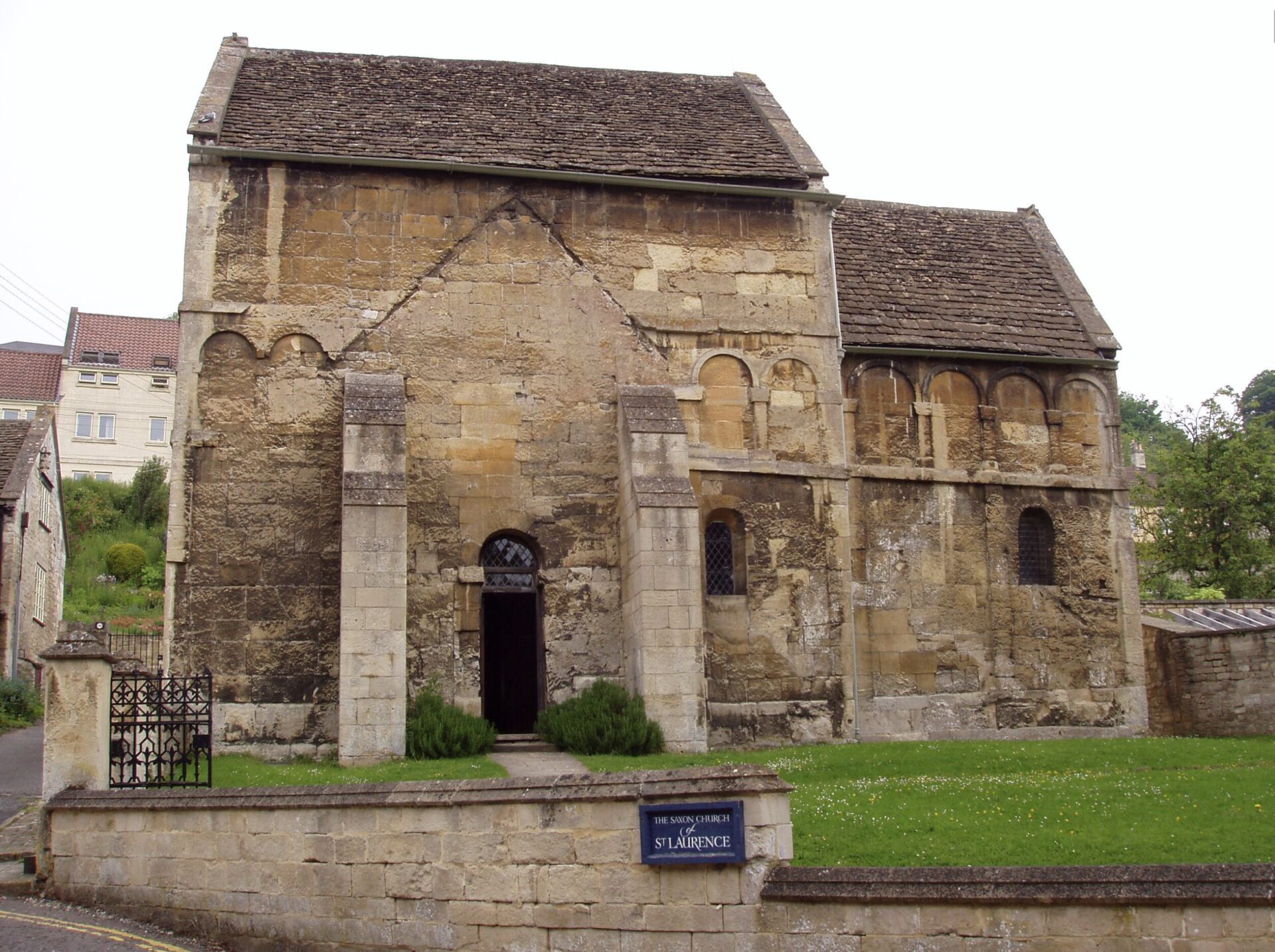
  • St Laurence’s Church, Bradford-on-Avon (Wiltshire)
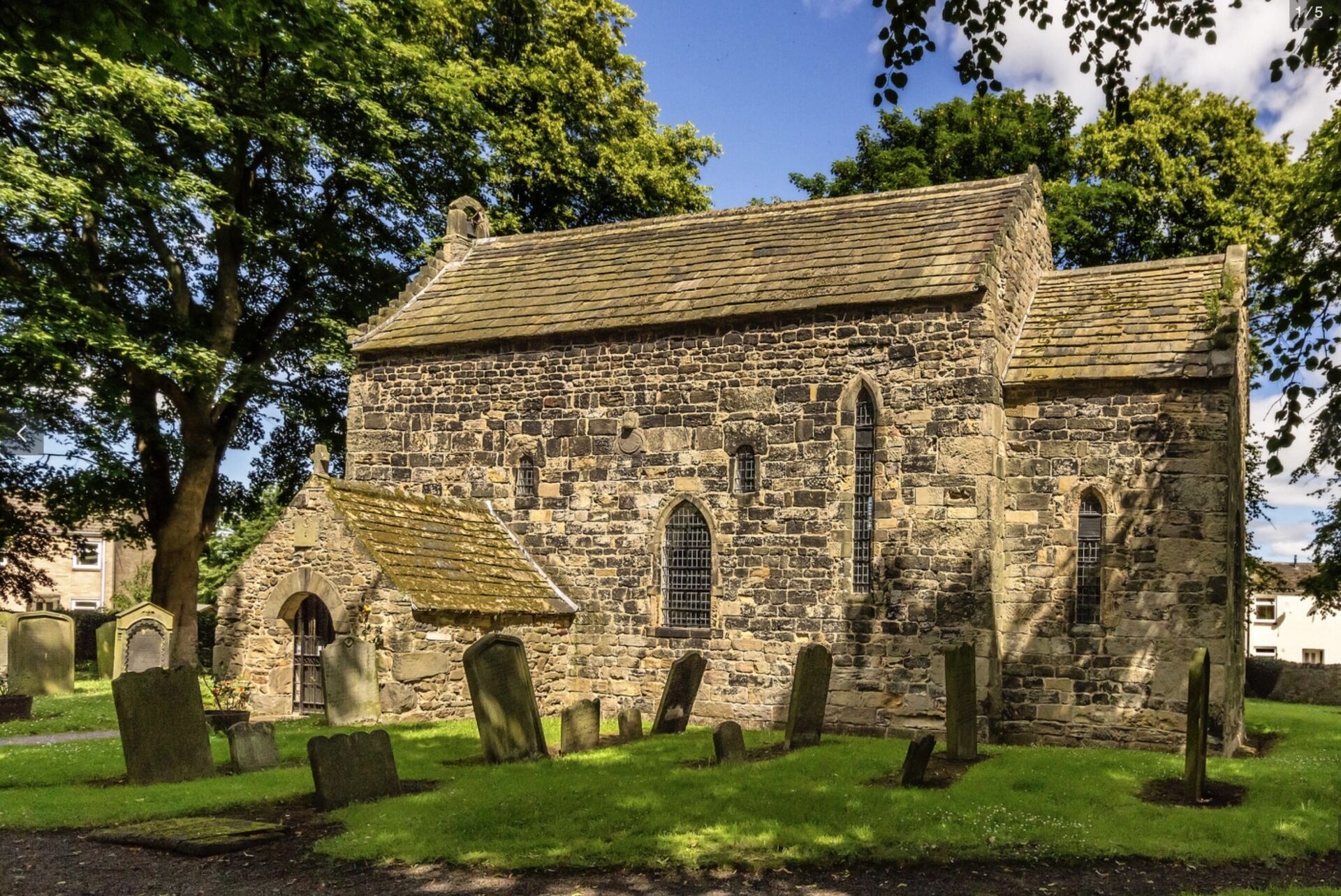
  • Escomb Church (County Durham)
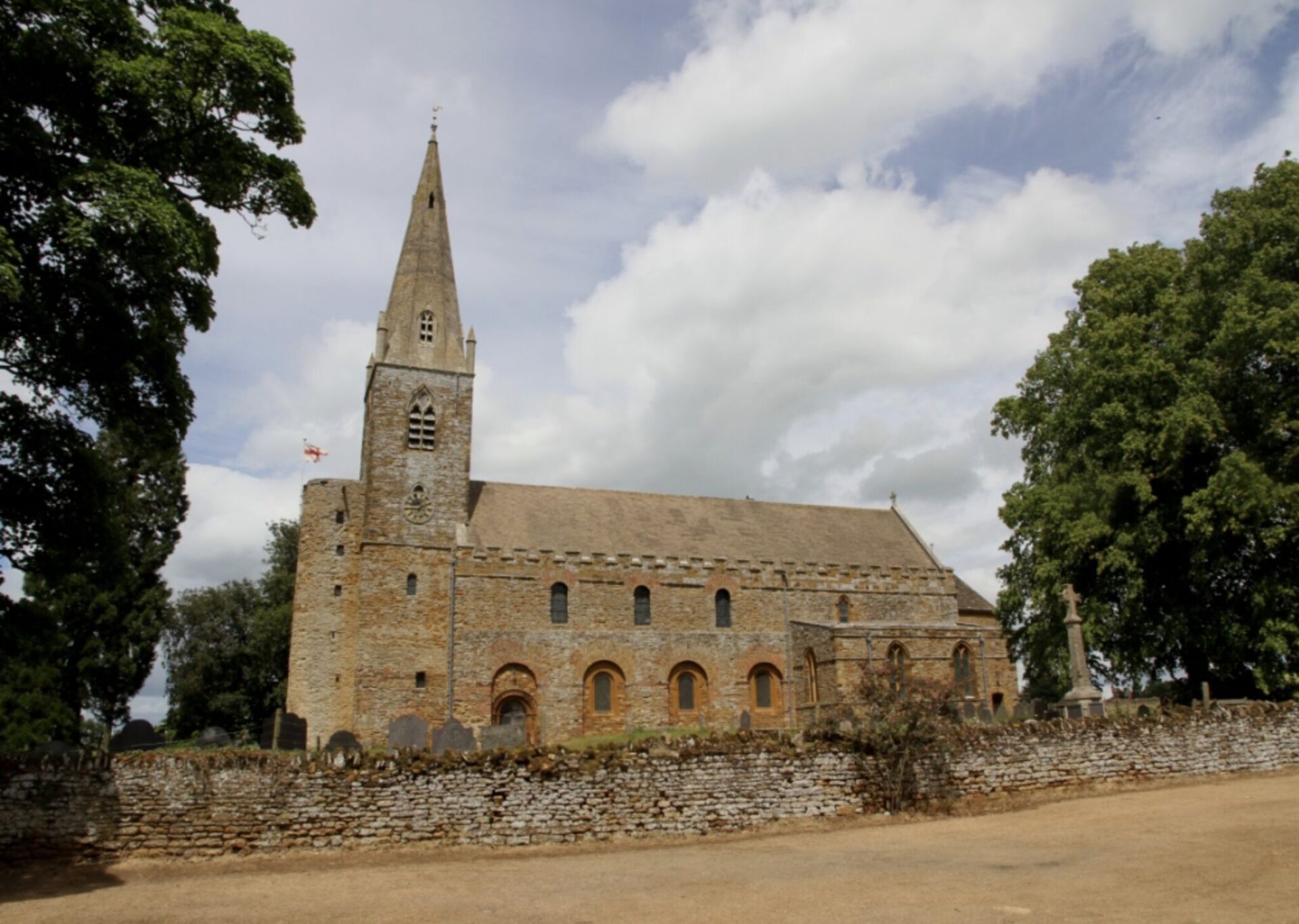
  • All Saints, Brixworth (Northamptonshire)
  • St Paul’s Church, Jarrow
  • St Peter’s Church, Monkwearmouth
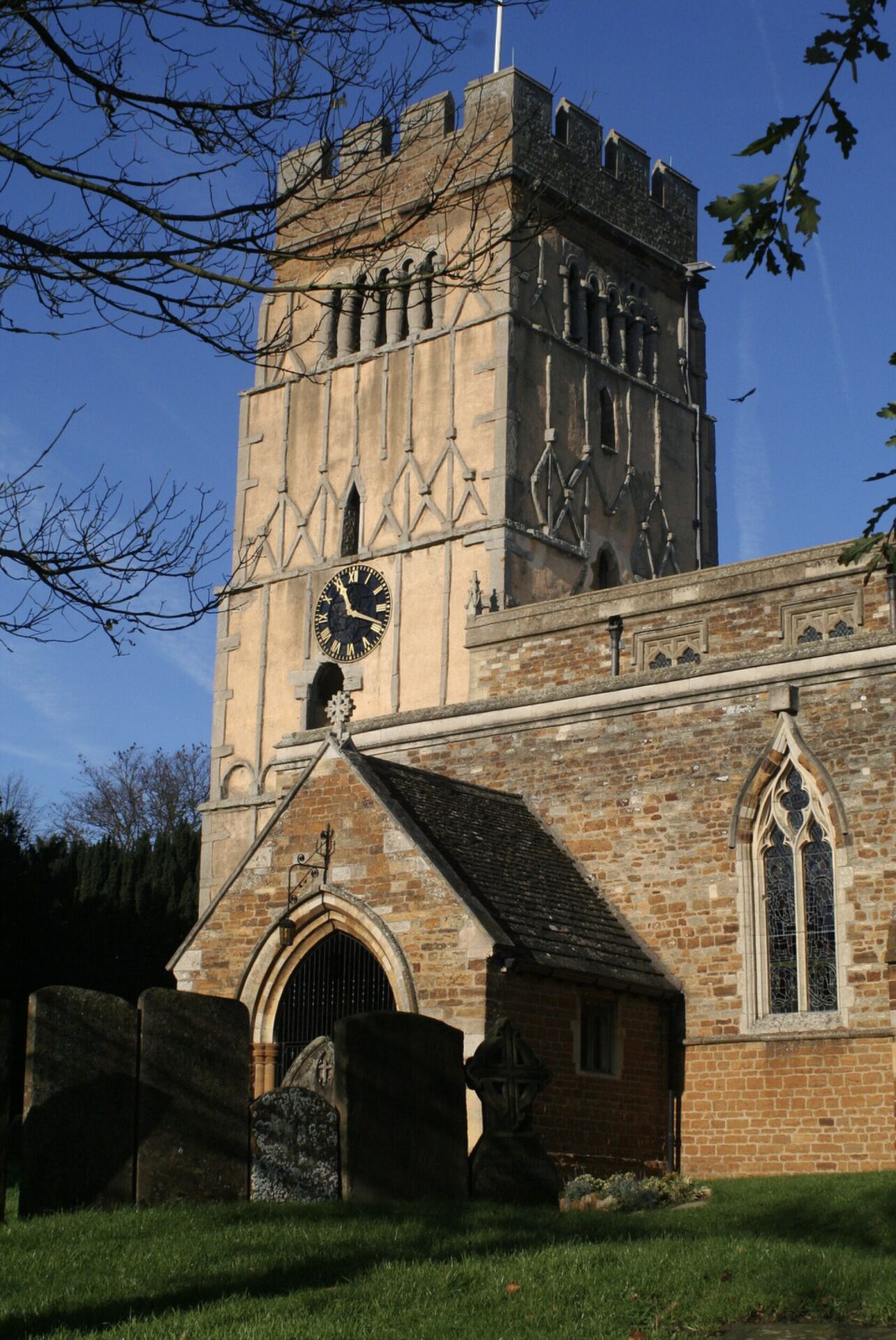
  • All Saints’ Church, Earls Barton Northamptonshire
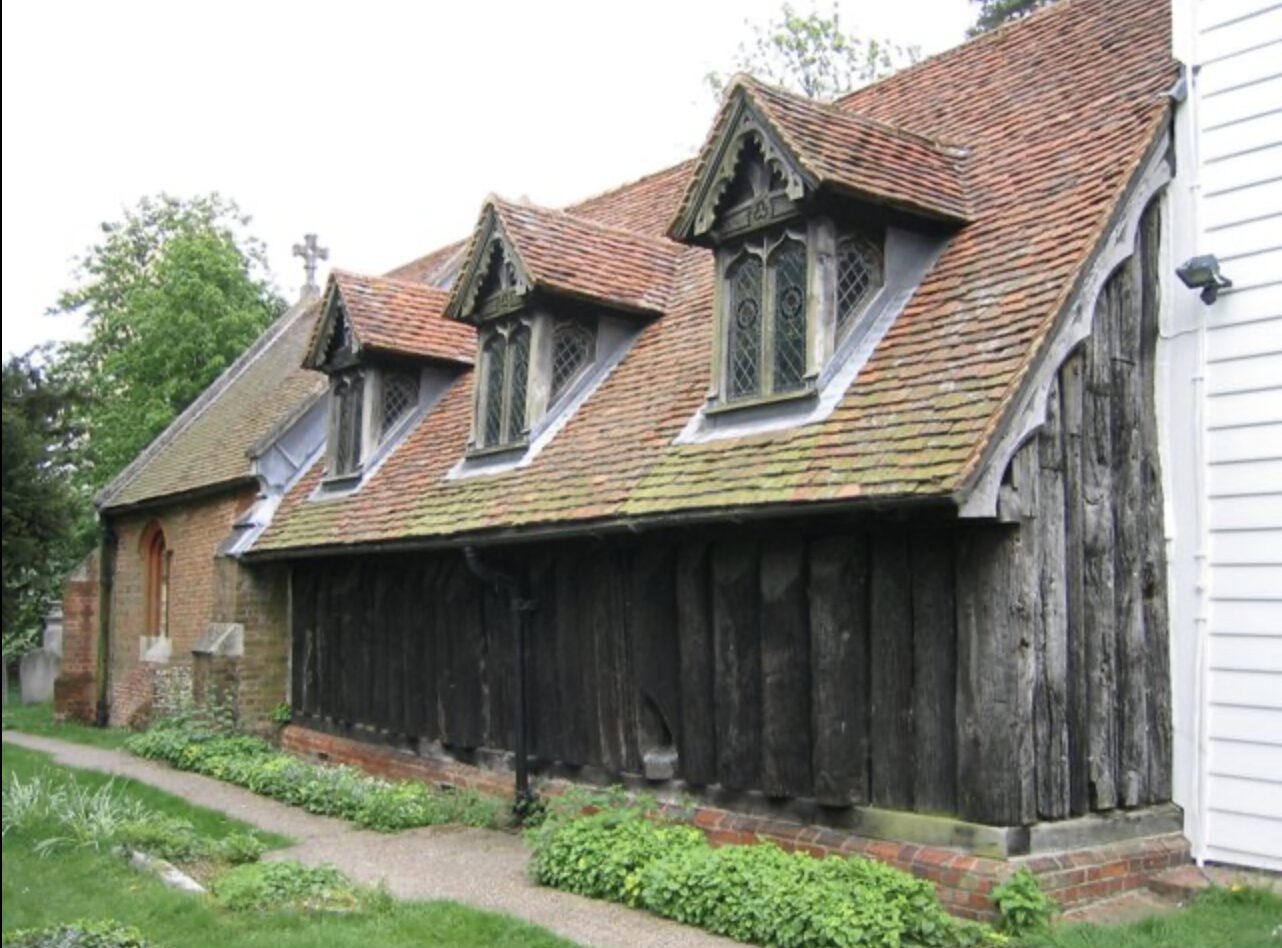
  • Greensted Church Essex
  • St Cuthbert’s Church, Norham
  • Barn in Kent
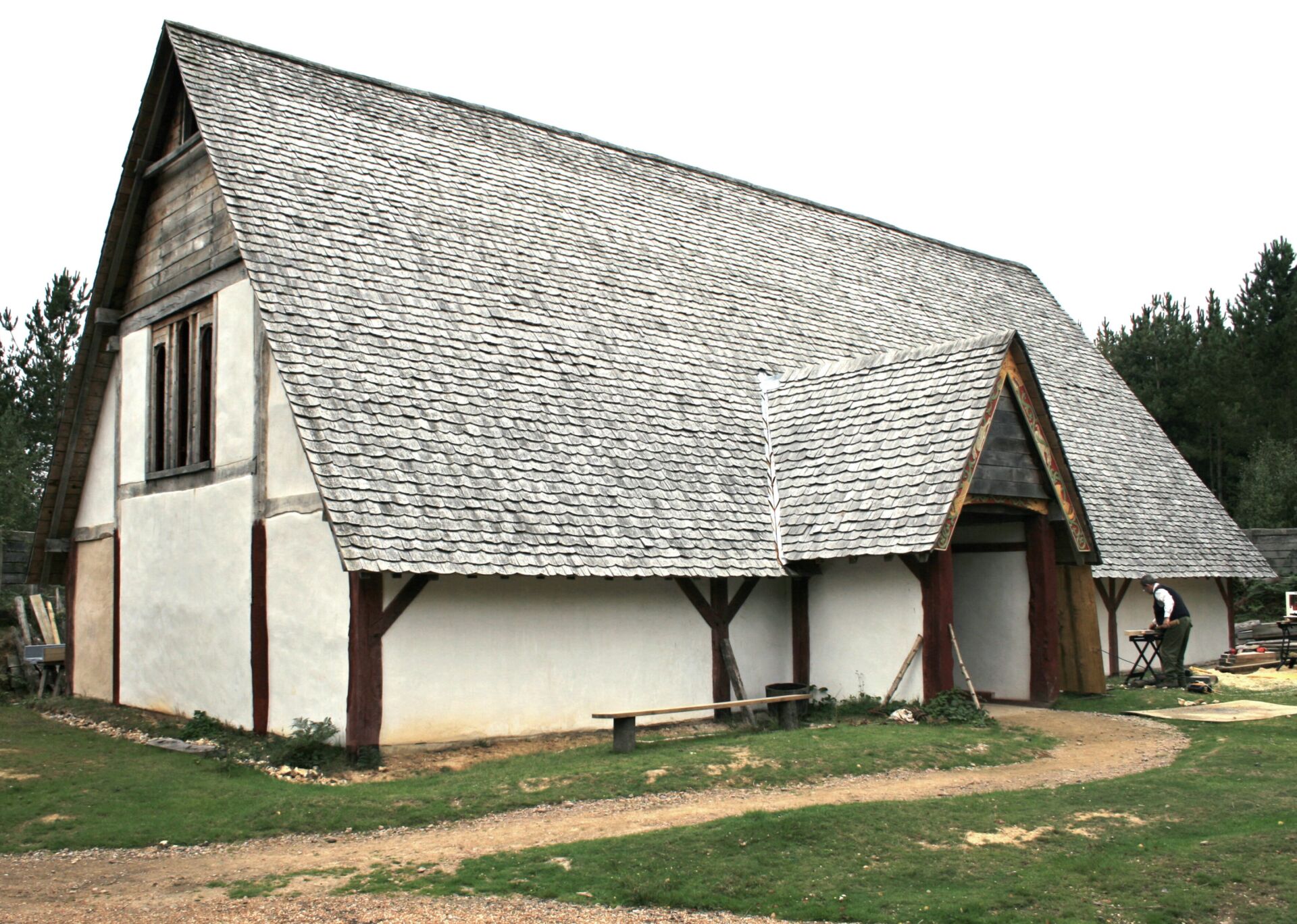
  • Butser Ancient Farm, Hampshire
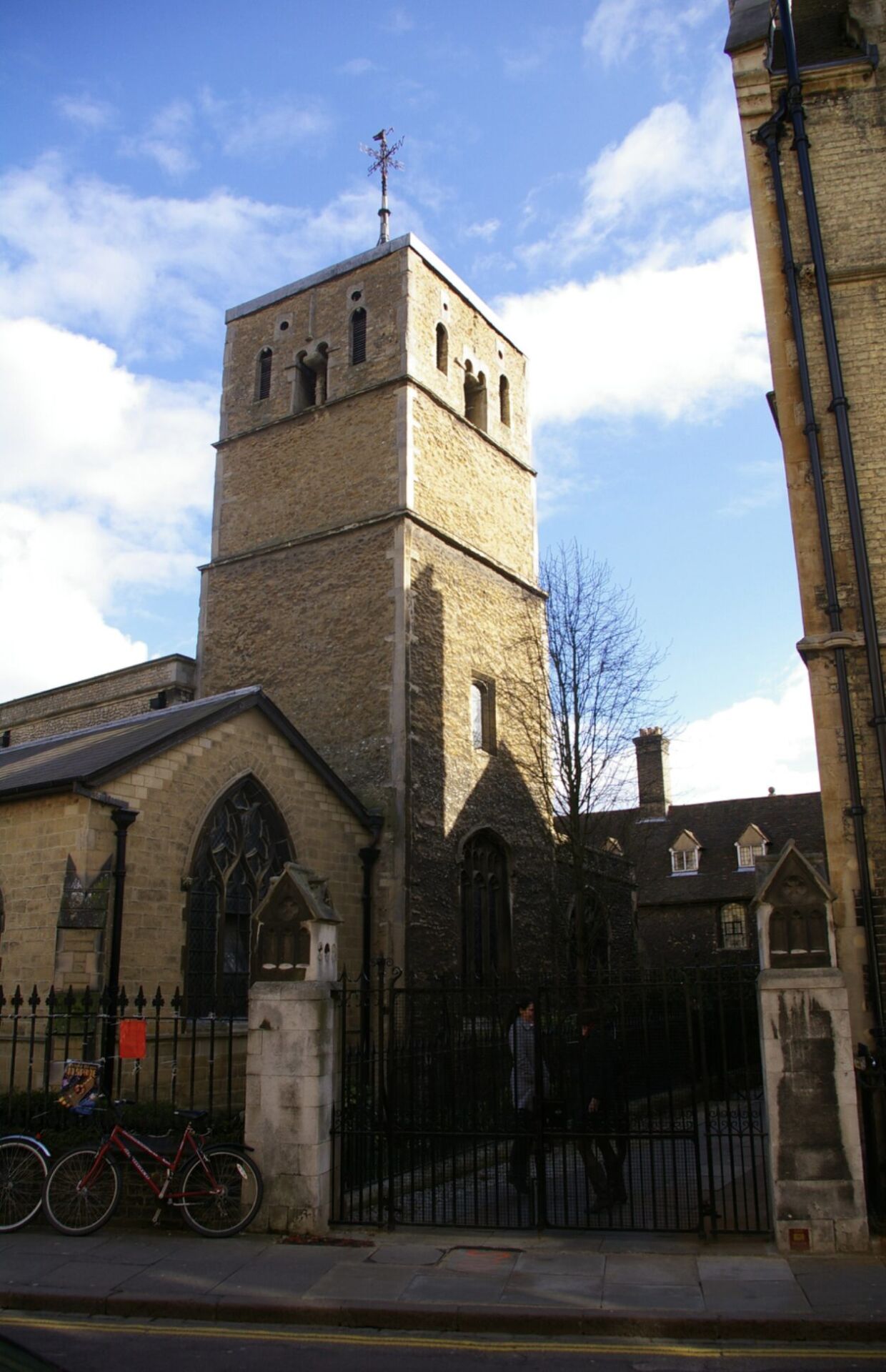
  • St Bene’t’s Church, Cambridge.
  • Odda’s Chapel, Deerhurst;
  • Roadside shelters
  • taverns (tabernae
  • Inns
  • Monastic guesthouses
  • longhouses/Longhalls
  • Archaeological remains of a late 9th-century longhall (probably a high-status residence with communal functions) were found in Cheddar, Somerset
  • The Porch House, Stow-on-the-Wold (c. 947 AD) — often claimed to have an Anglo-Saxon origin as a guesthouse or hospice site

Landmarks