Between the Han/Three Kingdoms classical order and the Buddhist cosmopolitan styles of the later Northern and Southern Dynasties.
Continued use of the post-and-beam (柱梁結構) system with modular jian bays
wooden halls on rammed-earth or brick platforms.
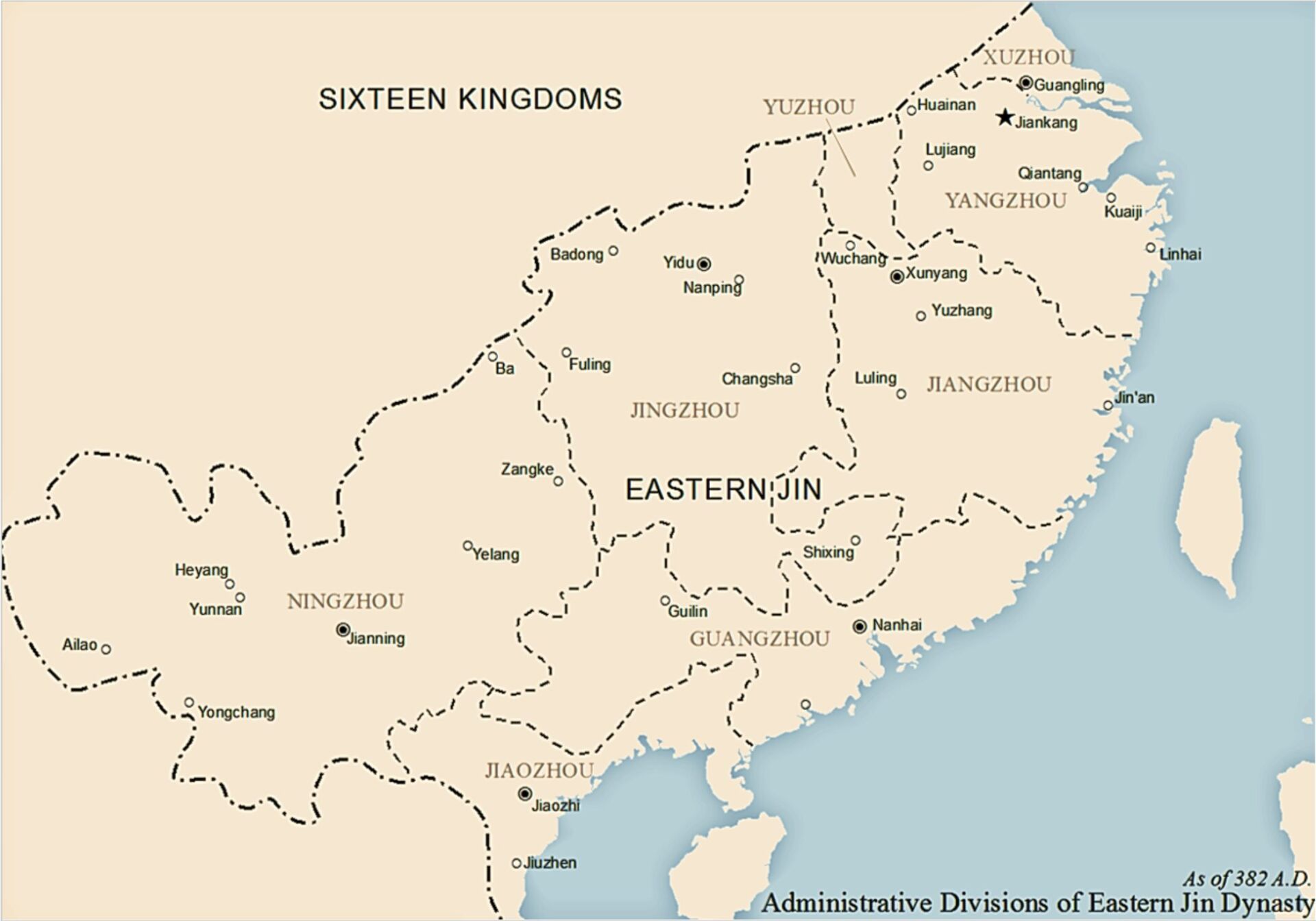
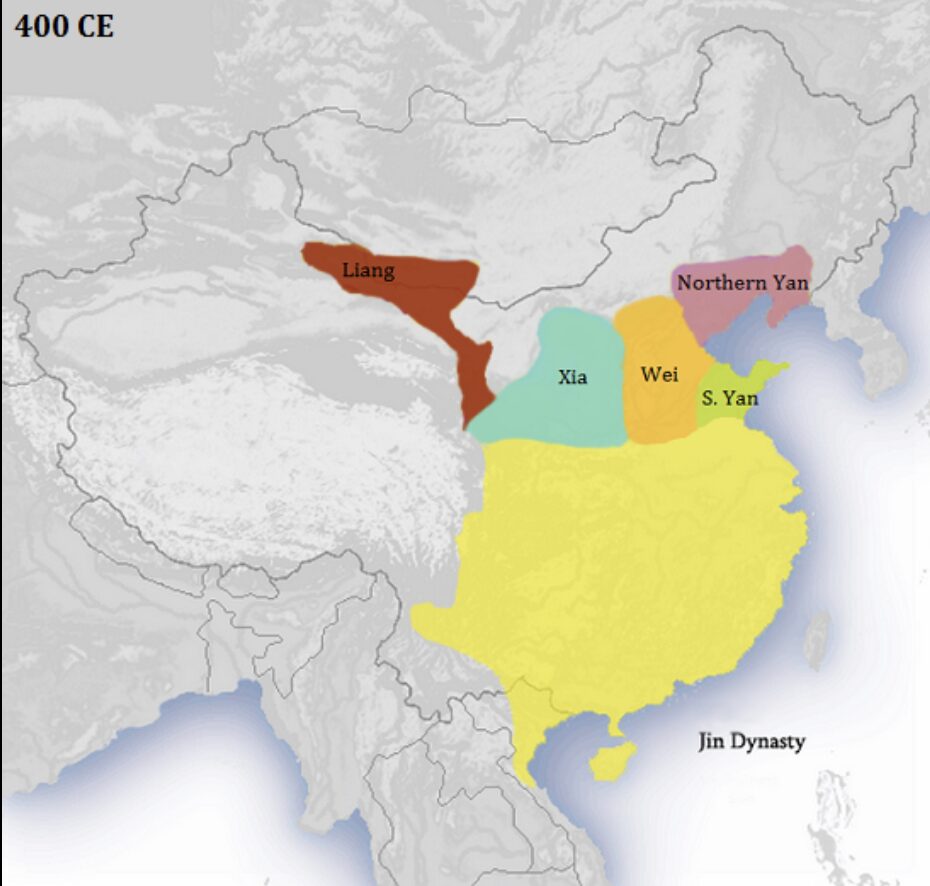
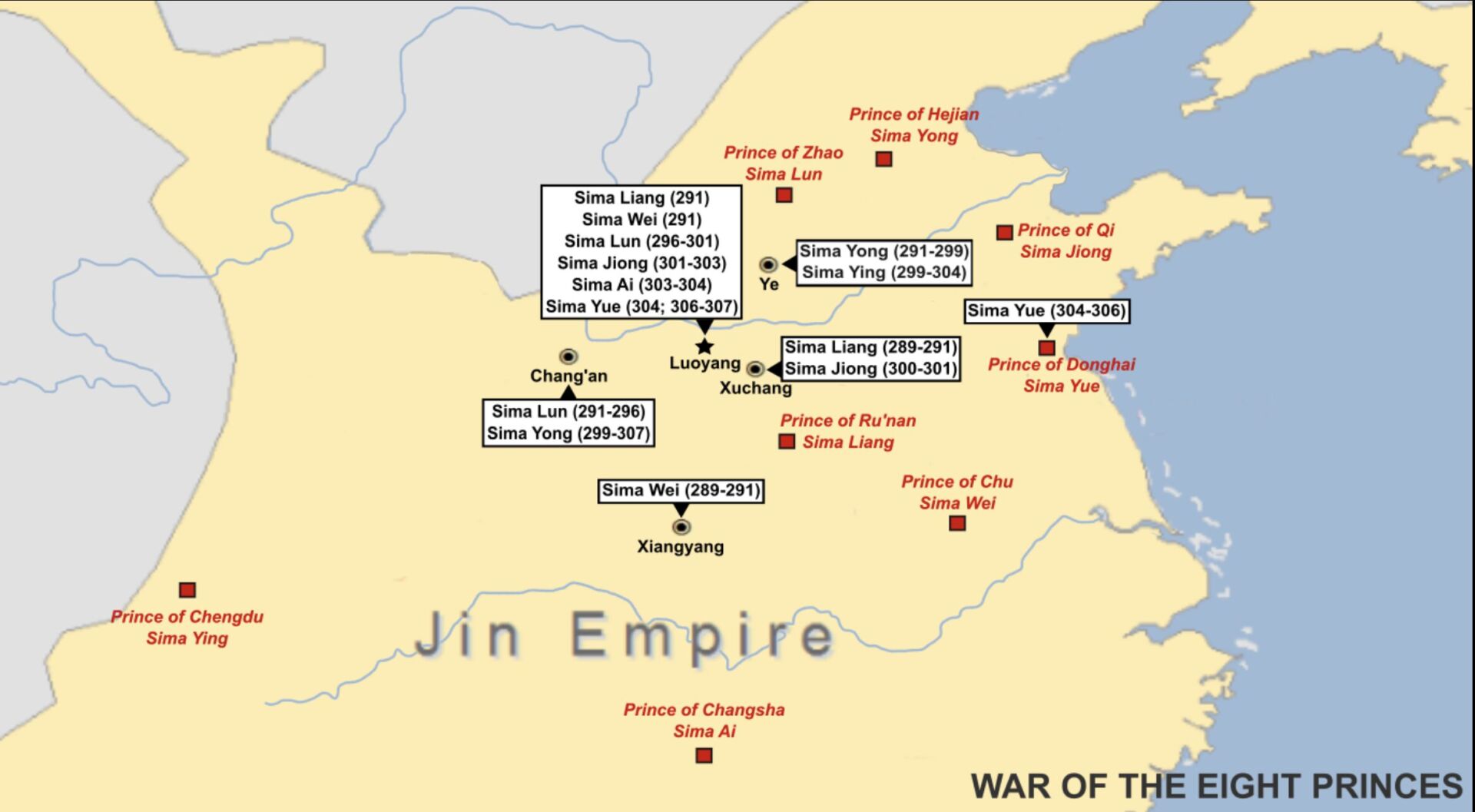
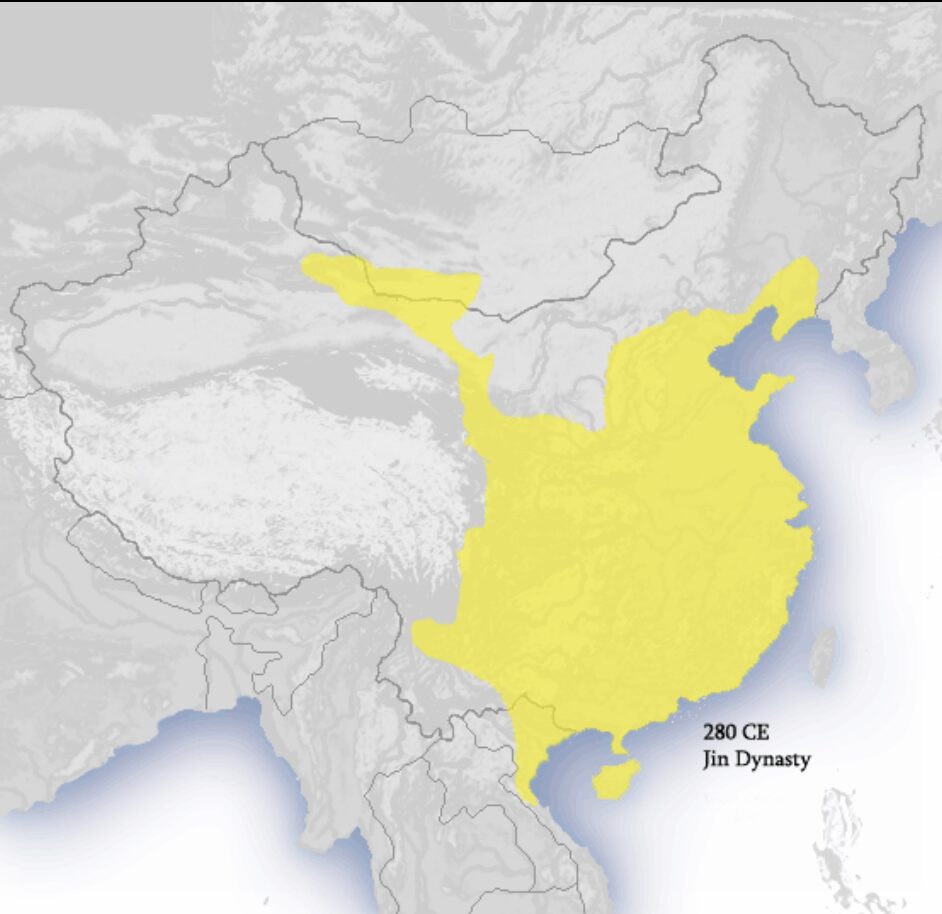
Northern Jin (Luoyang) vs Eastern Jin (Jiankang/Nanjing) — two distinct architectural zones.
Earliest large-scale Buddhist temples and pagodas appear
temples follow courtyard layouts with central pagoda or stupa halls.
Transformation from Indian stupa → Chinese multi-eave tower (塔) form.
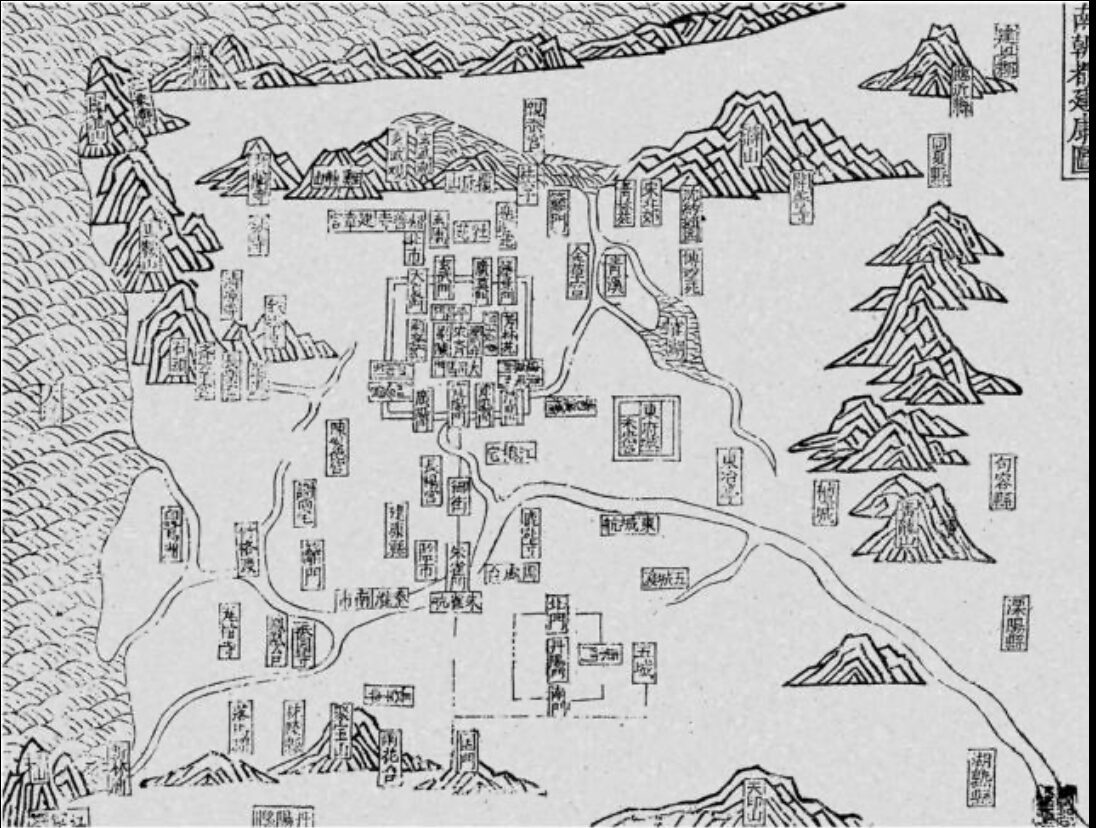
Capitals continued Han grid planning, but adapted to geography. Jiankang (Nanjing) had irregular terrain and water-based planning; Luoyang retained Han rectilinear plan.
Smaller and more refined
emphasis on ritual proportion, aesthetics, and spatial layering.
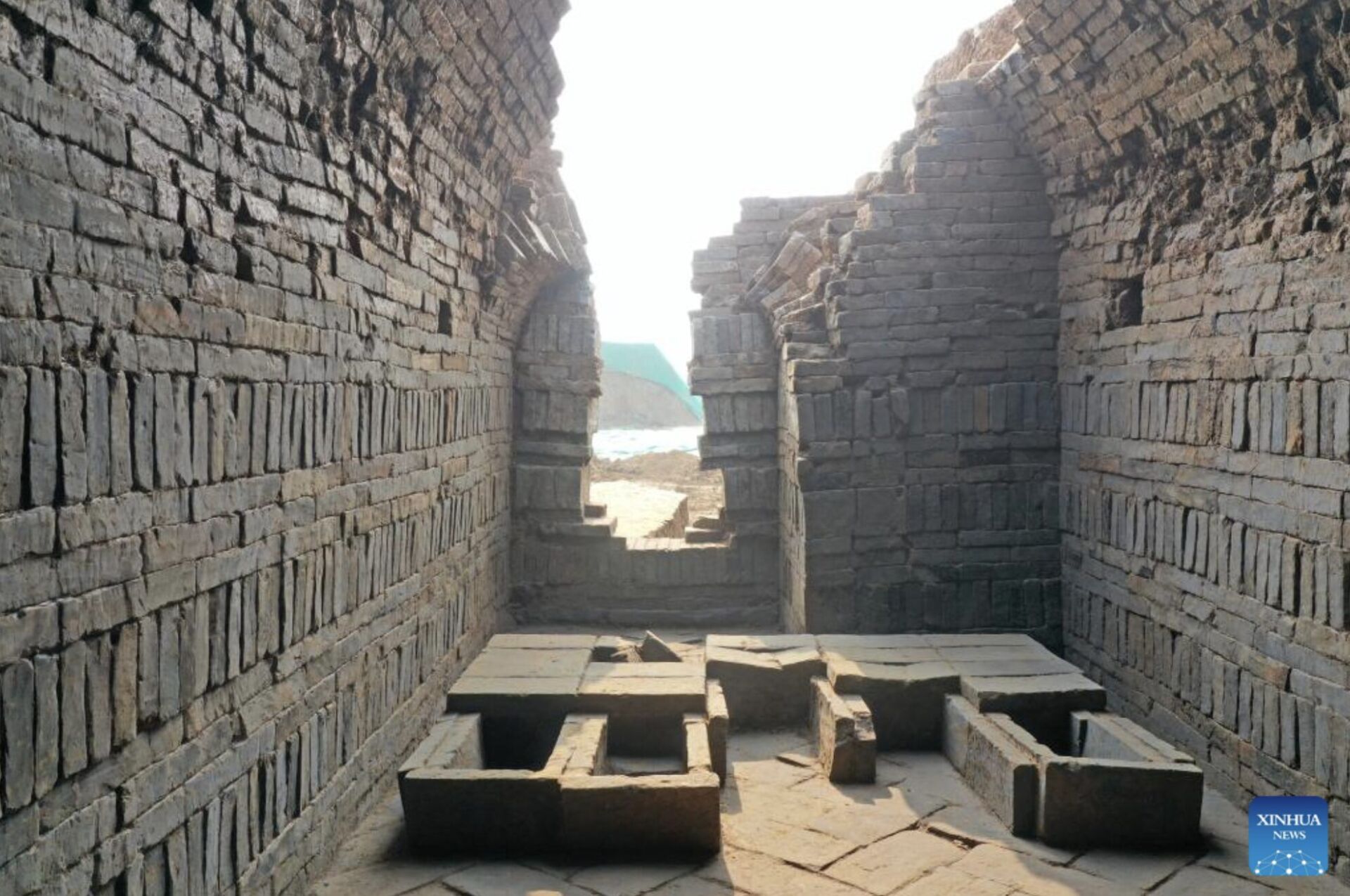
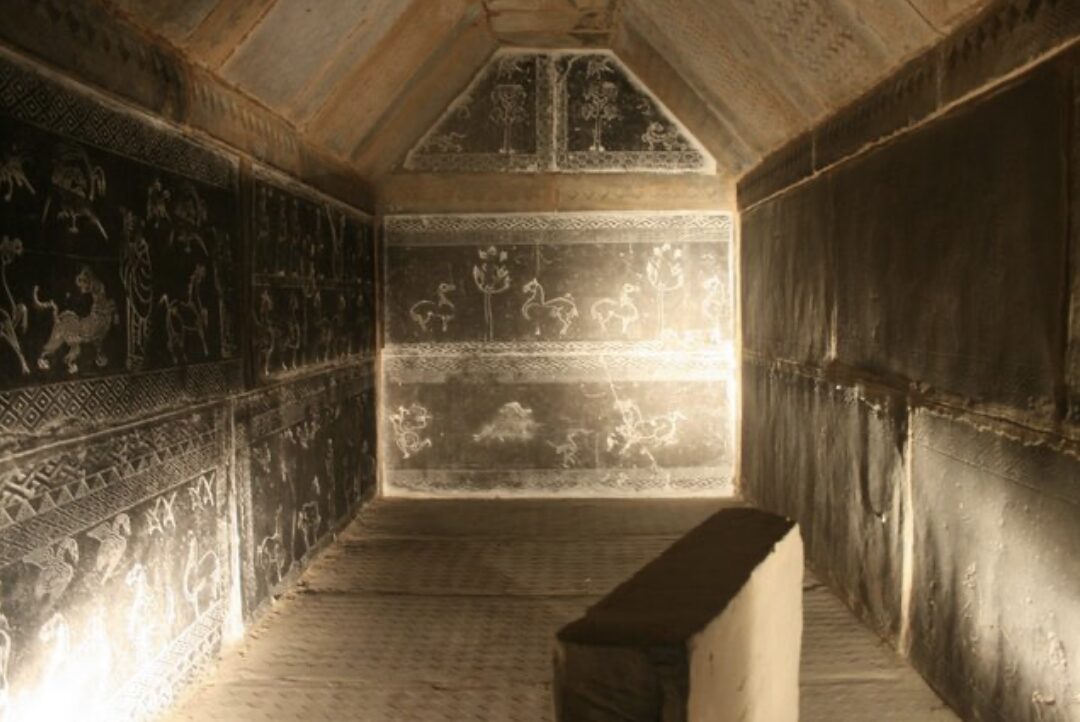
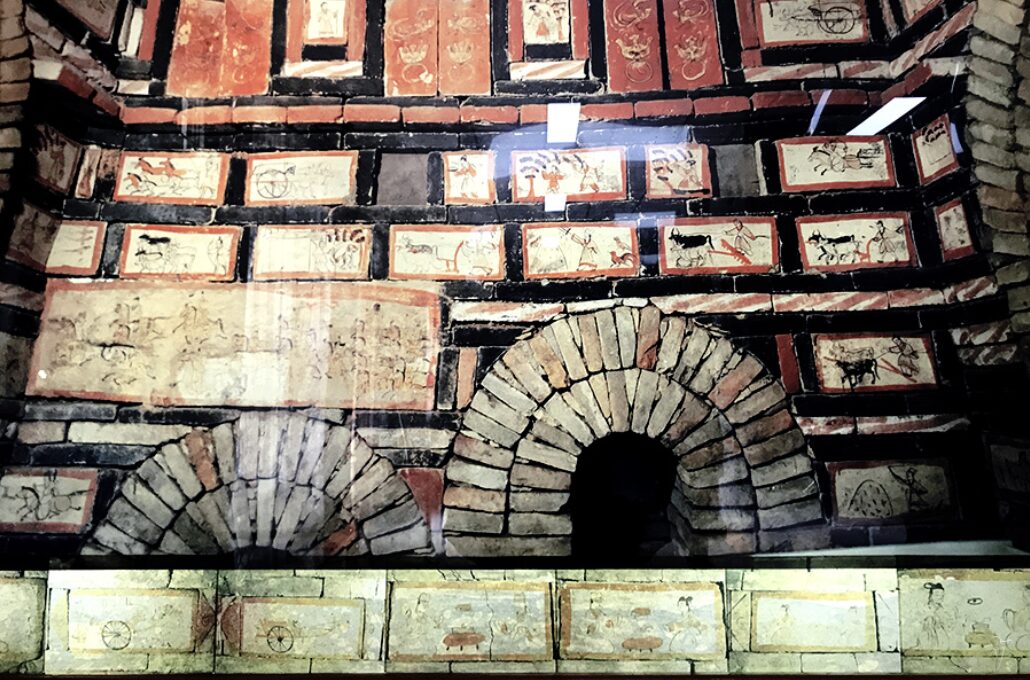
Continued use of brick-vaulted chambers, now with more artistic murals and carved reliefs.
First purpose-built Daoist temples (觀 guan) appear, alongside Buddhist monasteries (寺 si)
Shift from purely Confucian motifs to cosmological and spiritual imagery — clouds, lotuses, immortals, apsaras, celestial palaces.
Increasing use of fired brick, stone, and lime mortar
refinement of tile production and bracket (dougong) systems
Multi-Storey Buildings
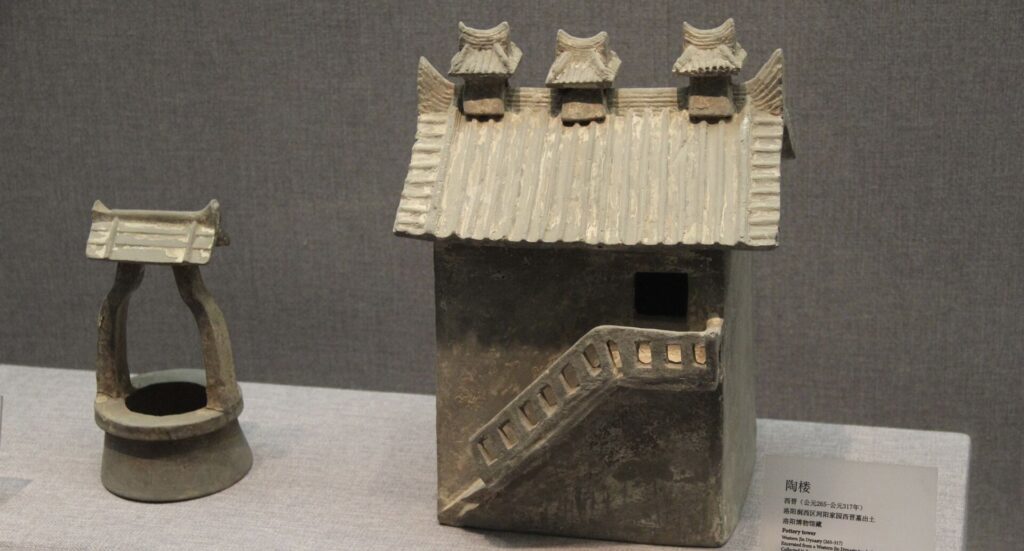
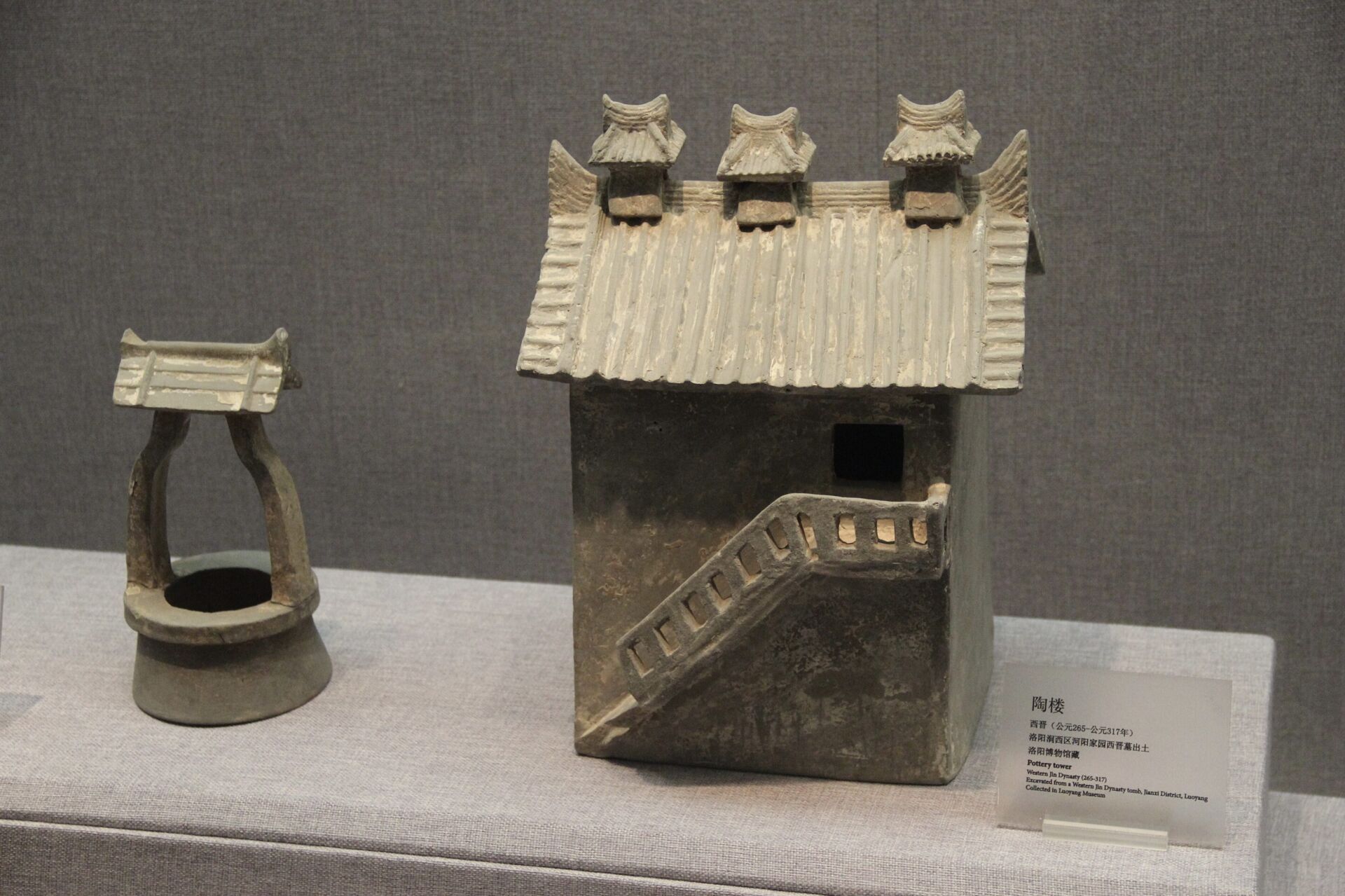
Popularization of louge (樓閣) towers for Buddhist and residential use
timber balconies, overhanging eaves.
China
Common Building Types
Landmark buildings
Historic Accommodation Types
Accommodation Examples
Palaces (宮 gong)
Administrative Offices (府 fu, 署 shu)
City Walls, Gates, and Watchtowers (城 cheng, 門 men, 樓 lou)
Residential Houses (宅 zhai, 屋 wu)
Buddhist Temples (寺 si) New building type: courtyard complexes centered on a pagoda, flanked by lecture and meditation halls.
Pagodas (塔 ta)
Daoist Shrines (觀 guan)
Ancestral Temples (祠 ci, 廟 miao)
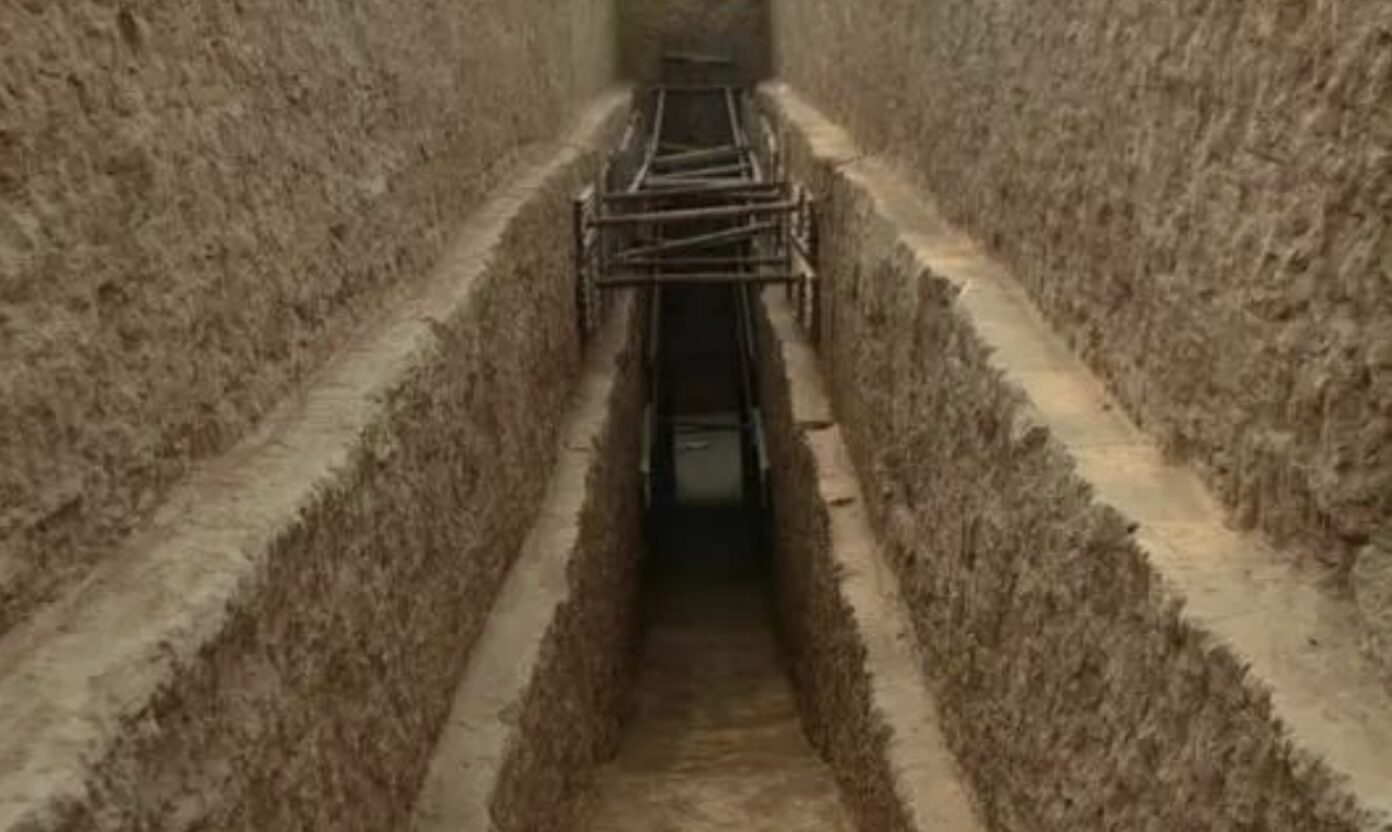
Tombs and Mausolea (墓 mu, 陵 ling)
Market Buildings (市 shi, 行 hang)
Inns and Relay Stations (驛站 yizhan, 館 guan) Courtyard compounds with guest rooms, kitchens, stables, and offices; part of postal network.
Bridges, Canals, and Hydraulic Structures (橋 qiao, 渠 qu)
Towers and Pavilions (樓 lou, 閣 ge) watchtowers, view pavilions, or literary retreats.
Monastic Hostels / Guest Houses (僧舍 sengshe)
Western Jin Palace Complex (Luoyang Palace, 洛陽宮城)
Eastern Jin Palace City (Jiankang Palace, 建康宮城) Jiankang (Nanjing)
Luoyang City Walls and Gates Luoyang
Jiankang City Walls (建康城牆)
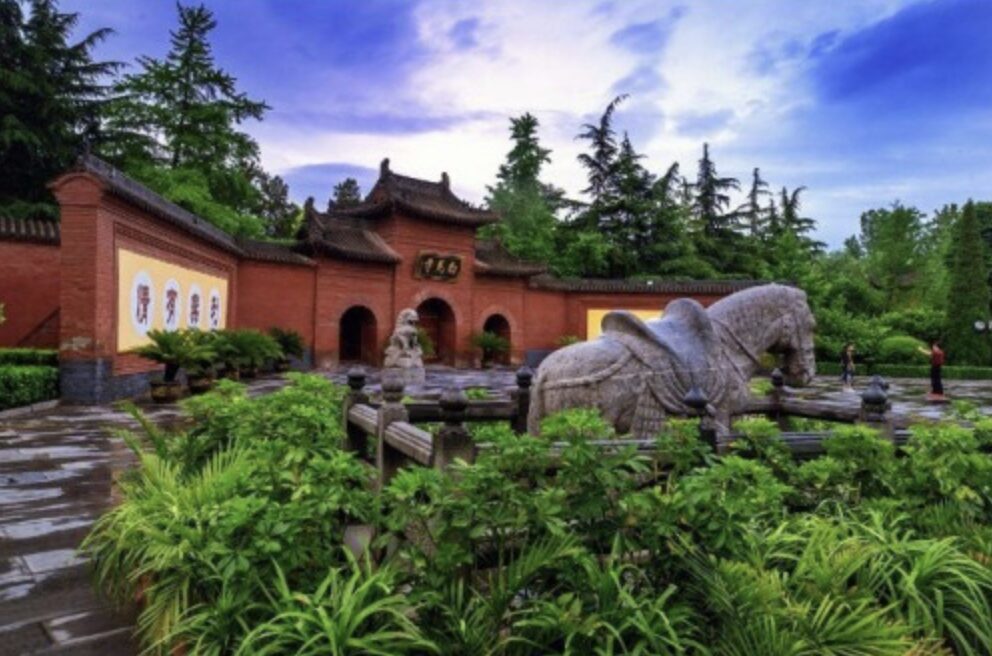
White Horse Temple (Luoyang White Horse Monastery 白馬寺, rebuilt)
Early Luoyang Wooden Pagoda
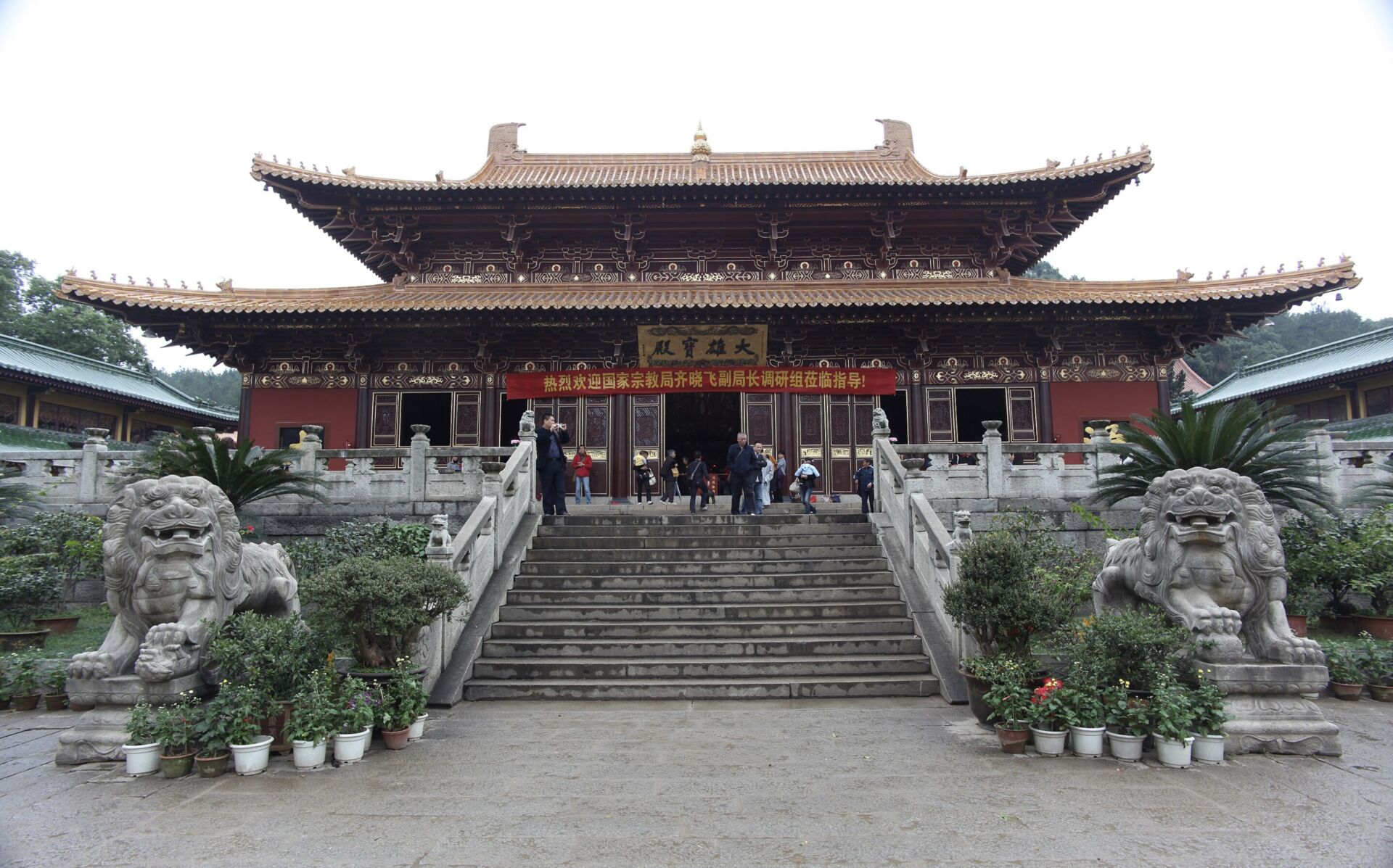
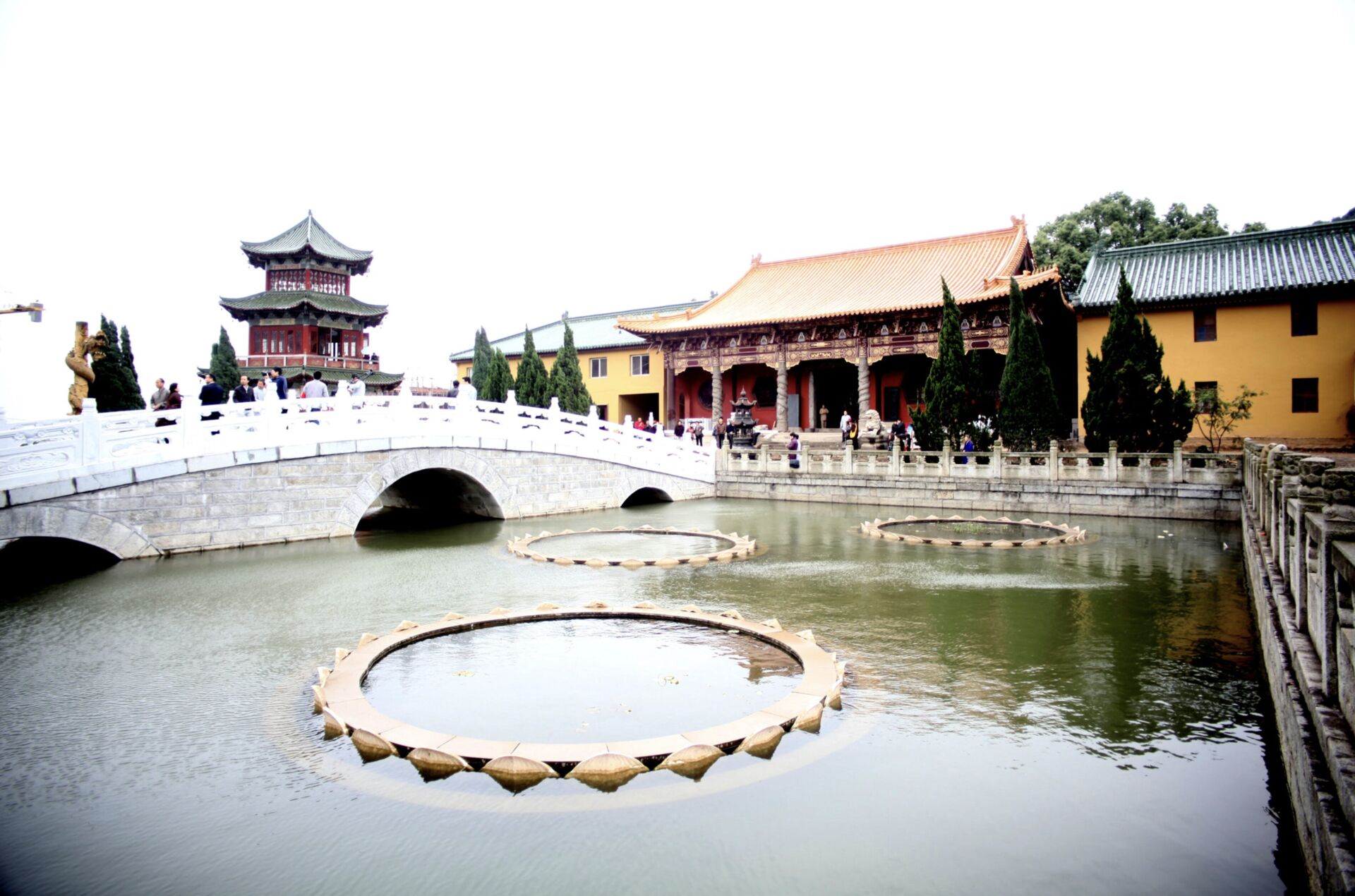
Donglin Temple (東林寺). Mount Lu (Lushan), Jiangxi;
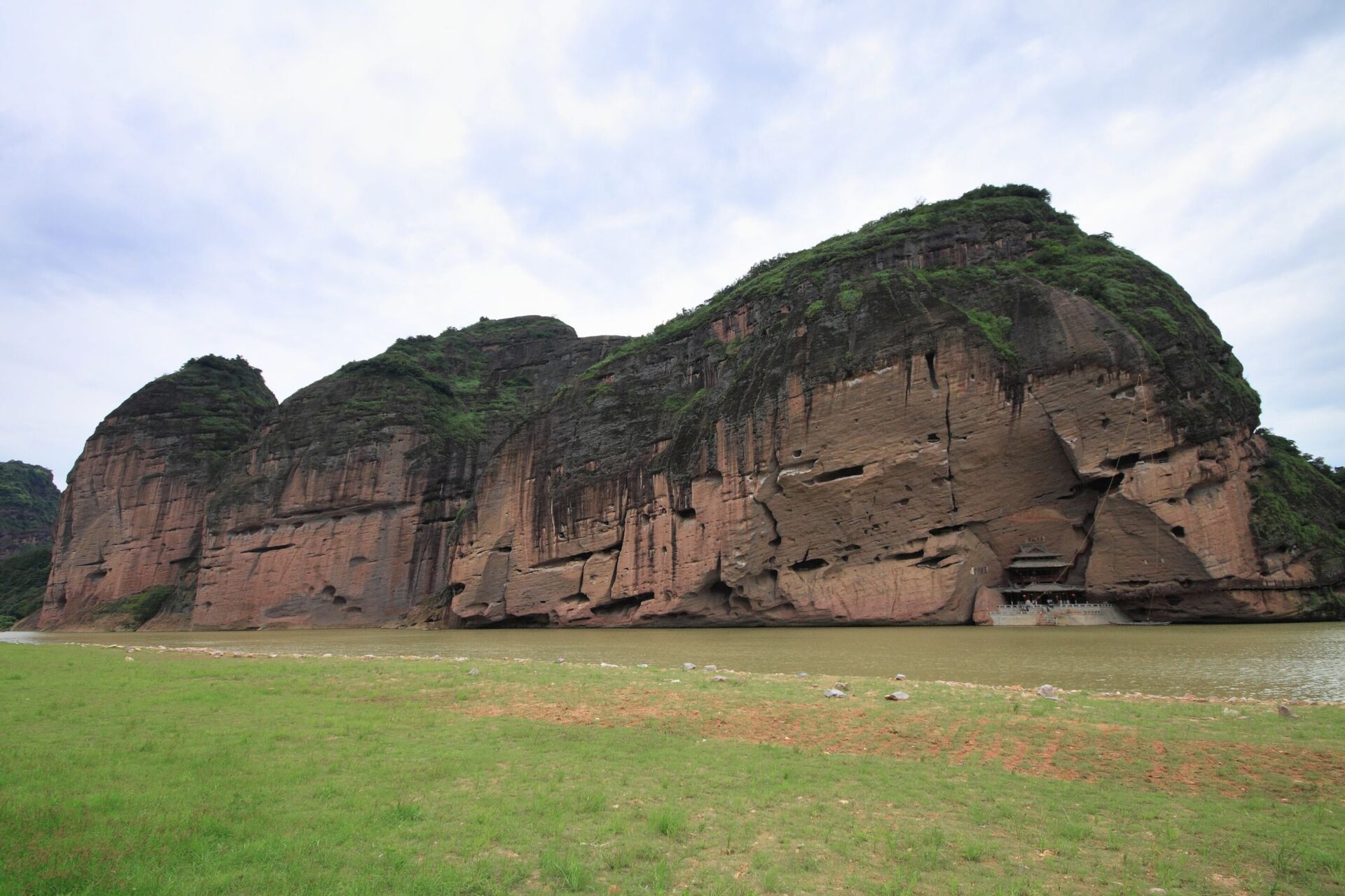
Daoist Shrines on Mount Longhu (龍虎山) Yingtan, Jiangxi
Literary Pavilions and Towers. Jiankang and Luoyang ;
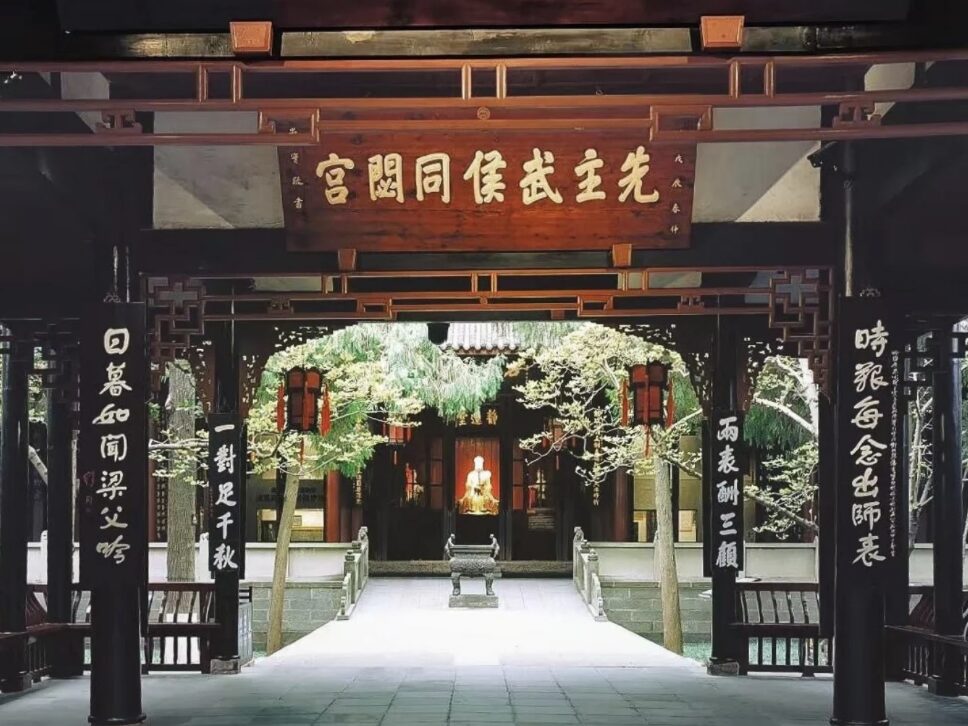
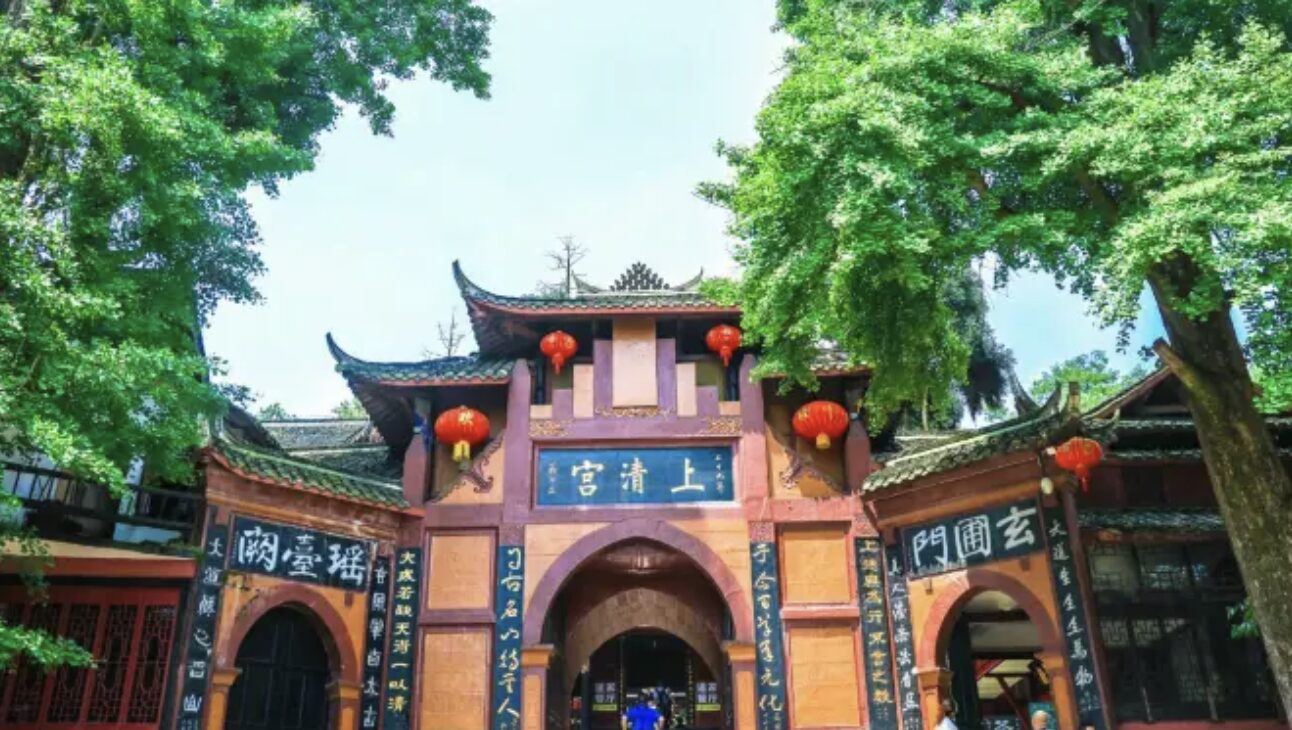
Shangqing Palace
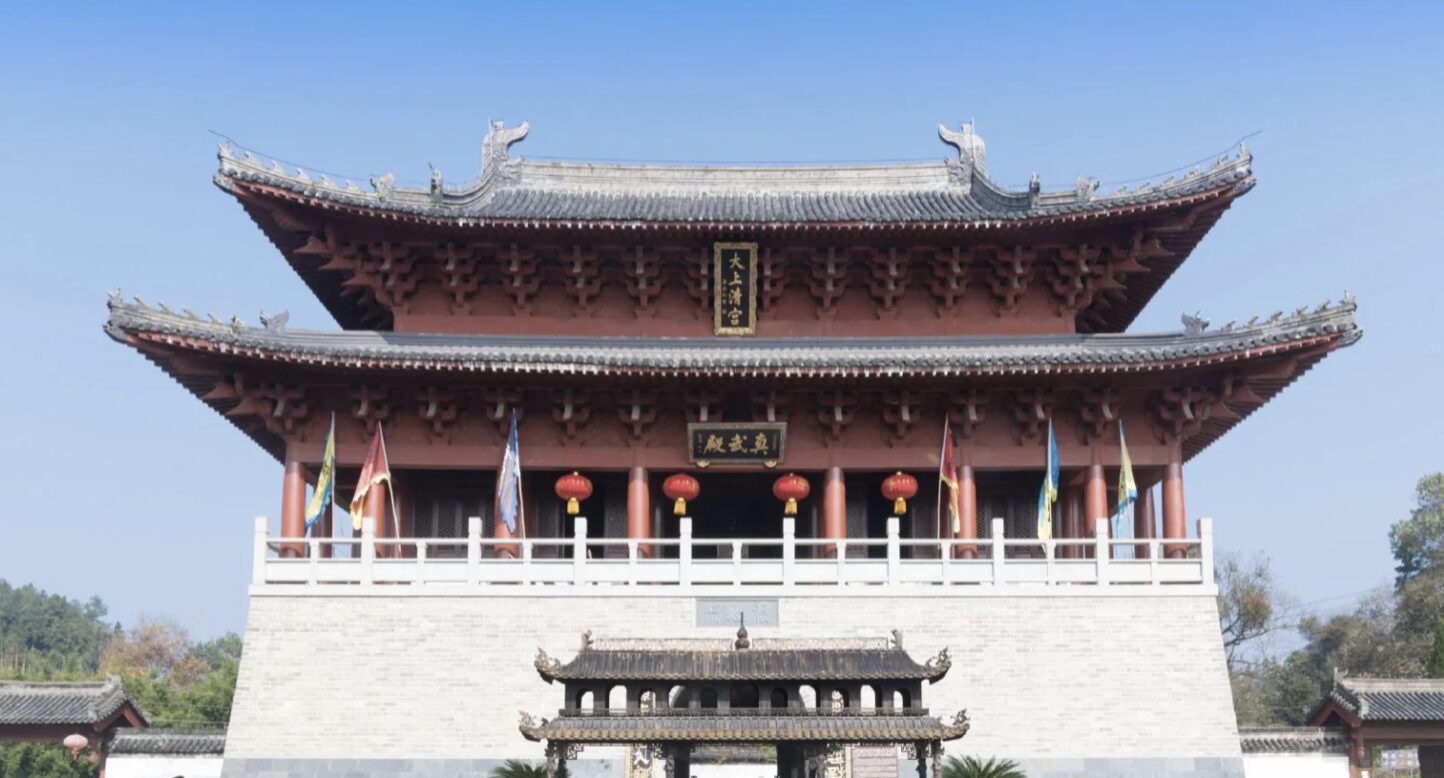
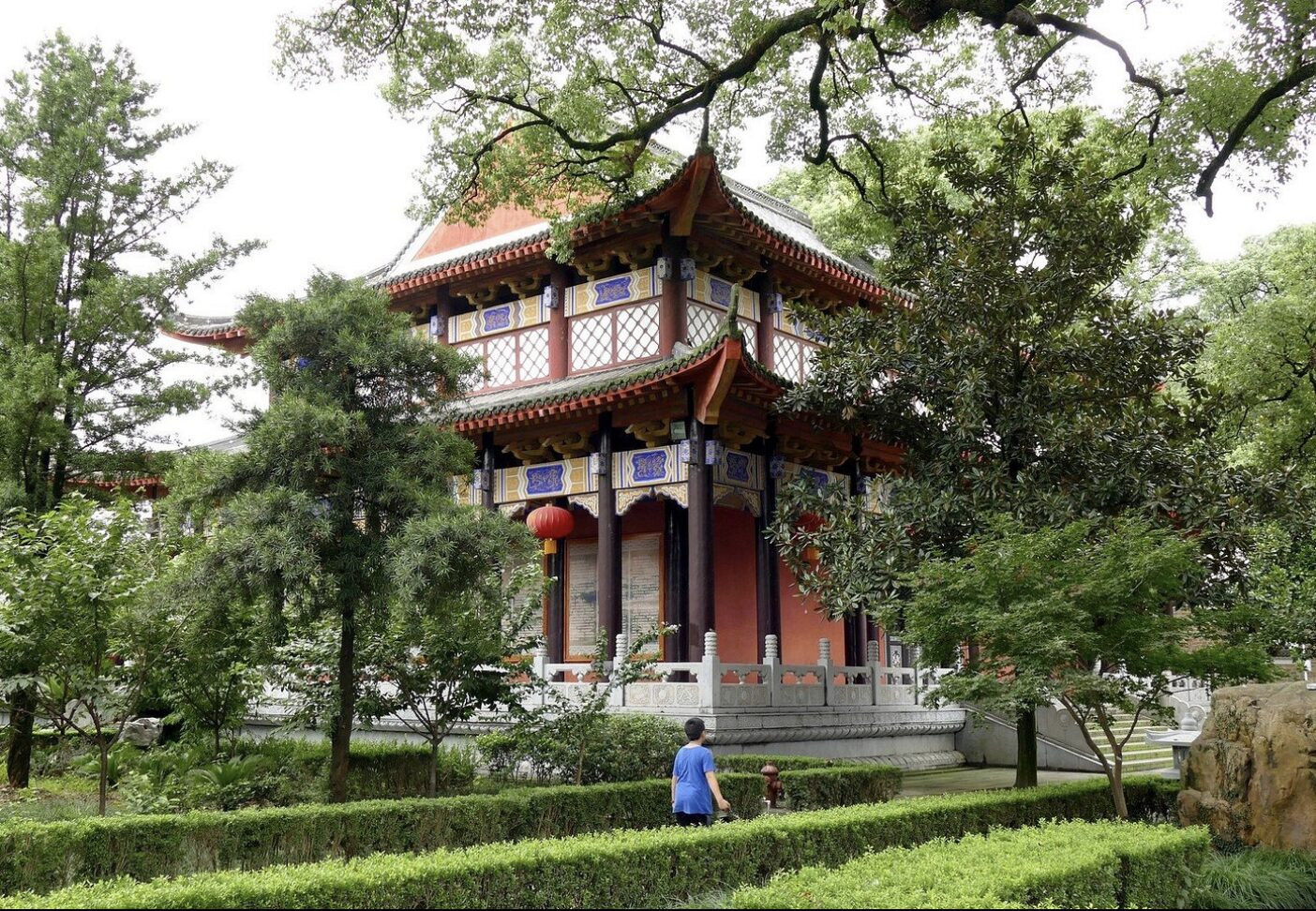
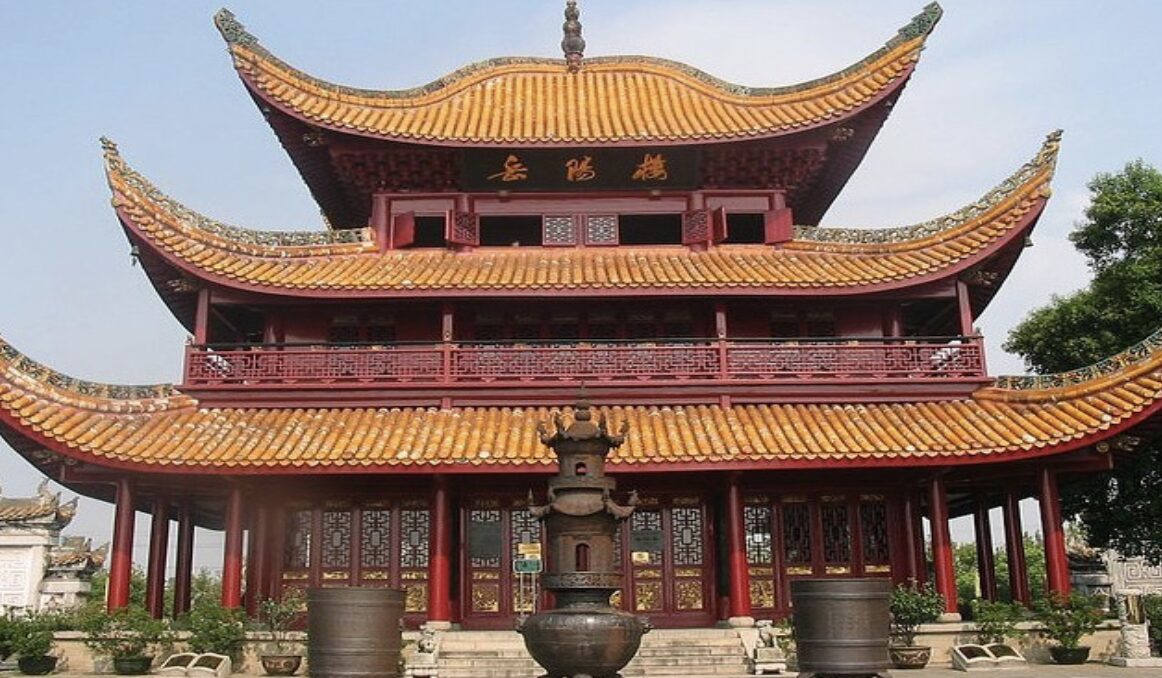
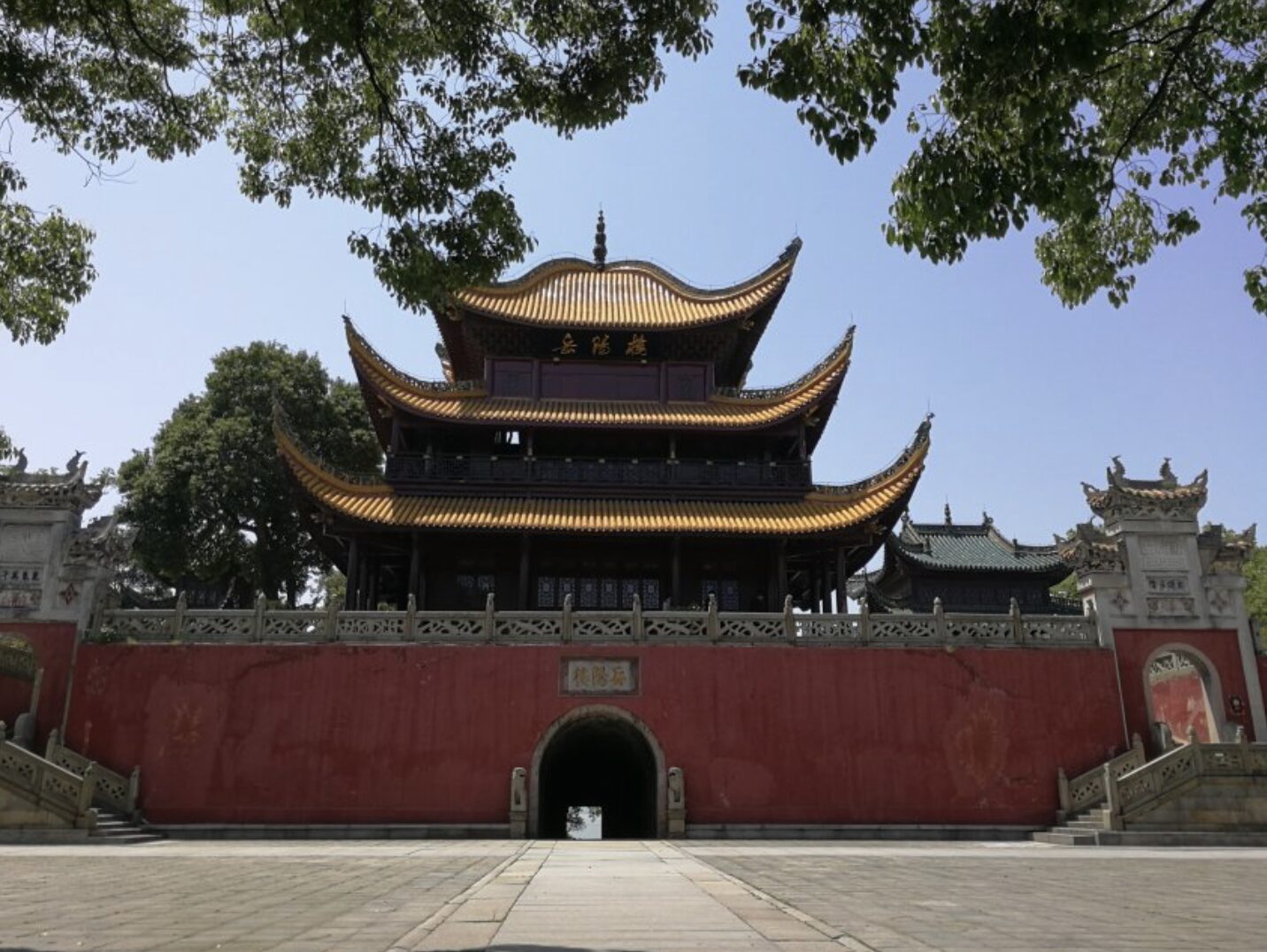
Yueyang Tower
Yueyang Pavilion
Imperial Relay Stations 驛站 (yìzhàn) / 驛舍 (yìshè) Rectangular walled compounds with gatehouse, courtyard, stables, guest rooms, kitchens, and record office.
Government Guest Houses 官館 (guānguǎn) / 賓館 (bīnguǎn) Urban hostels attached to palace or provincial administration compounds; tiled roofs, decorated halls, and dining rooms
Provincial Post Inns / Ting-houses 驛館 (yìguǎn) / 亭舍 (tíngshè) Mid-sized way-stations every 30–50 li along major roads, with smaller stables and sleeping quarters
Military Lodging & Frontier Barracks 軍舍 (jūnshè) / 行營 (xíngyíng) Barrack-style quarters within forts or temporary field camps
Market Inns & Merchant Lodgings 客舍 (kèshè) / 商館 (shāngguǎn) Inns located near city gates, ports, or market wards; often two-storey timber buildings with arcades or verandahs
Temple or Monastic Lodgings 寺舍 (sìshè) / 僧舍 (sēngshè) Guest rooms within Buddhist temples or Daoist shrines; simple cells around a courtyard
Private Inns & Taverns 旅店 (lǚdiàn) / 酒肆 (jiǔsì) Privately run roadside establishments providing food, drink, and beds
Monastic Guest Houses for Officials 館舍 (guǎnshè) / 淨居 (jìngjū) Lodgings inside temple precincts used for visiting dignitaries or donors.
Temporary Field Shelters 行舍 (xíngshè) Makeshift huts or tents used during inspection or construction.
Built to house couriers, officials, envoys, and sometimes merchants.
Continuation of Han and Three Kingdoms prototypes — timber halls on rammed-earth platforms, courtyard layouts, with stables for relay horse, guest rooms with timber partition wall, kitchens and storage halls.
Depend on archaeological remains, tomb reliefs, and contemporary documents (especially the Jin Shu 晉書 “Book of Jin,” Chu Sanzang Ji Ji Buddhist travel records, and inscriptions)
Luoyang Relay & Guest Station Network
Jiankang (Nanjing) Government Guesthouse
Jianye Riverfront Inns
Jin Relay Station, Juyan Route
Ba Bridge Station (霸橋驛); Mount Lu (廬山
Monastic Lodgings
White Horse Temple (Luoyang) guest quarters
Daoist Hostels on Mount Longhu
Wuchang and Poyang River Inns
Shu Region Post Inns (蜀驛館)
Northern Frontier Inns (Pingcheng area)
Private Taverns along the Qin–Ba Route
Adaptive Reuse
Buddhist temples and monasteries (Buddhism became deeply established in Eastern Jin) often provided guest houses for travelling monks, pilgrims, and occasionally secular travellers, using temple halls and side buildings as lodging.