Transitional Character that bridges the Han imperial system and early Six Dynasties forms.
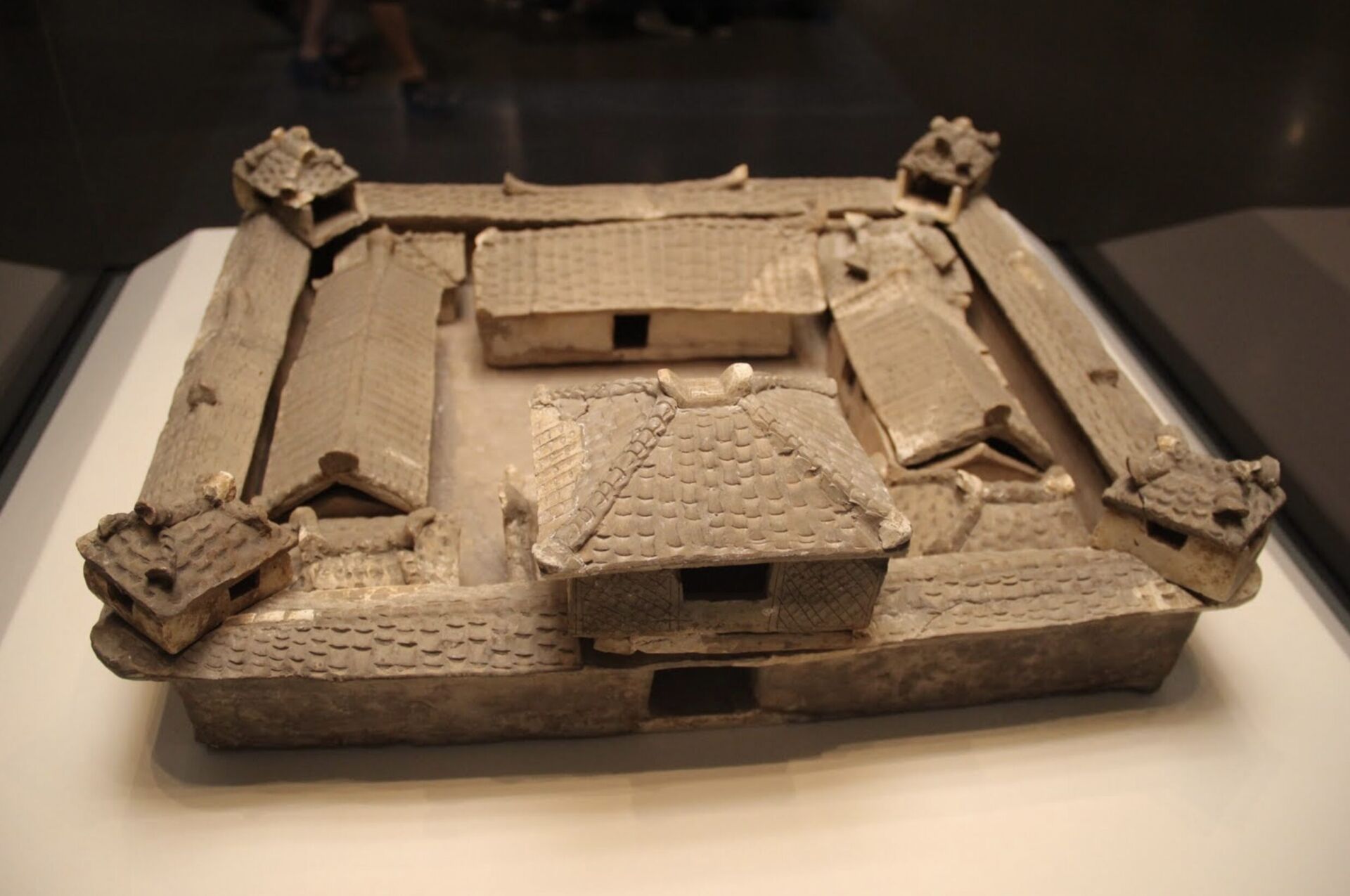
Han system persisted – timber post-and-beam framework, hip-gable roofs, and axial courtyards
Modest Scale
Regionalization
local materials and techniques (brick in the north; wood and stone in the south).
Early Buddhist & Daoist Influence
First appearance of Buddhist architecture in China, especially in Eastern Wu and Wei territories, often as wooden temples, stupas, or pagodas
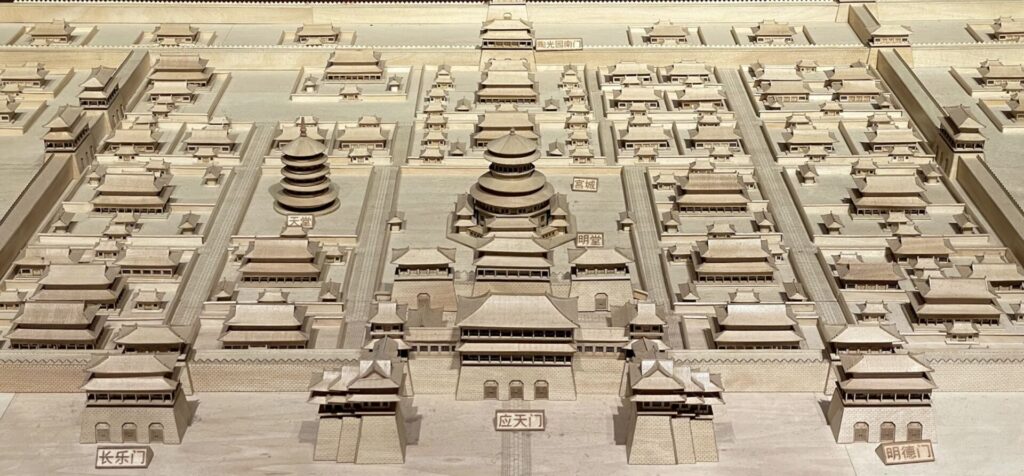
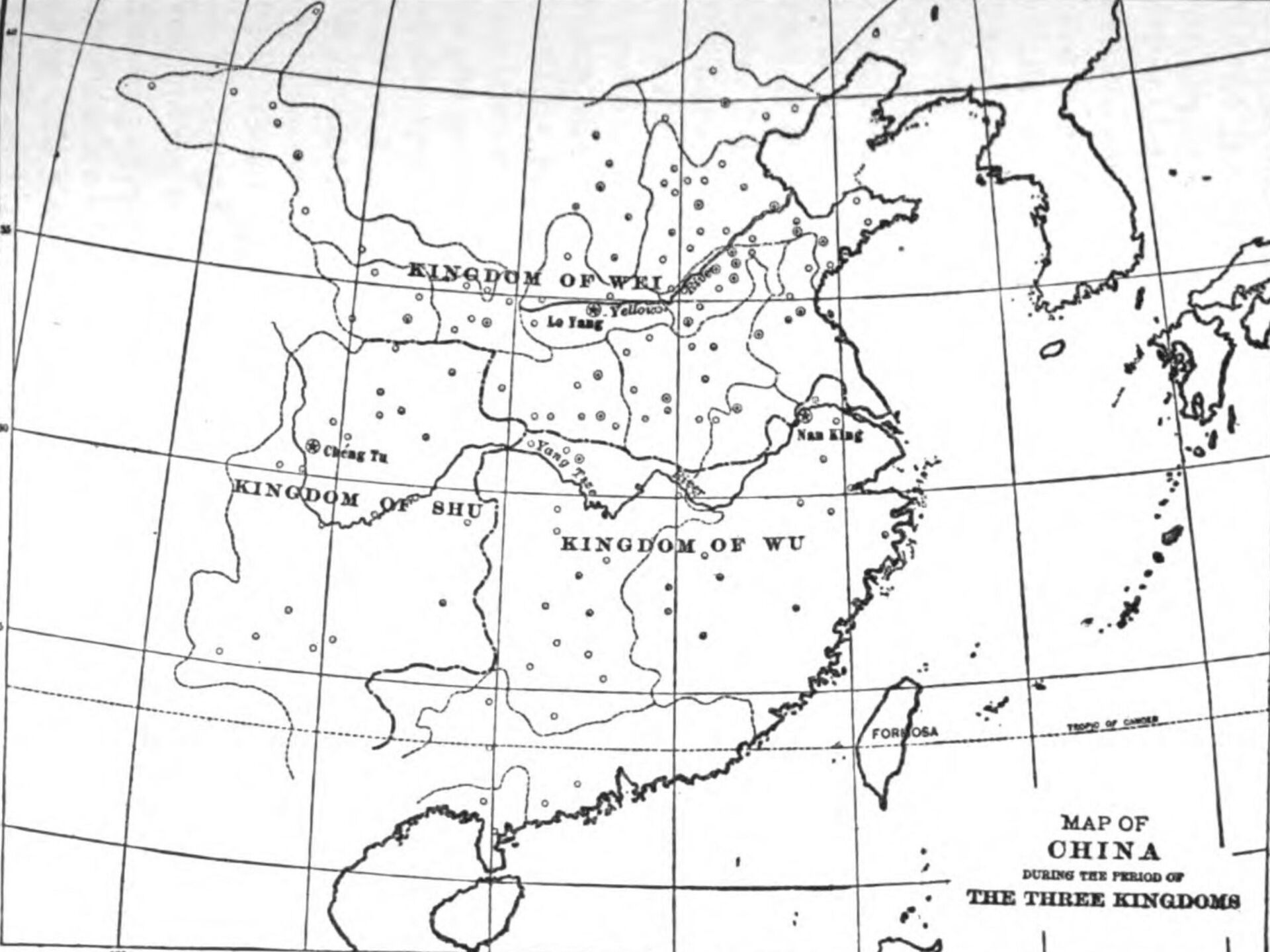
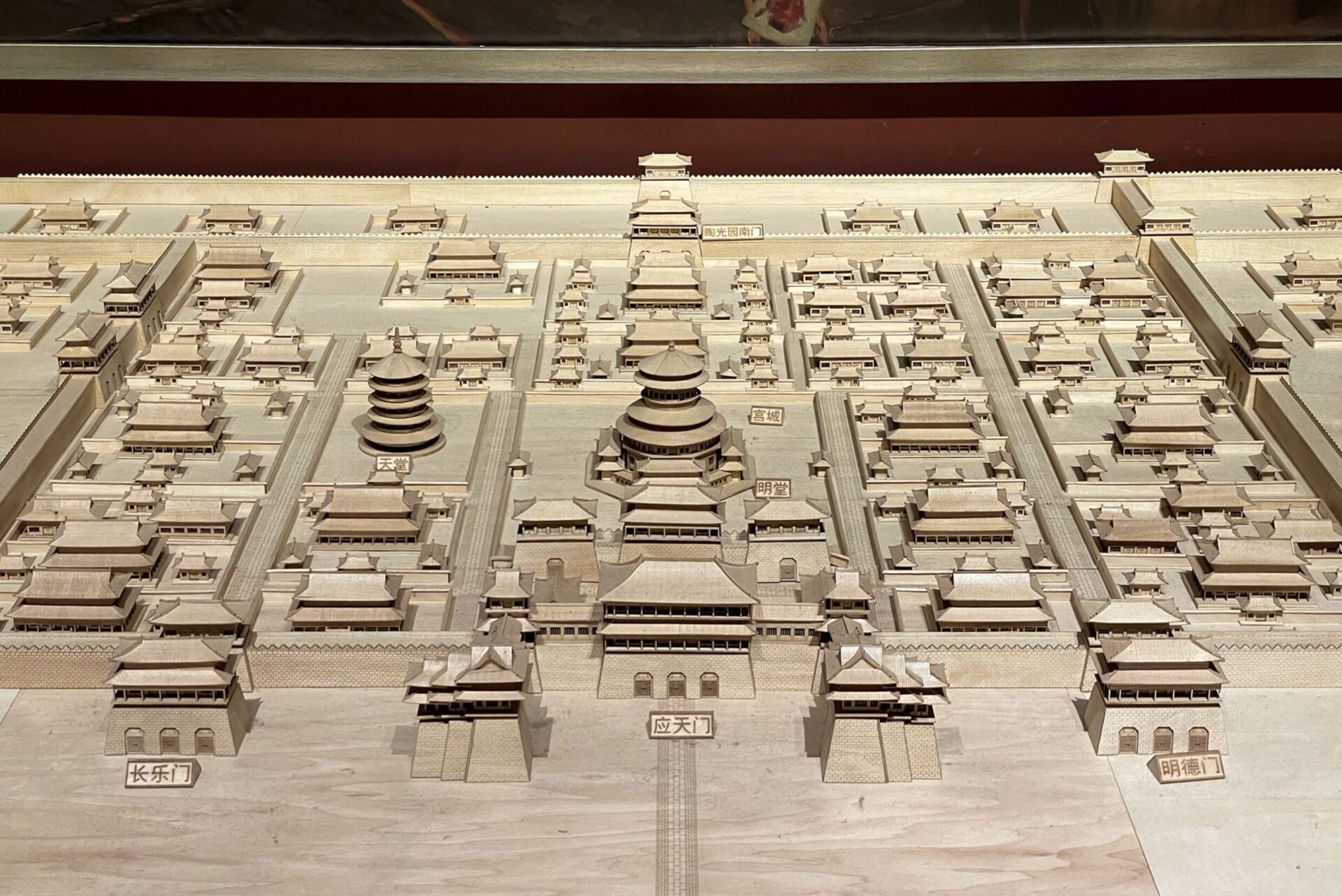
Capitals such as Luoyang (Wei) and Chengdu (Shu) retained the Han rectangular grid, cardinal orientation, and palace-city division, but on smaller scales.
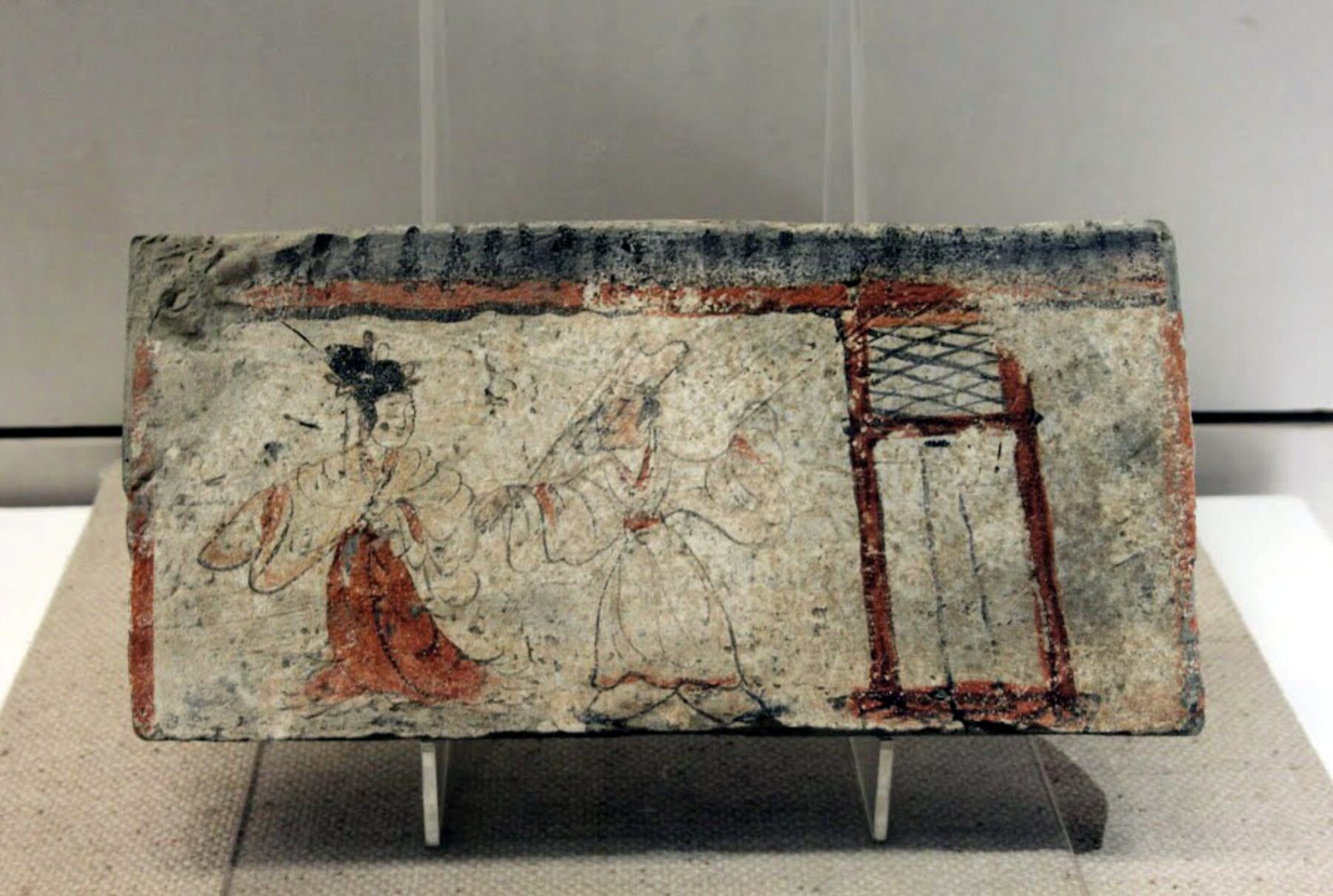
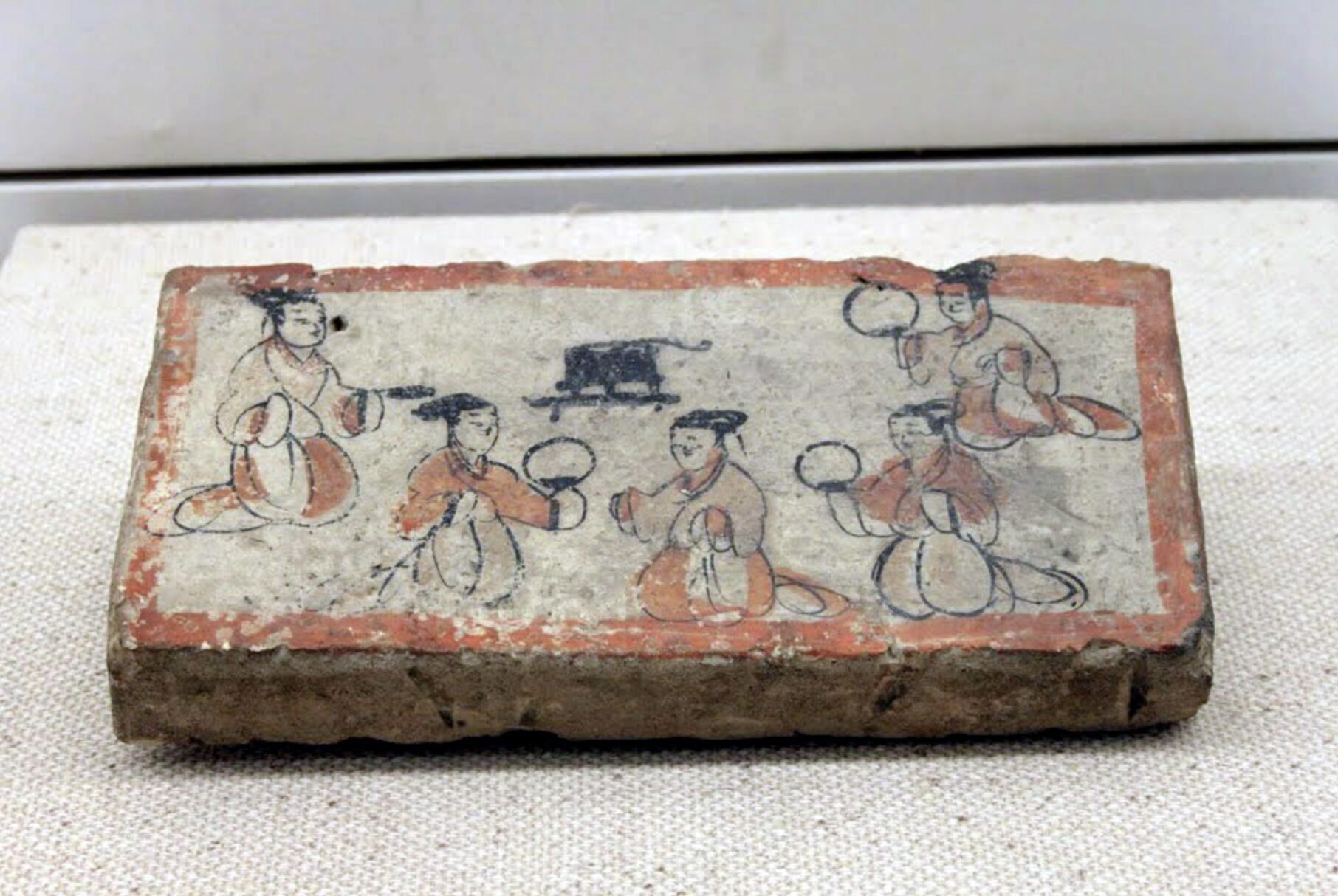
smaller brick-vaulted or stone-built graves, often with arched ceilings and murals.
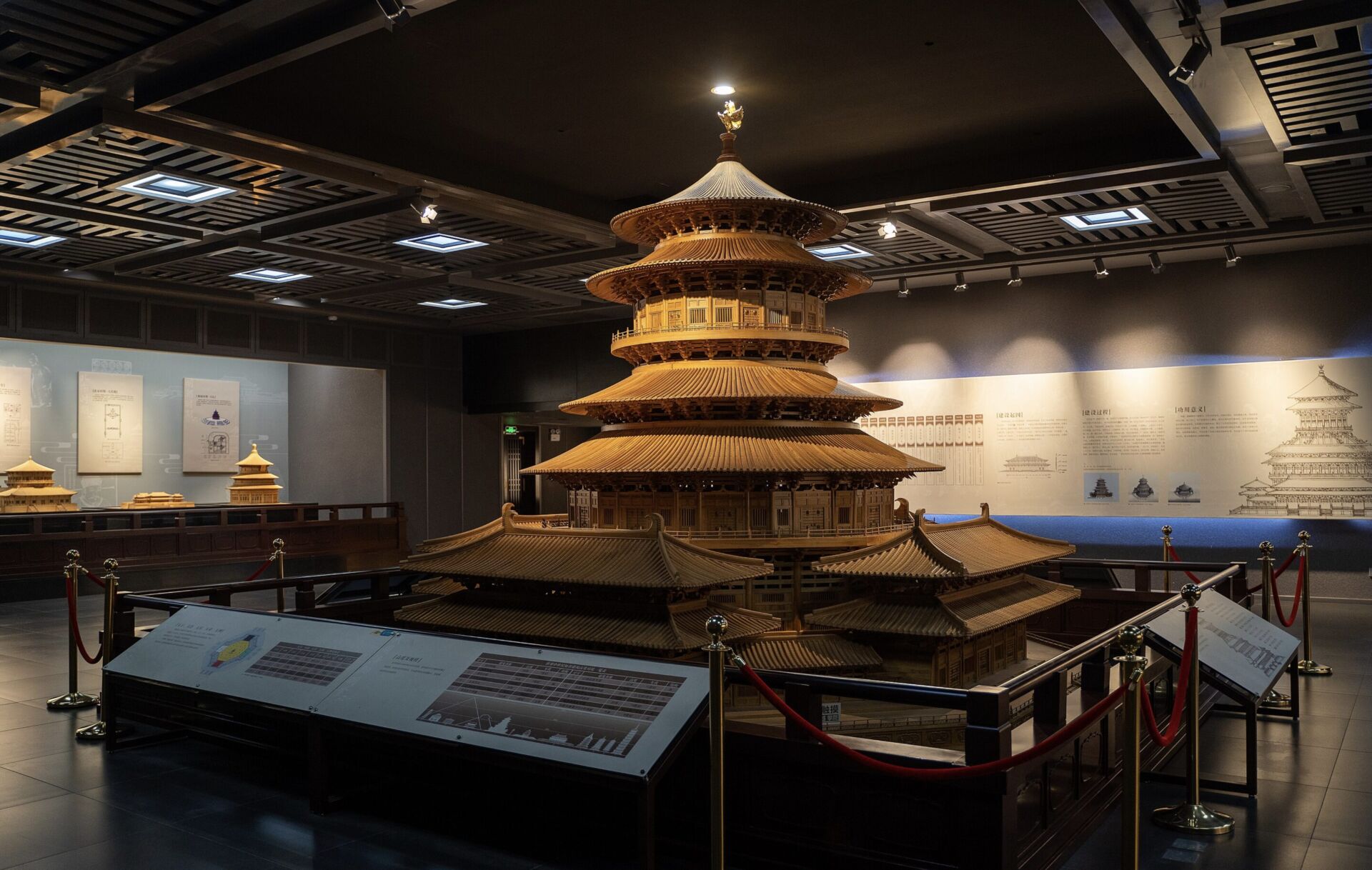
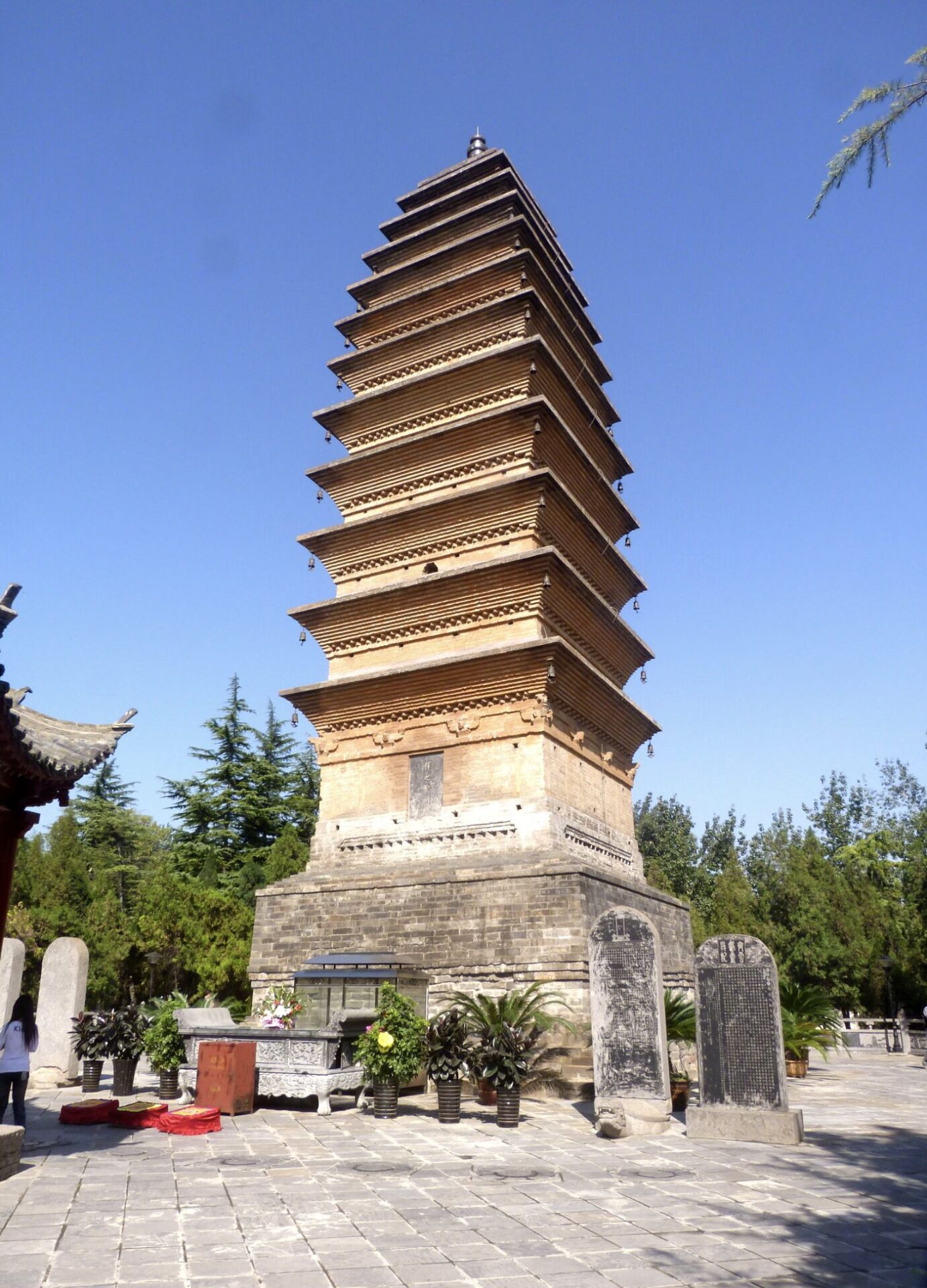
The earliest timber pagodas (塔) derived from Indian stupas appear, still in simple multi-eave tower form.
Architectural decoration began reflecting Daoist immortality themes, cloud motifs, and early Buddhist symbols
Military Architecture & Fortifications; city walls, watchtowers, gates, and defensive forts.
Continued perfection of fired brick, tile drainage, arched vaulting
early use of lime mortar
China
Common Building Types
Landmark buildings
Historic Accommodation Types
Custom Accommodation Examples
Palaces (宮 gong)
Administrative Offices (府 fu, 署 shu)
City Walls, Gates, and Forts (城 cheng, 門 men, 營 ying)
Residential Houses (宅 zhai, 屋 wu)
Watchtowers & Pavilions (樓 lou, 閣 ge)
Temples and Shrines (廟 miao, 祠 ci)
Buddhist Pagodas / Stupas (塔 ta)
Tombs and Mausolea (墓 mu, 陵 ling)
Market Halls and Warehouses (市 shi, 倉 cang)
Inns and Relay Stations (驛 yi, 館 guan)
Bridges and Canals (橋 qiao, 渠 qu)
Fortified Monasteries / Religious Compounds
Luoyang Imperial Palace (洛陽宮殿遺址) Luoyang, Henan
Jianye Palace (建業宮殿遺址) Nanjing (Jiangsu)
Chengdu Palace of Shu Han (成都宮城) Chengdu, Sichuan
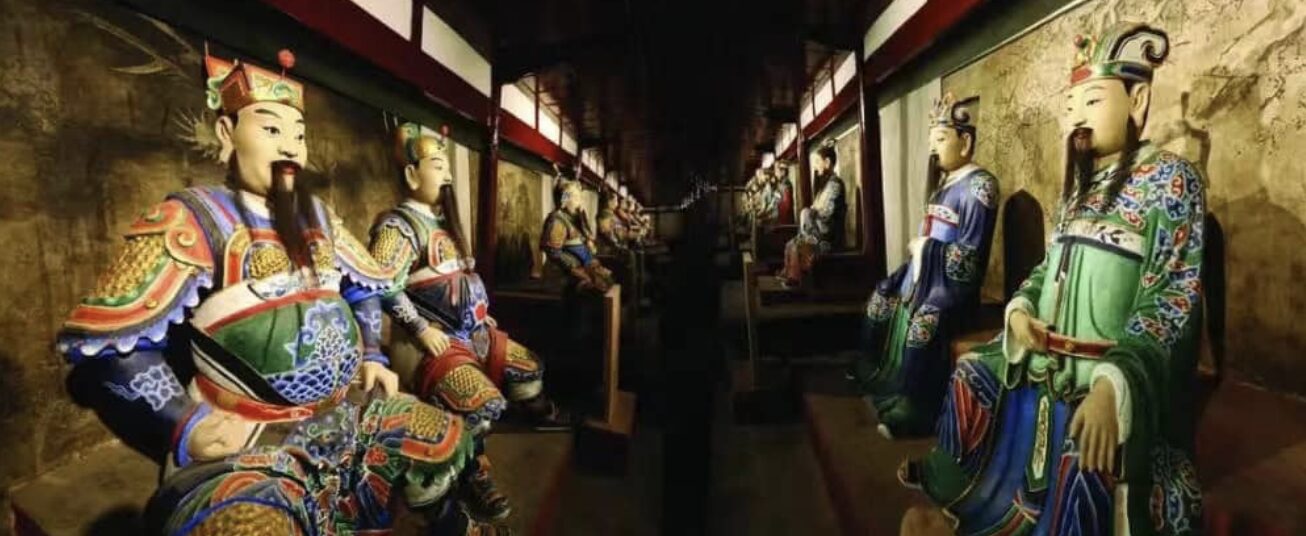
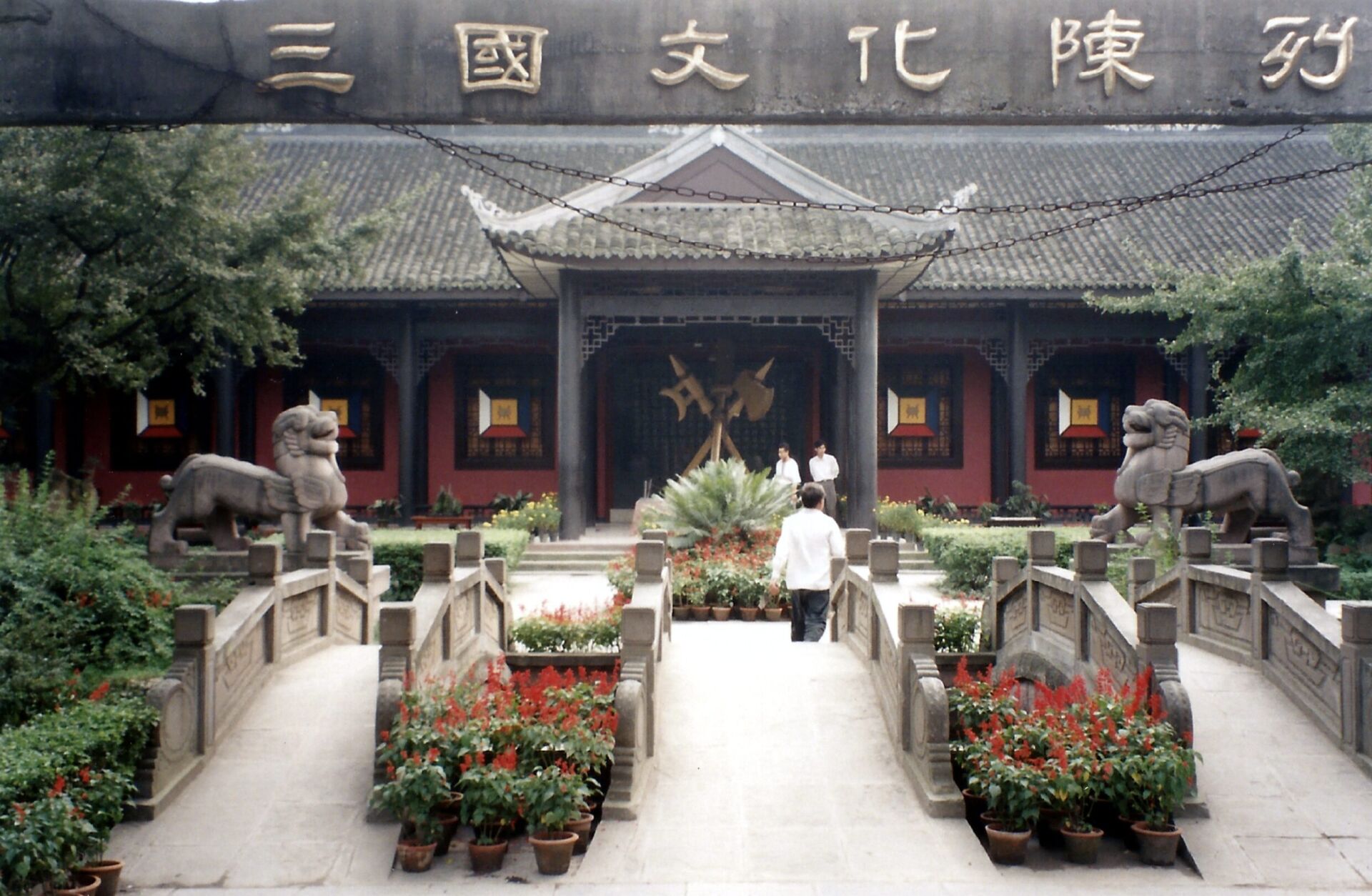
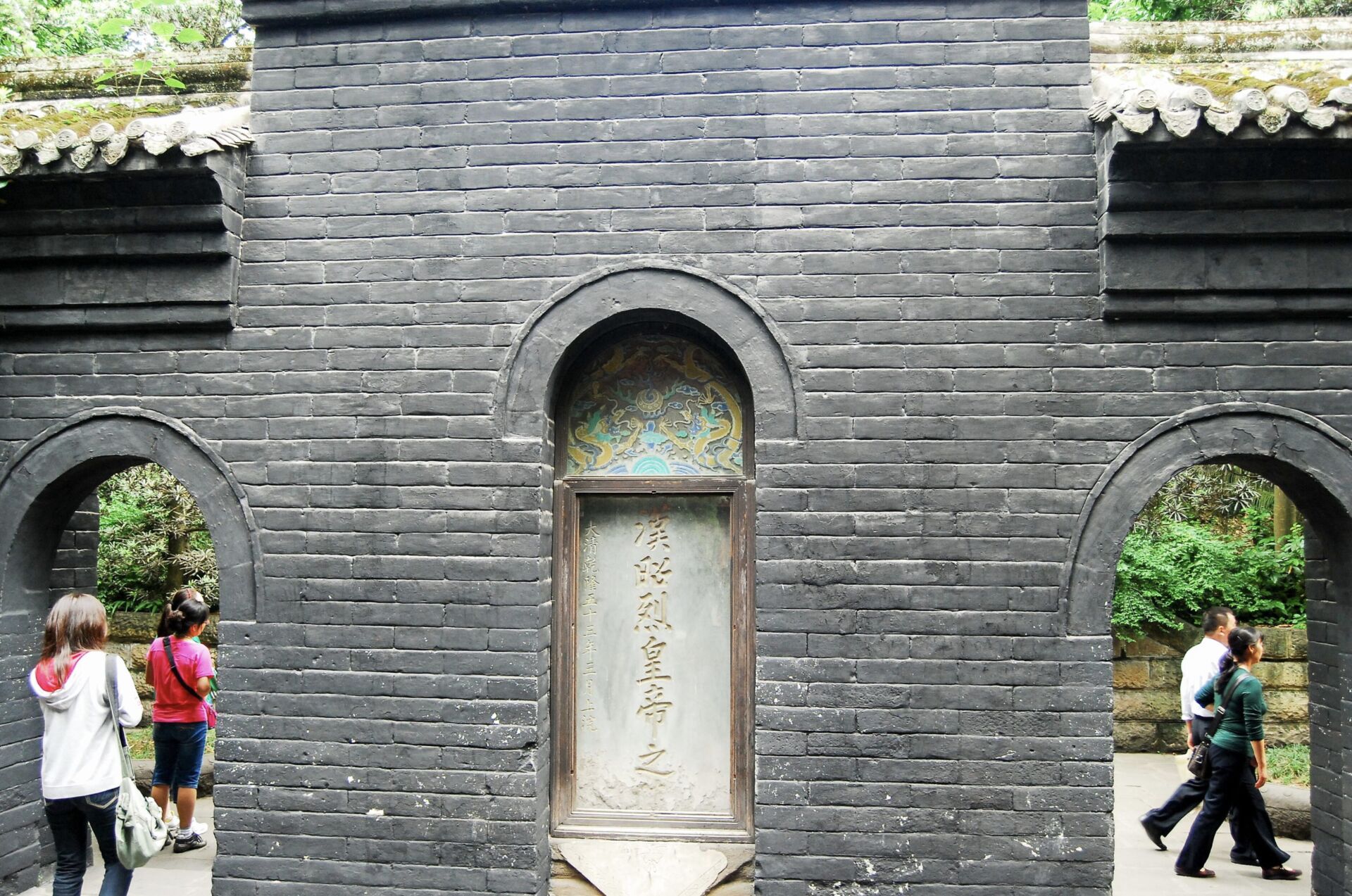
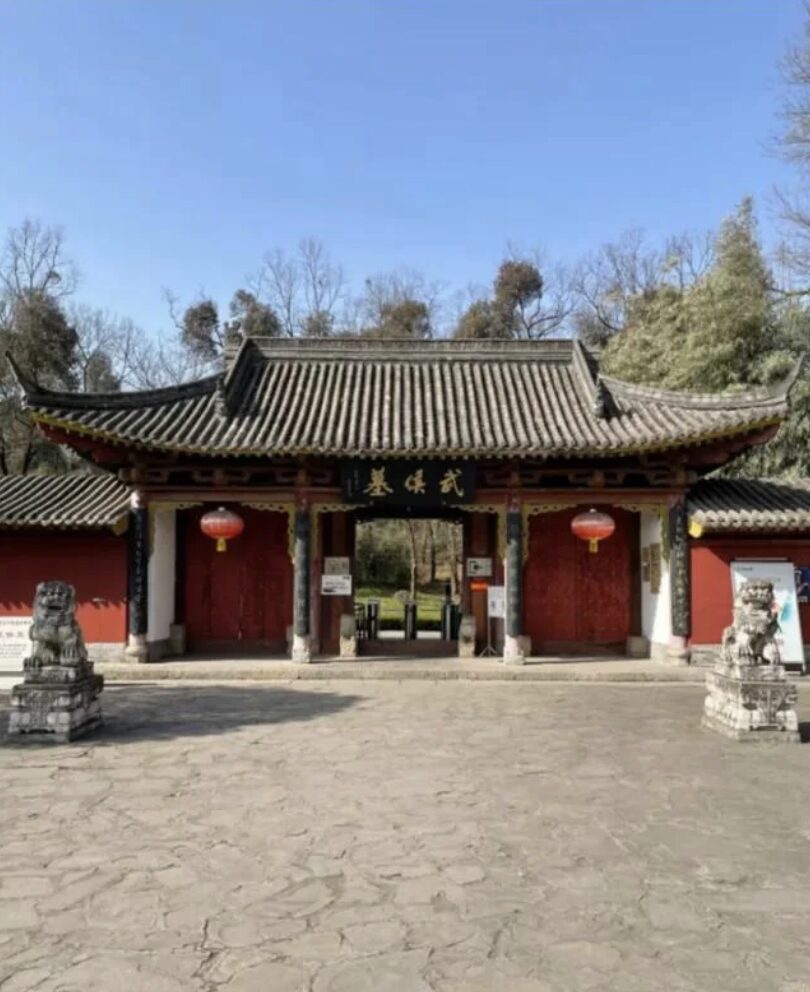
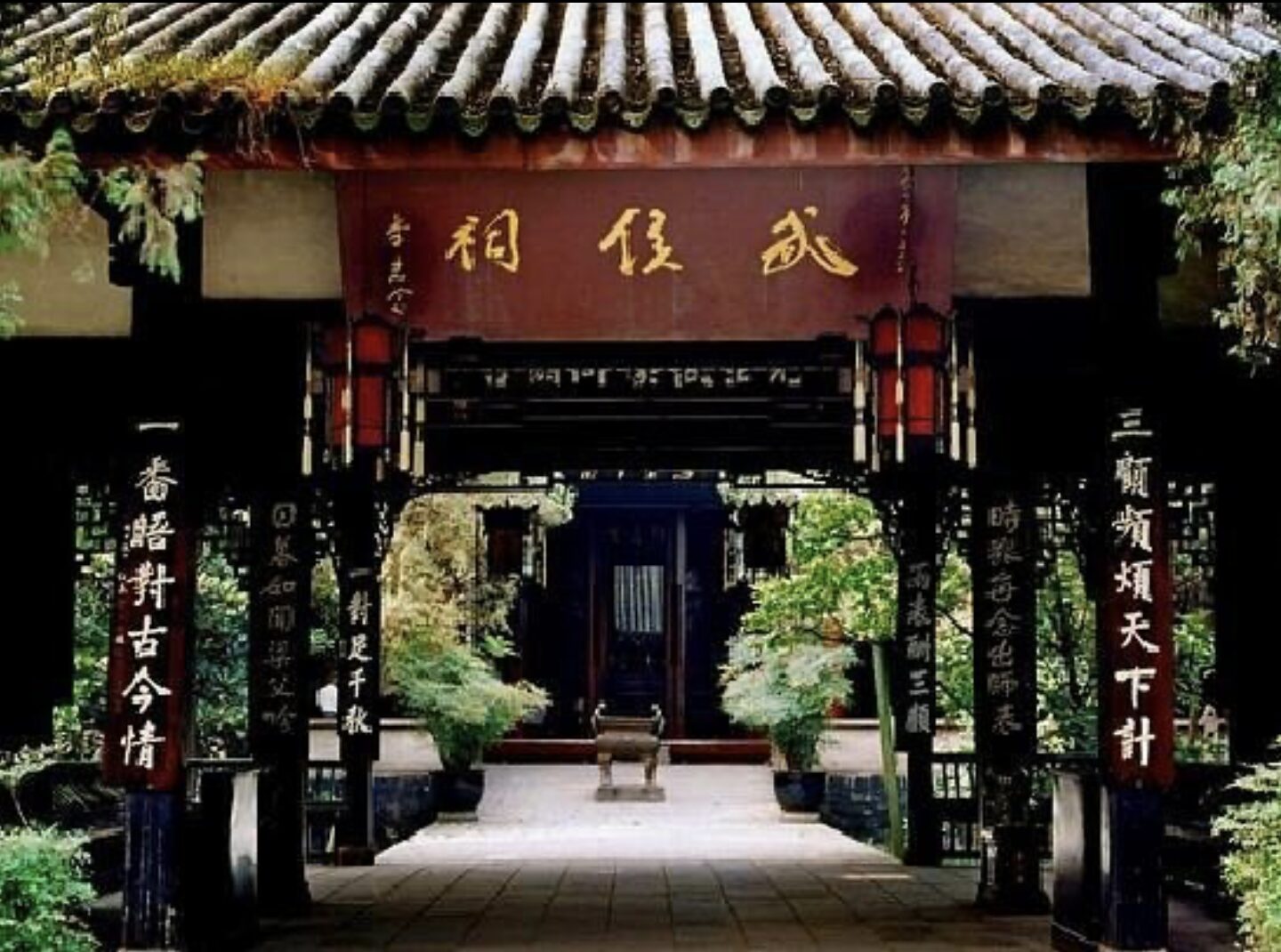
Wuhou Shrine (武侯祠, original Shu ancestral temple) Chengdu, Sichuan
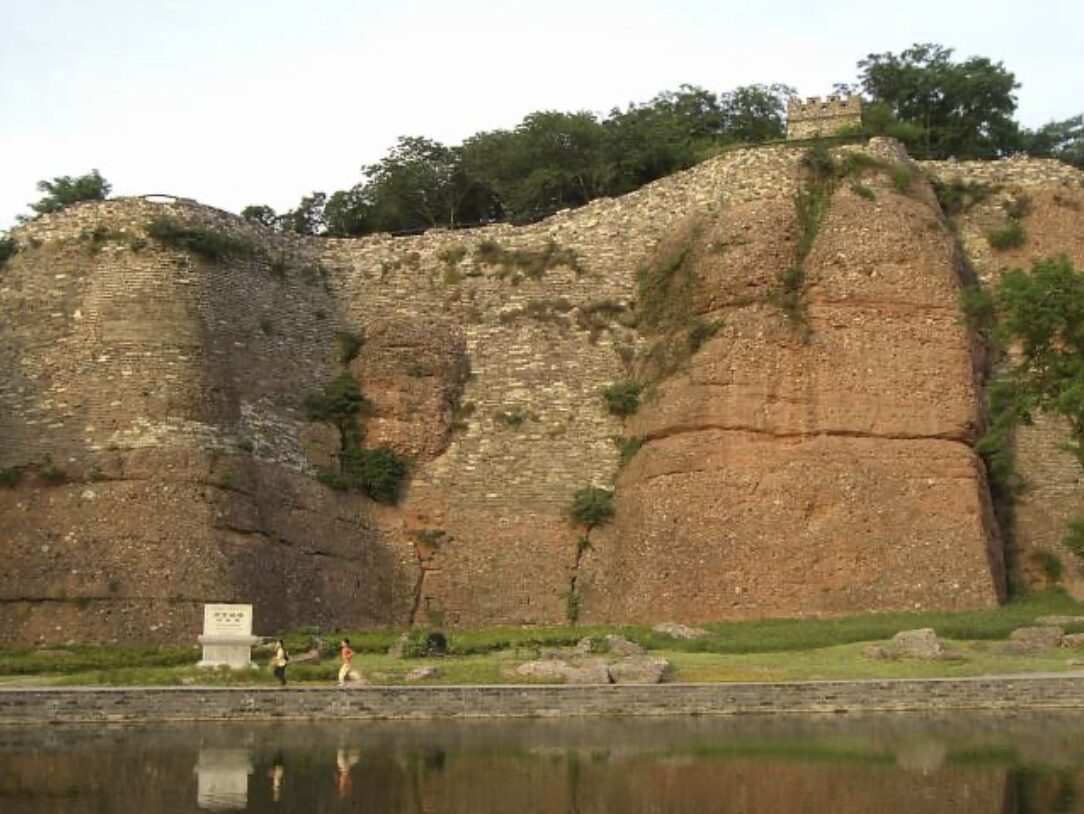
Stone City (石頭城) Nanjing (Jiangsu)
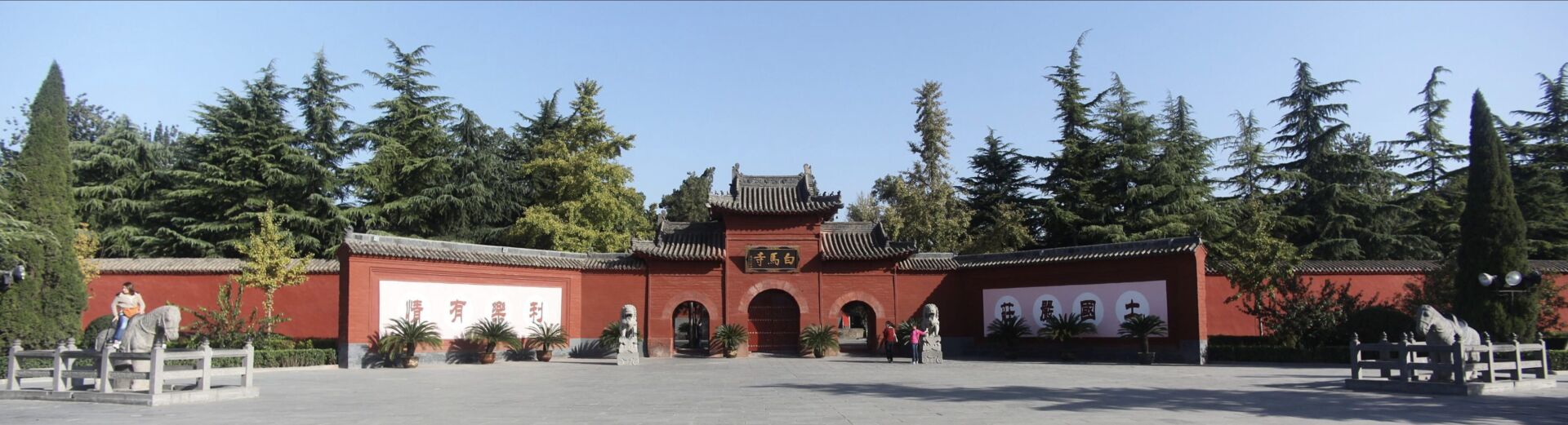
White Horse Temple (白馬寺, rebuilt under Wei) Luoyang, Henan
Early Pagoda of Luoyang (洛陽塔) Luoyang, Henan
Tomb of Zhuge Liang (諸葛亮墓) Mian County, Shaanxi
Tombs of the Sun Family (孫氏陵墓群) Nanjing area, Jiangsu
Custom-built inns for officials, soldiers, and envoys- Timber hall buildings on rammed-earth foundations, arranged around courtyards which included stables for horses, granaries and kitchens, sleeping quarters / guest halls
Administrative halls, ancestral temples, and palace annexes. Used as hostels for envoys, allied nobles, and merchants when travelling between the kingdoms.
Shu Han court in Chengdu is recorded as lodging visiting envoys in palace side halls, essentially adapted into guesthouses.