Architectural Styles

Han Dynasty

Alt names / subperiods 

Timeline

Distinguishing Features

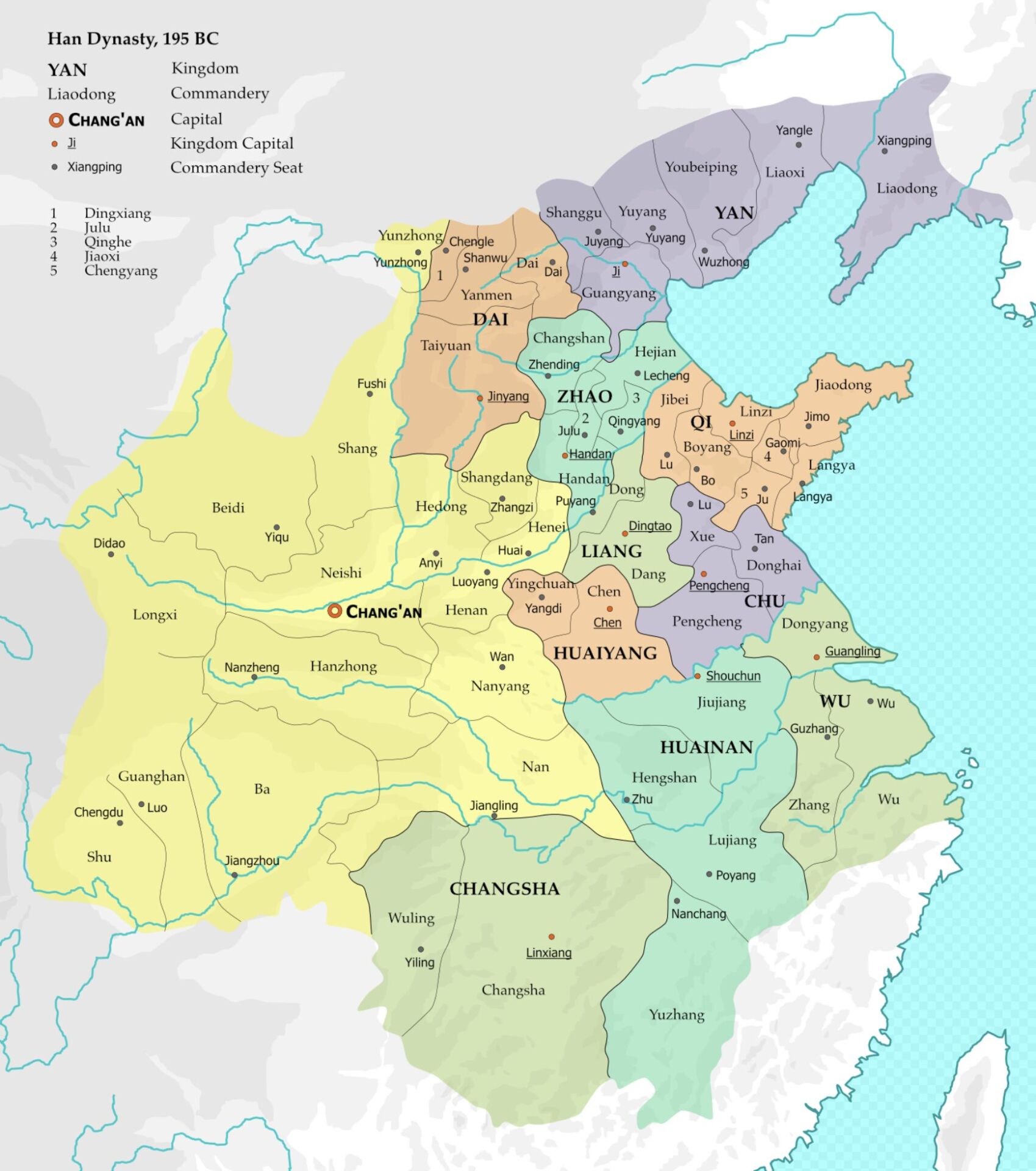
Geographic Presence


Western Han

Eastern Han


Wikipedia

206 BCE–220 AD


202 BC – 9 AD

25–220 AD

  • Monumental Imperial Scale
  • Axial symmetry became the governing principle — the emperor at the center, flanked by subsidiary halls and courtyards.
  • Perfection of the post-and-beam wooden framework (jian) system, with standardized bay sizes, columns, and beams.
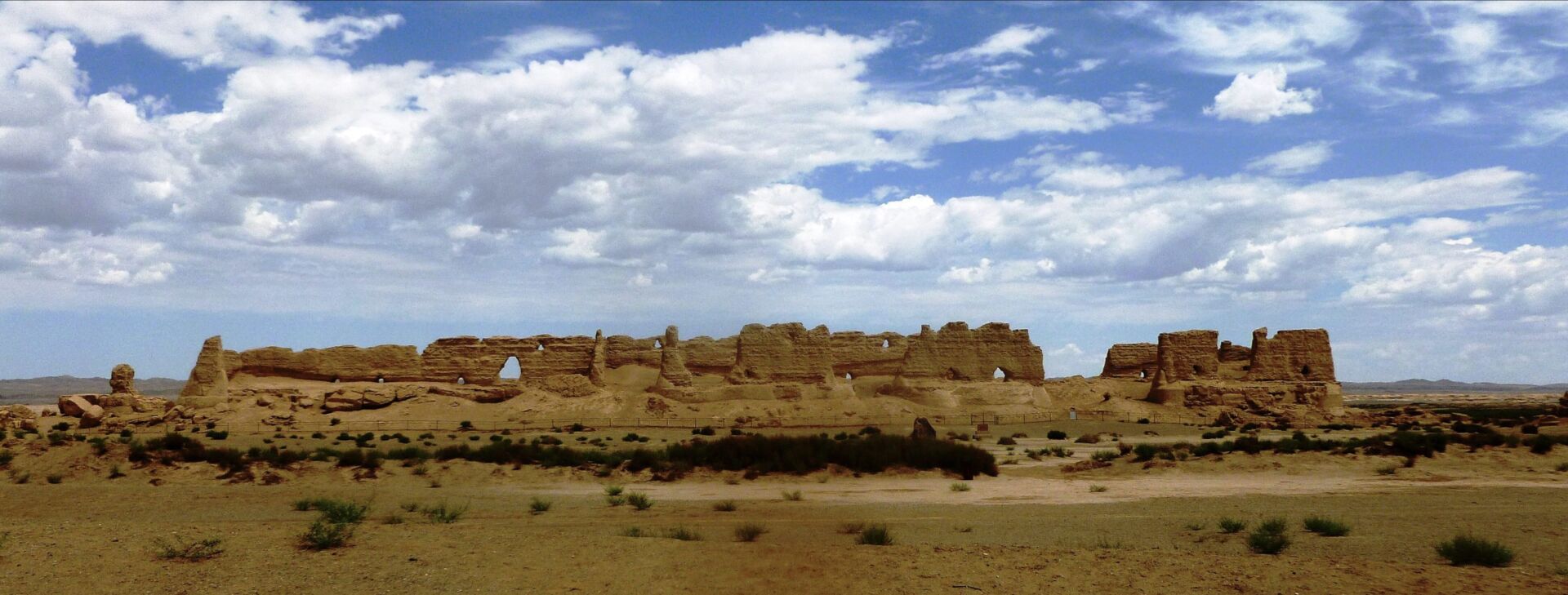
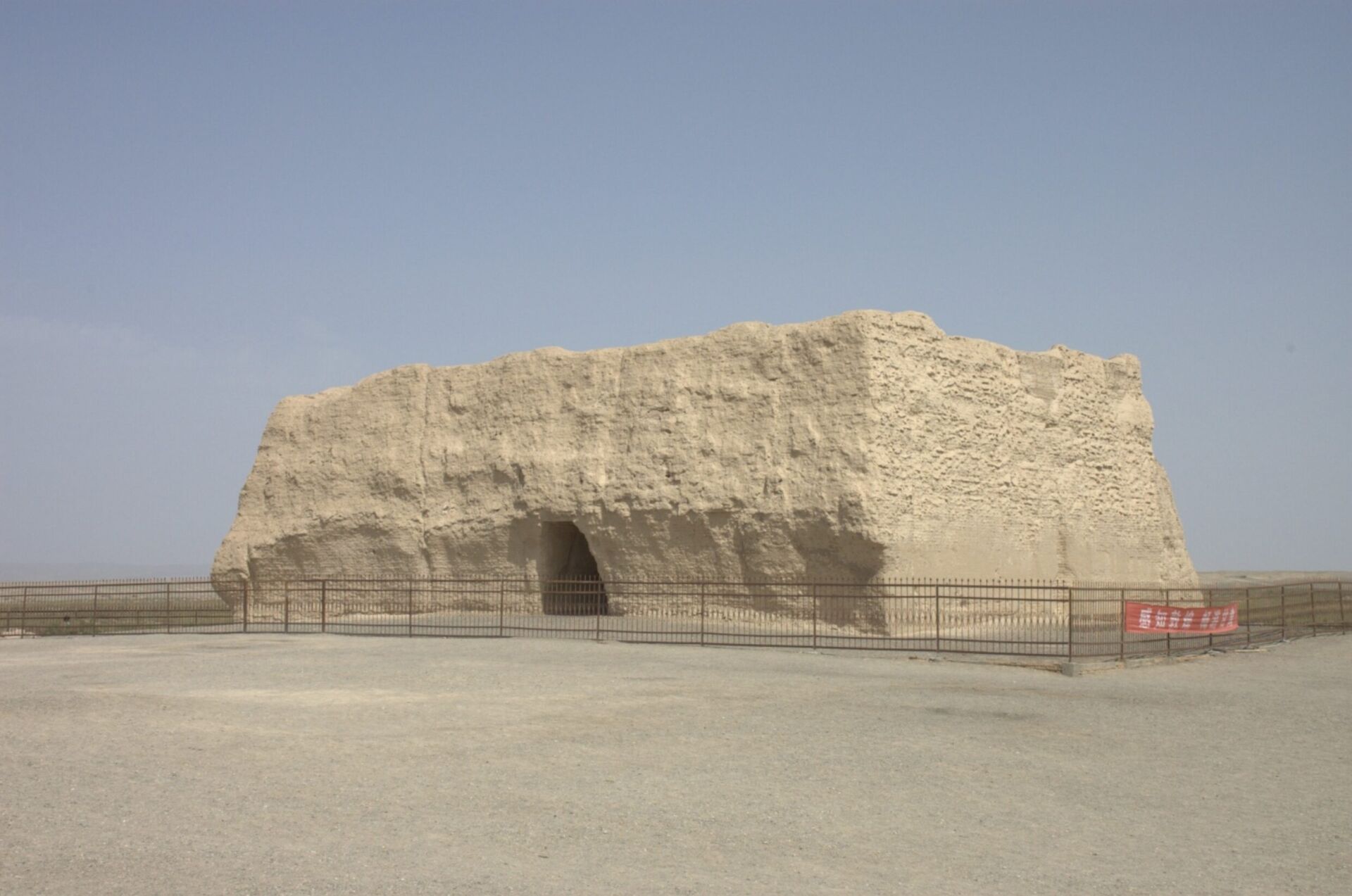
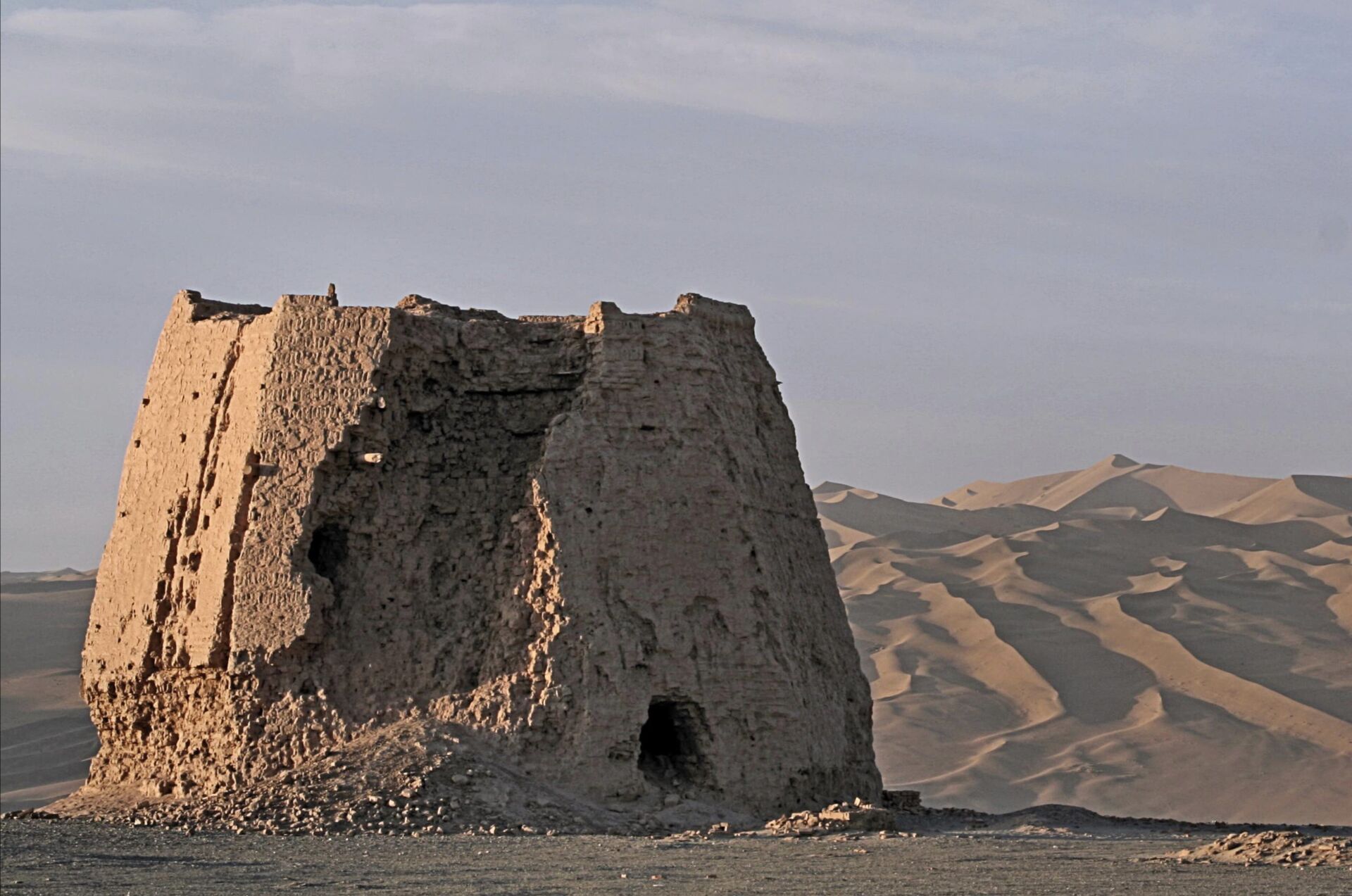
  • Extensive use of rammed earth for walls, terraces, and fortifications
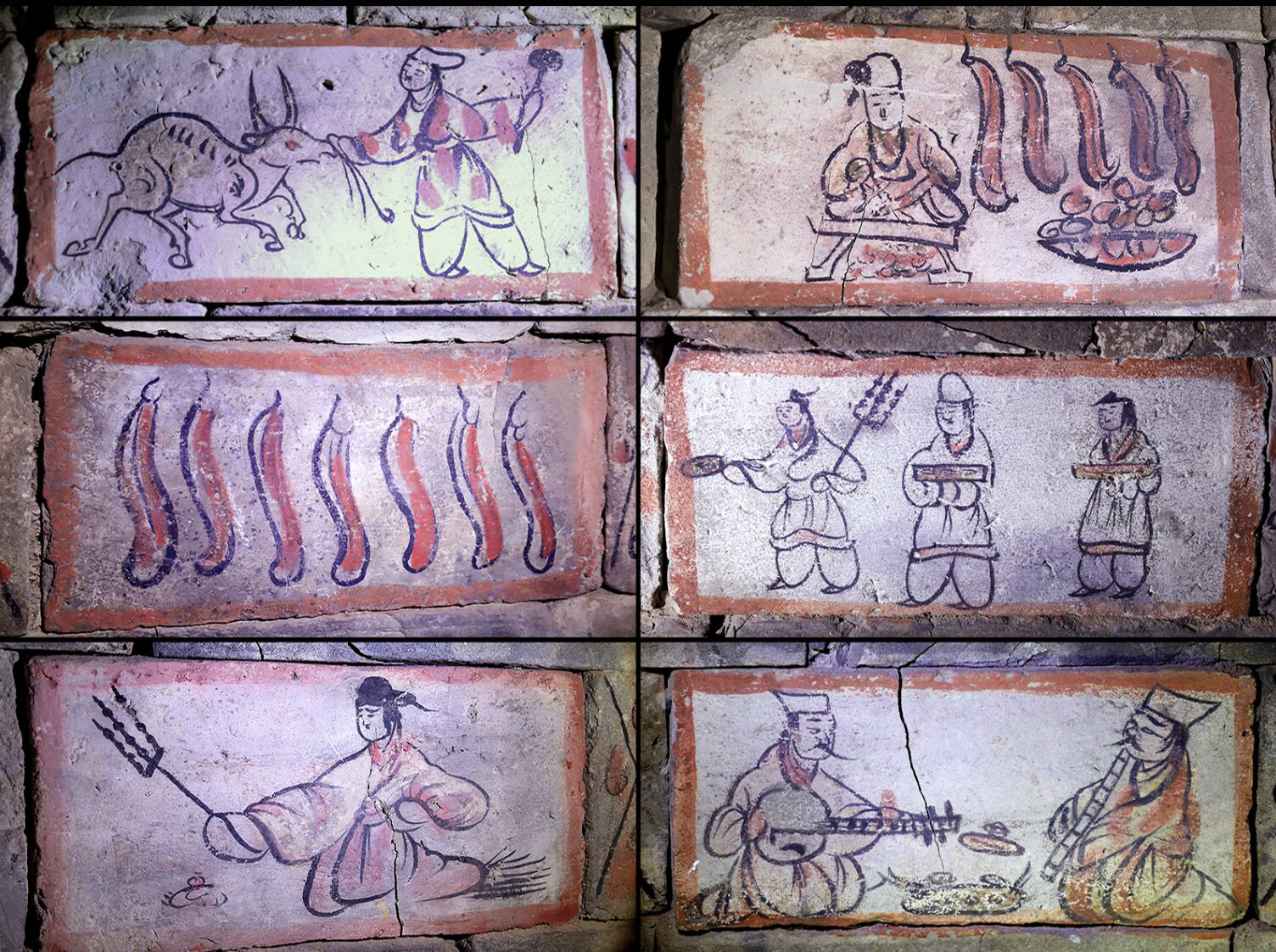
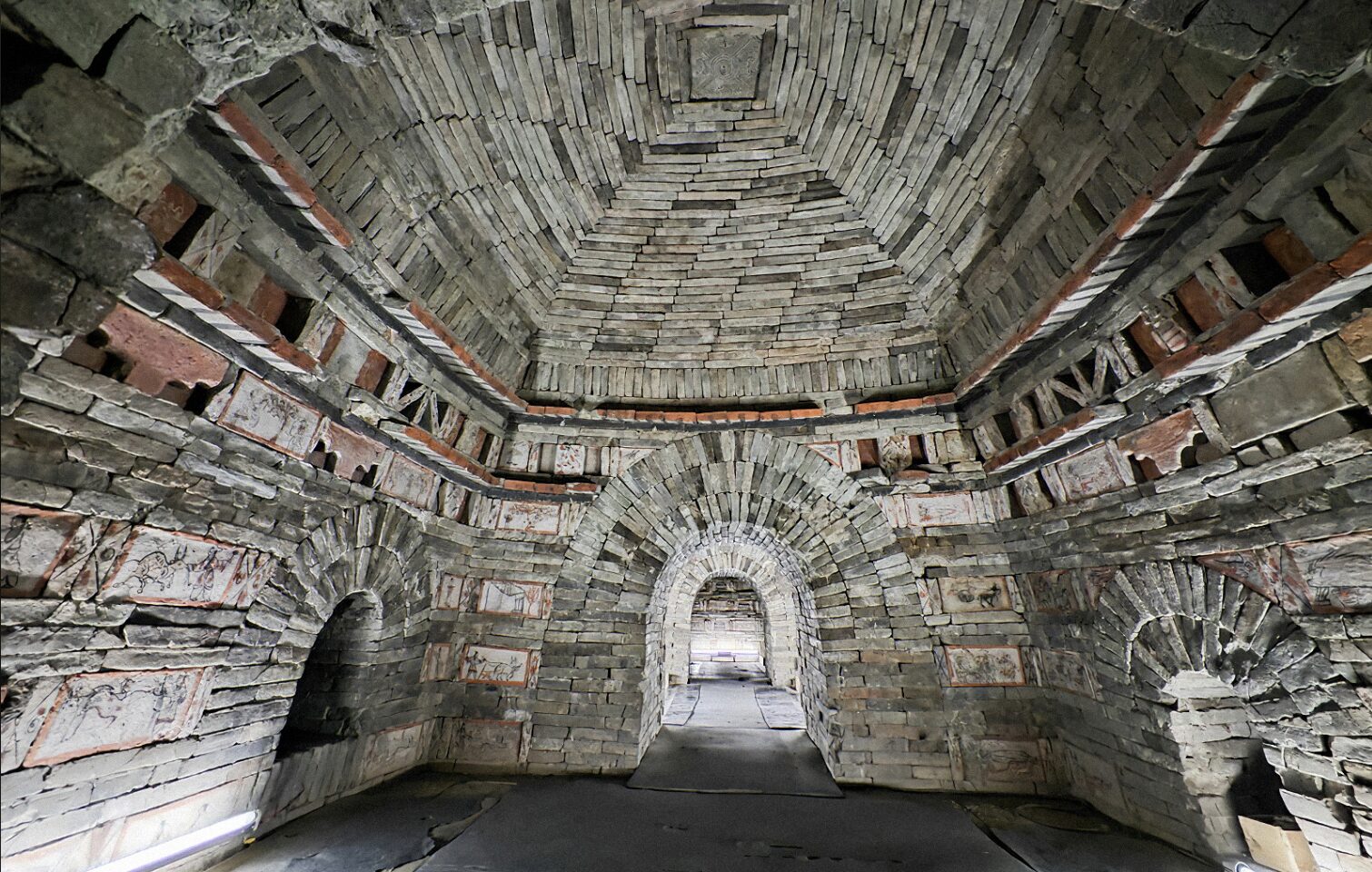
  • baked brick for floors, tomb chambers, and urban buildings.
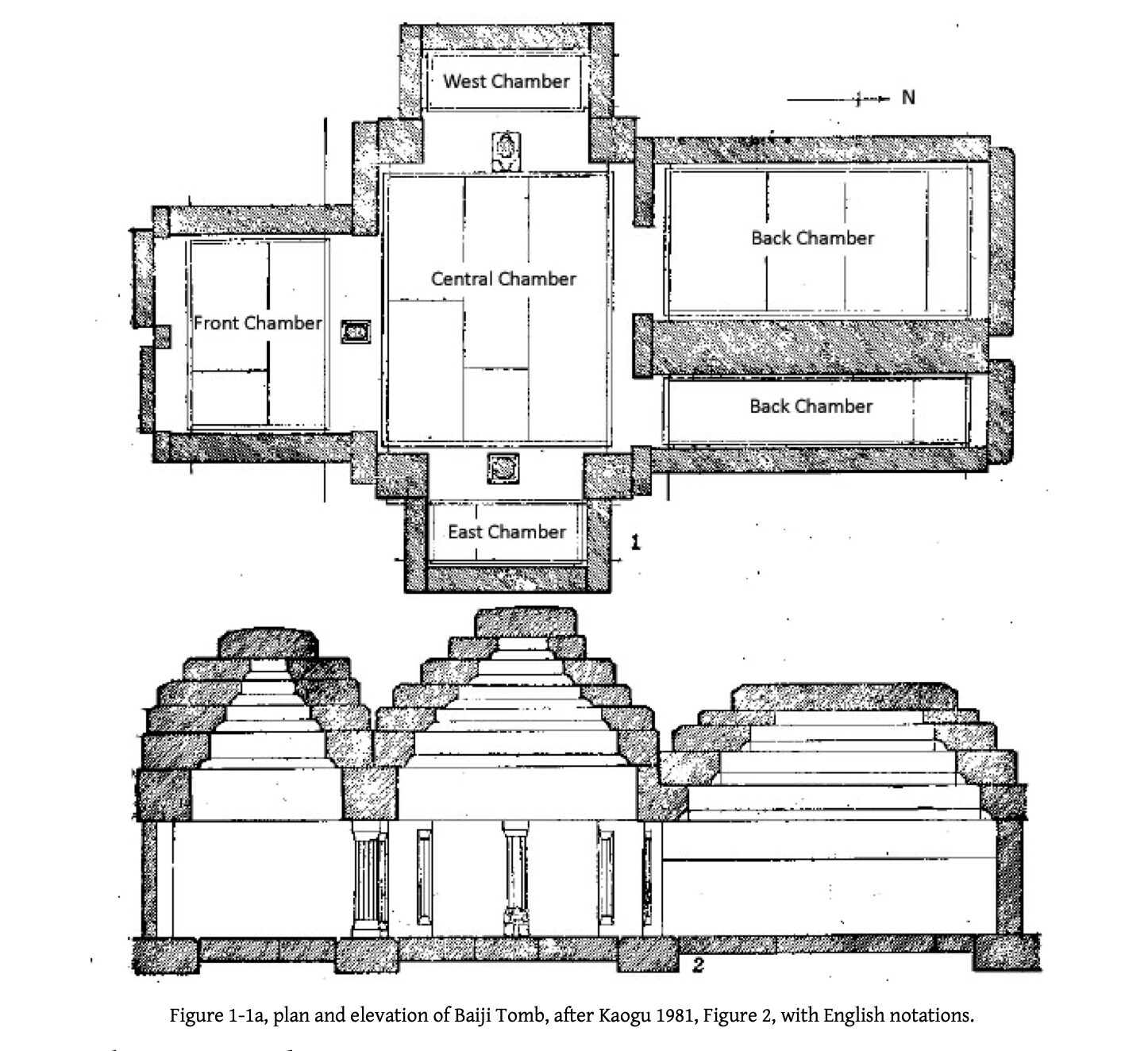
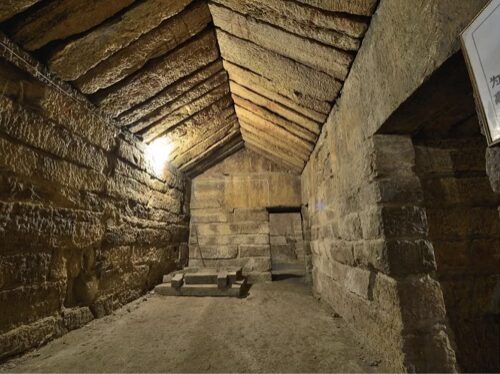
  • Development of barrel-vaulted and corbelled tomb chambers using brick or stone slabs.
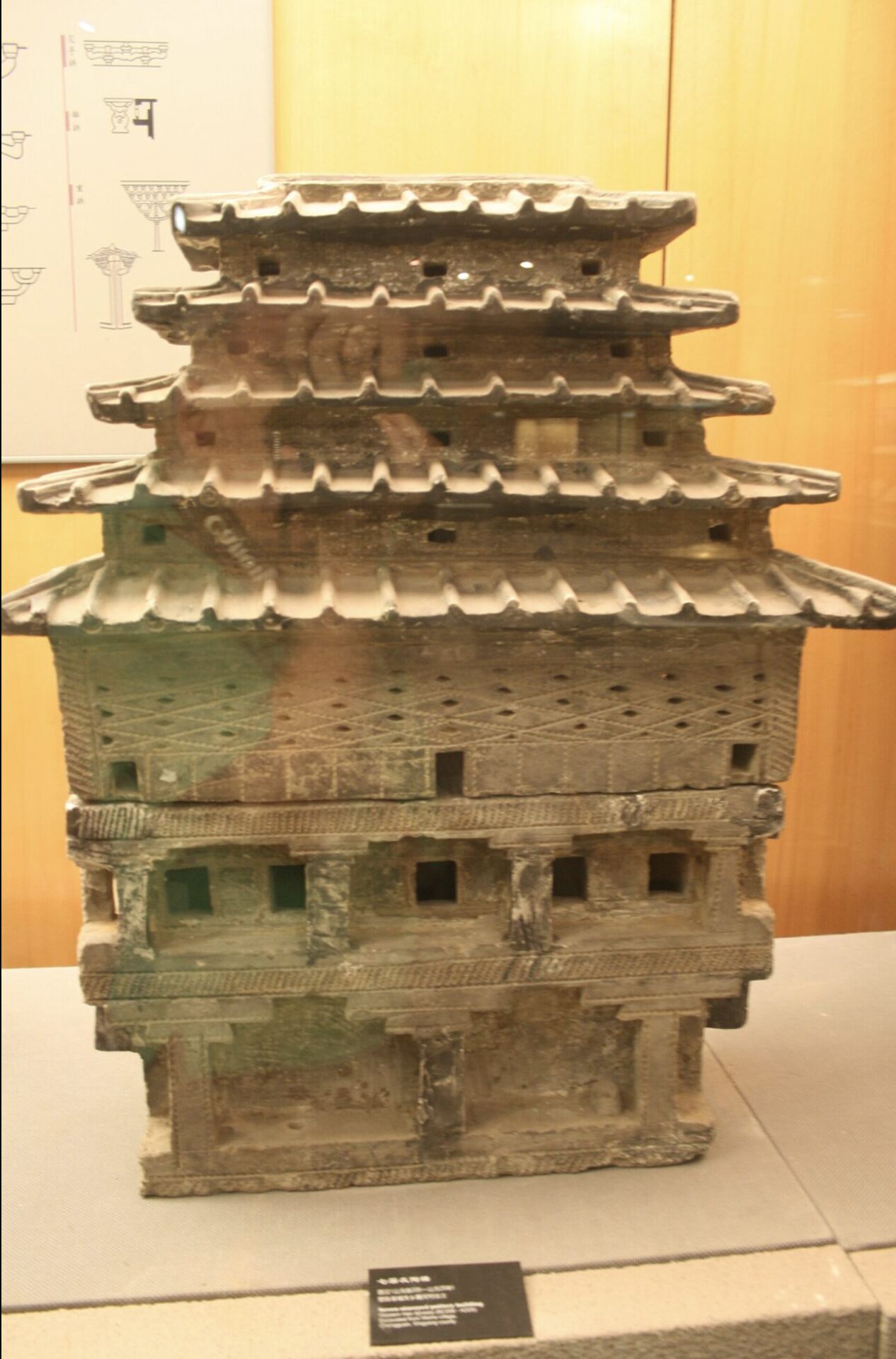
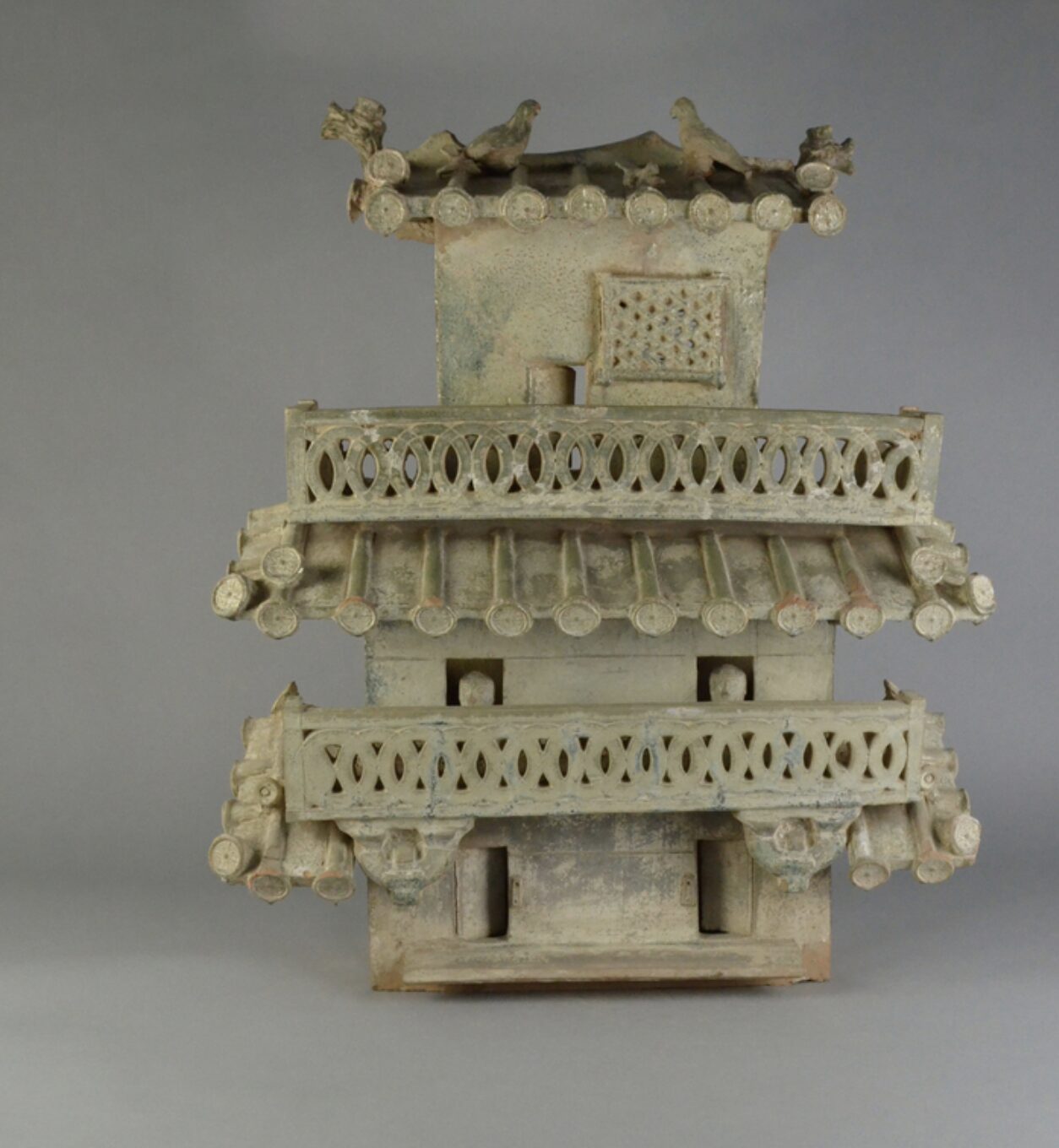
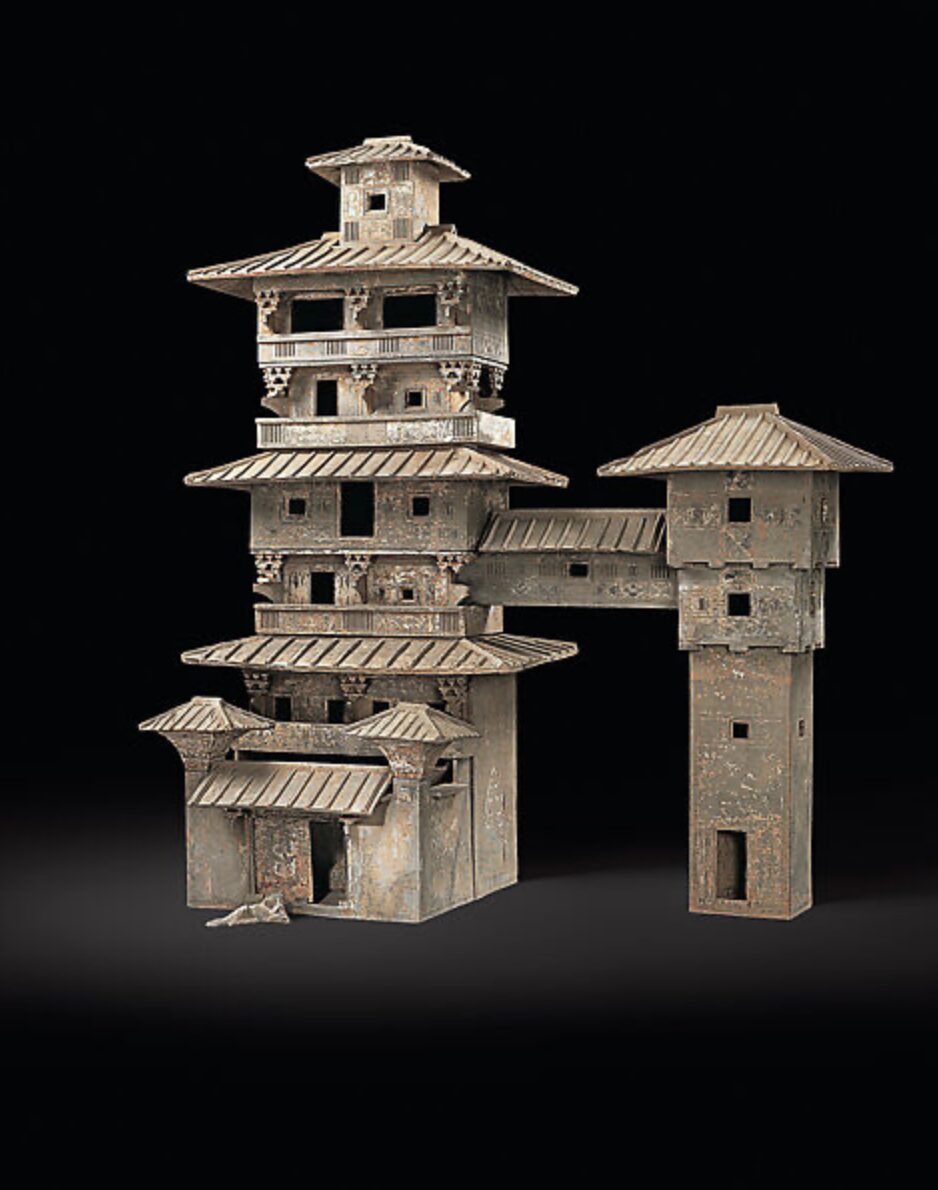
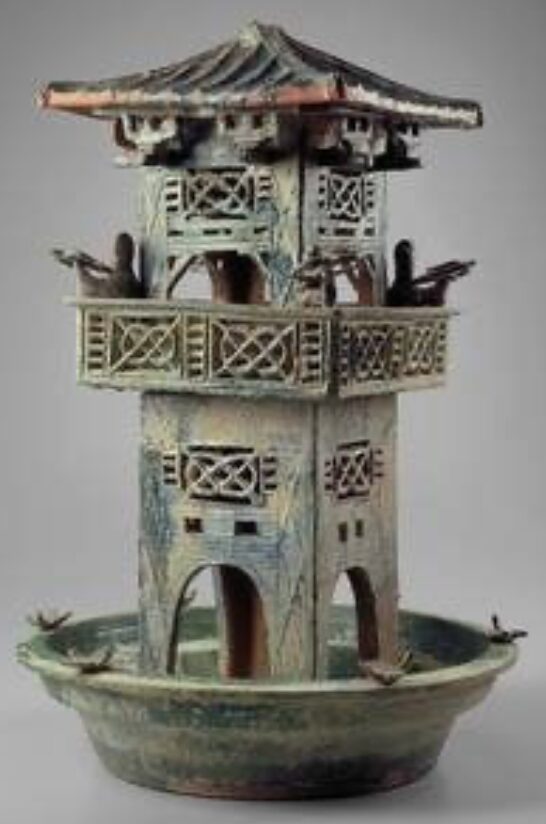
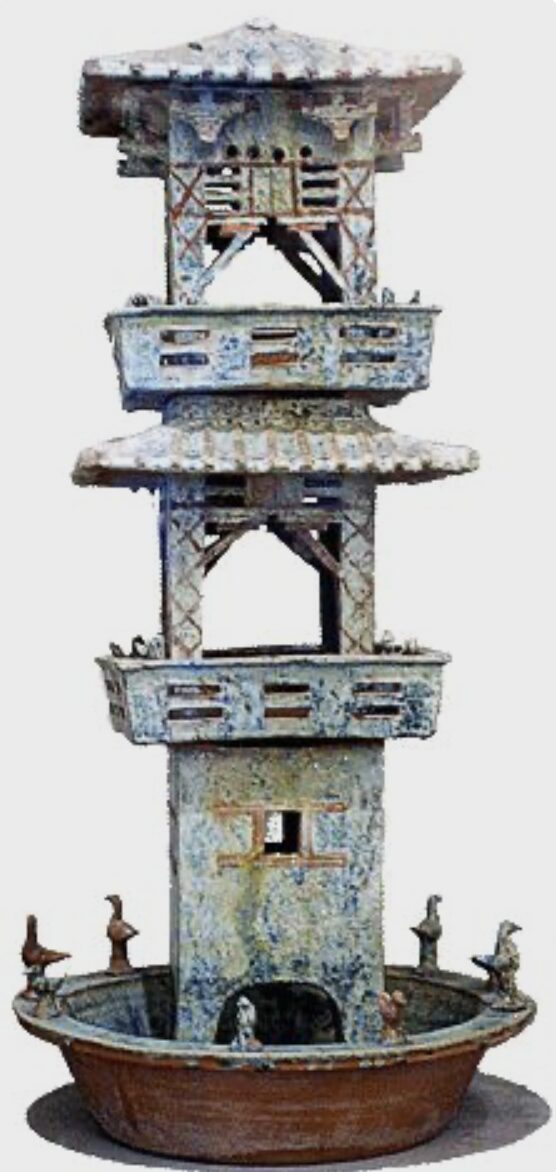
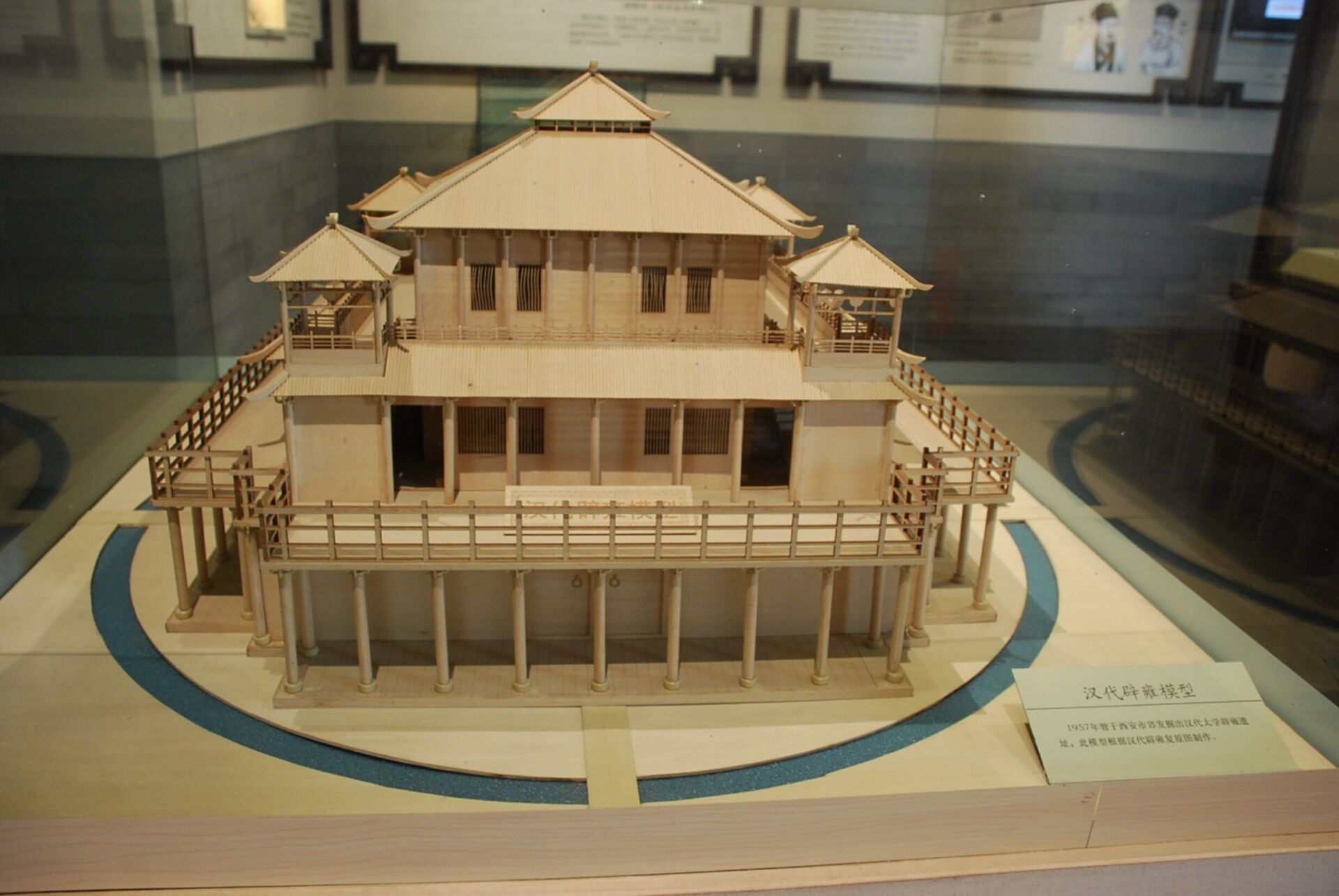
  • multi-storey pavilions, watchtowers, and residential towers.
  • Standardization of hip-and-gable (xie shan) and gable-and-eave (ying shan) roofs with curved rafters, ceramic tiles, and animal ridge ornaments.
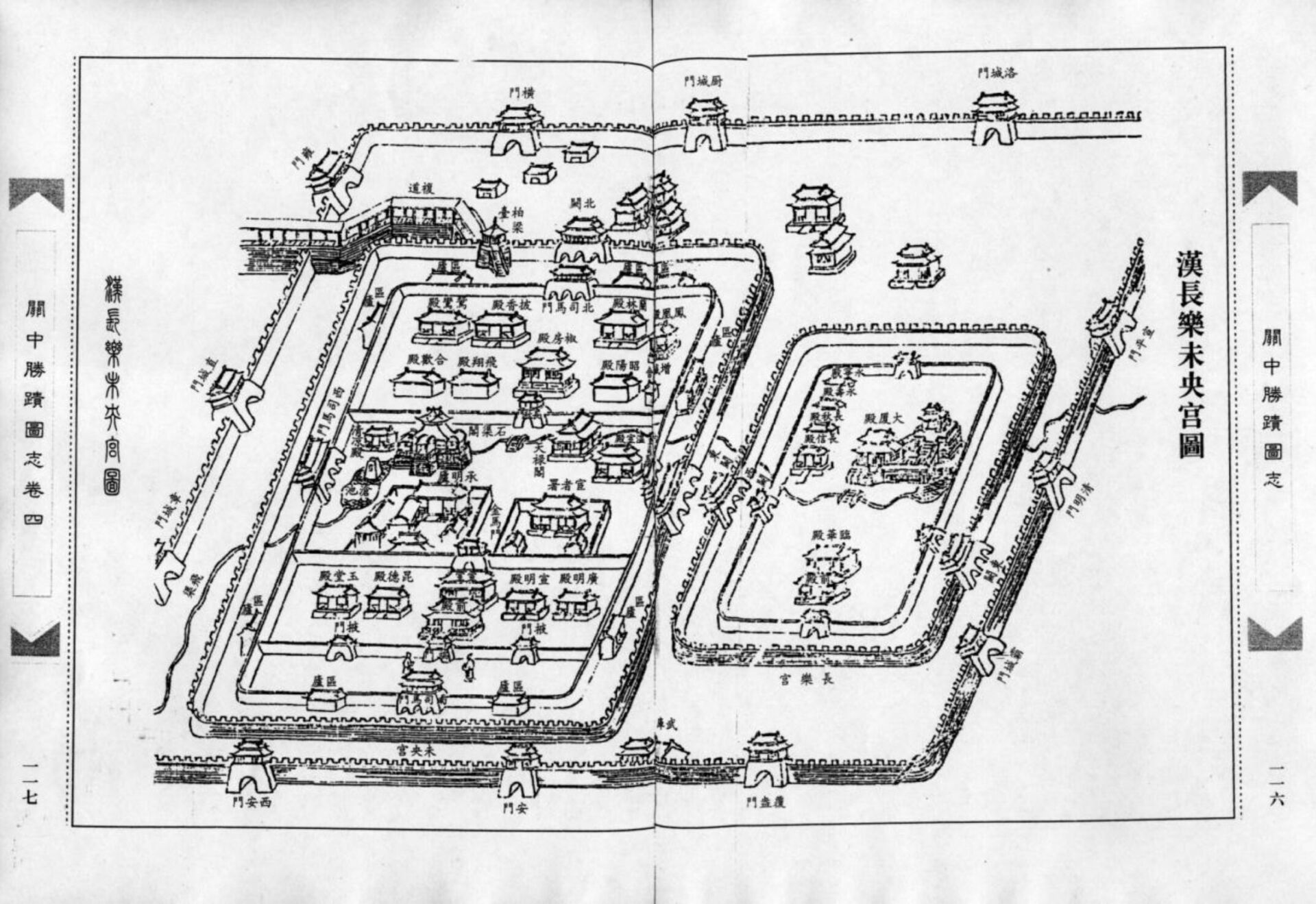
  • Planned capitals with rectangular walled grids, cardinal orientation, and designated zones for palaces, markets, and temples.
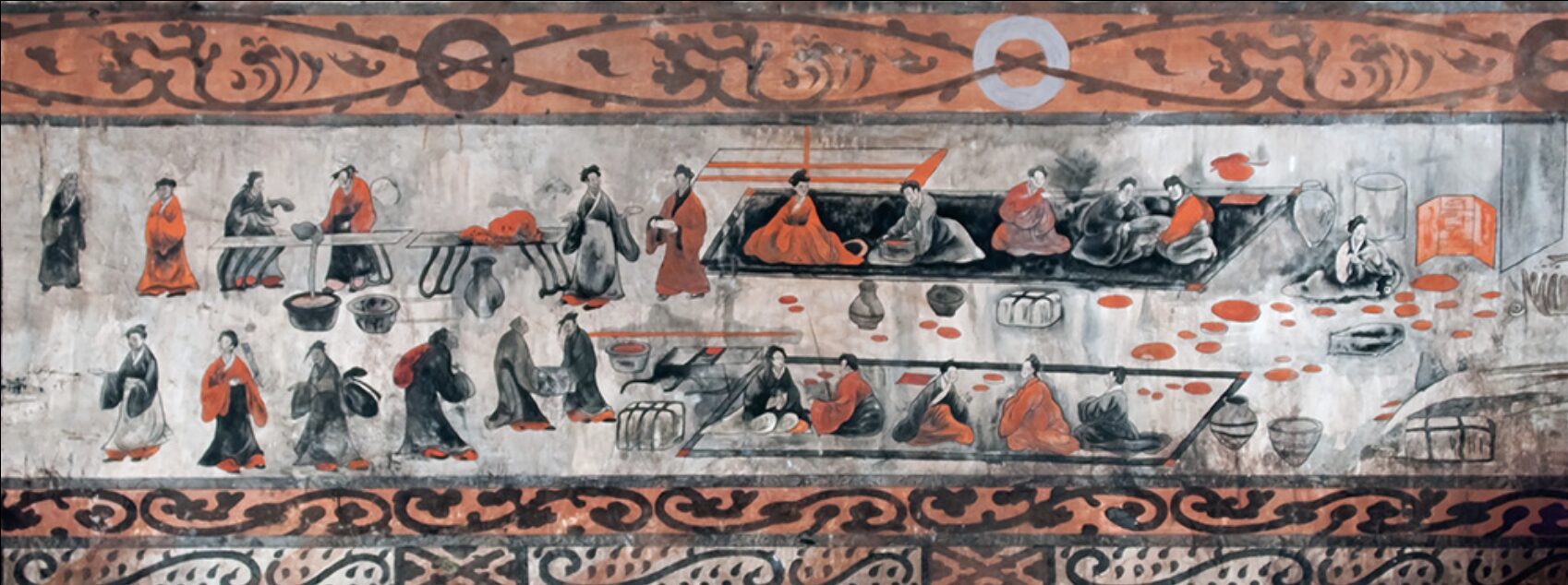
  • Combination of ceremonial halls, throne rooms, administrative offices, and residential compounds around inner courtyards.
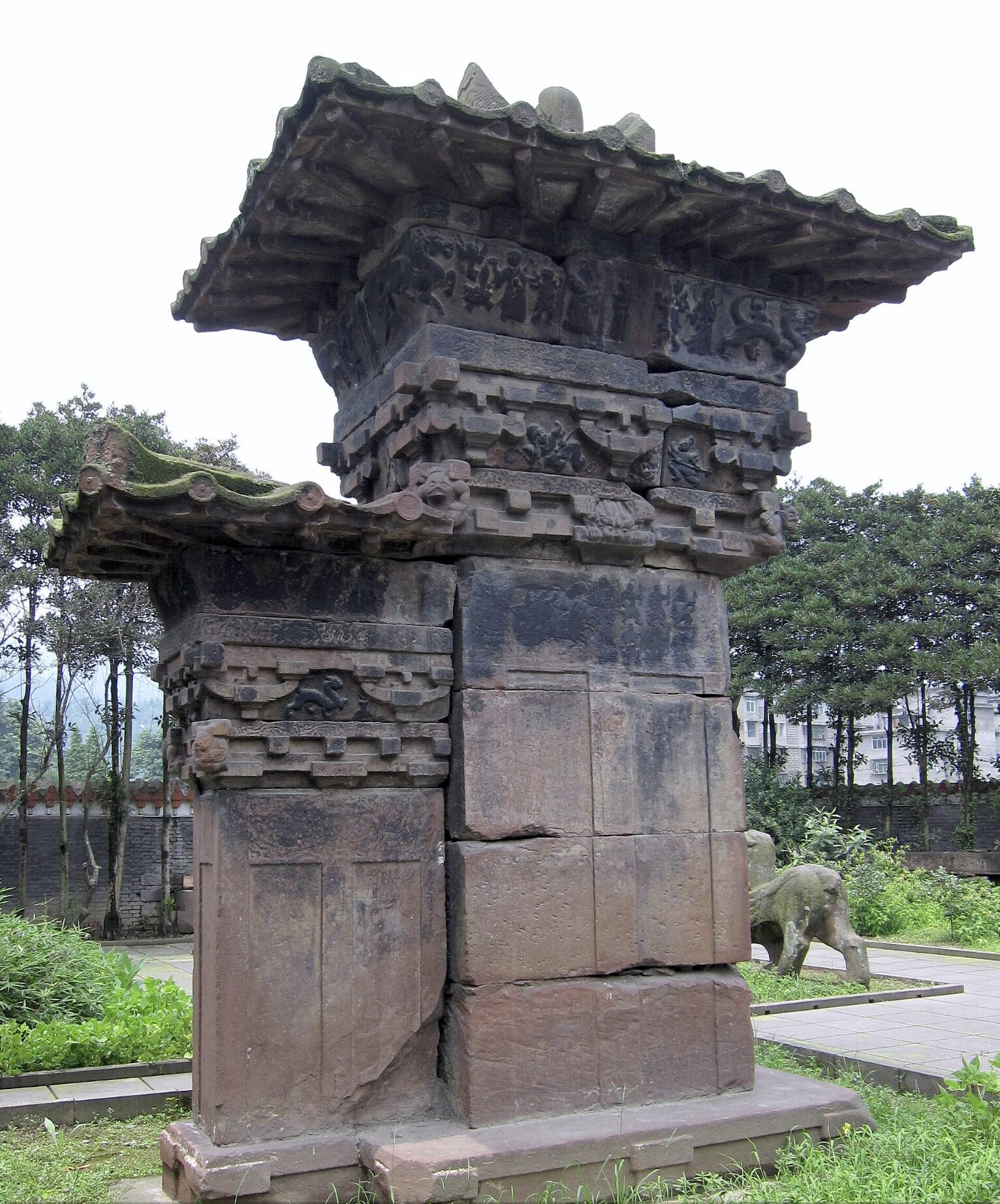
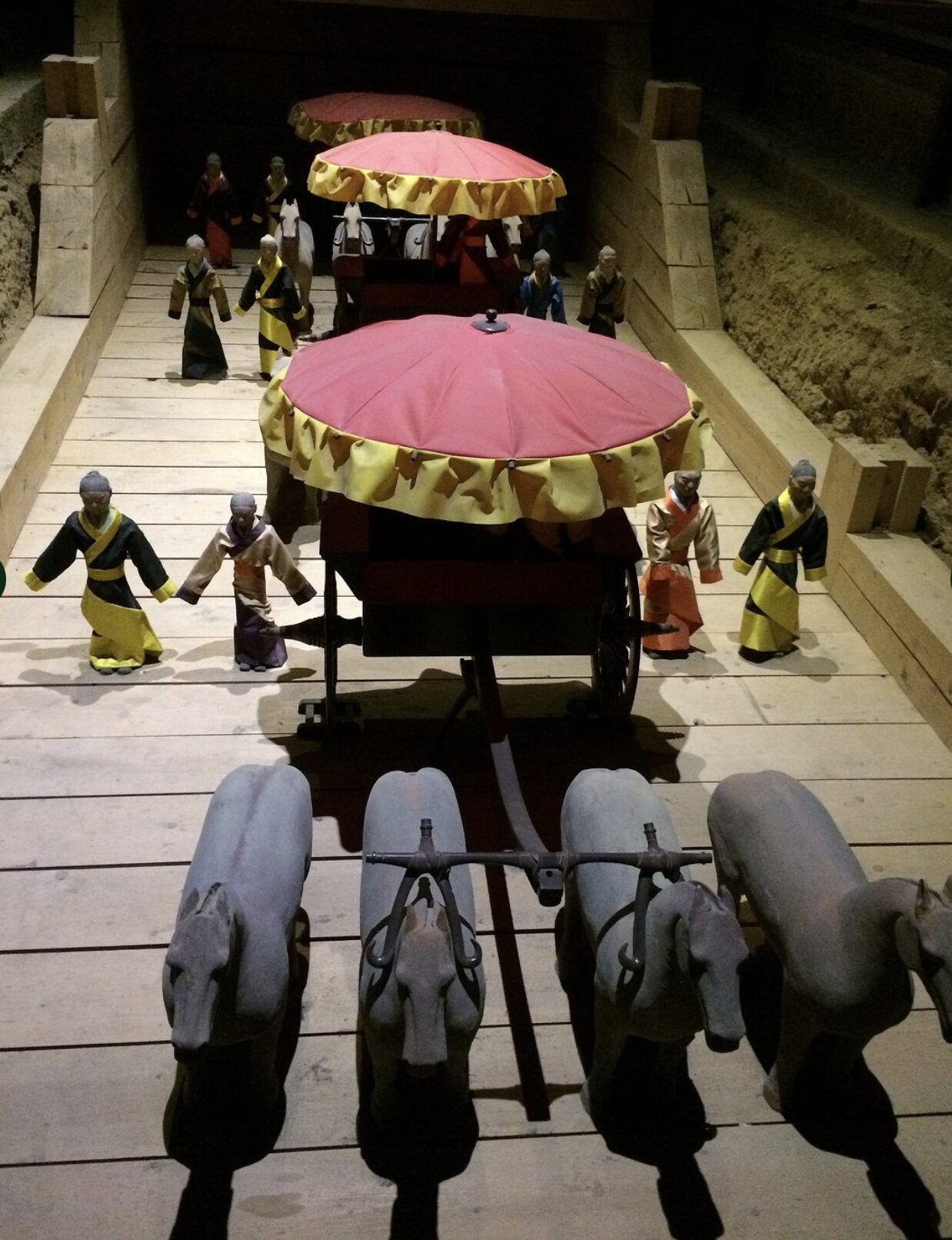
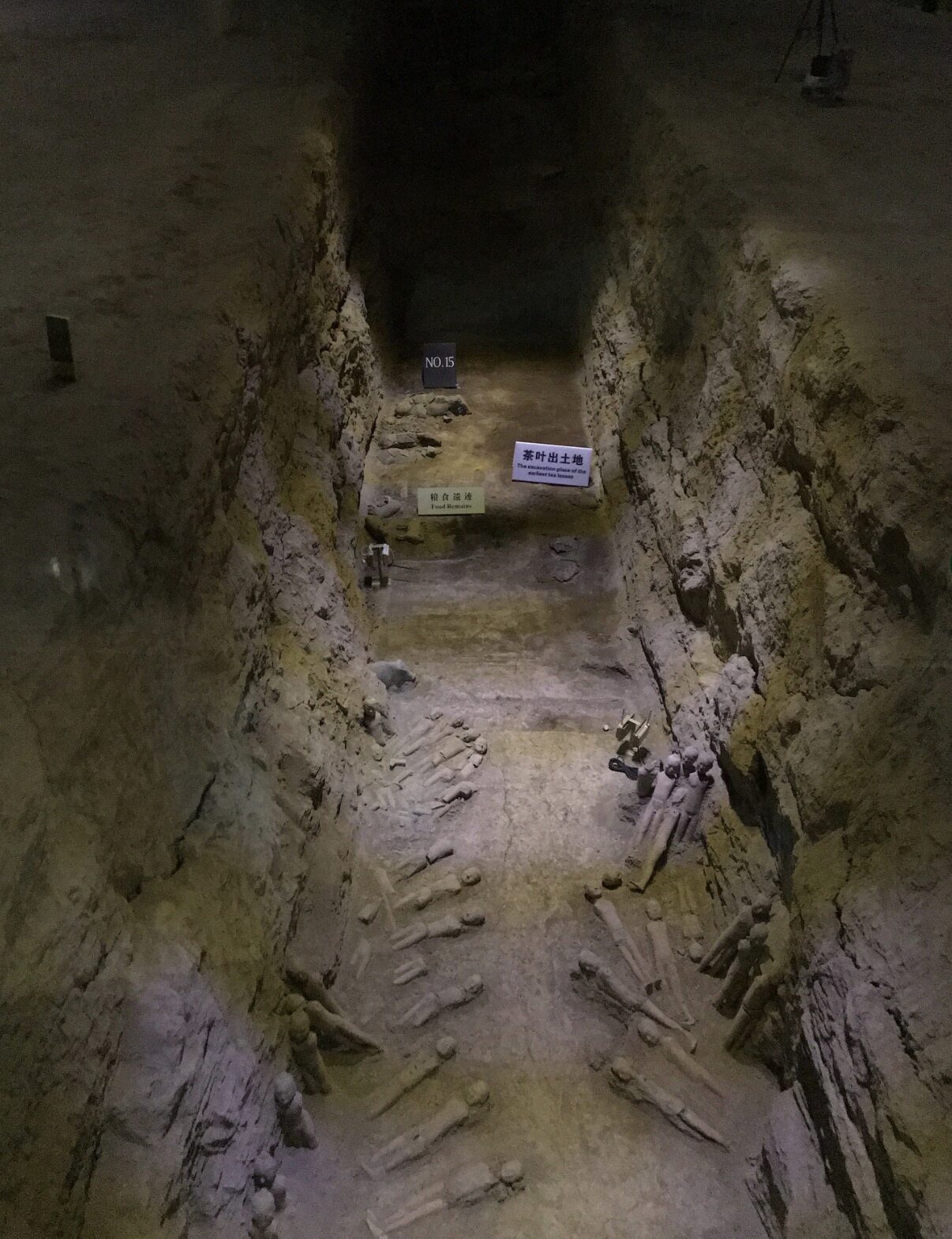
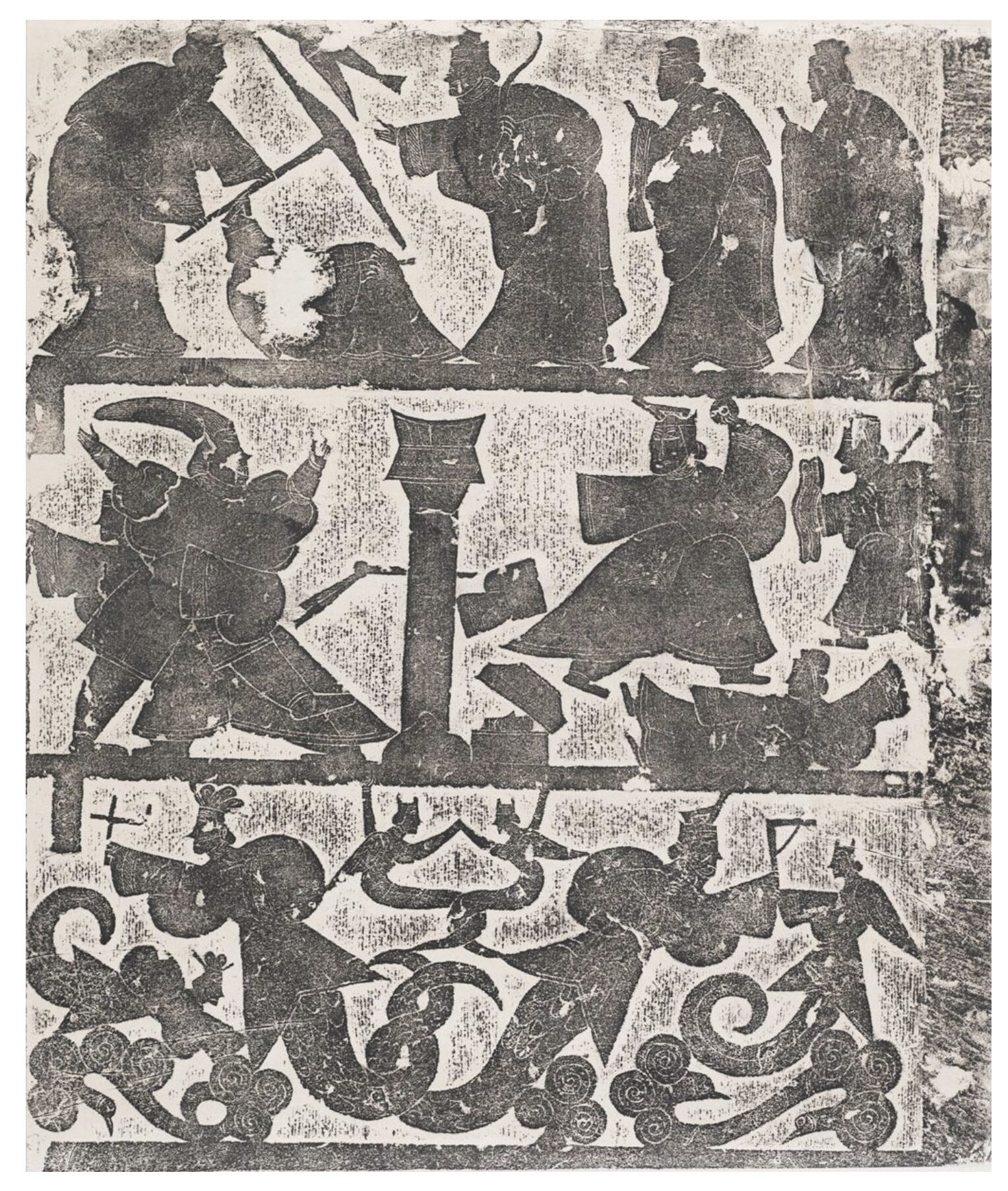
  • tombs modeled after palaces and cosmic order, with spirit paths, watchtowers, and carved stone guardians.;
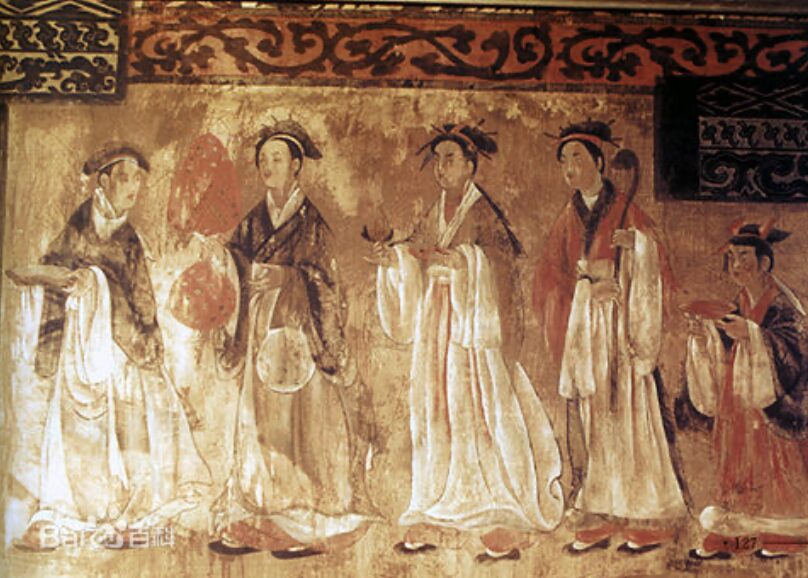
  • reflected Confucian, Daoist, and cosmological themes — heaven-earth order, immortality, and filial piety.
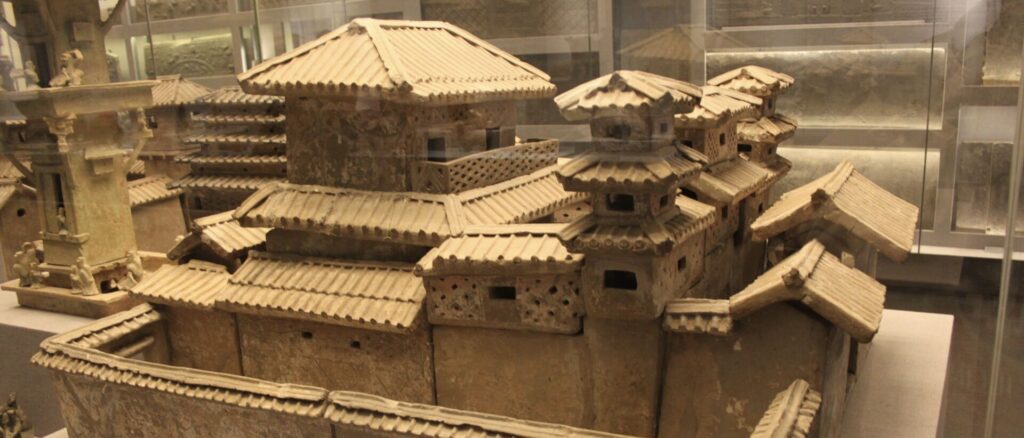
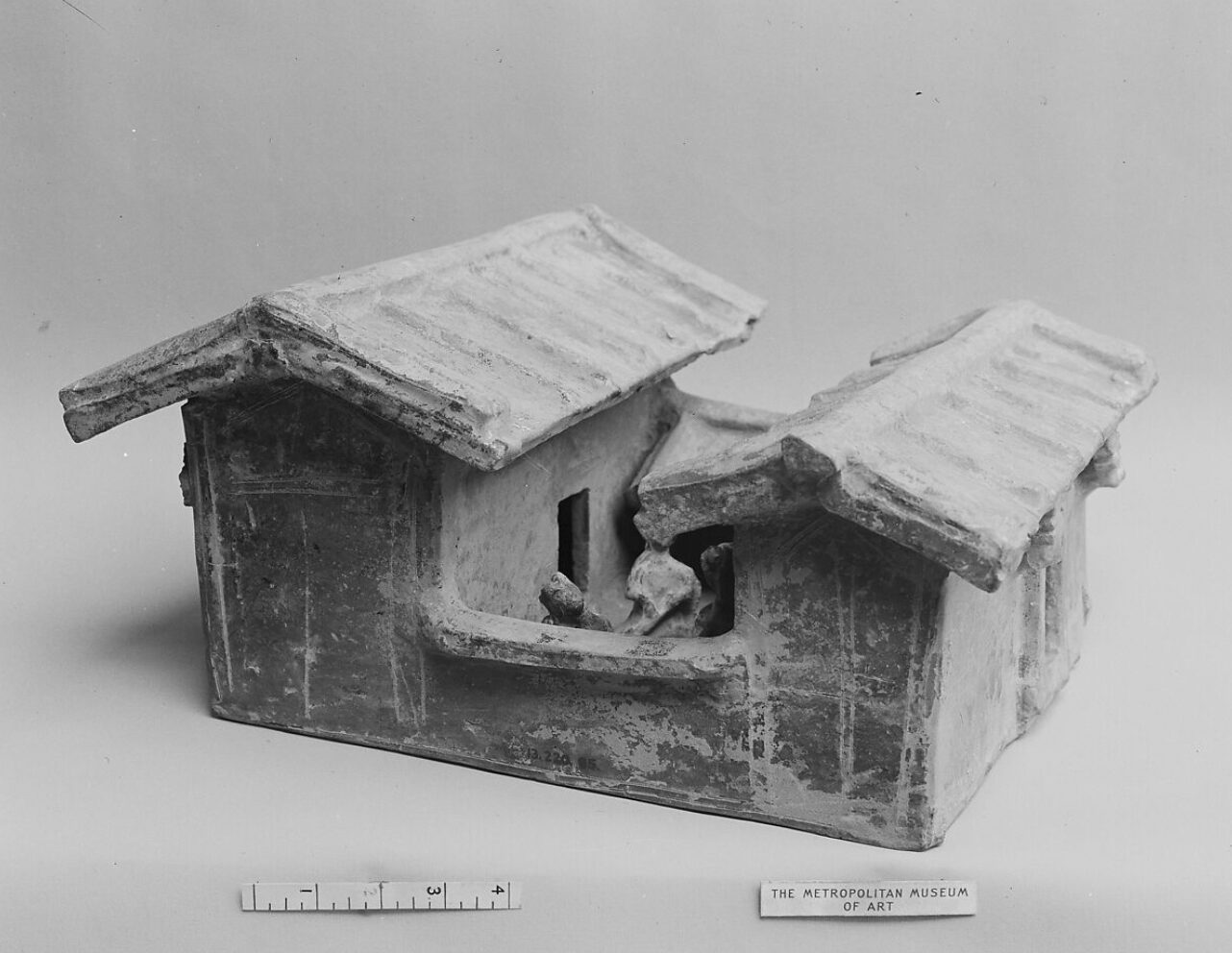
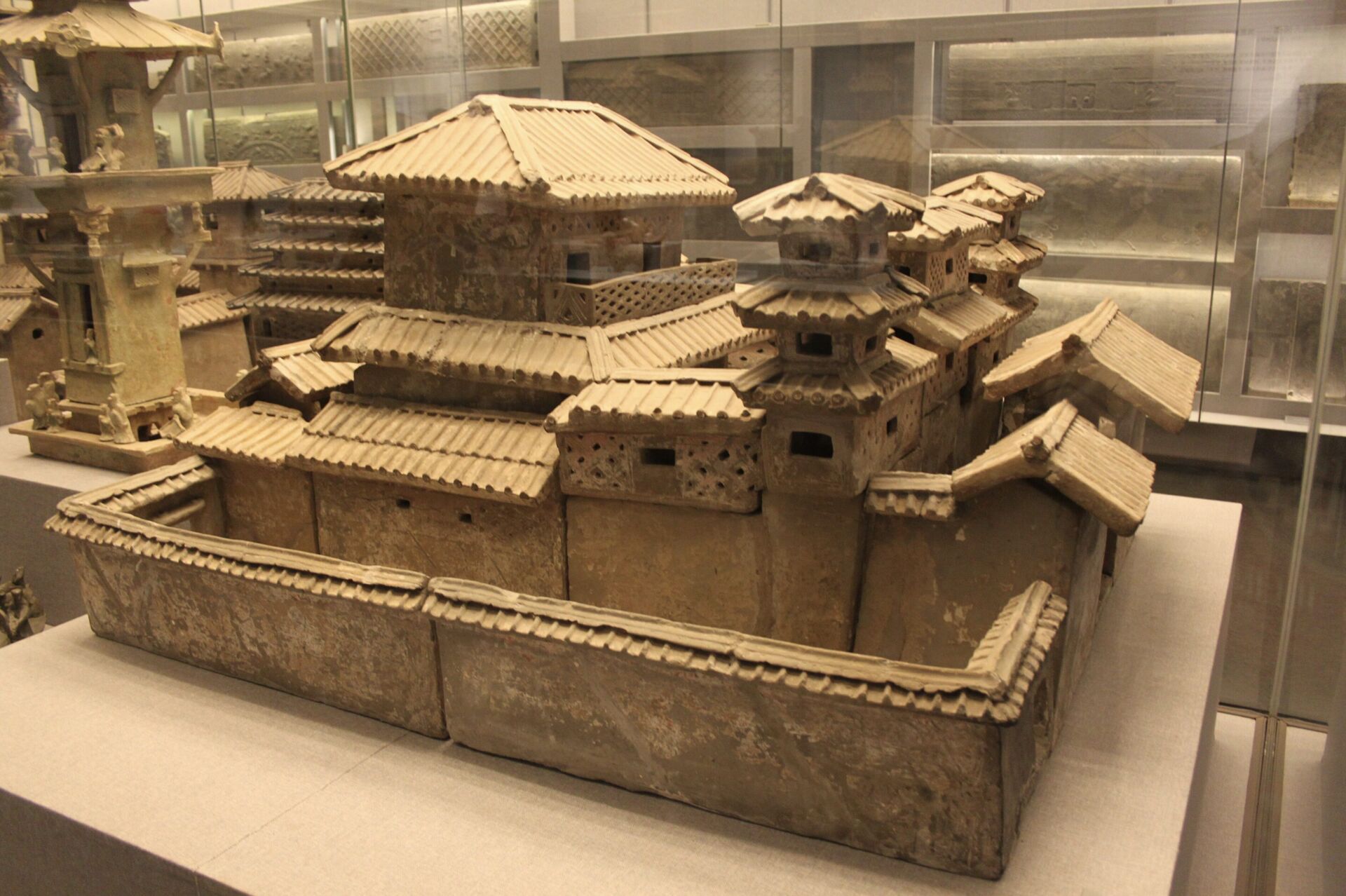
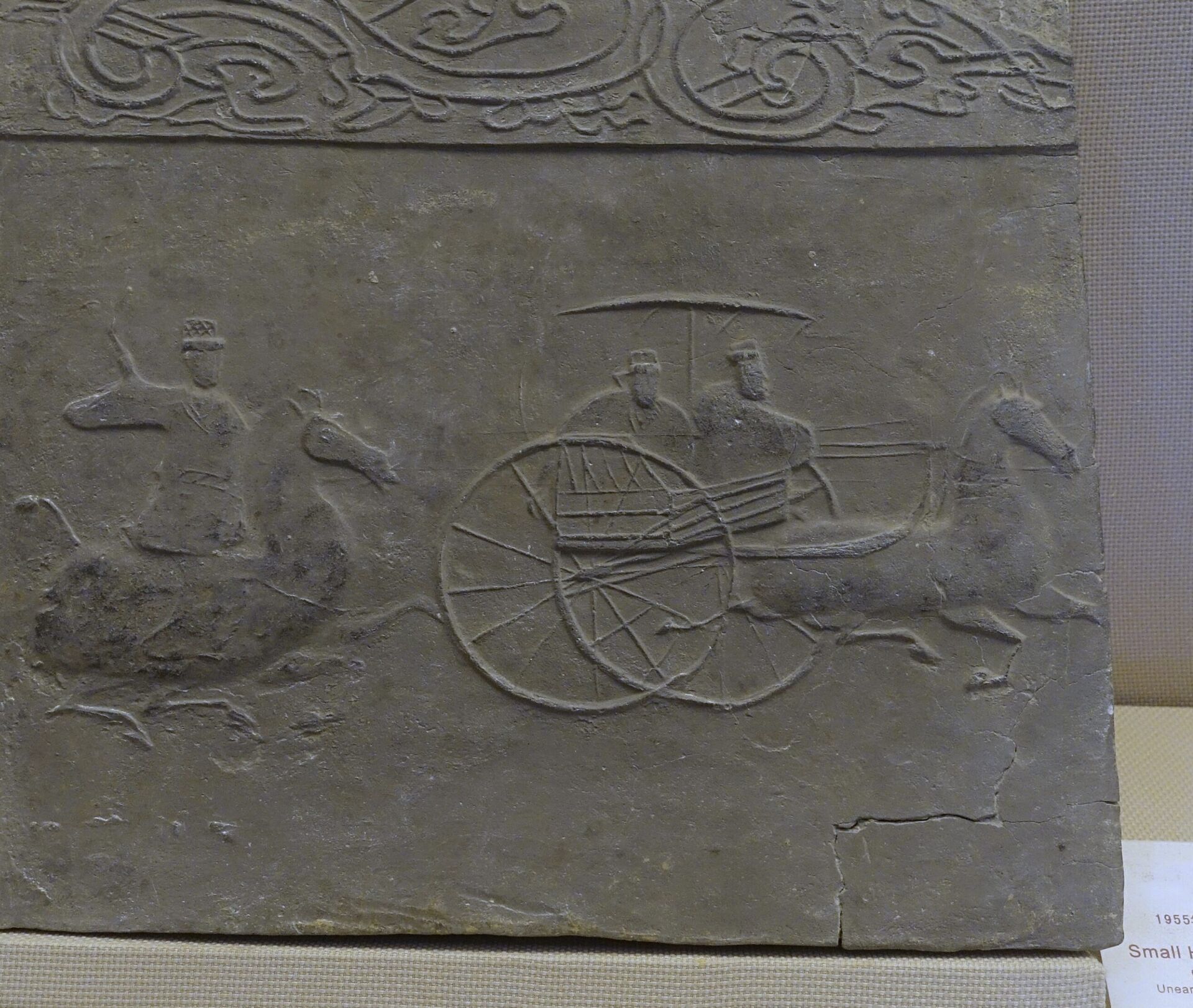
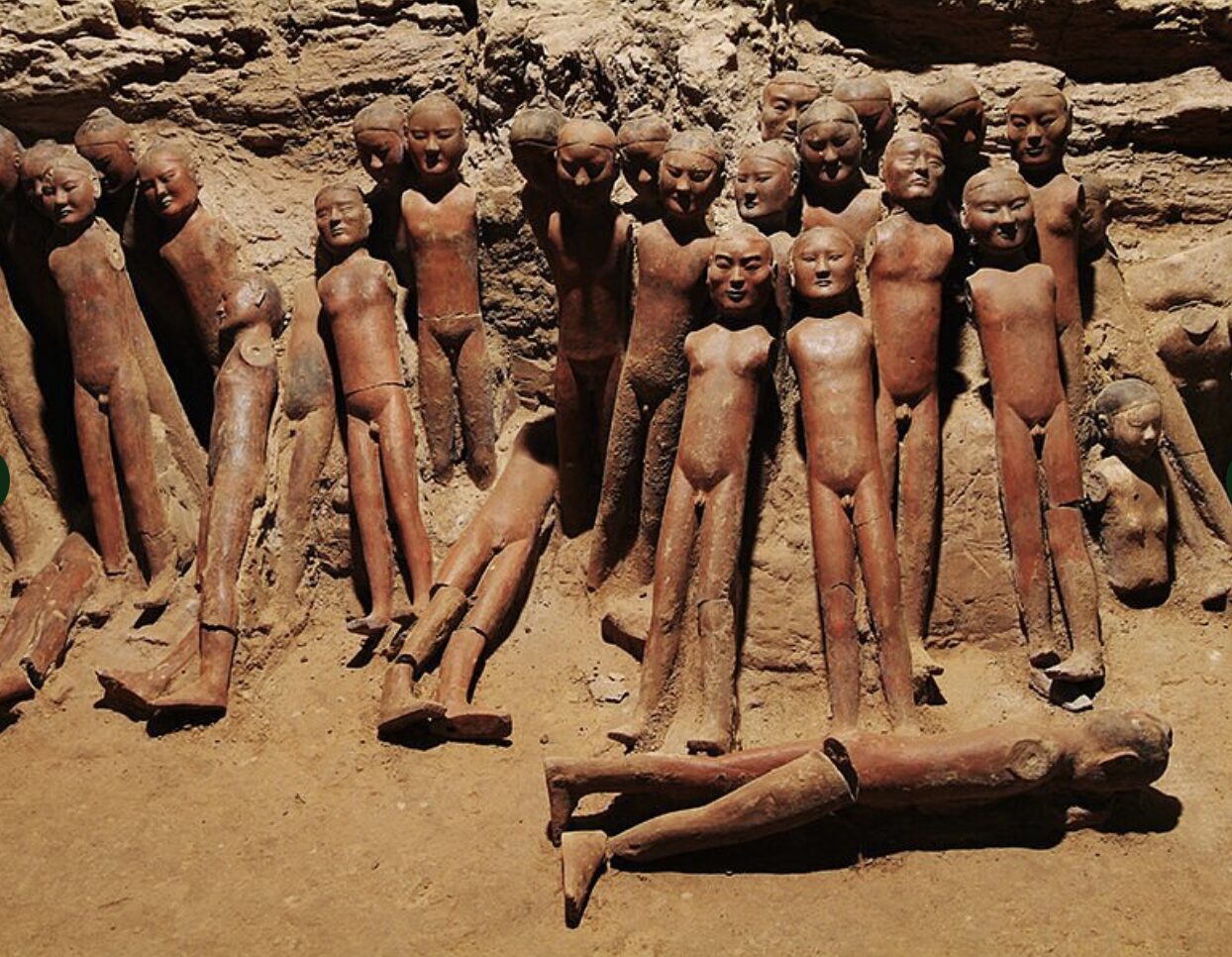
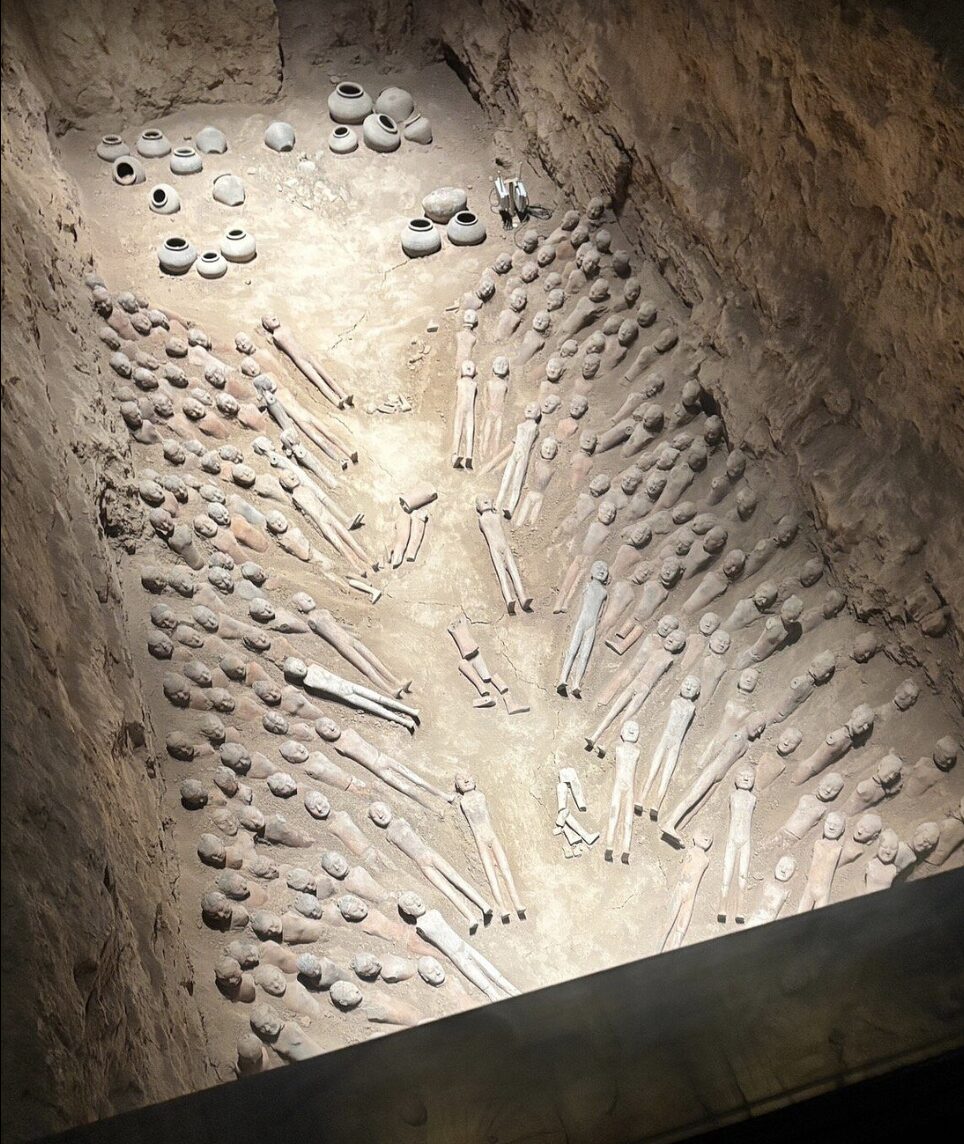
  • Burial goods included ceramic models of houses, barns, granaries, and towers, providing invaluable evidence of wooden architecture.
  • China

Common Building Types

Landmark buildings

Historic Accommodation Types

Custom Accommodation Examples

  • Palaces (宮 gong)
  • Administrative Offices (府 fu, 署 shu)
  • Residential Houses (宅 zhai, 屋 wu)
  • Watchtowers & Pavilions (樓 lou, 閣 ge)
  • Temples & Shrines (廟 miao, 祠 ci)
  • Altars & Ritual Platforms (壇 tan)
  • Markets, Warehouses & Granaries (市 shi, 倉 cang)
  • Military Forts & Garrisons (城 cheng, 營 ying)
  • City Walls & Gates
  • Mausolea & Tomb Complexes (陵 ling)
  • Bridges, Roads, & Canals
  • Public Inns & Relay Stations (驛站 yizhan, 館 guan)
  • Weiyang Palace (未央宮) Chang’an
  • Changle Palace (長樂宮) Chang’an
  • Southern Palace Complex of Luoyang (洛陽南宮) Luoyang
  • Yangling Mausoleum of Emperor Jing Di (陽陵) Xi’an
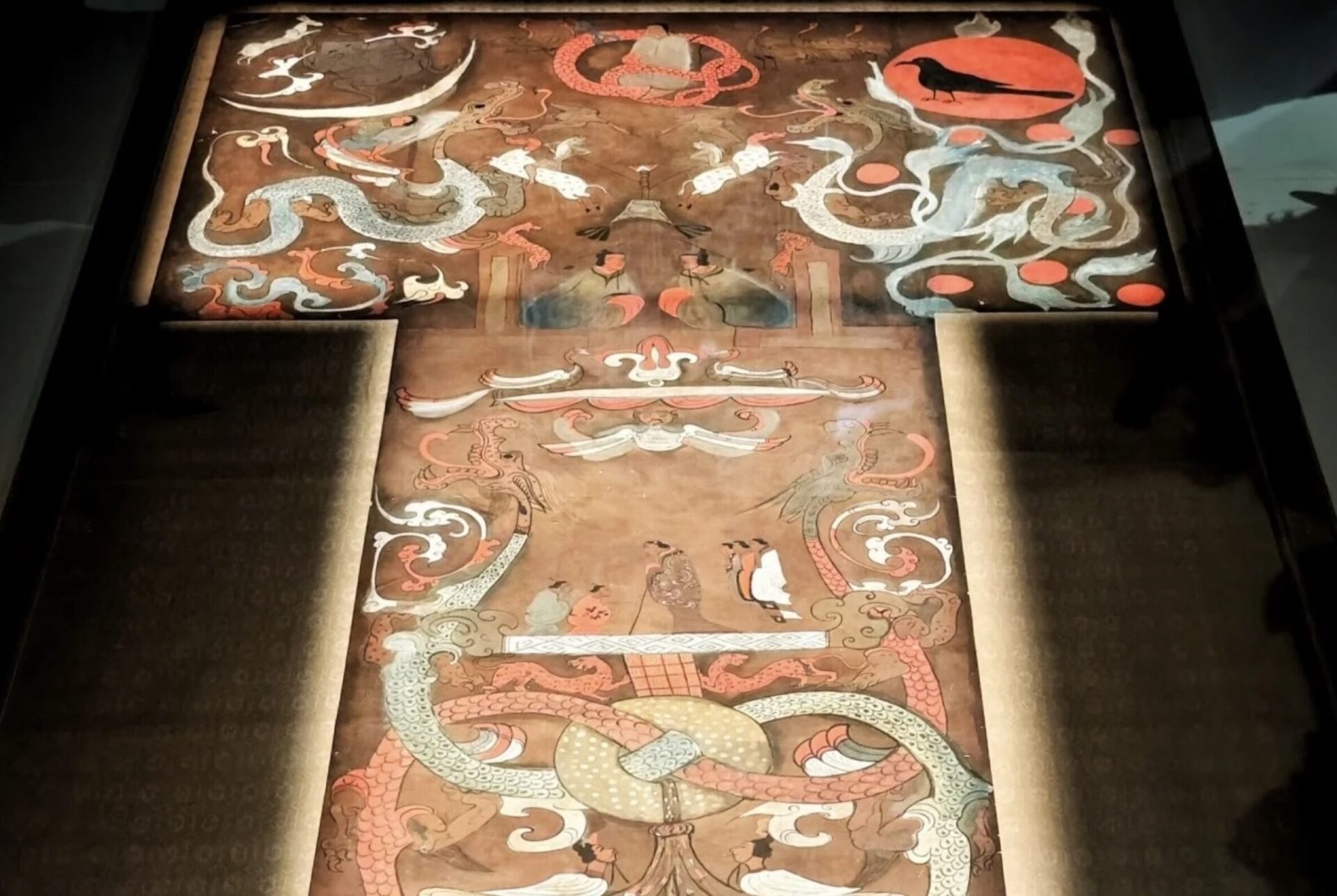
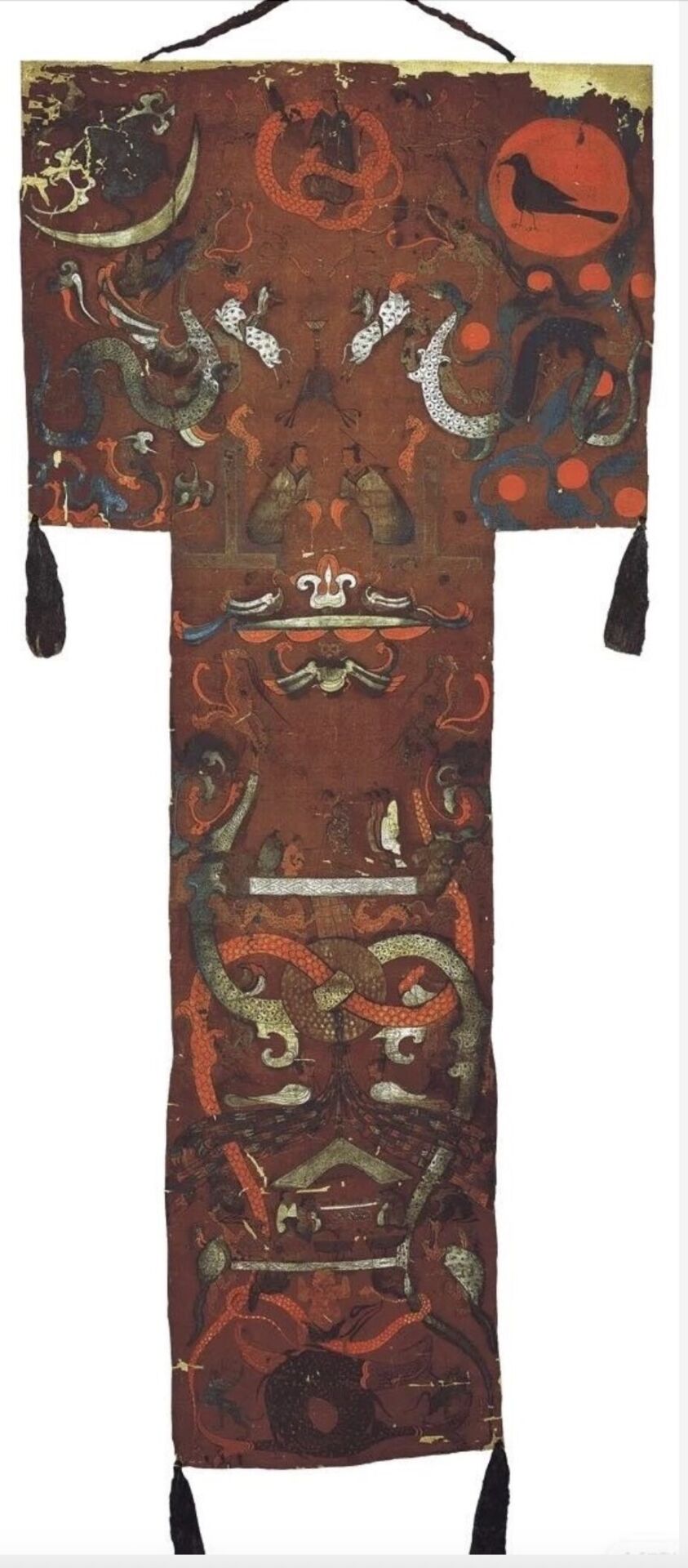
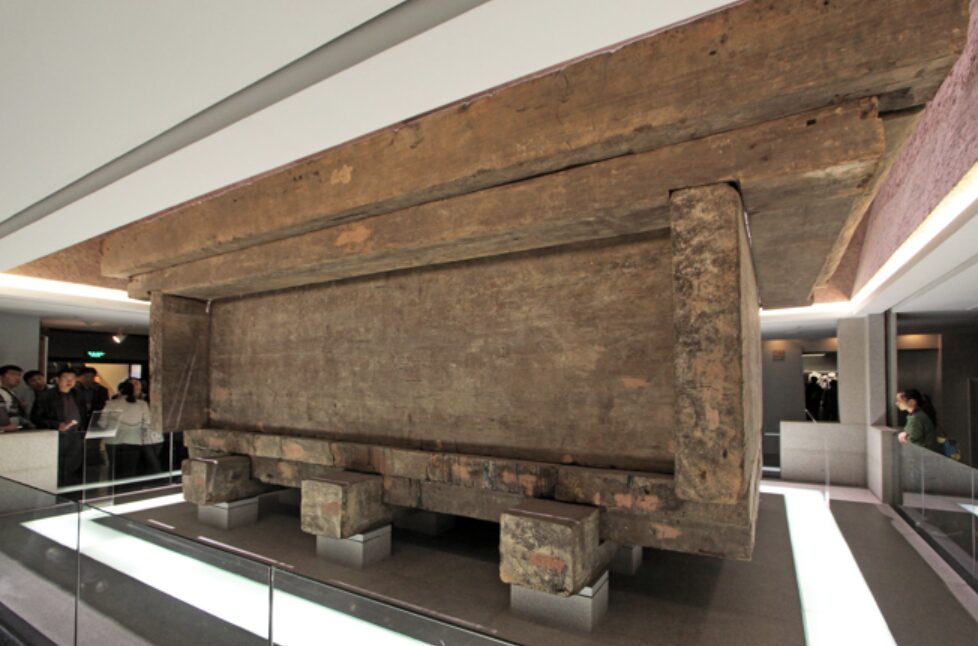
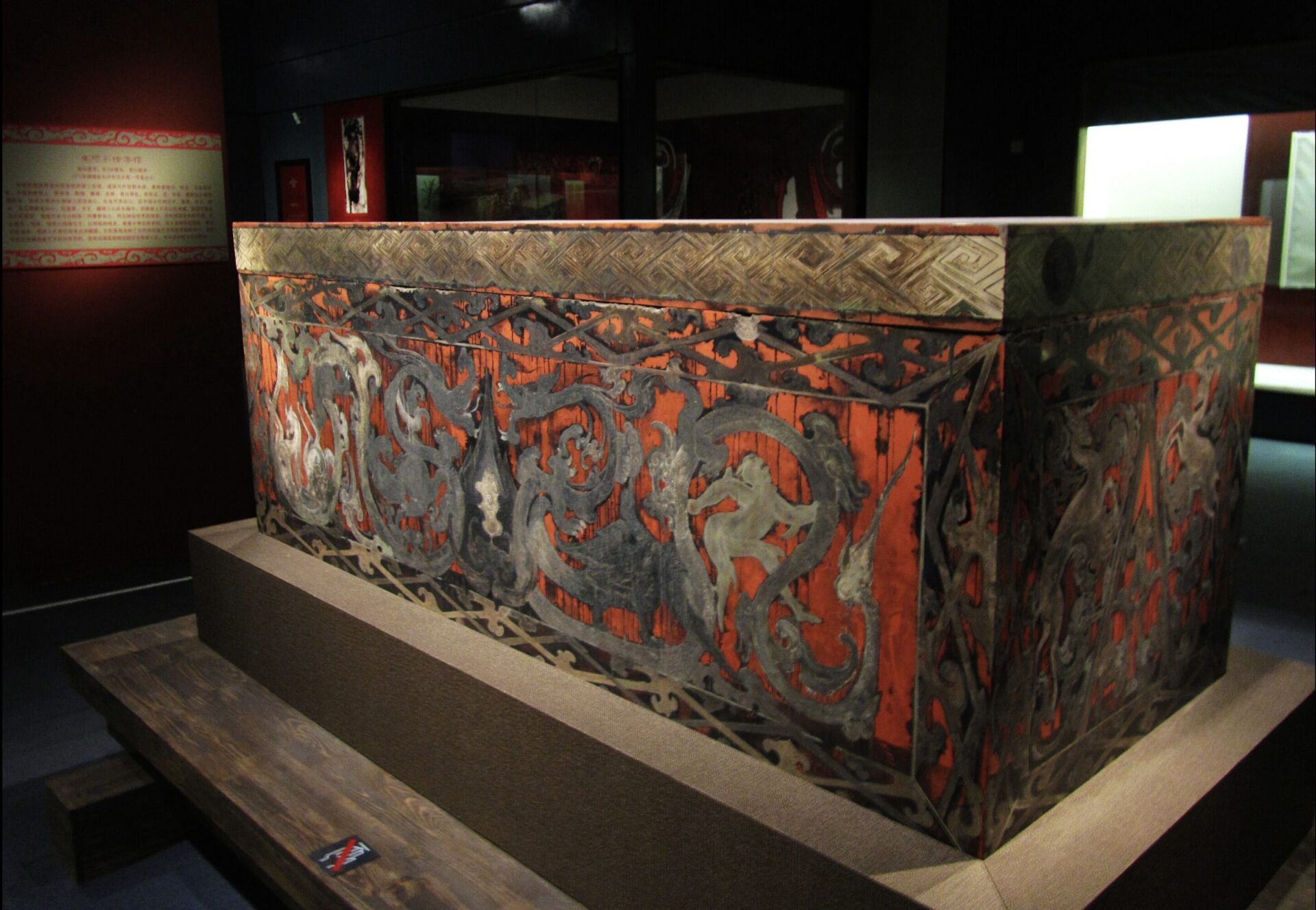
  • Mawangdui Tombs (馬王堆) Changsha
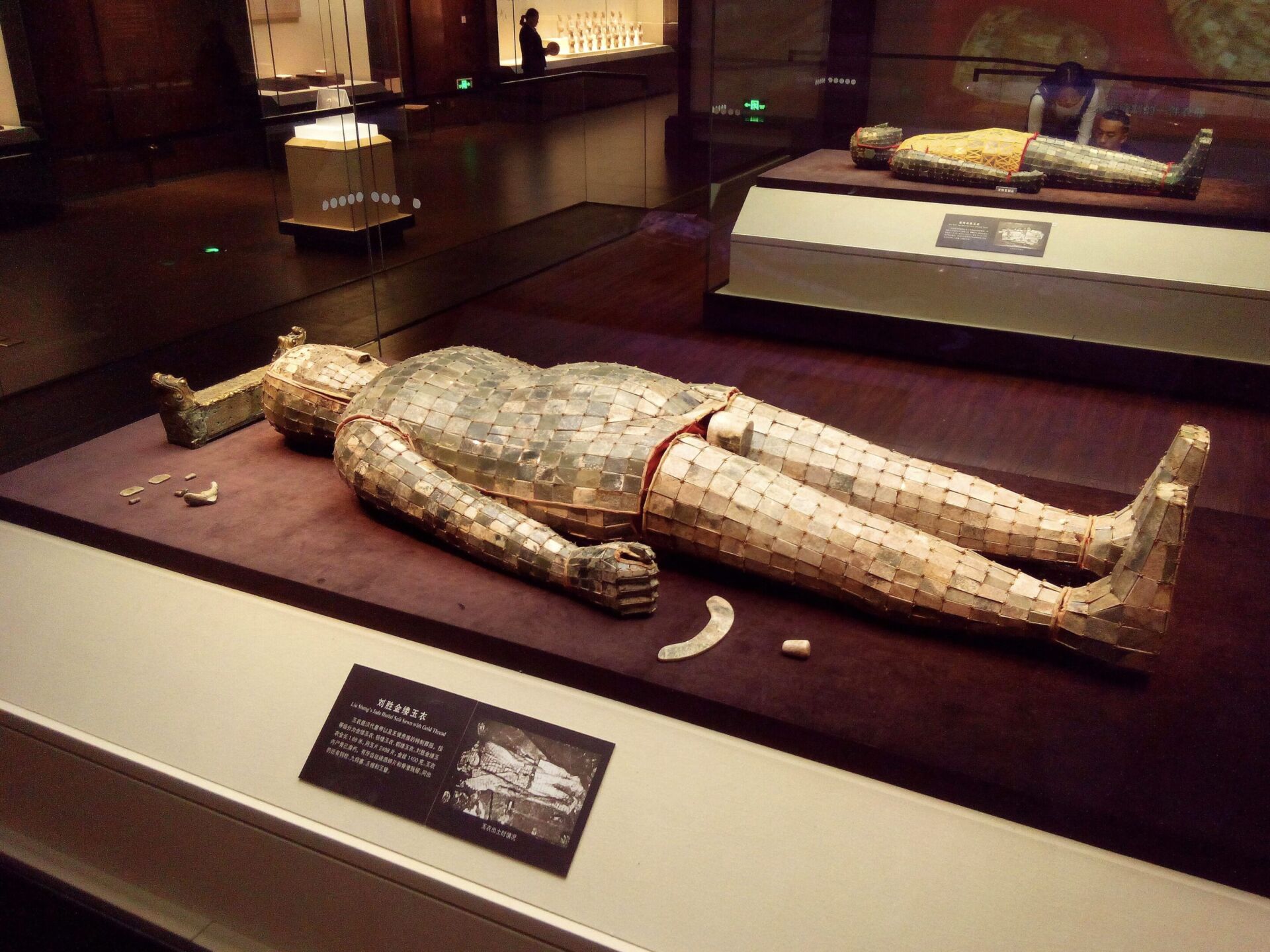
  • Mancheng Tombs of Prince Liu Sheng (滿城漢墓) Hebei Province
  • Wu Family Shrines (武氏祠) Jiaxiang
  • Brick Tombs of Sichuan Basin Chengdu & Leshan regions
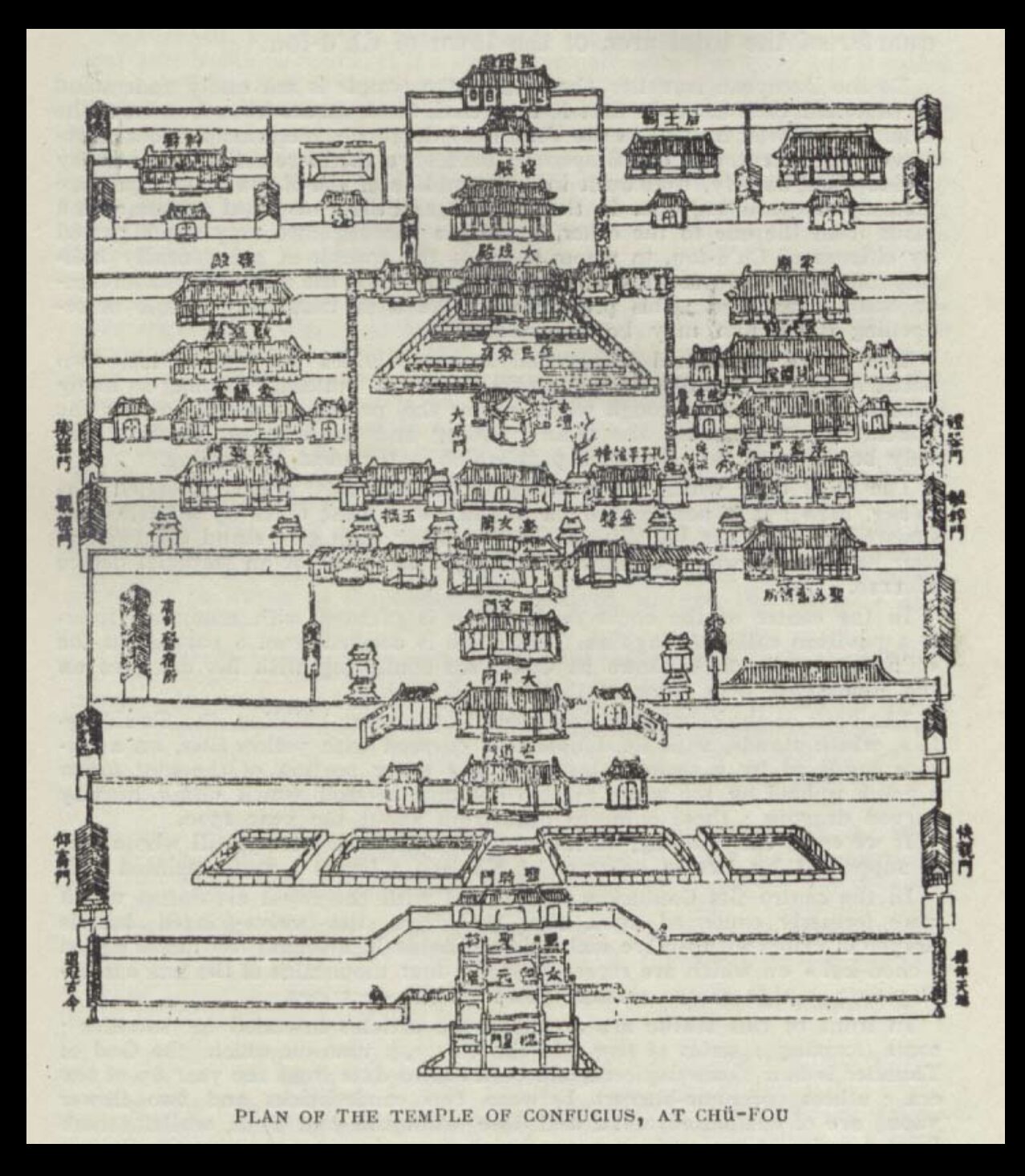
  • Qufu Confucian Temple Precursors Qufu, Shandong
  • Juyan and Yumen Pass Forts (居延, 玉門關) Gansu & Ningxia
  • Architectural Models from Han Tombs Henan, Sichuan
  • Relay Stations 驛站 (yìzhàn) / 驛舍 (yìshè) (Walled compounds spaced every 30–50 li (15–25 km) along imperial roads.
  • Frontier Stations contained stables, storehouses, lodging Halls (dormitories), kitchens, service courtyards and offices.
  • Post Inns / Courier Hostels 驛館 (yìguǎn)
  • Government Guest Houses 官館 (guānguǎn) / 賓館 (bīnguǎn)
  • Inns for Travelling Officials 旅舍 (lǚshè) / 官舍 (guānshè)
  • Market or Merchant Inns 客舍 (kèshè) / 商館 (shāngguǎn)
  • Confucian Temples or Buddhist Monastery Lodgings 軍舍 (jūnshè) Guest Halls. Used to host visiting scholars, monks, envoys, or merchants.
  • Private Inns & Taverns (proto-commercial) 旅店 (lǚdiàn), 酒肆 (jiǔsì)
  • Juyan Han Frontier Stations Gansu
  • Liye Administrative Station Hunan
  • Yumen Pass (Jade Gate) Gansu
  • Turpan Han Garrison Post Xinjiang

Gallery

Adapted Visitor Accommodation

in Adam Style Building 

xxxx

Address

Property Website

Wikipedia

xxxxxxx
xxxx

Address


Property Website

Wikipedia

xxx

xxx

Address 


Property Website

Wikipedia


xxxxxx