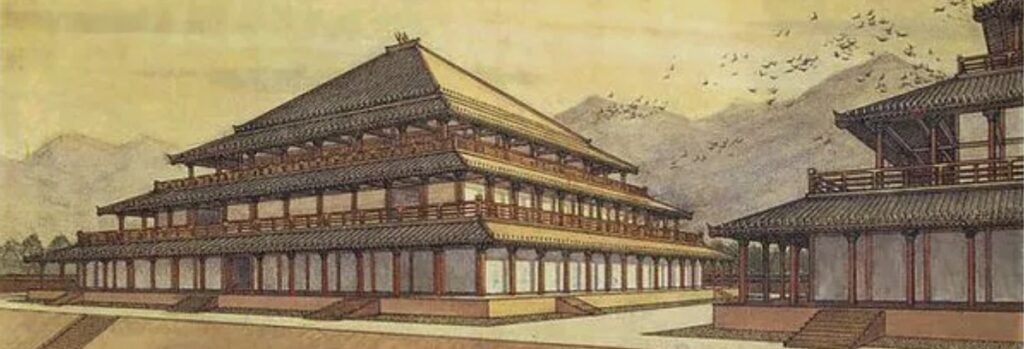
Timber-frame superstructures on rammed-earth platforms, with wattle-and-daub walls and tile or thatch roofing.
Standardized post-and-beam framework (jian bays)
ritual hierarchy—palaces, temples, and dwellings graded by size, height, number of bays, and ornament.
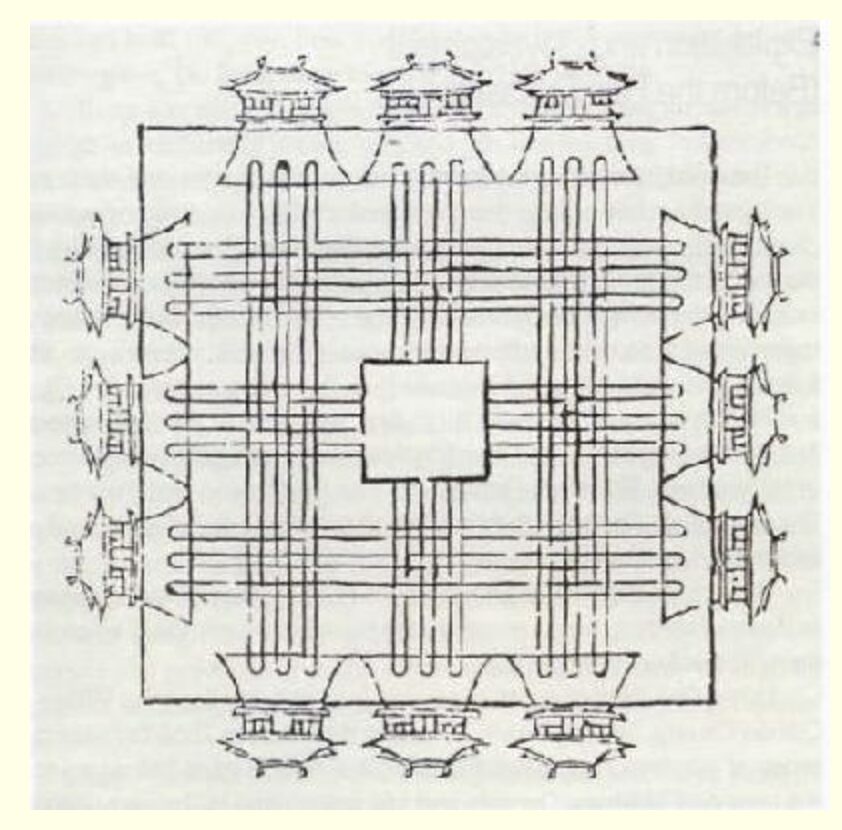
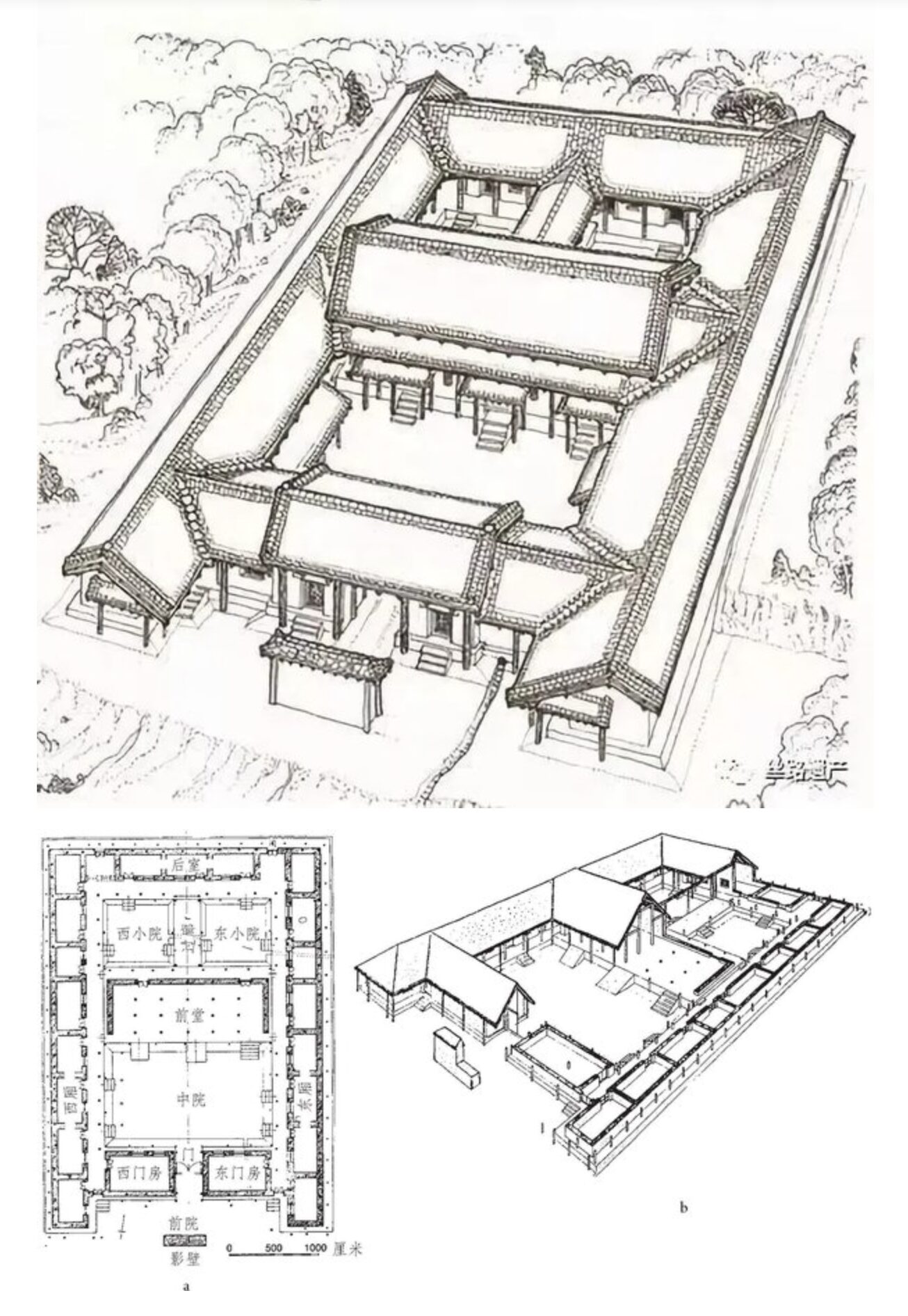
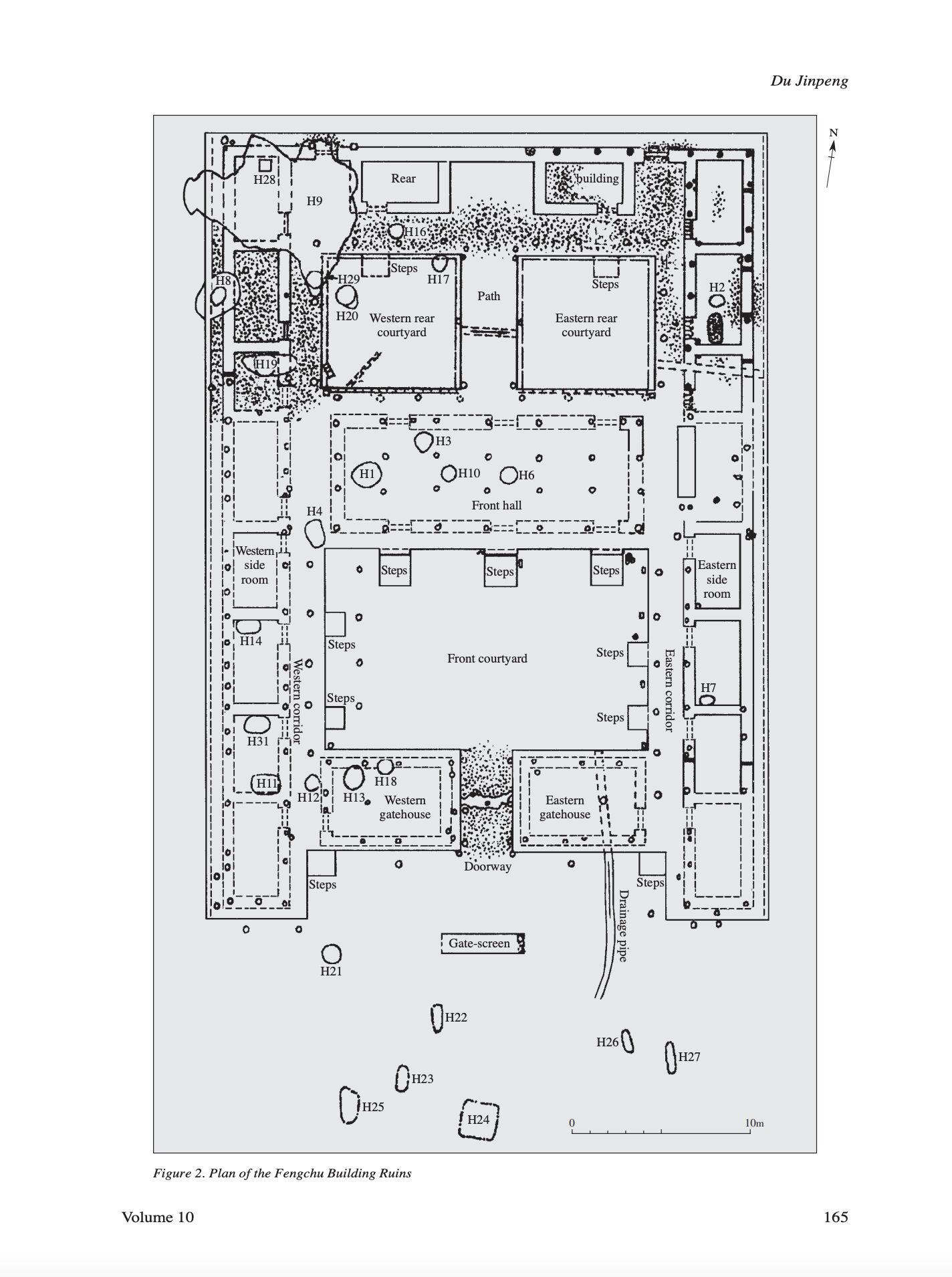
north–south central axis, flanked by symmetrical subsidiary halls, enclosed within rectangular walls
Rectangular walled cities (fang 城 or guo 國) with gates at cardinal directions and gridded street layouts.
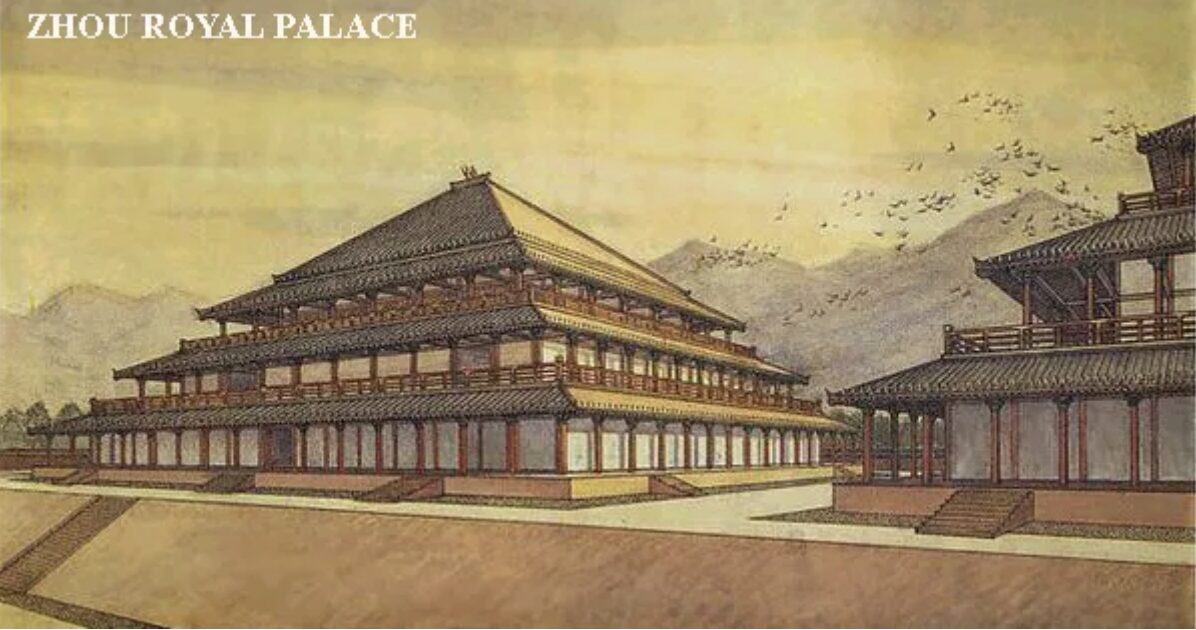
Palaces built on large rammed-earth terraces with ceremonial courtyards, ancestral temples, audience halls, and residential quarters arranged hierarchically.
Miao (廟) temples attached to palaces
rectangular plans with central halls and courtyards; used for ancestor worship and state rituals.
Gabled (single- and double-eave) roofs with overhanging eaves supported by brackets
early versions of dougong
City walls, gates, moats, and watchtowers built of rammed earth
standardized street width
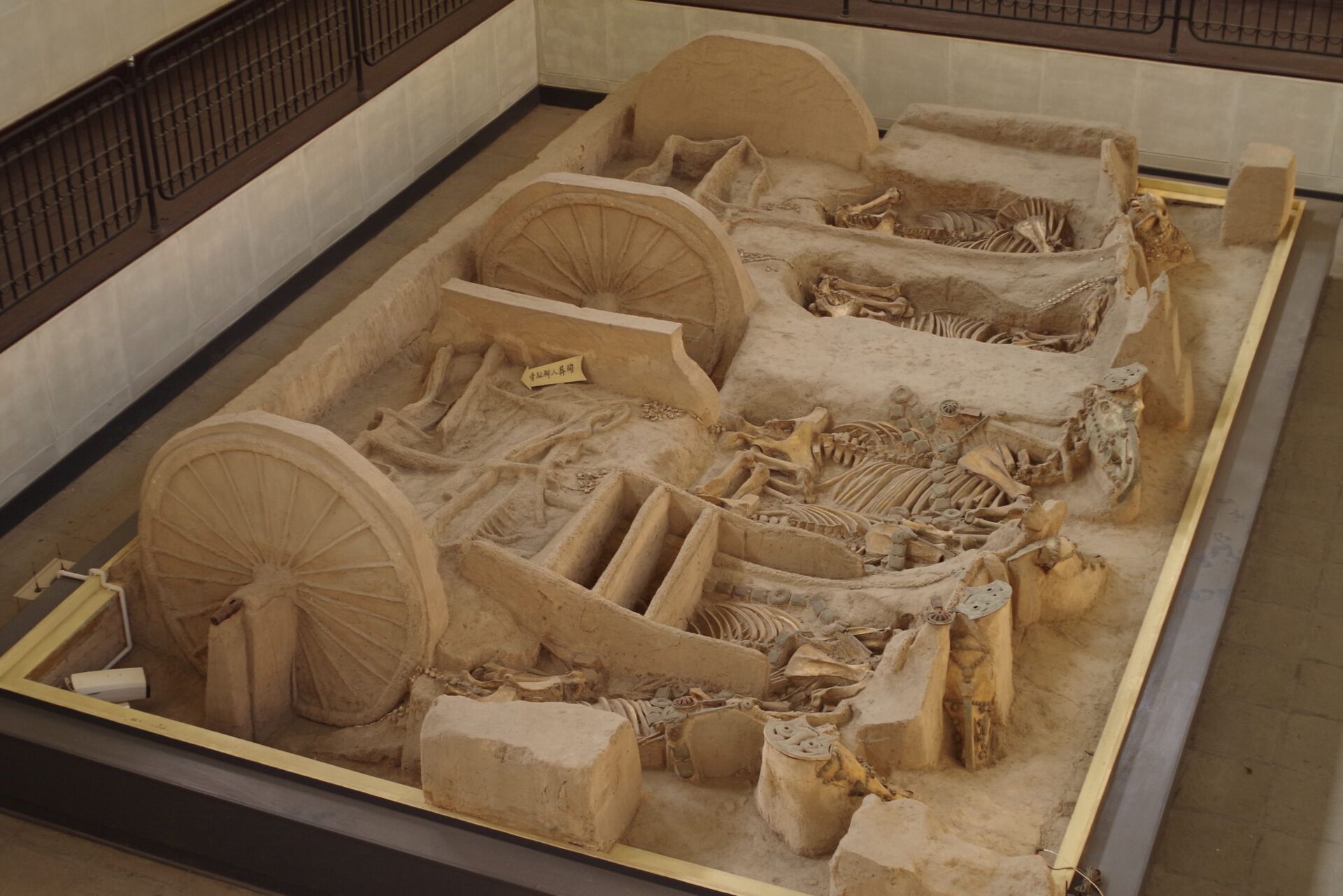
Large tumulus tombs with timber chambers, ramps, and ritual pits;
linked to cosmic order (Heaven–Earth–Human harmony)
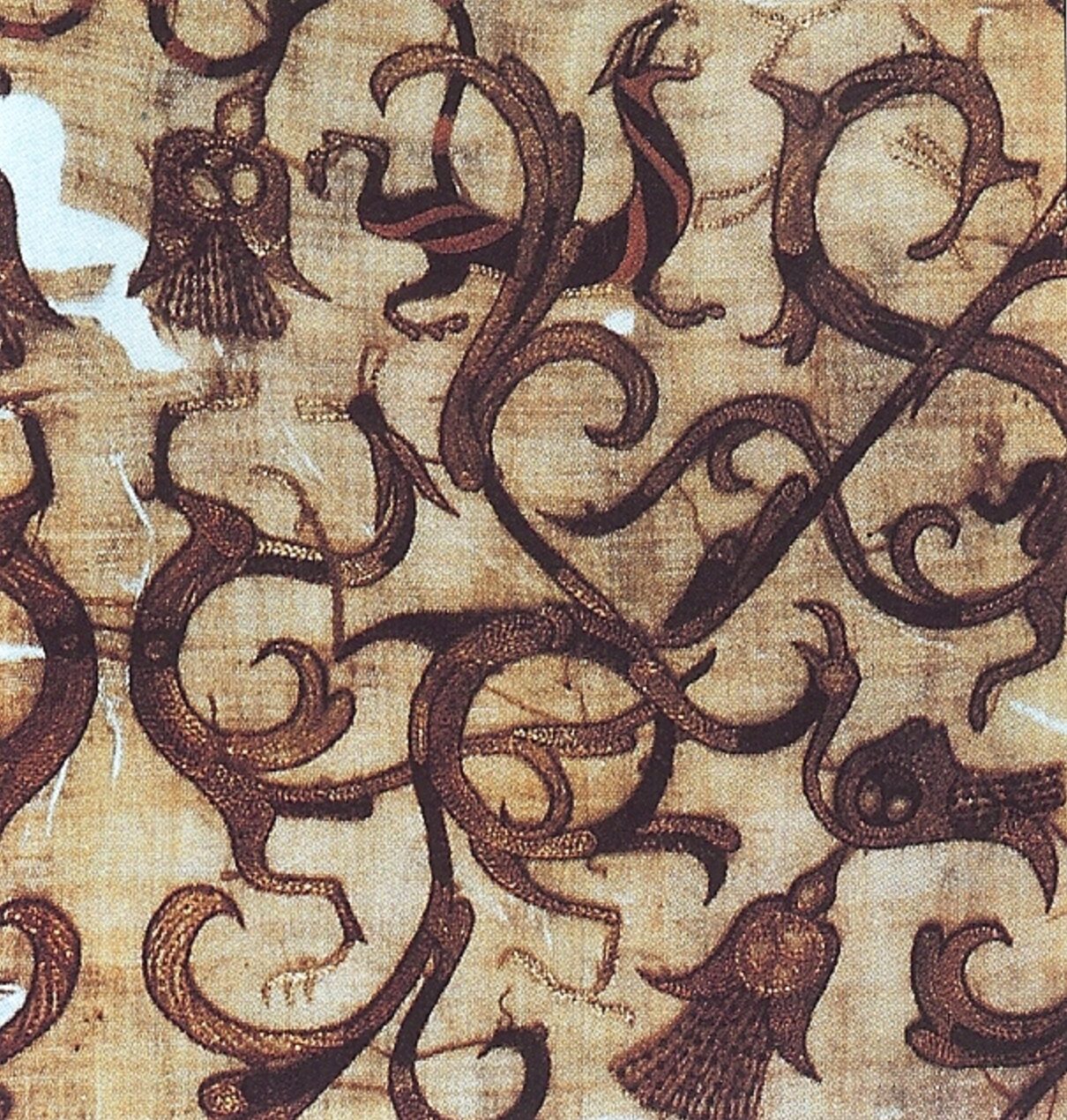
decorations used color hierarchy (red, black, yellow, blue, white) to represent ritual rank.
City layout and building hierarchy reflected political order (Li–Yue system) — ruler at the center, nobles around, commoners outside.
China
Common Building Types
Landmark buildings
Historic Accommodation Types
Accommodation records
Palaces (宮 gong)
Ancestral Temples (廟 miao)
Altars and Sacrificial Platforms (壇 tan, 丘 qiu)
Government Halls / Audience Chambers (朝 chao, 庭 ting)
City Walls, Gates, and Watchtowers (城 cheng, 門 men),
Residential Houses (宅 zhai)
Workshops / Storehouses (作 zuo, 倉 cang)
Markets and Courtyards (市 shi)
Tombs and Burial Chambers (墓 mu)
Religious / Astronomical Buildings (觀 guan)
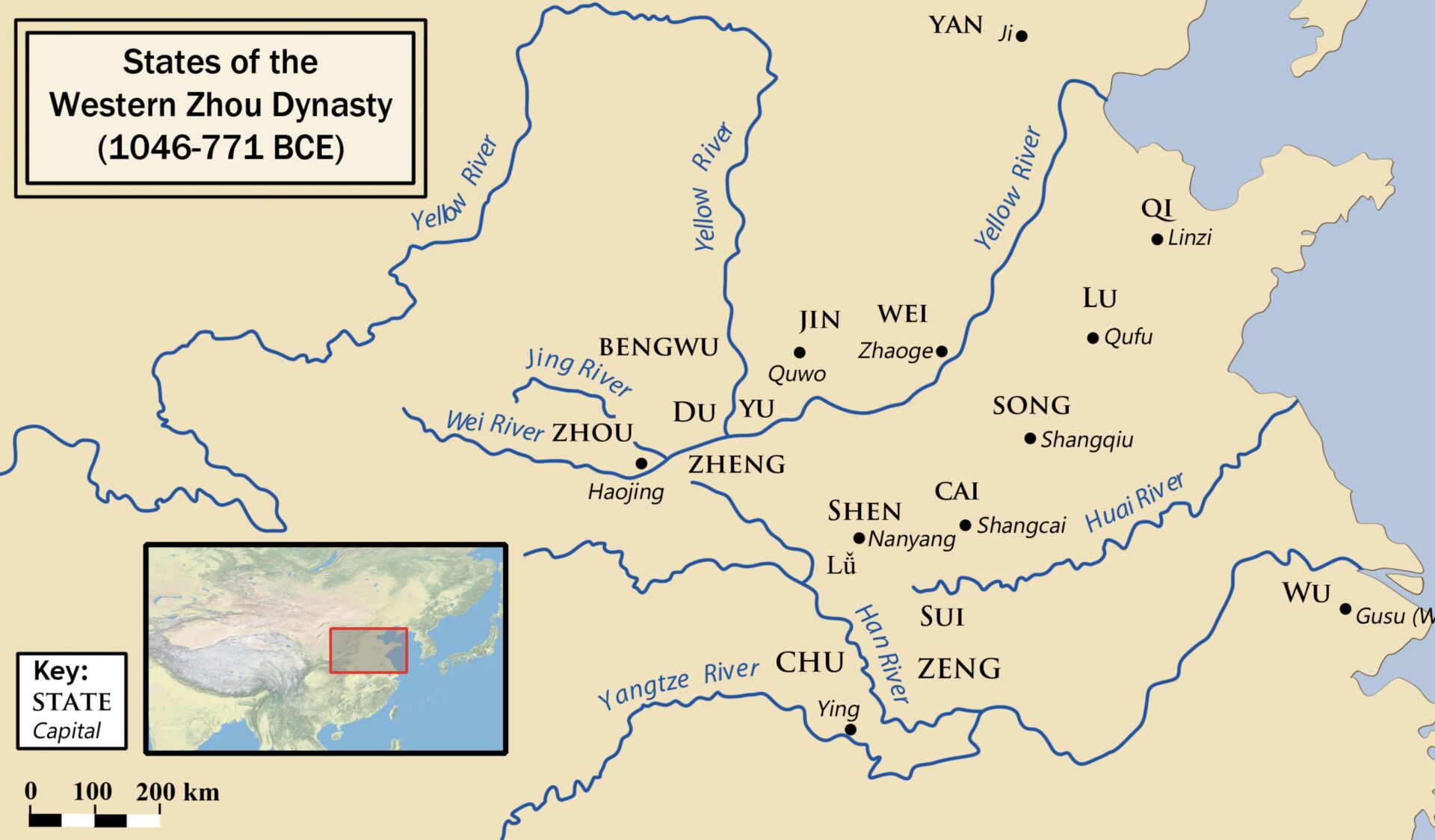
Cities –
Xian
Haojing
Luoyi
Luoyang
Fengjing
Haojing
Zonghzhou
Chengzhou
Henan
Gong
Wangcheng
Wanqiu
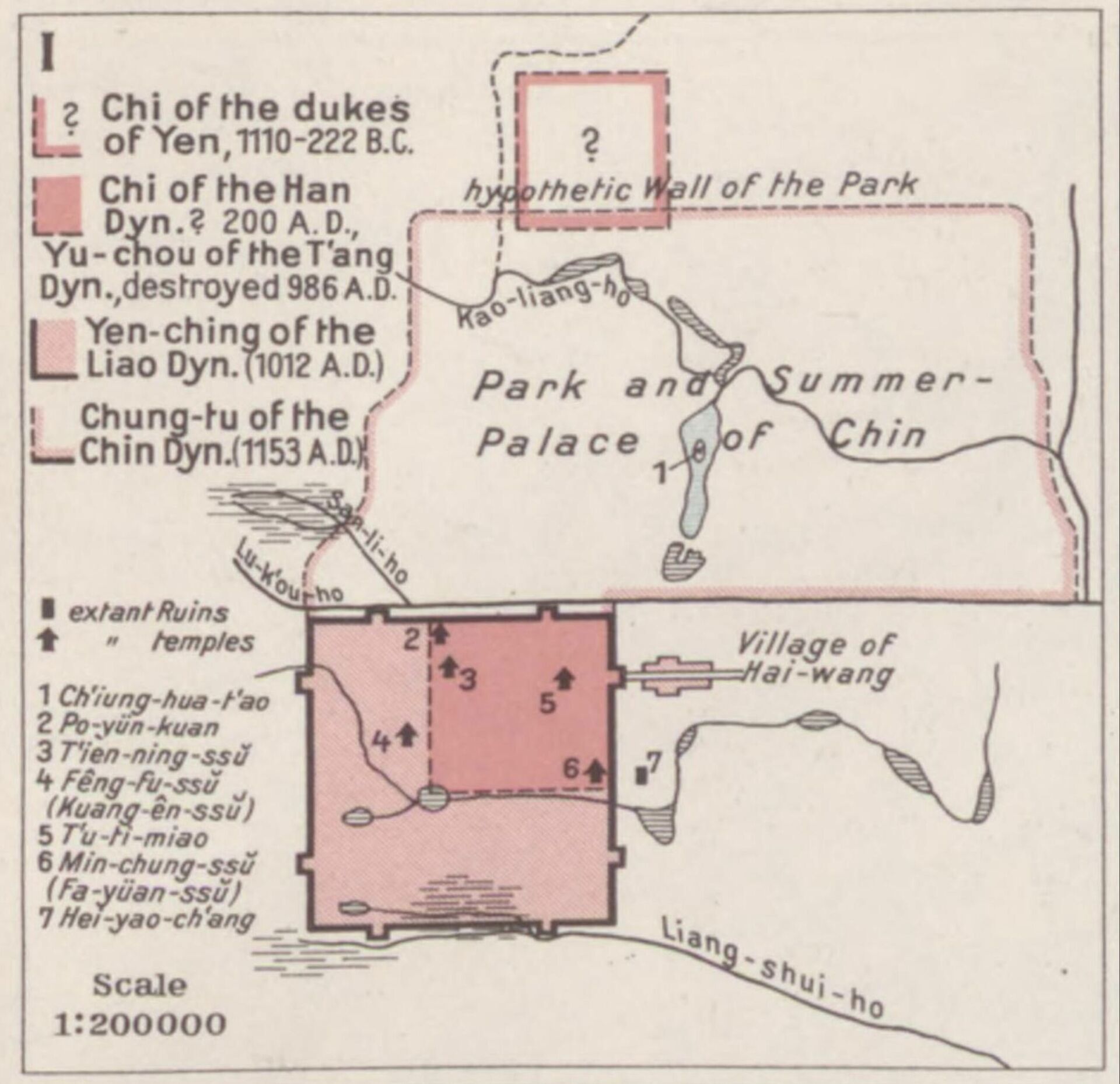
Jicheng (Ji)
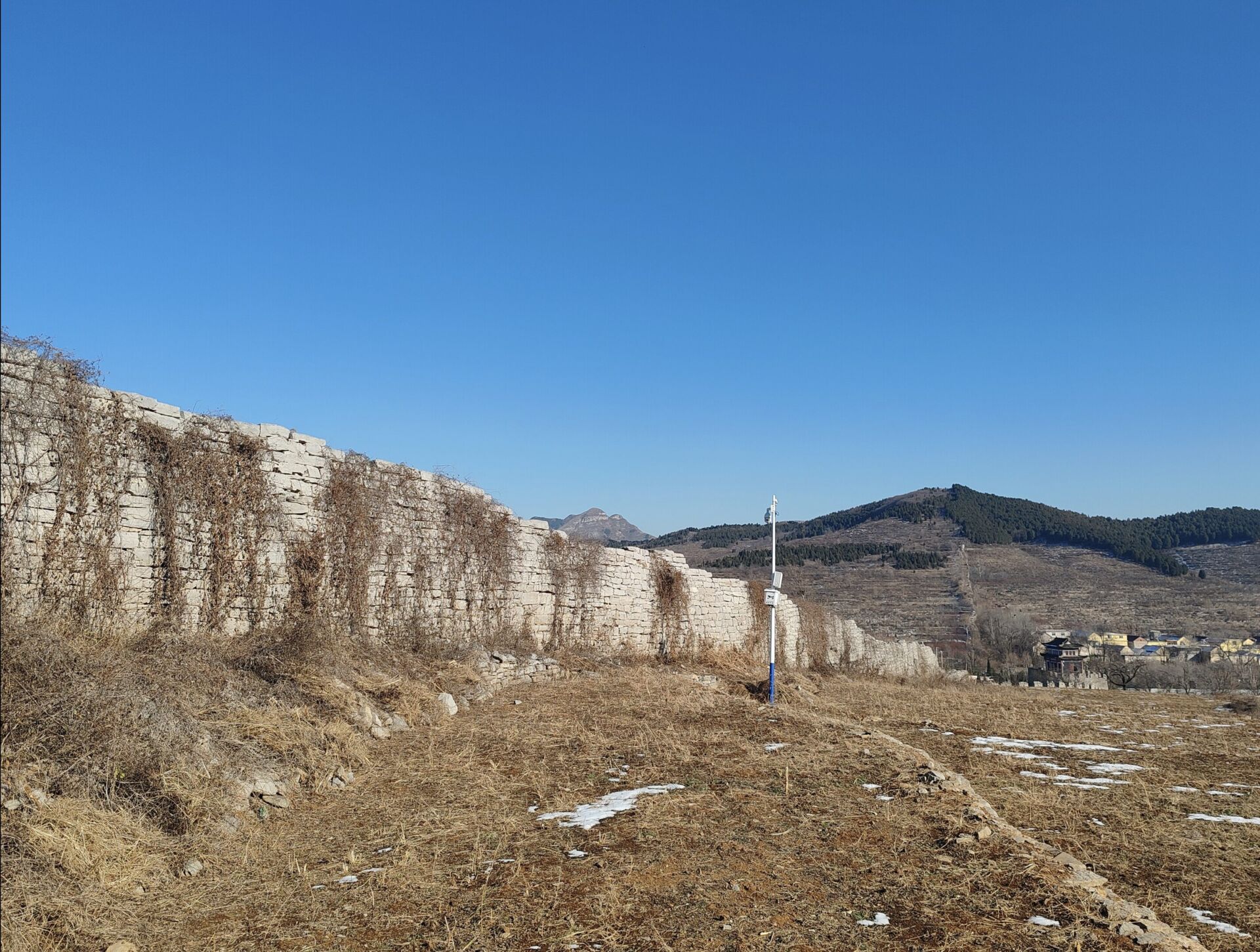
Qi Great Wall
Zhou Royal Palace Zhouyuan
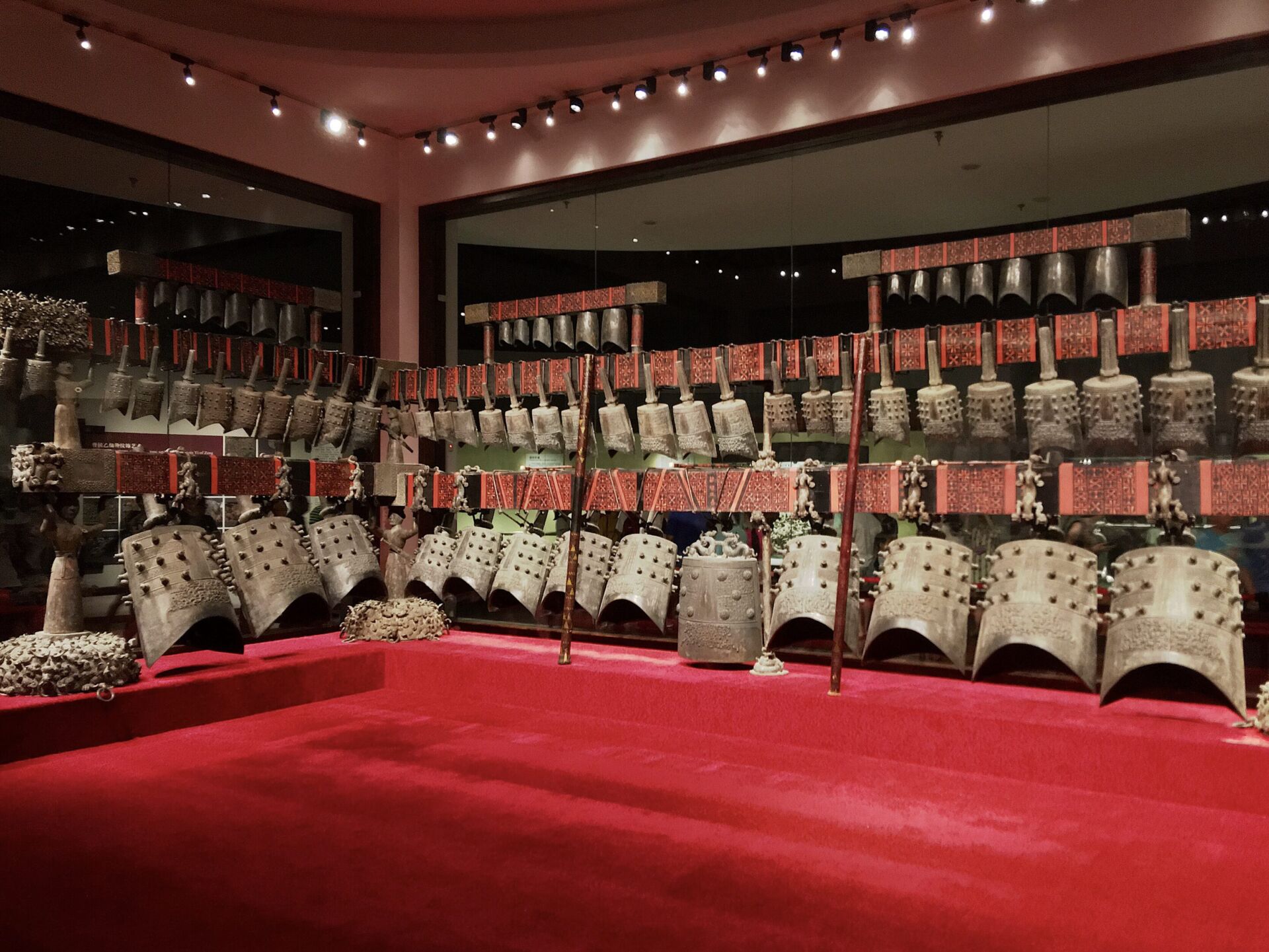
Bianzhong of Marquis Yi of Zeng
Relay Inns
Official Guest Residences (binfu 賓府 / guanshe 館舍)
State Way-Stations (yi 驛 / zhanying 站營)
Regional Administrative Lodgings (ting 亭)
Clan or Noble Hospitality (Private Halls / bin fang 賓房)
Temple or Ritual Lodgings
Market or Caravan Lodgings
The Zhou li ((周禮) – Rites of Zhou) and later textual records (Yi Li (儀禮), and Li Ji (禮記)) explicitly describe an organized relay-inn system
archaeological sites (especially Fenghao and Luoyang)
Adaptive Reuse
Zhou temples/ancestral halls used to host visitors, envoys, and travellers.