Architectural Styles

Elizabethan

Alt names / subperiods 

Timeline

Distinguishing Features

Geographic Presence

Tudor

Early Stuart period.


Wikipedia

1558 – 1625

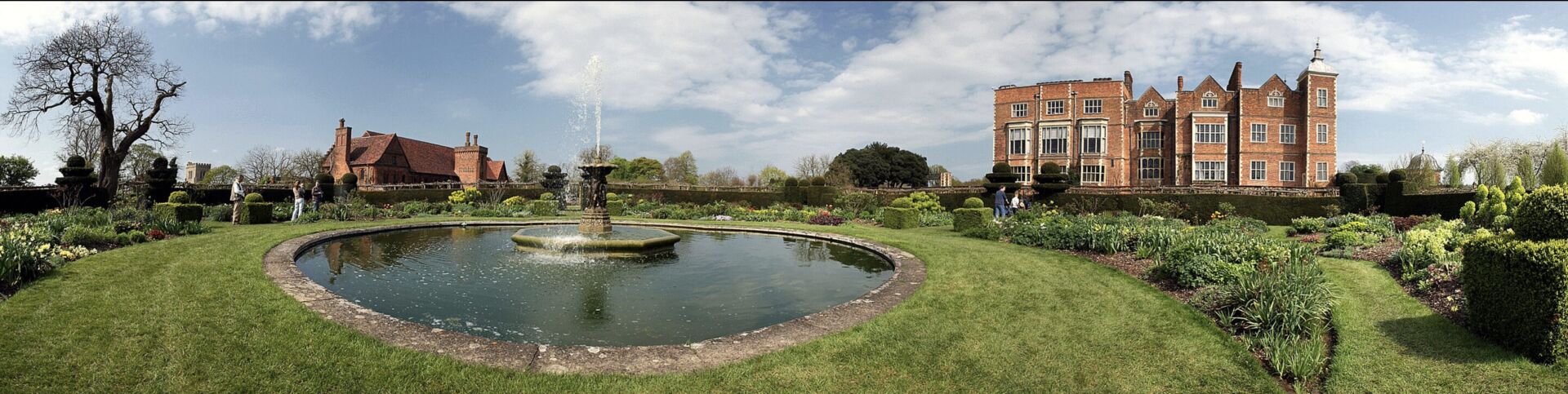
  • Asymmetrical designs with irregular shapes and layouts
  • Overhanging Upper Stories with decorative wooden brackets
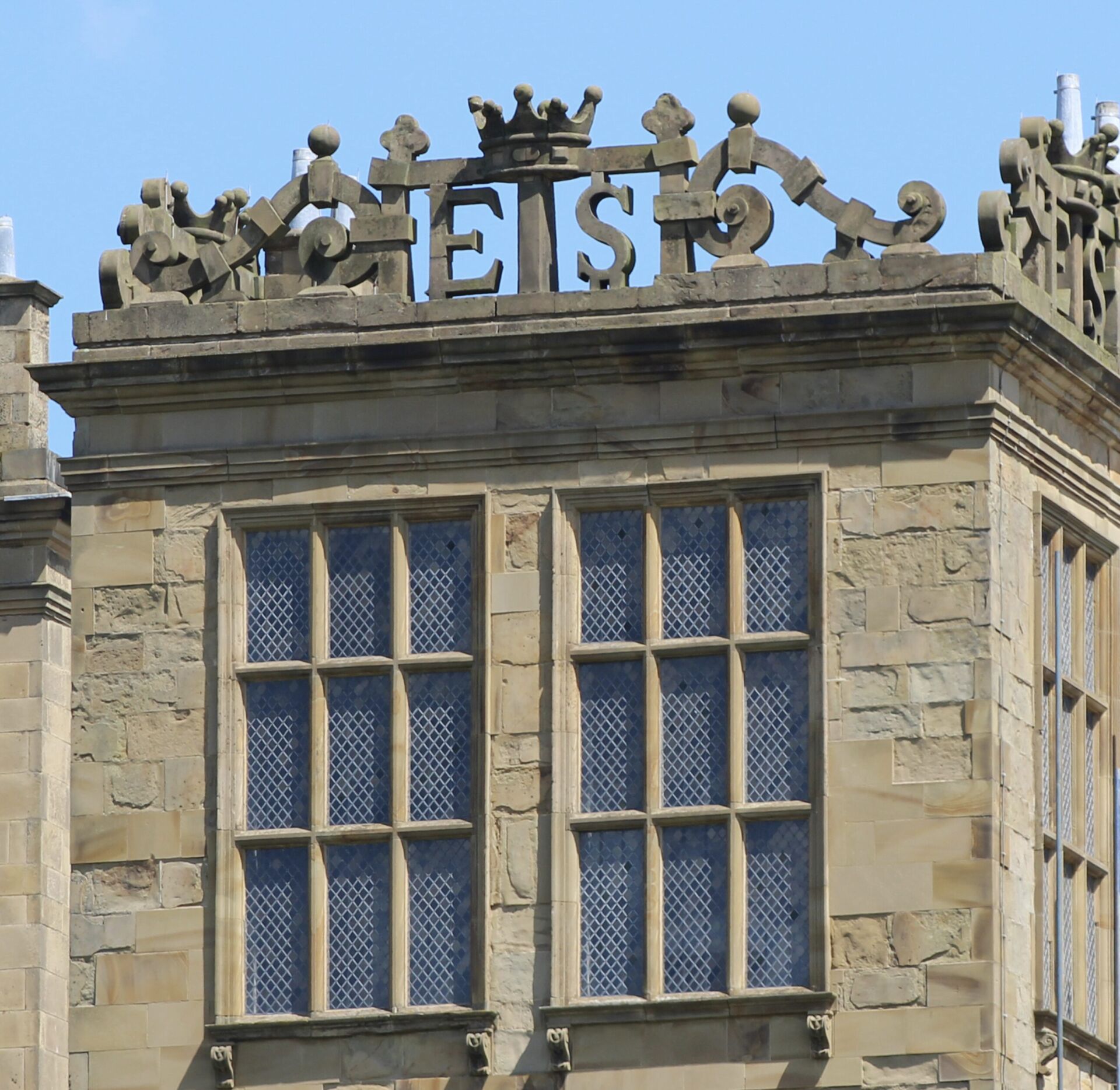
  • prominent decorative chimneys
  • half-timbering frames
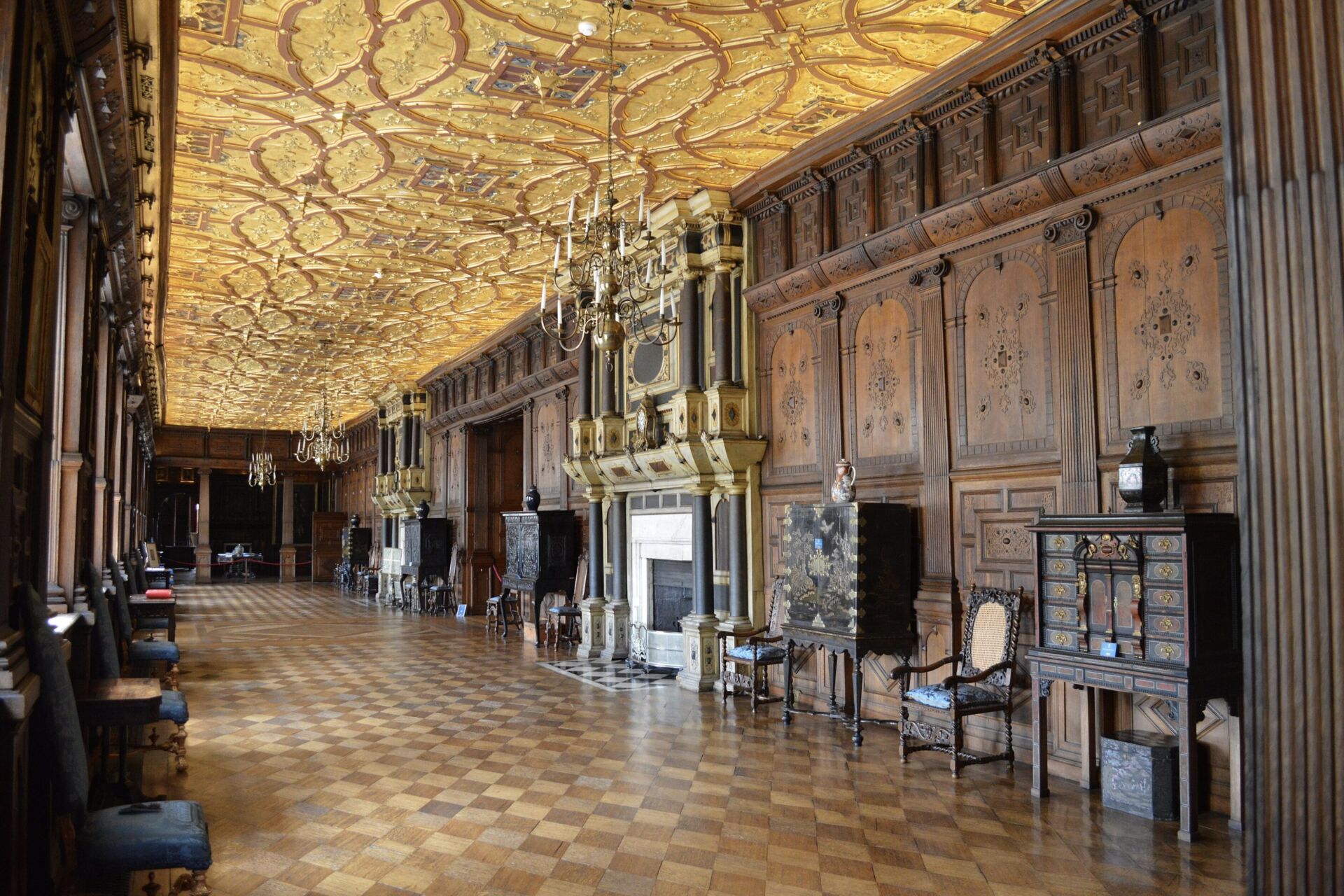
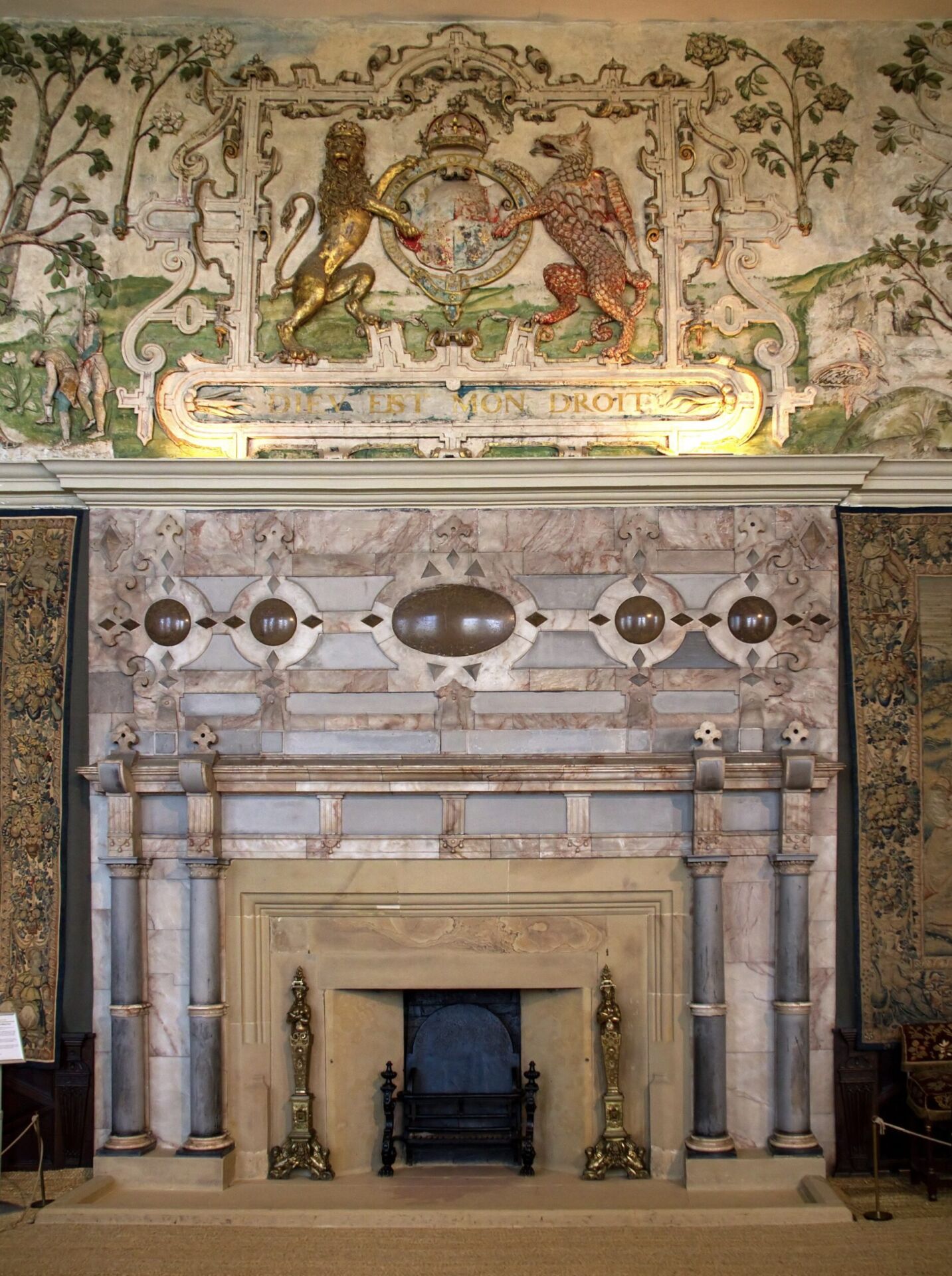
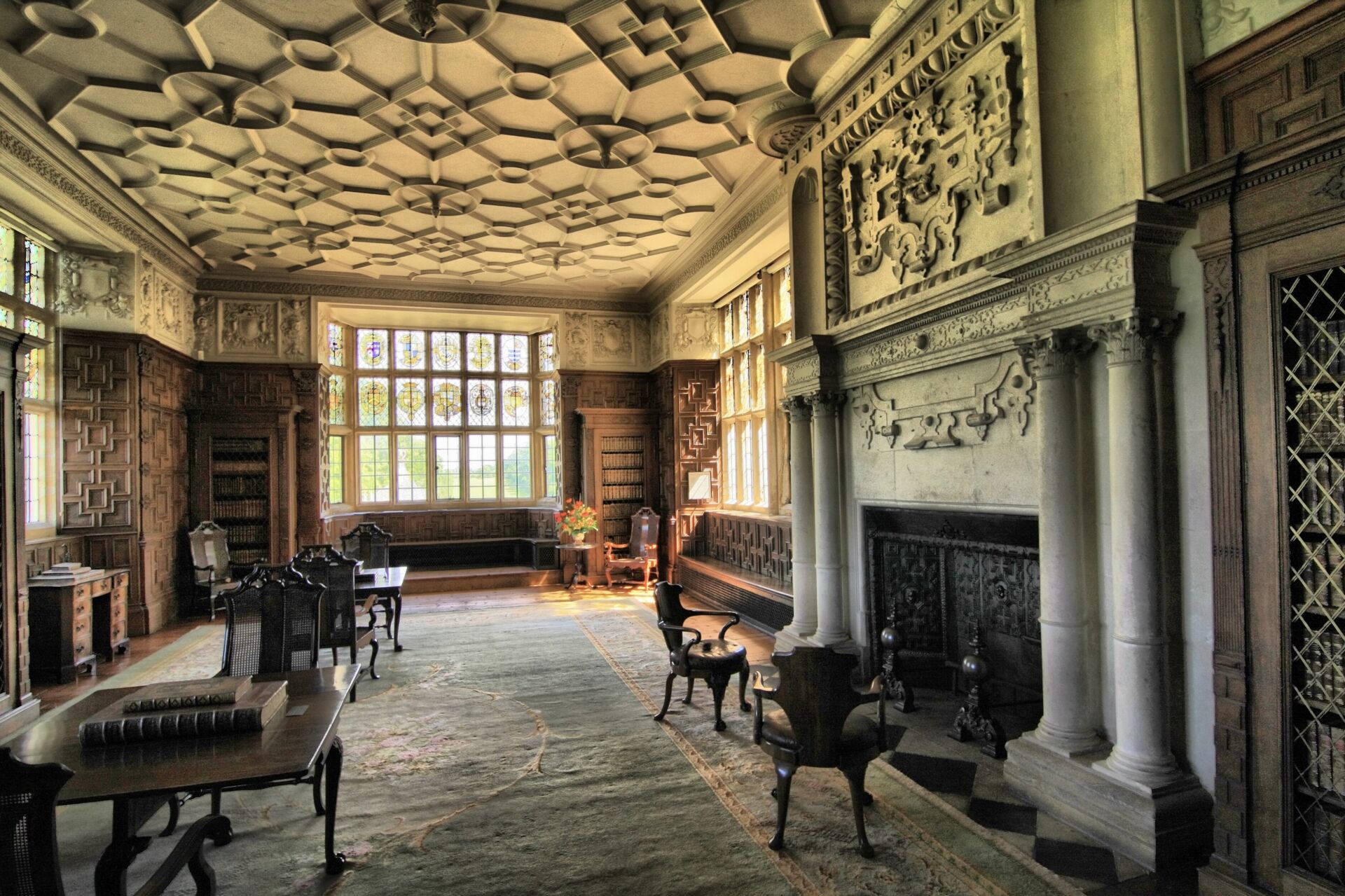
  • intricate stone carvings
  • England – Cotsworlds
  • Colonial USA – Chesapeake

Common Building Types

Landmark buildings

Historic Accommodation Types

Custom Hotel Examples

  • Secular Buildings incl
  • prodigy houses
  • manor houses
  • country houses
  • guildhalls
  • town halls
  • Residential homes
  • farmhouses
  • churches
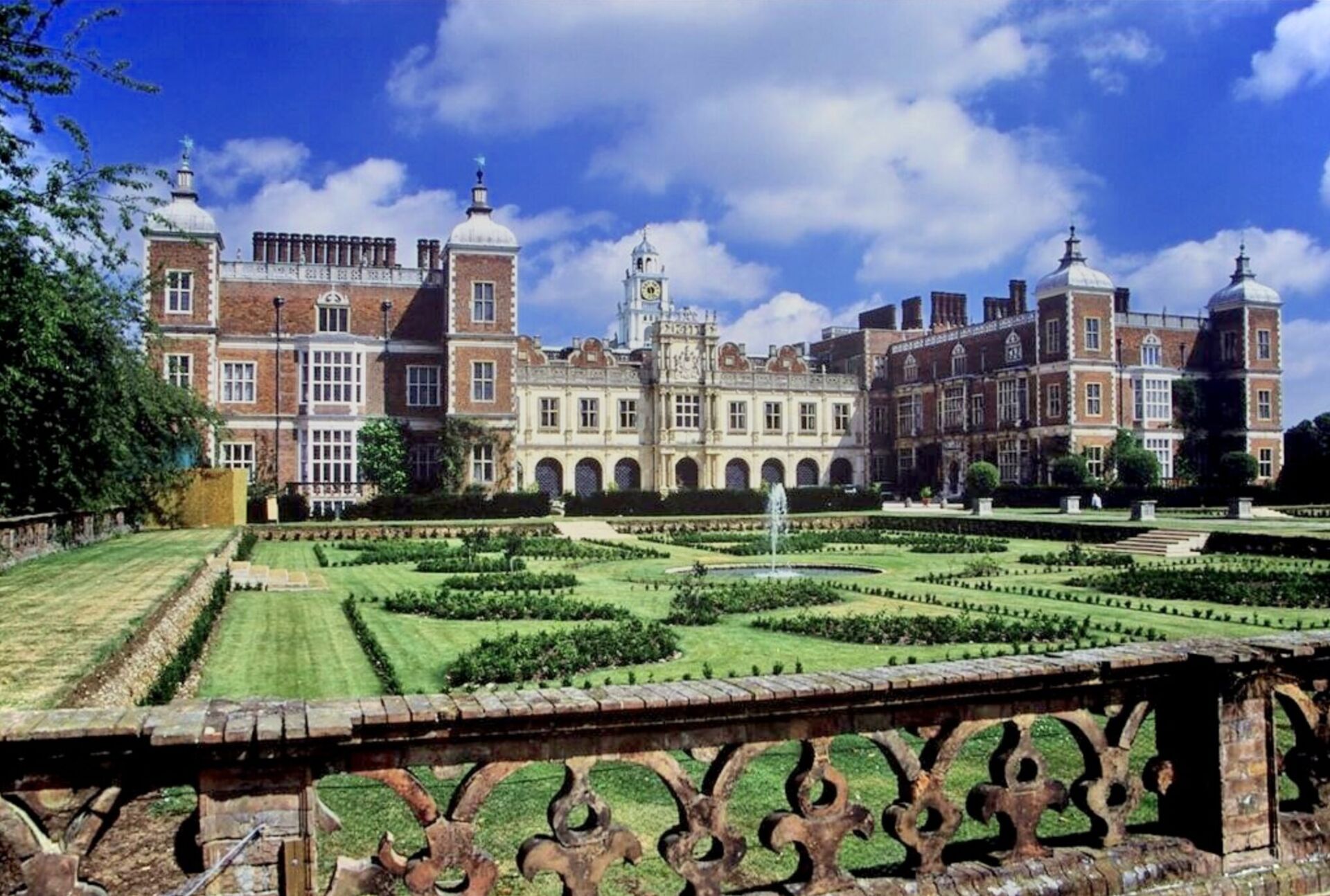
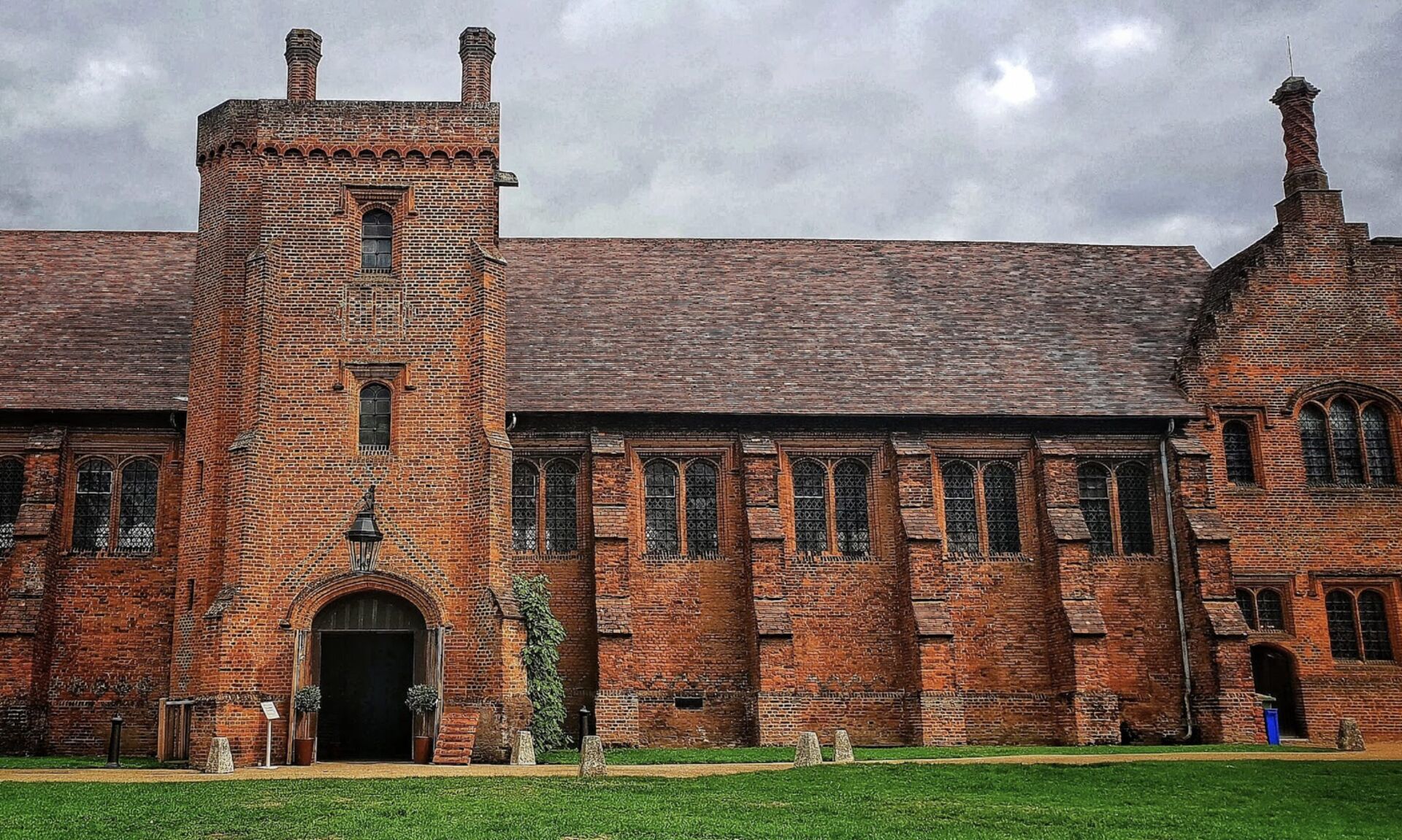
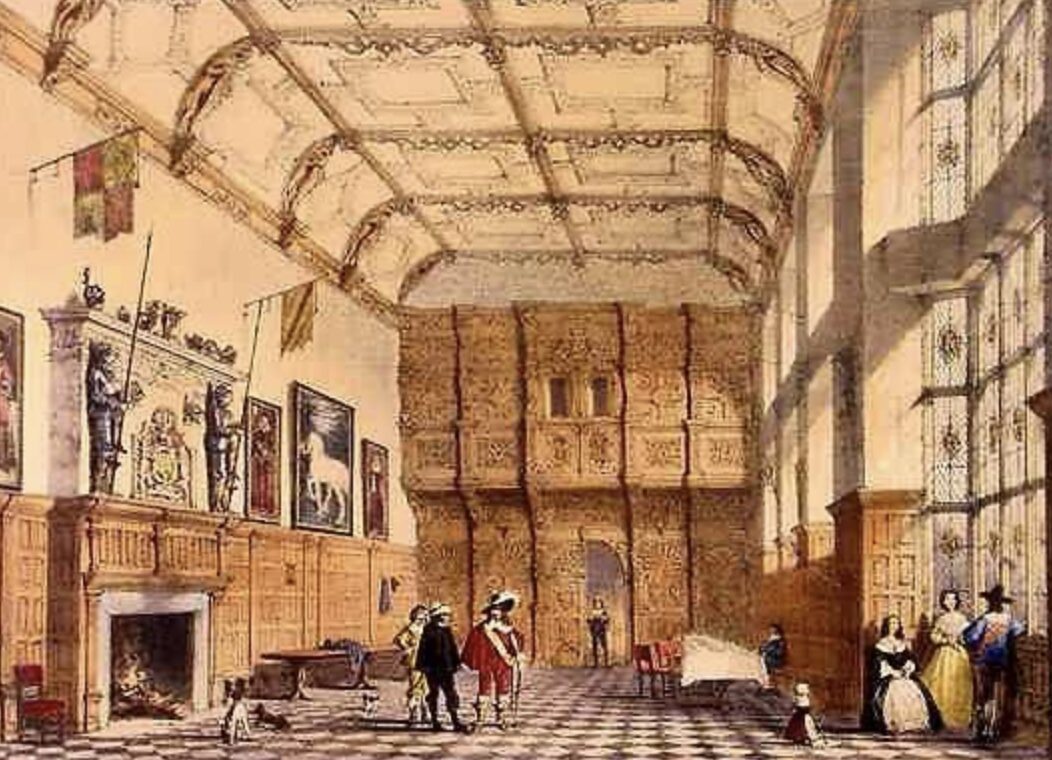
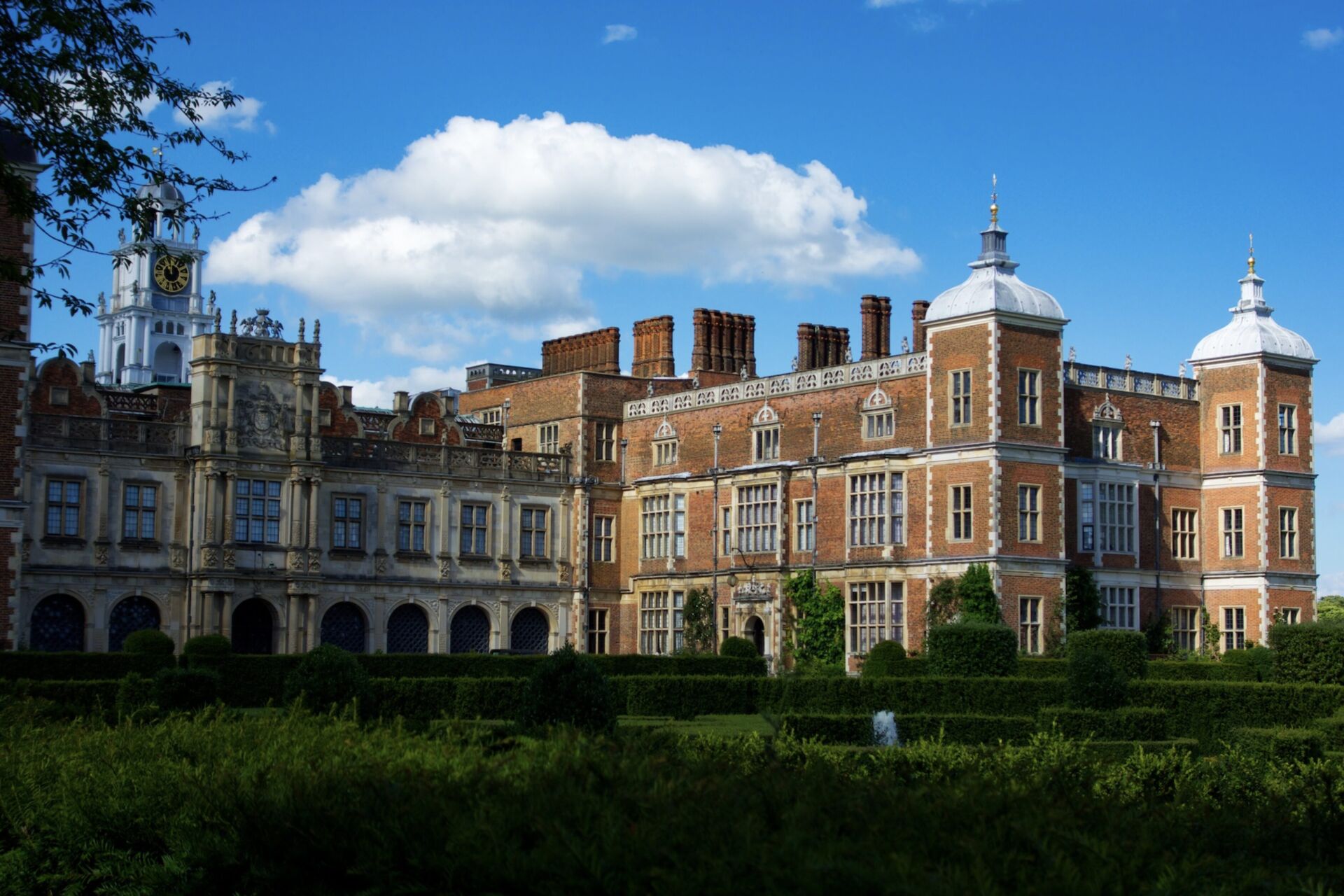
  • Hatfield House Hertfordshire
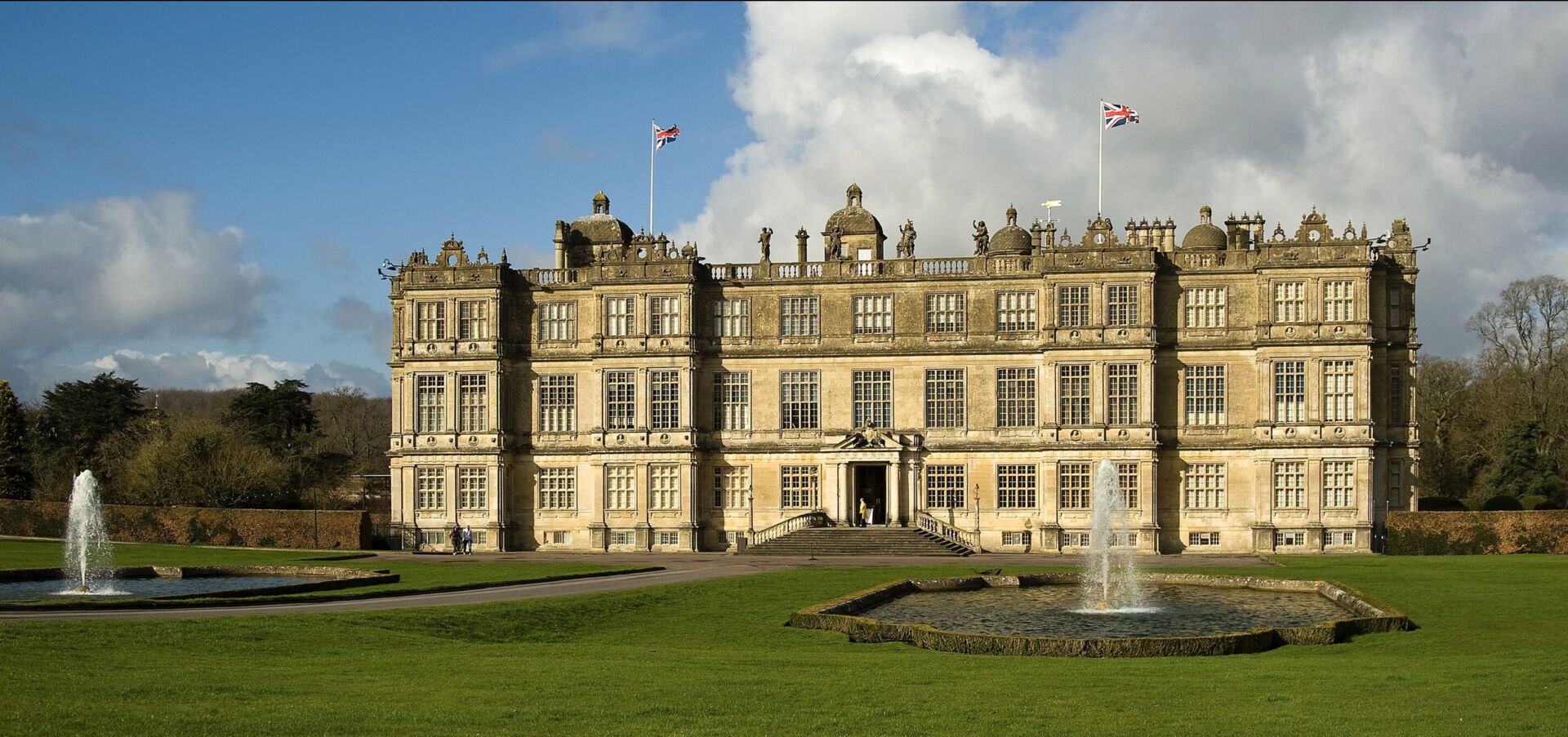
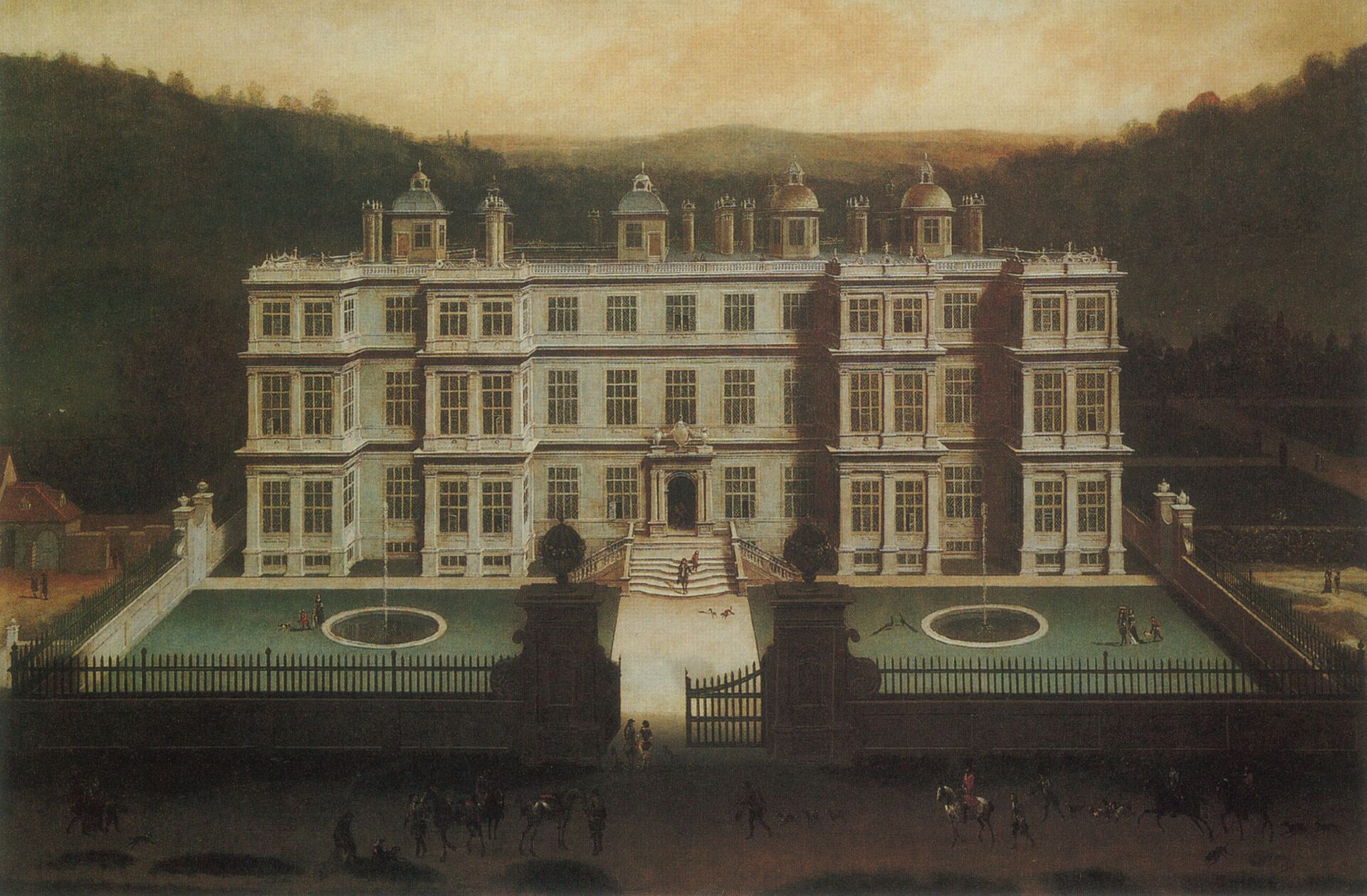
  • Longleat House Wiltshire
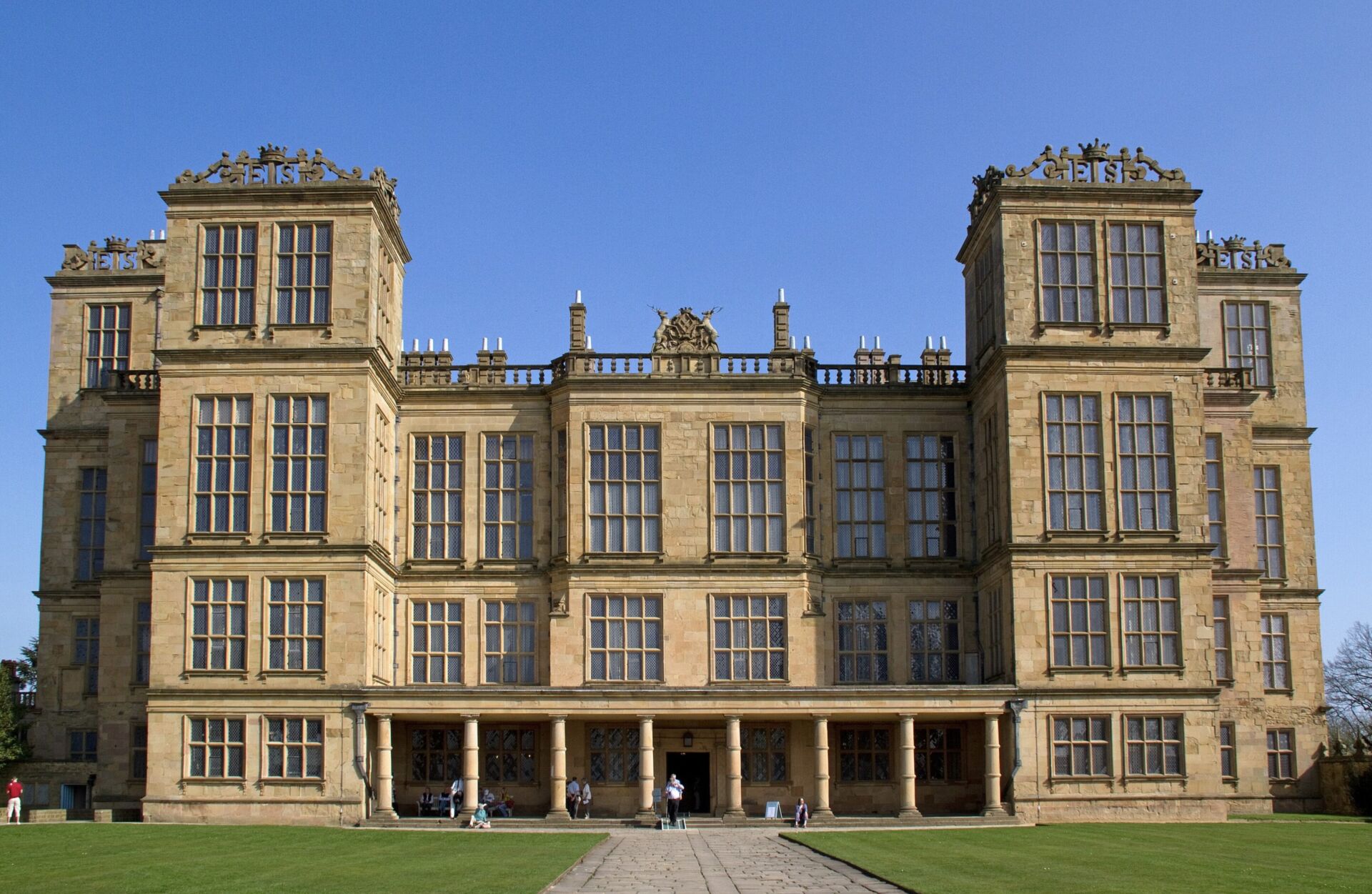
  • Hardwick Hall Derbyshire
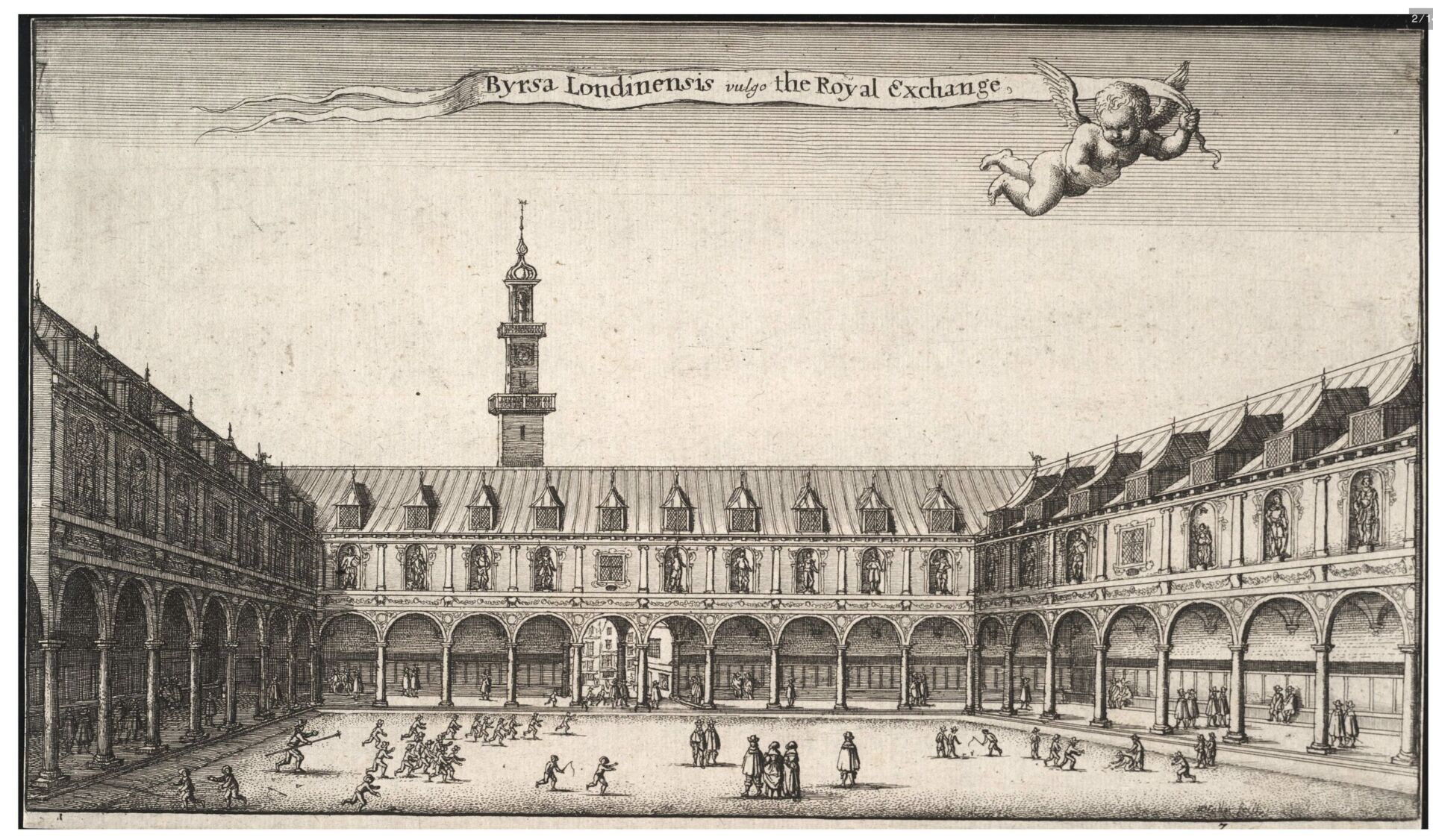
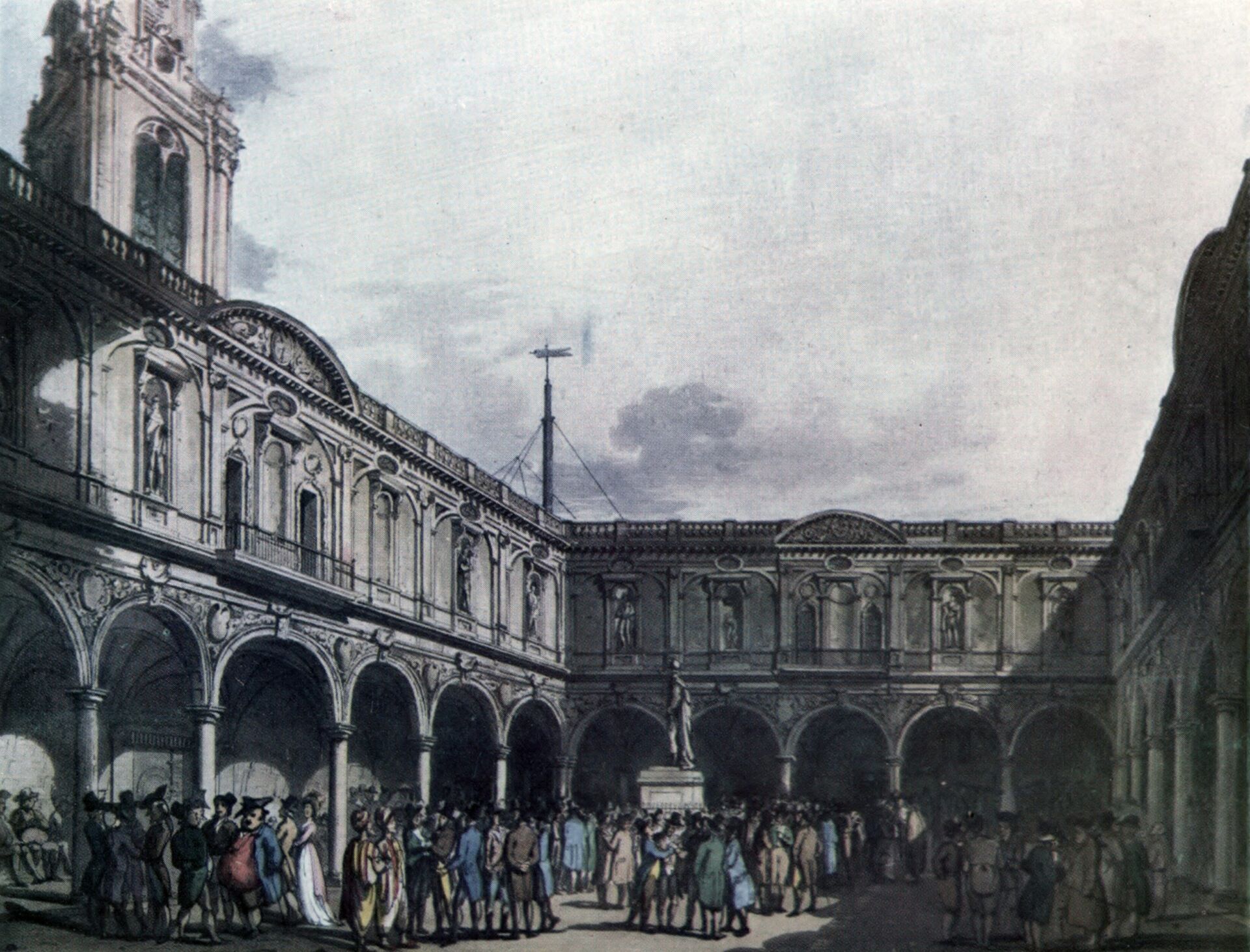
  • Royal Exchange London,
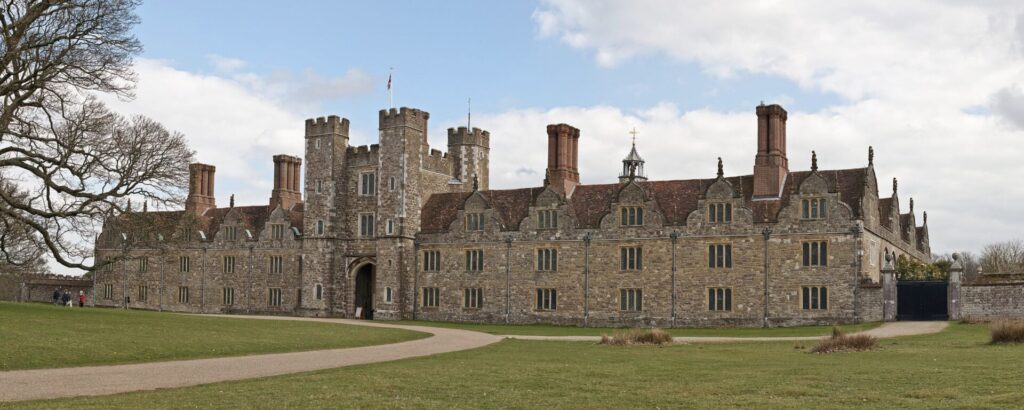
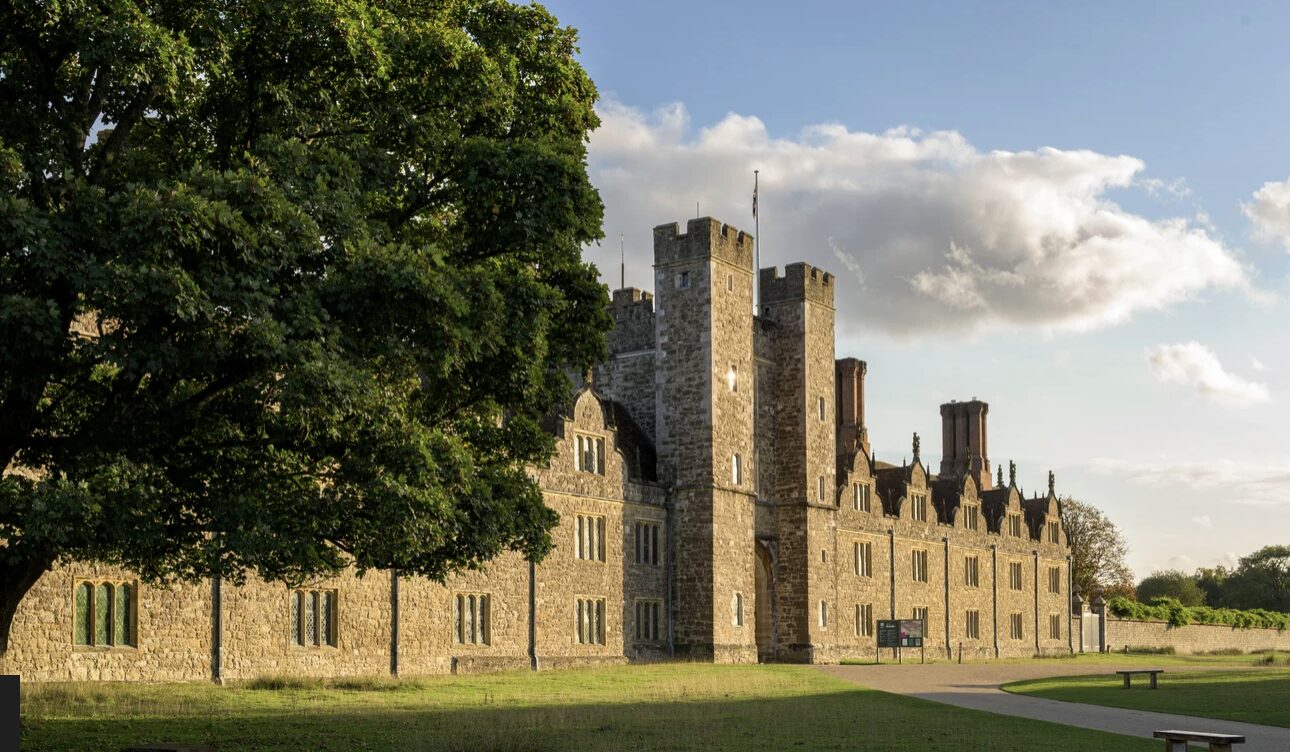
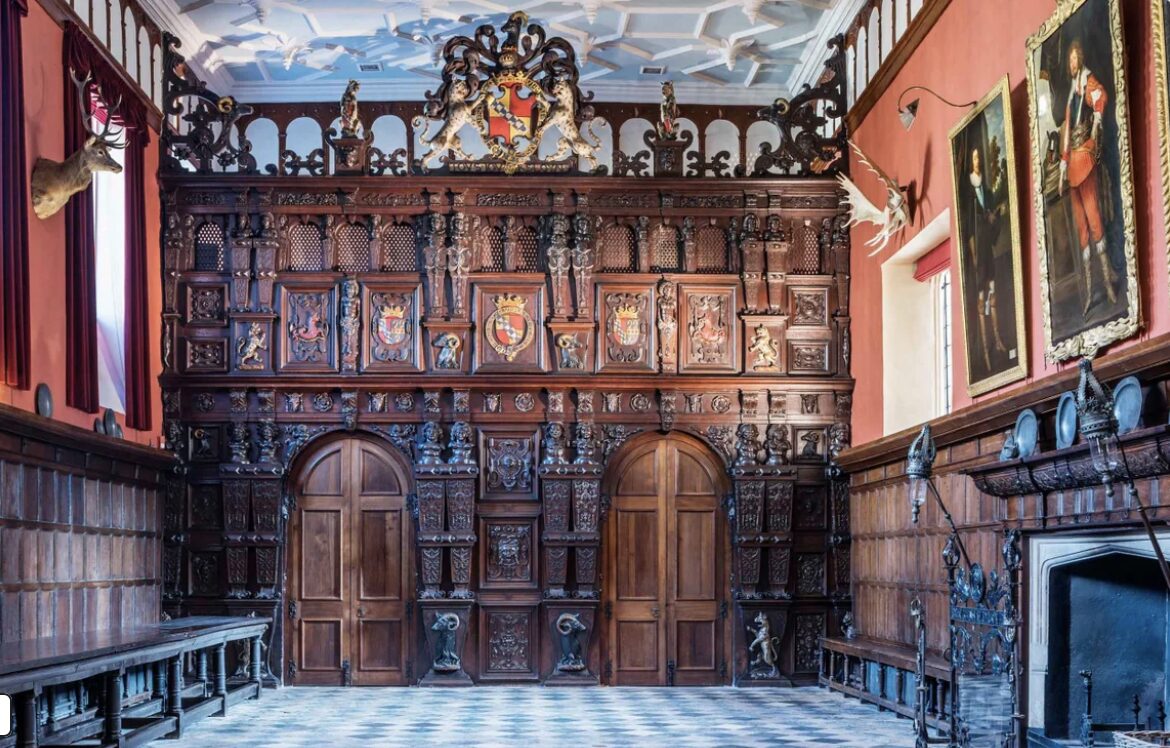
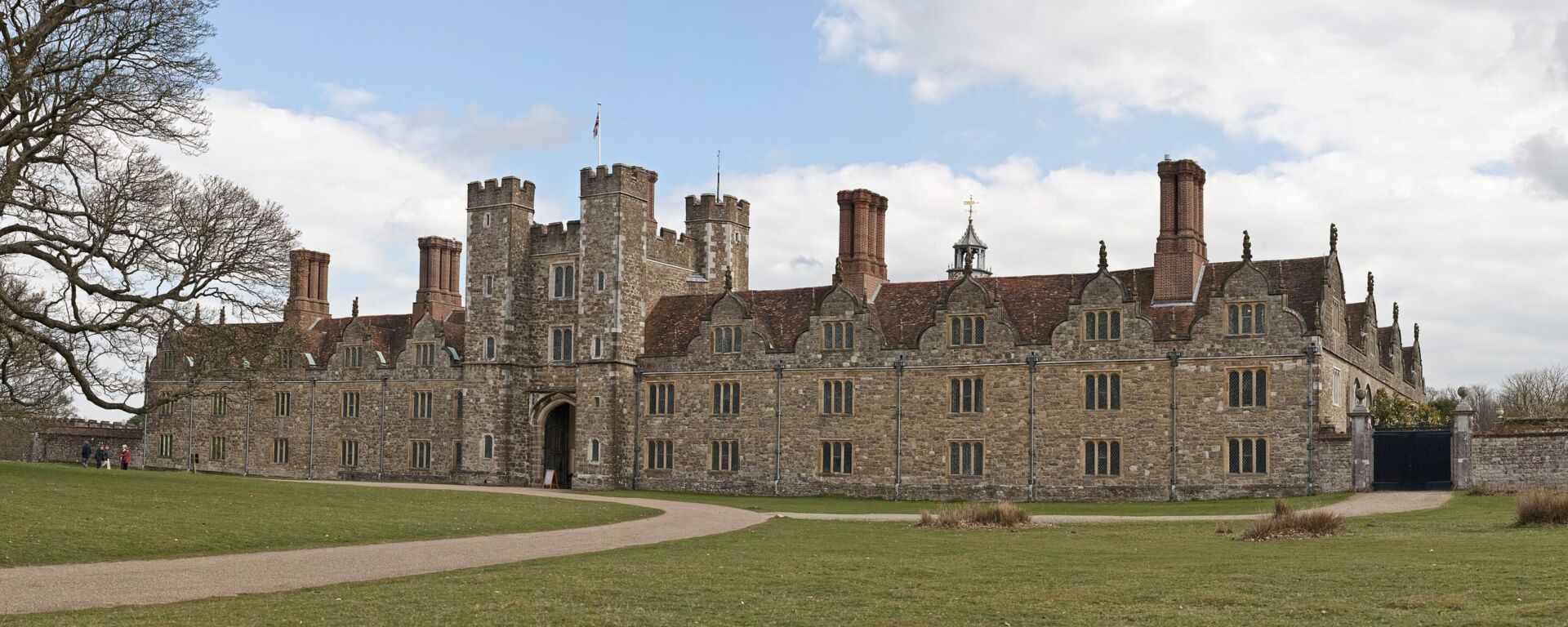
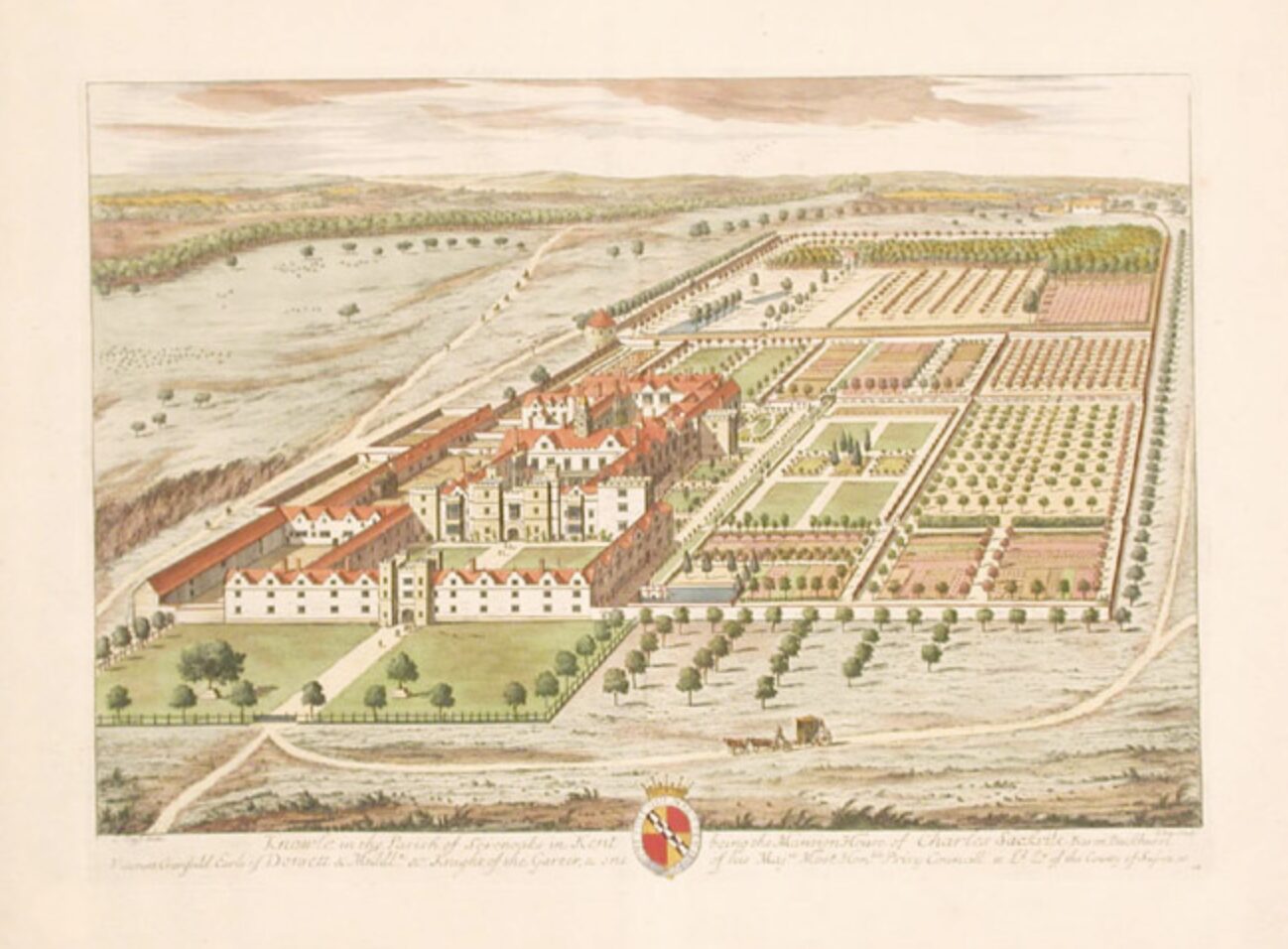
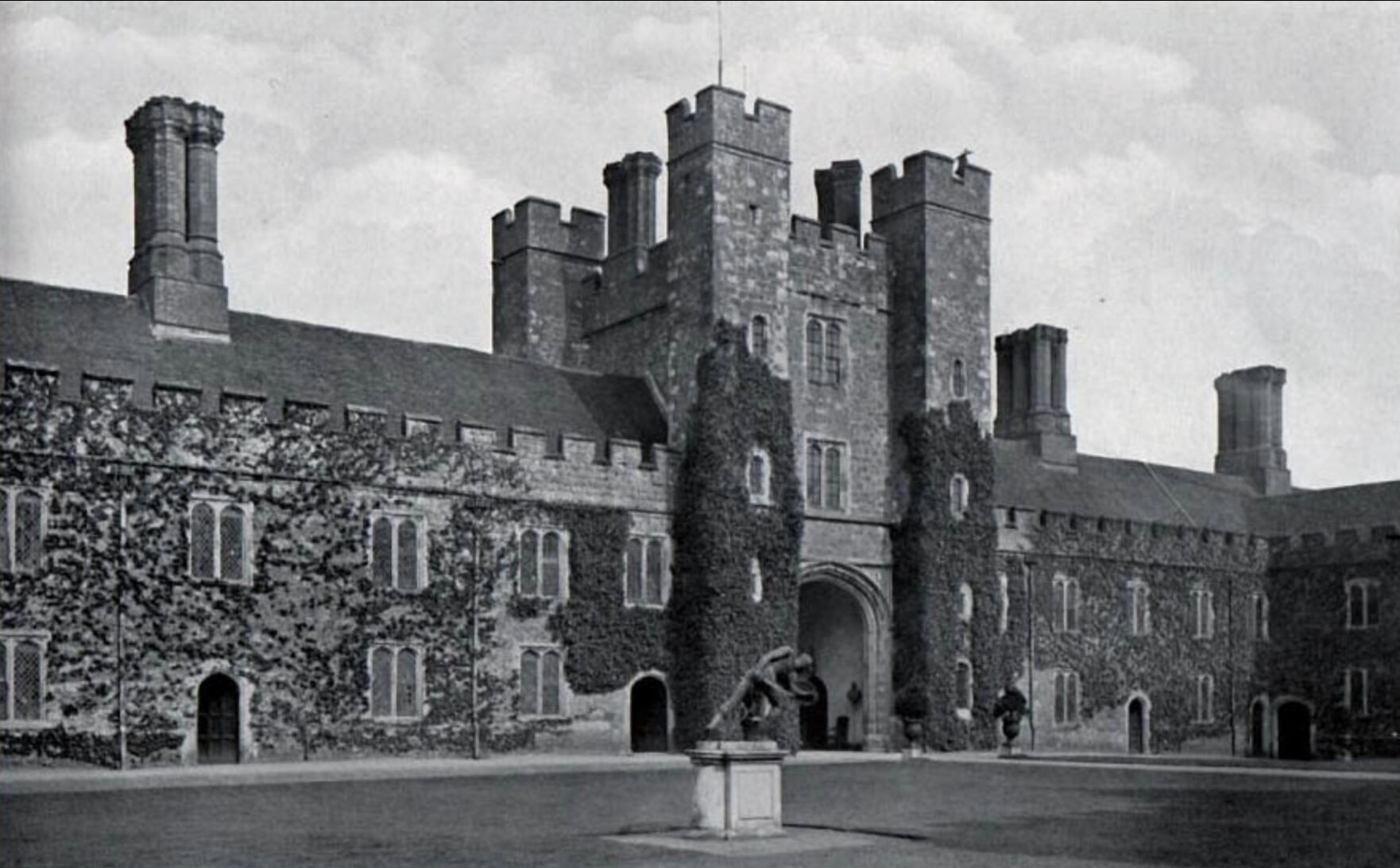
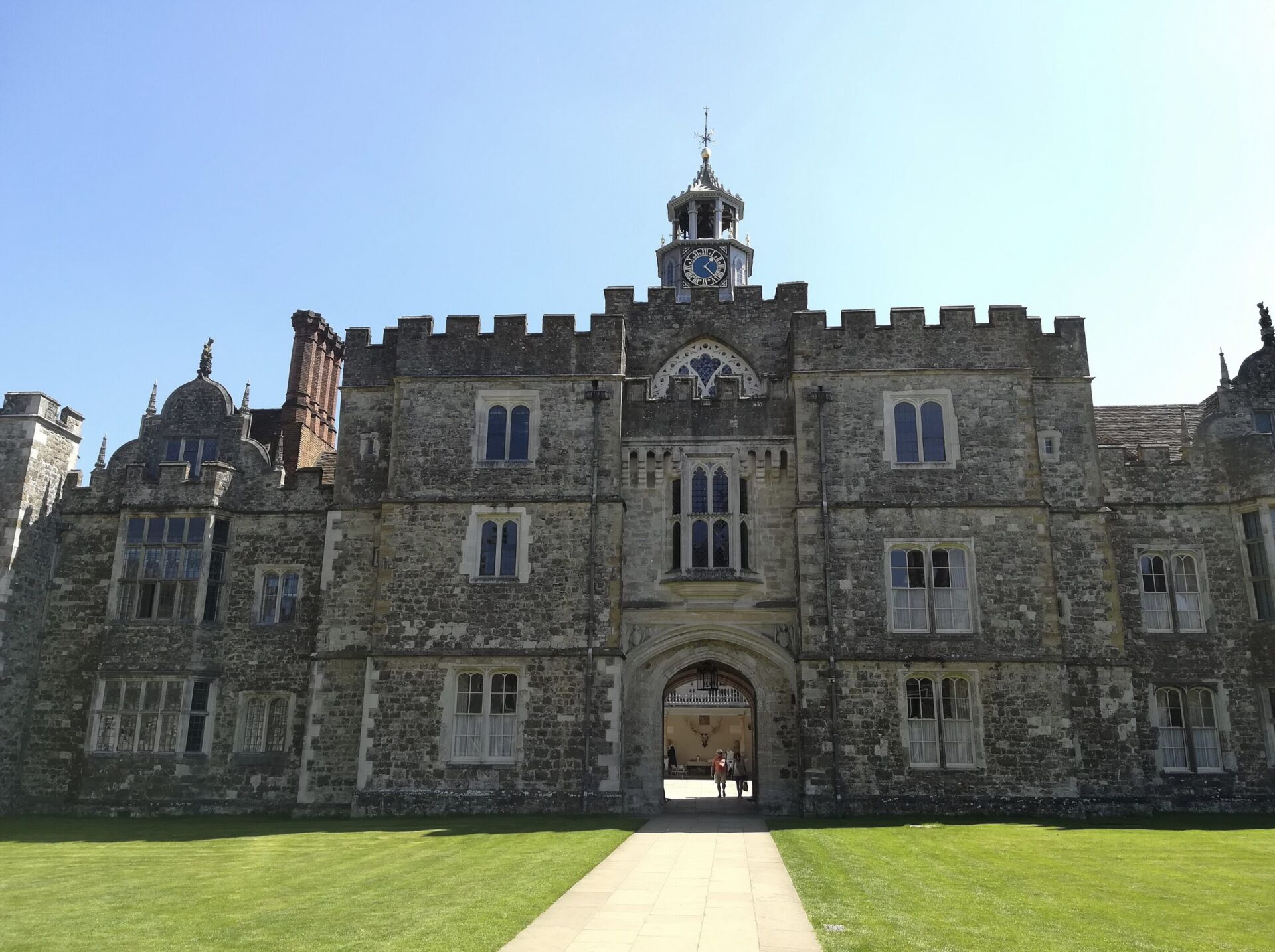
  • Knole House Kent,
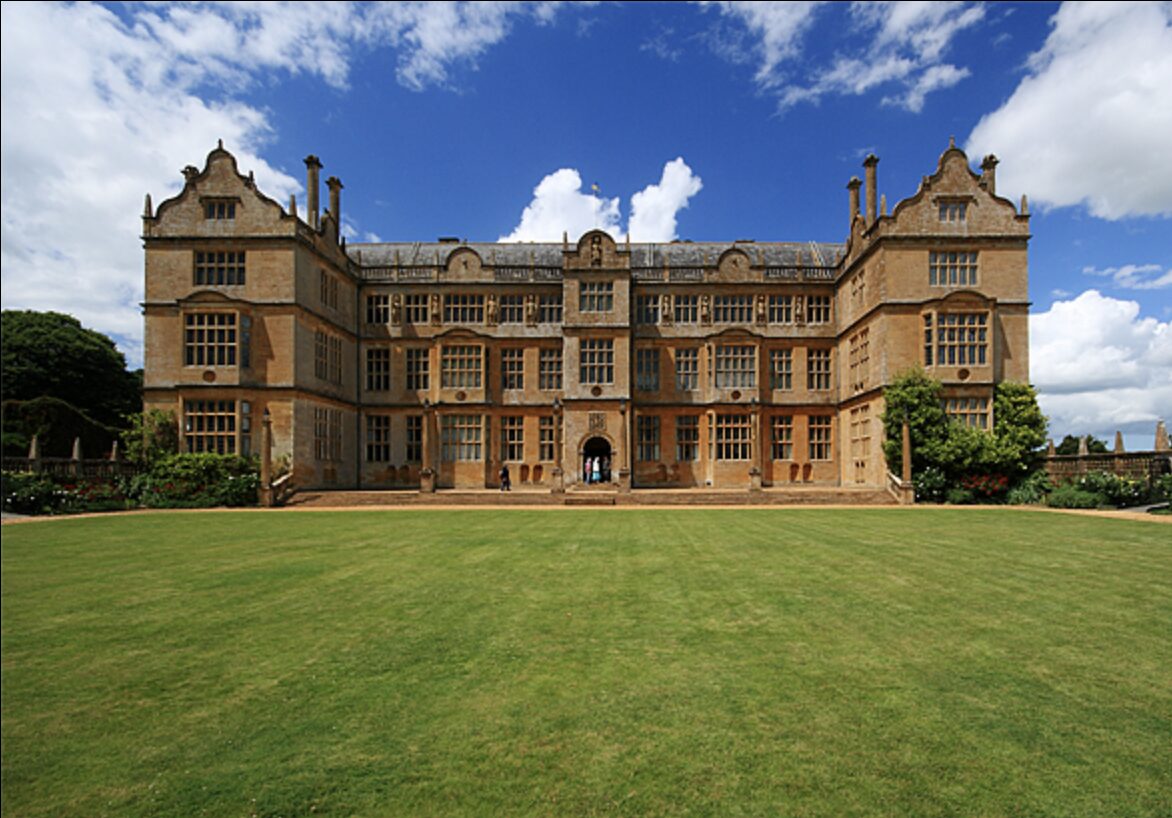
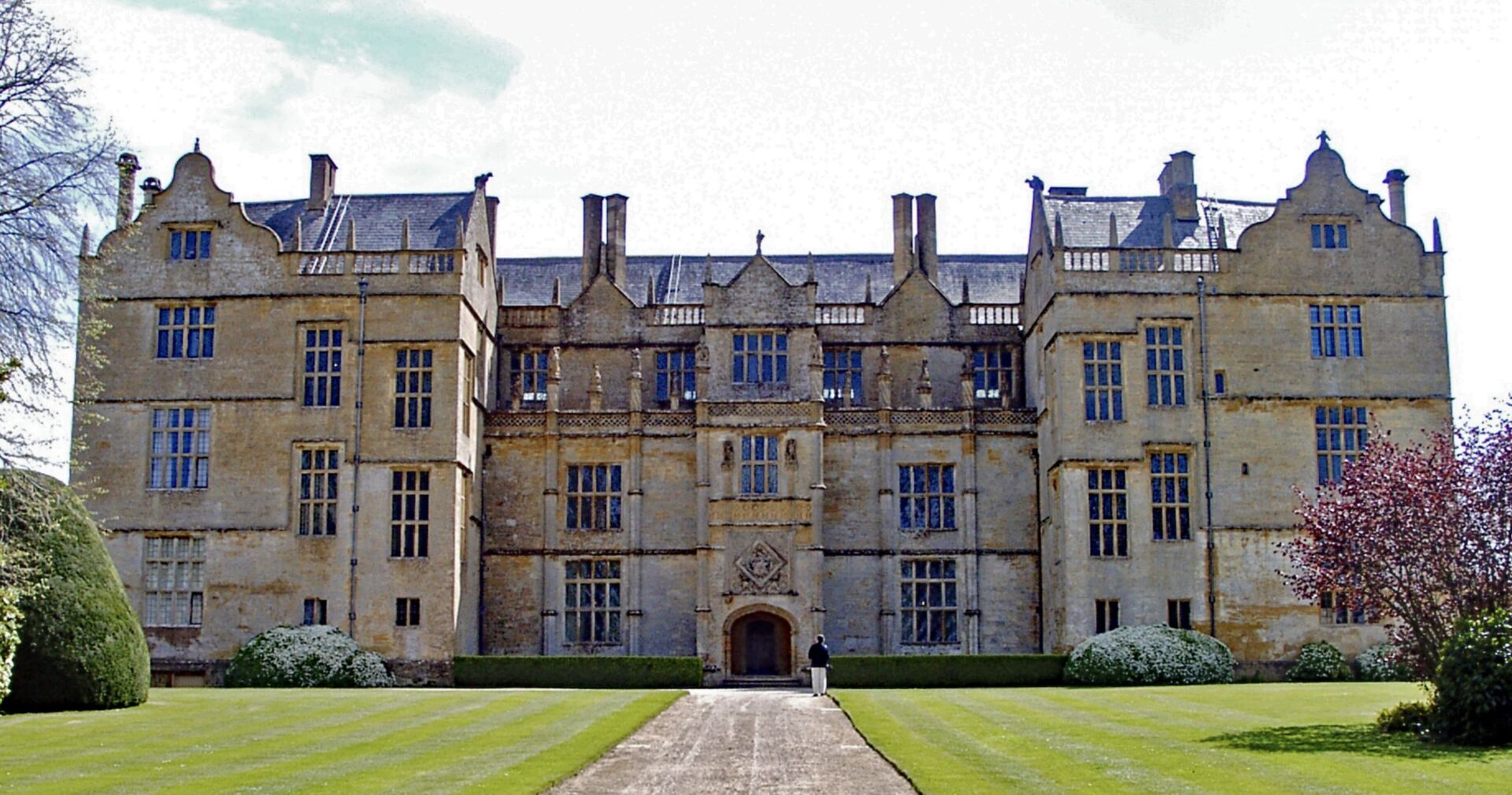
  • Montacute House Somerset
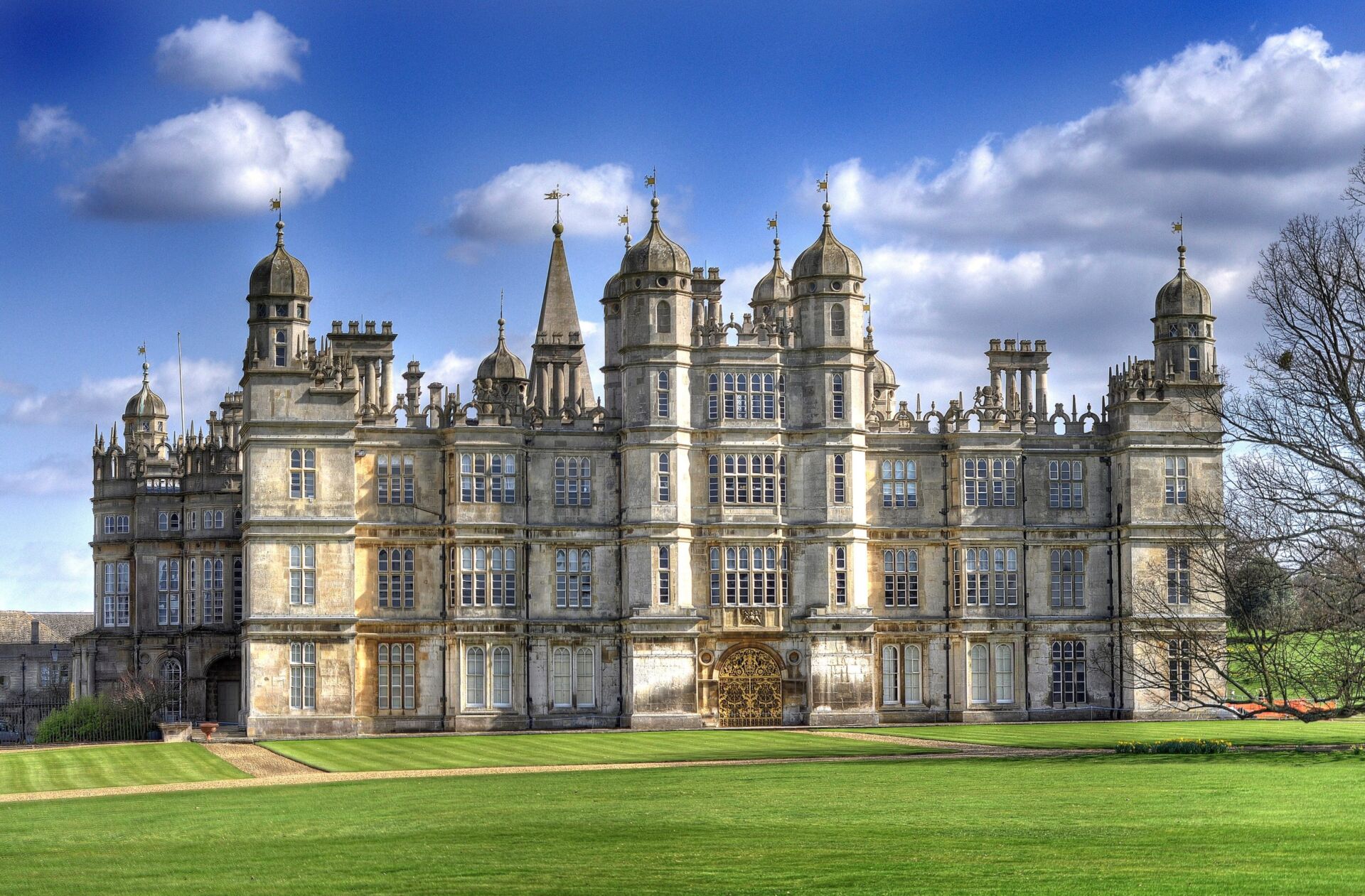
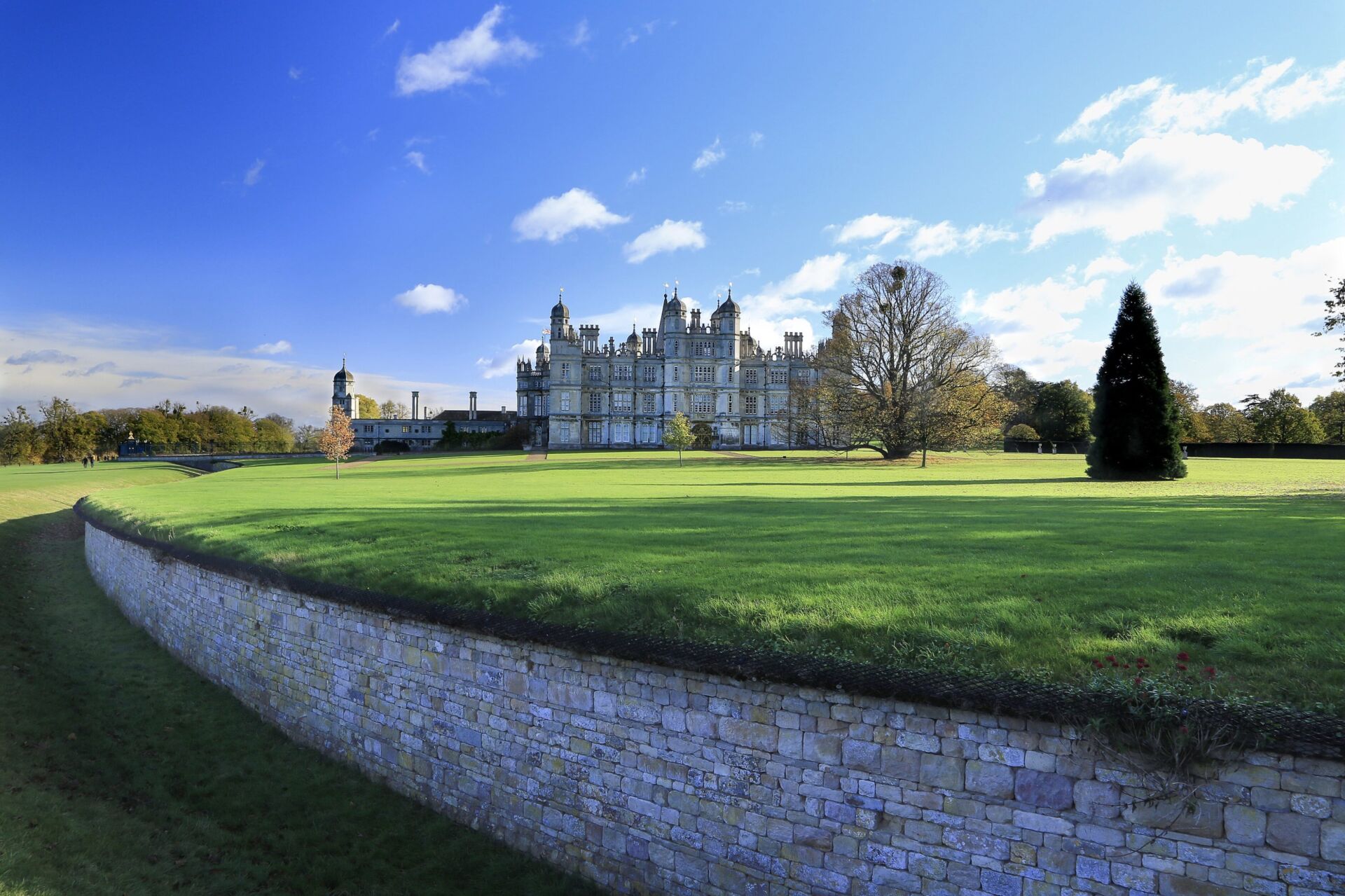
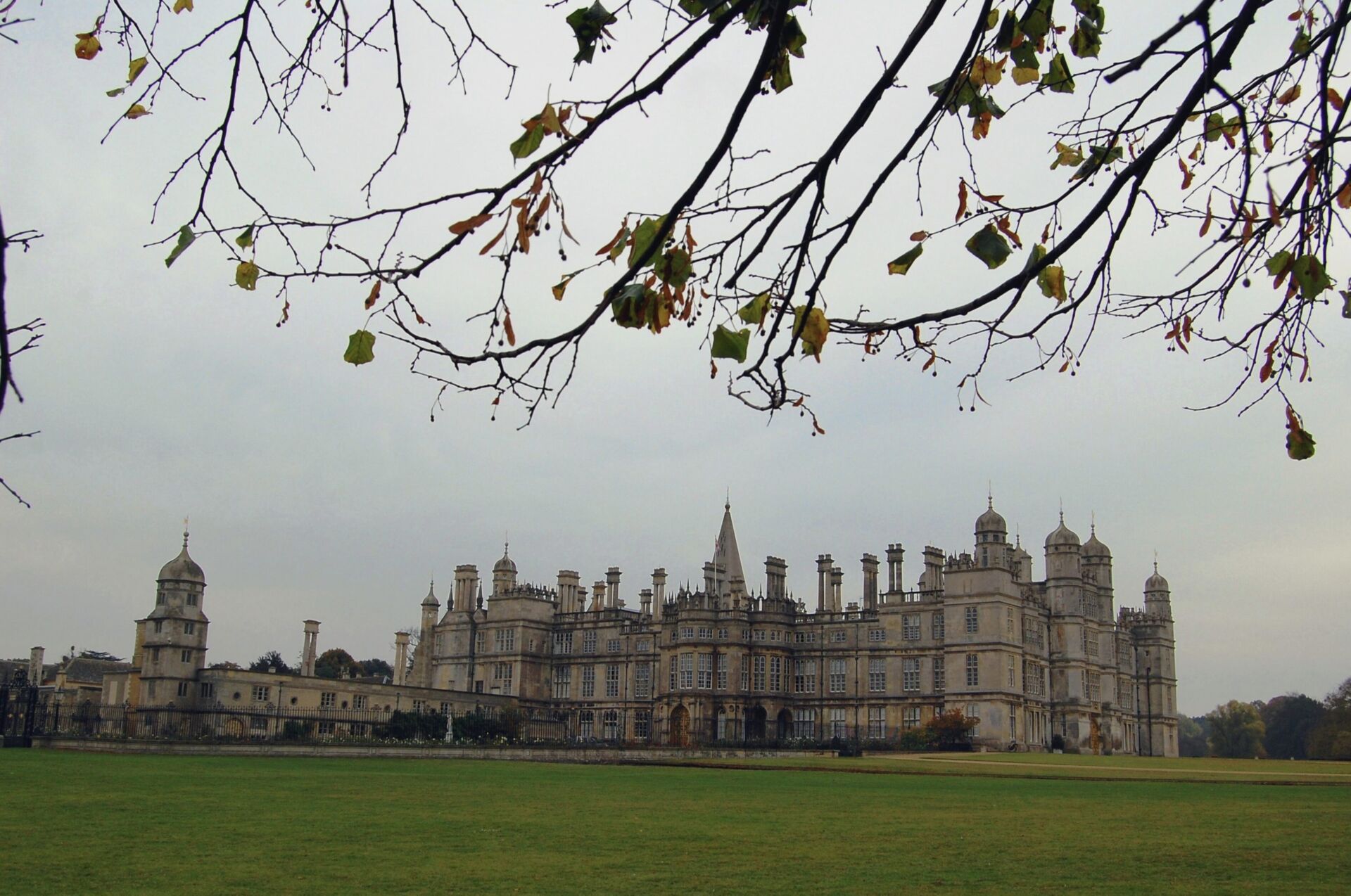
  • Burghley House Lincolnshire
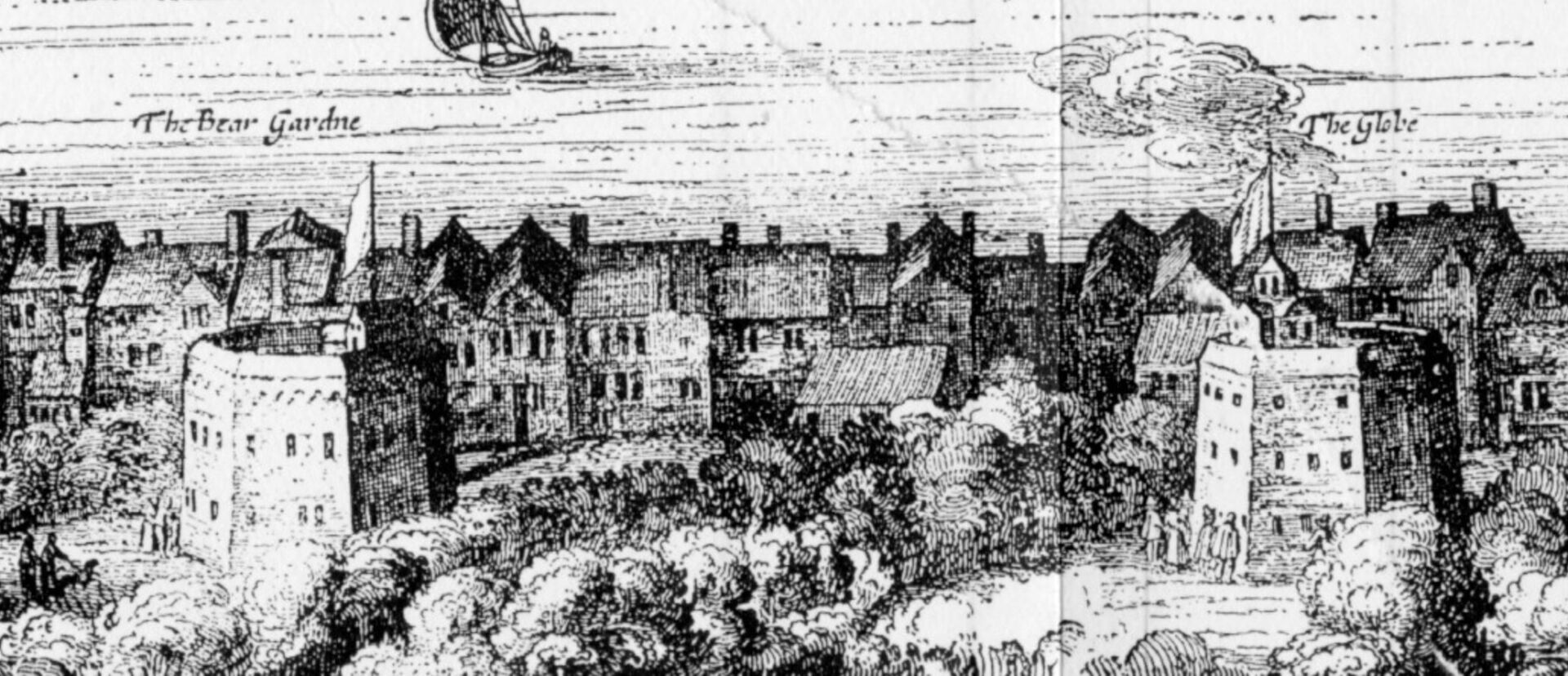
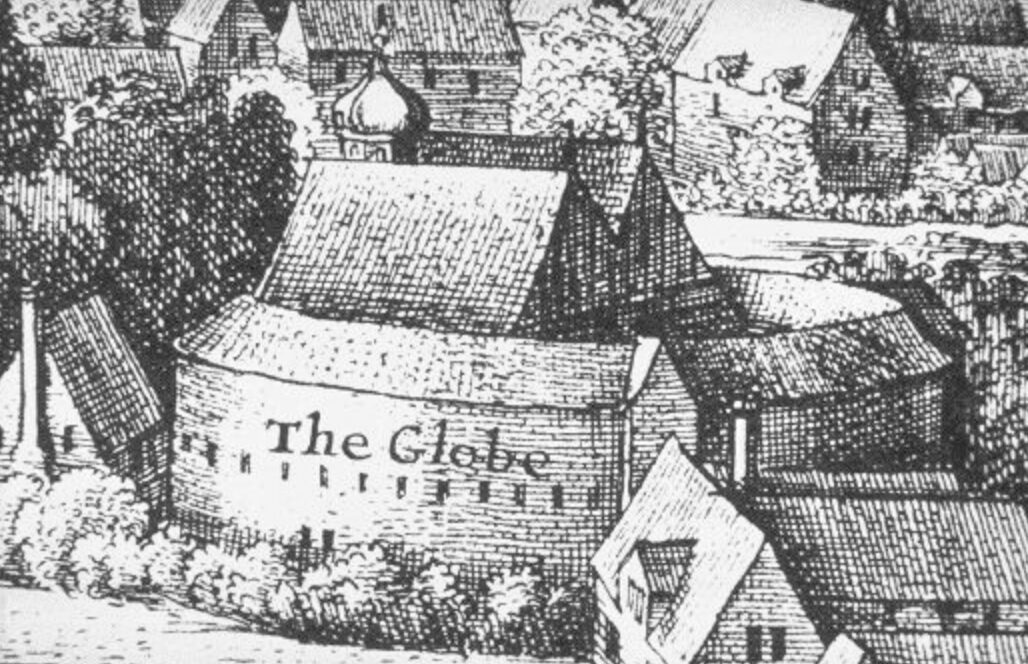
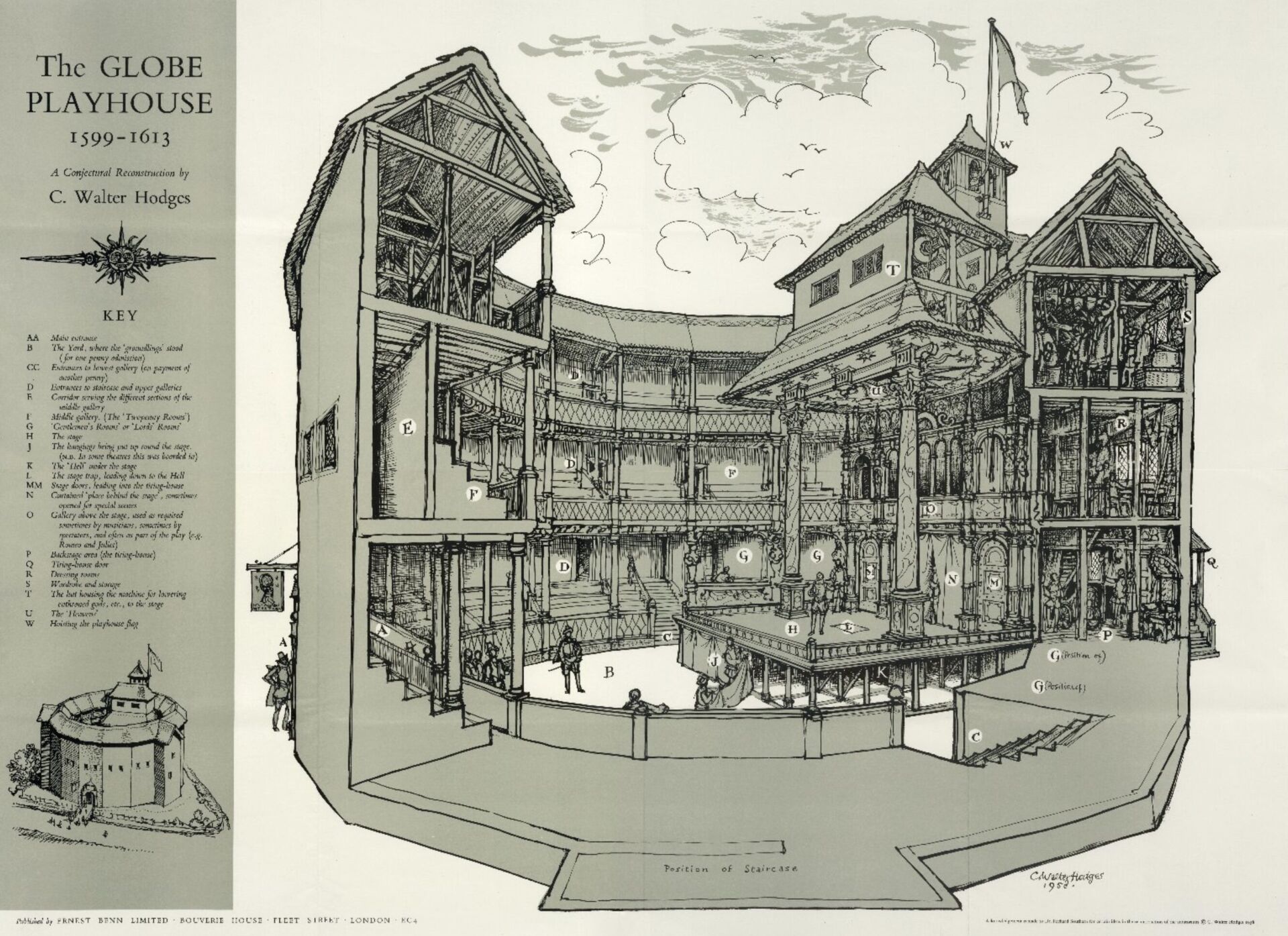
  • Globe Theatre London
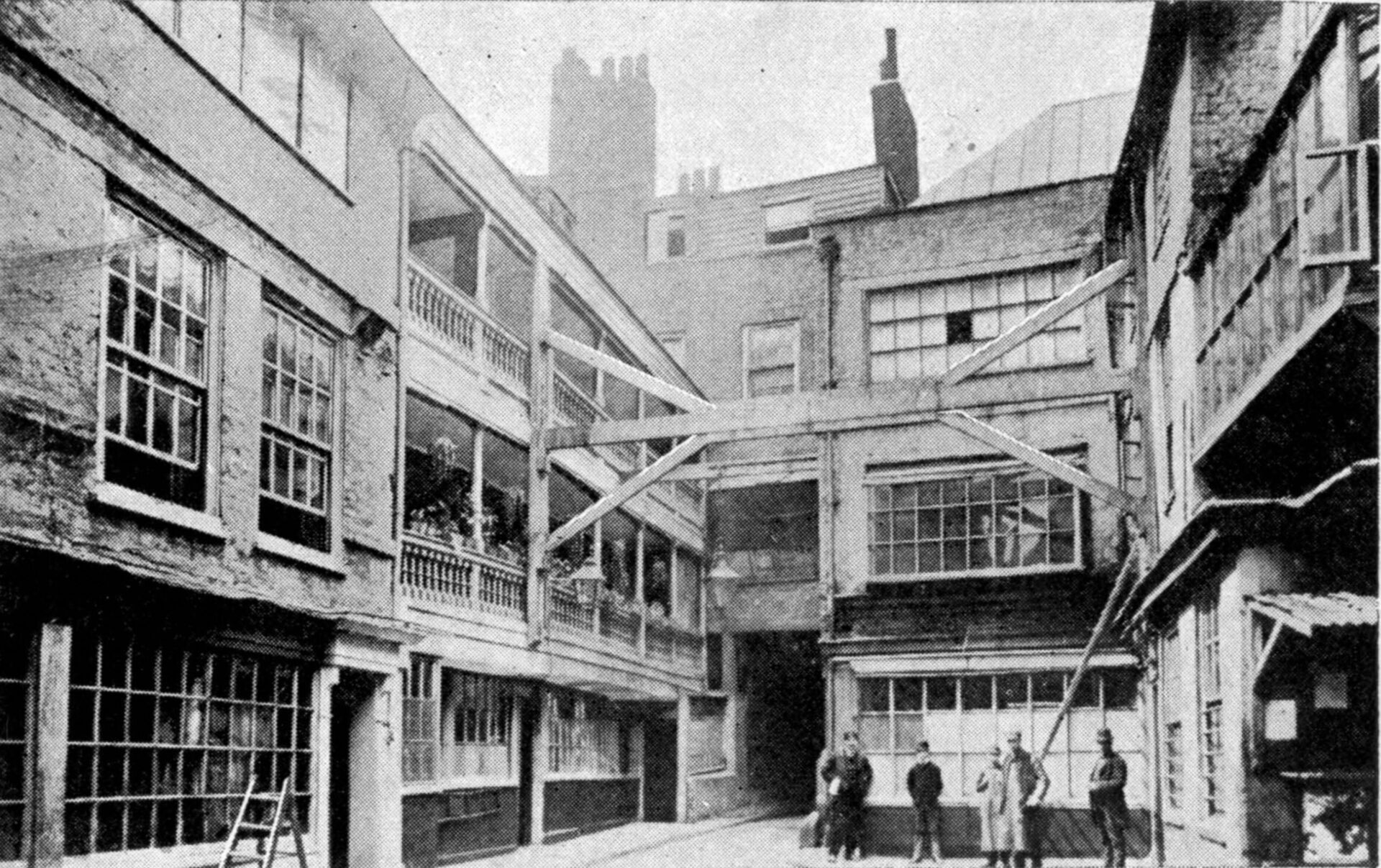
  • Coaching inns / posting inns
  • Urban inns
  • Alehouses and taverns (with lodging)
  • Private hospitality (manor houses and gentry homes)
  • College and university lodging
  • Religious/charitable lodging (reduced compared with medieval)
  • Merchant lodging and livery-company networks (London)
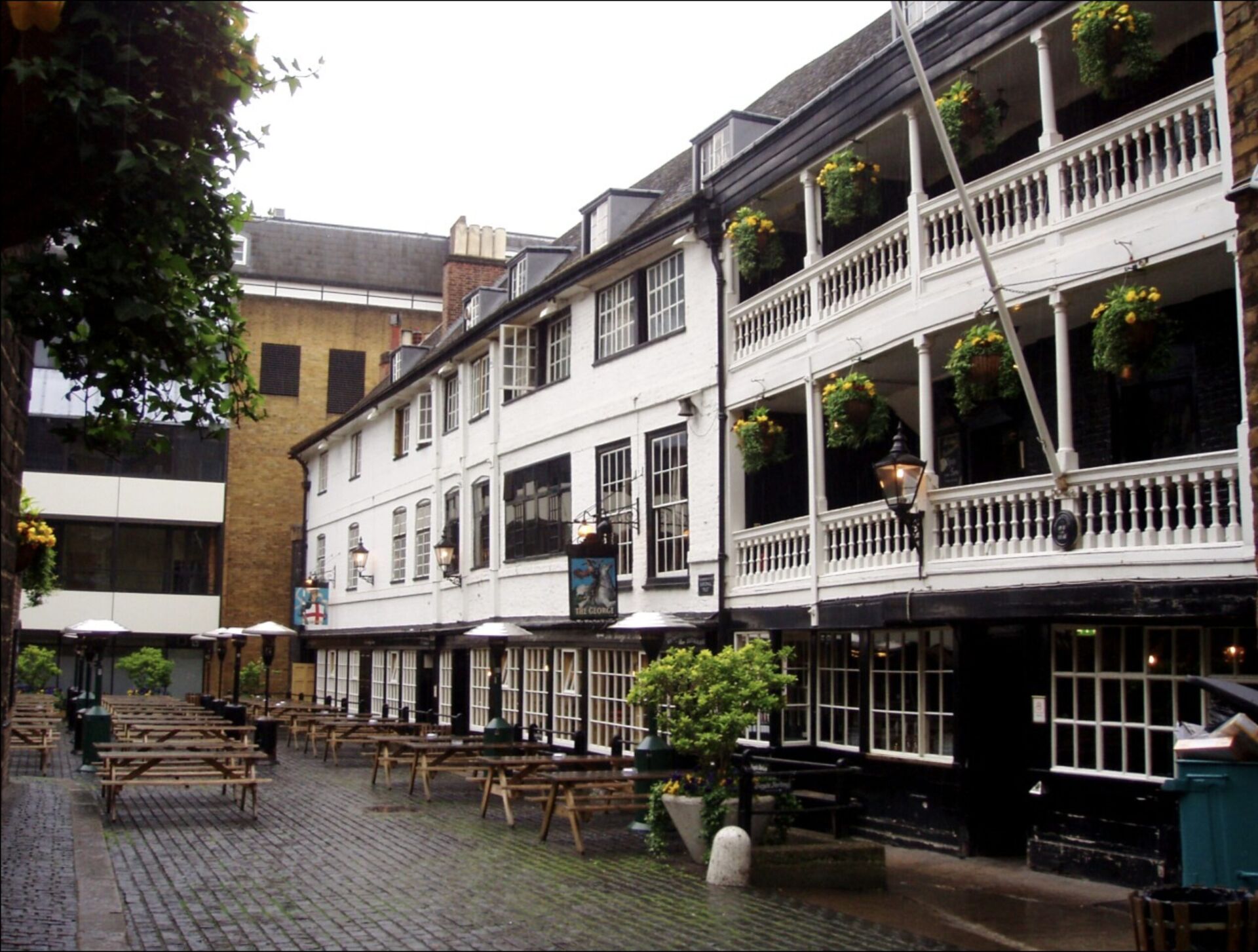
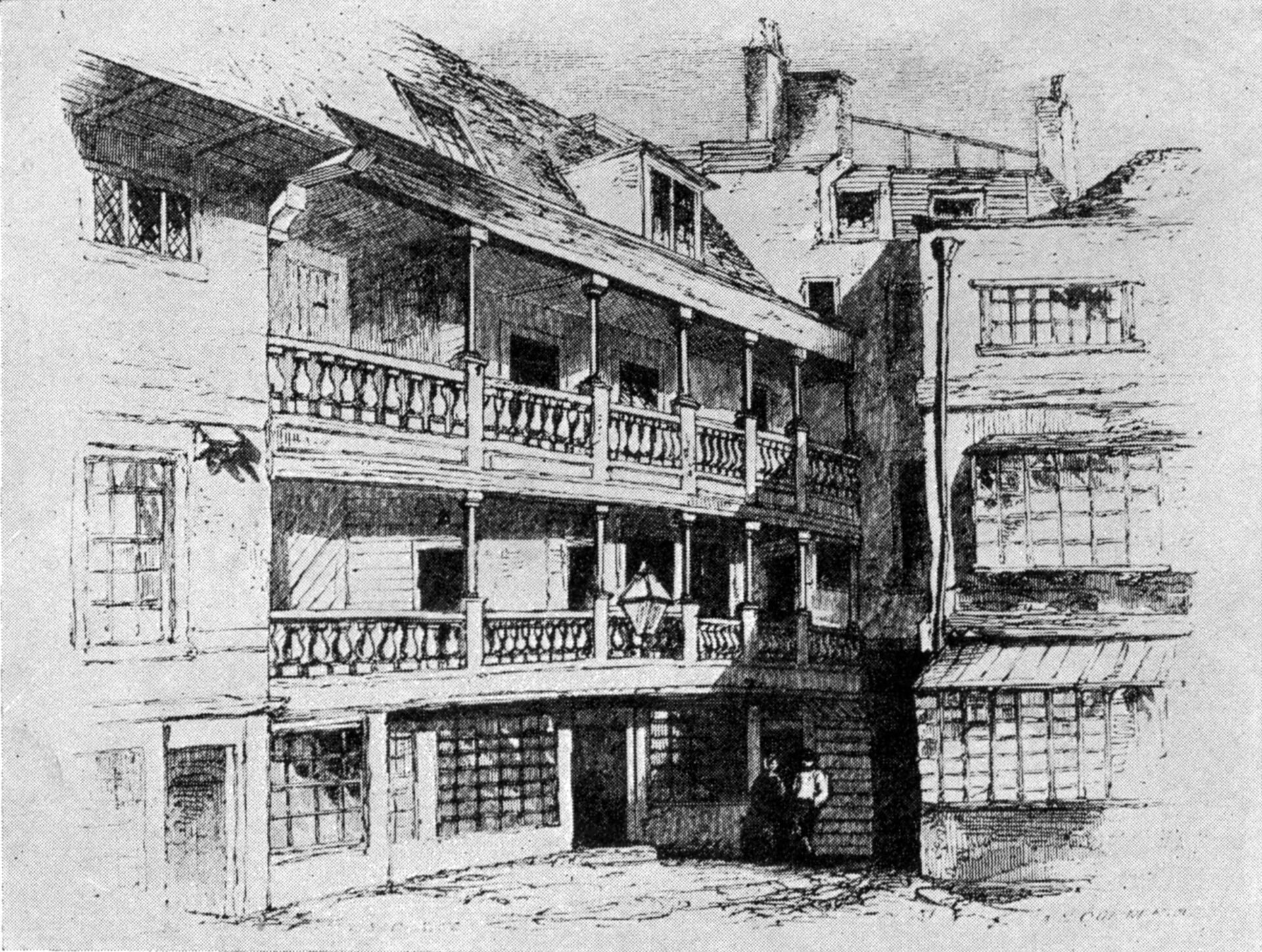
  • George Inn Southwark London
  • The Olde Bell (Hurley, Berkshire)
  • The Swan Hotel (Lavenham, Suffolk)
  • The Bear Inn (Oxford)
  • The Mermaid Inn (Rye, East Sussex)
  • Hardwick Hall (Derbyshire)
  • Burghley House (Lincolnshire)


Demolished or destroyed –

  • The Tabard Inn (Southwark)
  • The White Hart (Southwark),
  • The Boar’s Head Inn (Eastcheap, London)
  • “Galleried” courtyard coaching inns – Coventry, Birmingham, Bristol, York, Norwich

Landmarks

Original Accommodation

Adapted Visitor Accommodation


Warbrook House (near Eversley, Hampshire

Lumley Castle Hotel (County Durham)

Bailbrook House Hotel (Bath, England)