Architectural Styles

Ottonian

Alt names / subperiods 

Timeline

Distinguishing Features

Geographic Presence

Early Romanesque

Ottonian dynasty in Holy Roman Empire


Wikipedia

950-1050

  • Synthesis of Roman, Carolingian, and early medieval Germanic influences
  • Basilica church plans
  • monumental scale for religious and political power
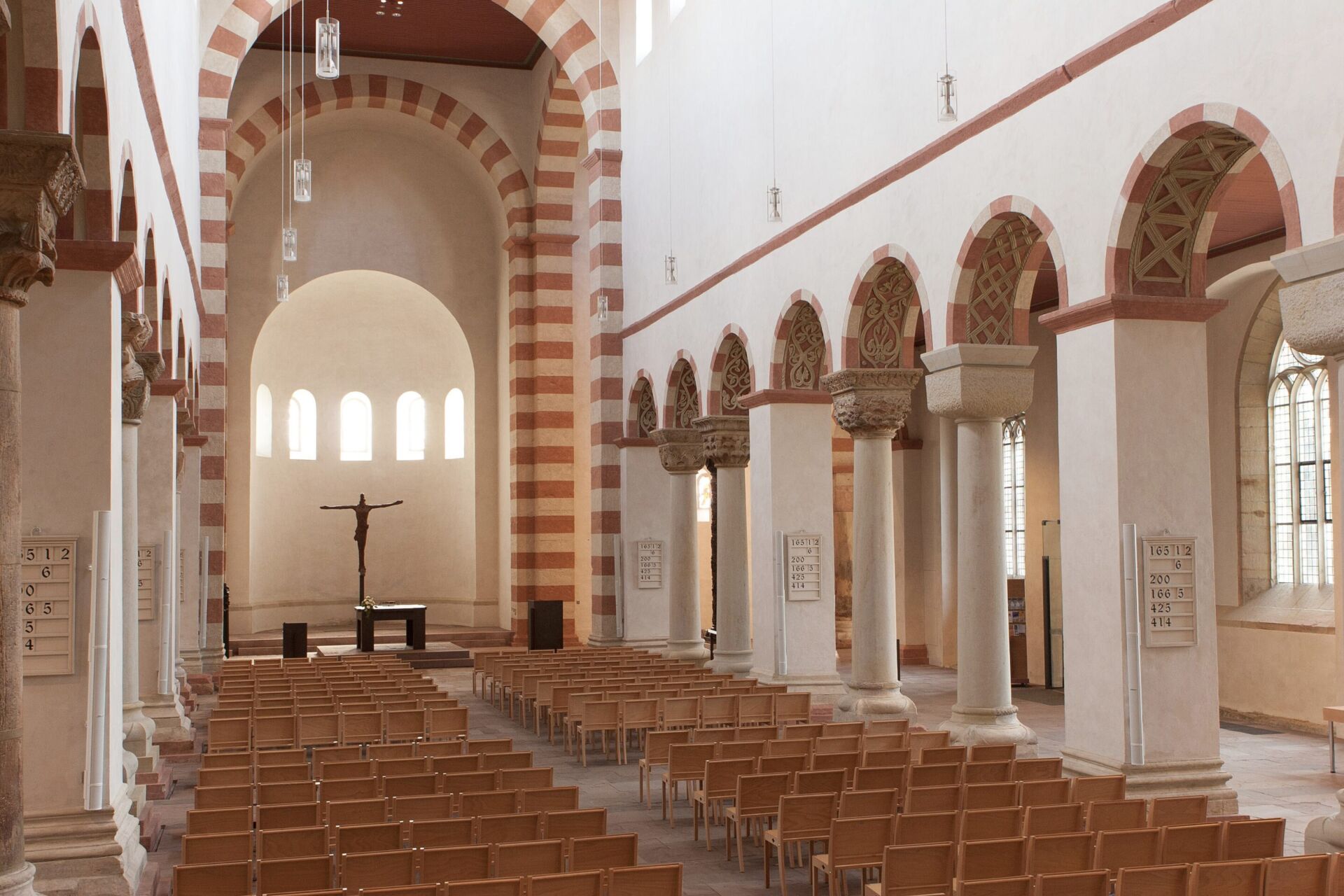
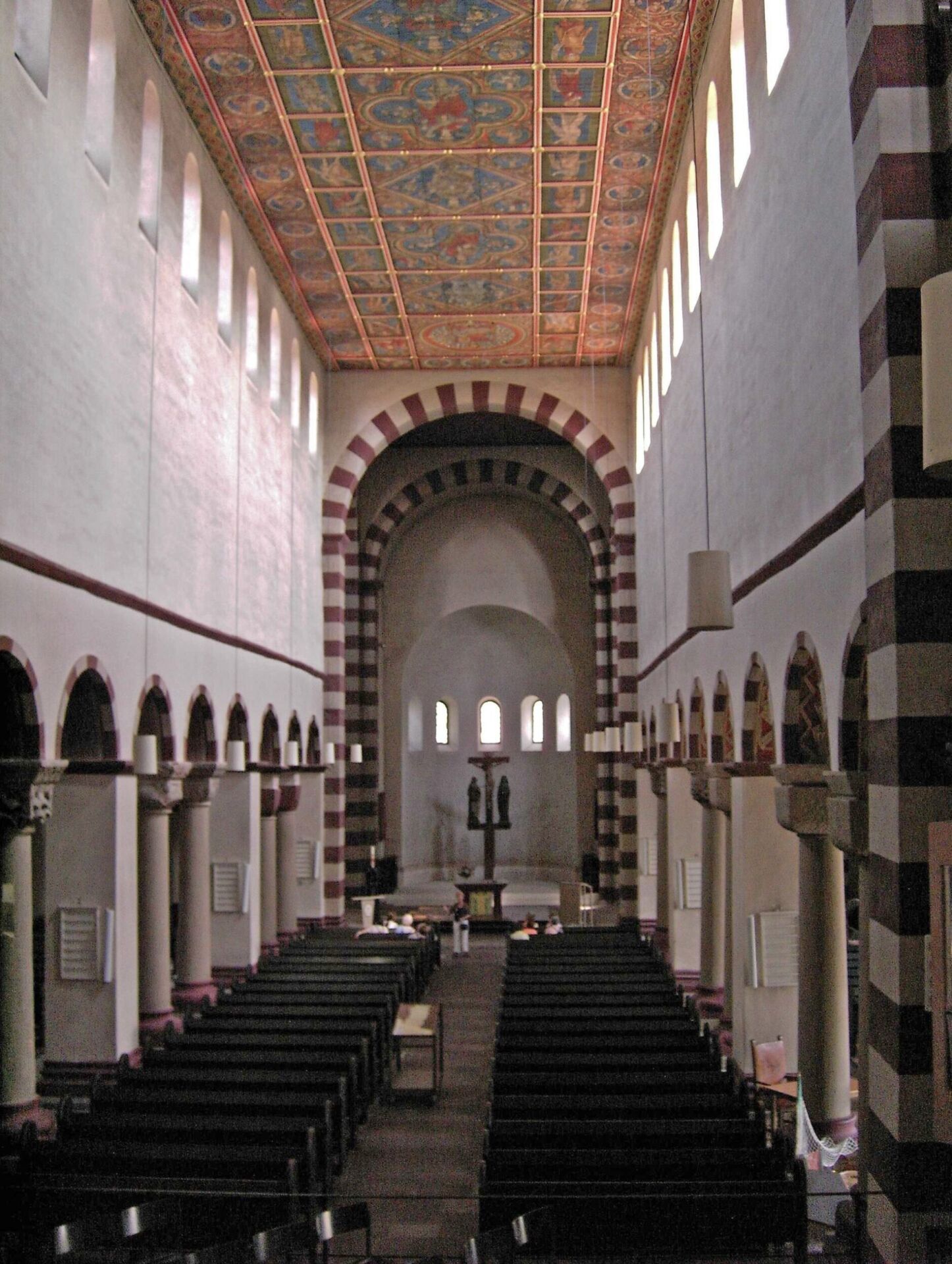
  • round Roman arches
  • barrel/groin vaults
  • massive/thick walls
  • small & few windows
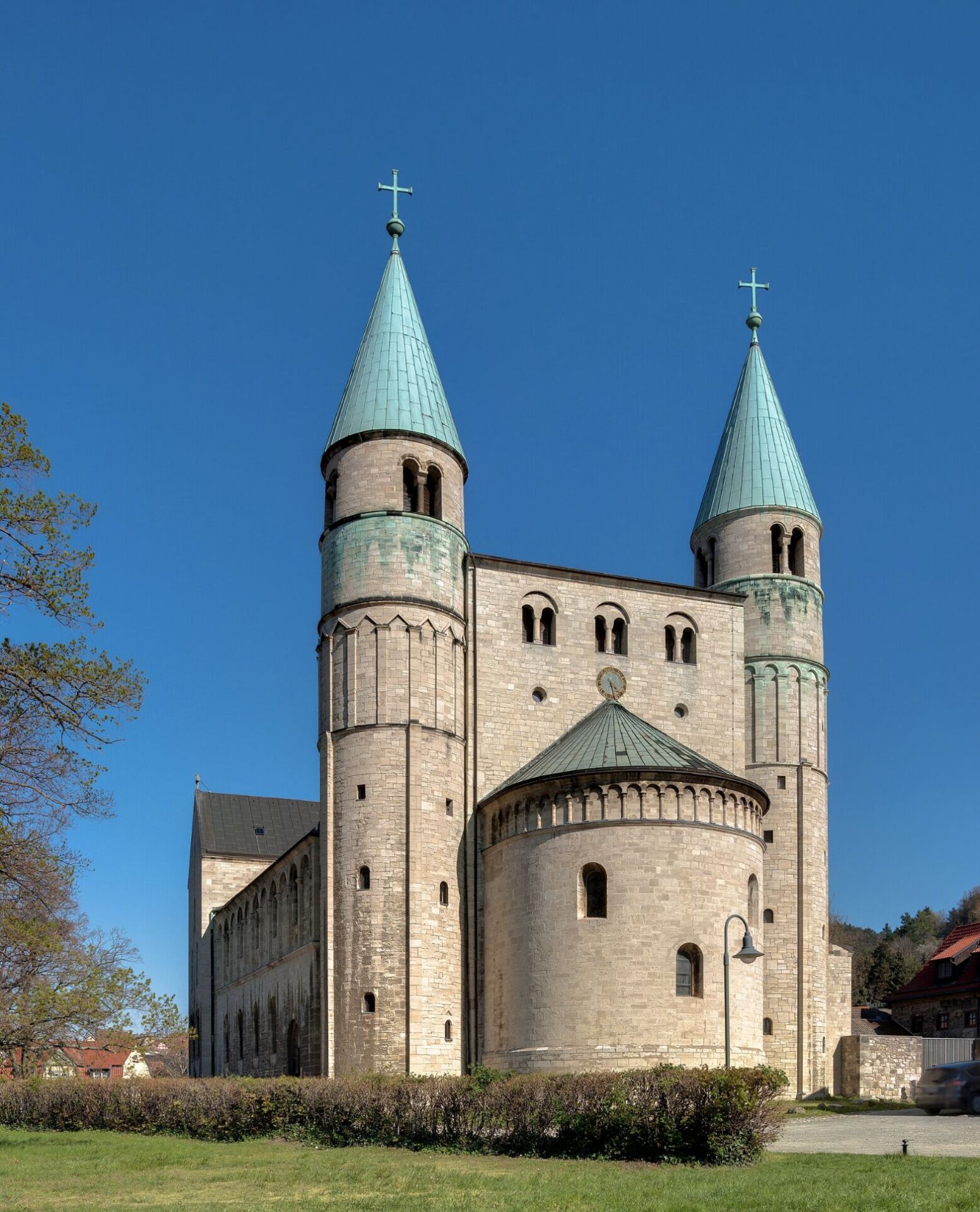
  • distinctive towers beside entry (westwork)
  • no ambulatory
  • sculptural reliefs
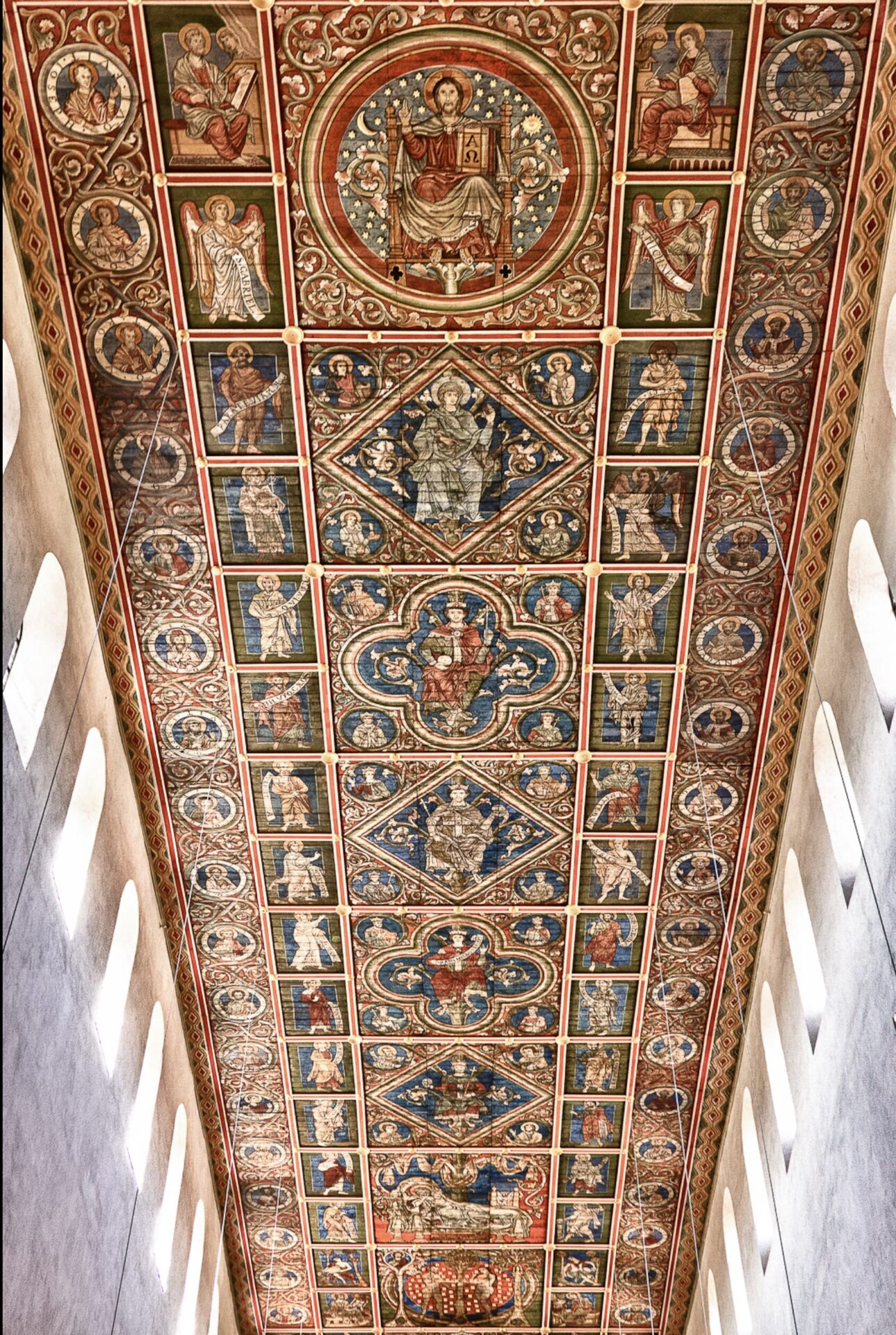
  • frescoes & mosaics,
  • engaged columns (pilasters)
  • east orientation
  • Germany
  • Northern France
  • parts of Italy

Common Building Types

Landmark buildings

Historic Accommodation Types

Accommodation Examples

  • Churches
  • monasteries
  • Castles
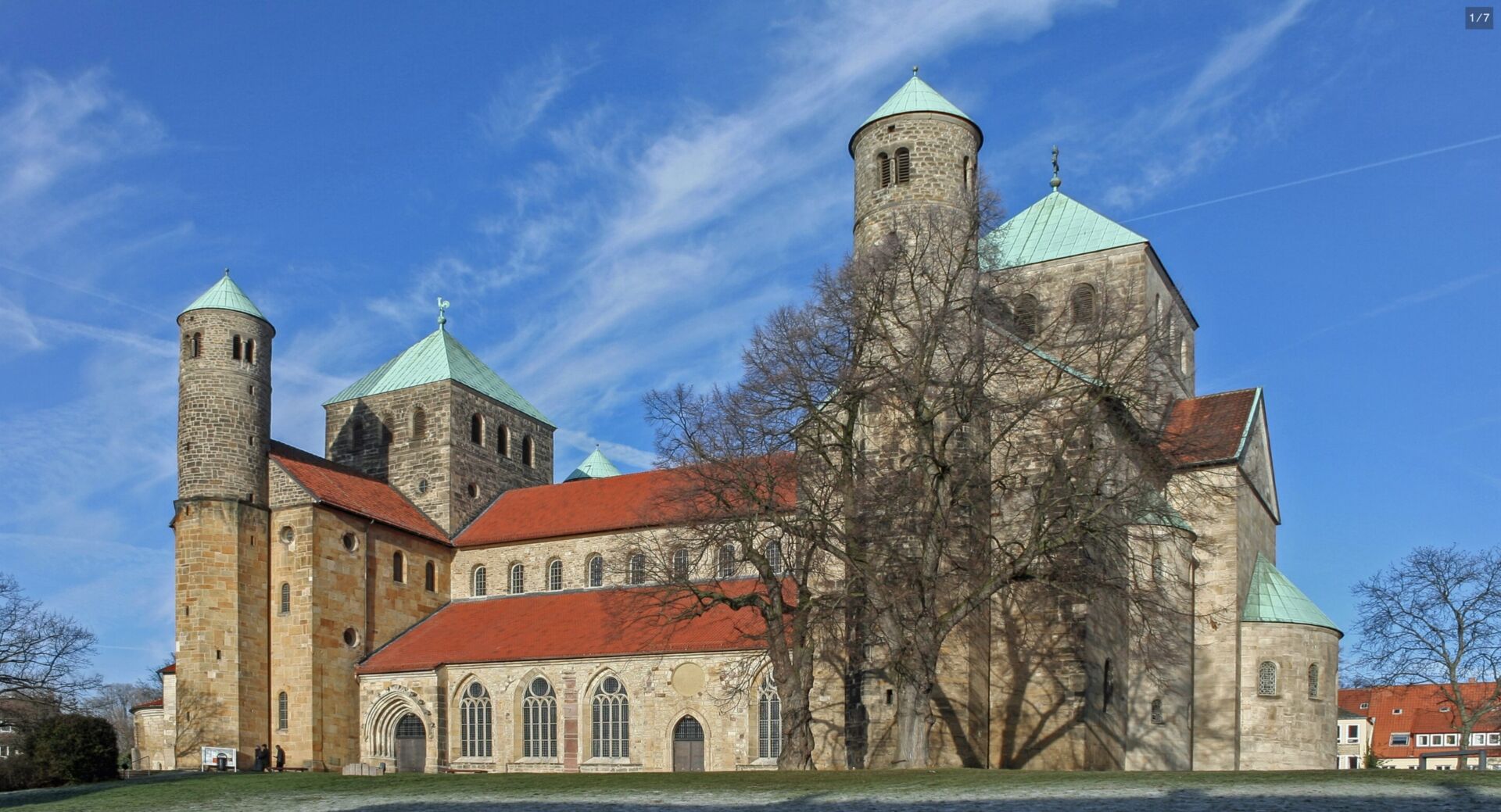
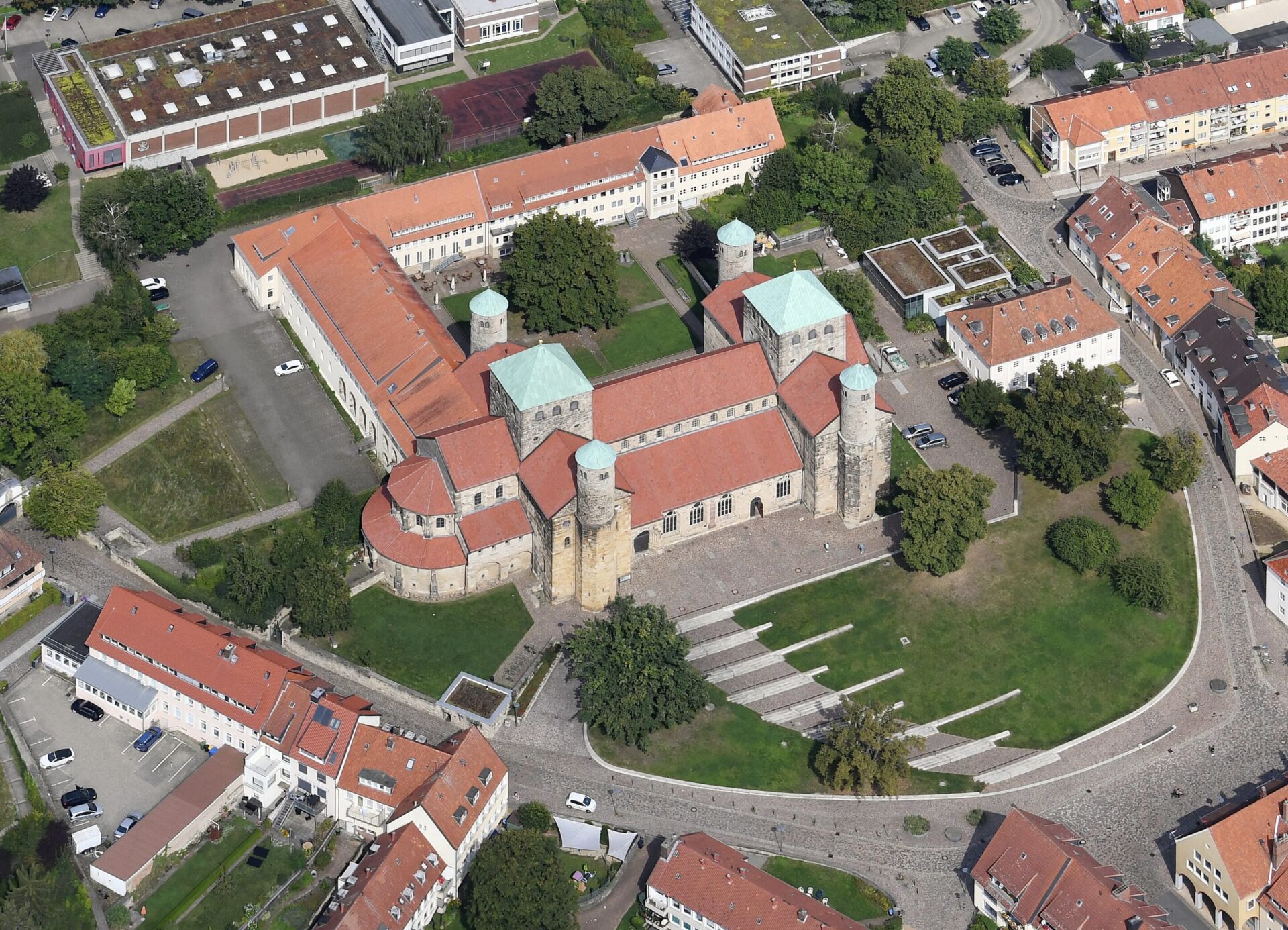
  • St. Michael’s Church Hildesheim
  • St. Cyriakus Church Gernrode
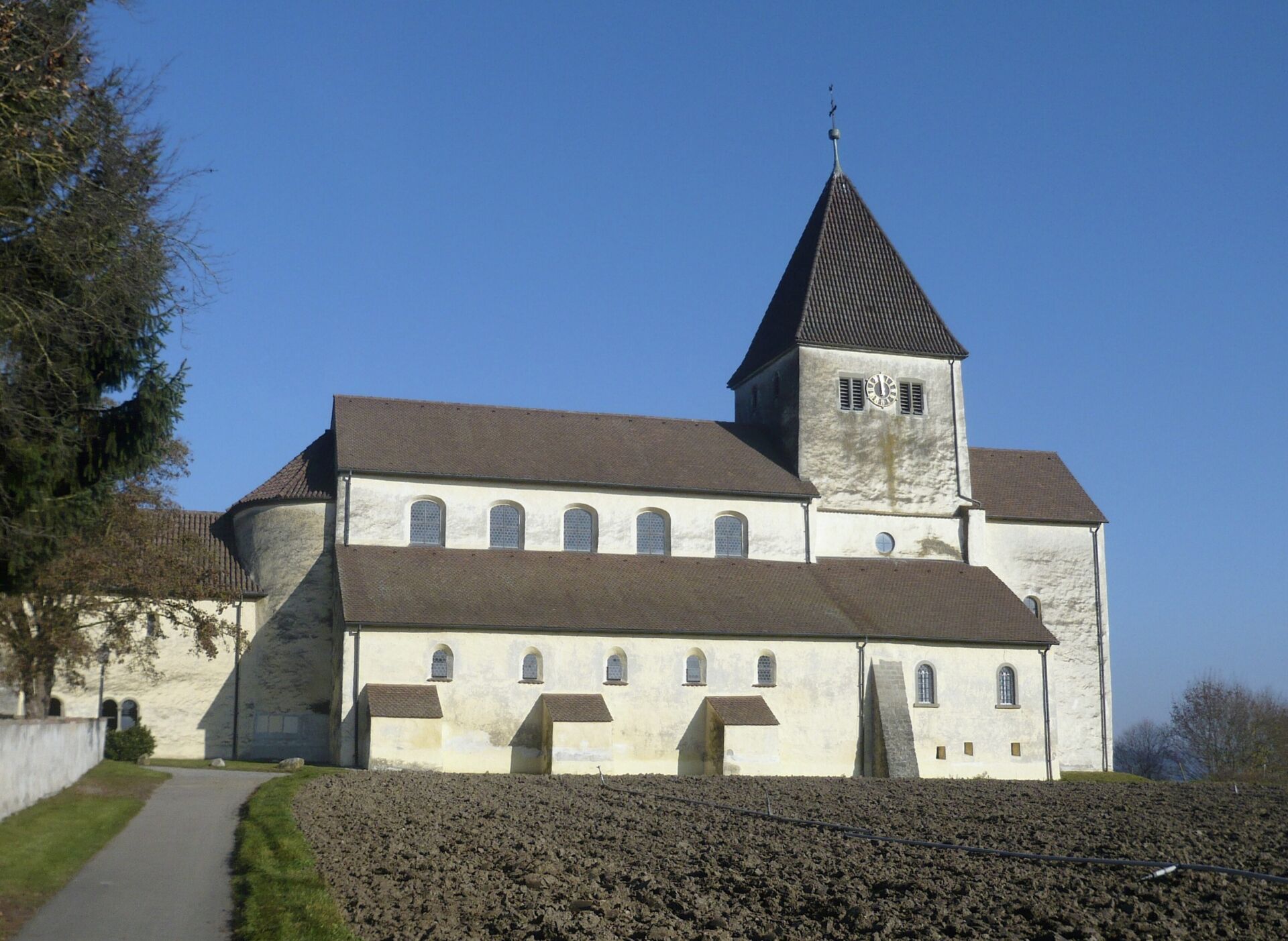
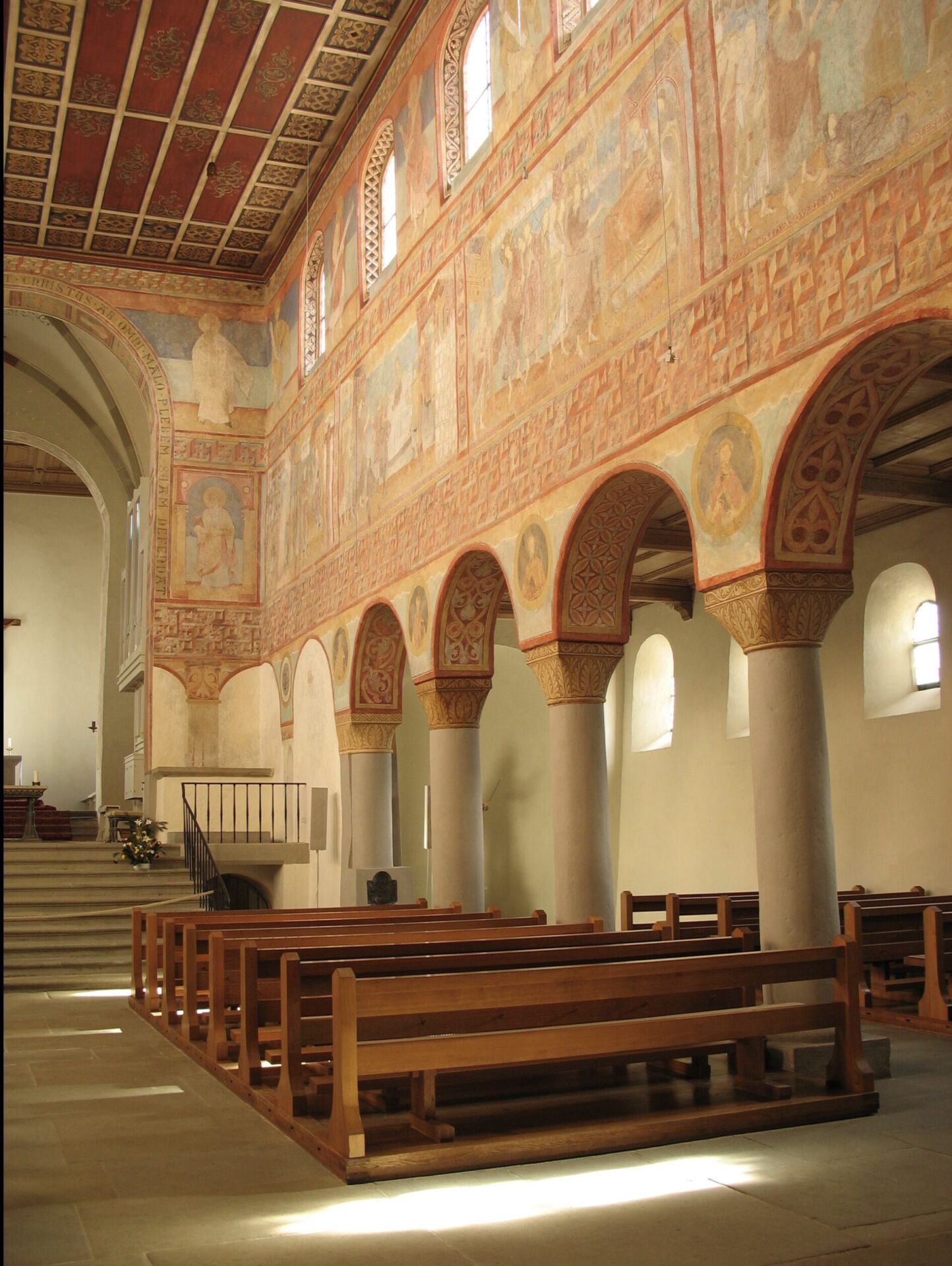
  • St. George’s Church Reichenau Island
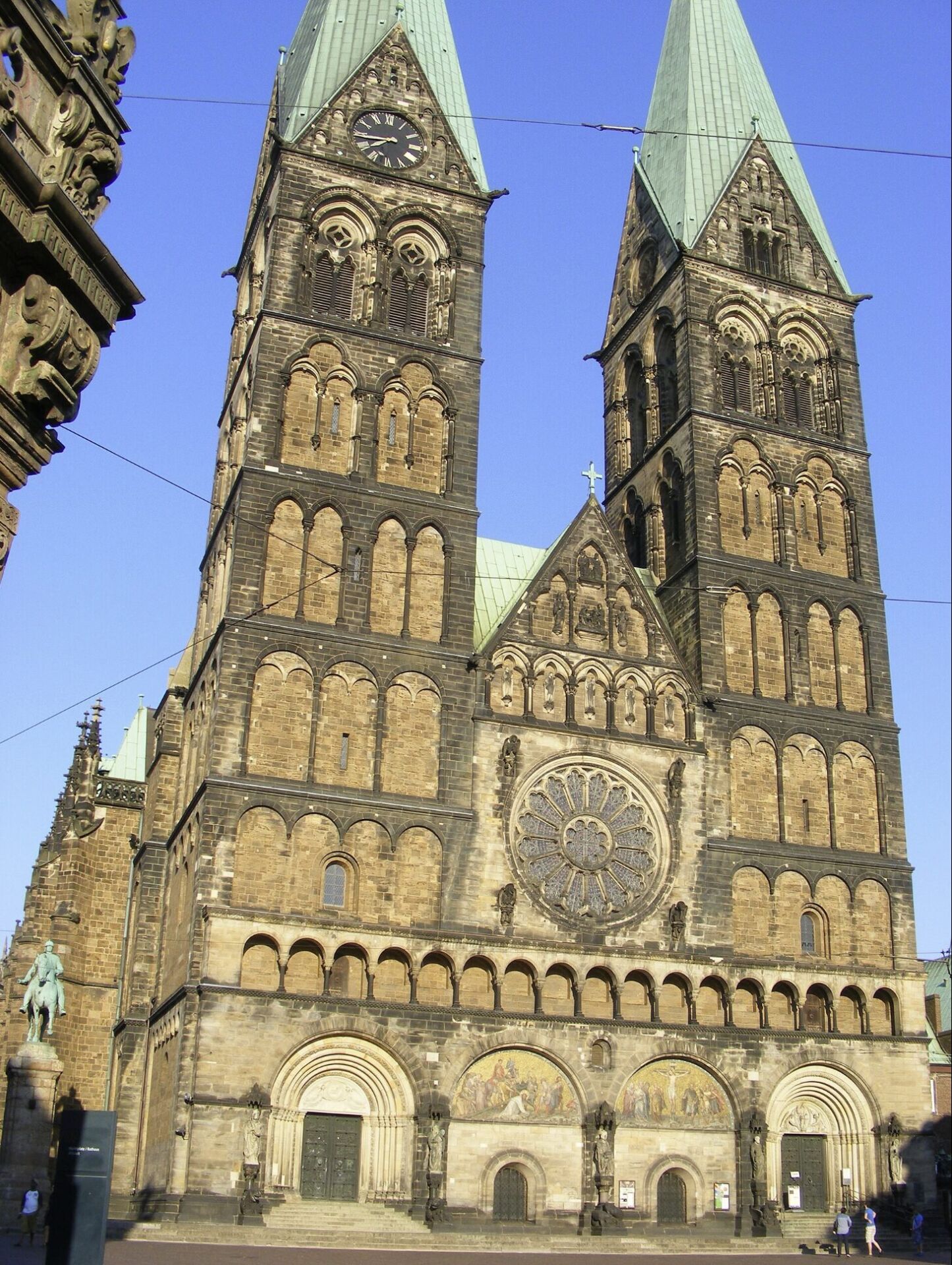
  • St. Peter’s Church Bremen
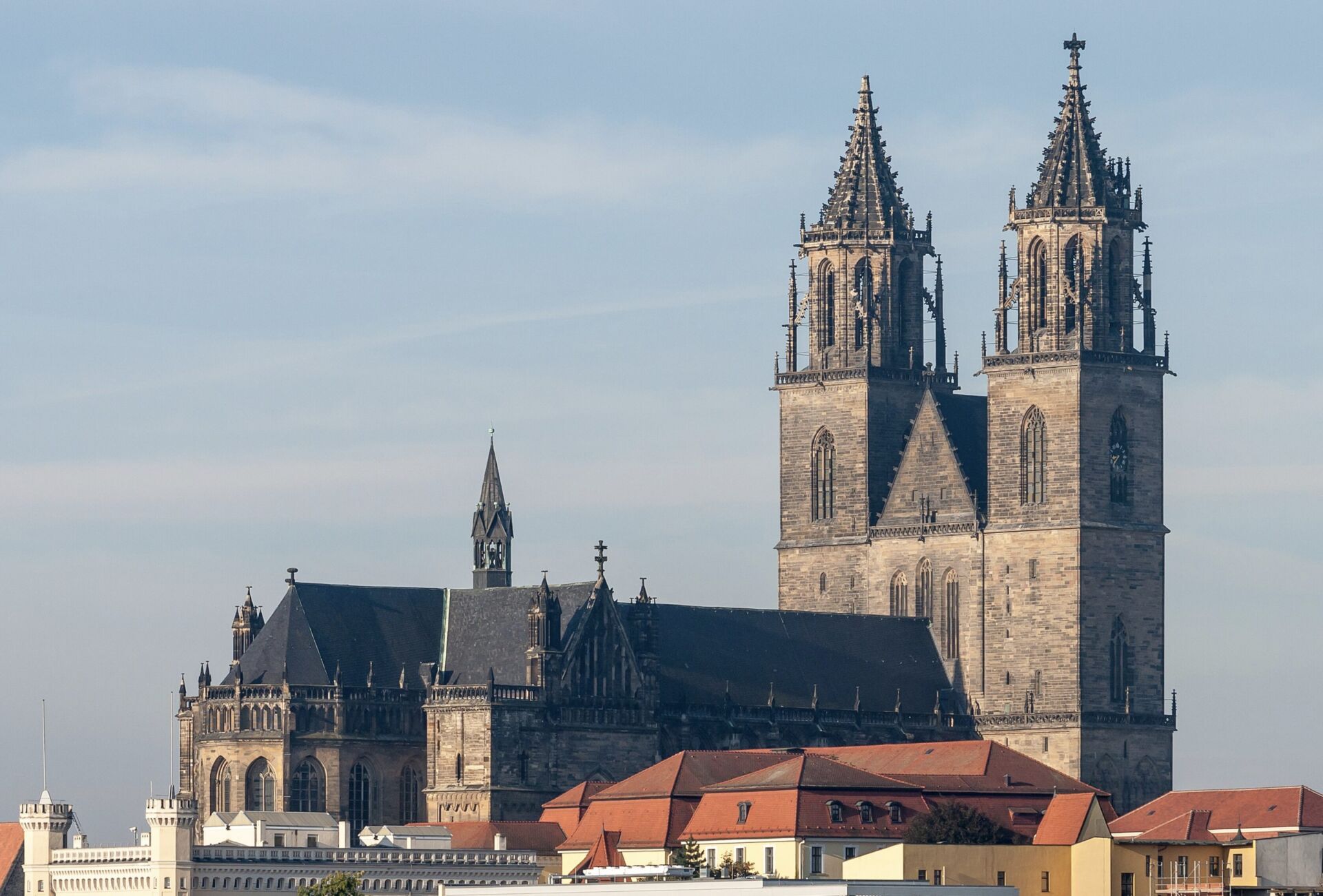
  • St. Mary’s Cathedral Magdeburg
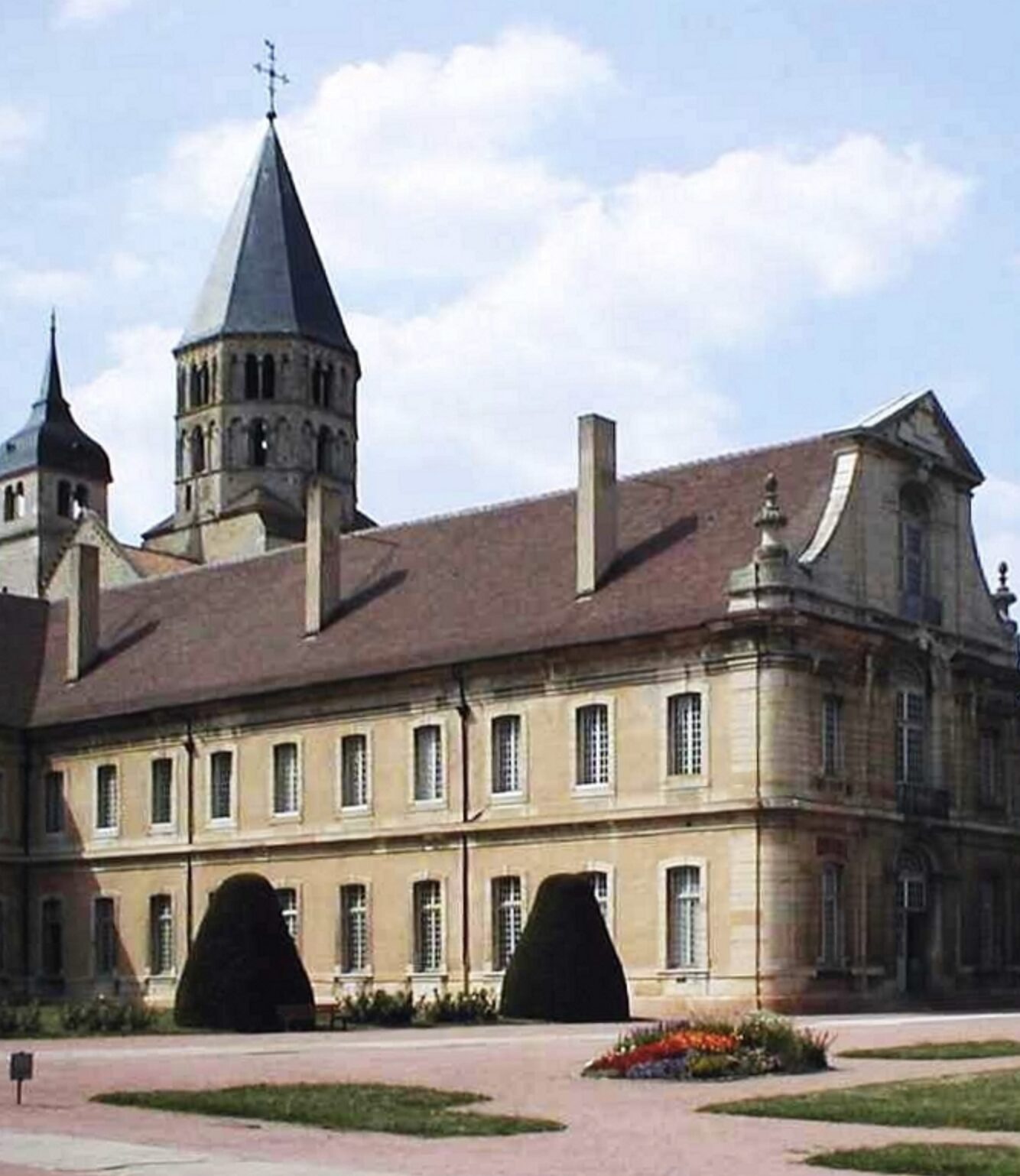
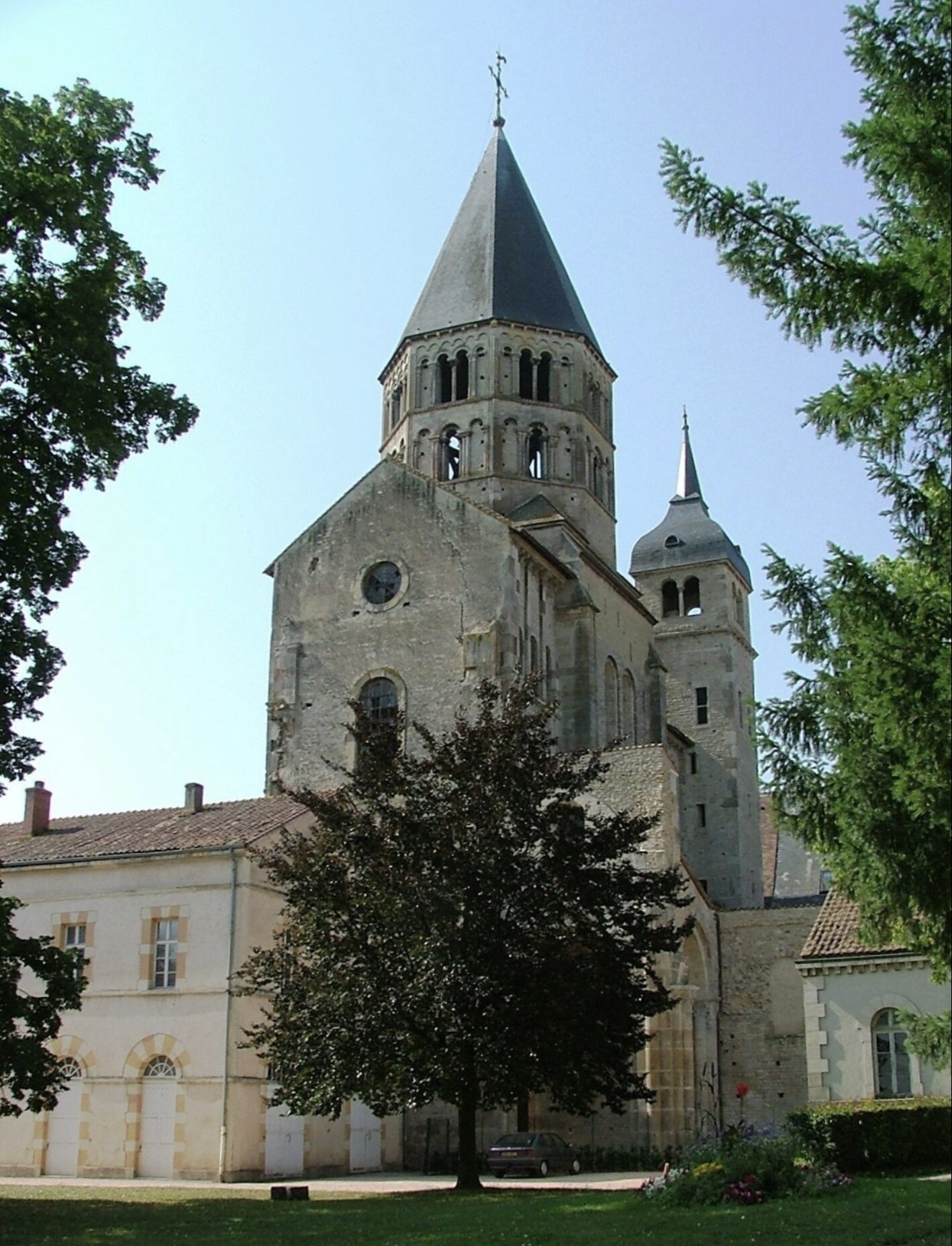
  • Cluny Abbey
  • Monastic guesthouses (hospitium)
  • Cathedral / bishop’s hospitality (episcopal precincts or clergy houses)
  • Hospitals / hospices (charitable lodging)
  • Imperial palaces and royal estates (Pfalzen / Kaiserpfalzen)
  • Private aristocratic hospitality
  • Urban lodging in private houses
  • Commercial inns / taverns
  • Route shelters / bridge and pass lodging
  • Kaiserpfalz Goslar (Germany)
  • Kaiserpfalz Quedlinburg (Germany)
  • Kaiserpfalz Ingelheim (Germany)
  • Abbey of Reichenau (Germany)
  • Abbey of Corvey (Germany)
  • Magdeburg (Ottonian archiepiscopal centre);

Landmarks

Original Accommodation

Adapted Visitor Accommodation


Name

Address

Website