Adaptive Reuse Buildings
Intro & Overview
Building obsolescence or redundancy options
Building Adaptation Considerations
Pros & Cons of Adaptive Reuse
History of Adaptive Reuse Buildings
History of Adaptive Reuse Australia
AR Feasibility Factors
Economic Viability Issues
Physical Feasibility Issues
Sustainability Issues
Invaluable research information has been researched from various sources including –
Peter A. Bullen, “Adaptive Reuse and Sustainability of Commercial Buildings”
Peter Bullen and Peter Love, “A New Future for the Past: A Model for Adaptive Reuse Decision‐making”
Douglas,
Kenneth Powell, “Architecture Reborn : Converting Old Buildings for New Uses”
Richard L. Austin, Adaptive Reuse : Issues and Case Studies in Building Preservation
Refer Bibliography for full details
Intro & Overview
The Adaptive Reuse [AR] of Buildings is as old as building itself,
with a diverse & fascinating history
The number of buildings constructed annually in developed countries only corresponds to
1.5 to 2% of the existing building stock, which means that the majority of it will
remain for decades as it would take 50-100 years to replace [Bullen]
This inevitably leads to either increased demolition or adaptive reuse of buildings.
Adaptive reuse has been defined as the conversion of a building or part of a building to a use
significantly different from that for which it was originally designed or previously use.
It is a special form of building adaptation which is neither restoration nor preservation
but a transformation which can include elements of restoration &/or preservation,
together with other processes such as conservation, partial demolition, conversion,
recycling, repair, renovation, refurbishment – and new construction –
to suit the circumstances
All urban environments and buildings have a life cycle which reflects their evolving circumstances,
and which has been described by Douglas as having 5 stages [Ely & Worthington in Douglas]
birth
expansion
maturity
redundancy
rebirth [adaptation] or demolition
The birth, expansion & maturity stages of a building typically relate to the needs of specific users,
but the degree to which the building satisfies these needs impacts the timing and duration of the
life-cycle stages which have had vast divergence over history due to numerous factors [Douglas]
financial
social
cultural,
technological
religious
geo-political
environmental
stylistic
and other issues.
[Bullen & Love] describe 9 stages in the life cycle of built assets, namely
design
construction
commissioning
operating
maintaining
repairing
modifying
replacing
decommissioning/disposal
Buildings are remarkably resilient and can outlast civilizations… although the history
of buildings over thousands of years is one of constant change [Powell]
“Failing to optimize buildings can result in … lifecycle expectancy not being
fully exploited, which is not … sustainable” [Bullen & Love]
Brand in Douglas has described a typical life span for
6 “layers” of building elements [Brand] –
Site – permanent
Structure – 30 to 300 years
Envelope – 20+ years
Services – 7 to 20 years
Interior layouts – 3 years
Furniture/Equipment – under 3 years
The existence of many intact 19th century and early 20th century buildings in
Sydney city [& many other cities] suggests a life expectancy for both
structure and envelope of some buildings to be well in excess of 100 years.
The average age of buildings in Sydney city which have been
adapted to visitor accommodation is 71 years [Holliday]
Obsolescence is a qualitative supply-driven concept being the process of a building losing its
usefulness or effectiveness over time, and becoming out-of-date, outmoded or old-fashioned.
The key types of obsolescence and the criteria influencing them [Douglas] include
Economic – Cost effectiveness, rate of return, viability, depreciation
Functional – Fit for purpose, extent of use, operational efficiency
Physical – Structural adequacy, weather-proof, facade deterioration
Technical – Technological or services inadequacies
Social – Satisfaction of needs, cultural issues, local objections
Legal – Statutory compliance
Aesthetic – Fashionable, style, trends
Redundancy on the other hand is a quantitative market demand-driven concept
being surplus to requirements or oversupply which can often led to vacancy,
dilapidation or vandalism even for a building which is not obsolete.
Redundancy is often a consequence of obsolescence. [Douglas]
Owners of obsolete or redundant buildings have options available to them [Douglas]
Do nothing – Continue to Occupy
Maintain – Sustain & safeguard current use
Mothball – Vacate
Dispose – Sell
Market – Find new users
Adaptation – Transform or convert
Redevelop – Demolish
The maintain option can take two directions [Douglas]
Preservation – Maintain existing state & retard deterioration
Conservation – Preserve purposefully with some beneficial changes
The assessment of these options includes consideration of
Location
Legal constraints
Building Condition
Market Conditions [Supply & demand]
Time & Capital Cost impacts
Local disruption
Operating Costs
Residual Value
If a building is mothballed and vacated, there is a serious risk of health & safety issues,
vandalism, graffiti and a congregation point for social outcasts, which can negatively impact
the marketability and value of nearby assets and the social cohesion of a district. [Bullen & Love]
A simple set of options for developers, owners or users
Adaptation – Reuse existing building
Demolition – New rebuilding on existing site
Alternative Building – Existing Building on alternative site
Alternative site – New purpose-built building on alternative site
Demolition was often the fate of redundant or obsolete buildings in both Australia & the UK
up the end of the 1970s.[Douglas] It is often selected when the life expectancy of
an existing building is estimated to be less than a new alternative, regardless of
the benefits of adaptation. Itard & Klunder (2007) have stated that demolition should
be regarded as an environmentally unfriendly process as it generates more waste,
uses more materials and probably uses more energy than adaptation. [Itard & Klunder]
There is considerable difference in terminology used by scholars & practitioners in the field of
building adaptation. Austin’s “change” for example covers a range of processes [Austin]
Refurbish
Renovate
Repair
Adaptive Reuse
Convert
Recycle
Restore
History of Adaptive Reuse Buildings
The history of the built environment has witnessed virtually every
conceivable building type adaptively-reused as every other
building function, often over several cycles of adaptive reuse.
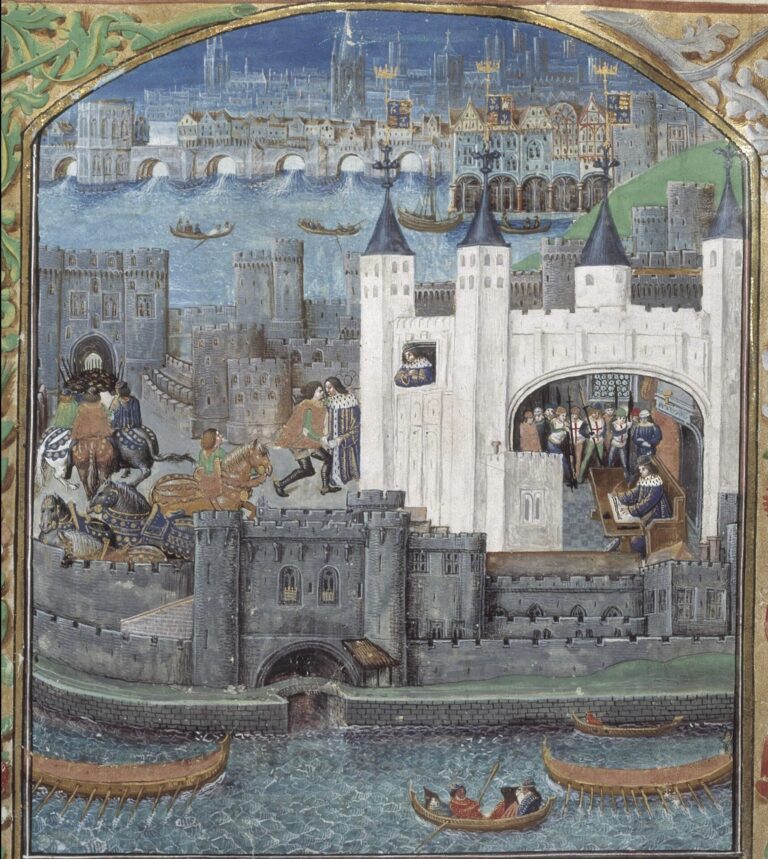
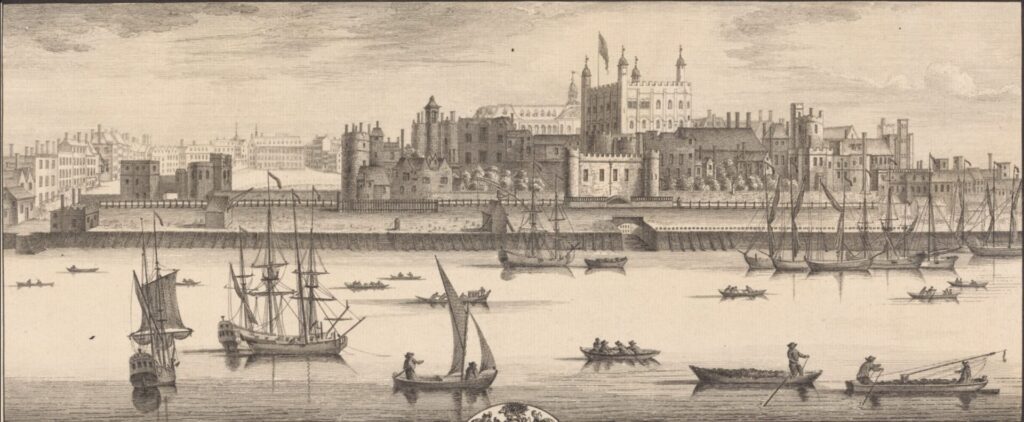
The Tower of London
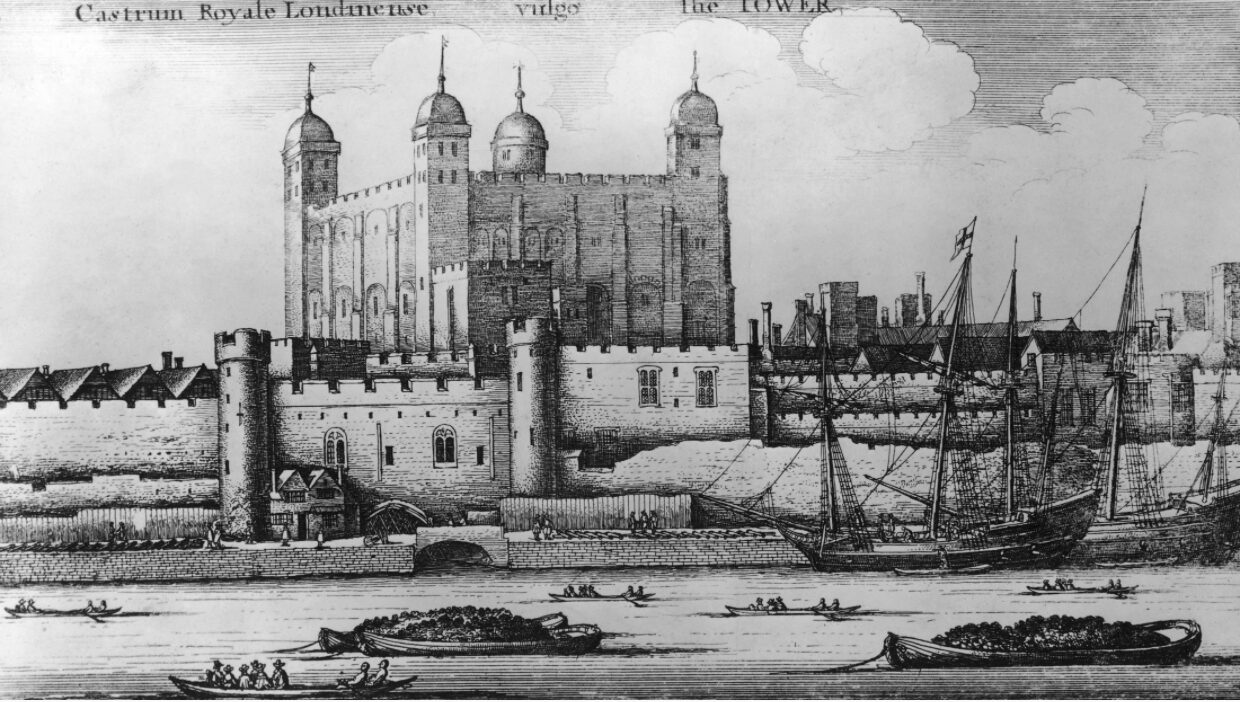
has been used as a [Kilby & Murphy]
Royal residence
Fortress
Prison
Treasury
Armoury
Mint
Observatory
Menagerie/zoo
Admin centre
Museum
Tourist attraction
The Parthenon

has been used as [Holis]
Temple
Church
Mosque
Residence
Treasury
Barracks
Museum
Munitions store
Tourist attraction
The Louvre Paris
has been used as [ChatGPT]
Medieval Fortress
Royal Palace
Art Collection
Public Museum
Napoleonic Museum
Art Museum
Cultural Events Centre
The Castel St Angelo Rome
has been used as (ChatGPT) –
Mausoleum
Imperial Tomb
Fortress
Papal Residence
Prison
Military Barracks
Art Gallery
Museum
Tourist Attraction
The Palazzo Grassi Venice
has been used as (ChatGPT) –
Noble Residence
Hotel
Cultural Events Centre
Art Museum
Between the 16th and 19th centuries, building adaptations became more common
The popularity of conversions declined by the late 19th century,
but became more common again in the second half of the 20th century,
primarily due to economic reasons but also due to the lack of
adequate land in inner urban areas. [Douglas]
Powell states that the modern rise of building retention & adaptation
including reuse followed a disillusionment with the destructive attitudes
of post-war modernism that led to popular pressure for a new approach,
which was triggered by the loss of architectural masterworks such as
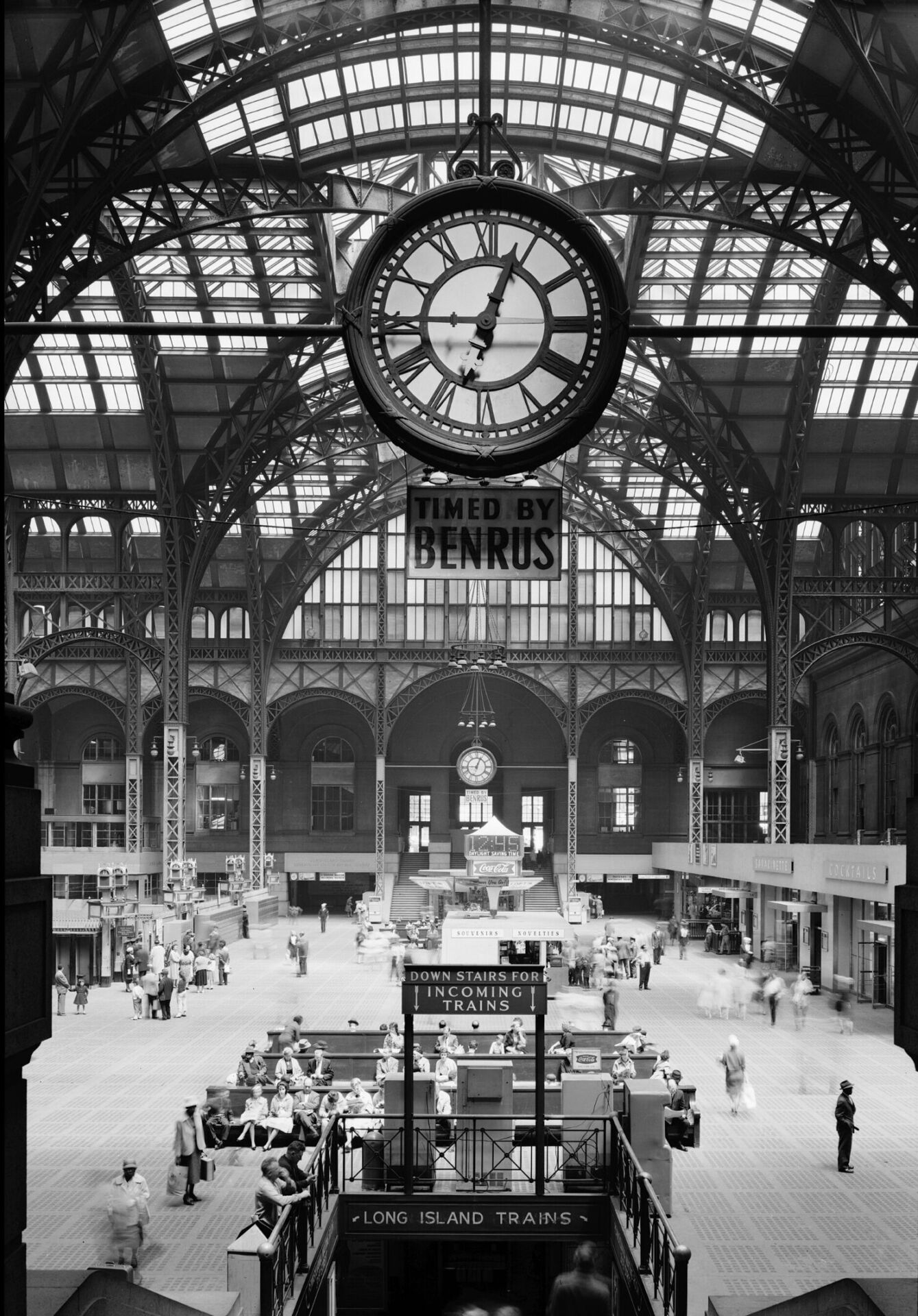
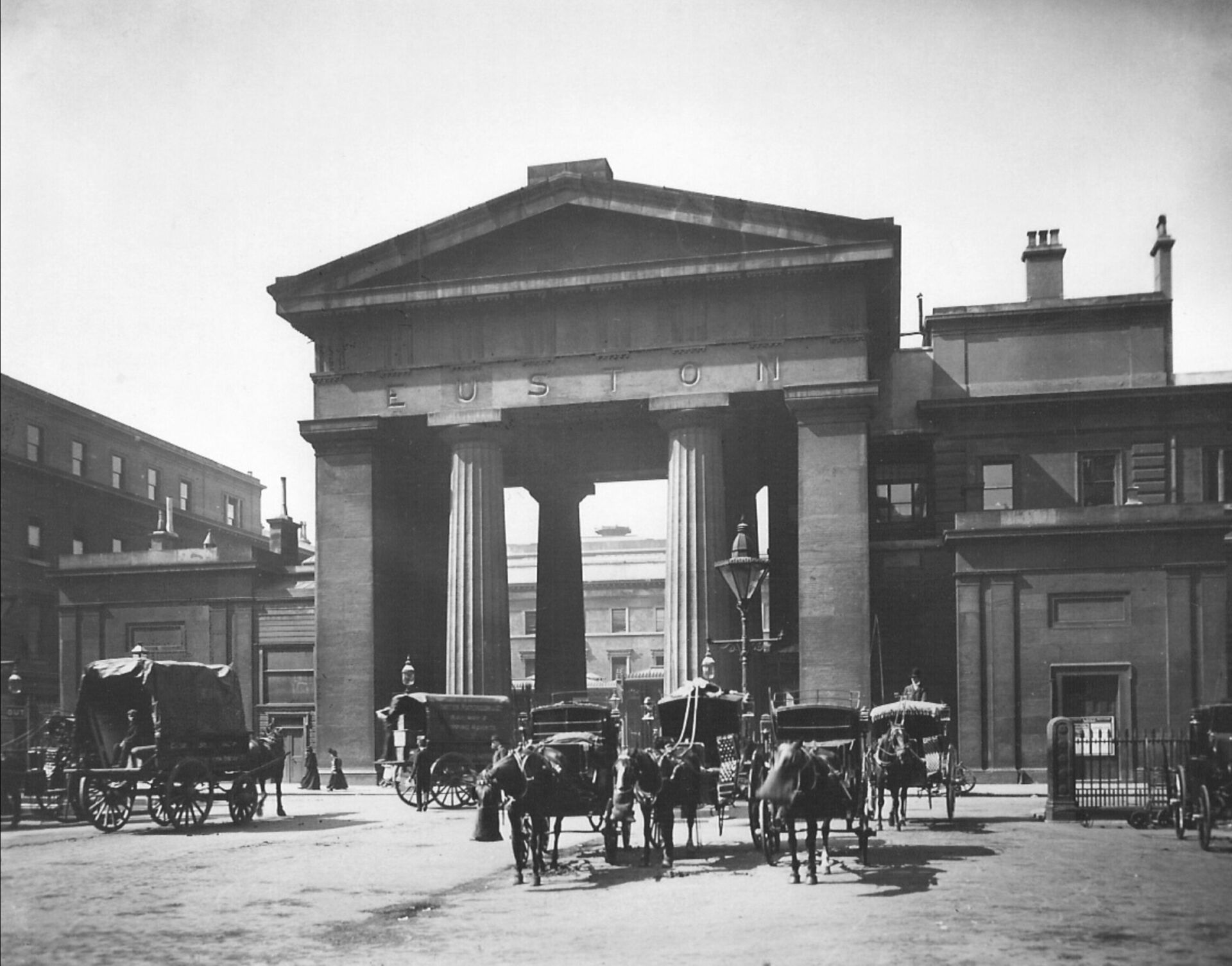
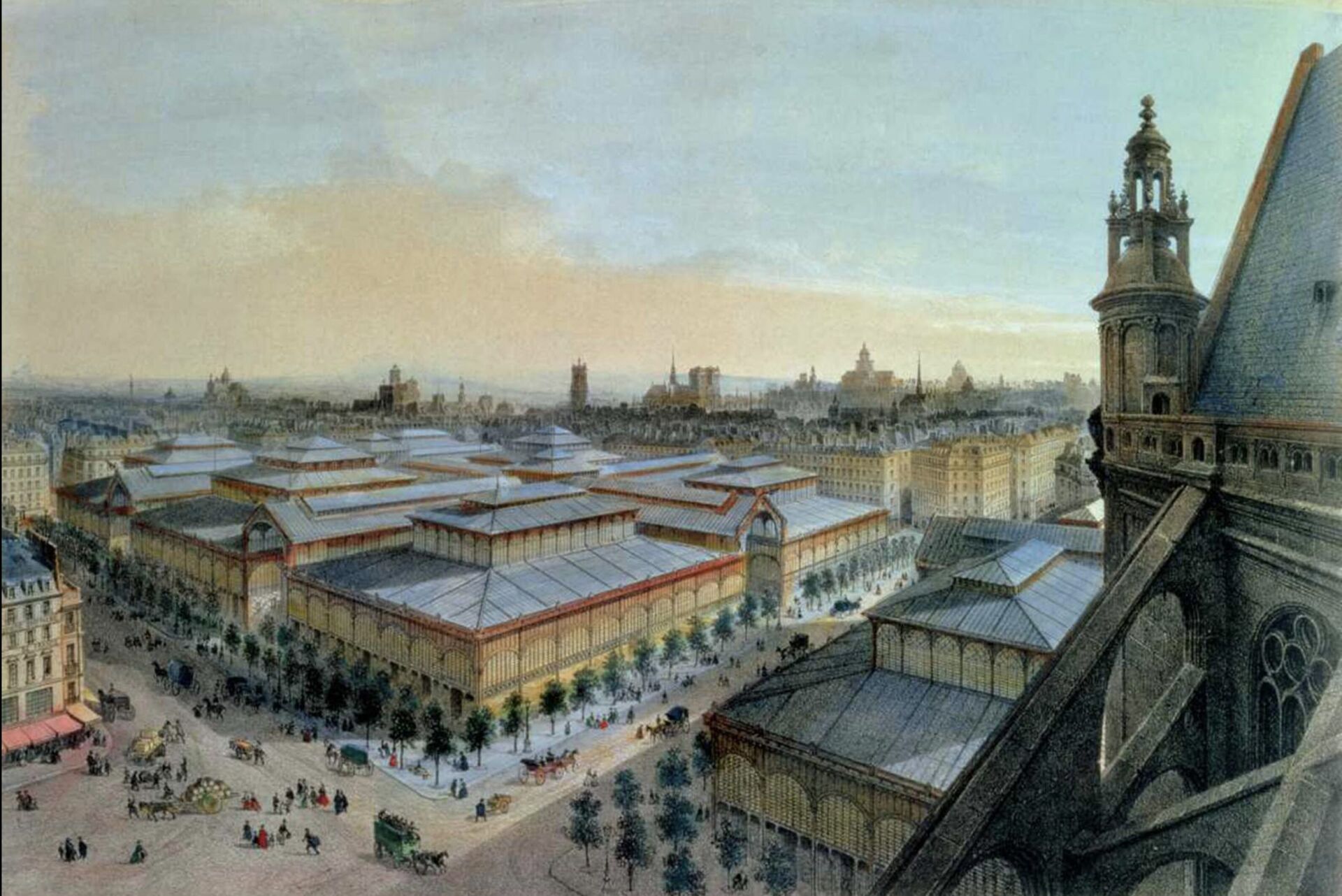
to “mediocre new developments”.[Powell]
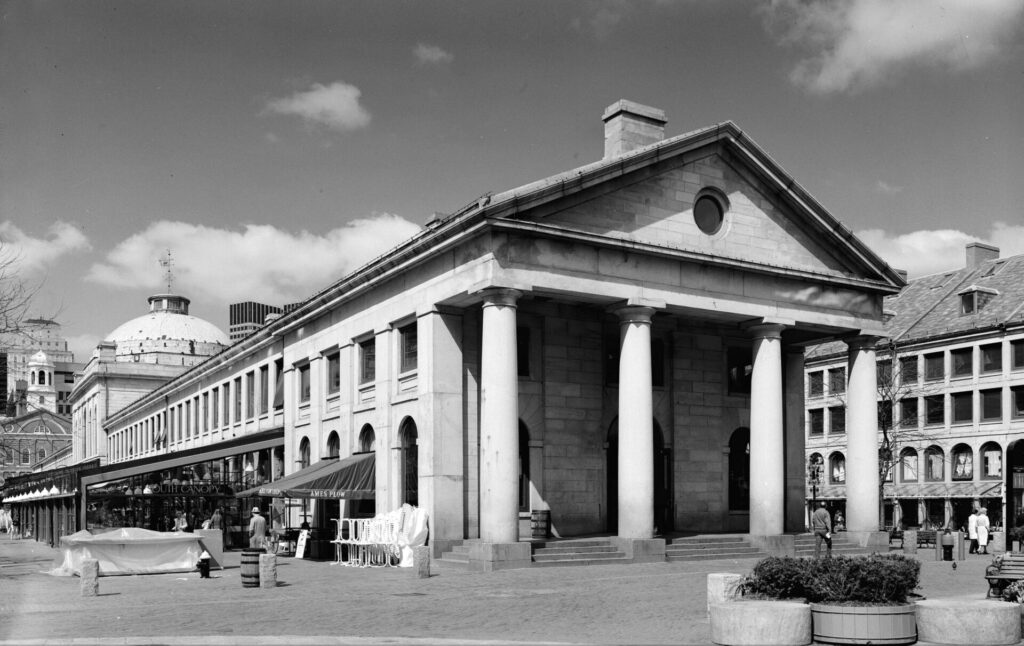
The USA Tax Reform Act of 1976 was a landmark in providing tax incentives
for refurbishing old buildings”, and the commercial success in the 1970’s
of rehabilitations such as Boston’s 1820’s Quincy Market
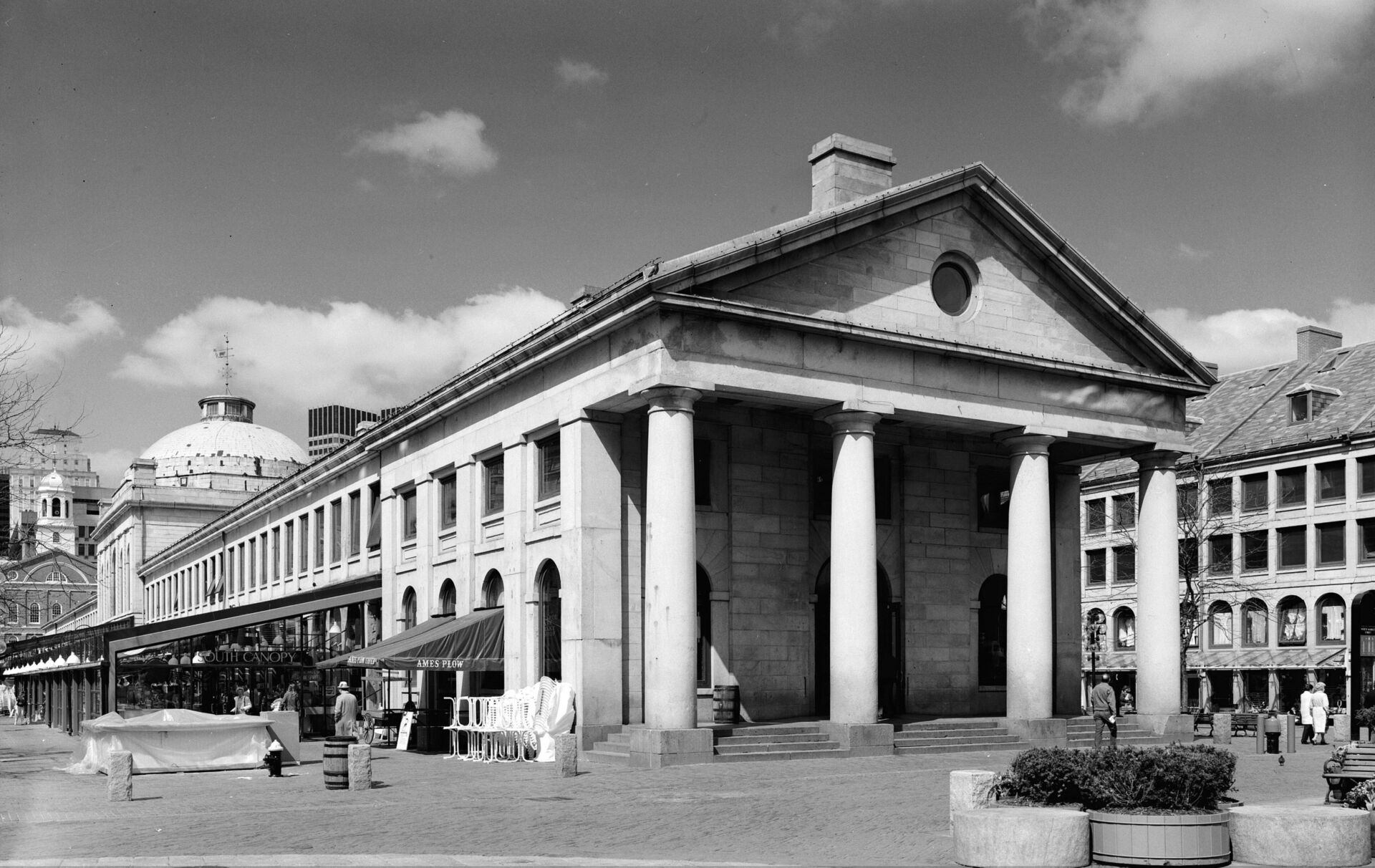
into a “festival marketplace”, changed the perception of AR in America.[Powell]
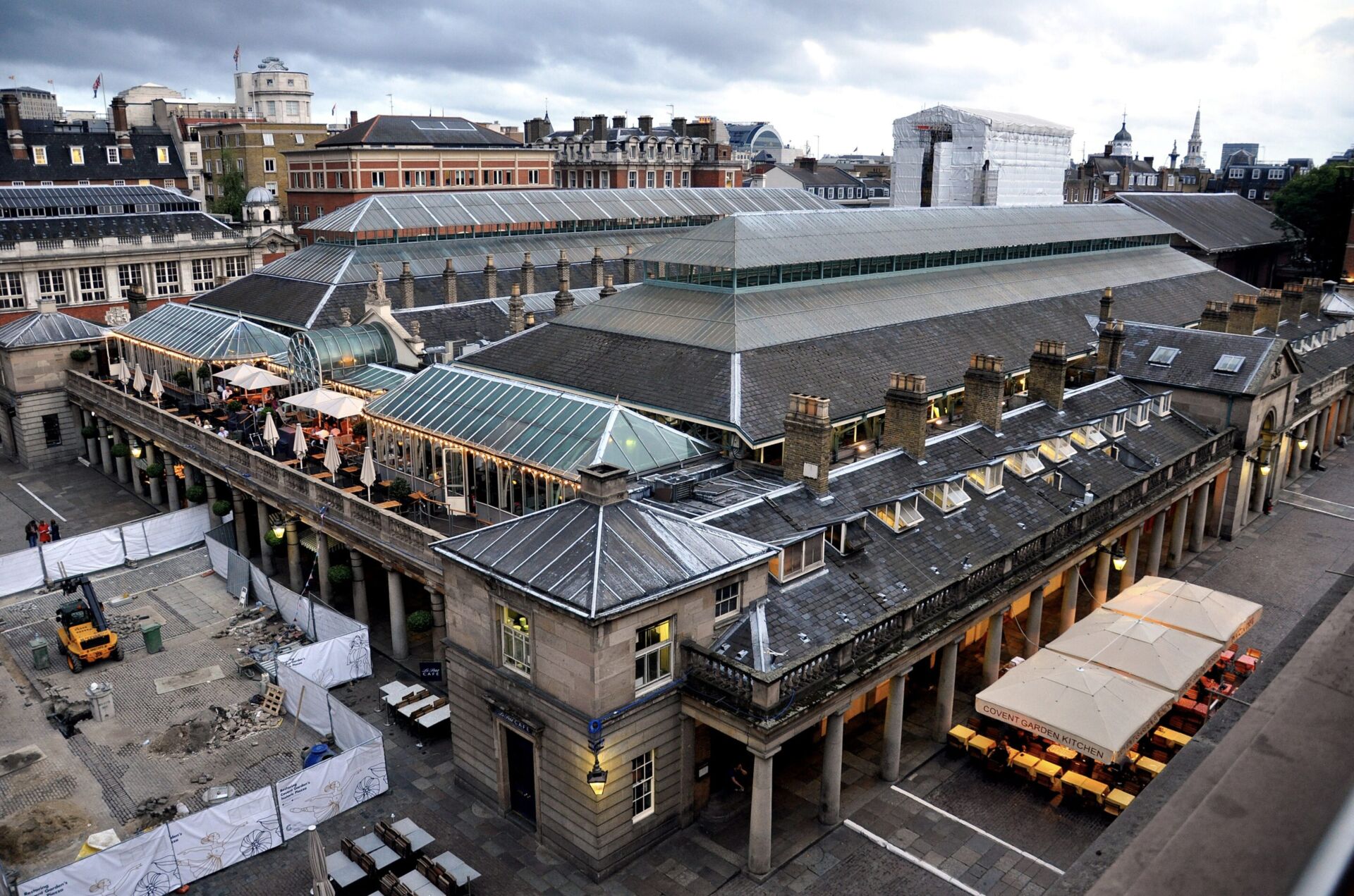
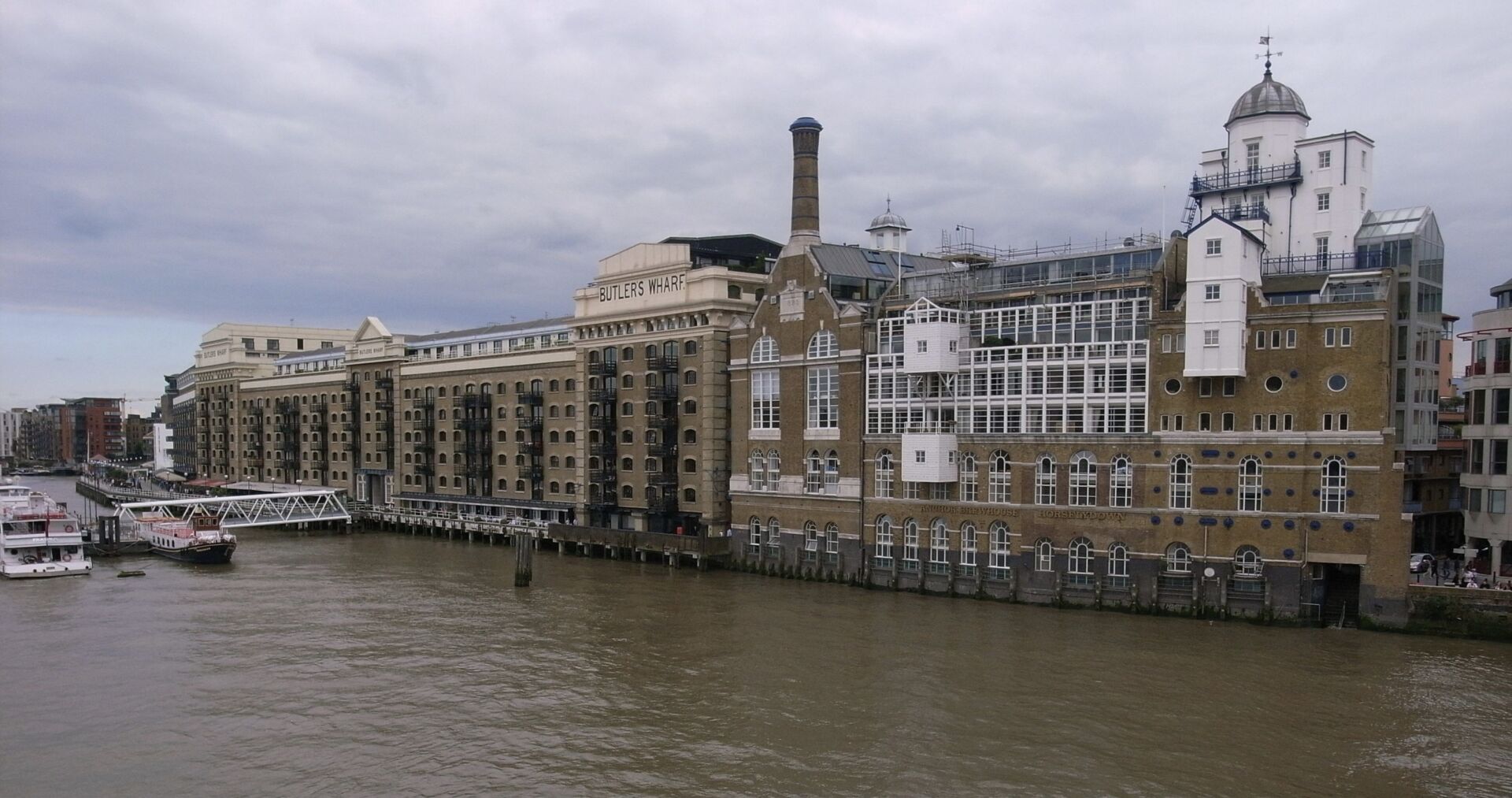
During the 1980s, AR became more prevalent around
the world with adaptation projects [Powell] such as –
London’s Covent Garden Market
Sir Terence Conran’s Butler’s Wharf
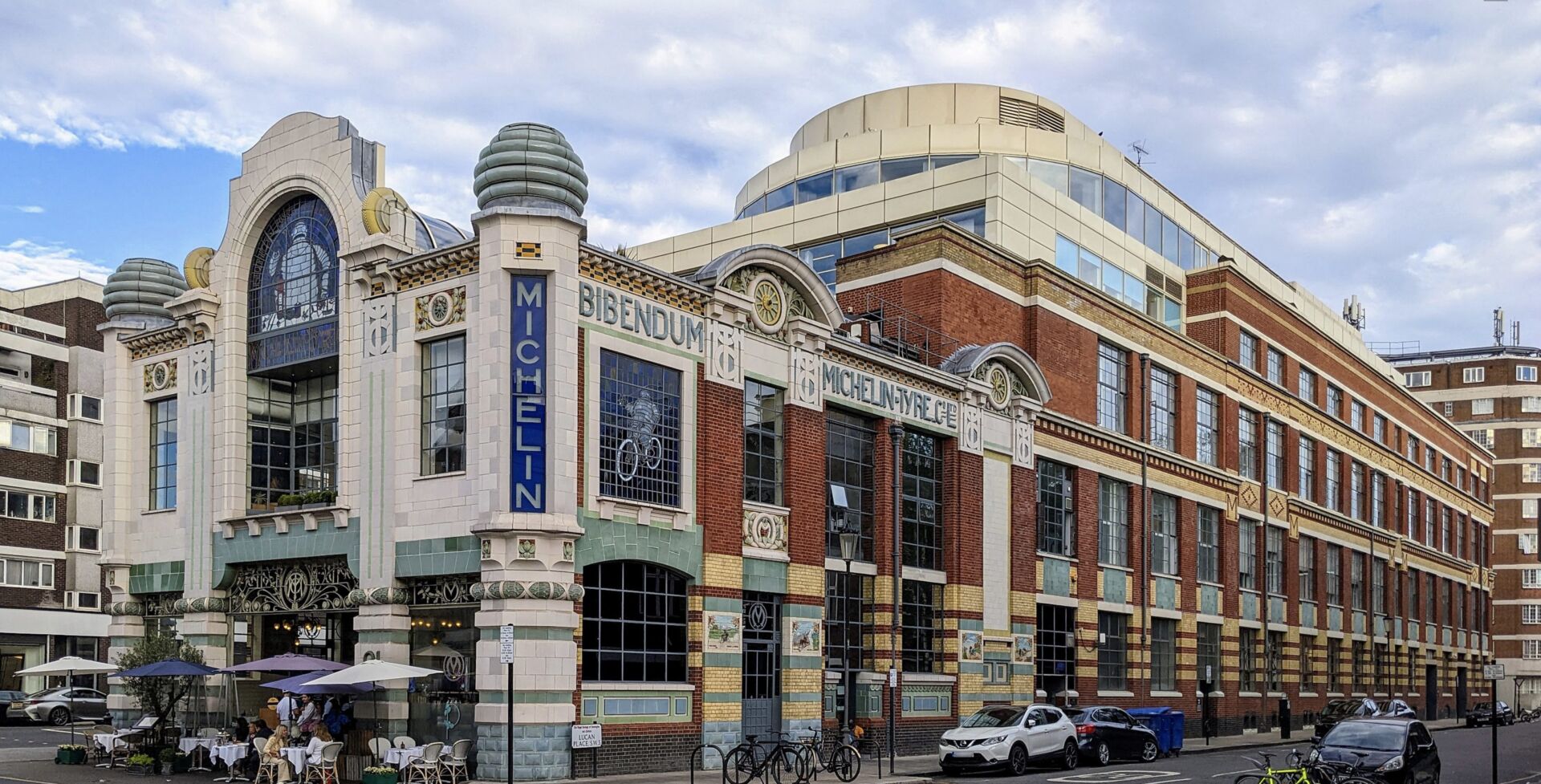
Textile mills in Lille France
In the early 1980s, 80% of building work in London was recycling.
[Latreille, Latreille, and Lovell]
By the late 1980’s the commercial potential of sound old buildings was accepted,
and the regeneration value of AR schemes was acknowledged. [Powell]
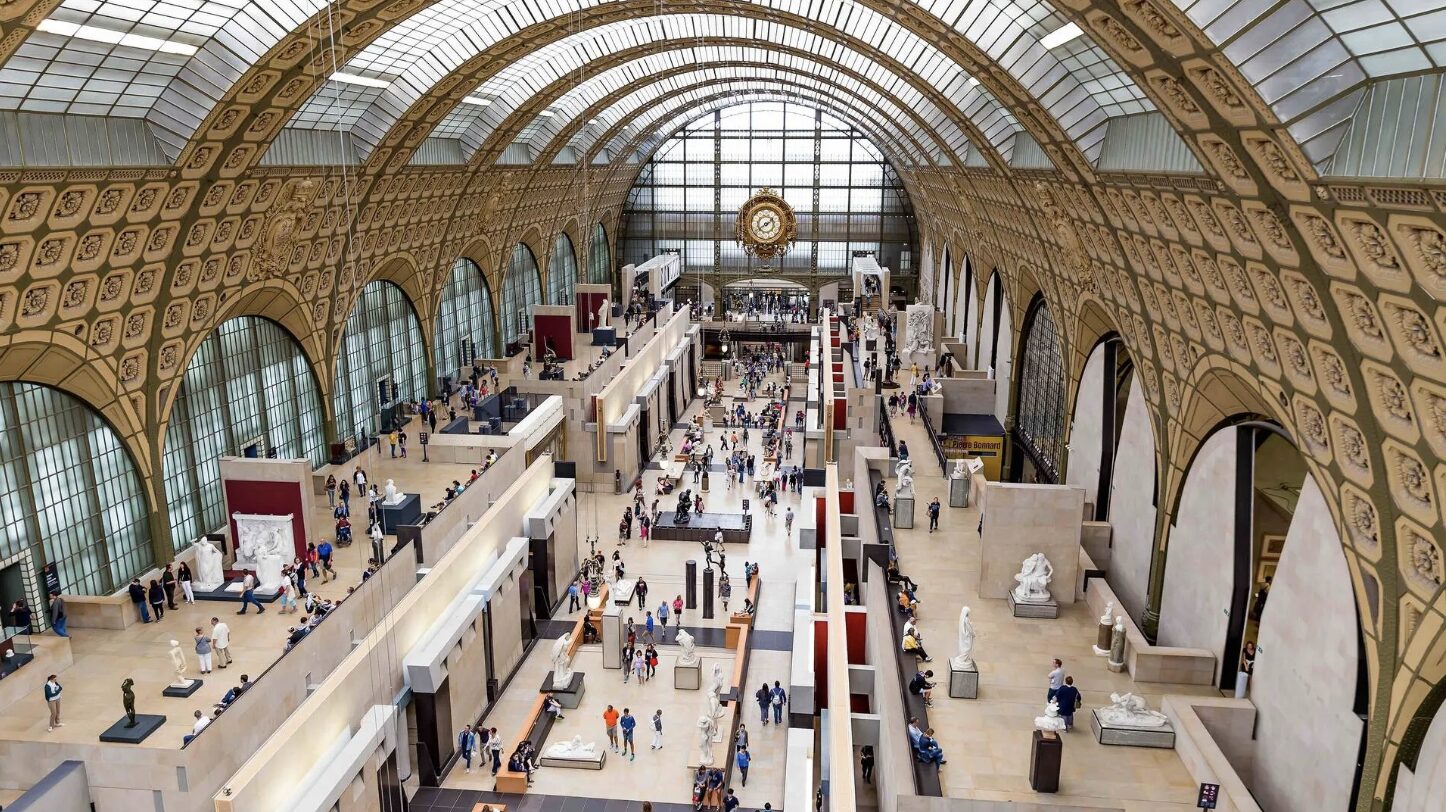
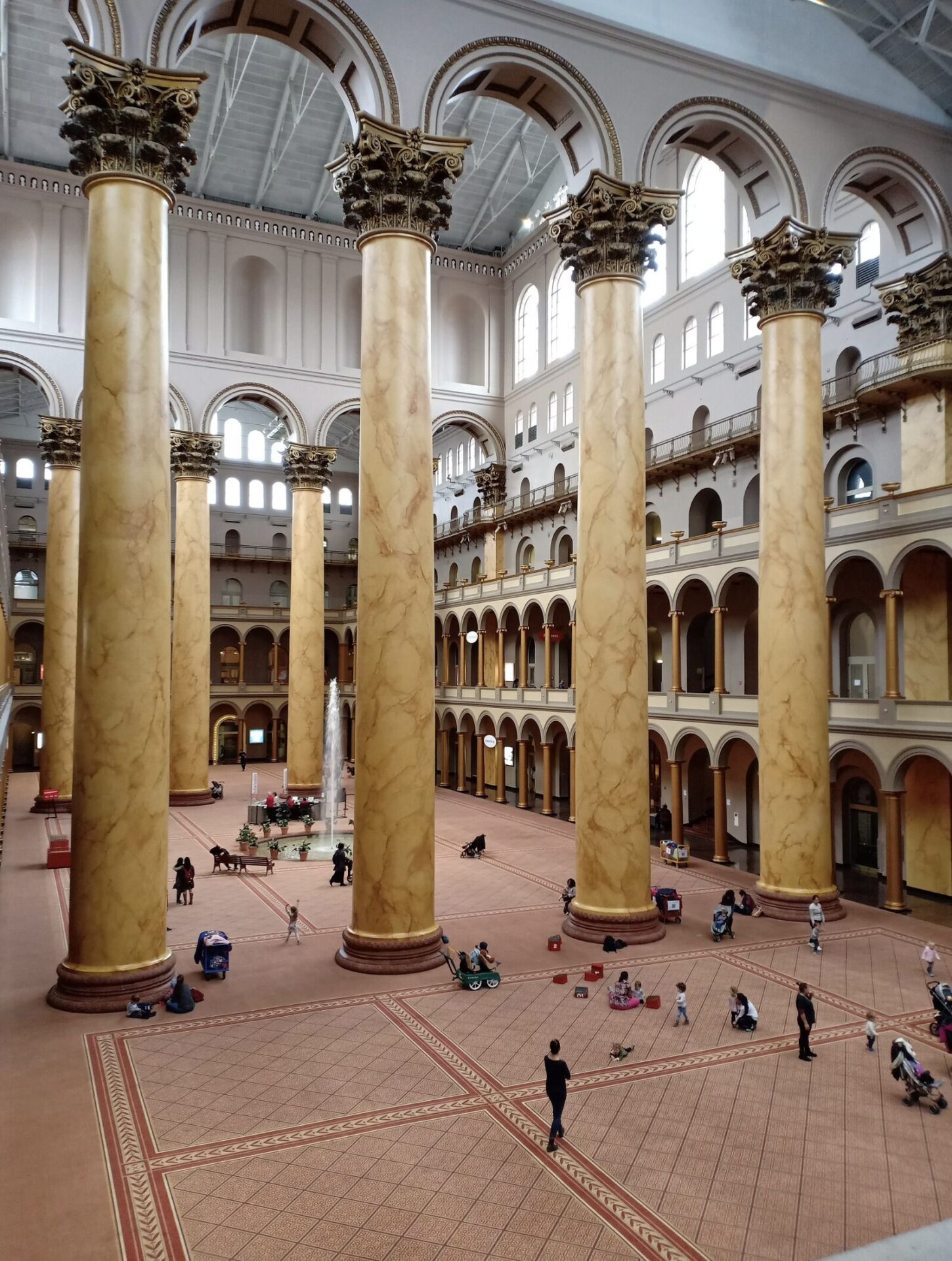
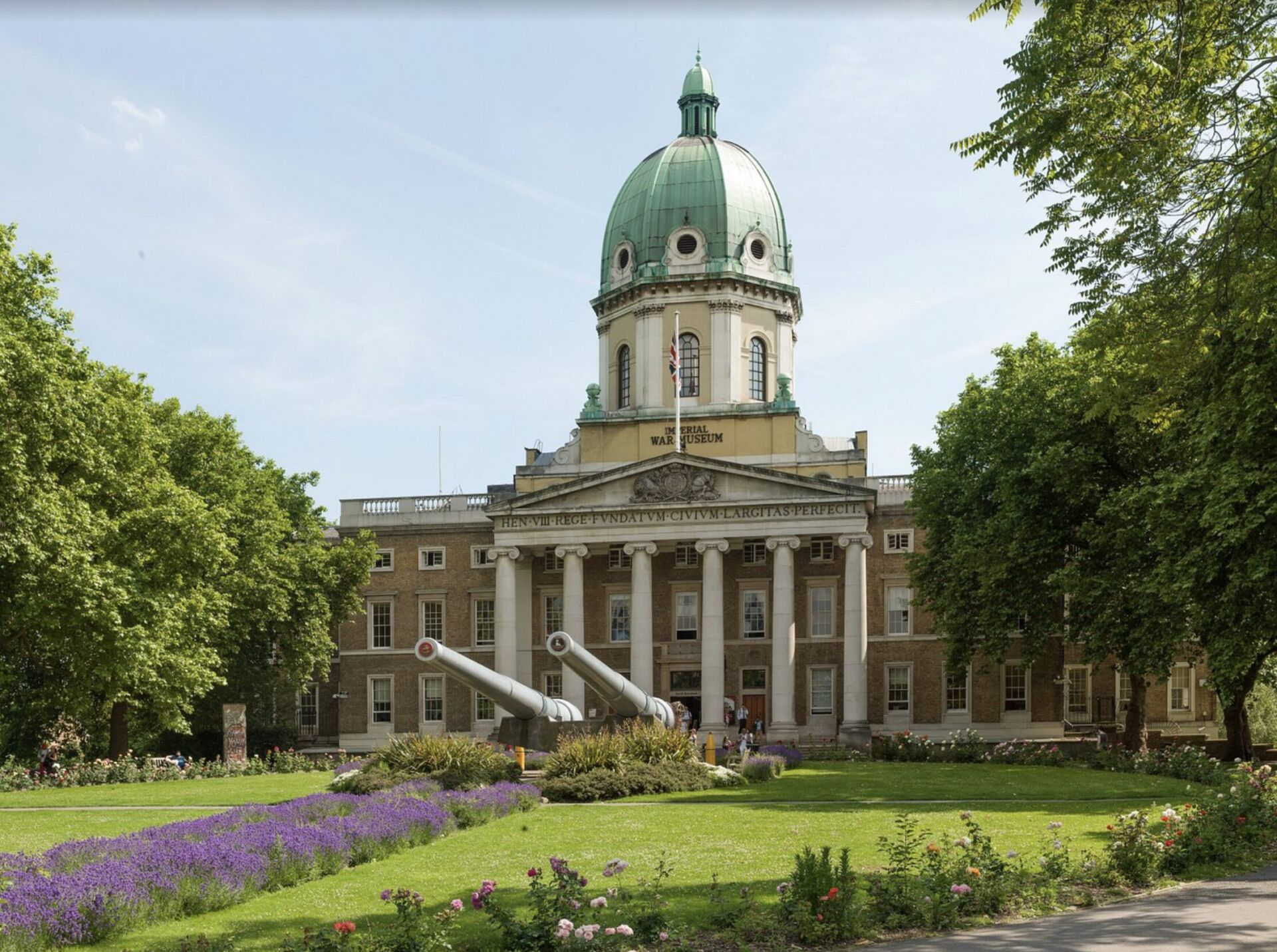
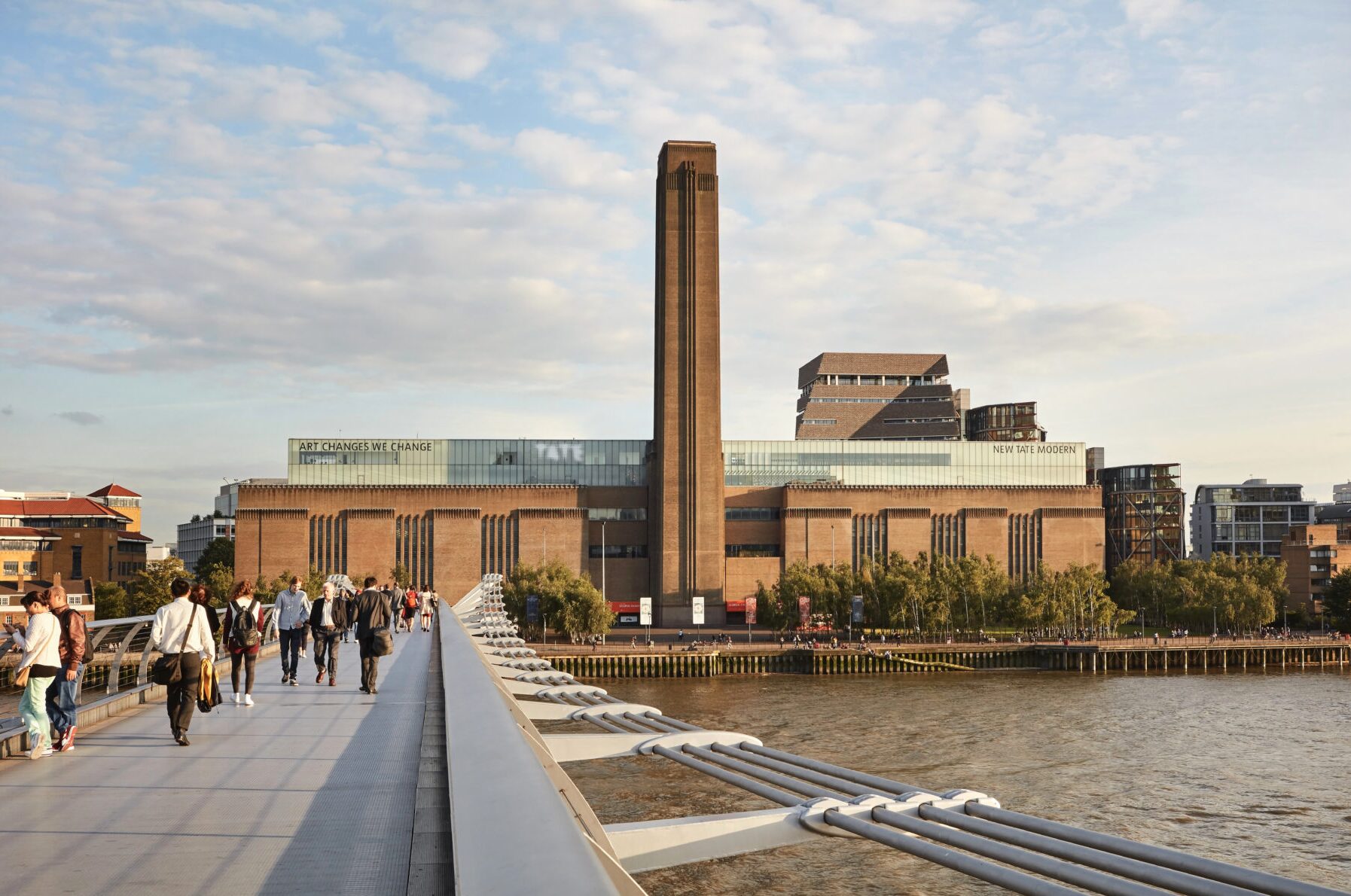
Around the world during the 1980s & 1990s, museum’s & galleries became
prime catalysts for AR transformation [Powell] such as the –
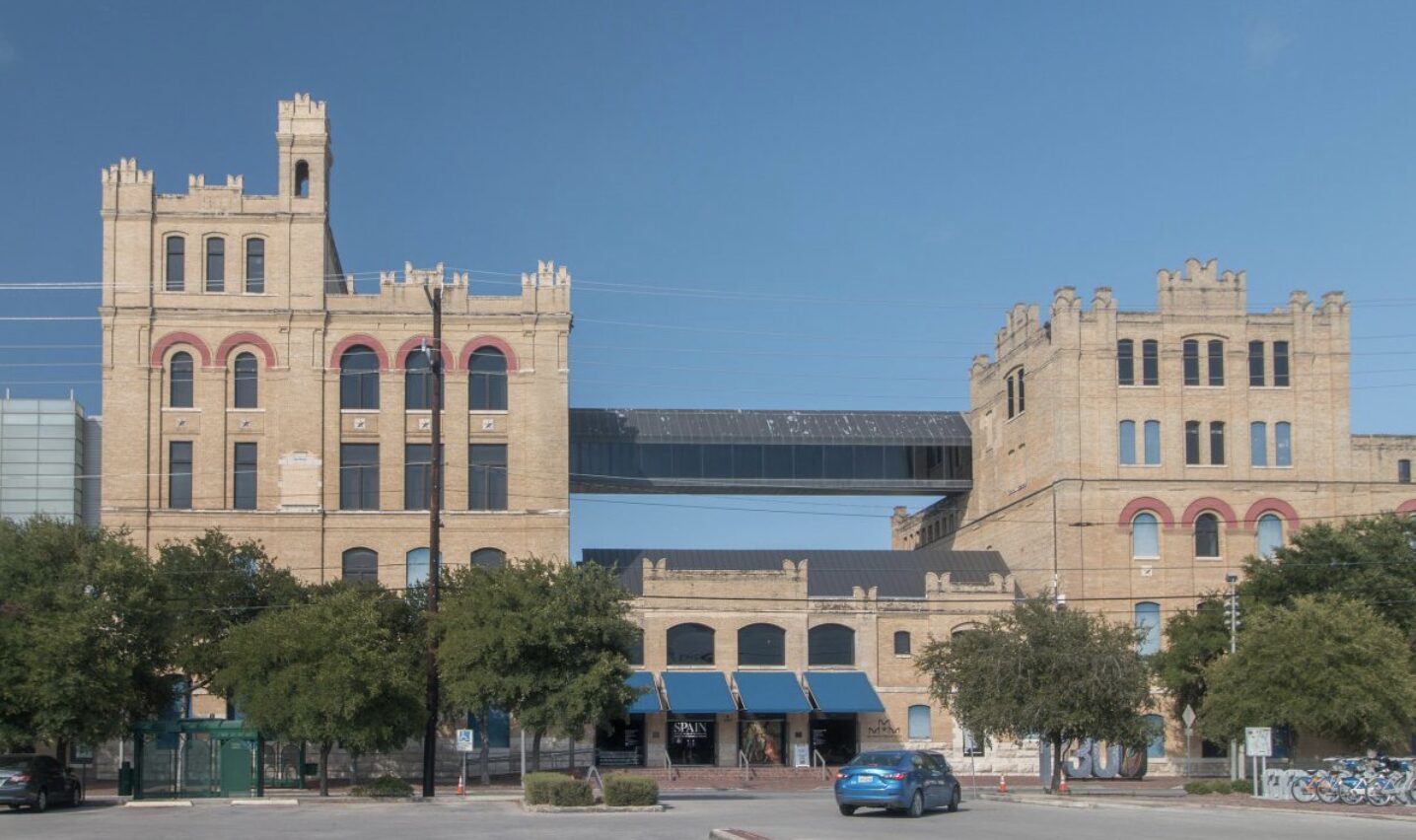
San Antonio Museum of Art – from a brewery
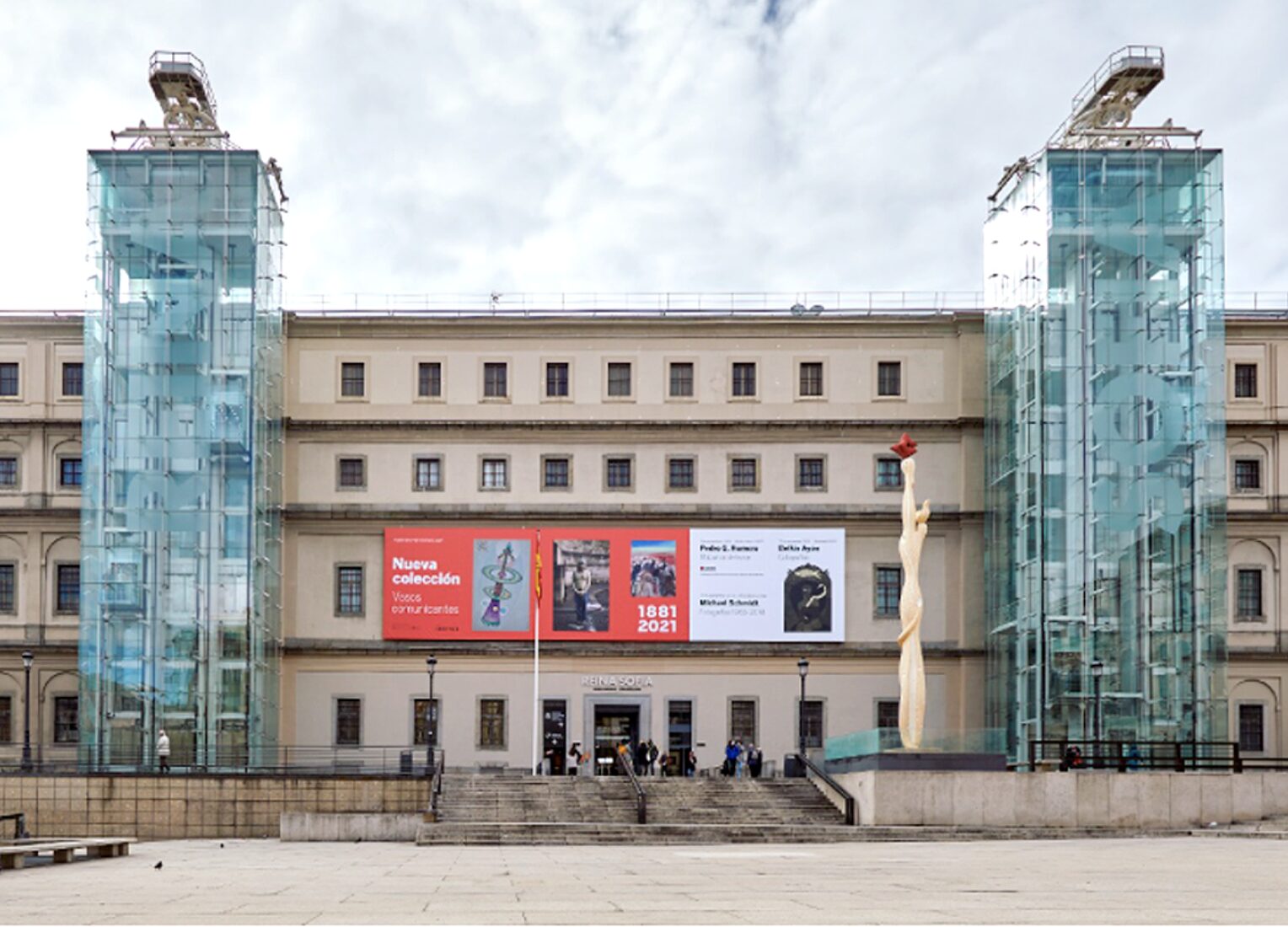
Madrid’s Reina Sofia Museum – from a hospital
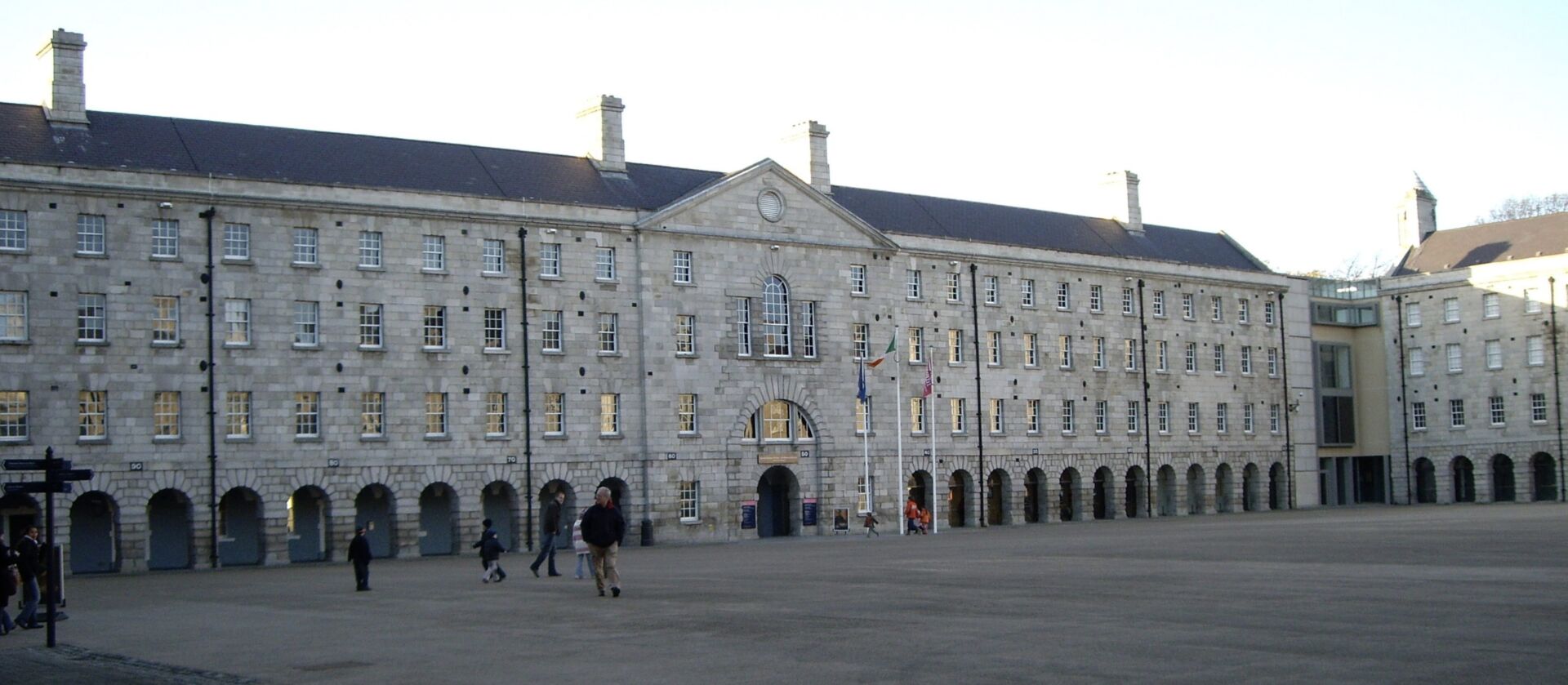
National Museum of Ireland Dublin – from army barracks
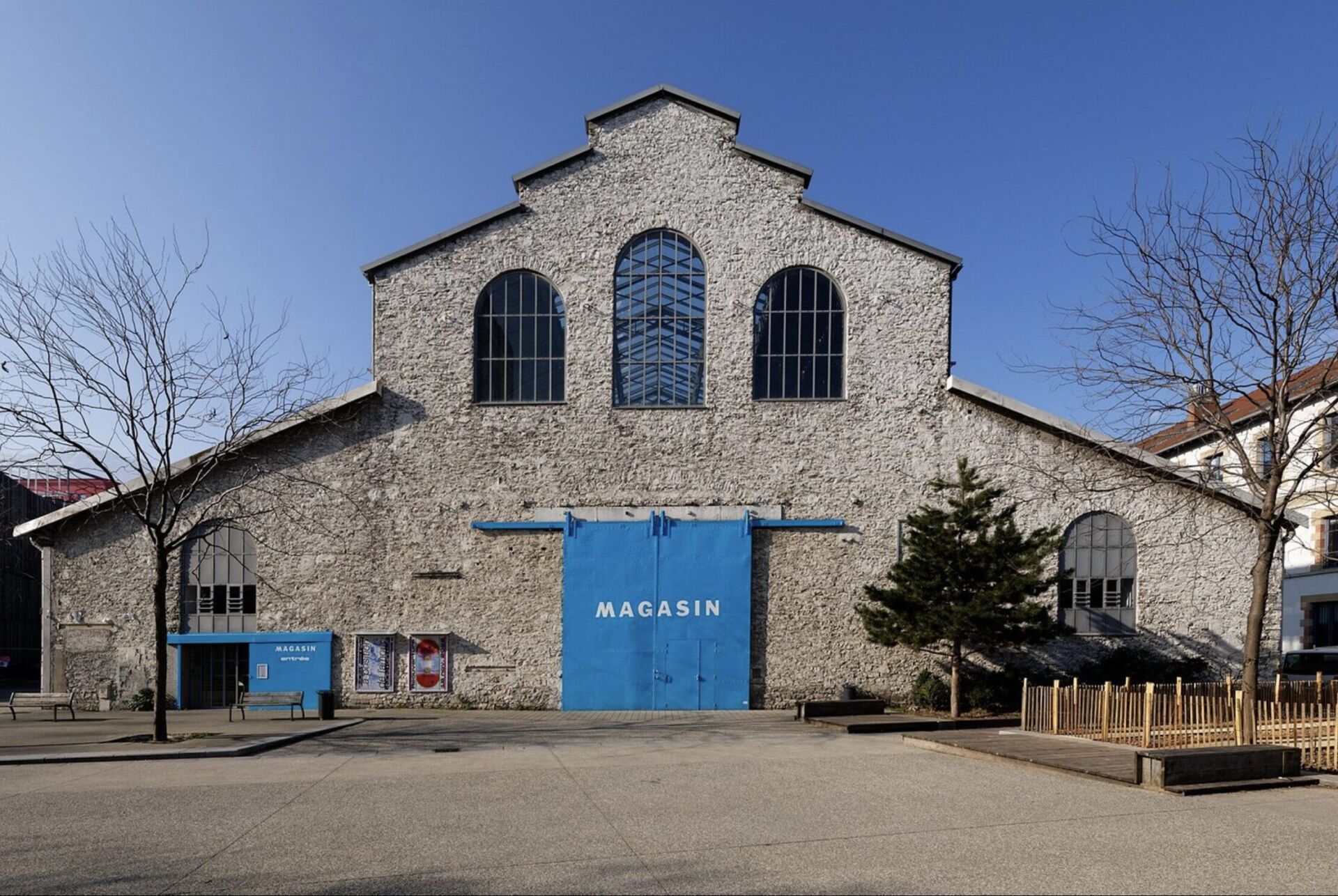
Centre for contemporary Art Grenoble – from a foundry
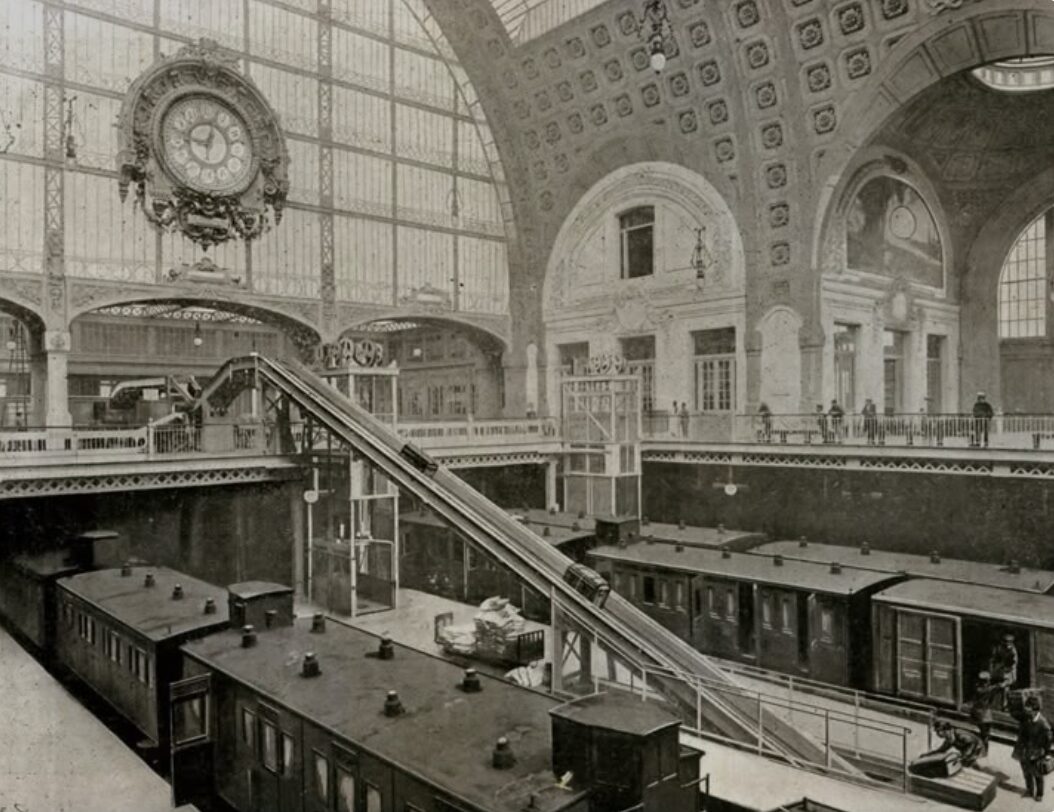
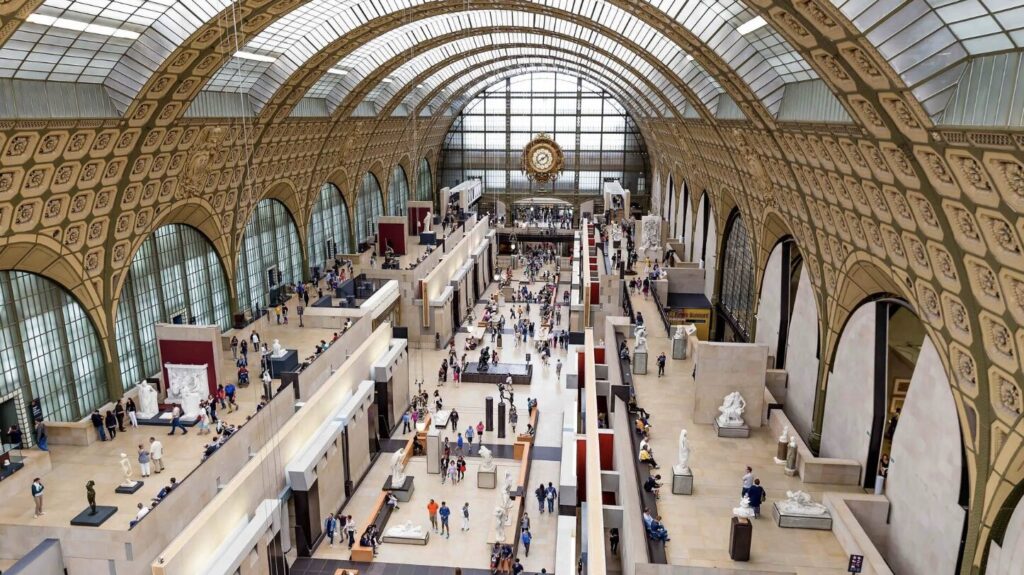
Musee D’Orsay – from a train station
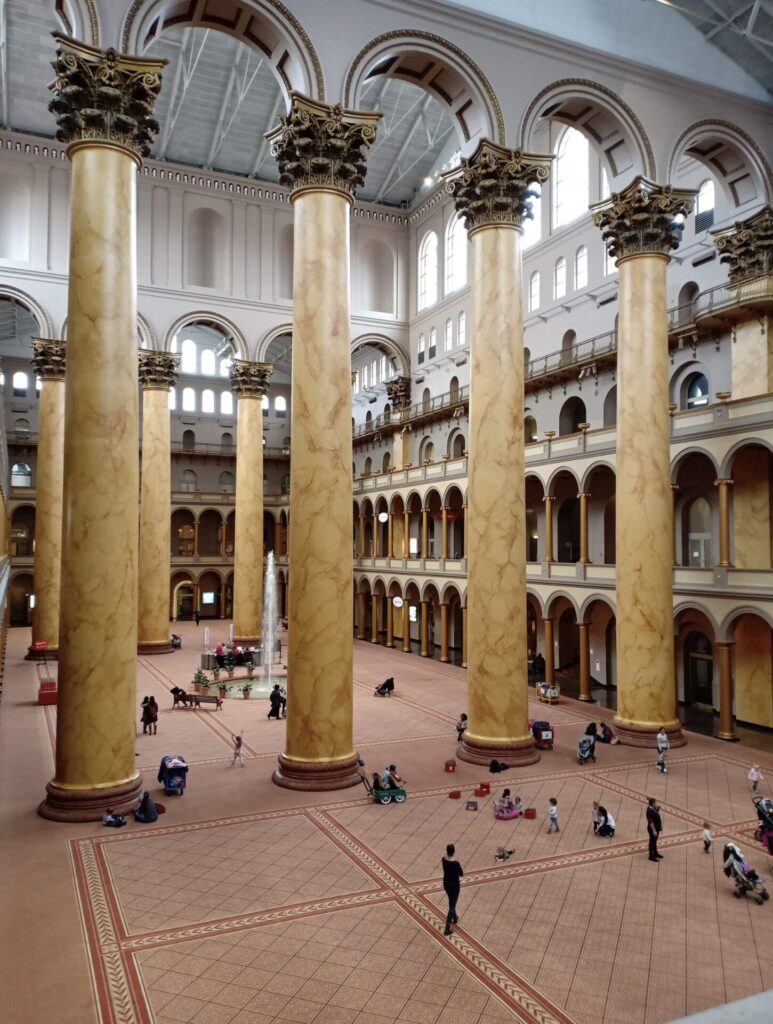
Washington’s National Building Museum – from the commercial Pensions Building
London’s Imperial War museum – from a mental hospital
Tate Modern Bankside – from a Power Station.
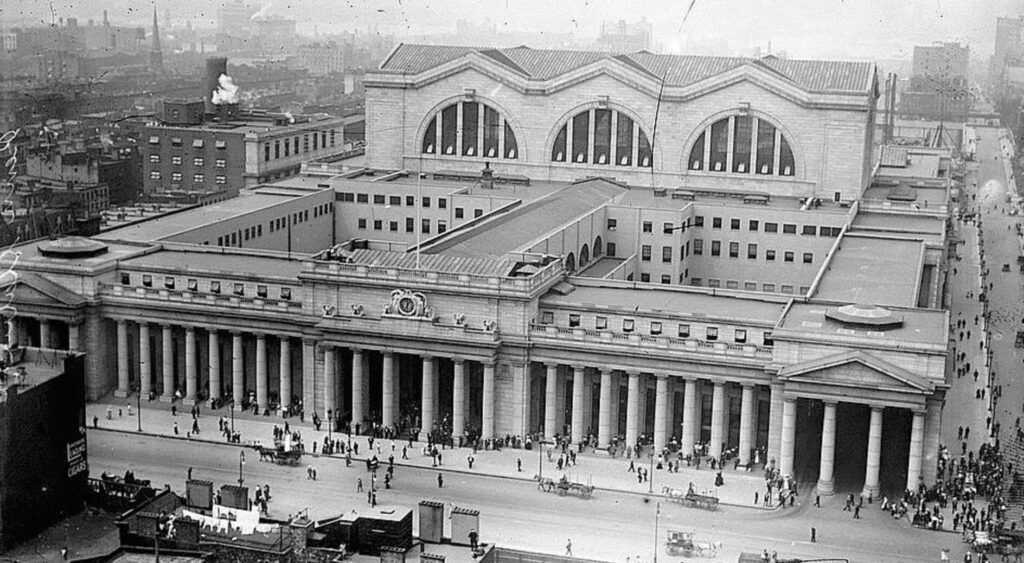
History of Adaptive Reuse Australia
Sydney has had a proud history of adaptively reusing its
heritage buildings since the early 19th century.
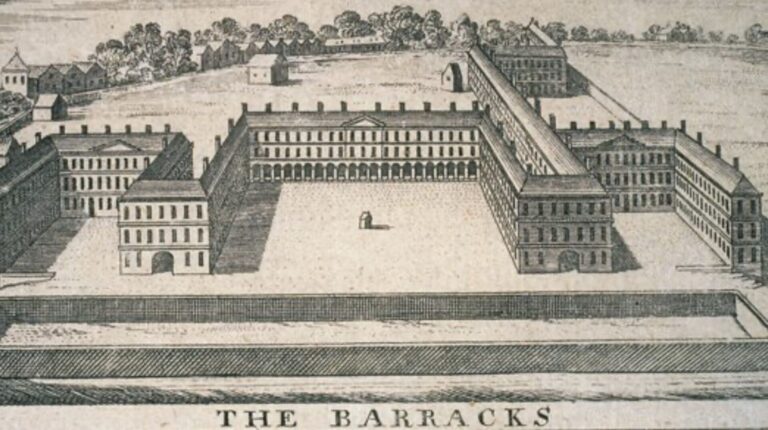
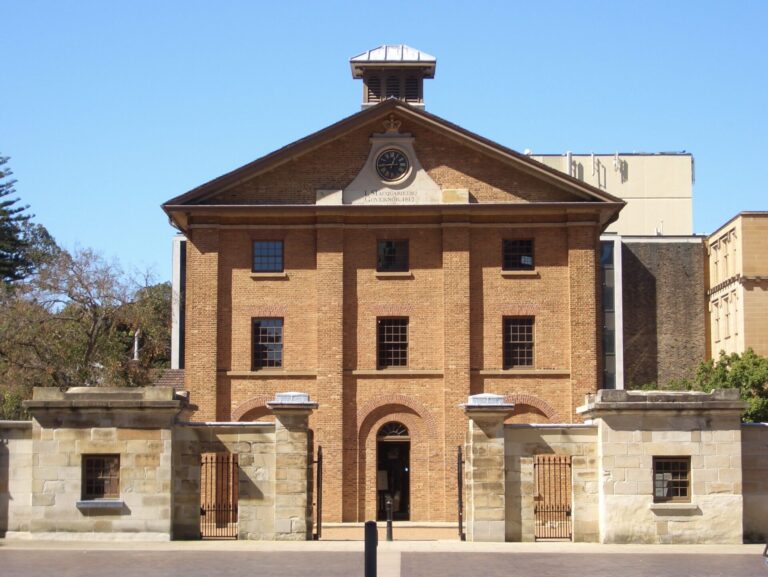
After 30 years as a convict barracks,
the 1819 Francis Greenway-designed
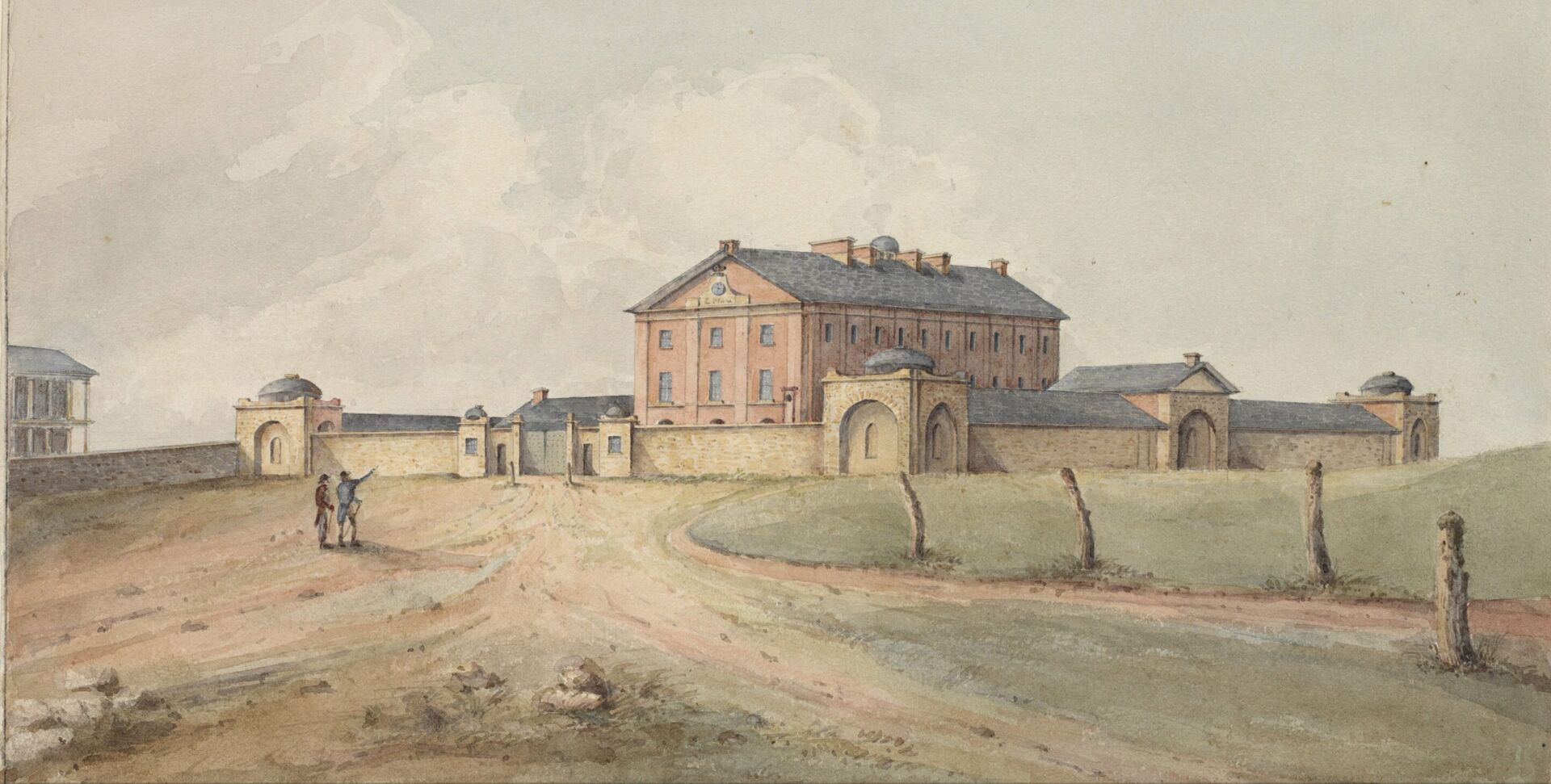
progressively became –
benevolent asylum for infirm and destitute women,
female immigration depot
government offices
courts & legal offices.
After being granted one of the first
Permanent Conservation Orders in 1981
under the 1977 NSW Heritage Act,
it became a museum in 1984. [NSW Govt OEH]
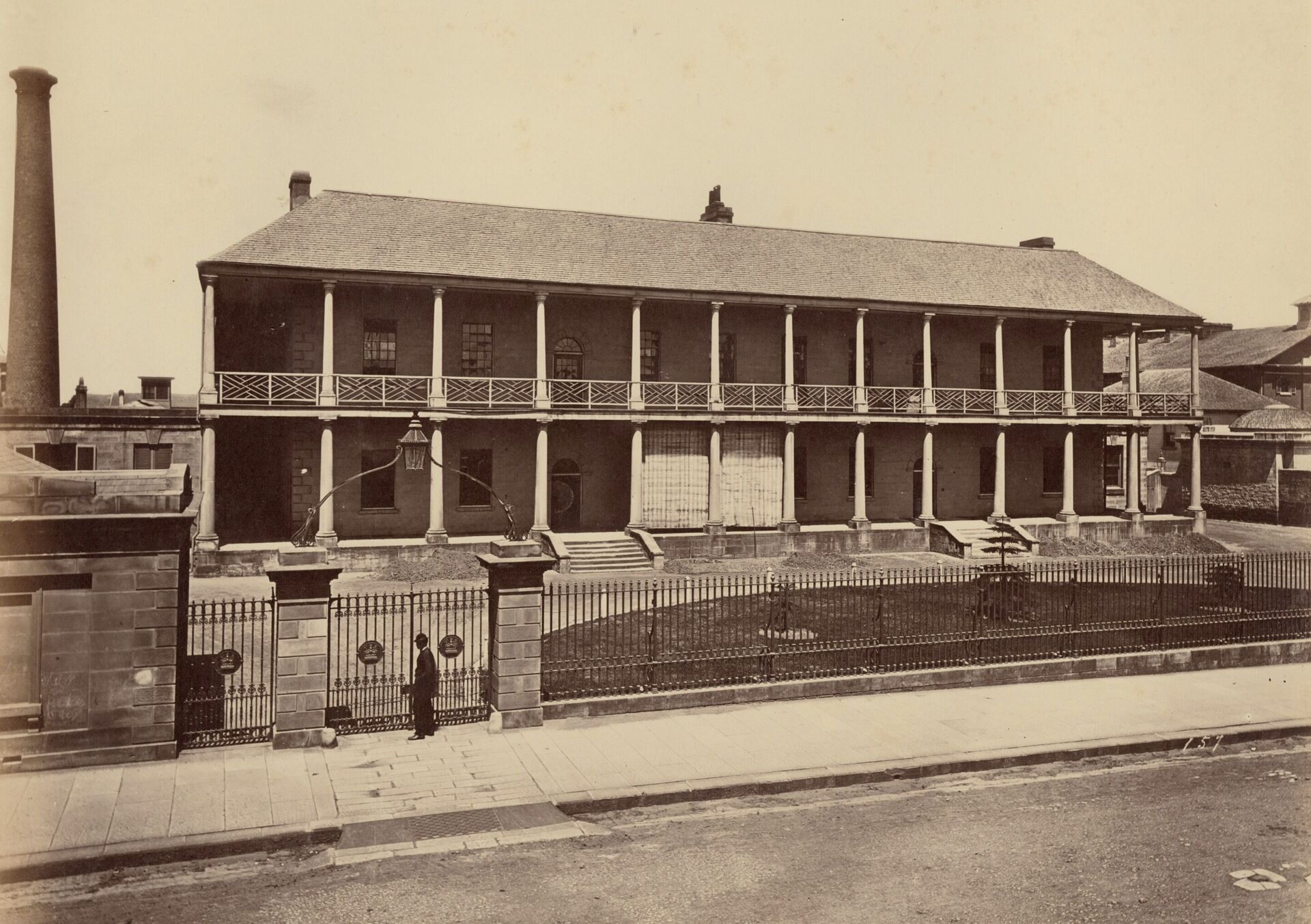
next door to the Barracks in Macquarie St
has also had a wide ranging adaptive reuse history =
South wing of the Rum Hospital
Dispensary and military hospital
royal Mint and coining factory
govt insurance office
district courts
parliamentary library
museum of applied arts & sciences
historic houses trust
museum
offices, library and conference rooms (2000s]
[NSW Govt OEH]
The 1815-1848 building in Millers Point
occupied by the National Trust Centre since 1975,
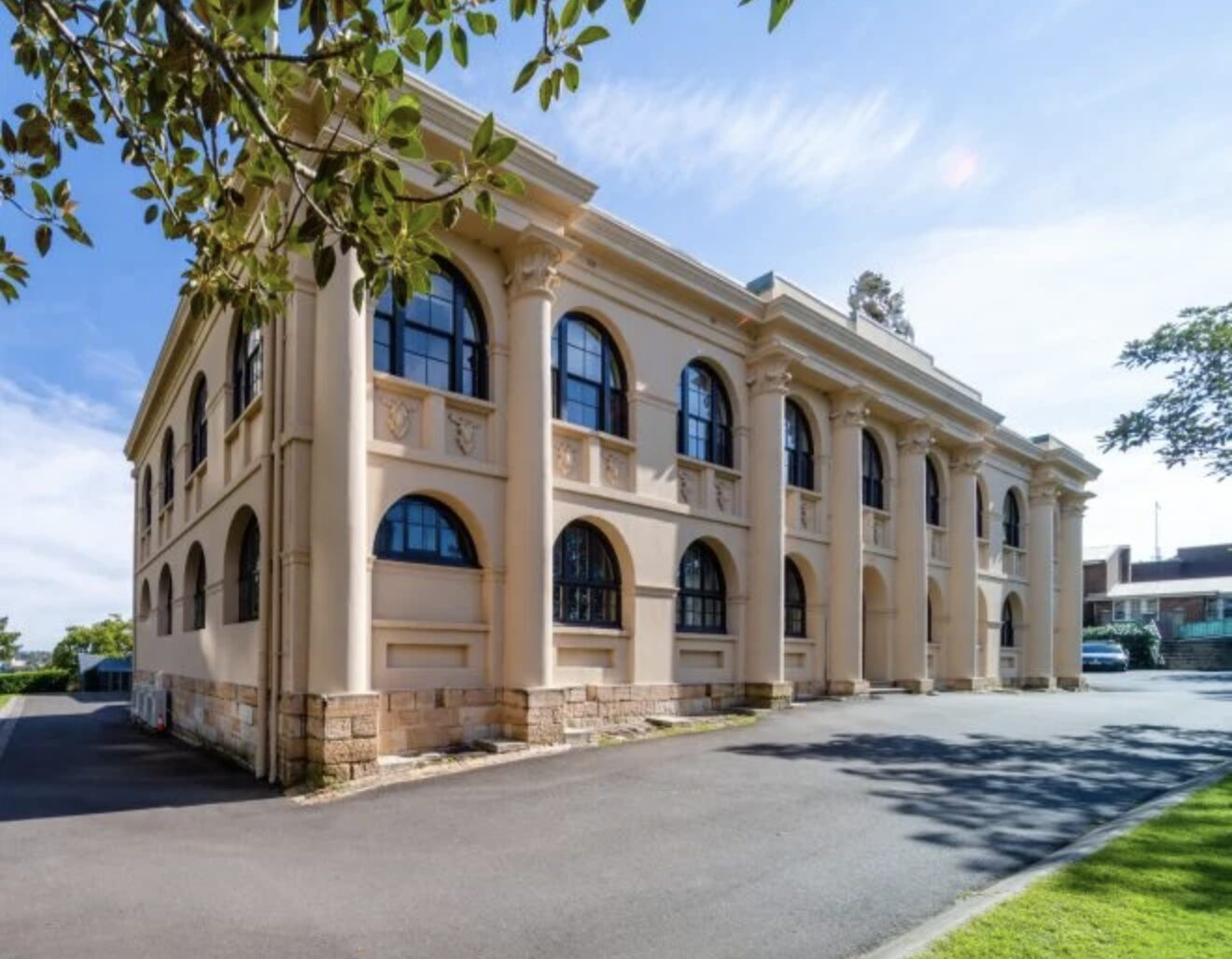
was originally a military hospital which was
adapted during in the 1840s into a school. [NSW Govt OEH]
The 1826-1878 Argyle Stores was the first heritage building
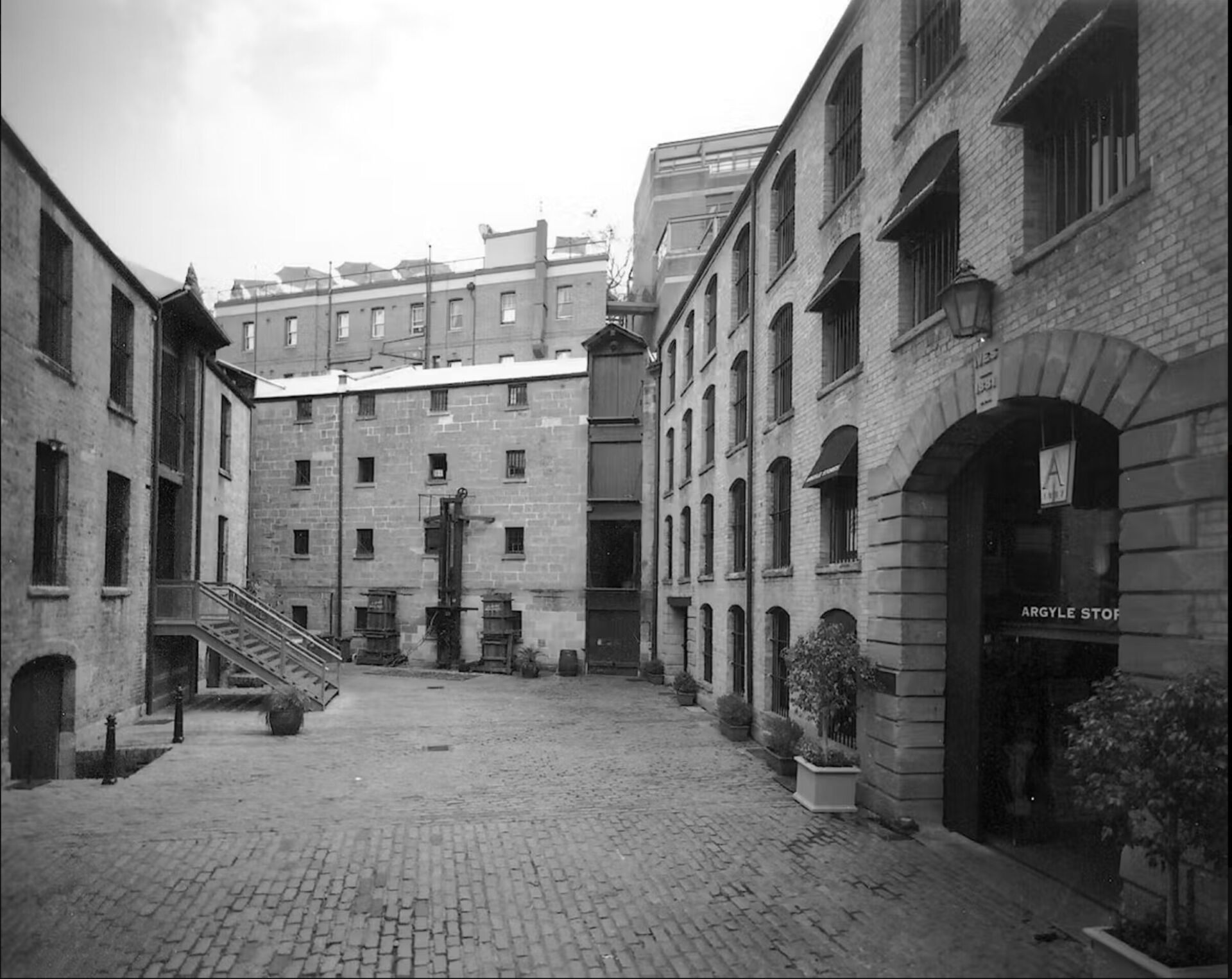
in the historic Rocks area to be converted
starting in 1967 with the Argyle Tavern
followed by the Argyle Arts Centre from 1969.
[NSW Govt Property]
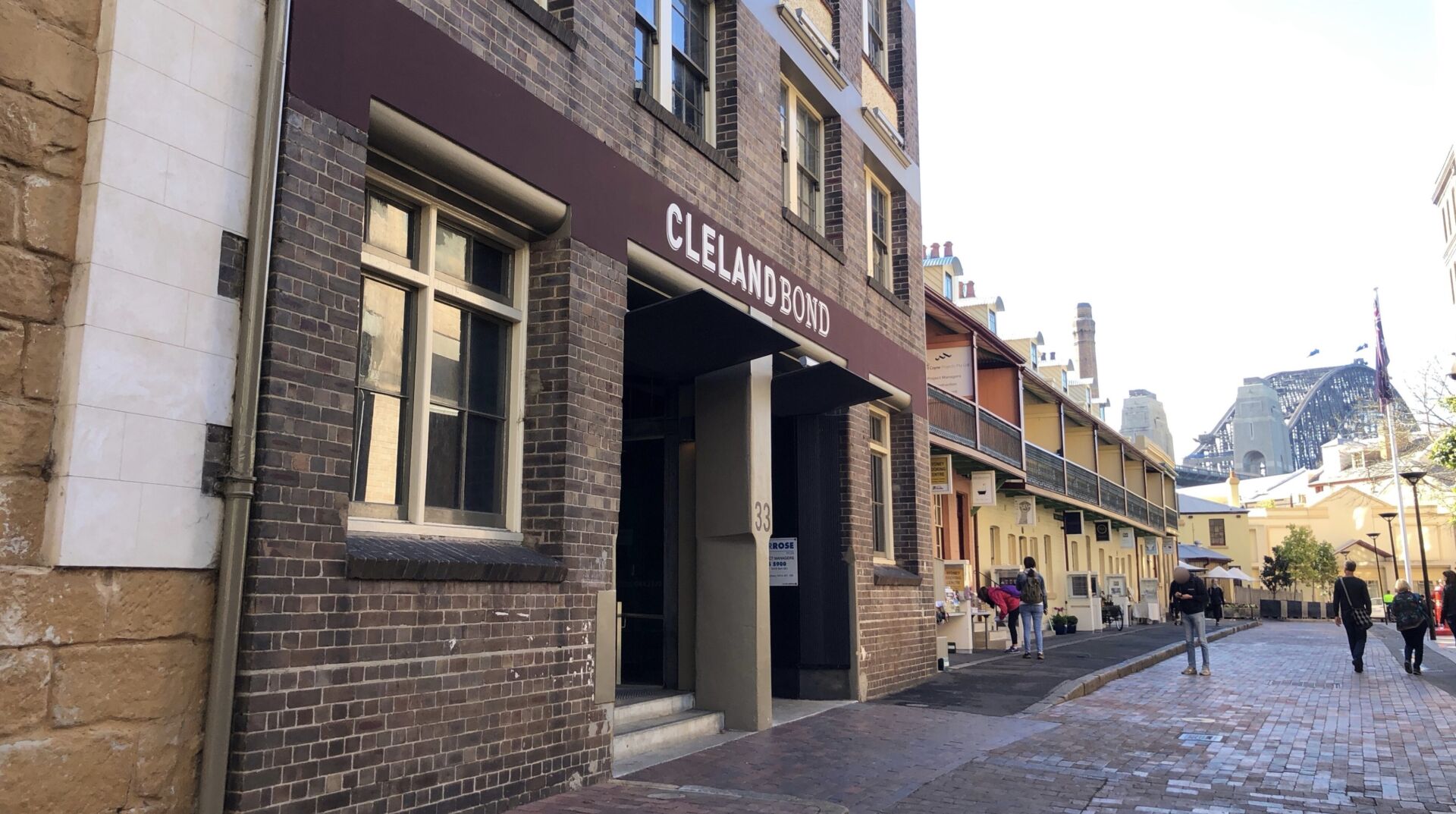
The Sydney Cove Redevelopment Authority (SCRA)
founded in 1970 were one of the leading pioneers
of adaptive reuse in Australia and their first
adaptation projects in the Rocks were in
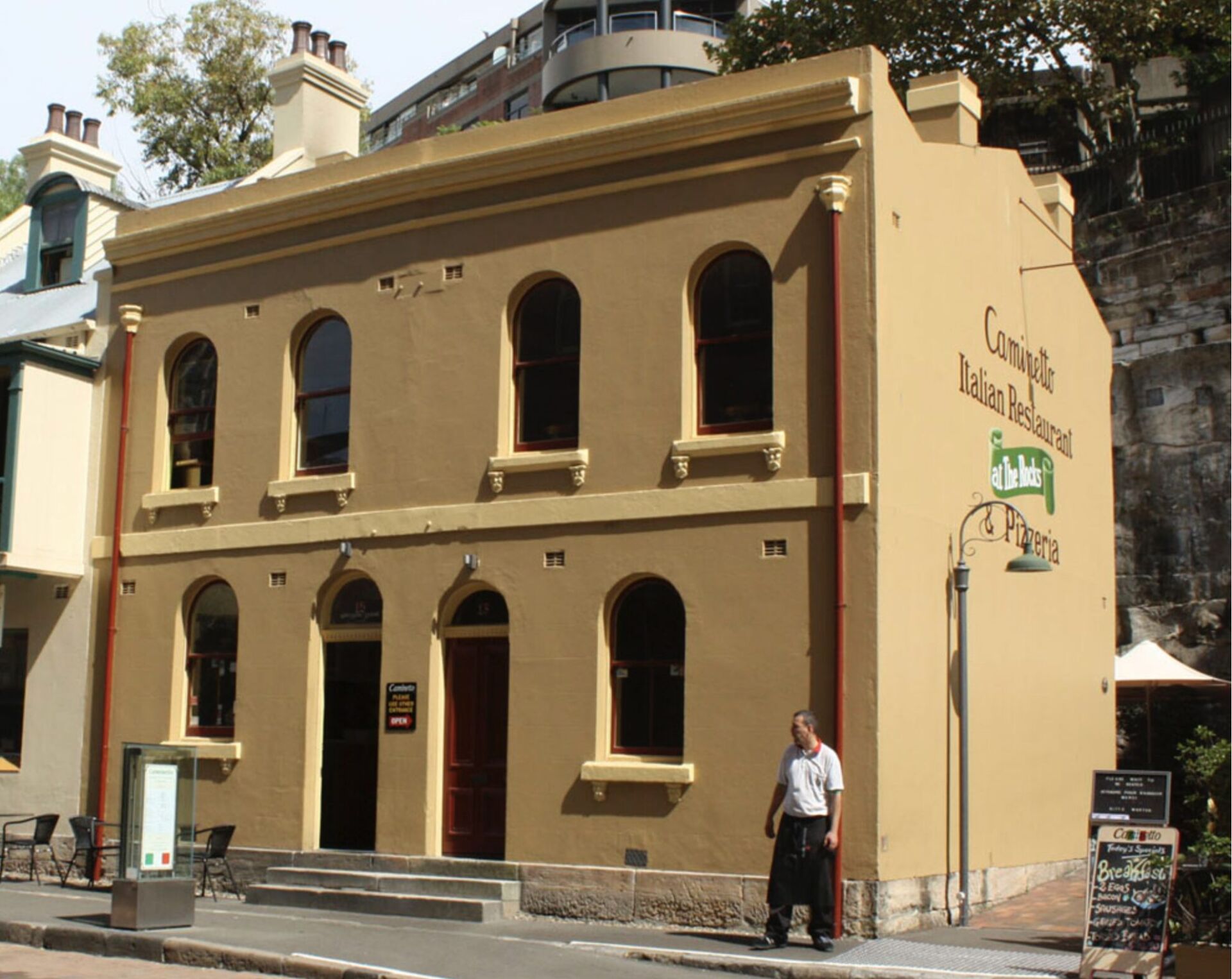
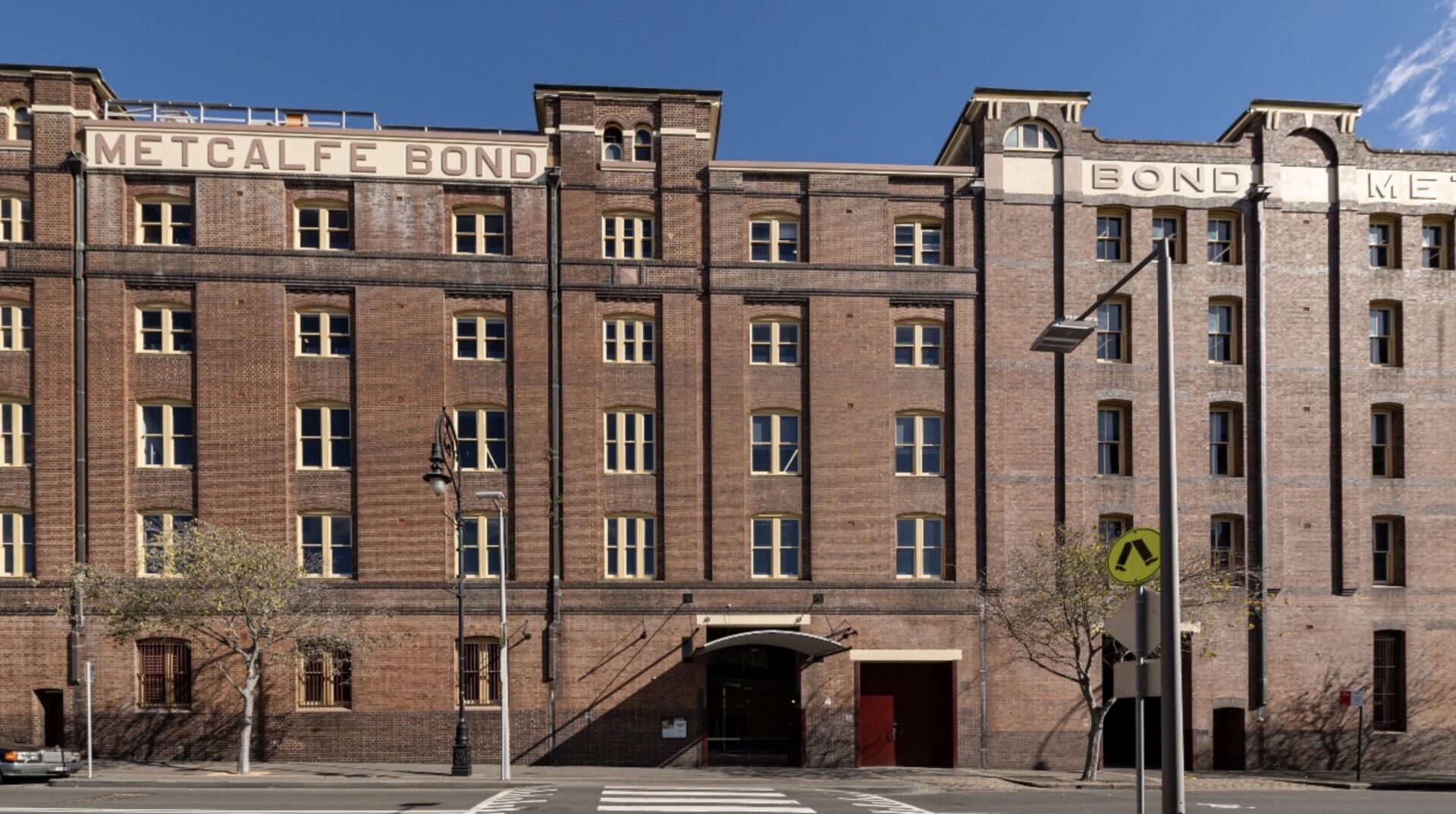
1972 with the recycling of the 1925 Cleland Bond Store
the 1875 Argyle Terrace [Latreille, Latreille, and Lovell,]
and the 1912 Metcalfe Bond Stores,
followed in 1975-78 by the conversion
of the 1839-1861 Campbell’s Storehouses.
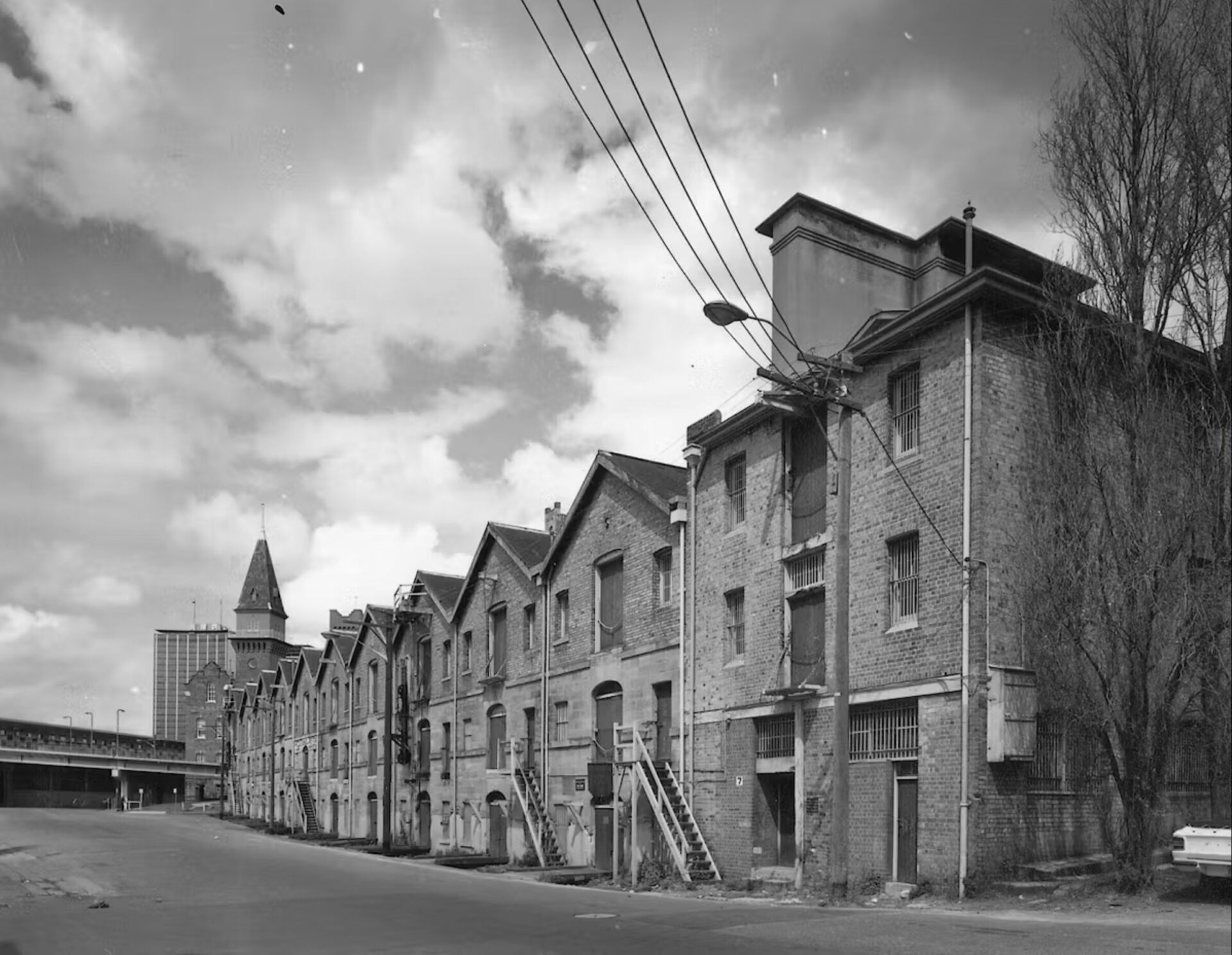
[Latreille, Latreille, and Lovell]
The Australian Council of National Trusts and the
Historic Buildings Preservation Council of Victoria
were also pioneering of AR in Australia and noted in 1982
that the “1980s will be a decade of progress but will
also see an unprecedented looking back”.
Their publication “New uses for old buildings in Australia” in 1982
was based on a study completed in 1979 of some 200 building conversions,
covering both heritage and non-heritage, which promoted adaptive reuse
as “much easier and more sensible” than pulling buildings down
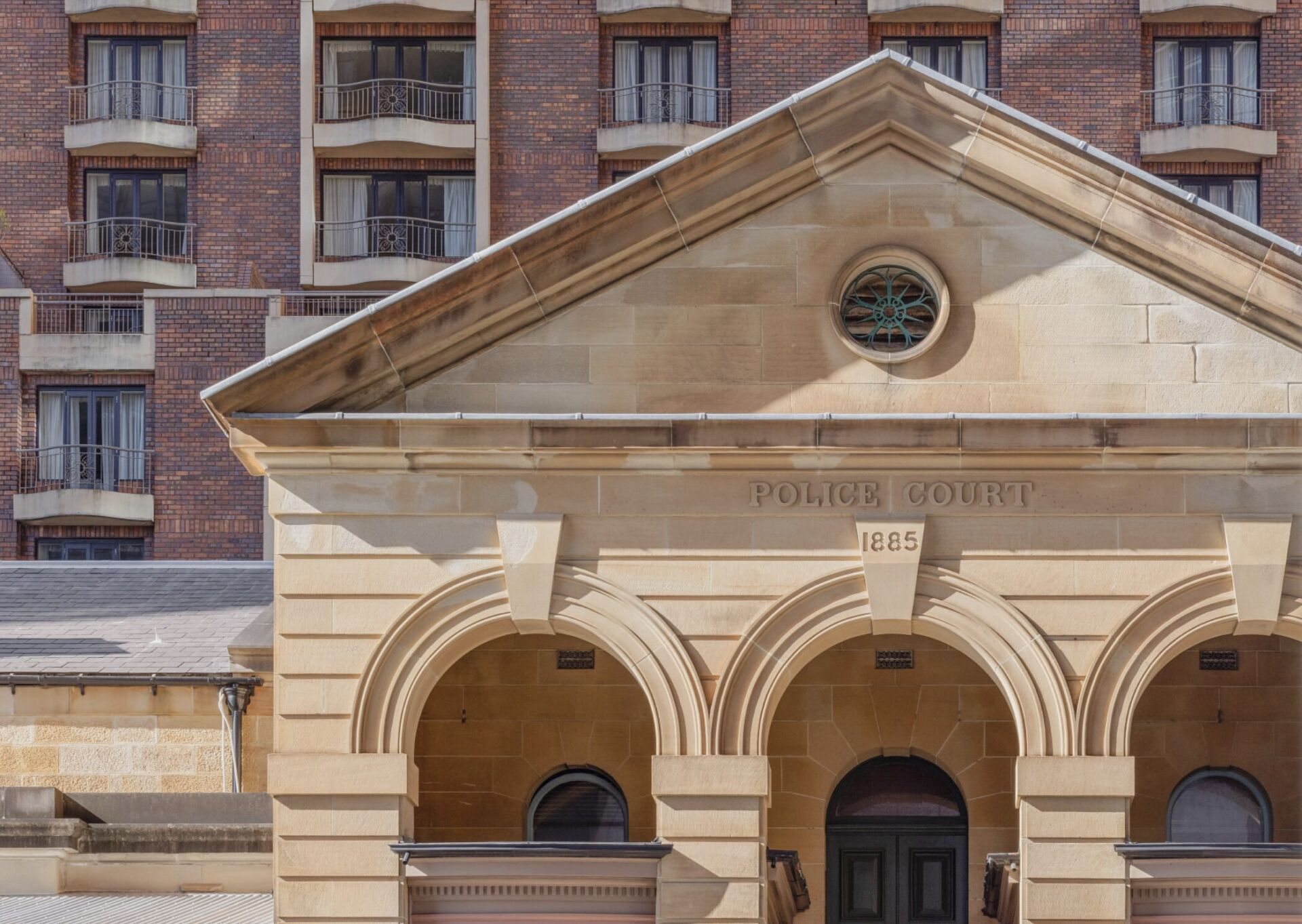
Sydney with the NSW Govt was also part of this global trend
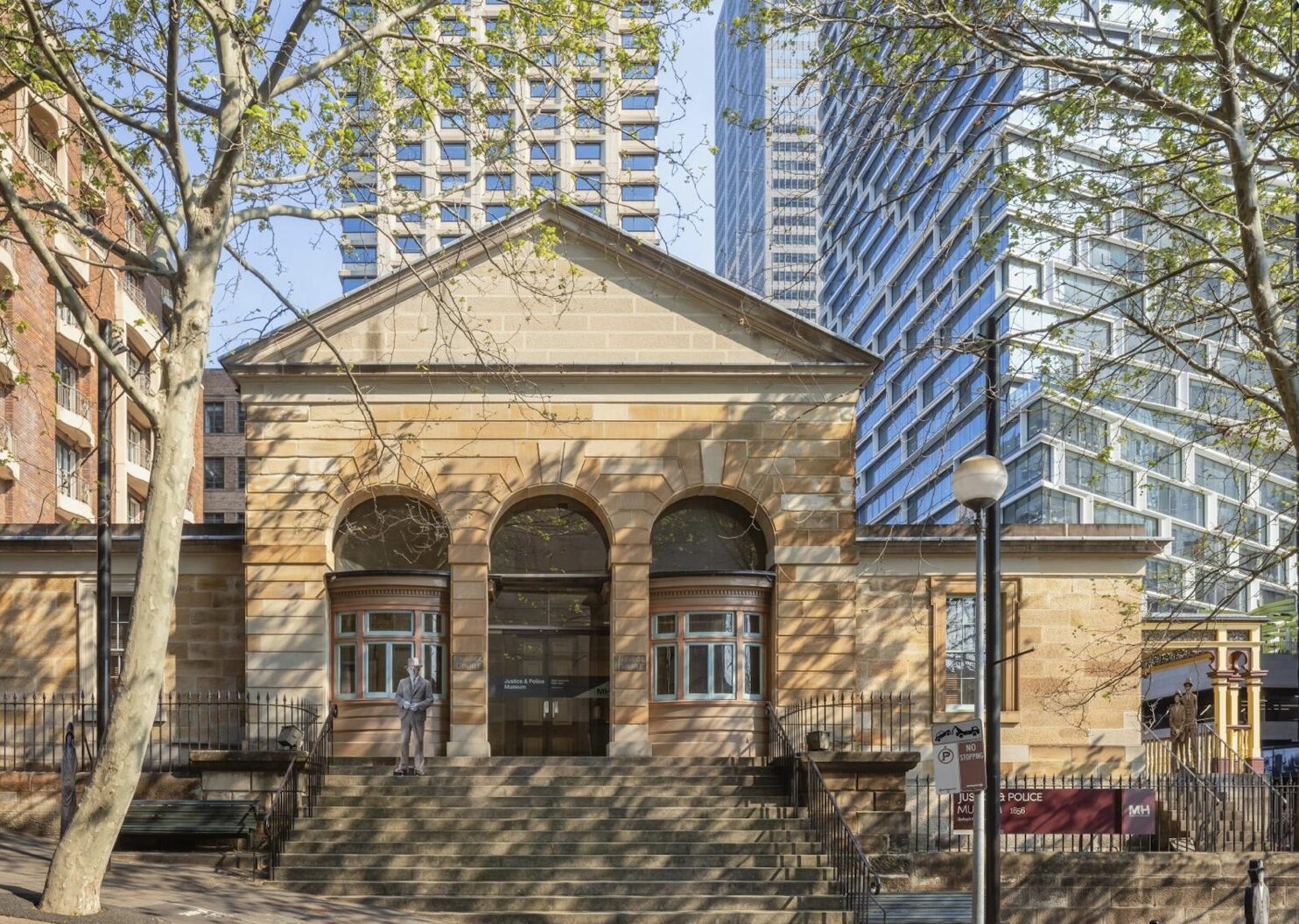
1990 conversion of the 1853
Edmund Blacket & James Barnet-designed
Water Police Station and Court in Phillip St into the
Justice and Police Museum. [[NSW Govt OEH]
1991 adaptation of the 1952
Art deco-style Maritime Services Board Building
at west Circular Quay into the
Museum of Contemporary Art.[[NSW Govt OEH]
Other significant adaptive reuse in Sydney include –
The 1932 adaptation of the 1848
John Bibb-designed colonial-style residence at
145 Macquarie St into the
Royal Australian College of Physicians.[NSW Govt OEH]
1986 restoration of the 1898
high Victorian Queen Victoria Building into its
original retail use after previous adaptions to the
SCC’s electricity department offices and then
the city library.[NSW Govt OEH]
1994 transformation of the 1845
Mortimer Lewis designed Customs House at Circular Quay
into a creative cultural venue with
restaurants, bars, library, commercial offices,
exhibition and meeting spaces. [NSW Govt OEH]
2001 conversion of the 1820
Gothic-style stables for the first Government House
designed by Francis Greenway, into the
Conservatorium of music.[NSW Govt OEH]
Building adaptation became an increasing trend during the 2000s, [Ball]
and continues to thrive as a prominent strategy for obsolete
or redundant buildings in Sydney during the 21st century,
as evidenced by the conversion of the heritage
Lands and Education department buildings
in Bridge St into a luxury hotel & retail centre
Buildings Adaptive Reuse [AR] Considerations
Douglas notes a set of treatments which could be part of an adaption
broadly in order of increasing intervention [Douglas]
Conservation – Preserve
Refurbishment – Facelift, makeover
Rehabilitation – Modernize
Renovation – Upgrade, conversion
Remodelling – Improve, extend
Restoration – Bring back to original or previous state
Adaptive reuse can be applied to a range of alternative building uses
with the preferred type impacted by many factors including –
Timing
Relative Market dynamics
Physical constraints & opportunities
“Fit” Suitability
Relative Value
Location is a key factor particularly in AR when the original building use
has become an anomaly in its setting and when the new use is more
suited to the current market or character of the district.
Some buildings involve partial or full AR to a mixed-use development,
which can mitigate development risks due to a spread of industry sectors,
\although there can also be significant design, cost & operational
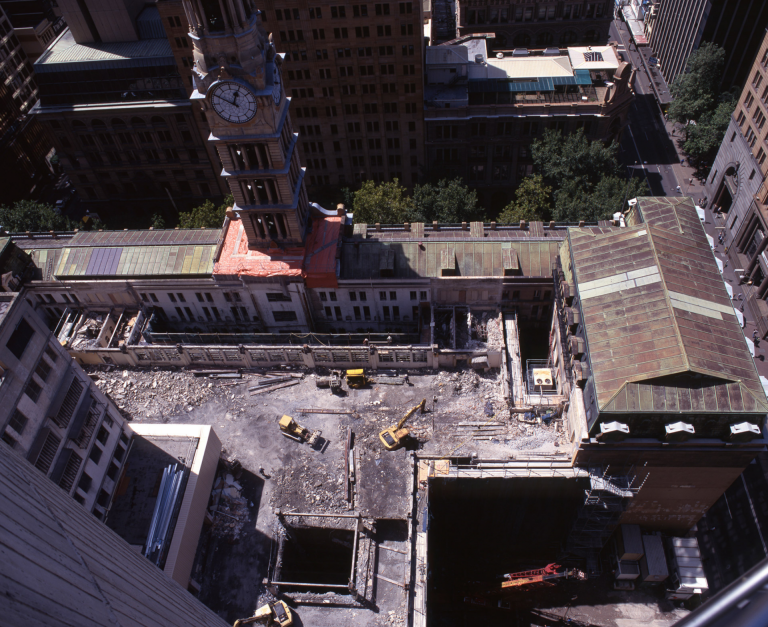
complications as well. The conversion of Sydney’s GPO
is an excellent example of the benefits of a mixed-use development.
[Douglas] has described two types of AR –
“Conventional” (for a specific use)
“Entrepreneurial” (for speculative uses)
Most AR, especially conversion to hotels, has taken the conventional route,
with hotel owners or developers looking specifically for accommodation.
AR can be appealing to both public & private sectors [Austin] and it
can cater for the changing needs of owners & occupiers. [Bullen and Love]
Some see it simply as a matter of “common-sense economics”.[Powell]
The conversion of heritage buildings should follow guiding principles
which include meticulous recording, minimum intervention, minimal loss of fabric,
reversibility, explicitness (“obvious rather than veiled)
honesty and sustainability.[Douglas]
In “New uses for old buildings in Australia” AR was described as a building technique
with three important goals – [Latreille, Latreille, and Lovell,] –
* potentially useful buildings are saved from dereliction or demolition
* valuable features are retained
* buildings are reused “satisfactorily and gainfully”.
The analysis of AR potential covers three broad & inter-related feasibility
criteria which do not necessarily have equal weighting but are commonly
in the following order of priority for decision making [Douglas]
Viability – Economic or Investment feasibility
Practicality – Physical feasibility
Utility – Functional Feasibility
The three feasibility criteria can be used for an initial high-level
decision whether to proceed further which is often be based
on a high-level risk and reward assessment.
Subsequent detailed analysis covers a more specific range of factors which
require information-gathering activities to be undertaken first [Douglas]
desk-top survey
reconnaissance
audits
structural appraisal
diagnostic survey.
Audits of an existing building could include [Douglas]
access
condition
security
design
energy
fire & life safety
services
maintenance
premises
safety
space
A decision between AR or demolition & rebuilding is a complex, diverse &
dynamic process which requires a thorough analysis and comparison
of factors which should be assessed for relative importance,
risk, inter-dependence, mutual benefits & potential contradictions,
and often have different weightings amongst different project stakeholders.
Developers for example typically aim for short-term investment performance,
building owners and managers put priority on longer-term financial performance,
and occupiers focus on operating performance & productivity, [Bullen & Love]
whilst local authorities often seek broader sustainability or other political objectives.
AR Feasibility factors
The factors which should be considered when examining a building
for AR or determining the overall feasibility of AR [Douglas] include –
o Zoning Is proposed use permissible ?
o Location Proximity to demand & business drivers
o Legal Title, site covenants or similar
o Owner objectives Corporate and governance obligations & aspirations
o Costs Total development costs incl lost revenue
o Risks mitigation Architectural, structural & constructional integrity
o Owner Profitability Development ROI & operating ROI
o User profitability Forecast revenues less operating cost
o Site Value High value can substantiate redevelopment option
o Improved value Based on life-cycle evaluation
o Stakeholders Are any conflicting priorities insurmountable?
o Existing user Tenure & terms of current building occupant(s)
o Statutory Planning & development controls
o Heritage Conservation obligations and strategies
o Incentives Grants, heritage floor space potential
o Approval risk Objections, conditions, process risk
o Politics Government policy & priorities
o Social context Neighbours, community, urban precinct
o New User Brief Scope of work and changes meet objectives?
o Suitability Attractive to a range of potential user entities
o Access Arrival & entry configuration for people & vehicles
o DDA Access compliance risks
o Site planning Orientation, aspect, views, boundary setbacks
o Building identity Demand-inducing marketability if iconic
o Features Unique or special elements demanding retention
o Aesthetics Does the building character fit new users
o Site layout Site coverage & surrounds, topography
o Building morphology Floor layouts, lift locations, Fire stairs & egress
o Building geometry Shape, proportions
o Building area Plot ratio shortfall, useable space, HFS potential
o Floor dimensions Length, width, depth, area & floor-to-floor heights
o Structural condition Existing foundations & superstructure adequacy ?
o Structural layout Location, spacing & size of load-bearing elements
o Services Existing Condition, adequacy & life expectancy
o Façade Size & configuration of windows, condition of walls
o Roofscapes Shape, style, projections,
o Hazardous material Asbestos, lead paint
o Building condition Latent defects, water damage, deterioration,
o Performance Thermal, acoustic & fire ratings of building envelope
o Design Potential for Integration of old & new elements
o Interventions Scope of demolition & changes impacting waste
o Extension potential Extent of possible vertical or horizontal expansion ?
o Insertion potential Extent of possible extra mezzanine space.
o Constructability Is construction methodology feasible ?
o Quality Does existing standard meet client expectations ?
o Program Target start, completion & occupation dates
o Staging of work Is phased or fast-track design & construction viable ?
o Fit for purpose Does converted building meet users’ objectives
o Building life Will the extended life expectancy be adequate ?
o Maintenance Existing and future obligations
Economic Viability issues
Most developers consider financial viability and risks are the biggest factors
when considering any project and when comparing AR to new custom-buildings.
Many authors consider that AR is cheaper than demolition & rebuilding [Hall] as
The structure already exists,
Borrowing costs are reduced
Program times are typically shorter.
Although Bullen & Love noted that the retention of heritage buildings
was perceived as a an “investment sinkhole” a majority of respondents
in their research also felt that AR would [Bullen & Love] –
* Have a beneficial impact on long-term sustainability
* Improve the economic viability of the building
but only based on whole of life costs
* Make the total built environment more aesthetically
pleasing and productive
* Retain a sense of place
* Provide a stronger sense of connection
to their surroundings, and
* Improve community well-being and social sustainability
Thomson & Van der Flier have stated that AR is only preferable
to demolition if the objectives of ESD and reduced energy
consumption can be attained [Thomsen & Van der Flier]
Some building owners have been reluctant about AR because of
perceived increased maintenance, inefficiencies in building layout
and commercial risk [Shipley, Utz &Parsons,]
[O’Donnell] states that the potential shortfall in performance of an AR
vs a new building can be balanced against gains in social value.
The reduced time related to AR equates to a financial benefit due to
reduced holding & financing costs
earlier operational/occupancy revenue.
The existing building generally provides a protected work environment that
reduces lost time due to inclement weather. [Bullen & Love]
The investment viability of an AR property is determined by the
combined impact of many economic factors – [Douglas] –
o availability of optional sites for new building
o property market cycle
o economic climate, business environment
o competition
o ownership structure (freehold vs leasehold)
o purchase cost of existing site & building
o current asset value
o availability & price of materials to match existing
o availability of suitably qualified tradesmen & craftsmen
o difficulties in forecasting costs
o construction & other development costs
o development incentives
o Ease & cost of financing
o impact for weather (typically reduced for AR)
o development profit
o investment returns
o whole-life-cycle cost benefit analysis
o holding costs
o lost revenue
o value of time
o improved value after AR
o user market dynamics such as supply and demand
o user market sophistication
o user/occupant competition
o operator lease or management deal
o user/occupant revenues
o user/occupant retention and longevity
o operational efficiency & costs
o operational profitability
o life-expectancy
o ongoing maintenance & repair costs
o environmental value
o social & community value
o value of prestige, pride, brand image, PR or civic duty related to high-profile AR
Examples of financial incentives include the
* Historic tax credits (HTC) system under the National Historic
Preservation Act, acknowledged as one of America’s
most effective urban revitalization programs, [Buffam]
* Sydney City’s CoSC’s Heritage Floor Space (HFS) scheme
Physical Feasibility Issues
Maximizing the potential for AR and ameliorating against risks is
enhanced by an analysis of the site and surroundings including –
o locality and precinct
o building orientation
o aspects & views
o neighbouring buildings
o site features outside buildings
o site boundary structures
o streets fronting the site
o pedestrian & traffic patterns
o changes of levels
o legal impediments such as easements
o potential sources of noise
o security disruption
Key existing building information to be assessed for AR includes – [Shipley]
o previous building history including age
o earlier function(s)
o previous AR, extensions, renovations
or refurbishments
o current building function
o aesthetic appeal
o materials used
o construction methodology & quality
o total useable floor area
o number of floors
o floor to floor height
o floor to structure height
o total height of building
o size & shape of the “floor plates”
o structural adequacy, capacity
(for future additions) & integrity
o structural configuration – e.g. number, size
& spacing of columns
o number, size & location of lifts
o number, spacing & width of fire exits
o façade condition
o façade frontage(s) & configuration including
spacing, size & height of windows
o plantroom locations & size
o condition of mechanical, plumbing & electrical
systems and their capacity for modifications
o presence of hazardous materials
o vehicle access provisions
o basement provisions
o heritage features, significance and condition
o energy efficiency of walls, windows & roof
o potential/risks for compliance with Building,
FLS and DDA requirements
o building maintenance history
o impediments to constructability
The proposed layouts and interventions to meet the client brief are
overlayed on the existing building to determine the consequences
and physical feasibility of the conversion.
All design proposals have an impact on economic factors noted above.
Bullen points out that the performance & life expectancy of a converted building
may not match that of a new building. [Bullen]
Pros & Cons of Adaptive reuse [AR]
Strengths, advantages & opportunities
The Australian Council of National Trusts identified various advantages
of AR over redevelopment [Latreille, Latreille, and Lovell,] –
Often cheap to buy (if building deteriorated)
Existing site cover or GFA no longer available
Demolition not an option due to legislation
Planning authorities
Community support & identity
Union support [e.g. “Green bans”]
time constraints as AR is often quicker
unique character not easily recreated
Weaknesses, barriers, risks & threats
Some of the barriers and risks to successful AR include [Bullen]
The need for a life-cycle cost & benefit analysis
Building complexity
Loss of architectural, constructional,
structural or cultural integrity [Douglas]
Inefficiency in planning layouts
Inadequate contingency for latent conditions
and unforeseen problems
Older buildings may require more ongoing
maintenance & refurbishment
Availability & price of matching existing materials
Availability of skilled tradespeople
Contingencies for latent defects & unforeseen disruptions
Long-term building performance may be compromised
The scope of changes and the construction
methodology must not compromise structural integrity
The imposition of building regulations introduced since the
original building due to its change of use, impacting both
costs & time, may preclude AR as an option.
Fire and life safety (FLS) are important to all owners & occupants,
especially hotel operators with guests sleeping overnight,
but are normally the most stringently enforced and have
limited scope for engineered, “trade-off” or deemed to comply solutions.
Forced compliance with FLS requirements such as fire ratings, egress paths,
fire stairs, fire compartments & sprinklers can sometimes damage or
obliterate valuable features of the building.[ Latreille, Latreille, and Lovell,]
The other building performance risk particularly relevant to hotels
is acoustic separation both structure-borne & air-borne, which often
impacts façade openings, floors, ceilings, walls & vibrating equipment,
especially in those with timber frames walls & windows.
Sustainability Issues
Sustainability is meeting the needs of the present without compromising
the ability of future generations to meet their own needs,
by balancing environmental, social & economic elements priorities [UNSW]
Most researchers agree that AR can make a significant contribution
to the sustainability of existing buildings [Brand]
due to economic, cultural & social benefits and the stabilization
of urban communities [Bullen & Love] which has led to many buildings
of cultural and historic significance being adapted &
reused rather than demolished.[UNSW]
The importance of sustainability to AR is reflected by Steemers (2003),
Lowe (2004) & Rousseau (2004) who have recognized the need for
integrated social, economic & environmental information to help buildings
be treated as a reusable resource rather than a
consumer product which is discarded.[Bullen & Love]
The environmental benefits of AR include – [Douglas]
o reducing waste from demolition
o avoiding disturbance to adjoining buildings
during demolition
o less waste during construction
o reduced use of new materials
o less energy consumption & emissions
during construction
o reduced disturbance to hazardous materials
and contaminated ground
o reclaiming “embodied energy” from existing materials
(energy expended in making, transporting
& erecting building components)
o maximizing land available for other new buildings.
Wilkinson and Remoy caution that where excessive amounts of deleterious materials
such as asbestos occur, AR may be neither desirable nor viable. [Wilkinson & Remoy]
The social benefits of AR include – [Bullen & Love]
o retaining the cultural amenity “value”
of existing buildings
o capitalizing on the proximity to
existing transport systems
o avoiding existing buildings becoming
vacant, rundown or derelict
o retaining urban fabric and streetscapes
o retaining community identity and cohesion
o revitalising communities by upgrading
o maintaining built heritage identity and character
o psychological reassurance [Scottish Civic Trust]
o prestige to owners
o enhancing occupant’s health and wellbeing.
Bullen notes that AR can be an exemplar of social sustainability
if the dignity and character of the original building is maintained.
AR is also seen by some as an obstruction to increased
urban density through increased plot ratio. [Bullen]